Finding the best stair lifts for tall disabled adults starts with a simple truth: fit matters as much as lifting power, and a poorly fitted chair lift can turn a mobility aid into a daily frustration. In this guide, I use “stair lift” and “chair lift” in the way most buyers do: a motorized seat that travels along a rail fixed to the staircase, helping disabled users move safely between floors without climbing steps. For taller adults, standard models often create pressure at the knees, cramped hip angles, low back discomfort, and awkward transfers on and off the seat. Those issues are not minor. They affect safety, independence, and whether the lift will actually be used every day.
Over years of reviewing mobility equipment and sitting through in-home stair lift assessments, I have seen the same pattern repeatedly. Buyers focus first on brand names or advertised weight capacity, but the decisive factors for tall users are usually seat height, seat depth, backrest height, armrest spacing, footrest position, and overruns at the top and bottom landings. A lift can support 350 pounds and still fit a six-foot-four user badly if the seat pan is short or the knees rise too high. Conversely, a lift with moderate capacity can feel excellent when the rail angle, perch height, and swivel transfer are configured correctly.
This matters because stair lifts are not one-size-fits-all products. Straight stair lifts differ from curved stair lifts, outdoor models, and heavy-duty versions designed for larger frames. Home layout, transfer ability, caregiver support, and the user’s diagnosis all influence which model is best. A tall disabled adult with limited knee flexion needs something different from a tall user with paraplegia who performs lateral transfers. The goal of this hub article is to explain the fit and comfort features that separate the best chair lifts for disabled users from generic options, so you can evaluate products and compare specialist reviews with confidence.
Throughout this guide, I will answer the questions buyers ask most: What seat dimensions matter? Which safety features improve comfort rather than just compliance? When is a heavy-duty stair lift worth the extra cost? And which brands consistently offer better ergonomics for taller people? Use this page as your starting point before reading model-specific reviews, brand comparisons, and installation guides within the broader buying-guides section.
What Tall Disabled Adults Need From a Stair Lift
The best stair lifts for tall disabled adults solve three practical problems at once: safe seated travel, comfortable posture during the ride, and easy transfers at each landing. Height changes body mechanics. A taller person typically has longer femurs, a higher natural seat preference, and more need for shin clearance near the staircase. If the seat sits too low, standing transfers become harder because the hips start below an efficient rise point. If the footrest is too close, the knees lift sharply and place stress on the patellofemoral joint. If the backrest is short, the user may lean or brace with the arms, which increases fatigue.
Disabled users also vary in trunk control, balance, spasticity, pain, and upper-body strength. Someone with multiple sclerosis may need a stable, supportive back and simple controls. A user with arthritis may care more about padded armrests and low-effort swivel levers. A stroke survivor may need one-handed operation with a rocker switch positioned on the stronger side. In practice, the best chair lifts for disabled users combine ergonomic sizing with disability-specific access features, not just a bigger motor.
Another essential point is travel geometry. On steep staircases, even a reasonably sized seat can feel tighter because the relationship between the seat, knees, and footrest changes during movement. That is why home assessment is non-negotiable. Good installers measure stair width, pitch, landing depth, obstruction points, and parked position. For tall users, they should also observe a transfer in real time or, at minimum, discuss inseam, overall height, and any restrictions in hip or knee flexion.
Fit and Comfort Features That Matter Most
If you compare stair lifts intelligently, start with dimensions rather than marketing labels. Seat-to-footrest distance is one of the most important measurements for tall users because it determines knee angle. Many standard lifts fit average-height adults well but feel cramped above about six feet. Look for adjustable footrests or platforms that create more legroom without sacrificing toe clearance on the staircase. Seat height from folded footrest to cushion is equally important for standing transfers. A higher perch reduces effort for users with weak quadriceps or painful knees.
Seat depth matters because long thighs need support. If the seat pan is too short, body weight concentrates under the sitting bones and pressure increases quickly. A deeper padded seat usually improves comfort, but depth must not interfere with safe back contact or transfer technique. Backrest height and contour also deserve attention. Tall users often report that low back-only support feels unstable, especially on curved lifts where the ride involves turns. A higher backrest with lateral contouring improves confidence.
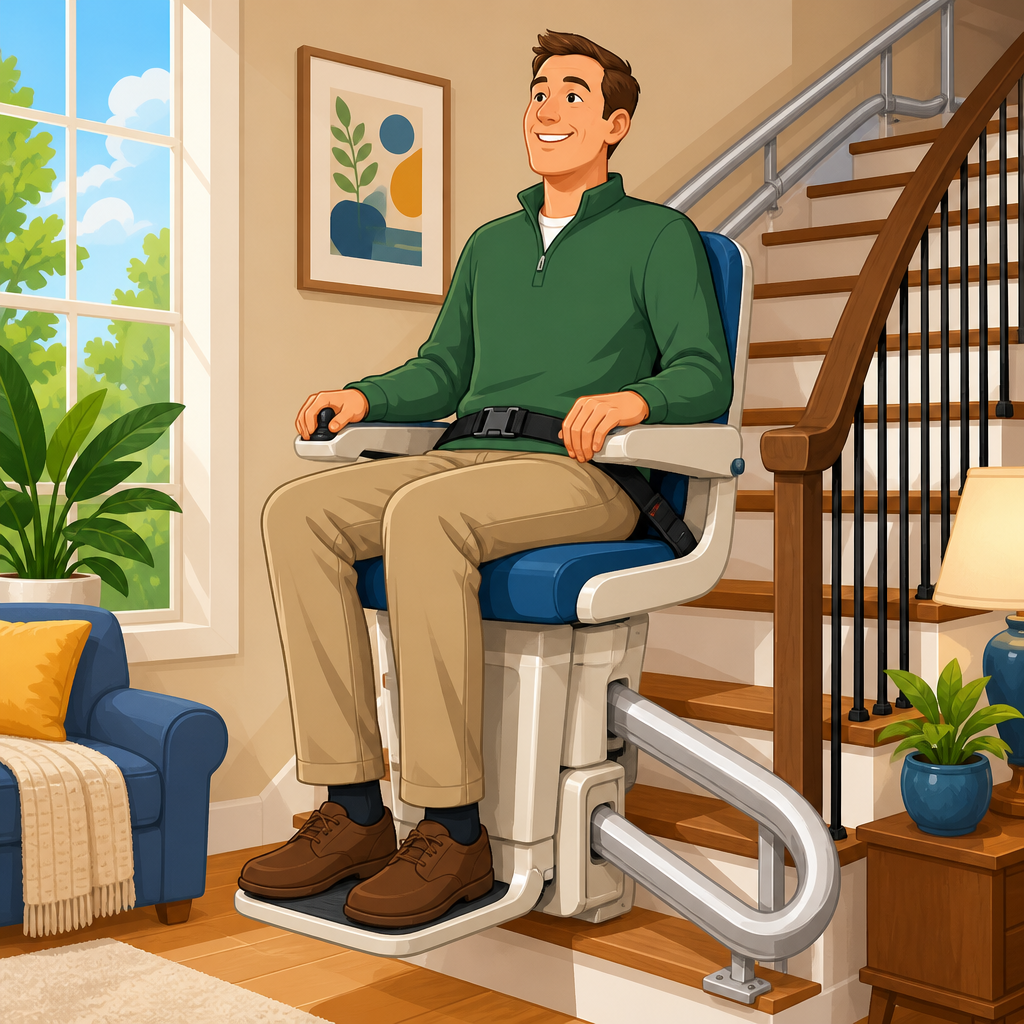
Armrests should be measured, not assumed. Narrow arm spacing can compress the hips and make winter clothing or transfer belts awkward. Wider armrests help larger-framed and taller users, but they should still allow secure elbow support. Swivel seats are another major factor. Manual or powered swivel at the top landing reduces twisting and creates a safer exit angle. On many installations, a powered hinge or track overrun is what actually makes a tall user comfortable, because it moves the seat away from the stair edge before the transfer begins.
| Feature | Why it matters for tall disabled adults | What to ask during assessment |
|---|---|---|
| Seat height | Higher seating improves standing transfers and reduces deep knee bend | Can the installer adjust perch height or recommend a high-seat model? |
| Seat depth | Longer thighs need more support to prevent pressure points | What is the usable seat depth with the back cushion in place? |
| Footrest distance | More legroom reduces cramped knee angle and shin pressure | Is the footrest position adjustable for inseam length? |
| Backrest height | Taller backs improve stability, especially on curved rides | Does this model offer a taller or contoured back option? |
| Armrest spacing | Proper width helps transfers and avoids hip compression | What is the inside arm-to-arm measurement? |
| Swivel and overrun | Safer exits reduce twisting at the top landing | Will a top overrun or powered swivel improve transfer safety? |
Padding quality and ride smoothness are often overlooked until after installation. Better models use geared transmission systems and soft-start, soft-stop programming that reduce jolts. This is especially important for users with chronic pain, spinal conditions, or poor trunk stability. Finally, check control placement. Armrest toggles should be easy to reach without shoulder strain, and call/send remotes should be simple enough for caregivers or another household member to use.
Types of Stair Lifts and Which Users They Suit
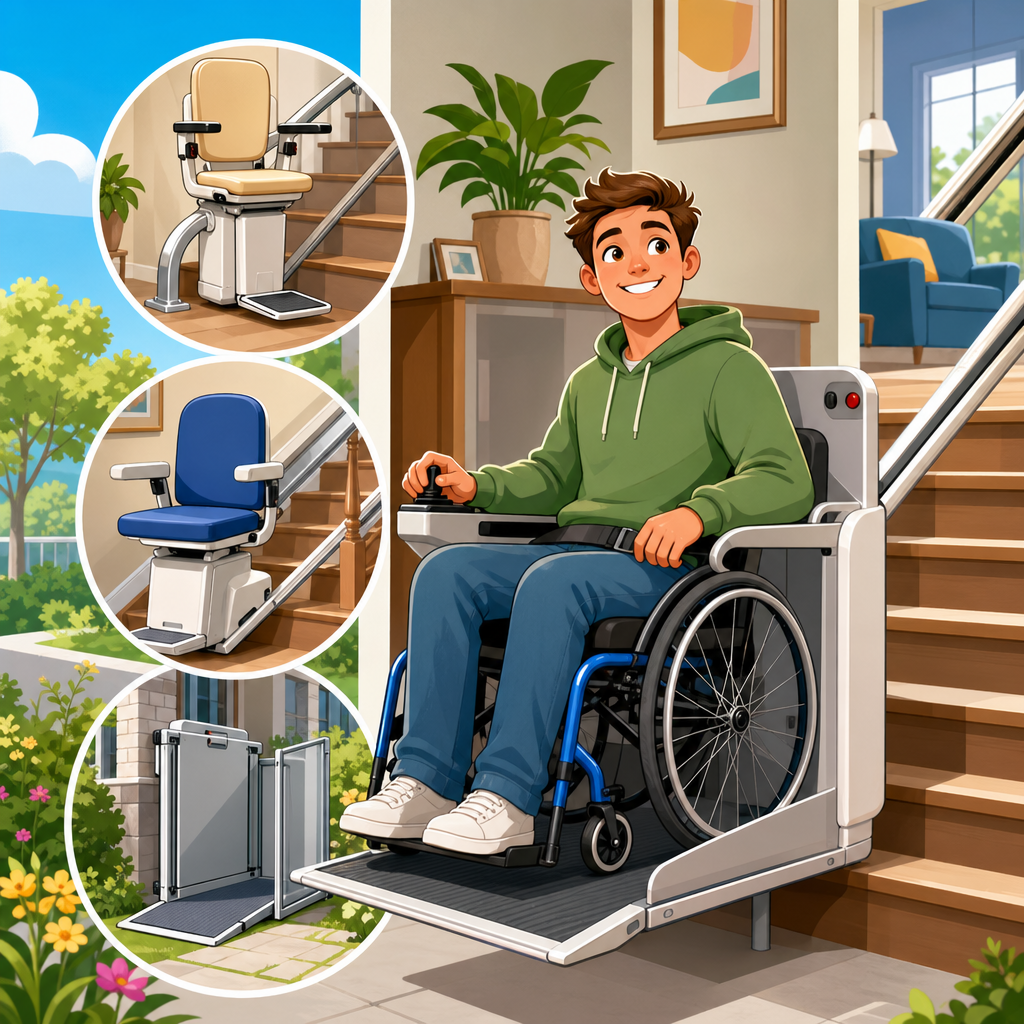
Straight stair lifts are usually the most economical and the easiest to fit well for tall adults because the seat travels on a simple rail without bends. Brands such as Bruno, Harmar, and Stannah all make respected straight models, and their higher-capacity versions often provide the best dimensions for taller users. If your staircase runs in one uninterrupted line, start here. Straight lifts generally install faster, cost less, and are easier to service because there are fewer custom components.
Curved stair lifts are custom-built for stairs with turns, intermediate landings, or spiral-like transitions. They are often the right answer in older homes, but comfort depends heavily on precision rail design. I have seen excellent curved installations where the seat parked perfectly on a wide landing, and poor ones where a tall user’s knees ended up too close to a wall during rotation. Because curved systems are bespoke, ask the dealer to explain exactly where the chair will start, turn, park, and swivel.
Heavy-duty stair lifts deserve special attention in any guide to the best chair lifts for disabled users. These models are not only about higher weight limits, often 350 to 600 pounds. They frequently include wider seats, higher seating positions, stronger frames, and more generous arm spacing that happen to suit tall users extremely well. The tradeoff is that many heavy-duty lifts need a wider staircase, commonly at least 36 inches. If your stairs are narrow, the best ergonomic model on paper may not be physically possible.
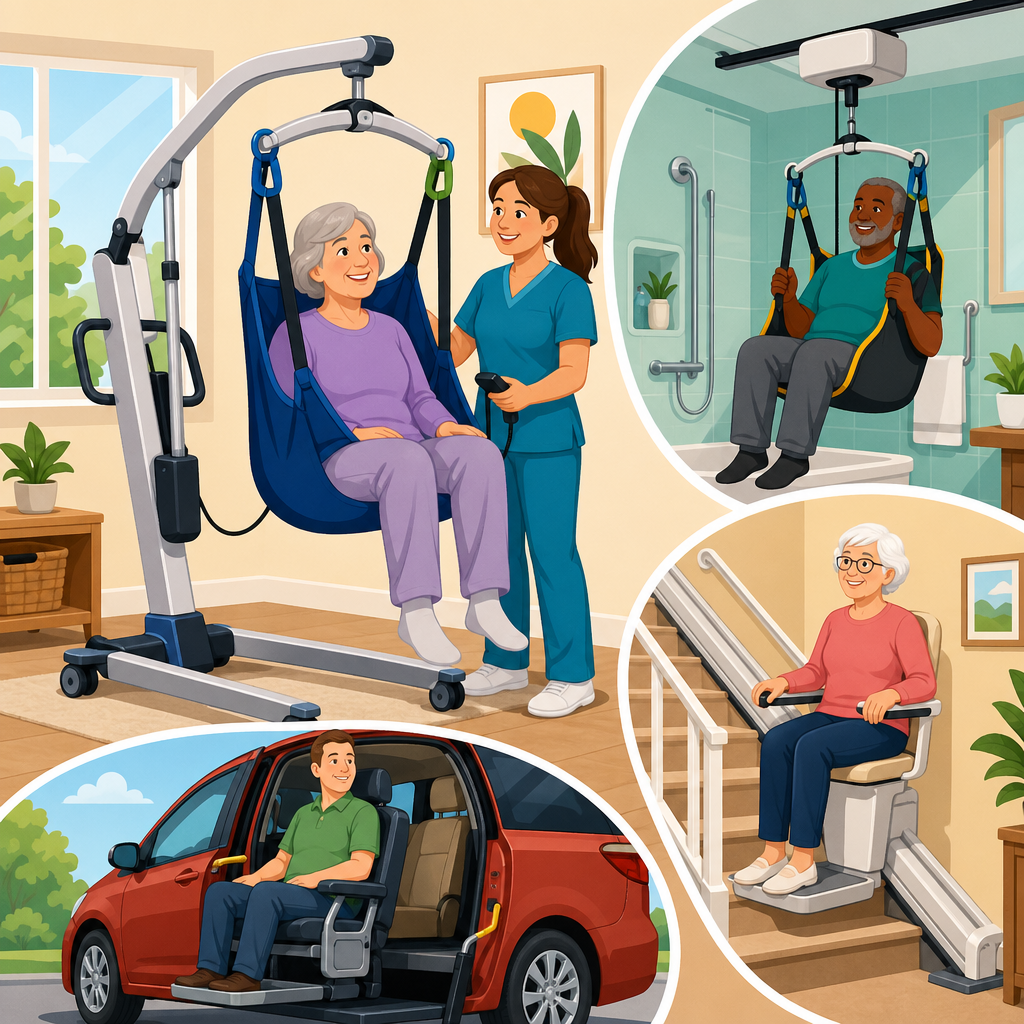
Outdoor stair lifts use weather-resistant materials, sealed controls, and protective covers. Tall users should evaluate them just as carefully as indoor models because bulky clothing, rain gear, and uneven approaches can complicate transfers. Standing or perch stair lifts exist for people who cannot bend their knees enough for a conventional seat, but they require better balance and are not right for many disabled adults. Platform lifts, including inclined wheelchair platforms, may ultimately be better when seated transfer is not safe at all.
Best Brands and Models to Compare
Several manufacturers consistently appear in serious stair lift buying guides because they have broad dealer networks, established service histories, and models with proven reliability. Bruno is widely respected in North America for build quality and ride comfort. The Bruno Elite Straight, for example, is often shortlisted for taller adults because it combines a high-capacity frame, smooth operation, and good seat ergonomics. Harmar’s Pinnacle line is known for a narrow rail and efficient battery operation, while the heavier-duty Harmar models can be a better match when extra space and capacity are needed.
Stannah has a strong reputation for custom curved lifts and refined seat options. In homes where tall users need a curved rail, Stannah often enters the conversation because of its tailored configurations and long-standing brand history. Handicare also offers both straight and curved solutions, with some models featuring powered swivel, powered footrest operation, and upholstery options that can improve day-to-day usability. Access BDD is another name buyers may encounter, especially in markets where compact design matters.
No brand is universally “best” for every tall disabled adult. The right choice depends on dimensions, staircase width, dealer competence, and after-sales support. I advise buyers to compare not just brochure specifications but also maintenance coverage, battery replacement procedure, warranty terms, and parts availability. A comfortable stair lift that sits out of service for two weeks waiting for parts is not a good accessibility solution. Prioritize local installation quality and service response as highly as seat comfort.
Buying, Installation, and Long-Term Ownership Tips
Before you buy, request an in-home survey from at least two reputable dealers. During the visit, sit in the proposed model if possible, wearing the type of shoes you normally use indoors. Test the seat height, armrest position, and knee angle. If standing up is difficult, ask the representative to demonstrate alternatives such as a higher seat, powered swivel, or top overrun. A professional assessor should discuss charging points, battery backup, obstruction sensors, and whether the rail creates any walking hazard for other household members.
Costs vary widely. Straight stair lifts commonly range from roughly $2,500 to $5,500 installed in the United States, while curved lifts often begin around $10,000 and can climb much higher depending on rail complexity. Heavy-duty and outdoor options add cost. Medicare generally does not cover stair lifts as standard durable medical equipment, though some Medicaid waiver programs, veterans’ benefits, state assistive technology programs, or nonprofit funding sources may help. Used and reconditioned straight lifts can reduce cost, but used curved rails are rarely transferable because they are custom-made.
Ownership is easier when maintenance is planned from day one. Most residential stair lifts run on rechargeable batteries, even though they plug into household power for charging. Batteries usually last several years, but lifespan depends on usage and charging habits. Keep the rail clean, avoid storing objects on the stairs that could trigger safety edges, and schedule service if you notice jerky starts, beeping faults, or inconsistent charging. If multiple people use the staircase, confirm how the seat folds, where it parks, and whether call/send controls are placed logically on both levels.
How This Hub Helps You Choose the Best Chair Lift for Disabled Users
As a hub article under buying guides and product reviews, this page should help you narrow the field before moving into deeper comparisons. If you are shopping for the best stair lifts for tall disabled adults, focus first on fit: seat height, depth, legroom, back support, and transfer geometry. Then match those needs to the correct category: straight, curved, heavy-duty, outdoor, or perch. Finally, compare brands on service quality, warranty, and dealer expertise, not only on brochure claims.
The main benefit of taking this approach is simple: you avoid buying a stair lift that technically works but is uncomfortable enough to discourage use. For tall disabled adults, comfort is safety. A seat that supports the thighs, preserves a natural knee angle, and allows a stable exit at the landing reduces strain every single day. Start with an in-home assessment, ask precise measurement questions, and use this hub to guide your next step into model reviews, brand comparisons, and installation advice.
Frequently Asked Questions
What makes a stair lift a good fit for tall disabled adults?
A good stair lift for a tall disabled adult does much more than carry body weight up and down the stairs. The best models address body proportions, joint comfort, and seating geometry so the user can sit naturally without feeling folded into a chair that is too short or too tight. Key fit features include a higher seat back, a deeper or better-shaped seat base, more distance between the seat and footrest, and armrests that do not force the shoulders inward. For many taller users, the most important detail is knee angle. If the seat is too low or the footrest sits too close, the knees may rise too high, creating pressure in the hips and thighs and making every ride uncomfortable.
Another major factor is safe transfer on and off the lift. A tall user often needs enough seat height and enough space at the top and bottom landings to stand up without twisting awkwardly. Swivel seats, adjustable armrests, and folding footrests can all improve this process. The rail position also matters because it affects how close the chair sits to the staircase and whether the user’s legs clear nearby walls, banisters, or narrow turns. In practical terms, the best stair lift for a tall adult is one that supports longer legs, allows a more open seated posture, and makes transfers feel stable rather than cramped. Comfort features are not extras in this situation; they are central to daily usability and long-term satisfaction.
Which comfort features should tall users prioritize when comparing stair lifts?
Tall users should focus first on the features that directly affect legroom and posture. The most valuable comfort features usually include generous seat-to-footrest distance, a supportive backrest, a seat height that allows easier standing, and enough seat depth to support the thighs without placing pressure behind the knees. If a stair lift looks compact, that may help save stair space, but it can also mean a tighter seating position. That is why dimensions matter more than appearance. Asking for the actual seat width, back height, folded profile, and legroom measurements is often the smartest step during comparison.
After core fit, look at features that improve ride quality and ease of use. Padded armrests, a smooth start-and-stop drive system, and a swivel seat with secure locking positions can make the experience much more comfortable, especially for users with pain, balance limitations, or reduced flexibility. Footrest design is also important. A wider or better-placed footrest can reduce ankle strain and help taller riders maintain a more natural lower-body position. Some users also benefit from powered swivel seats or powered footrests, especially if bending is difficult. In short, the best comfort features are the ones that reduce strain before, during, and after the ride, not just the ones that make the chair feel softer.
Are standard stair lifts usually too small for tall adults?
Standard stair lifts are not automatically too small for tall adults, but many are designed around average body dimensions, which means taller users often run into fit problems more quickly. A model may technically have enough weight capacity while still feeling cramped in the seat, too short in the back, or awkward in the leg position. This is an important distinction because weight capacity and body fit are not the same thing. A stair lift can be fully capable of lifting a user safely and still be a poor match for daily comfort if the chair proportions do not suit a taller frame.
That is why tall buyers should be cautious about choosing a lift based only on brand reputation or basic specifications. The right question is not simply, “Will this lift carry me?” but also, “Will I be able to sit comfortably, transfer safely, and use it every day without pain or frustration?” In many cases, a standard model may work if it has favorable seat geometry and enough adjustment range. In other cases, a heavy-duty or upgraded seat option may offer a better fit because it provides more room, stronger support, and a more open sitting position. The best way to know is through an in-home assessment with detailed measurements, not assumptions based on product photos or generic labels.
How can I tell if a stair lift will provide enough legroom before buying?
The best way to judge legroom is to combine product dimensions with an in-home assessment by a qualified stair lift dealer or installer. Ask specifically for the seat height, seat depth, back height, distance from the seat to the footrest, and how the chair positions the knees during travel. For tall adults, these measurements are often more meaningful than broad marketing claims like “ergonomic” or “comfortable.” It is also helpful to discuss the user’s height, inseam length, hip and knee flexibility, and whether they wear braces, orthopedic footwear, or other mobility supports that may affect positioning.
If possible, arrange a demonstration or try a comparable showroom model, but keep in mind that the staircase layout at home can change how a chair lift feels. A narrow staircase, tight top landing, wall projections, or a curved rail can all affect knee clearance and sitting posture. During the assessment, the installer should evaluate whether the user can place both feet securely on the footrest, whether the knees remain in a comfortable position, and whether standing up at the top and bottom feels stable. A reputable provider should be willing to explain exactly why a model fits well or does not. If the answers stay vague, that is usually a sign to keep shopping. For taller adults, precise fit is too important to leave to guesswork.
Is a heavy-duty stair lift always the best choice for a tall disabled adult?
Not always. A heavy-duty stair lift can be an excellent option for a tall disabled adult, but it is not automatically the best one just because it has a larger frame or higher weight rating. Heavy-duty models often include wider seats, sturdier construction, and sometimes a more spacious seating position, which can benefit taller users. However, some tall adults do not need a wider chair as much as they need better legroom, higher seat positioning, or improved transfer support. In a few cases, an overly wide seat can even reduce comfort or stability if it does not match the user’s body well.
The best choice depends on the user’s complete fit profile and the staircase itself. Heavy-duty stair lifts may require more installation space, and not every staircase can accommodate them without affecting walking clearance for others in the home. They can also differ in seat height, rail size, and folding dimensions, all of which matter in real-world use. For that reason, the smartest approach is to treat heavy-duty models as one category of possible solutions rather than the default answer. A tall user should look for the model that balances body support, legroom, transfer safety, and staircase compatibility. In many homes, that may indeed be a heavy-duty lift, but in others, a well-designed standard or upgraded model will deliver a better overall fit and a more comfortable daily experience.