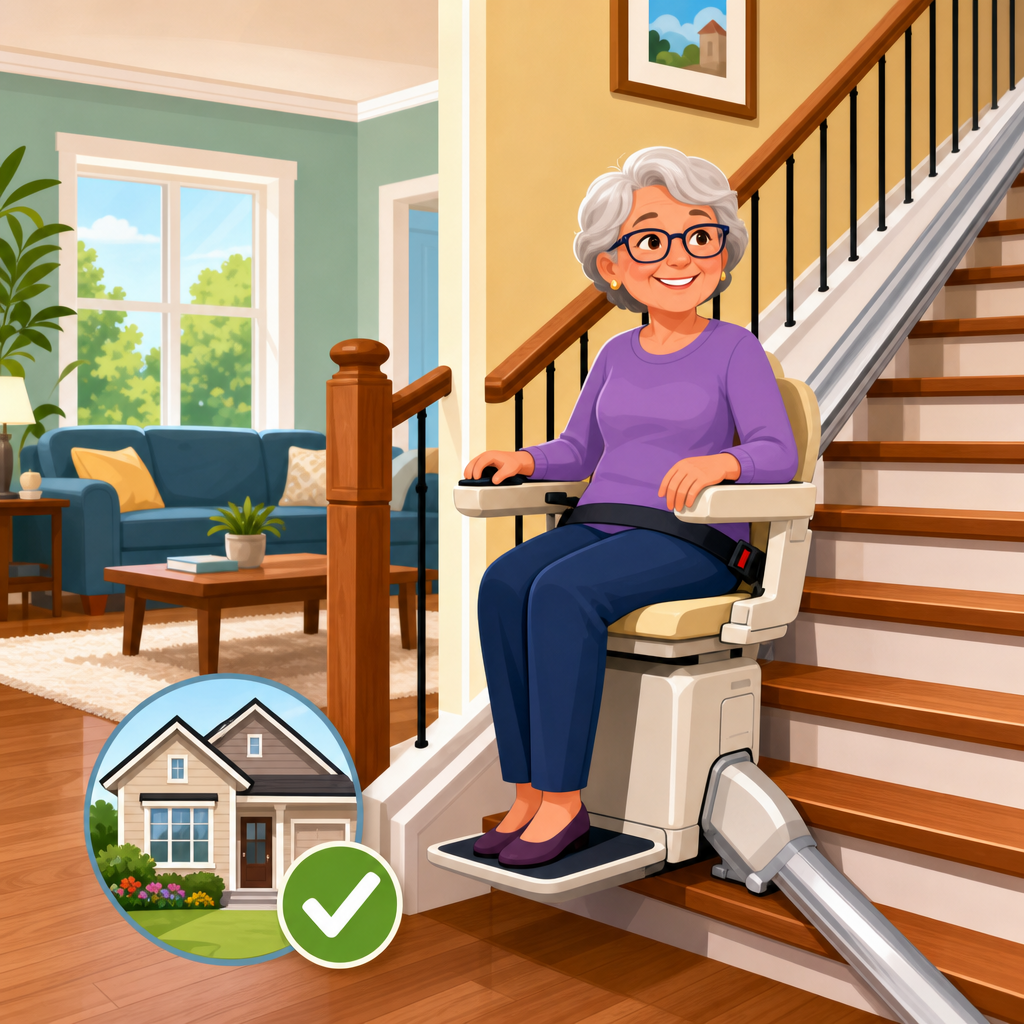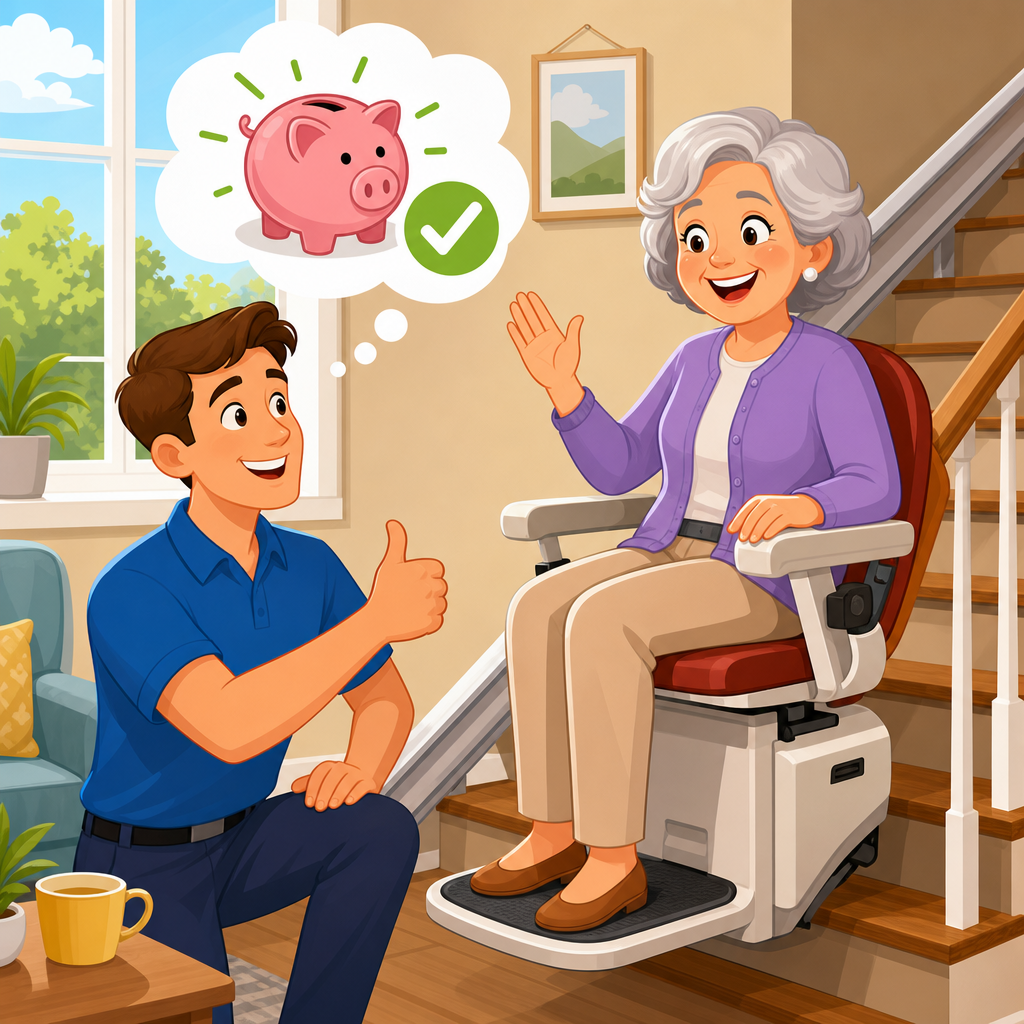
Can you get a chair lift with no money down? In many cases, yes, but the answer depends on the type of stair lift, your credit profile, the dealer’s financing partners, and whether you qualify for grants, Medicaid waivers, veterans’ benefits, or nonprofit assistance. As someone who has helped families compare stair lift quotes and financing contracts, I can say the most important point is simple: “no money down” rarely means “no cost.” It usually means the upfront payment is waived and the purchase price is spread across monthly installments.
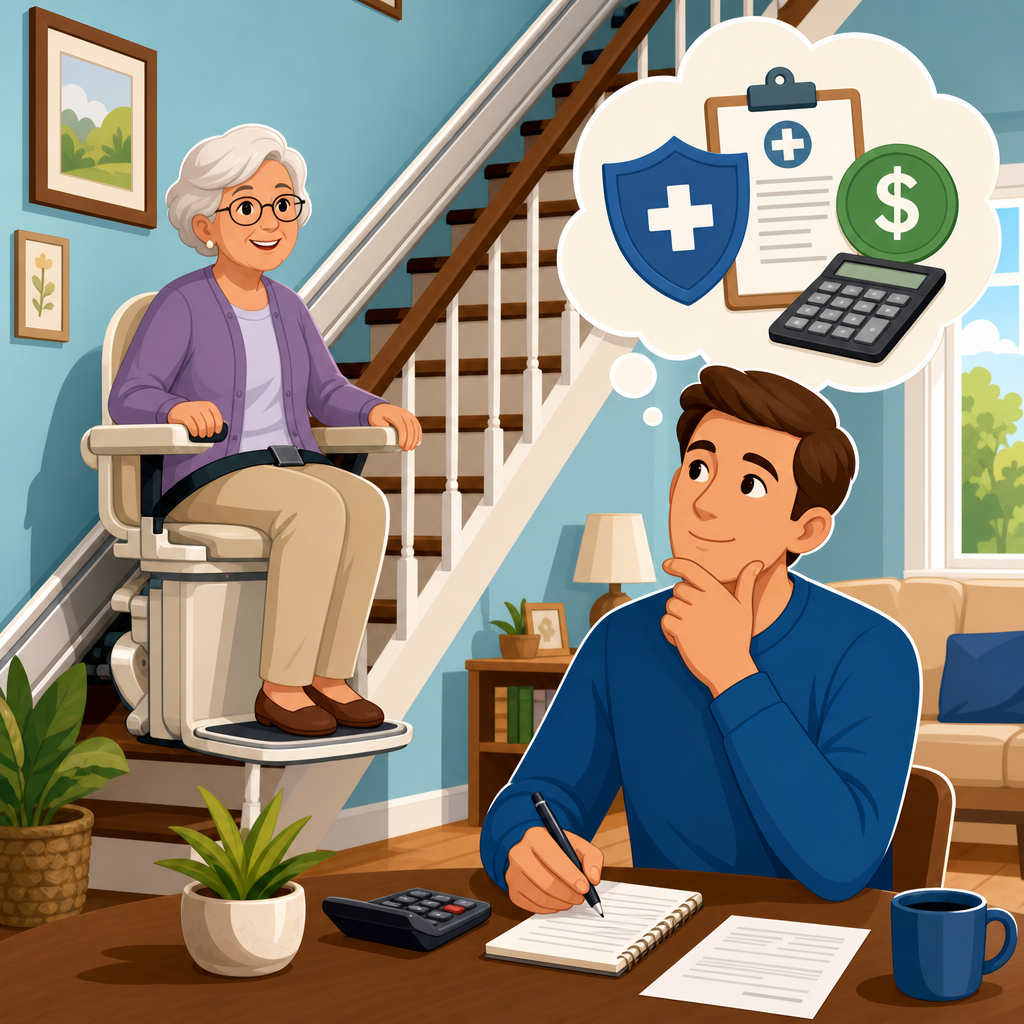
For this Cost & Financing Options hub, “chair lift” refers to a motorized seat that travels along a rail mounted to the staircase, often called a stair lift. Financing and payment plans include installment loans, dealer-arranged financing, credit cards, lease or rental agreements, and public or charitable support that reduces the amount you need to finance. This topic matters because mobility equipment is often needed quickly after surgery, a fall, or a new diagnosis, and a delayed decision can turn a manageable staircase into a daily safety hazard. New straight stair lifts commonly start around $2,500 to $5,500 installed, while curved systems often range from $10,000 to $20,000 or more because they require custom rails. When families hear those numbers, the first question is not about upholstery or remote controls; it is whether the lift can be installed without a large deposit.
The practical goal of this guide is to explain how no-money-down chair lift financing works, who offers it, what approval standards usually apply, and when renting or using assistance programs makes more sense than borrowing. It also serves as the central overview for financing and payment plans across this subtopic, so it covers the full landscape: retail financing, medical credit products, home modification funding, benefit programs, and the real contract terms that drive total cost. If you are researching stair lift payment options for yourself, a parent, or a client, this page will help you ask better questions, compare offers correctly, and avoid paying more than necessary.
How no-money-down chair lift financing usually works
No-money-down financing for a chair lift is most often a standard consumer installment loan offered through the stair lift dealer and underwritten by a third-party lender. The dealer sells the lift, measures the stairs, manages installation, and submits your credit application. If approved, the lender pays the dealer and you repay the lender in monthly installments. In some programs, the first payment is due within 30 days. In others, there may be a short promotional period before regular payments begin.
Approval generally depends on credit score, debt-to-income ratio, income stability, and the loan amount. Straight stair lifts are easier to finance because the ticket price is lower and installation is simpler. Curved stair lifts involve a custom rail, so lenders and dealers may apply stricter terms or require a partial payment even when the advertisement says no money down. I have seen families approved for a straight lift with no deposit but asked to pay part of the custom rail cost upfront for a curved model. That is not unusual because custom components have less resale value if an order is canceled.
The phrase “no money down” can also describe deferred-interest promotional financing, which is very different from a low-interest installment loan. With deferred-interest offers, interest may be waived only if the balance is paid in full within the promotional period. If not, retroactive interest can be added from the original purchase date. That clause catches people who focus on the monthly payment and ignore the payoff deadline. Always ask whether the plan is simple-interest, fixed APR financing or deferred-interest promotional credit.
Where chair lift financing and payment plans come from
Most stair lift manufacturers do not act as direct lenders. Financing usually comes from one of four sources: dealer-arranged installment lenders, medical credit cards, bank or credit union loans, or in-house payment plans offered by a local dealer. National brands such as Bruno, Harmar, and Stannah typically sell through dealer networks, and the local dealer’s financing relationships determine the exact options available in your area.
Dealer-arranged financing is common because it is built into the sales process. A representative can provide a quote, gather measurements, and often submit an application the same day. Medical credit products are also used for mobility equipment, but they vary widely in rates and promotional terms. Personal loans from banks or credit unions can be a better choice when the dealer’s financing carries a high APR or deferred-interest risk. Credit unions in particular may offer lower fixed rates and clearer repayment schedules.
Some local providers offer internal payment plans for a limited term, especially for straight stair lifts or rentals. These arrangements can be useful when the needed amount is modest, but they are not universal and often depend on dealer cash flow, local competition, and your installation timeline. In my experience, the strongest negotiating leverage appears when you request quotes from at least three providers and ask each one to separate equipment cost, installation, service coverage, and financing terms.
Comparing financing options the right way
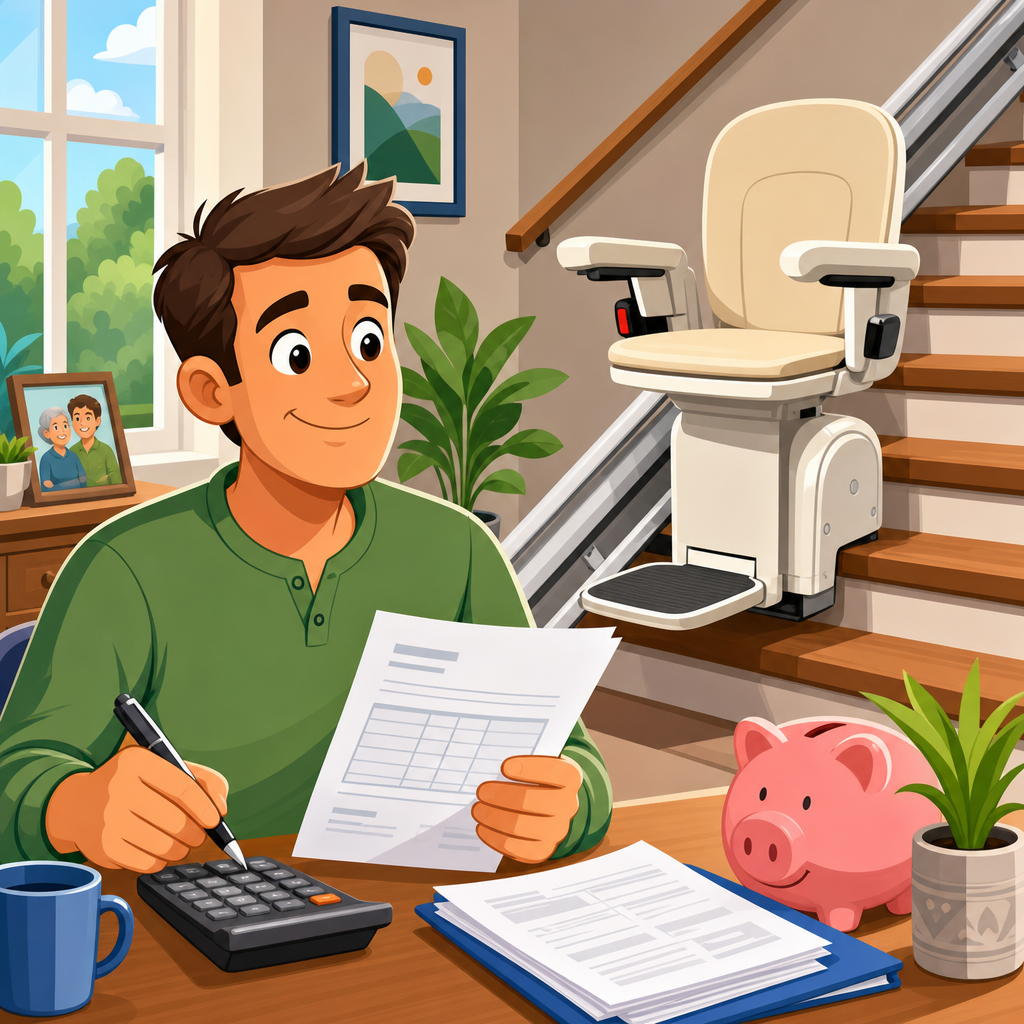
The monthly payment matters, but it is not the best way to compare chair lift financing. The correct comparison uses total installed price, annual percentage rate, term length, fees, prepayment penalties, warranty coverage, and whether service visits are included. A lower monthly payment can hide a longer term and a much higher total repayment amount.
| Option | Best for | Typical strengths | Main risks |
|---|---|---|---|
| Dealer-arranged installment loan | Fast approval and installation | Convenient, fixed payments, often no deposit | APR may be higher than bank financing |
| Medical credit card | Short payoff window | Promotional financing may reduce short-term cost | Deferred interest can become expensive |
| Bank or credit union personal loan | Borrowers with solid credit | Transparent terms, possible lower rates | Funding may take longer |
| Dealer in-house payment plan | Local, smaller transactions | Flexible structure in some markets | Limited availability and short terms |
| Rental or lease | Temporary mobility needs | Lower upfront cost, no long commitment | Not ideal for long-term use |
When you compare quotes, ask for the out-the-door price before financing. Then calculate total repayment across the life of the loan. For example, a $4,500 straight stair lift financed at 12.99% APR for 48 months can cost substantially more overall than the same lift financed through a credit union at a lower fixed rate. Also confirm whether the warranty remains valid under financing, whether annual maintenance is bundled, and who pays for service calls after the labor warranty ends.
When no-money-down offers are realistic and when they are not
No-money-down chair lift financing is most realistic for straight stair lifts, borrowers with fair to good credit, and homes where installation is straightforward. A standard staircase with enough clearance, a nearby power source, and no unusual rail requirements gives the dealer and lender confidence that the project can be completed quickly and cleanly. Because straight rails are modular and more widely reusable, dealers face less risk if a financing problem or cancellation occurs.
The offer is less likely to be truly zero down for curved stair lifts, outdoor models, and highly customized setups. Curved rails are typically built to the exact geometry of the staircase after a photo survey or digital measurement. Outdoor lifts must handle weather exposure and can include upgraded materials or covers. If the project includes a heavy-duty seat, power swivel, folding rail, or multiple stops, the price rises and so can the lender’s caution. In those cases, even approved buyers may be asked for a deposit.
Another reality is that “no money down” does not eliminate related costs outside the lift contract. You may still need an electrical outlet added near the charge point, stairway clutter removed, or carpentry adjustments if handrails interfere with the installation plan. Those costs are usually modest, but they matter for budgeting. A good dealer will identify them before you sign.
Alternatives to financing: grants, benefits, and assistance programs
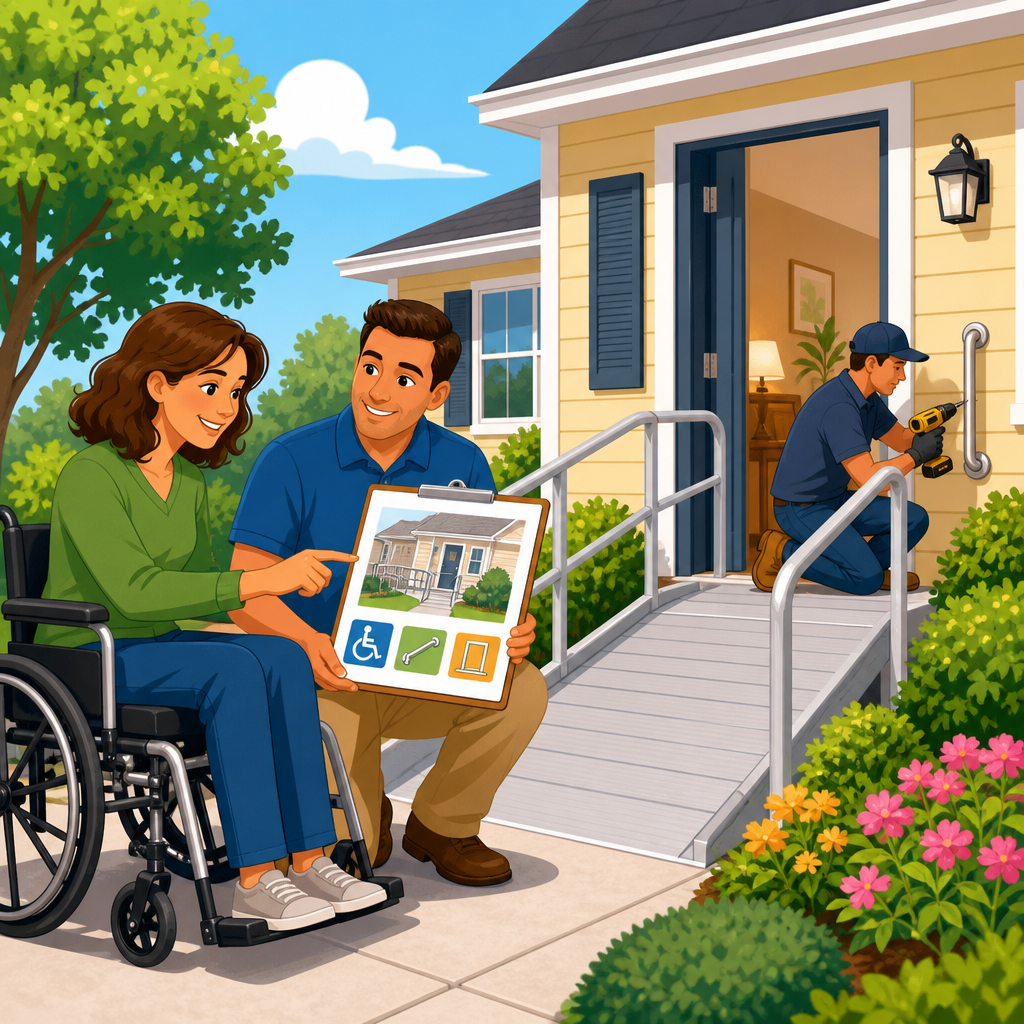
Borrowing is only one path. Before accepting a financing plan, check whether any public or nonprofit assistance can reduce the amount you need to pay. Medicare generally does not cover stair lifts because they are considered home modifications rather than durable medical equipment. That surprises many families and is one reason financing is so common.
Medicaid can be more promising, especially through Home and Community-Based Services waivers in some states. Coverage rules vary widely, but certain waiver programs may help fund home modifications when they support safe aging in place and reduce institutional care needs. Veterans may find support through the Department of Veterans Affairs, including home modification grants for eligible service-connected disabilities. The exact program fit depends on the veteran’s disability rating, clinical need, and housing situation.
State assistive technology programs, Area Agencies on Aging, Centers for Independent Living, and disease-specific nonprofits sometimes offer grants, low-interest loans, or equipment exchange programs. In several markets, I have seen refurbished straight stair lifts placed through local nonprofits at a fraction of new retail cost. If your need is temporary, a rental can be more economical than financing a purchase, especially after orthopedic surgery or during rehabilitation.
Rental, used, and refurbished stair lifts as payment strategies
If the goal is to avoid a large down payment, buying new is not the only answer. Renting a stair lift often requires less cash upfront and can include installation, removal, and service in a single monthly fee. Rentals are most common for straight stair lifts because the rail can be reused. Curved rentals are rare because the custom rail limits reuse and increases setup cost.
Used and refurbished lifts can also reduce financing pressure. Refurbished usually means the motor unit and seat have been inspected, repaired if needed, cleaned, and tested, while the rail may be new or reconditioned depending on the model and installer. The critical question is not simply whether the unit is used, but whether parts availability, battery condition, and warranty support are documented. A reputable dealer should explain who refurbished the unit, what components were replaced, and how service will be handled.
For families balancing safety and budget, a refurbished straight stair lift financed over a short term can be a practical middle ground. The installed price is lower, approval is often easier because the financed amount is smaller, and total interest paid may be far less than with a new custom system. The tradeoff is fewer cosmetic options and sometimes a shorter warranty.
What to ask before signing any chair lift payment plan
Every financing conversation should end with a written checklist. Ask for the cash price, financed price, APR, monthly payment, term length, total repayment, and any origination or late fees. Confirm whether there is a prepayment penalty; many borrowers intend to pay faster once they sell a home, receive insurance proceeds, or free up cash, and prepayment restrictions can erase that advantage.
Ask who owns the equipment if you are entering a rental or lease agreement, what happens if the user’s health changes, and whether removal fees apply. If the stair lift is being installed for a person recovering from surgery, cancellation and early termination terms matter. Also confirm the service response process. Financing a lift that cannot be serviced quickly is not a bargain.
Finally, ask whether the quote includes seat style, weight capacity, rail overrun, power options, remotes, warranty, permit requirements if any, and post-installation training. The best providers document all of this in plain language. A chair lift is a safety device, not just a retail appliance, and clear paperwork is one of the strongest signals that the seller will stand behind the installation.
How to choose the best option for your household
The best chair lift financing and payment plan depends on time horizon, staircase type, health needs, and cash flow. If the need is permanent and the staircase is straight, a low-rate installment loan or credit union loan often offers the cleanest long-term value. If the need is temporary, renting usually beats financing a purchase. If the staircase is curved and the budget is tight, combining a partial grant, family support, and a shorter financed balance may be safer than stretching a large loan over many years.
Start with three quotes from qualified stair lift dealers. Compare not just price, but rail type, warranty, service coverage, and financing details. Check for licensing or contractor requirements in your state, review Better Business Bureau history, and read service reviews with an eye toward installation quality and after-sale support. If possible, test a demo unit before signing, especially for users with limited trunk control, arthritis, or larger body size, because seat comfort and transfer ease affect daily safety as much as the financing terms do.
The main takeaway is straightforward: yes, you can often get a chair lift with no money down, but the smartest decision is the one that minimizes total cost while delivering safe, prompt mobility at home. Review financing carefully, explore assistance programs before borrowing, and choose a provider that explains every term clearly. If you are comparing quotes now, use this hub as your starting point and build a side-by-side checklist before you commit.
Frequently Asked Questions
Can you really get a chair lift with no money down?
Yes, in many cases you can get a chair lift with no money down, but it is important to understand what that offer usually means. A no-money-down stair lift typically means you do not have to make an upfront down payment at installation. It does not mean the lift is free, interest-free, or cheaper overall. In most situations, the full purchase price is financed through a lender or dealer financing partner, and you repay the balance over time in monthly installments.
Whether you qualify depends on several factors, including your credit score, income, debt-to-income ratio, the stair lift dealer’s financing options, and the type of lift you need. Straight stair lifts are generally less expensive and easier to finance than custom curved models, which often cost much more because they are built specifically for your staircase. Some dealers also run promotional financing offers, such as zero down, deferred payments, or temporary low-interest plans, but these offers can vary widely and may come with strict approval requirements.
The biggest mistake shoppers make is focusing only on the words “no money down” instead of the total cost of ownership. Always ask for the full installed price, the loan term, the interest rate, any dealer fees, prepayment penalties, warranty coverage, and the total amount you will pay by the end of the agreement. A no-down-payment option can absolutely help a family move forward quickly when mobility is urgent, but it should be evaluated like any other financing decision.
What credit score do you need to finance a stair lift with no down payment?
There is no single universal credit score requirement because each financing company sets its own approval standards. That said, borrowers with stronger credit usually have the easiest time qualifying for no-money-down financing and tend to receive better interest rates and repayment terms. If your credit is fair or challenged, approval may still be possible, but the lender may offer a higher rate, a shorter repayment window, require a co-borrower, or limit the amount financed.
Dealers that work with multiple financing partners may be able to match applicants with different programs, including options for near-prime or subprime borrowers. In practical terms, this means one company may decline an application while another may approve it under different terms. If your credit is not ideal, it is worth asking whether the dealer can submit your application to more than one lender, whether there are soft credit prequalification options, and whether adding a co-signer could improve the offer.
It is also smart to prepare before applying. Review your credit report for errors, pay down revolving balances if possible, avoid taking on new debt right before applying, and gather proof of income. If you are turned down for no-down-payment financing, do not assume the stair lift is out of reach. You may still have alternatives, including grants, Medicaid waiver programs, veterans’ benefits, used equipment, rental lifts for short-term needs, or nonprofit assistance.
Are there programs that can help pay for a chair lift instead of financing it?
Yes, and this is one of the most important areas to explore before signing a financing agreement. Depending on where you live and your personal circumstances, you may qualify for public or nonprofit assistance that reduces or even covers part of the cost of a stair lift. Common sources include Medicaid Home and Community-Based Services waivers, state assistive technology programs, Area Agencies on Aging, veterans’ programs, local disability organizations, and charitable nonprofits. Some homeowners also use long-term care insurance benefits, flexible spending accounts, health savings accounts, or home modification grants if available in their region.
For veterans, assistance may be available through the Department of Veterans Affairs, especially when the stair lift is medically necessary for safe access within the home. Medicaid coverage is more complicated because traditional Medicaid does not always directly pay for stair lifts, but waiver programs in some states may help with home modifications that support independent living and prevent institutional care. Nonprofit support often depends on local funding, age, disability status, or income guidelines, so availability can vary significantly by community.
The best approach is to contact your local aging and disability resource center, Area Agency on Aging, VA representative if applicable, and state Medicaid office before you commit to financing. Ask specifically about home accessibility modifications, mobility equipment funding, and emergency assistance programs. Even if a program does not pay the full amount, partial assistance can reduce how much you need to finance, which lowers your monthly payment and total interest cost.
Is no-money-down financing a good idea for a stair lift?
It can be a good idea, especially when safety is an immediate concern and waiting to save up cash is not realistic. If someone in the home is at risk of falling on the stairs, the ability to install a stair lift quickly without a large upfront payment can be incredibly valuable. For many families, no-money-down financing provides access to a needed mobility solution right away while spreading the cost across manageable monthly payments.
That said, whether it is a good financial decision depends on the terms. A no-down-payment loan with a reasonable interest rate, transparent fees, and flexible repayment options may be perfectly sensible. On the other hand, a long-term loan with high interest can make an already expensive piece of equipment cost substantially more over time. This becomes especially important with custom curved stair lifts, which are significantly more expensive than straight models and may not be easy to resell or transfer because they are built for a specific staircase.
Before agreeing to financing, compare several quotes and ask every dealer the same questions. What is the total installed price? Is the offer a loan, lease, or promotional deferred-interest plan? What happens if you miss a payment? Is there a payoff penalty? How long is the warranty, and does it include labor and service calls? Also ask whether renting, buying used, or choosing a basic model could better fit your budget. No-money-down financing is most useful when it solves an urgent need without creating an unmanageable long-term burden.
What should you watch out for in a no-money-down stair lift offer?
The main thing to watch for is the difference between a convenient payment structure and a truly affordable deal. Some no-money-down offers sound attractive in advertising but become much less appealing once you look at the interest rate, repayment term, fees, and total cost. Always request the financing disclosure in writing and read the details carefully. A waived down payment can still lead to a high monthly obligation or thousands of dollars in added finance charges over the life of the loan.
Be especially cautious with deferred-interest promotions. These offers sometimes advertise no interest for a limited period, but if the balance is not paid in full by the end of that period, retroactive interest may be charged on the entire original amount. Also ask whether the quote includes installation, power supply work if needed, service visits, track overruns, seat upgrades, folding rails, and removal costs if the lift is rented or later replaced. Unexpected add-ons can turn a budget-friendly offer into a much more expensive project.
It is also wise to confirm what happens if the lift does not meet the user’s needs after installation. Ask about cancellation rights, return policies, warranty service, repair response times, and whether the dealer stocks parts locally. If the stair lift is for a temporary recovery period, compare financing against short-term rental options. The right no-money-down offer is transparent, clearly documented, and matched to your actual mobility needs, not just your desire to avoid an upfront payment.