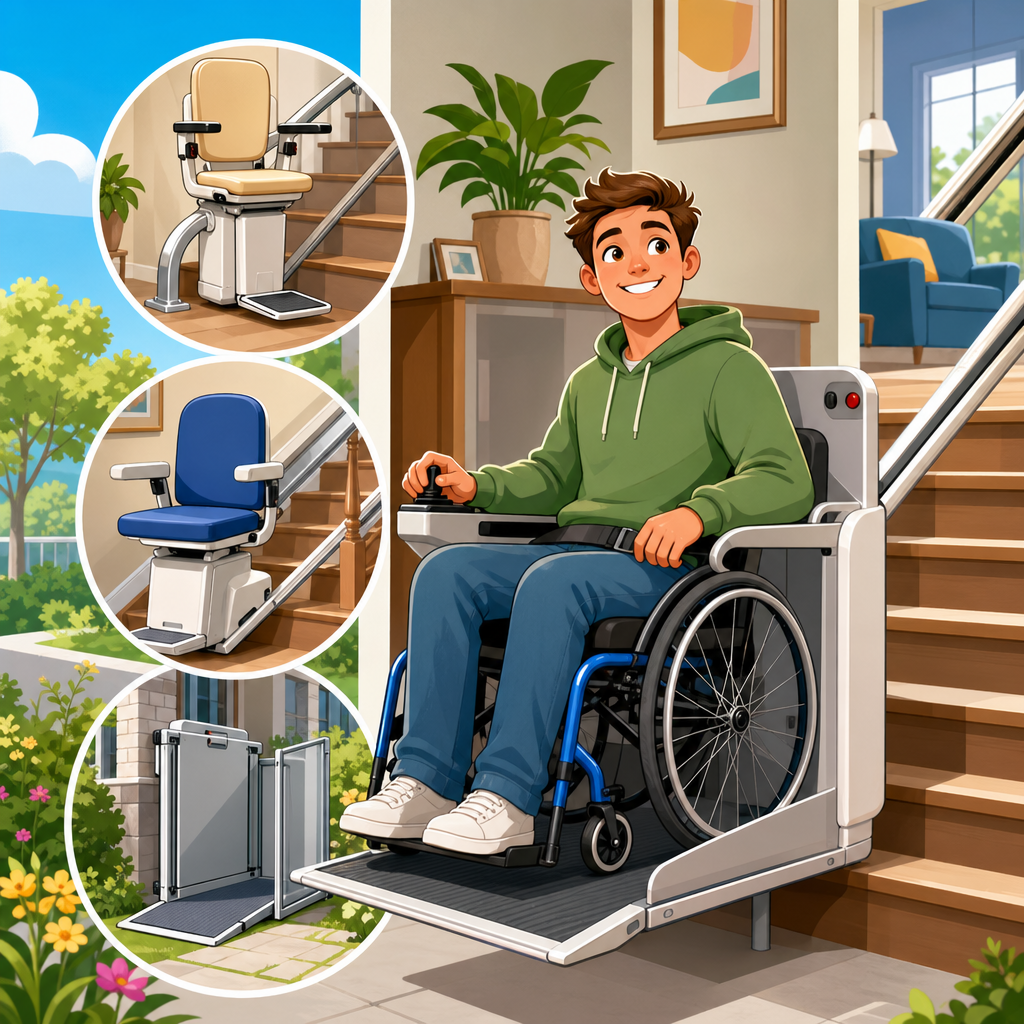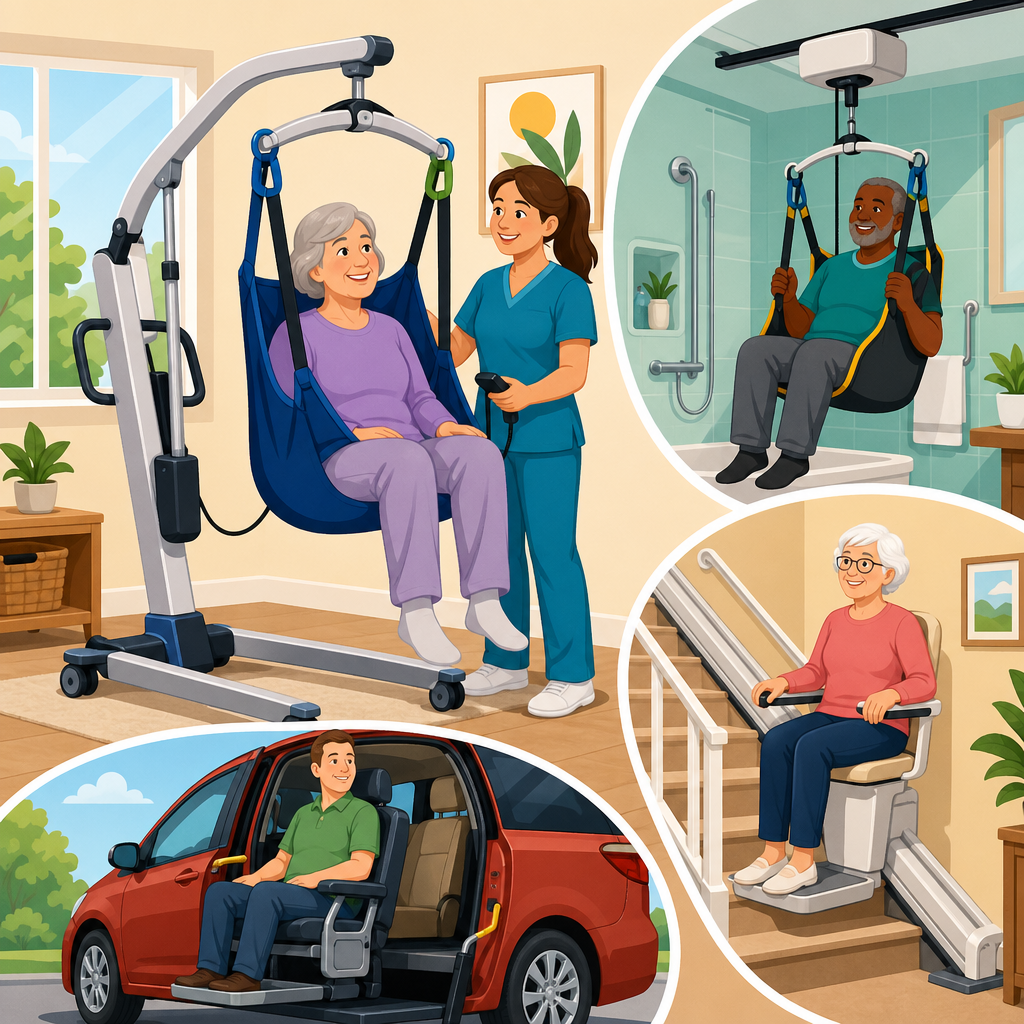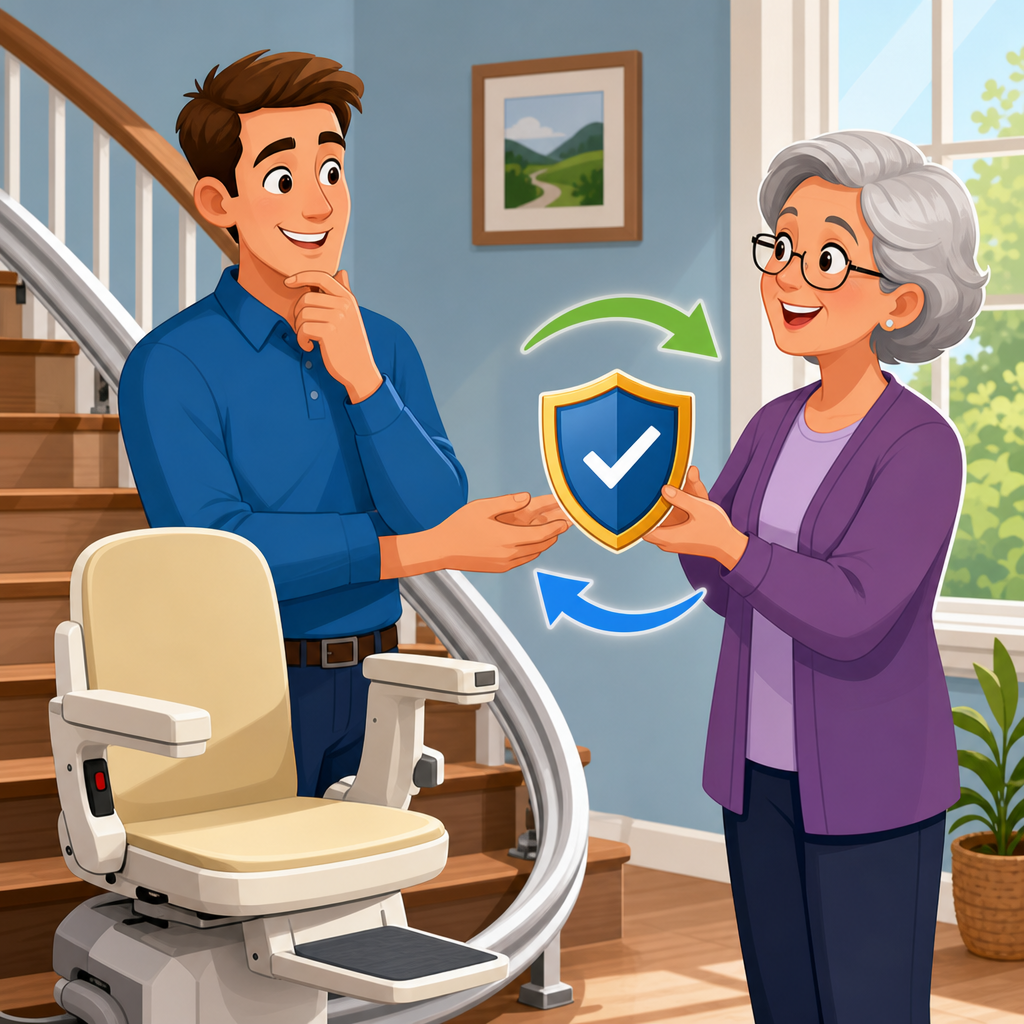
Can you transfer a chair lift warranty? Sometimes, but only under specific conditions set by the manufacturer, the installer, and the original sales contract. In my experience working with stair lift buyers, sellers, and service teams, this is one of the most misunderstood parts of ownership. Families often assume a chair lift warranty follows the equipment automatically when a home is sold or when a lift is given to another relative. In reality, transfer rules vary widely, and many warranties are either partially transferable, limited to major components only, or void after removal and reinstallation. Understanding chair lift warranty transfer rules matters because these systems are expensive, safety critical, and closely tied to installation quality. A stair lift is not just a consumer appliance; it is a mobility device made up of a rail, carriage, motor, transmission, charger, batteries, call stations, safety sensors, and seat assemblies that must work together reliably. A warranty is the manufacturer’s or dealer’s promise to repair or replace covered parts for a stated time, while a return policy governs whether the buyer can cancel, send back, or reject the product after purchase. Those are different protections, and buyers need to evaluate both. This guide explains how transferable warranties work, what is usually excluded, how return policies affect your options, and what questions to ask before you buy, sell, or relocate a chair lift.
What a chair lift warranty usually covers
Most chair lift warranties are split into separate coverage periods for parts, drivetrain components, batteries, and labor. A common structure is lifetime or multi-year coverage on the rail and motor, one to three years on electronics and other parts, and a shorter labor period, often thirty days to one year depending on the dealer. Batteries are almost always treated as consumables, with prorated or limited coverage because they wear down through normal charge cycles. Some brands also distinguish between indoor and outdoor models, since weather exposure increases corrosion risk and can reduce coverage length. In practical terms, this means a “lifetime warranty” headline rarely means every repair is free for life.
Coverage also depends on the installation method. Straight stair lifts are factory cut to standard lengths more often than curved lifts, which are built for a specific staircase using precise measurements. Because curved rails are custom manufactured, the warranty terms may tie the lift to the original address and staircase geometry. I have seen buyers surprised to learn that a custom curved unit had excellent parts coverage at the original home but almost no protection once removed and installed elsewhere. Manufacturers take that position because performance depends on fit, alignment, anchoring, and load distribution on a particular stair run.
Another detail many families miss is the difference between manufacturer warranty and dealer workmanship guarantee. The manufacturer may cover defects in the motor or PCB, while the local dealer covers installation errors, service response, and adjustments. If ownership changes, the manufacturer might allow a transfer but the dealer may not extend labor coverage to the new owner. That distinction can change the real value of a transfer dramatically.
Can a chair lift warranty be transferred to a new owner?
The direct answer is yes in some cases, no in many others, and only partially in a large number of contracts. Transferability usually depends on four factors: the brand’s written warranty, whether the lift remains at the original address, whether an authorized dealer performs any move or reinstallation, and whether the transfer is formally registered within a deadline. Some manufacturers allow the remaining term to transfer to a homebuyer if the chair lift stays installed on the original staircase. Others prohibit any transfer unless the new owner pays an administrative fee and schedules an inspection. Many dealer-issued labor warranties end immediately when the original purchaser no longer owns the home.
When a home sale is involved, the odds of at least partial transfer are better than when a lift is removed and installed somewhere else. That is because the original installation can still be verified, and the equipment has not been exposed to damage during disassembly, transport, storage, or refitting. By contrast, if a family donates a lift to another relative, most manufacturers treat that as a second installation, which often resets warranty eligibility or voids it entirely unless the company authorizes the relocation in writing. Used stair lifts sold through private marketplaces commonly have no manufacturer warranty at all.
There are also legal and documentation issues. To transfer a chair lift warranty successfully, you typically need the original invoice, serial number, model number, installation date, service history, and a copy of the warranty terms. Without those records, proving coverage can be difficult even if the policy technically allows transfer. I advise buyers to request documents before closing on a house with a lift included, not after they discover a repair issue.
What voids transfer eligibility and warranty coverage
Several actions frequently void a chair lift warranty, whether or not ownership changes. Unauthorized removal is a major one. Stair lifts are engineered around specific rail angles, mounting brackets, and electrical charging points. If a handyman removes the unit without manufacturer procedures, the company may deny future claims. The same is true for reinstallation by a non-authorized technician. Brands want trained installers because even slight rail misalignment can cause rough travel, battery charging faults, or safety sensor errors.
Misuse and environmental exposure matter too. Outdoor lifts must be protected with approved covers and maintained against moisture intrusion. Water damage, corrosion, rodent damage to wiring, impact damage from moving furniture, and operation beyond the rated weight capacity are standard exclusions. Deferred maintenance can create its own denial problem. If batteries were never replaced when weakened, the charging system can be stressed, and a later claim may be rejected as secondary damage rather than a manufacturing defect.
Another overlooked issue is modification. I have encountered cases where homeowners added non-approved seat belts, replaced call stations with generic switches, or connected the charger to an unsuitable extension setup. Those changes may seem minor, but they can void coverage because they alter tested safety conditions. Always assume that any non-factory part or unapproved alteration needs written approval.
How warranty transfer compares with return policies
Warranty and return policy are related but separate protections. A warranty applies after purchase when a covered defect appears during normal use. A return policy governs the period immediately after ordering or installation, when the customer may be able to cancel, reject, or return the unit. For chair lifts, return rights are often far narrower than buyers expect because many systems, especially curved models, are custom-built. Once fabrication starts, cancellation may trigger substantial restocking, design, or manufacturing charges.
Return terms differ sharply between straight and curved lifts. Straight lifts may qualify for limited return windows if they use standard rail sections and have not been heavily customized. Curved lifts usually do not, because the rail is made to fit one staircase and has limited resale value. Even when a dealer advertises a buyback program, it often means removal and resale assistance, not a full refund. Understanding this helps buyers avoid confusing a non-transferable warranty with an assumed right to return the system later.
| Policy area | What it covers | Common limits | Best question to ask |
|---|---|---|---|
| Manufacturer warranty | Defects in covered parts or components | May exclude labor, batteries, misuse, relocation | Does coverage transfer to a new homeowner? |
| Dealer labor warranty | Installation-related service and labor | Often non-transferable and time-limited | If ownership changes, is labor still covered? |
| Return policy | Cancellation, refund, or product return rights | Custom units often non-returnable | What fees apply after measurement or installation? |
| Buyback or trade-in | Dealer repurchase of used equipment | Condition, age, and model restrictions | Will you remove and credit the unit later? |
In practice, a strong return policy matters most before installation, while a transferable warranty matters after installation and during resale. Buyers should examine both before signing. If either section is vague, ask for written clarification. Verbal assurances from a salesperson are not enough when thousands of dollars and a critical mobility device are involved.
What to ask before buying a new or used chair lift
The smartest way to protect yourself is to ask detailed questions before the order is placed. Start with transferability: Is the warranty transferable to a new homeowner, a family member, or a second address? Ask whether transfer applies to all covered parts or only selected components. Then ask about labor. A transferable parts warranty with no labor coverage can still leave the new owner paying significant service charges. Clarify whether an inspection fee, re-registration fee, or mandatory maintenance visit is required to keep coverage active after transfer.
Next, ask about relocation. If you may move within the warranty period, request written terms for removal and reinstallation. Some dealers offer paid relocation programs using authorized technicians, which can preserve part of the warranty. Others state plainly that any move ends coverage. This is especially important for families buying a lift for a temporary recovery period after surgery, where the equipment may later be moved to another home.
For used chair lifts, ask who refurbished the unit, whether original parts were used, whether the batteries are new, and what warranty the reseller—not just the original brand—provides. Reputable dealers of reconditioned straight lifts often include short parts and labor warranties of their own, typically thirty days to one year. That can be more valuable than chasing an original manufacturer warranty that no longer applies. Also request proof that the model still has parts availability. An older lift with an impressive original warranty is not helpful if the control board has been discontinued.
How major brands and dealers typically handle transfers
Policies differ by company, model, and dealer agreement, so buyers should always verify current written terms. That said, the market follows recognizable patterns. Premium manufacturers such as Bruno, Stannah, Handicare, Harmar, and Access BDD often provide solid original warranties, but transferability may be limited by dealer labor terms, custom rail status, or relocation rules. Straight lifts sold through authorized local dealers are the most likely to retain at least some value and support after a home sale. Custom curved lifts are the least likely to offer simple transfer rights because the rail is staircase-specific.
Dealers also matter more than many buyers realize. In the field, service outcomes depend heavily on the local company’s responsiveness, parts inventory, and willingness to support second owners. A manufacturer may technically permit transfer, but if the local dealer charges high trip fees or does not prioritize legacy installations, the practical benefit is reduced. That is why I tell buyers to evaluate the servicing dealer with the same care they give the lift brand itself.
Another pattern is that certified pre-owned programs, where available, can be safer than private resale. A dealer can inspect the gearbox, carriage rollers, seat swivel lock, overspeed governor, charging contacts, and safety edges before resale. Private listings rarely provide that level of assurance. If your goal is reliable warranty support, dealer-backed used inventory is usually the better route.
Best practices for preserving value and coverage
If you want the best chance of transferring a chair lift warranty or preserving resale value, keep records from day one. Save the purchase agreement, warranty certificate, serial numbers, service invoices, and any maintenance recommendations. Register the product promptly if registration is required. Use authorized service providers for repairs and battery replacement, and keep a dated log of visits. If a problem appears, report it quickly instead of waiting for the next annual service. Delayed reporting can complicate claims because the manufacturer may argue that a minor issue became major due to continued use.
It also helps to maintain the lift exactly as instructed. Keep the rail clean, avoid overloading, ensure the charging points remain unobstructed, and use the seat, footrest, and swivel functions as designed. Before selling a home, schedule a preventive inspection and resolve any fault codes. A documented clean inspection reassures buyers and can make warranty transfer, service enrollment, or resale much easier.
Finally, get every promise in writing. If a dealer says the warranty can be transferred, ask for the clause. If a buyback program exists, ask for the formula, not just the headline. Clear written terms turn a confusing subject into a manageable buying decision. Review your chair lift warranty and return policy now, and confirm exactly what happens if ownership, address, or installation status changes.
Frequently Asked Questions
Can a chair lift warranty be transferred to a new owner?
Sometimes, yes, but only if the manufacturer, dealer, or installer allows it in writing. A chair lift warranty does not automatically transfer just because the equipment stays in the home or is sold to another person. In many cases, the original warranty applies only to the first purchaser and only at the original installation address. That means if a home is sold, or if the lift is removed and installed for a relative in another house, the warranty may end immediately unless the warranty terms specifically say otherwise.
The safest way to find out is to review the original sales agreement, the manufacturer warranty booklet, and any installer-issued labor warranty. These are often separate. A manufacturer may cover certain parts, while the local dealer covers labor for a limited period, and those two policies may have completely different transfer rules. In practice, some brands allow transfers if the lift stays in place and the new owner registers the change within a certain timeframe. Others require an inspection, a service fee, or proof that the unit has been maintained properly. If there is no clear transfer language, you should assume the warranty is non-transferable until the seller, dealer, or manufacturer confirms otherwise.
What conditions usually have to be met to transfer a stair lift warranty?
Most transferable chair lift warranties come with conditions, and those conditions matter. Common requirements include proof of original purchase, the serial number of the unit, the original installation date, the name of the installing dealer, and documentation showing the lift has not been altered or improperly moved. Some manufacturers also require the lift to remain in the same home and on the same staircase where it was originally installed. If the unit is relocated, even by a professional, that alone can void the warranty unless the company approves the move in advance.
Another frequent condition is a formal inspection by an authorized service provider. This is especially common when a home changes ownership. The manufacturer or dealer may want to verify that the rail, seat, carriage, charging system, batteries, and safety sensors are all in good working order before agreeing to continue coverage. There may also be deadlines. For example, the transfer request might need to be submitted within 30 days of the property sale or before the original warranty term expires. Some companies charge an administrative fee, and others will only transfer parts coverage, not labor. Because the rules vary so much, it is important not to rely on assumptions. A quick phone call and written confirmation can prevent expensive service surprises later.
Does a chair lift warranty transfer when a house is sold?
Not automatically. This is one of the biggest misconceptions I see. Buyers often assume that because the chair lift is attached to the home, its warranty works like a home appliance warranty or transfers along with the property. In reality, many chair lift warranties are tied to the original purchaser rather than the address or the equipment itself. Even if the lift remains installed and fully operational, the new homeowner may have no warranty rights unless the transfer is specifically allowed and properly processed.
If you are buying or selling a home with a stair lift, it is smart to clarify the warranty status before closing. Ask for copies of the original invoice, warranty paperwork, service records, and the contact information for the installer. Then verify directly with the manufacturer or servicing dealer whether any remaining coverage can be transferred. If not, the buyer should find out what type of ongoing service plan is available and whether the unit can still be supported with replacement parts. This is particularly important for older lifts, discontinued models, or lifts installed by companies that are no longer in business. A transferable warranty can add value, but only if the coverage is real, current, and documented.
What parts of a chair lift warranty are most likely to be non-transferable?
Labor coverage is often the first thing to become non-transferable. Many chair lift companies separate the warranty into different categories, such as motor or drivetrain parts, electronics, batteries, rail components, and technician labor. Even when a manufacturer allows certain parts coverage to continue for a new owner, the installer’s labor warranty may end once the original buyer no longer owns the equipment. That can leave a new owner with partial protection but still responsible for service call charges, diagnostic time, travel fees, and installation-related repairs.
Batteries are another common limitation because they are considered wear items and usually have shorter warranty periods. Cosmetic items, seat upholstery, remote controls, and damage caused by misuse, moisture, power surges, pet interference, or stairway modifications may also be excluded. If the lift was reinstalled, modified, or serviced by an unauthorized company, that can affect both transfer eligibility and future claims. The practical takeaway is that “warranty transfer” does not always mean full warranty transfer. The only way to know what carries over is to request a breakdown of exactly which parts, service obligations, and time periods remain in force after the ownership change.
How can you verify whether a chair lift warranty is still valid and transferable?
Start with the unit information and paperwork. Locate the manufacturer name, model number, and serial number on the chair lift, then gather the original purchase receipt, installation invoice, warranty certificate, and any maintenance records. With those documents in hand, contact both the manufacturer and the local dealer or installer. This step is important because the manufacturer may handle parts coverage while the dealer handles labor and service support. Ask very direct questions: Is the warranty still active, is it transferable, what conditions apply, and what exactly remains covered?
It is also wise to ask for the answer in writing, especially if the transfer is connected to a home sale or a family handoff. Written confirmation can include the remaining warranty term, any required inspection, transfer fees, and deadlines for submitting ownership information. If the lift has been moved, repaired by a third party, or installed many years ago, mention that upfront. Hidden details often affect eligibility. If the warranty cannot be transferred, ask whether the company offers a post-sale inspection, a service contract, or a certified reconditioning program. That way, even without warranty coverage, the new owner can still make an informed decision about safety, maintenance costs, and long-term reliability.