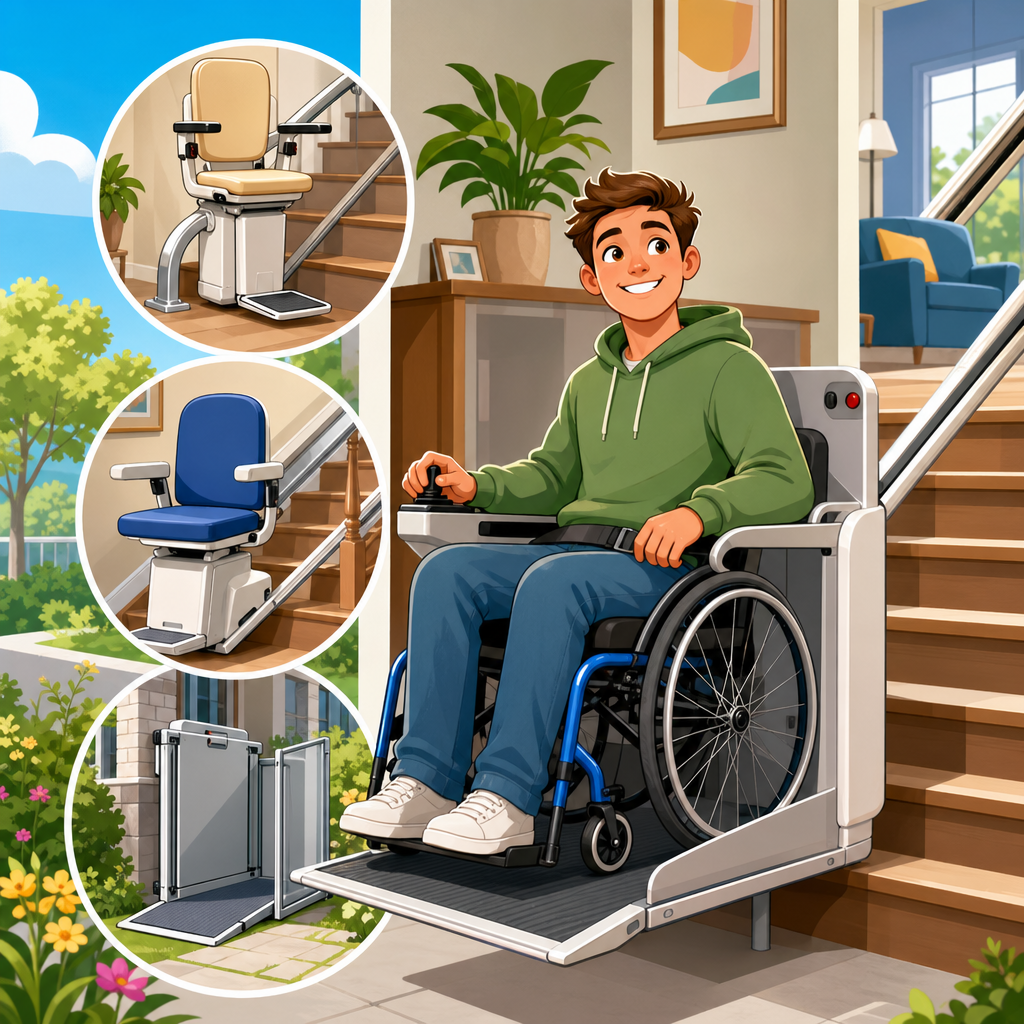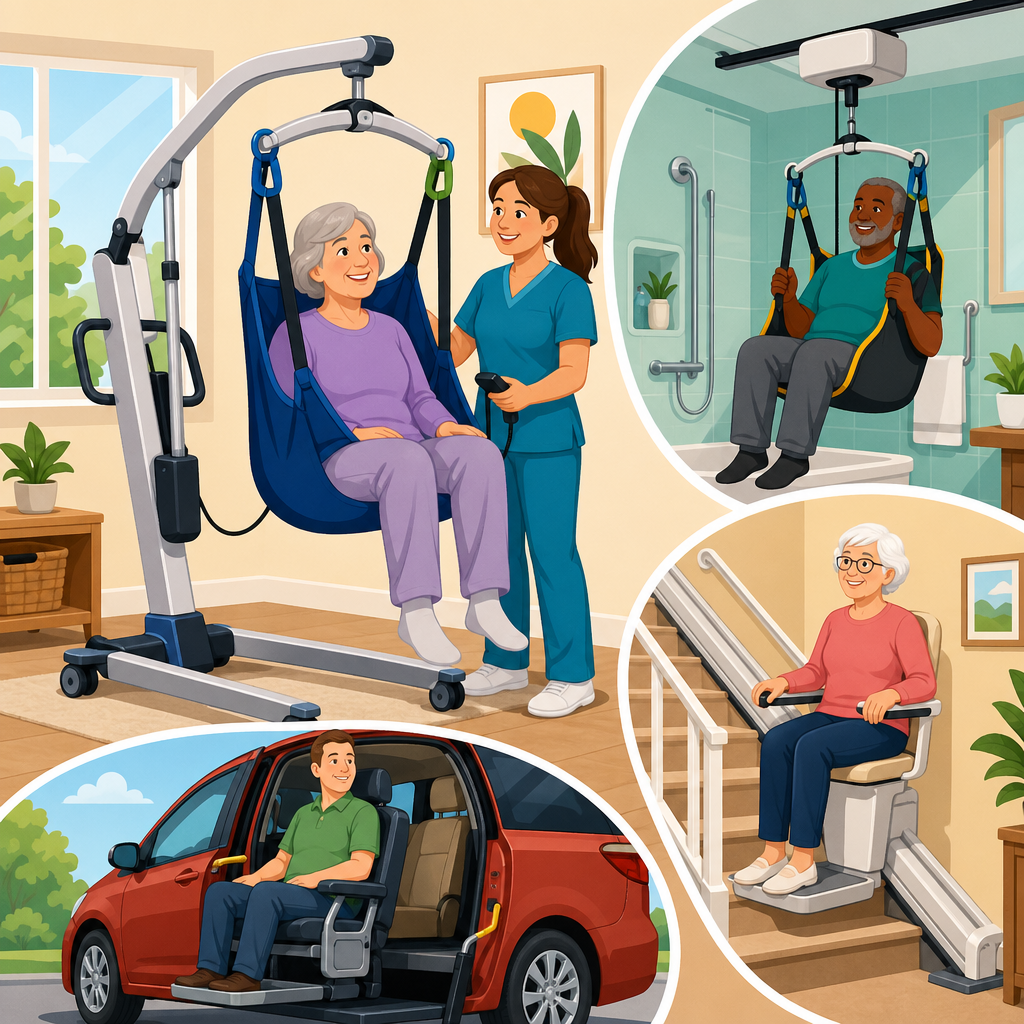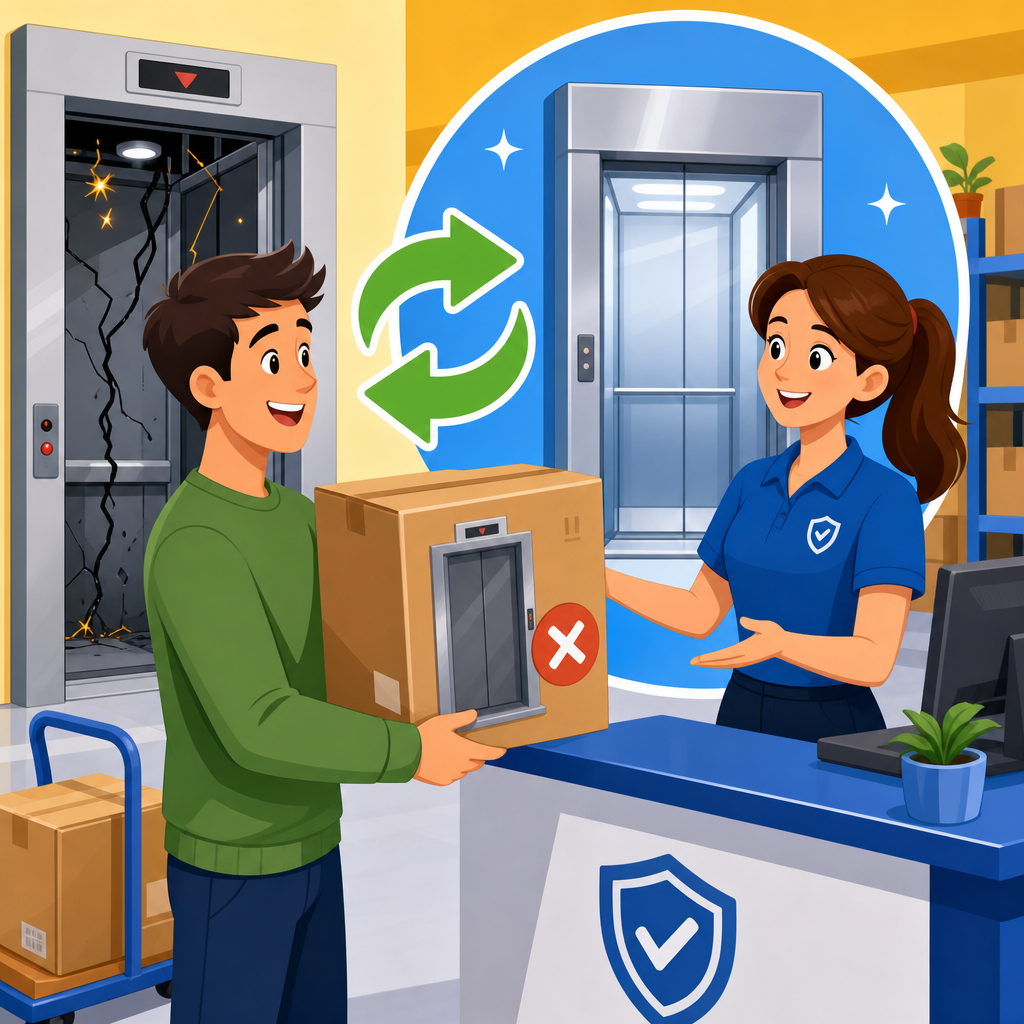
Return and exchange policies for defective lifts protect buyers when a mobility or material-handling product fails to perform as promised. In practice, these policies define who pays for inspection, how defects are verified, when a replacement is issued, and whether a refund, repair, store credit, or manufacturer swap is the correct remedy. Because lifts include patient lifts, stair lifts, wheelchair platform lifts, automotive lifts, and warehouse lifting equipment, policy details vary widely by product class, installation method, and safety regulation. I have reviewed and negotiated lift return terms for commercial buyers and home-accessibility clients, and the pattern is consistent: the written policy matters as much as the lift specification. A strong policy reduces downtime, prevents disputes, and clarifies risk before a purchase order is signed. For buyers comparing brands, understanding warranty and return policies is not optional; it is part of total cost, operational continuity, and user safety.
A defective lift is not simply a product the buyer dislikes. It is typically a unit with a manufacturing flaw, shipping damage, control-system failure, structural issue, missing compliant components, or a performance problem that causes the lift to miss stated specifications. Policies often separate “dead on arrival,” “damaged in transit,” “installed but malfunctioning,” and “misordered” products because each situation triggers different remedies. This distinction matters. A wheelchair lift that arrives with a bent platform rail may qualify for immediate freight claim handling, while a stair lift that stops mid-travel after installation may fall under manufacturer troubleshooting and parts warranty rather than a retailer return. When buyers know these categories in advance, they can document problems correctly and preserve their eligibility for reimbursement, replacement parts, or full unit exchange.
What a Return and Exchange Policy for Defective Lifts Should Cover
The best return and exchange policies answer seven questions directly. First, what counts as a defect? Second, how many days does the buyer have to report it? Third, who inspects and confirms the failure? Fourth, who pays freight, removal, reinstallation, and technician labor? Fifth, is the remedy repair, replacement, exchange, refund, or a combination? Sixth, what exclusions apply, such as misuse, improper installation, overloading, environmental damage, or unauthorized modifications? Seventh, what paperwork is required, including photos, serial numbers, installation records, maintenance logs, and a return merchandise authorization. If any of those points are vague, disputes usually follow. In lift transactions, ambiguity is expensive because the product is large, regulated, and often custom configured.
Clear policy language also distinguishes between seller obligations and manufacturer obligations. Retail dealers may administer the claim, but many lift warranties are backed by the manufacturer, not the reseller. That means a buyer can have a valid defect claim yet still face delays if the dealer lacks local service capacity or if the manufacturer requires diagnostic steps before approving an exchange. I have seen this most often with powered patient lifts and vertical platform lifts: the supplier wants troubleshooting data from the charger, actuator, control board, and battery pack before authorizing replacement. Buyers should therefore read the return policy together with the warranty statement, installation terms, and service-level commitments. Those documents function as one protection package, even when they are published on different pages or attached to separate invoices.
Common Lift Categories and How Policy Terms Differ
Not every lift can be returned the same way. A boxed portable patient lift may be eligible for standard defective product return procedures if it fails within the initial inspection window. A stair lift, by contrast, often includes rail sections cut for a specific staircase. Once custom rails are fabricated or installed, full returns are usually restricted even if some components remain under warranty. Vertical platform lifts and vehicle lifts often require site preparation, anchoring, electrical work, permitting, and certified installation, so the policy may allow replacement of defective parts without unwinding labor already performed. For commercial two-post or four-post automotive lifts, buyers also need to check whether the policy references ANSI/ALI standards, proof of professional installation, and periodic maintenance requirements.
Material-handling lifts bring another layer. Scissor lifts, pallet stackers, and dock lifts may be sold with separate parts warranties for hydraulics, electronics, and structural frames. If a hydraulic cylinder leaks in the first week, the seller may ship a replacement cylinder rather than accept a return of the entire unit. That is sensible from a logistics standpoint, but it shifts labor and downtime onto the buyer unless the contract says otherwise. Healthcare buyers, meanwhile, should pay close attention to infection-control rules and hygiene exclusions. Some suppliers will not accept returned slings, harnesses, or opened accessories, even when the main lift frame is being exchanged, unless the defect directly affected those items.
| Lift type | Typical defect scenario | Common remedy | Key policy issue |
|---|---|---|---|
| Patient lift | Actuator or charger failure on delivery | Parts replacement or full unit exchange | Whether labor and pickup are covered |
| Stair lift | Control board fault after installation | On-site repair under manufacturer warranty | Custom rail usually nonreturnable |
| Wheelchair platform lift | Gate interlock or platform sensor defect | Service call and replacement components | Installer certification may be required |
| Automotive lift | Hydraulic leak or cable issue | Parts shipment, sometimes exchange | Proof of compliant installation matters |
| Warehouse lift | Shipping damage to frame or controls | Freight claim plus replacement | Damage must be noted at delivery |
Warranty vs Return Policy: Buyers Need Both
Many buyers treat warranty and return policy as interchangeable, but they solve different problems. A return policy governs the immediate post-delivery period and addresses what happens when the product arrives defective, damaged, incomplete, or materially different from what was ordered. A warranty governs performance over time and states how defects in materials or workmanship will be remedied after acceptance. For lift buyers, this distinction is critical because many defects are discovered only after assembly, load testing, or repeated cycles. A unit can be nonreturnable after installation yet still be fully covered for replacement parts. That is not ideal, but it is common, especially with installed accessibility equipment.
Look for the duration and scope of each warranty component. Structural frames may carry longer coverage than electronics, batteries, upholstery, slings, or wearable components. Labor is often limited to a shorter period than parts, and travel time for field technicians may be excluded entirely. In the mobility market, batteries and chargers are frequent gray areas because suppliers can argue that improper charging habits caused the failure. In commercial equipment, hydraulic seals, chains, rollers, and contactors may be treated as maintenance items rather than warrantable defects. The practical lesson is simple: a generous frame warranty does not compensate for a weak early-life defect policy. If uptime matters, the buyer needs rapid exchange rights or fast field service, not just long headline coverage.
How Defects Are Proven and Claims Are Processed
The claims process usually determines whether a policy works in real life. Most sellers require immediate inspection on delivery, photos of packaging and damage, notation on the bill of lading for freight issues, and prompt notice within a stated number of business days. After that, technical claims often require a serial number, proof of purchase, installation date, installer information, and a description of the failure. Better suppliers add a troubleshooting checklist and a dedicated service contact so the buyer is not bounced between the dealer, freight company, and manufacturer. In my experience, the fastest resolutions happen when buyers submit a complete claim package on day one instead of sending partial information across multiple emails.
For installed lifts, confirmation may involve remote diagnostics, video evidence, or an on-site technician. Manufacturers often reserve the right to repair first before approving a full exchange, and that can be reasonable if the defect is isolated to a controller, switch, battery, or hydraulic fitting. The problem arises when repeated repairs are attempted without restoring safe, reliable operation. Buyers should look for language addressing repeated failures, substantial impairment, or replacement after unsuccessful repair attempts. Commercial purchasers can strengthen this point in negotiated terms by defining maximum downtime, response windows, and escalation rights. Those provisions are especially important in healthcare, assisted living, fleet service, and warehouses where a lift outage interrupts essential operations.
Shipping Damage, Installation Errors, and Misuse Exclusions
One of the most misunderstood areas in warranty and return policies is the boundary between manufacturing defect, shipping damage, installation error, and misuse. Shipping damage is typically handled through a freight claim, and carriers may deny reimbursement if damage was not noted at delivery. Manufacturing defects are generally covered by the seller or manufacturer, but only after the unit is installed and used according to instructions. Installation errors can void coverage entirely if the product required certified or authorized installation. That matters for platform lifts, stair lifts, and automotive lifts, where improper anchoring, electrical supply, leveling, or rail assembly can create symptoms that resemble factory defects.
Misuse exclusions are also broader than many buyers expect. Overloading, outdoor exposure for indoor-rated models, unapproved accessories, skipped maintenance, battery neglect, fluid contamination, and unauthorized repairs are common exclusion triggers. In patient handling equipment, using incompatible slings or lifting beyond the rated safe working load can invalidate a claim. In shop lifts, failure to follow ALI guidance, neglecting equalization adjustments, or lifting unbalanced loads can do the same. A fair policy should explain these exclusions in plain language rather than bury them in dense legal text. Buyers should also ask for the installation manual and maintenance checklist before purchase, because those documents effectively define what the supplier may later call misuse.
What Strong Buyers Negotiate Before Purchasing a Lift
For high-value lifts, the smartest time to improve return and exchange protections is before the order is placed. Ask for written confirmation of the reporting window for hidden defects, not just visible freight damage. Request a clause stating who pays outbound and inbound freight for verified defects. Clarify whether field labor, removal, and reinstallation are included. If the lift is custom, define what happens when a custom component is correct on paper but unusable in the real installation because of a manufacturer error. Commercial buyers should also ask whether loaner equipment, expedited parts shipping, or service credits are available when the defect causes downtime.
Another strong practice is matching policy terms to the risk profile of the site. A home user may prioritize simple replacement and phone support. A hospital may need guaranteed response times, technician credentials, and infection-control compliant service procedures. A warehouse buyer may need acceptance testing under load, spare parts availability, and named escalation contacts. Dealers with mature programs will provide these details without hesitation. Buyers should be cautious when a seller advertises a long warranty but cannot explain return authorization steps, local service coverage, or average parts lead times. In this category, operational details reveal the real quality of post-sale support more than marketing claims do.
Best Practices for Buyers, Dealers, and Facility Managers
Good outcomes depend on disciplined documentation. Buyers should inspect immediately, keep packaging until the lift is accepted, record serial numbers, photograph condition on arrival, and save assembly and commissioning notes. Facility managers should maintain service logs, battery records, load-test results where applicable, and copies of technician reports. Dealers should provide a single point of contact and confirm every verbal promise by email or in the sales agreement. When a defect appears, stop using the equipment if safety is affected, isolate the lift, and report the issue with precise symptom descriptions rather than general statements like “not working.” Those steps shorten diagnosis and reduce argument about cause.
The central lesson is that return and exchange policies for defective lifts are not boilerplate. They are safety, cost, and uptime documents that deserve the same scrutiny as lift capacity, travel height, drive system, and code compliance. Buyers should compare defect definitions, reporting deadlines, labor coverage, freight responsibility, and custom-product restrictions before choosing a supplier. Dealers should make claims procedures easy to follow and transparent. If you are researching lift buying guides, use this page as your hub for warranty and return policy decisions, then review the specific policy for the exact lift category you need before signing or paying a deposit. That single step prevents most expensive surprises later.
Frequently Asked Questions
What is usually considered a defective lift under a return or exchange policy?
A defective lift is generally a product that has a manufacturing fault, component failure, or performance problem that prevents it from operating safely or as promised under normal, intended use. In the context of patient lifts, stair lifts, wheelchair platform lifts, automotive lifts, and warehouse lifting equipment, this can include issues such as motors that fail prematurely, control systems that do not respond correctly, hydraulic leaks, structural defects, charging systems that do not hold power, or safety locks and sensors that malfunction. Most return and exchange policies make an important distinction between a true defect and problems caused by improper installation, misuse, overloading, poor maintenance, unauthorized repairs, or normal wear and tear.
Many sellers and manufacturers also separate cosmetic damage from functional defects. For example, a scratched panel or dented cover may not qualify for a return unless the damage affects operation or was clearly freight-related and reported within the required delivery window. With lifts, safety matters, so policies often focus heavily on whether the unit can perform its rated lifting function and meet safety expectations. Because these products are specialized and often regulated or professionally installed, a defect usually must be verified through troubleshooting, inspection photos, service reports, serial-number review, or an authorized technician’s findings before a refund, repair, or replacement is approved.
Who pays for inspection, shipping, and return costs when a lift is believed to be defective?
The answer depends on the seller’s written policy, the manufacturer warranty, the type of lift involved, and whether the defect is confirmed. In many cases, the buyer may initially be responsible for basic troubleshooting, documenting the problem, and making the lift available for inspection. For large or installed equipment, the company may send an authorized service provider, request a virtual diagnostic session, or require a field inspection before deciding who bears the cost. If the issue is confirmed to be a covered manufacturing defect, reputable policies often shift at least some of the cost to the seller or manufacturer, especially for replacement parts, warranty labor, or approved freight arrangements.
However, return logistics for lifts can be expensive. Patient lifts and portable units may be easier to ship back, while stair lifts, vehicle lifts, and warehouse lifting equipment often involve crating, disassembly, freight scheduling, and professional removal. Some policies state that the customer pays outbound shipping and installation costs regardless of outcome, while the manufacturer covers only defective parts. Others provide prepaid freight or reimbursement only after the defect is verified. It is also common for restocking fees to be waived for confirmed defects but enforced if inspection shows the product is actually non-defective or unsuitable for the buyer’s application. The safest approach is to review the policy language on freight damage claims, inspection charges, labor exclusions, and return authorization requirements before assuming a full-cost refund is available.
How is a defect verified before a return, exchange, or refund is approved?
Defect verification is usually a structured process, especially for high-value or safety-sensitive lifting equipment. Most companies require the buyer to report the problem promptly and provide details such as the model number, serial number, purchase date, installation date, operating conditions, and a clear description of the failure. They may also ask for photographs, videos, error codes, maintenance records, and proof that the lift was installed and used according to instructions. For installed systems like stair lifts or wheelchair platform lifts, the manufacturer may insist on review by an authorized dealer or technician because improper installation can mimic a product defect.
In more complex cases, the company may perform remote diagnostics, send replacement parts for testing, or dispatch a field technician to inspect the lift onsite. Automotive and industrial lifts often undergo additional scrutiny because load ratings, anchoring conditions, electrical supply, and user practices can all affect performance. Until the inspection is complete, the seller may not approve a full return or exchange. This step protects both sides: it helps the buyer establish a legitimate warranty claim and helps the seller determine whether the appropriate remedy is repair, replacement, refund, or denial based on non-covered causes. Buyers should avoid unauthorized modifications or repairs before the inspection, because that can complicate verification and, in some policies, void coverage altogether.
Will a defective lift be repaired, replaced, exchanged, or refunded?
Not always. The remedy depends on the terms of the return policy, the warranty, the age of the lift, the severity of the defect, and whether the issue can be corrected safely and economically. In many lift transactions, repair is the first remedy offered, particularly when the problem is limited to a replaceable component such as a battery, actuator, hand control, charger, sensor, or hydraulic part. If a repair restores the lift to proper working order and the warranty allows that solution, the company may not be obligated to provide a refund. Replacement or exchange is more likely when the defect is substantial, repeated, or discovered early in the ownership period, such as a dead-on-arrival unit, a major frame issue, or a recurring failure that cannot be resolved through normal service.
Refunds are often the most limited option, especially for custom-ordered, installed, or specially configured lifts. Many policies reserve refunds for rare situations where a defect cannot be repaired and no suitable replacement is available, or where the product fails within a defined return window and meets all claim conditions. Some companies offer store credit or a manufacturer swap instead of cash back. It is also common for labor, installation, removal, and site-preparation costs to be nonrefundable even when the product itself qualifies for a replacement or warranty remedy. Buyers should read the hierarchy of remedies carefully, because the policy may give the seller or manufacturer the right to choose between repair, replacement, parts-only service, or refund.
What should buyers do to protect their rights when returning or exchanging a defective lift?
Buyers should act quickly, document everything, and follow the policy exactly. Start by reviewing the seller’s return terms, the manufacturer’s warranty, and any dealer installation agreement to identify reporting deadlines, exclusions, and claim procedures. Then gather key records, including the invoice, serial number, delivery receipt, installation paperwork, maintenance logs, and any communication about the problem. Take clear photos and video of the defect, the overall condition of the lift, and any packaging damage if the issue may be freight-related. If the lift is unsafe to use, stop operating it and report that concern immediately.
It is also important to request a return merchandise authorization, service case number, or written claim confirmation before shipping anything back or hiring outside repair help. Using unauthorized technicians, discarding packaging too early, missing inspection appointments, or failing to report visible shipping damage on time can weaken a claim. For larger systems such as stair lifts, wheelchair platform lifts, automotive lifts, and industrial lifting equipment, buyers should confirm in writing who will handle removal, reinstallation, and transport, and whether those costs are covered. The most successful claims usually come from buyers who can show that the lift was used properly, installed correctly, maintained as required, and reported promptly when the defect appeared. Clear documentation and strict compliance with procedure often make the difference between a smooth exchange and a disputed claim.