Health savings accounts can be a powerful way to pay for mobility upgrades, but many families understandably ask a specific question first: can you use HSA funds for stair lift installation and accessories? The practical answer is often yes, but only when the stair lift qualifies as a medical expense under IRS rules and the circumstances are documented correctly. I have worked with families comparing invoices, doctor recommendations, and tax records after a fall or a difficult discharge from rehab, and the same issue comes up every time: people know a stair lift is medically necessary, yet they are unsure whether the tax code will treat it that way.
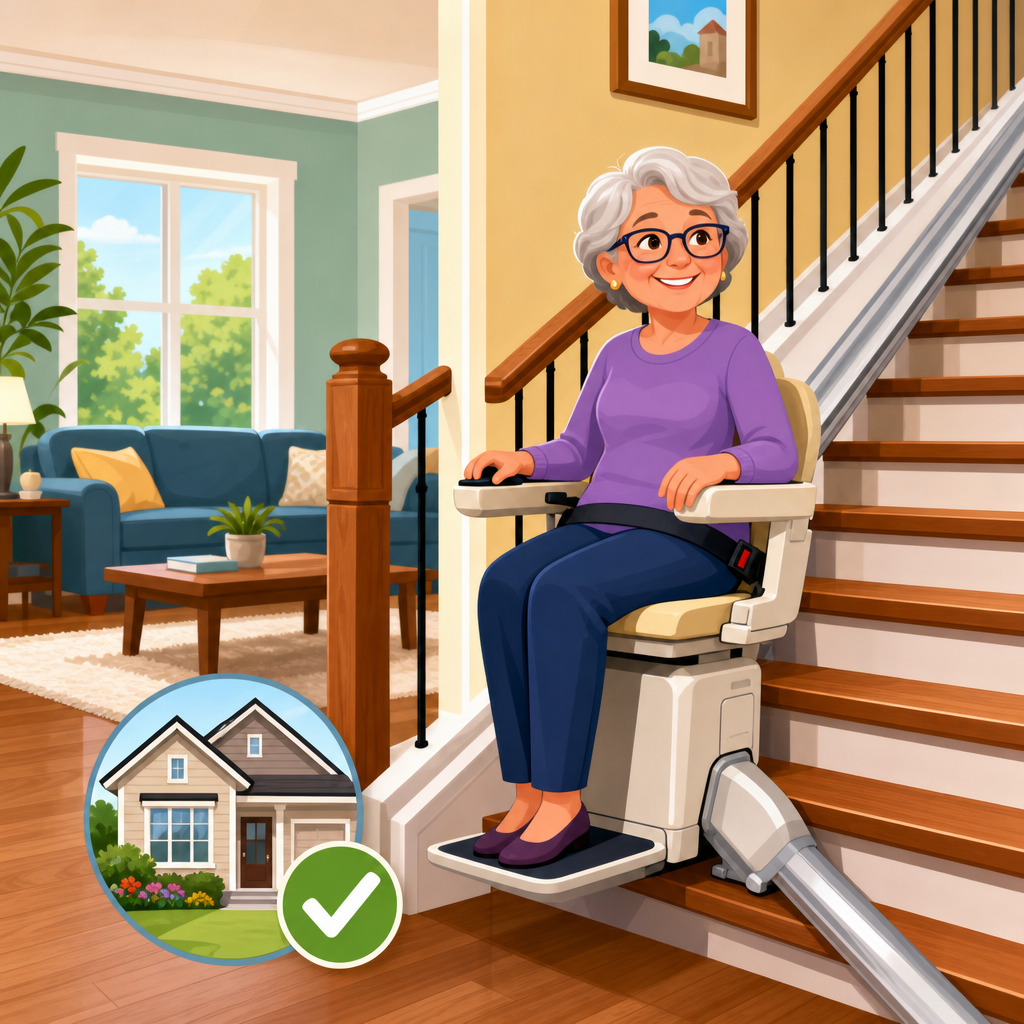
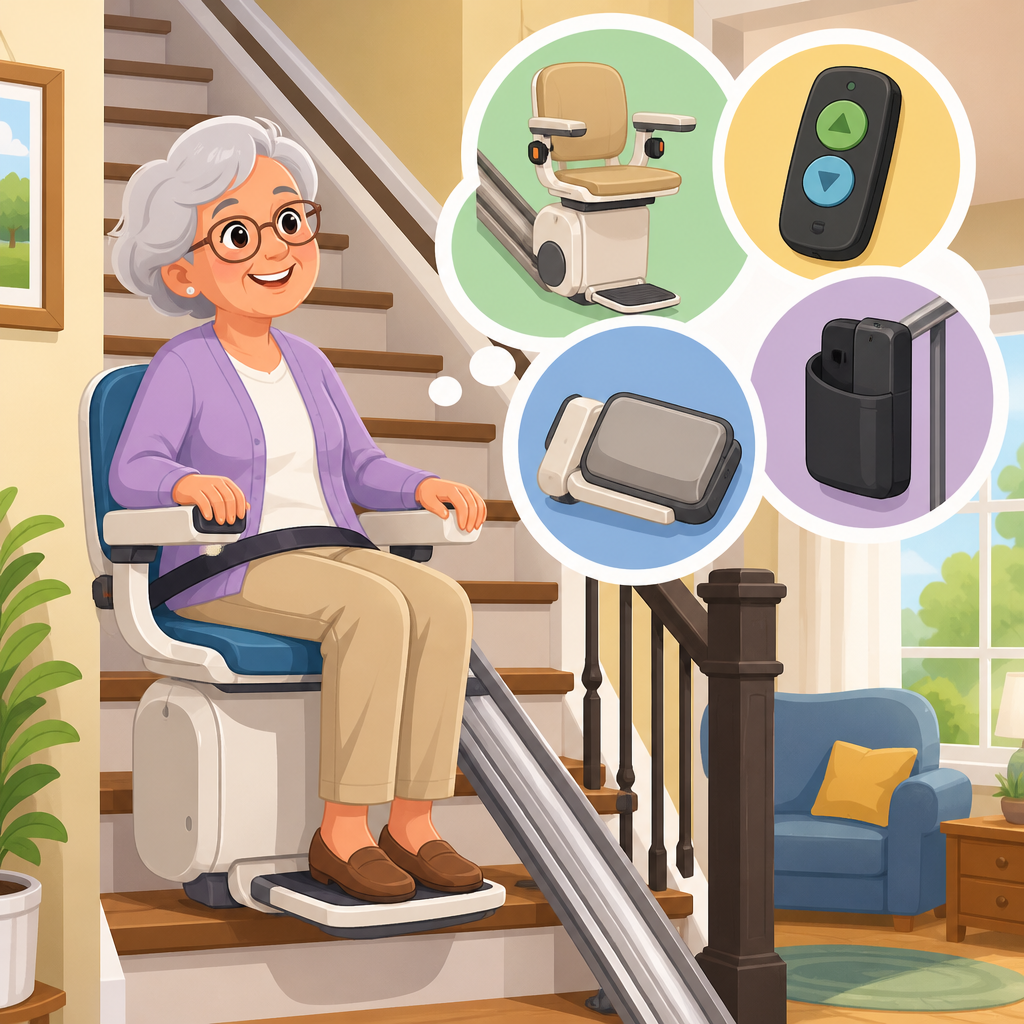
An HSA, or Health Savings Account, lets eligible account holders pay qualified medical expenses with pre-tax dollars. Stair lifts are motorized chairs or platforms attached to a rail on a staircase, designed to help a person with limited mobility move safely between floors. Accessories can include powered swivel seats, folding rails, seat belts, larger footrests, call-send controls, and service features that improve safe use. The central tax question is not whether the product is helpful. It is whether the expense is primarily for medical care, as defined by IRS Publication 502, and whether any part of the home improvement increases the value of the property.
This matters because the financial difference can be substantial. A straight stair lift commonly costs several thousand dollars, while a curved system with custom rails, power options, and installation can run much higher. Paying with HSA funds can reduce the effective out-of-pocket cost immediately. For households also evaluating itemized medical deductions, reimbursement timing, or reimbursement from multiple sources, getting the classification right can prevent tax penalties and missed savings. As a hub for tax deductions and medical expenses, this guide explains when stair lift costs usually qualify, how installation and accessories are treated, what records to keep, and where the limits and gray areas tend to appear in real transactions.
When HSA funds can be used for a stair lift
In most cases, HSA funds can be used for a stair lift when the equipment is purchased primarily to diagnose, cure, mitigate, treat, or prevent a disease or to affect a structure or function of the body. That standard comes directly from the IRS definition of medical care. In plain terms, if a person has arthritis, a neurological disorder, a cardiac condition, balance impairment, or another mobility-limiting diagnosis, and the stair lift is installed so that person can safely access necessary living areas, the expense often qualifies.
Medical necessity is the key concept. I have seen the strongest cases when a physician, occupational therapist, or discharge planner clearly connects the stair lift to a functional limitation. For example, a patient recovering from a hip fracture who cannot safely navigate steps to reach a bedroom or bathroom has a straightforward medical rationale. The same is true for someone with Parkinson’s disease, multiple sclerosis, severe COPD, or post-stroke weakness. The equipment is not treated as a convenience upgrade; it is treated as a way to preserve safe access within the home.
That said, HSA administrators usually do not preapprove purchases the way an insurer would. The account holder is responsible for using funds only for qualified expenses and for maintaining records if the IRS ever questions the distribution. That means it is wise to obtain a written statement of medical need before purchase, even though the tax code does not require a special national form for every stair lift transaction.
How installation costs are treated under tax rules
Installation is often eligible along with the stair lift itself, because the rail, mounting work, electrical connection, and labor are part of putting medical equipment into service. The IRS generally treats capital expenses for medical care differently from routine consumer purchases, and stair lifts fall into that home-modification category. Publication 502 specifically discusses capital expenses that are medically necessary and notes that certain permanent improvements made to accommodate a disability can qualify as medical expenses.
The main limitation is that a capital improvement must usually be reduced by any increase in the home’s value. If a medically necessary stair lift costs $9,000 installed and it increases the property’s fair market value by $1,500, then $7,500 would generally count as the medical expense. In practice, many stair lifts add little or no market value because they are highly specific to the user, especially curved models built to a single staircase. Real estate agents and appraisers often view them as neutral or even as features future buyers may remove. That fact can help support full or nearly full medical classification, but it is still smart to document the reasoning.
Temporary or removable systems can be simpler. Used stair lifts or rented units may not involve the same property value analysis as a major permanent modification, though the underlying medical-purpose requirement remains the same. If the lift is installed because the user cannot safely use stairs, the labor to install and later remove it is usually part of the medical expense picture.
Which stair lift accessories usually qualify
Accessories generally qualify when they are necessary for safe operation or medically appropriate use of the stair lift. Not every upgrade is automatically eligible, so the best way to evaluate an accessory is to ask whether it directly supports treatment, mobility, or safety for the user. If it does, it is typically easier to defend as a qualified medical expense.
Examples that often qualify include a power swivel seat for someone who cannot twist safely at the top landing, a folding rail to reduce tripping hazards in a narrow hallway, a heavy-duty seat sized for safe transfers, call-send controls for multi-user management, an upgraded seat belt when trunk stability is limited, or a larger footrest for users with braces or limited ankle movement. Battery backup can also be medically relevant because it preserves safe access during an outage, especially when bedrooms or bathrooms are located upstairs.
By contrast, purely aesthetic or luxury choices are harder to justify. Custom upholstery selected only to match décor is usually not medical care. Decorative rail finishes and premium trim packages are also weak candidates unless they are bundled inseparably into the medically required unit. Whenever an invoice combines necessary and optional features, ask the dealer to separate line items. Clear billing makes HSA substantiation and tax reporting much easier later.
What documentation you should keep
The safest approach is to build a file that would make sense to a tax examiner who has never seen your home. Keep the prescription or letter of medical necessity, the detailed quote, the paid invoice, proof of payment from the HSA, product specifications, and any assessment from a therapist or aging-in-place specialist. If there is a question about property value, retain an appraiser’s opinion, a broker price analysis, or a written statement from a local real estate professional explaining why the stair lift did not materially increase market value.
In my experience, families who document before installation are in a much better position than those trying to reconstruct the case during tax season. A short physician letter can be enough if it identifies the patient, diagnosis, mobility limitation, and why a stair lift is medically necessary in the home. Include the date because the timing matters. The medical need should exist when the expense is incurred, not be justified months later only after reimbursement has already happened.
| Document | Why it matters | Best source |
|---|---|---|
| Letter of medical necessity | Shows the stair lift is primarily for medical care | Physician, specialist, or therapist |
| Itemized invoice | Separates qualified equipment, installation, and accessories | Stair lift dealer or installer |
| Proof of HSA payment | Supports the tax-free distribution from the account | HSA custodian statements and receipts |
| Home value analysis | Helps calculate any reduction for value added | Appraiser or real estate professional |
| Clinical assessment | Explains transfer, balance, or stair-climbing limitations | Occupational or physical therapist |
How HSA use compares with medical tax deductions
Using HSA funds and claiming a medical expense deduction are related but not identical tax strategies. HSA dollars already receive favorable tax treatment, so you cannot also deduct the same stair lift expense as an itemized medical deduction. That would be double dipping. However, the stair lift topic belongs in a broader tax planning conversation because many households pay part of the cost from an HSA and part from other funds.
For itemized deductions, unreimbursed medical expenses are deductible only to the extent they exceed the applicable adjusted gross income threshold under current IRS rules. That threshold means many taxpayers receive no immediate deduction unless they have very high medical costs in the same year. In contrast, HSA funds provide a direct tax advantage at the time of contribution and distribution for qualified expenses. For that reason, if you already have available HSA funds, using them for an eligible stair lift is often more practical than hoping to clear the itemized deduction threshold.
There are planning details worth noting. You can pay out of pocket now and reimburse yourself later from the HSA, provided the expense was incurred after the HSA was established and you keep records. That flexibility helps if you want the HSA balance to remain invested temporarily. But disciplined recordkeeping is nonnegotiable; without receipts and medical support, delayed reimbursement becomes risky.
Scenarios that create confusion or denial risk
The most common problems arise when a stair lift is clearly useful but not clearly medical under the tax rules. Age alone is not enough. A homeowner may say, “I am getting older and the stairs feel harder,” but unless there is a documented condition or functional impairment, that statement does not strongly support HSA eligibility. The same is true when a family installs a lift preemptively for resale, multigenerational convenience, or general comfort.
Another gray area involves mixed-use households. If the stair lift is installed for one person with a documented disability but other family members also ride it, that does not automatically disqualify the expense. The primary purpose still controls. What matters is why the lift was installed in the first place. If the medical need drove the purchase, incidental family use is usually not the deciding factor.
Insurance can complicate things as well. Original Medicare typically does not cover stair lifts because they are often categorized as home modifications rather than durable medical equipment under Part B. Some Medicaid waiver programs, Veterans Affairs benefits, state assistive technology programs, or workers’ compensation arrangements may help in specific cases. Any amount reimbursed by another source cannot also be paid tax-free from an HSA. Coordination matters, especially when deposits, grants, and final invoices are spread across different dates.
Best practices before you buy a stair lift
Before signing a contract, ask three direct questions. First, what diagnosis or limitation makes the stair lift medically necessary? Second, which exact components on the quote are required for safe use? Third, is there any reasonable argument that the installation increases home value? Those answers shape the tax treatment more than brand marketing or financing offers do.
Choose a dealer that provides itemized estimates and is used to working with medical-need documentation. Reputable brands such as Bruno, Harmar, Stannah, and Acorn often sell through local dealers, and the quality of the local assessment matters as much as the equipment itself. I advise clients to request a written home evaluation that notes stair dimensions, transfer challenges, seat height, power supply needs, and any landing hazards. That report supports the clinical purpose of the purchase.
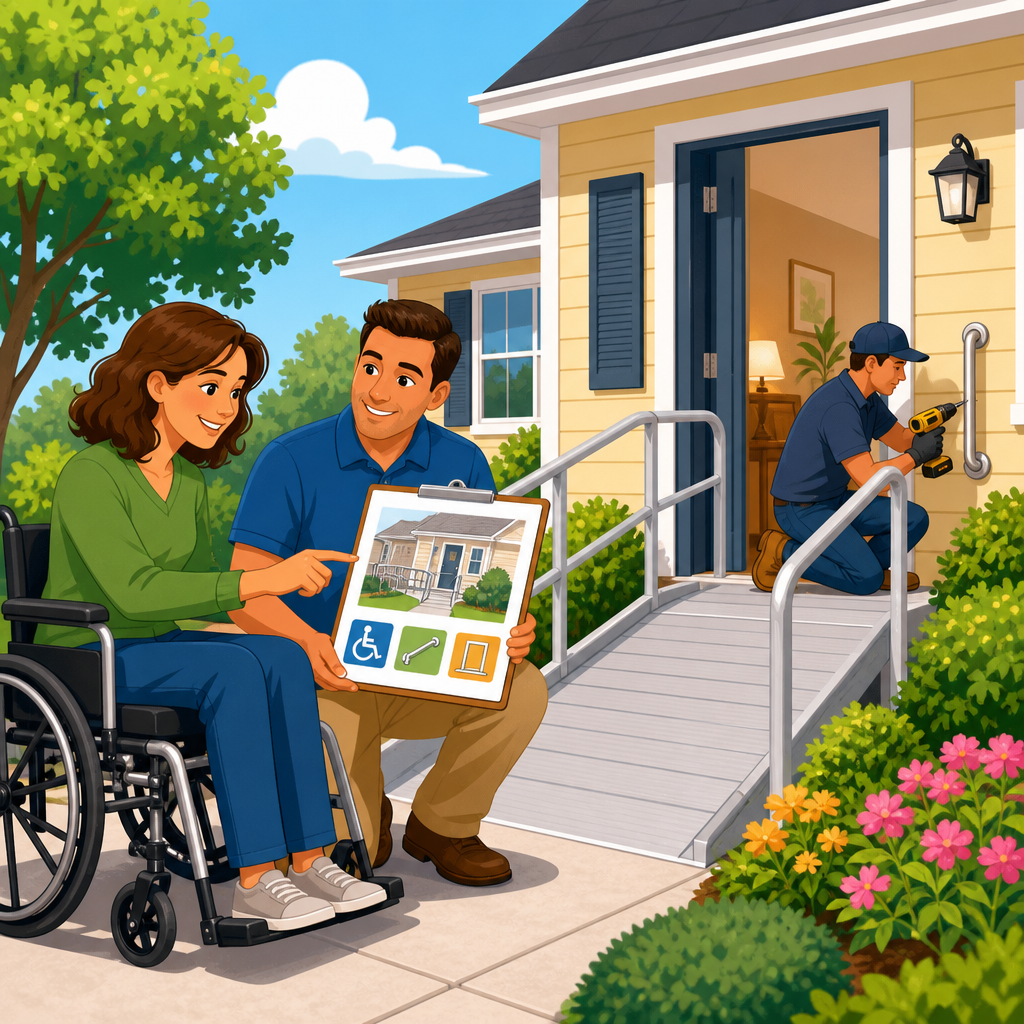
Also involve the tax side early. A CPA or enrolled agent can help you decide whether to use HSA funds, reserve the expense for other planning, or allocate costs where grants or family payments are involved. This is especially important if the project is part of a larger accessibility remodel that includes ramps, bathroom modifications, widened doors, or a vertical platform lift. Combining medically related projects in one year can affect deduction planning and documentation strategy.
Yes, you can often use HSA funds for stair lift installation and medically necessary accessories, but the eligibility rests on documentation, purpose, and tax treatment of the home improvement. The stair lift must be primarily for medical care, not general convenience, and installation costs are usually included because they are part of placing the equipment into service. Accessories qualify when they directly support safe use, mobility, or transfer needs. The strongest files include a letter of medical necessity, an itemized invoice, proof of payment, and support for any conclusion that the improvement did not materially increase home value.
For most households, the real advantage is clarity. When you understand how HSA rules, medical expense deductions, and reimbursement limits fit together, you can make a mobility decision based on safety rather than tax uncertainty. A stair lift can prevent falls, preserve access to bedrooms and bathrooms, and delay a costly move, but those practical benefits should be matched by careful tax handling. Treat the purchase like both a medical decision and a financial recordkeeping project.
If you are comparing models or planning an accessibility upgrade, gather your medical documentation before you buy, insist on itemized pricing, and review the expense with a qualified tax professional. That simple process gives you the best chance of using HSA funds correctly and capturing every legitimate medical tax benefit available.
Frequently Asked Questions
Can you use HSA funds to pay for a stair lift installation?
In many cases, yes. HSA funds can often be used for a stair lift when the purchase and installation meet the IRS standard for a qualified medical expense. The key issue is whether the stair lift is being installed primarily to diagnose, treat, mitigate, or prevent a medical condition, or to help a person function safely with a documented mobility limitation. If the stair lift is being added for convenience, aging in place in a general sense, or to increase home resale appeal, it is much less likely to qualify. But if a doctor recommends it because stairs have become unsafe due to injury, surgery recovery, neurological disease, arthritis, balance problems, or another medical condition, the expense may be eligible.
Families often run into confusion because stair lifts are installed in the home, and home improvements can fall into a gray area. In practice, documentation makes all the difference. A written recommendation from a physician or licensed medical provider, records showing the underlying condition, and detailed invoices that separate equipment, installation, and any related modifications can help support HSA eligibility. Many people choose to pay with HSA funds only after confirming the purchase is medically necessary and retaining paperwork in case the expense is ever questioned later.
What documentation should you keep if you want to use HSA money for a stair lift?
You should keep a complete paper trail. At minimum, that usually means a doctor’s letter of medical necessity or written recommendation, the stair lift estimate and final invoice, proof of payment, and any records showing why the stair lift was needed. If the lift was recommended after a hospitalization, rehabilitation stay, fall, or decline in mobility, those discharge instructions or therapy notes can also be helpful. The goal is to show that the stair lift was not a lifestyle purchase, but a medically driven mobility solution.
It is also wise to keep invoices detailed rather than generic. For example, paperwork that identifies the stair lift model, installation labor, rail configuration, power swivel seat, folding rail, seat belt, or other accessories can be more useful than a one-line receipt. If certain add-ons were required for safe use because of the person’s medical limitations, that should be clear in the records as well. HSAs do not require you to submit receipts with your tax return, but you are responsible for proving that distributions were used for qualified medical expenses if the IRS ever asks. Good records are the best protection.
Are stair lift accessories and add-ons also HSA-eligible?
They can be, but eligibility usually depends on whether the accessory is medically necessary and directly related to the safe use of the stair lift. Accessories such as a seat belt, power folding footrest, power swivel seat, custom rail, call/send controls, or a hinged rail may qualify when they are part of the equipment needed to help a person safely access the lift and move between floors. If an add-on is recommended because the user has limited strength, poor balance, difficulty bending, or a high fall risk, that strengthens the case that the expense is medical rather than optional.
On the other hand, purely cosmetic upgrades or convenience features with no real medical purpose may be harder to justify as qualified HSA expenses. The safest approach is to evaluate each accessory individually and ask whether it is necessary for the person’s condition or safe operation of the lift. If the answer is yes, keep documentation showing that need. If the accessory was selected simply for style or general convenience, it may be better not to treat it as HSA-eligible. When in doubt, many families ask the provider to note which components were required for safe use and which were elective.
Does a stair lift need a prescription or letter of medical necessity to qualify for HSA reimbursement?
A prescription is not always explicitly required in every situation, but having a doctor’s letter of medical necessity is strongly recommended and can be extremely important. HSAs are governed by IRS rules, and the question is whether the expense qualifies as medical care. A stair lift is easier to defend as a qualified expense when a physician or other licensed provider documents that the individual has a specific condition and that the lift is needed to reduce fall risk, allow access to essential living areas, or support recovery and daily functioning.
Think of the letter as practical protection. It should ideally explain the patient’s condition, the mobility limitations involved, and why a stair lift is medically appropriate. This is especially valuable when the need arose after a rehab discharge, surgery, stroke, progressive illness, or repeated falls. Without that kind of documentation, the expense may still seem reasonable to the family, but it can be harder to prove under tax rules. For larger purchases like stair lifts, a clear medical recommendation is one of the smartest steps you can take before using HSA funds.
What happens if you use HSA funds for a stair lift and the expense is later found not to qualify?
If a stair lift expense does not qualify as a medical expense under HSA rules, the distribution can be treated as taxable income, and you may also owe an additional penalty if you are under the applicable age for penalty-free non-medical withdrawals. That is why families are right to be cautious before paying from an HSA. The issue is usually not that stair lifts are automatically excluded, but that the medical necessity was not documented clearly enough or the purchase included non-qualifying elements that were not separated on the invoice.
If there is uncertainty, one practical option is to pay out of pocket initially and reimburse yourself later from the HSA once you have gathered all supporting documentation. Another smart step is to review the expense with a tax professional if the project is substantial or includes structural changes beyond the lift itself. In many real-world situations, families are comparing quotes, insurance denials, physician recommendations, and tax considerations all at once. Taking a careful, documented approach helps you use HSA funds confidently while reducing the risk of problems later.