Chair lift return fees and restocking costs can turn a seemingly straightforward purchase into an expensive lesson, especially when buyers assume every mobility product follows the same return rules as ordinary home goods. In the accessibility equipment market, “return fees” usually refer to charges deducted when a unit is sent back after delivery, while “restocking costs” cover inspection, repackaging, replacement of opened components, administrative handling, and the reduced resale value of a customized or installed product. Because chair lifts are medical-adjacent devices installed on stairs, their policies are stricter than those for boxed consumer electronics or furniture. I have reviewed these contracts line by line for families comparing stair lifts, vertical platform lifts, and transfer equipment, and the same surprise appears repeatedly: the lowest quoted price often carries the highest financial risk if the order changes.
This topic matters because chair lifts are expensive, frequently urgent purchases. A straight stair lift may cost a few thousand dollars, while a curved model can climb well into five figures once rail fabrication, power swivel seats, and installation are included. At the same time, buyers are often making decisions during a hospital discharge, after a fall, or while juggling Medicare questions, home assessments, and caregiver schedules. Under that pressure, return language gets skimmed. Yet policy details affect total cost just as much as the base quote. A buyer who cancels before installation may owe a modest processing fee, while a buyer who returns a custom curved rail after installation may recover little or nothing. Understanding the policy framework early helps households compare vendors fairly, reduce risk, and choose the right product category before signing.
As a hub article for warranty and return policies, this guide explains what chair lift return fees and restocking costs typically include, why they vary by product type, when returns are limited or prohibited, how warranties differ from returns, and which contract terms deserve close attention. It also points to the practical questions buyers should ask sales representatives, installers, and dealers before a deposit is paid. If you are evaluating a new or used stair lift, a rental option, or a dealer package that includes maintenance, this page will give you the policy logic behind the pricing so you can assess offers with confidence rather than guessing what “nonrefundable” means after the invoice arrives.
What Chair Lift Return Fees and Restocking Costs Usually Cover
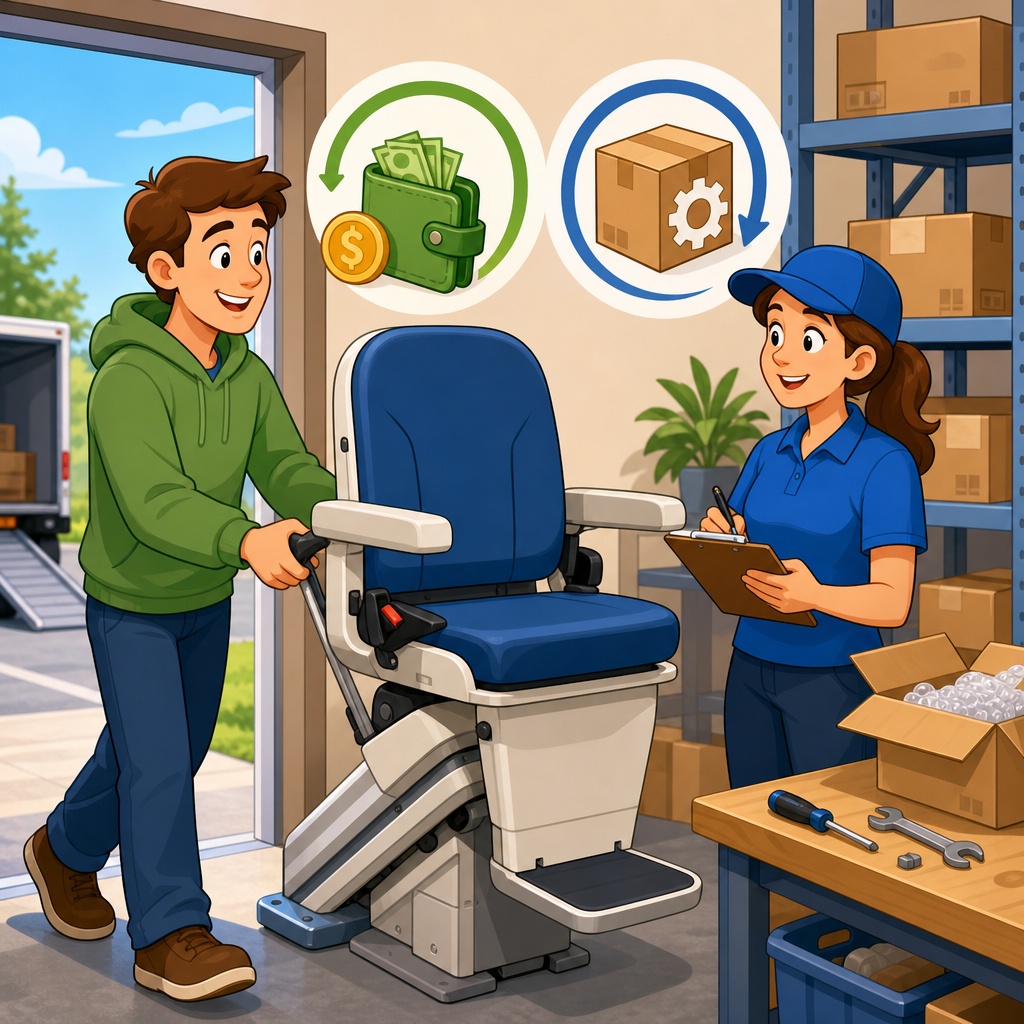
Chair lift return fees and restocking costs are not arbitrary penalties, although they can feel that way if they were not disclosed clearly. In most contracts, they reimburse the dealer or manufacturer for real costs created when an order is cancelled or reversed. These can include order processing, scheduling a technician, freight from distributor to dealer, outbound shipping to the home, retrieval from the home, labor to uninstall, replacement of used seat belts or armrest covers, disposal of drilled hardware, and inspection to determine whether the unit can be resold. If batteries were activated, remotes paired, rails cut, or upholstery marked during installation, the dealer may classify part of the system as used or nonresalable. That is why one company may quote a 15 percent restocking fee while another charges a flat administrative amount plus freight and labor.
The biggest variable is customization. A straight stair lift with modular rail sections is materially different from a curved stair lift built from a measured template or digital scan of a staircase. Straight units can sometimes be removed, tested, sanitized, and reinstalled on another straight staircase. Curved rails generally cannot. Once a curved rail is fabricated to match turns, landings, and parking positions, it is effectively custom millwork in metal. Dealers know this, which is why curved stair lift sales often become final at production release, not after installation. This is also why returns for outdoor lifts, heavy-duty seats, perch seats, and power hinge rails may involve separate terms. Every added feature increases the chance that the final configuration fits only one user and one home, narrowing resale options.
In practice, I advise families to separate four different money categories that are often lumped together in conversation: deposit, cancellation fee, return fee, and restocking fee. A deposit may become nonrefundable once the order is submitted to the factory. A cancellation fee may apply if you stop the project after site measurement or scheduling. A return fee may include pickup and removal after installation. A restocking fee applies only if the equipment is accepted back into inventory. Vendors do not always define these terms cleanly, so the quote should state each trigger in writing.
How Product Type Changes the Policy
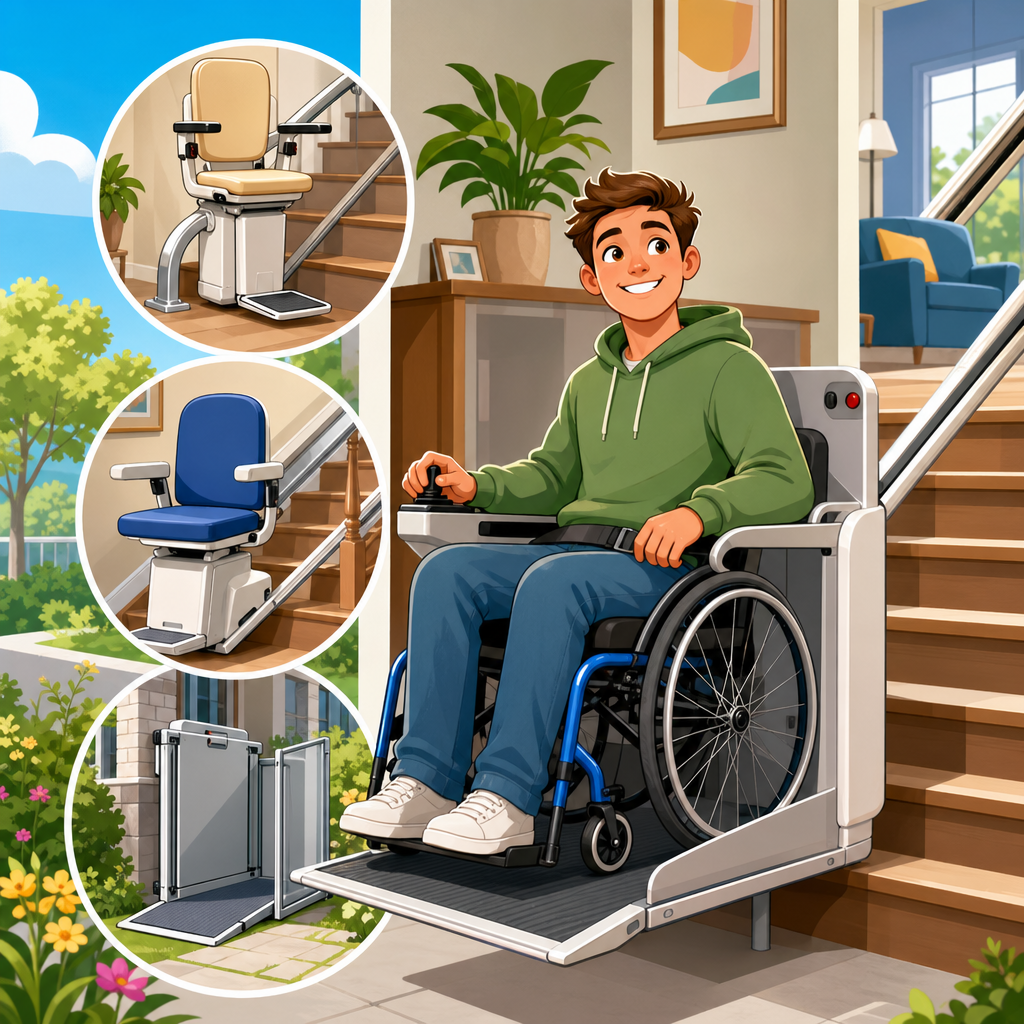
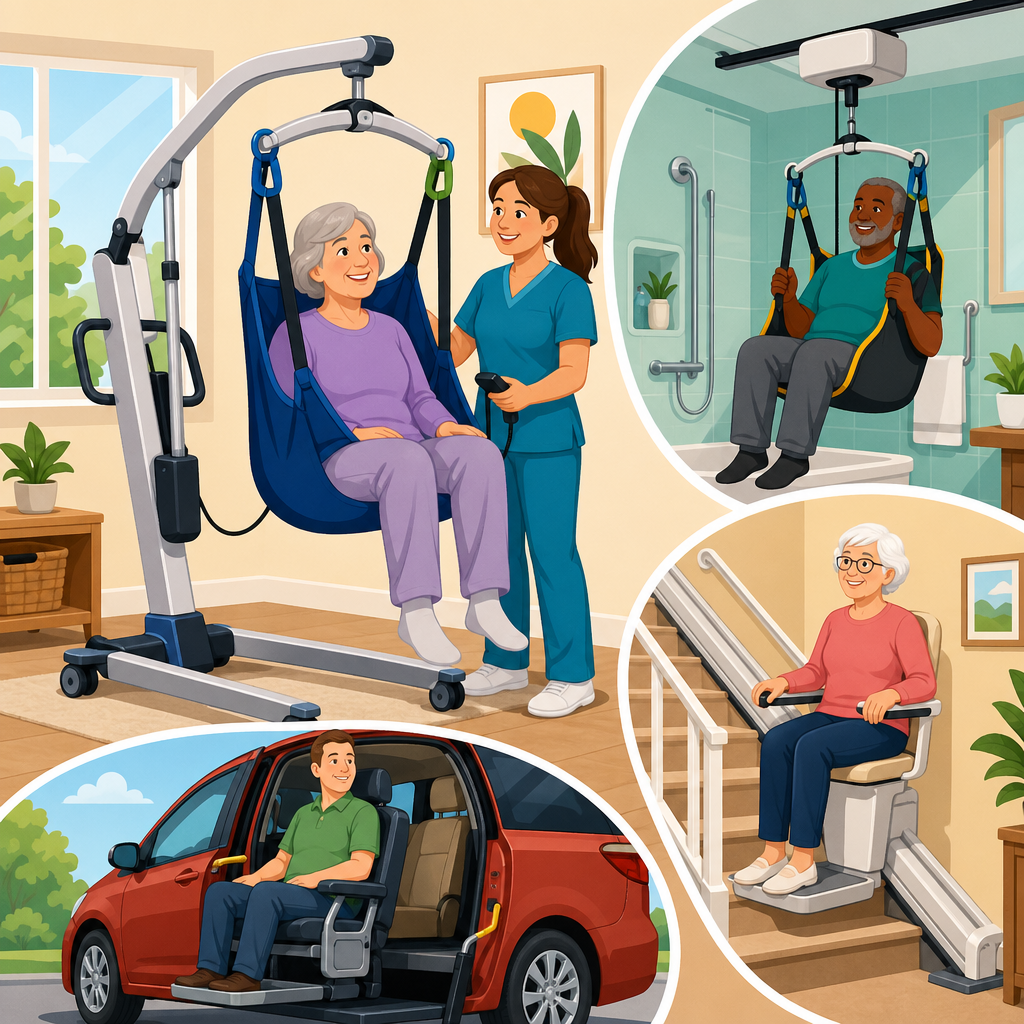
Not every chair lift follows the same return model. Straight stair lifts, curved stair lifts, reconditioned lifts, rental units, and platform lifts each carry different operational risks for the seller, which directly shapes policy. Straight stair lifts are usually the most returnable category because many brands use standardized rails and carriage assemblies. Bruno, Harmar, Stannah dealers, and other regional providers often can repurpose some straight-lift components if they are returned quickly and remain in good condition. Even then, the buyer may still be responsible for installation labor, removal labor, and shipping both directions. If the seat or rail shows wear, the dealer may deduct replacement cost for specific parts rather than processing a simple percentage fee.
Curved stair lifts are the least flexible category. The rail is made to exact dimensions based on staircase geometry, and production typically begins only after final measurements are approved. Because custom fabrication starts before delivery, many contracts state that cancellation after manufacturing begins results in partial or total forfeiture of the deposit. After installation, a return may be impossible because the primary cost driver, the rail, cannot be sold to another household. This is not harshness; it is a consequence of custom engineering. Buyers who anticipate a short-term need should therefore ask whether a temporary ramp, first-floor room conversion, or lift rental solves the access problem at lower risk.
Reconditioned and rental units sit in the middle. A dealer offering a refurbished straight stair lift may already plan for multiple install and removal cycles, so the policy can look more forgiving. However, rental agreements often replace “return fees” with minimum rental periods, pickup charges, and damage clauses. Returning a rental early does not always produce a refund, because the pricing model assumes installation cost is recovered over several months. Platform lifts and porch lifts usually have commercial-style terms closer to construction contracts than retail returns, especially when electrical work, permits, or concrete pads are involved.
| Product type | Typical return flexibility | Common charges | Main reason |
|---|---|---|---|
| Straight stair lift | Moderate if uninstalled quickly | Restocking fee, freight, install and removal labor | Standardized parts may be reused |
| Curved stair lift | Low to none after fabrication | Deposit forfeiture, custom rail charges, labor | Rail is custom built for one staircase |
| Reconditioned straight lift | Varies by dealer | Removal, cleaning, part replacement | Dealer already manages secondary inventory |
| Rental stair lift | Return expected at term end | Pickup, minimum term, damage fees | Pricing depends on amortized service cycle |
| Platform or porch lift | Usually limited | Permit, electrical, site work, nonreturnable components | Project includes fixed installation costs |
When Returns Are Limited, Denied, or Nonexistent
The most important answer many buyers need is simple: can a chair lift be returned after installation? Sometimes yes, often only partially, and for custom systems often no. Dealers limit returns for three main reasons. First, installed mobility equipment enters a regulated and liability-sensitive context. Even when a chair lift is not legally treated exactly like durable medical equipment, sellers still need confidence that any returned unit can be inspected, sanitized, and reissued safely. Second, installation alters the product. Rails are cut, brackets mounted, call stations paired, and charging points set. Third, labor is not recoverable. A technician’s time, truck roll, and staircase assessment do not become reusable inventory just because the buyer changes plans.
Common nonreturn scenarios include custom curved rails, made-to-order upholstery or seat modifications, projects cancelled after fabrication begins, and systems installed in homes where wall or floor work was performed specifically for the lift. Some policies also exclude returns if the equipment has been exposed to weather, smoke damage, pet contamination, or power problems causing battery degradation. Outdoor units are especially likely to have condition-related disputes because moisture and debris can affect components quickly.
There is also a timing issue. A dealer may permit returns within a short window after installation only if the unit is barely used and the request is based on fit, comfort, or transfer difficulty rather than a change of mind months later. In my experience, families are better protected when they insist on a documented pre-install assessment of seat height, folded width, transfer clearance, and parking positions. Many “return” conflicts are actually preventable fit problems that should have been identified before drilling the first bracket.
Chair Lift Warranties Versus Return Policies
Buyers frequently confuse the warranty with the right to return the product, but these are separate promises. A return policy addresses what happens if you no longer want the chair lift or if the order needs to be reversed. A warranty addresses defects in materials or workmanship after purchase. For example, the motor, gearbox, board, batteries, or rail may be covered for a stated period, but that does not mean the seller will take the lift back for a refund. Conversely, a dealer may allow a short return window yet offer only a limited labor warranty.
Manufacturer warranties often distinguish among parts, drivetrain components, batteries, and labor. Batteries are a common exception because they are consumable and sensitive to charging patterns. Dealers may add their own workmanship warranty covering installation issues such as rail alignment, bracket placement, or call/send programming. The practical question is not “Does it have a warranty?” but “Who pays for diagnostics, service calls, and labor in month six, year two, and year five?” A strong written answer matters more than a verbal assurance that the unit is “fully covered.”
For this warranty and return policies hub, the takeaway is direct: evaluate refunds, cancellations, service labor, part exclusions, and transferability as separate checkpoints. A chair lift can have an excellent warranty and a strict no-return policy at the same time.
Contract Terms Buyers Should Review Before Paying a Deposit
The safest way to reduce chair lift return fees and restocking costs is to catch the risk before the order is locked. Start with the sales quote and ask for the full terms, not just the price sheet. Look for language covering deposit refundability, cancellation deadlines, ownership of custom rail drawings, freight responsibility, installation scheduling delays, and whether post-install removal is billed separately. If the agreement says “all sales final,” ask whether that applies before fabrication, before shipment, or only after installation. Those distinctions change the financial outcome materially.
Next, confirm the measurement process. Reputable dealers perform a site survey and note staircase width, overrun, landing clearances, obstructions, power supply, and user transfer needs. Ask who is responsible if the lift does not fit the staircase as measured by the dealer. That answer should be in writing. Also ask whether there is a comfort guarantee, exchange program, or upgrade credit if the selected seat style proves unsuitable. These programs are not universal, but when they exist they can be more valuable than a nominal return right.
Finally, compare policies across at least three local or regional providers. The headline price alone rarely tells the full story. One quote may be $500 lower but require a nonrefundable 50 percent deposit at order. Another may cost more while allowing cancellation before rail production and providing a longer labor warranty. For families balancing urgency with budget, that flexibility can be worth more than a small discount. Before signing, request emailed copies of the warranty certificate, return policy, and any dealer service agreement, then keep them with the invoice and measurement notes.
How to Reduce the Chance of an Expensive Return
The best strategy is prevention. Test a comparable seat if possible, even in a showroom rather than your home. Have the primary user perform a realistic transfer, including seat height, armrest leverage, swivel operation, footrest clearance, and whether the folded unit leaves enough walking space for others. If cognitive impairment, limited trunk control, or severe arthritis is involved, discuss those factors honestly. A chair lift that is technically compatible with the staircase may still be functionally wrong for the user.
Ask whether a short-term rental, used straight stair lift, or occupational therapy home access review should come before purchase. In several cases I have seen, a family ordered a permanent lift during discharge planning only to realize two weeks later that the resident would be relocating or sleeping downstairs. The product was not defective; the care plan changed. A rental would have reduced that exposure. Also confirm payment method protections. Some credit cards provide dispute pathways for misrepresentation, though they do not override a clearly disclosed custom-order policy.
Document everything. Save the ad, quote, contract, measurement sheet, and texts confirming features. If a disagreement emerges, contemporaneous records matter. Most importantly, ask the blunt question early: “If we cancel before installation, what do we owe? If we request removal after installation, what do we recover?” A trustworthy dealer answers both without hesitation.
Chair lift return fees and restocking costs are manageable when buyers understand that mobility equipment is part retail product, part custom installation, and part long-term service relationship. The core lesson is simple: the return policy is shaped by customization, labor, and resale potential, not just seller preference. Straight stair lifts usually offer the most flexibility, curved lifts the least, and rentals or refurbished units fall somewhere between depending on the dealer’s inventory model. Warranties protect against defects, not buyer’s remorse, so they should never be treated as a substitute for clear cancellation and refund terms.
For anyone shopping within the broader buying guides and product reviews category, this warranty and return policies hub should serve as the starting point. Compare quotes beyond price, read deposit language carefully, verify what happens at fabrication and installation milestones, and insist on written answers about freight, removal labor, and restocking calculations. Those details determine your real financial exposure. Before you commit, gather at least three policy documents, review them side by side, and ask every dealer to explain the same return scenario in plain language. That one step can save thousands and help you choose a chair lift with confidence.
Frequently Asked Questions
What is the difference between a chair lift return fee and a restocking fee?
A chair lift return fee is a broad term for the total cost a buyer may face when sending a unit back after delivery, while a restocking fee is usually one specific part of that overall deduction. In practice, return-related charges can include freight pickup, return shipping, inspection, administrative processing, and any loss in value once the product has been opened or partially assembled. The restocking portion typically covers the seller’s internal costs for examining the returned lift, verifying whether all parts are present, repackaging components, replacing opened hardware or missing items, and accounting for the fact that mobility equipment often cannot be resold as brand-new once it leaves the warehouse.
For chair lifts, this distinction matters because these are not standard consumer goods that can simply be placed back on a shelf. Many lifts are ordered for a specific staircase, configuration, rail length, or seat style. Even when a model is considered “returnable,” the supplier may still deduct a restocking percentage because the returned equipment now carries handling costs and a lower resale value. Buyers should read the written policy carefully, because a company may advertise returns but still apply significant deductions that materially reduce the refund amount.
Why are chair lift restocking costs often higher than people expect?
Chair lift restocking costs are often higher because the product itself is specialized, expensive to transport, and frequently tailored to a particular home. Unlike ordinary boxed household items, chair lifts may include custom rail sections, power components, mounting hardware, seat assemblies, safety systems, and packaging designed to prevent transit damage. Once those materials are opened, handled, or partially installed, the seller may need to inspect every component individually, confirm operational integrity, replace packaging, and determine whether the equipment can legally and safely be sold again.
There is also a practical business reason behind these fees. Accessibility equipment companies deal with products that involve safety, liability, and sanitation concerns. If a unit was delivered, unpacked, or installed, the provider may not be able to market it as new. That means the returned lift can represent a direct financial loss, even if it appears unused to the buyer. On top of that, freight for mobility equipment can be substantial, especially for long rails or heavy powered units. When customers assume returns work like furniture or small appliances, the resulting deductions can be surprising. That is why chair lift purchases should always be treated as policy-sensitive transactions rather than casual retail buys.
Are all chair lifts eligible for return, or do some purchases become final sale?
Not all chair lifts are eligible for return, and many purchases become final sale depending on the model, configuration, and stage of the order. Straight stair lifts may sometimes have more flexible return terms if they use standard rail lengths and common components, but even these are often subject to strict conditions. Curved stair lifts, customized rails, special upholstery selections, upgraded power options, or lifts manufactured to match a unique staircase are commonly treated as non-returnable because they are built for one specific installation environment and have little to no resale market in their original form.
Return eligibility can also change once certain events occur. Some sellers allow cancellation before production begins, impose fees after fabrication starts, and prohibit returns entirely after shipment or installation. Others may accept returns only for unopened products in original packaging, which is a narrow window for a device that usually requires professional delivery and setup. The key point is that buyers should never assume a chair lift can be returned simply because it has not been heavily used. The written sales agreement, invoice terms, and manufacturer policy usually determine whether the purchase is refundable, partially refundable, or completely final.
How can I estimate the real cost of returning a chair lift before I buy one?
The best way to estimate the real cost of a potential return is to ask for a complete written breakdown before placing the order. Buyers should request more than a general statement such as “returns subject to fees.” Instead, ask whether the company charges a flat restocking percentage, actual outbound shipping, return freight, pickup fees, labor removal charges, inspection costs, and replacement costs for opened or missing parts. If installation is included, clarify whether uninstalling the lift is also billable and whether those labor charges are refundable under any circumstances.
It is also wise to ask scenario-based questions. For example: What happens if the lift arrives but you cancel before installation? What if it is installed and then returned within a stated period? What if the rail is custom-cut? What if the product was financed? These details can dramatically change the final refund. A thorough estimate should consider the full transaction lifecycle, not just the sticker price. If a seller cannot clearly explain the policy in writing, that is a sign to proceed cautiously. In the mobility equipment market, transparency before purchase is often the best protection against expensive surprises later.
What steps can buyers take to avoid unexpected chair lift return fees and restocking deductions?
Buyers can reduce the risk of unexpected fees by treating the purchase like a home accessibility project rather than a routine online order. Start by confirming the exact model, rail type, staircase measurements, and customization level before authorizing production. Ask whether the lift is standard or custom, whether any part of the order becomes non-refundable once manufacturing begins, and whether a home assessment is required. If possible, review product brochures, policy documents, and sales terms before paying a deposit. A reputable dealer should be able to explain the refund policy clearly and point out which charges are recoverable and which are not.
It also helps to document every promise in writing. If a salesperson says a model is returnable, ask for the conditions, deadlines, and deductions by email or on the invoice. Keep records of delivery, installation, and any communications about cancellation. Before signing off on installation, make sure the lift ordered matches the agreed specifications. Finally, compare companies not just on price, but on policy fairness. A slightly higher purchase price from a transparent dealer may cost less overall than a lower quote tied to steep return fees, aggressive restocking costs, and broad final-sale terms. In this market, informed buying decisions are the most effective way to avoid costly refund disputes.