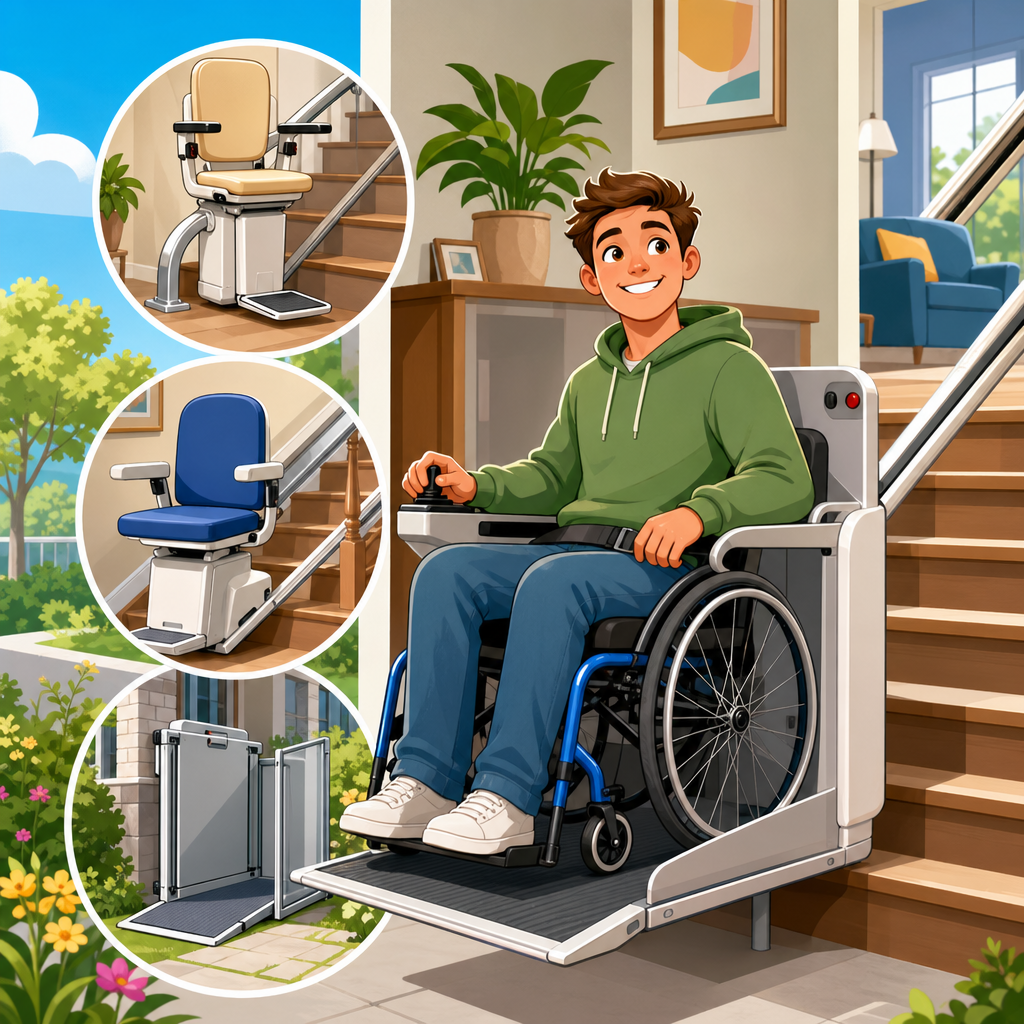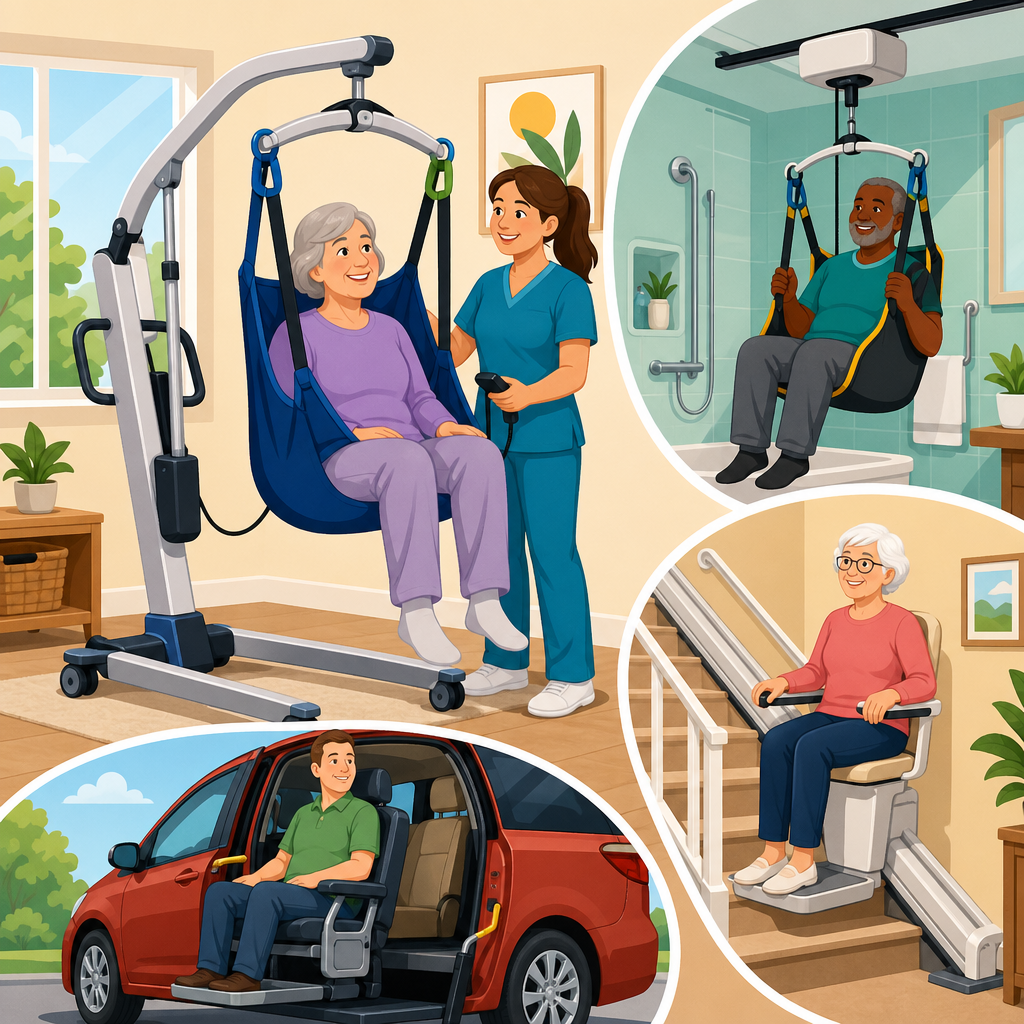
Choosing between budget and mid-range chair lifts is not only about sticker price; it is about matching total ownership cost to mobility needs, staircase layout, safety expectations, and the years of service you realistically require. In practical terms, budget chair lifts usually refer to entry-level straight-stair models with basic controls and fewer customization options, while mid-range chair lifts add better ride quality, higher weight capacities, upgraded seats, stronger warranties, and more installation flexibility. I have helped families compare quotes, review spec sheets, and plan installations, and the same pattern appears repeatedly: the cheapest option can be the right purchase for a simple staircase, but it becomes expensive fast when a home needs custom rails, heavy use durability, or features that reduce caregiver strain.
This topic matters because chair lifts sit at the intersection of safety, independence, and home accessibility. According to the Centers for Disease Control and Prevention, falls remain a leading cause of injury among older adults, and stairs are a frequent hazard point inside the home. A chair lift can delay or prevent a costly move, reduce reliance on family members for transfers, and make multilevel living practical again. Yet buyers often focus only on the advertised base price, which rarely reflects the full financial picture. Installation, maintenance, battery replacement, upholstery durability, call-send controls, and rail design all influence long-term value. For readers researching budget-friendly options, this hub article explains where low-cost chair lifts deliver genuine savings, where mid-range models justify their premium, and how to compare them using the same criteria dealers use when building quotes.
What Budget and Mid-Range Chair Lifts Usually Include
A budget chair lift typically means a straight rail system for one uninterrupted staircase, powered by batteries that charge at the rail, with a compact seat, basic swivel function, seat belt, footrest safety edges, and wall-mounted call-send controls. In the current market, many budget models from established brands such as Bruno, Harmar, Handicare, and Stannah start around the lower end of the pricing spectrum for straight stairs, but advertised rates often exclude electrical work, permit requirements where applicable, and premium upholstery or powered options. These lifts are designed for standard residential use, and they work well when the user has average mobility, the staircase is narrow but regular, and there is no need for a manual or powered folding rail at the bottom landing.
Mid-range chair lifts add practical upgrades rather than luxury for luxury’s sake. The most important improvements are often a higher weight rating, a more supportive seat base, easier transfer positioning at the top landing, smoother start-and-stop programming, and better fit-and-finish that matters after years of daily use. Mid-range models may also offer power swivel seats, power folding footrests, hinged rails for door clearance, and more adjustable arm widths or seat heights. For households where more than one user may rely on the lift, these features are not cosmetic; they directly affect safety, comfort, and usability. In my experience, people who initially dismiss these upgrades often reconsider after testing showroom units, because a stiff manual swivel or awkward seat height can turn every trip into a struggle.
Upfront Price Comparison: Purchase and Installation
The clearest cost difference appears in the upfront quote. For a basic straight stair lift, budget models commonly land between about $2,500 and $5,000 installed, while mid-range straight stair lifts more often fall between roughly $4,500 and $8,000 installed, depending on dealer labor, rail length, seat package, and regional pricing. Curved chair lifts are a different category entirely and can jump well beyond $10,000 because the rail is custom fabricated. Since this article focuses on budget-friendly options, the key point is that the budget-versus-mid-range decision is most relevant on straight staircases, where buyers can choose between entry-level and upgraded systems on the same basic rail path.
Installation costs are shaped by the staircase itself. A straight run with open access at both landings is quick to measure and fit. Costs rise when the dealer needs a folding rail to avoid blocking a doorway, a track overrun to improve transfer safety, or additional brackets because of stair construction. Mid-range systems often absorb these complexities better because they come with more accessory compatibility and stronger dealer support. Budget lines may have a lower base price but fewer built-in options, so the quote can climb once modifications are added. That is why two lifts with a similar advertised starting price can end up hundreds or thousands apart by the time the final proposal is written.
| Cost Factor | Budget Chair Lift | Mid-Range Chair Lift |
|---|---|---|
| Typical straight-stair installed price | $2,500 to $5,000 | $4,500 to $8,000 |
| Weight capacity | Usually 250 to 300 lb. | Often 300 to 400 lb. |
| Seat and transfer features | Basic manual adjustments | More ergonomic, often powered options |
| Ride quality | Functional, less refined | Smoother acceleration and braking |
| Warranty coverage | Shorter or more limited | Longer and broader in many cases |
| Best fit | Simple staircase, lighter use | Daily use, higher needs, longer ownership horizon |
Long-Term Ownership Costs: Service, Batteries, and Reliability
The better comparison is not purchase price alone but five-year and ten-year cost. Most modern chair lifts use battery power even though they plug into household current for charging. Those batteries are consumable parts, and replacement every few years is normal. Depending on model and service market, battery replacement can cost a few hundred dollars including labor. Budget lifts do not necessarily burn through batteries faster, but lower-end systems may have less refined charging contact design or more noticeable performance decline if maintenance is skipped. Mid-range systems frequently have better diagnostic indicators and stronger service networks, which reduces downtime and troubleshooting costs.
Maintenance plans vary by dealer more than by manufacturer, but build quality still matters. In the field, I have seen entry-level lifts perform reliably for years when used on a short staircase by one person with regular cleaning and annual inspection. I have also seen budget units wear quickly in busy households where the lift runs many cycles each day, especially when users lean hard on armrests during transfers. Common wear points include seat upholstery seams, swivel mechanisms, footrest hinges, remote controls, and carriage rollers. Mid-range lifts usually justify their higher price through better component durability and quieter operation, not by eliminating repairs entirely. If uninterrupted use is critical because the rider cannot safely manage stairs without assistance, paying more for reliability is often the financially conservative decision.
How Features Affect Real Value
Features matter only if they solve a real problem, but when they do, they save money indirectly by preventing unsafe workarounds or premature replacement. A manual swivel seat is acceptable for many users, yet someone with limited trunk strength may struggle to rotate and lock the seat at the top landing. In that case, a power swivel on a mid-range chair lift can reduce the risk of a fall during transfer. The same logic applies to a power folding footrest for users who cannot bend easily, or a hinged rail that keeps a hallway clear and avoids remodeling the doorway. Buyers often categorize these as optional add-ons, but from an accessibility standpoint they are functionally necessary in many homes.
Another underappreciated value factor is seat geometry. Budget lifts often have smaller seats and simpler padding to keep costs down and fit narrower stairs. That can be ideal in a tight stairwell, but not for larger users or anyone sitting in the chair several times a day for years. Mid-range models typically offer better lumbar support, arm spacing, and seat height adjustment, which can reduce transfer effort. If a user dreads the ride because getting seated feels unstable, the family may end up underusing the lift or considering replacement sooner than expected. The right fit increases compliance, and compliance is where the financial and safety benefits of a chair lift are actually realized.
When a Budget-Friendly Chair Lift Is the Smart Buy
Budget-friendly options are genuinely smart in several situations. First, a straight staircase with no turns, no doorway obstruction, and standard tread dimensions is the ideal case for an entry-level lift. Second, the primary user may have mild to moderate mobility limitations but still retain enough strength to manage a manual swivel, fold the footrest by hand, and use basic toggle or rocker controls. Third, the expected usage may be moderate, such as a few trips per day rather than constant cycling. In these cases, a well-supported budget model from a reputable dealer often delivers the best return on investment.
Budget models are also useful for temporary or transitional needs. Someone recovering from surgery, living with a progressive condition that is being actively reassessed, or planning a future move may prioritize low upfront cost over premium features. Reconditioned chair lifts can play a role here as well, especially for straight stairs. Dealers sometimes refurbish used units with new batteries, inspected carriage components, and limited warranties. A refurbished lift can cut acquisition cost substantially, but buyers should verify what parts were replaced, how long labor is covered, and whether the rail is new or reused. For many households, the most affordable good option is not the absolute cheapest new chair lift but a properly serviced straight-stair unit with local support.
When Mid-Range Spending Prevents Costly Mistakes
Mid-range spending becomes the better choice when the user’s needs are likely to intensify, not diminish. Higher body weight, reduced balance, arthritis affecting hand strength, or dependence on the lift multiple times every day all point toward a sturdier and more adjustable system. A mid-range chair lift often includes higher weight capacity, easier controls, and more comfortable seating that reduce friction during use. Those improvements lower the chance that the lift will be abandoned in favor of unsafe stair climbing. In real purchasing decisions, avoided injury risk is part of the value calculation even though it does not appear as a line item on the invoice.
Mid-range models also make sense in homes where aesthetics and resale perception matter. While a chair lift rarely increases property value in a direct appraisal sense, a cleaner installation with folding components, slimmer rail integration, and quieter movement can make the home easier to live in and less visually intrusive. More important, some mid-range systems offer stronger warranty terms on major components and better parts availability through national dealer networks. If the homeowner expects to stay in place for five to ten years, spending more upfront can flatten total cost by reducing service interruptions and replacement pressure. That is especially true when the staircase is the only route to bedrooms or bathrooms.
How to Compare Quotes and Keep Costs Under Control
The most effective way to control chair lift cost is to compare itemized quotes instead of headline prices. Ask every dealer to break out the rail, carriage, seat package, power options, installation labor, permit or inspection charges if any, and warranty terms for parts and labor. Confirm the weight capacity, staircase angle limits, and whether the quote includes a track overrun, folding rail, or charging points at both ends. If two proposals differ by a large amount, the reason is usually hidden in accessories or labor assumptions rather than simple brand markup. I recommend requesting an in-home assessment from at least two local dealers, because measurements, transfer recommendations, and service coverage can vary significantly.
For readers exploring this budget-friendly options hub, the best next step is to map your staircase conditions and user needs before discussing brands. Measure the staircase type, note any bottom-landing doorway conflicts, and list the user’s transfer limitations, hand strength, and frequency of use. Then compare budget and mid-range chair lifts based on total cost over time, not just the opening quote. A lower-cost lift is the right answer when the staircase is simple and the user’s needs are modest. A mid-range lift is the right answer when durability, comfort, and easier transfers will prevent future problems. Use that framework, ask for detailed proposals, and move forward with the model that delivers safe, sustainable value for your home.
Frequently Asked Questions
What is the real cost difference between a budget chair lift and a mid-range chair lift?
The real cost difference goes beyond the initial purchase price. In most cases, a budget chair lift is an entry-level straight-stair model designed for simple installations, standard body types, and basic everyday use. A mid-range chair lift typically costs more upfront because it includes upgraded seating, smoother start-and-stop performance, higher weight capacity, stronger rail construction, better safety systems, and more flexible installation options. That higher sticker price often reflects improved comfort and durability rather than just extra features.
When comparing the two, it helps to look at total ownership cost instead of only the invoice amount. A lower-priced unit may be perfectly cost-effective for a household with light use, a standard staircase, and a short expected ownership window. However, if the lift will be used many times per day, by a larger user, or in a home where comfort and reliability matter over many years, a mid-range model may provide better long-term value. The additional investment can reduce service calls, improve user confidence, and delay replacement. In other words, the cheaper lift may cost less to buy, but the mid-range lift may cost less per year of dependable use.
Are budget chair lifts cheaper to maintain, or do mid-range models offer better long-term value?
Budget chair lifts can be less expensive to maintain in the short term because they are mechanically simpler and may use fewer premium components. If the lift is installed on a straight staircase and used only occasionally, maintenance demands may remain modest for quite some time. For households with limited mobility needs and a tight budget, that can make a basic model a sensible and economical option. Routine maintenance for both categories usually includes checking batteries, seat operation, rail condition, charger function, and safety sensors.
That said, mid-range chair lifts often offer better long-term value because they are built for more frequent use and typically include stronger warranties, higher-quality drive systems, and more robust seats and rails. These upgrades can matter significantly over several years. A chair lift that operates smoothly under daily use may experience less strain on key components, which can help reduce wear-related problems. In practical terms, a mid-range unit may cost more to purchase but deliver fewer interruptions, better reliability, and lower repair risk as the lift ages. If you plan to rely on the lift every day for many years, long-term value often favors the mid-range category.
How do staircase layout and installation complexity affect the cost comparison?
Staircase layout is one of the biggest factors in total chair lift cost. Budget models are usually designed for straight staircases with minimal customization. If your stairs are standard, with enough clearance and no complicated turns, the installation may be relatively straightforward and affordable. In that situation, a budget lift can compare very favorably because the simplicity of both the product and the installation helps keep total project cost down.
Mid-range chair lifts become more attractive when the home presents installation challenges or when the user needs features that better match the staircase environment. Even on straight stairs, factors such as narrow passages, seat-swivel needs, parking positions, folding rail sections, or transfer safety at the top landing can push buyers toward a better-equipped model. If the staircase is used heavily by others in the home, a mid-range lift with improved folding features or a more compact profile may reduce inconvenience. So while the base product cost matters, installation complexity can quickly change the value equation. The best choice is often the one that fits the staircase safely and conveniently with the fewest compromises.
Is a mid-range chair lift worth the extra money for comfort, safety, and daily use?
For many buyers, yes. A mid-range chair lift is often worth the extra cost when the lift is not just an occasional convenience but a core part of daily mobility. Comfort matters more than many people expect, especially for users with joint pain, limited trunk stability, or difficulty transferring in and out of the seat. Mid-range lifts commonly include better cushioning, more supportive seat design, smoother motion, easier armrest controls, and improved swivel mechanisms. Those features can make everyday use noticeably less tiring and more secure.
Safety is another area where spending more can make sense. While budget lifts still include essential safety features, mid-range models often add refinements that improve confidence and usability, particularly for older adults or users with more complex mobility limitations. Higher weight capacities, better footrest design, more responsive obstruction sensors, and smoother stops all contribute to a safer user experience. If the chair lift will be used multiple times a day, by more than one person, or by someone whose condition may change over time, the extra investment in comfort and safety can be justified very quickly. It is not simply paying for luxury; it is often paying for easier, more reliable daily living.
How can I decide whether a budget or mid-range chair lift is the smarter financial choice for my home?
The smartest way to decide is to compare your needs against total cost over the years you expect to use the lift. Start by thinking about frequency of use, user weight, transfer difficulty, staircase shape, and whether your mobility needs are stable or likely to increase. If the staircase is straight, the user is relatively light, the lift will be used occasionally, and keeping upfront cost low is your top priority, a budget chair lift may be the most practical choice. In that type of situation, paying more for features you may never use does not always make financial sense.
On the other hand, if the lift will be used every day, needs to accommodate a larger user, must provide better seating comfort, or should remain dependable for many years, a mid-range model is often the stronger financial decision. Also consider warranty coverage, expected service life, battery replacement frequency, available dealer support, and resale or reusability potential. A chair lift is not just a product purchase; it is a mobility solution tied to safety, independence, and household convenience. The better choice is the one that delivers the lowest risk, most suitable performance, and best long-term value for your specific home and mobility needs.