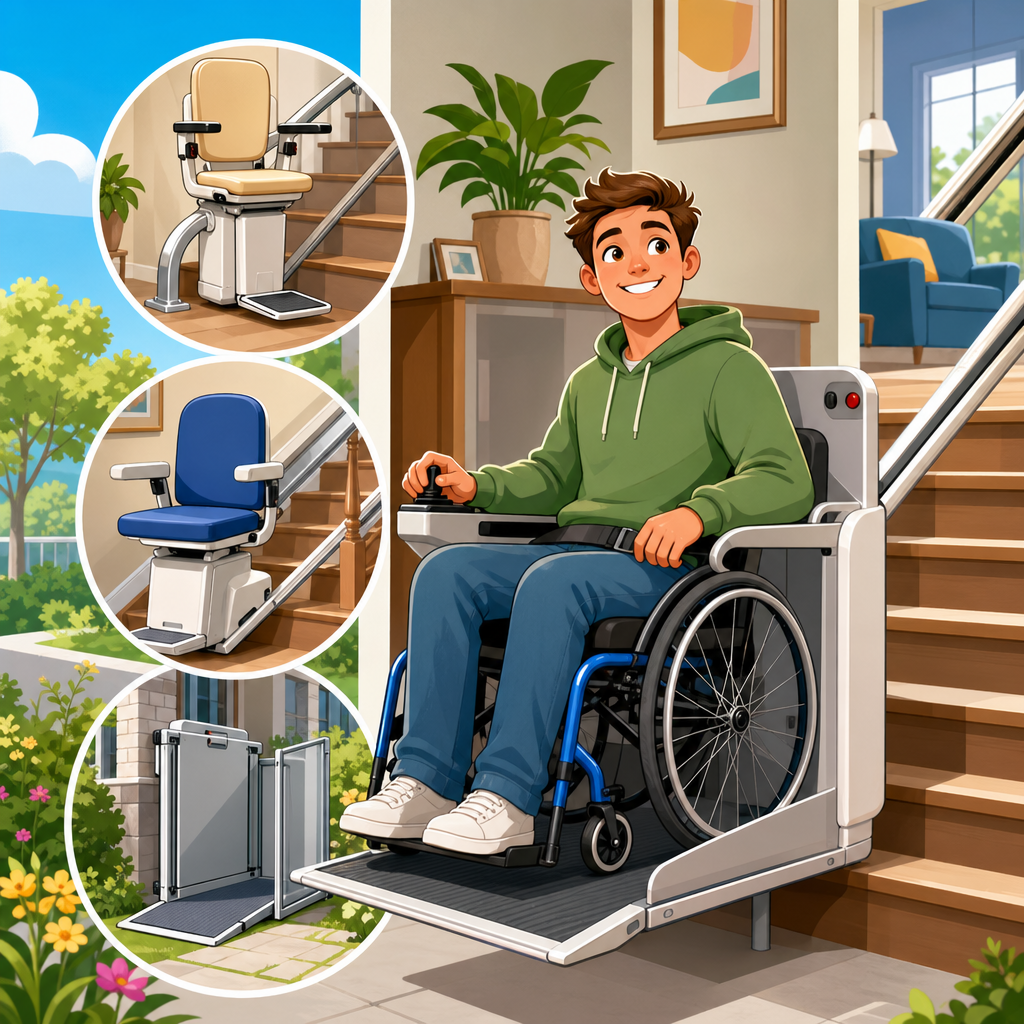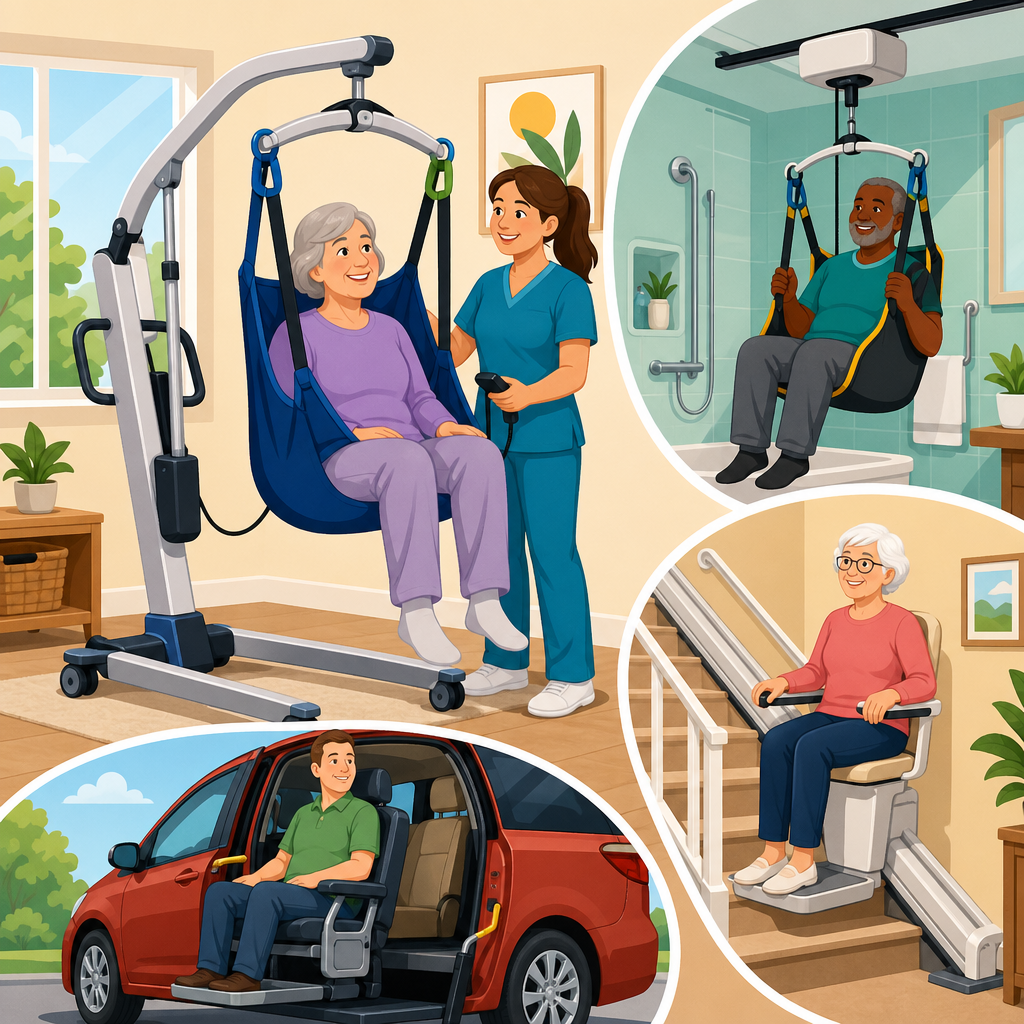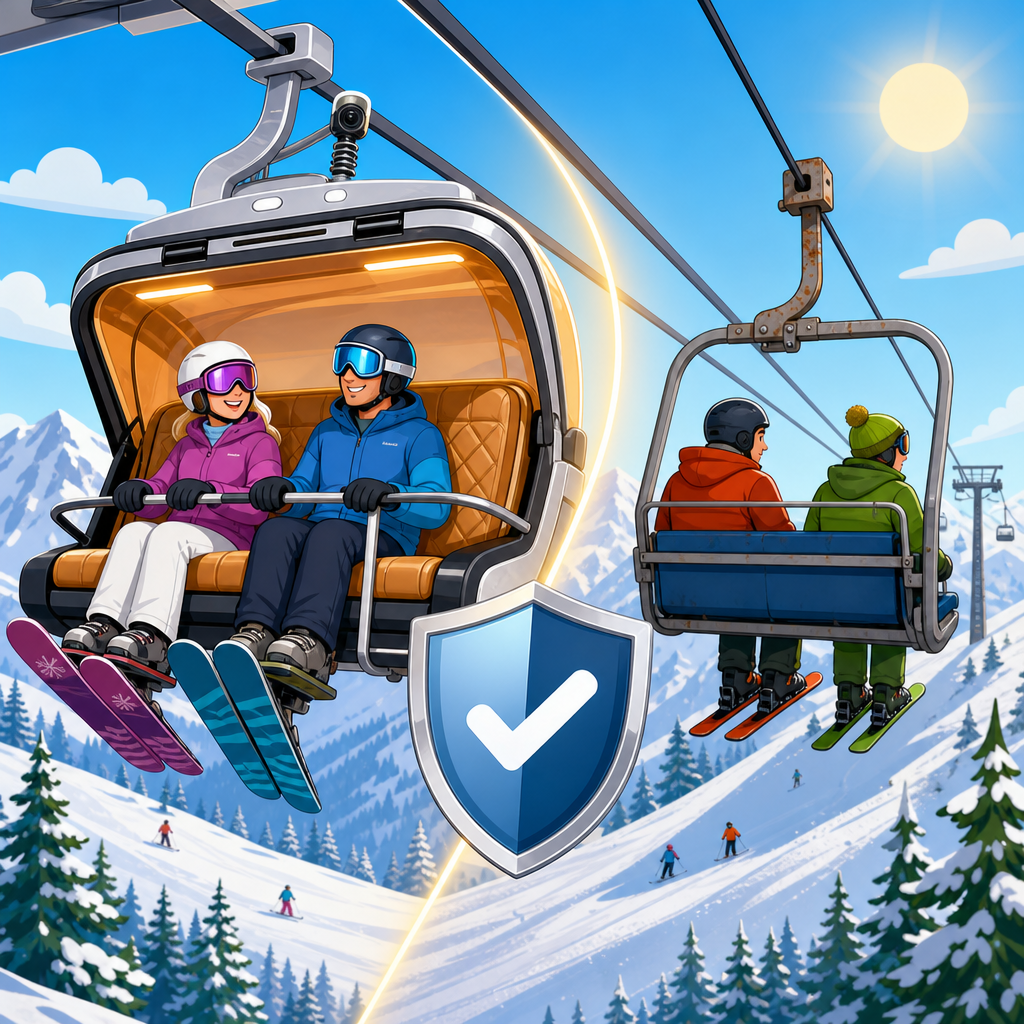
Luxury chair lifts promise a safer, smoother, and more dignified ride up the stairs, but the real answer is more nuanced than premium marketing suggests. In the stairlift market, “luxury” usually refers to premium chair lift models with upgraded upholstery, powered swivel seats, advanced sensors, quieter drive systems, custom rail finishes, and stronger warranties rather than a fundamentally different purpose. A chair lift, also called a stairlift, is a motorized seat that travels along a rail fixed to the staircase, helping users with limited mobility move between floors without climbing steps. Safety, meanwhile, includes more than whether the unit stops when it hits an obstacle; it also covers secure transfers on and off the seat, stable operation, reliability over time, emergency readiness, and fit for the user’s medical needs. I have evaluated stairlift specifications, installation plans, and service records, and the pattern is consistent: better safety comes from the right match between user, staircase, installation quality, and maintenance discipline, not from a high price tag alone.
That question matters because chair lifts are often bought after a fall, surgery, stroke, or a noticeable decline in balance, when families are making expensive decisions under pressure. Premium models can cost several thousand dollars more than standard units, especially on curved staircases, so buyers want to know whether added features produce meaningful risk reduction. In many cases they do, especially for transfers, power outages, and day-to-day usability. However, some “luxury” upgrades are mostly comfort or appearance features that improve satisfaction without materially changing safety outcomes. The practical goal is to identify which premium features genuinely reduce risk and which simply make ownership feel more refined. For anyone comparing luxury and standard stairlifts, the safest purchase is the one that meets recognized engineering standards, fits the staircase precisely, supports the user’s size and mobility profile, and comes from a manufacturer and dealer with a strong service network.
What Safety Means in a Luxury Chair Lift
A safe chair lift does four things consistently: it carries the user smoothly, prevents falls during transfer, avoids collisions on the stairs, and keeps operating predictably during real-world interruptions such as power loss or heavy daily use. Premium chair lift brands often improve all four areas, but not always equally. The most important baseline is compliance with recognized standards such as ASME A18.1 in the United States and applicable local code requirements. Those standards govern design, operation, controls, and installation practices. If a model lacks clear compliance documentation, luxury branding should not reassure you.
From direct product comparisons, the most meaningful safety differences in premium stairlifts usually involve transfer support. A powered swivel seat at the top landing reduces the twisting motion many users struggle with when stepping off. A higher seat back, adjustable arm spacing, and a seat height that better matches the user’s leg length can also lower the chance of losing balance. These are not cosmetic improvements. On many incidents I have reviewed, the problem was not travel on the rail but the moment the rider sat down or stood up. If luxury features make transfers more controlled, they can improve safety in a measurable, practical way.
Safety Features That Truly Matter in Premium Models
Not every upgrade deserves equal weight. The premium features most connected to real safety are powered swivel seats, powered footrests, retractable or low-profile rails at the bottom, battery backup, overspeed governors, seat belts that are easy to latch, and pressure-sensitive obstruction sensors on the carriage and footrest. A powered footrest matters more than many buyers expect. Users with back pain, hip weakness, or limited reach may not be able to fold a manual footplate safely. If they bend awkwardly on the stairs to adjust it, that creates a separate fall risk. Premium units often solve this with one-touch controls.
Battery operation is another major safety advantage. Most modern stairlifts use batteries charged from the mains, but higher-end models usually offer better battery management and smoother behavior during outages. That matters because power failures are not rare, and users may need to descend during an emergency. Premium diagnostic systems can also identify charging faults before the batteries fail completely. In practice, that reduces the risk of a lift stopping unexpectedly between floors, which is one of the most stressful scenarios for a user and caregiver.
Obstacle detection is common across price tiers, yet premium systems may place more sensors at more contact points and tune stop responses more precisely. On narrow stairs, even a small object like a slipper or pet toy can obstruct travel. Better sensor coverage improves protection, but only if installers test those sensors during commissioning and at service visits. Luxury should mean more than feature lists; it should mean tighter tolerances, cleaner installation, and more reliable calibration.
| Feature | Standard Model Safety Value | Luxury Model Safety Value | Why It Matters |
|---|---|---|---|
| Powered swivel seat | Often optional or manual | Common and smoother | Reduces twisting and unstable top-landing exits |
| Powered footrest | Less common | Frequently included | Avoids bending on stairs and lowers transfer strain |
| Obstacle sensors | Basic coverage | Broader coverage | Stops the lift before contact with objects |
| Battery backup | Common but variable | Usually stronger diagnostics | Keeps lift usable during outages and alerts for faults |
| Custom seat fit | Limited adjustments | More adjustability | Improves posture, belt position, and transfer stability |
| Ride quality | Adequate | Smoother start and stop | Helps users with pain, spasticity, or poor trunk control |
Where Luxury Features Improve Comfort More Than Safety
Some premium upgrades do not meaningfully change risk, even though they improve the ownership experience. Leather or high-grade synthetic upholstery, designer rail colors, slimline styling, and quieter motors can make a stairlift feel less medical and more integrated with the home. That matters for acceptance. People are more likely to use equipment consistently when they do not resent it. Still, these are indirect benefits, not direct safety mechanisms.
App connectivity, remote call stations with elegant finishes, and premium trim packages also fall into this category. They may increase convenience, especially in multigenerational homes, but they do not substitute for core engineering. I have seen buyers overspend on finishes while underinvesting in service plans or choosing a dealer with weak local support. That is the wrong tradeoff. If your budget is limited, spend first on fit, transfer aids, dependable batteries, and dealer responsiveness. Appearance comes after those basics are secured.
Installation Quality Is More Important Than Luxury Branding
The single most overlooked truth in stairlift safety is that installation quality matters as much as, and sometimes more than, the model itself. A premium chair lift installed on the wrong side of the staircase, with poor parking positions or a badly planned overrun, can create hazards that no amount of branding can fix. Installers should assess stair width, landing space, door swings, user handedness, transfer direction, and whether the seat should park away from the top step. On curved stairlifts, the rail design must be precise enough to maintain safe clearances around turns, newel posts, and low headroom areas.
In the field, I have found that the best dealers perform a detailed survey before quoting. They measure not just stair length but user dimensions, seat-to-floor preferences, and transfer behavior. They ask whether the user uses a cane, walker, or wheelchair at each level and whether a caregiver assists. That information determines whether a luxury model’s powered options will actually help. It also affects whether a hinge rail or slide track is needed at the bottom to avoid creating a trip hazard across a doorway. These details are central to safety and should never be treated as optional extras.
User Fit, Mobility Needs, and Medical Realities
A luxury chair lift is safer only when it fits the person using it. Weight capacity is one obvious factor. Heavy-duty and premium stairlifts may support higher capacities, sometimes exceeding 350 or 400 pounds, but the safer choice depends on more than the number on the brochure. Seat width, arm support, footrest size, and the user’s ability to keep feet positioned properly all affect stability. Someone with Parkinson’s disease may benefit from gentler acceleration and supportive seating, while a user recovering from hip replacement may need a seat height and swivel arrangement that minimize painful rotation.
Cognitive status also matters. For users with dementia or impaired judgment, simpler controls may be safer than a feature-rich interface. For users with poor grip strength, large tactile toggle controls are often safer than small buttons. Premium brands sometimes offer better ergonomic controls, but more features are not automatically better. The safest approach is to match the control system to the user’s physical and cognitive capacity, ideally with input from an occupational therapist, physiotherapist, or rehabilitation specialist when the case is complex.
Reliability, Maintenance, and Service Response
A chair lift is only as safe as its condition on the day it is used. Luxury models often come with longer warranties, better parts quality, and stronger dealer support, which can translate into better safety over time. That said, reliability varies more by manufacturer reputation and local service network than by the word “luxury.” Brands known for broad dealer networks, readily available parts, and structured maintenance programs generally outperform lesser-known premium labels that look impressive online but have thin support after installation.
Routine maintenance should include battery testing, charging contact inspection, rail cleaning, gear and carriage checks where applicable, seat swivel lock verification, belt function checks, and sensor testing. A reputable dealer should explain service intervals clearly and provide a process for emergency repairs. Ask how quickly they respond to a nonworking lift, whether they stock parts locally, and whether technicians are factory trained. A premium stairlift without fast local service can become less safe than a standard model supported by a dependable nearby team.
Curved Stairs, Custom Rails, and the Premium Segment
Luxury and premium chair lifts are especially common on curved staircases because custom fabrication is required. Curved stairlifts are inherently more expensive due to bespoke rail design, multiple bends, and tighter installation tolerances. Safety on these systems depends heavily on rail geometry, carriage stability through turns, and exact stop positions at landings. This is one area where premium engineering often does improve safety. Better ride control through corners can reduce jolting, and more accurate custom mapping can provide safer boarding and exit points.
However, curved systems also magnify dealer competence. The most advanced rail means little if the survey was rushed or the user’s transfer pattern was misunderstood. In homes with split landings or narrow turns, a luxury model may be the only practical safe solution because it can be configured around architectural constraints. In a straight staircase with ample width and simple landings, the safety gap between standard and premium models may be much smaller.
How to Judge Whether a Luxury Chair Lift Is Worth It
When buyers ask whether luxury chair lifts really offer better safety, I recommend a simple test: identify the feature, the risk it addresses, and the user limitation it solves. If a powered swivel reduces a documented balance problem at the top landing, it is worth paying for. If a powered footrest prevents painful bending after spinal surgery, it is worth paying for. If upgraded upholstery simply looks better, it may still be desirable, but it is not a safety investment.
Request a home assessment, a written specification, and a demonstration of transfer steps. Ask which standards the model meets, how obstruction sensors are tested, what happens during a power outage, and what the annual maintenance schedule includes. Have the dealer explain why a specific premium feature is necessary for your situation. Good dealers answer directly and concretely. If the explanation stays vague, you are probably hearing sales language rather than a genuine safety case.
Luxury chair lifts can offer better safety, but only when their premium features address real risks faced by the person who will use them. The strongest safety advantages usually come from powered transfer aids, reliable battery operation, better seat fit, refined ride quality, and precise custom installation, especially on curved stairs. By contrast, designer finishes and prestige branding may improve satisfaction without changing daily risk. That distinction is the key to buying wisely.
For most households, the safest chair lift is not the most expensive model on the market. It is the model that meets code, fits the staircase exactly, supports the user’s body and mobility limitations, and is installed and serviced by a responsive local dealer. If you are comparing luxury and standard stairlifts, focus first on transfer safety, maintenance support, and installation planning. Then weigh comfort and aesthetics. Use that framework, and you will choose a premium chair lift for the right reasons. Explore the related buying guides in this hub to compare luxury brands, curved models, heavy-duty options, and service plans before you buy.
Frequently Asked Questions
Do luxury chair lifts actually offer better safety than standard stairlifts?
Sometimes, but not always in the way buyers expect. A luxury chair lift can improve safety if its premium features directly address a user’s mobility needs, balance limitations, or transfer challenges. For example, powered swivel seats can reduce twisting at the top landing, powered footrests can help users avoid bending, and advanced obstruction sensors can stop the lift if something is on the stairs or rail. Quieter drive systems and smoother starts and stops may also help riders who feel anxious or unsteady during travel.
That said, “luxury” does not automatically mean fundamentally safer in every situation. Most reputable standard stairlifts already include core safety essentials such as seat belts, safety sensors, armrests, footrests, and battery backup. The primary job of any stairlift is the same: to move a person safely up and down the stairs on a properly installed rail. If a standard model is well matched to the user, professionally installed, and consistently maintained, it can be just as safe in practical day-to-day use as a premium model.
The real difference is often in comfort, convenience, and ease of use rather than a dramatic jump in baseline safety. Luxury features can lower certain risks for some people, especially those with limited flexibility, severe arthritis, or difficulty repositioning themselves at the landing. But safety depends more on correct fit, installation quality, stairway layout, user habits, and maintenance than on premium branding alone.
Which luxury stairlift features can genuinely improve user safety?
Several upscale features can make a meaningful difference when they solve a real mobility problem. One of the most valuable is a powered swivel seat. At the top of the stairs, the chair turns to help the user get off onto the landing rather than stepping out facing the staircase. This can reduce the risk of awkward twisting or losing balance during transfer. A powered footrest is another useful upgrade because it minimizes the need to bend down, which can be difficult or unsafe for people with back pain, hip limitations, or poor balance.
Advanced sensor systems can also contribute to safer operation. Many premium models include sensitive obstruction detection on the footrest and carriage, which can stop the lift if it encounters an object on the stairs. Some also offer seat-position sensors that prevent movement unless the chair is correctly locked into place. Smooth acceleration and braking can help riders feel more stable, particularly those who are nervous, frail, or prone to sudden shifts in posture.
Additional features such as folding rails, better seat ergonomics, larger controls, and remote call/send functions may also improve safety indirectly. They can reduce tripping hazards, support easier boarding, and make the unit simpler to operate correctly. Still, the key point is that these features improve safety only when they match the user’s specific needs. A premium feature list looks impressive, but the safest stairlift is the one designed around the rider’s body, home layout, and functional limitations.
Are luxury chair lifts safer for seniors with serious mobility issues?
They can be, especially for seniors who struggle with transfers, joint pain, reduced flexibility, or limited hand strength. For someone with advanced arthritis, Parkinson’s symptoms, weakness after surgery, or poor trunk control, a higher-end stairlift may reduce the physical effort required to sit down, ride comfortably, and stand up at the landing. Features like powered swivel operation, easy-touch controls, supportive seating, and gentle ride quality can lower the strain involved in each step of the process.
However, safety for a person with serious mobility issues should never be judged by price tag alone. The most important question is whether the stairlift has the right configuration, seat height, weight capacity, and transfer support for that individual. A standard heavy-duty model, for example, may be safer than a luxury model if the user needs a wider seat, higher capacity, or a specific posture-friendly design. Likewise, a curved rail professionally tailored to the staircase may be far safer than a premium straight model that is not suitable for the home.
In many cases, an occupational therapist, mobility specialist, or experienced stairlift dealer can help determine which features truly matter. Seniors with serious mobility limitations often benefit most from a personalized assessment rather than a premium label. Luxury can help, but proper selection is what makes the biggest safety difference.
Is installation and maintenance more important than buying a premium stairlift model?
Yes, in most cases installation and maintenance are more important than choosing a luxury-tier model. Even the most advanced chair lift can become unsafe if it is poorly installed, placed on an unsuitable staircase, or left unserviced over time. A stairlift relies on accurate rail alignment, secure mounting, proper charging contact, and correct seat positioning. If any of those factors are off, the user may experience jerky travel, charging failures, stopping issues, or unsafe transfers at the landings.
Professional installation matters because the stairlift must be fitted to both the staircase and the rider. The seat height, rail placement, overrun position, and folding clearances all affect how safely someone can get on and off. Maintenance is equally critical. Batteries wear down, sensors can become dirty or misaligned, moving parts need inspection, and upholstery or controls may deteriorate with use. Regular servicing helps ensure the lift continues to stop properly, charge correctly, and operate smoothly.
This is one reason stronger warranties and dealer support, which are often associated with luxury stairlifts, can provide real value. Not because the chair is inherently safer from day one, but because better service networks, longer coverage, and faster repairs can help keep it operating safely over the long term. In other words, the support behind the product may matter as much as the premium features on the product itself.
How should buyers decide whether a luxury chair lift is worth the extra cost for safety?
Buyers should focus on function before finish. Start by identifying the user’s actual safety challenges: difficulty turning at the top landing, trouble bending to lift the footrest, fear of sudden movement, limited grip strength, or a need for better seat support. Then compare models based on how effectively they reduce those risks. If a luxury chair lift includes features that make transfers easier, reduce strain, and improve confident operation, the extra cost may be justified.
It is also important to separate true safety benefits from comfort and appearance upgrades. Premium upholstery, custom rail colors, and refined styling may improve dignity and satisfaction, but they do not necessarily make the stairlift safer. By contrast, powered functions, better controls, enhanced sensors, and configuration options may offer practical risk reduction for the right user. Buyers should ask dealers to explain exactly how each upgraded feature affects boarding, riding, and dismounting.
Finally, consider the full ownership picture: installation quality, service reputation, warranty coverage, battery backup, weight capacity, staircase compatibility, and the dealer’s experience with similar mobility needs. A luxury model is worth the extra cost when its premium elements solve real problems and are backed by reliable support. If not, a well-built standard stairlift from a reputable manufacturer may deliver the same essential level of safety at a better value.