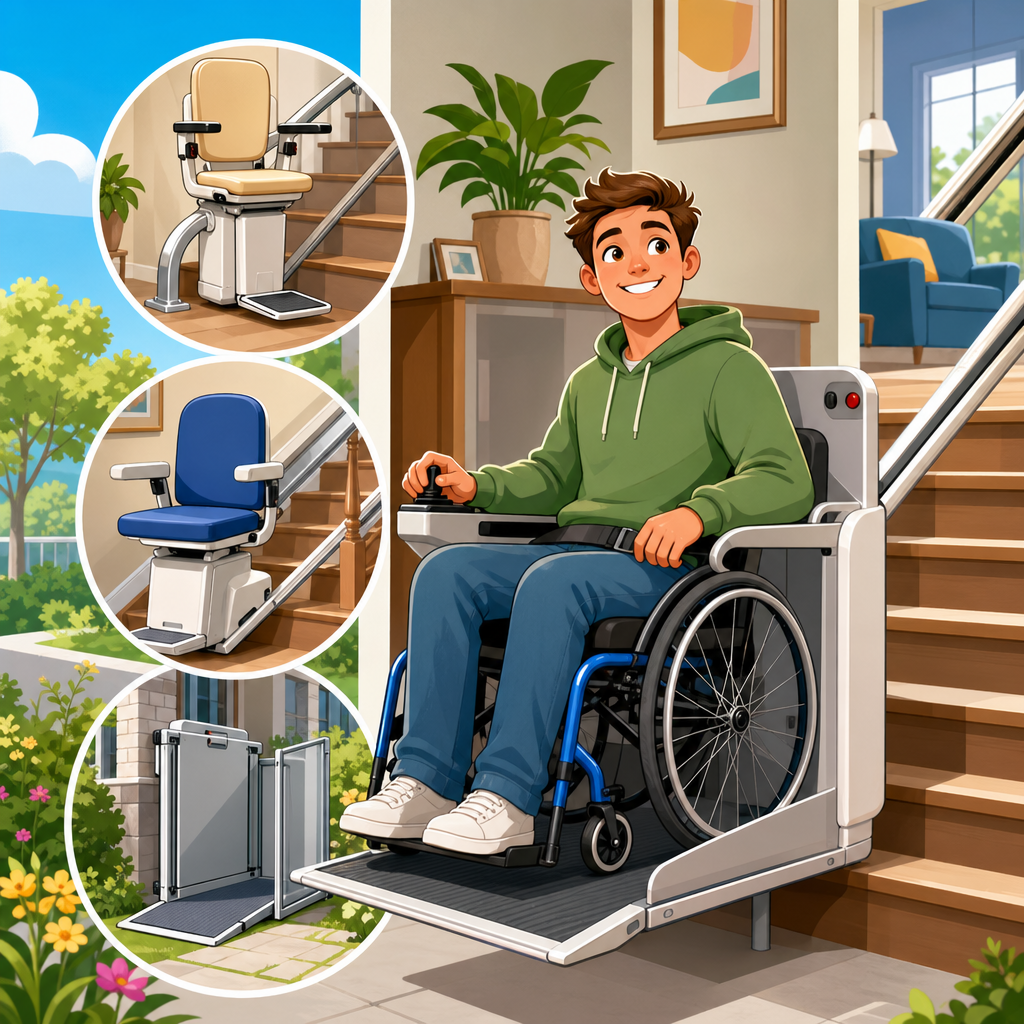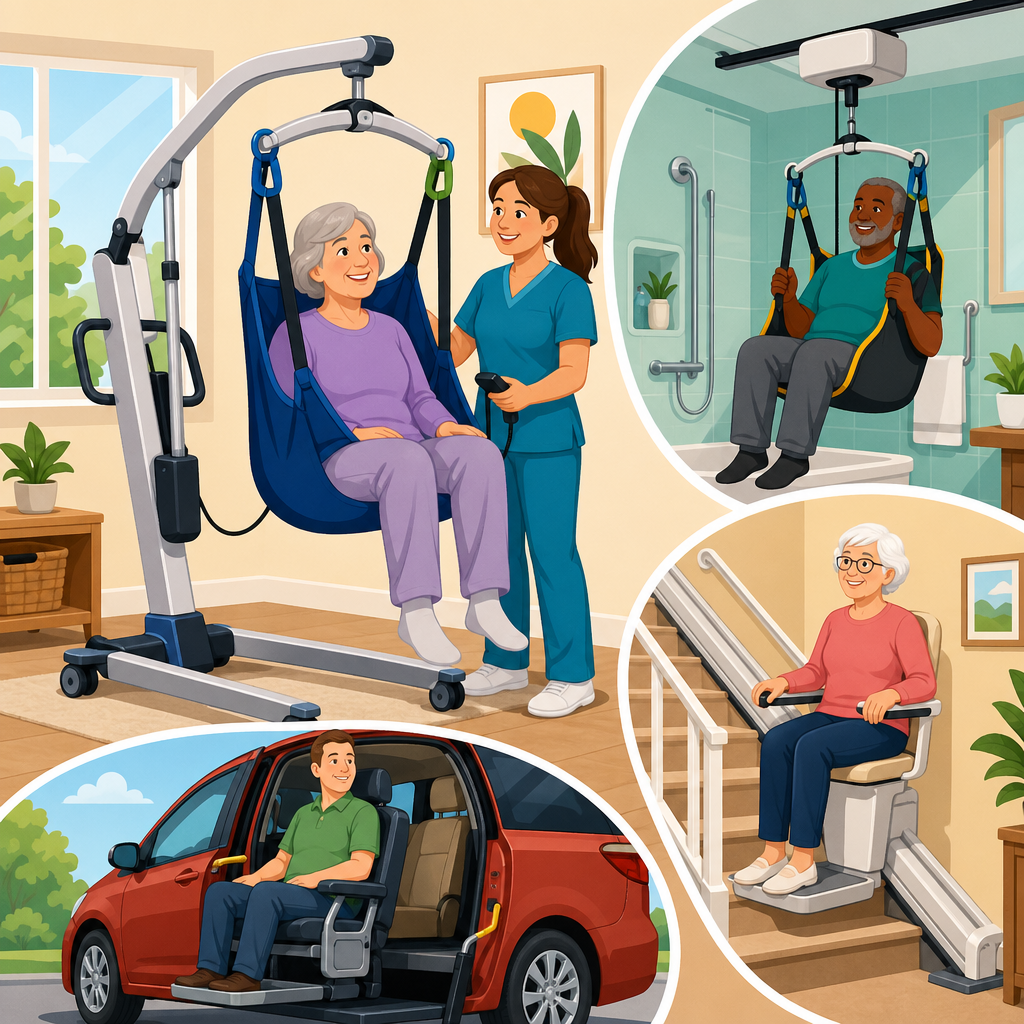
Hidden rail systems for sleek stair lift design are transforming how homeowners approach accessibility, proving that mobility equipment can support independence without dominating a carefully designed interior. In the luxury end of the market, a hidden rail system refers to a track engineered to minimize visible hardware, reduce profile bulk, and blend into the staircase through color matching, compact brackets, and routed or tightly contoured mounting. Premium stair lift design goes beyond basic transport from one floor to another; it combines mechanical reliability, quiet travel, upholstery quality, advanced safety sensors, and aesthetics that suit high-value homes. I have worked with clients comparing premium models in renovated townhouses, listed properties, and modern architect-designed homes, and the same question comes up repeatedly: can a stair lift look intentional rather than clinical? The answer is yes, but only when rail design, seat engineering, installation conditions, and service support are considered together. This matters because the staircase is one of the most visible architectural features in a home. A bulky rail can interrupt sightlines, reduce clear walking width, and make a luxury interior feel compromised. A well-designed hidden rail system preserves the look of timber treads, glass balustrades, stone risers, or custom carpeting while still delivering safe, code-conscious mobility. As a hub for luxury and premium models, this guide explains what hidden rail systems are, how they work, what separates truly premium stair lifts from expensive-looking ones, and how buyers should evaluate performance, design integration, and long-term value before choosing a model.
What hidden rail systems actually are
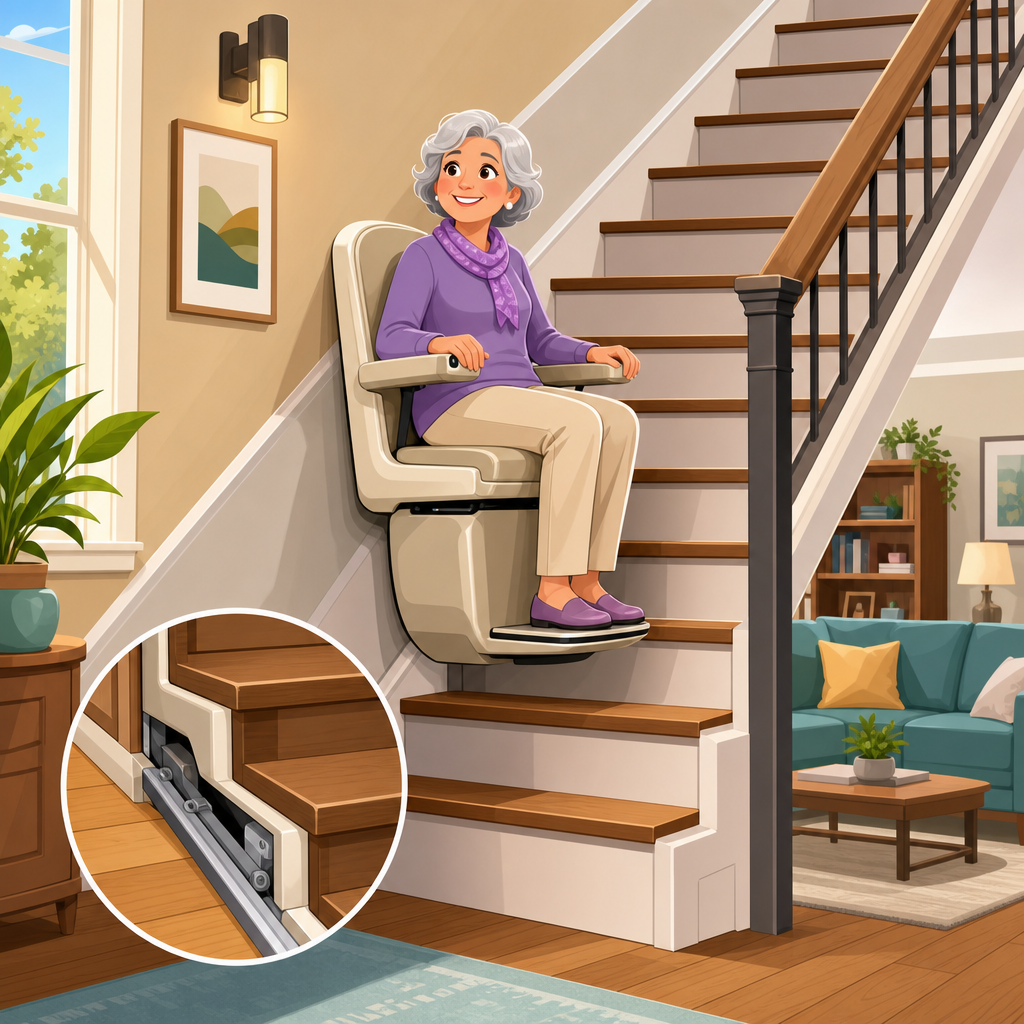
A hidden rail system is not literally invisible; it is a design approach that conceals mass, simplifies lines, and reduces the visual footprint of the stair lift mechanism. Traditional stair lifts often use a prominent aluminum extrusion with exposed gear rack teeth, oversized support legs, and a carriage that appears industrial. Hidden rail designs instead use slimmer profiles, enclosed drive systems, underside-mounted racks, or rail shapes that follow the stair more closely. In practice, that means the eye notices the staircase first and the mobility device second.
There are several engineering methods behind this effect. Some manufacturers place the geared strip inside or beneath the rail rather than on the outer face. Others use a twin-tube arrangement where the carriage wraps tightly around compact rails, which can look more refined on curved stairs. Premium models also rely on custom powder-coating, wood-tone finishes, and carefully spaced mounting brackets that align with tread geometry. On a white-painted staircase, for example, a color-matched rail with hidden rack detailing can visually recede from a few feet away. On dark oak stairs, a bronze or anthracite finish can complement iron balusters instead of fighting them.
For buyers, the practical value is just as important as appearance. When the rail sits tighter to the stairs, it can preserve walking space for other household members. This is especially useful in narrow Victorian staircases and premium urban properties where every inch matters. Hidden rail systems can also reduce snag points for clothing and make cleaning easier because there are fewer exposed mechanical surfaces collecting dust. The key point is simple: sleek stair lift design starts with rail architecture, not just with a nicer seat.
Why hidden rails matter in luxury and premium homes
In high-end homes, accessibility equipment is judged by the same standards as lighting, cabinetry, and bespoke joinery. Buyers are not only paying for movement up the stairs; they are paying for visual harmony, acoustic comfort, upholstery quality, and confidence that the installation will not diminish property appeal. I have seen homeowners reject technically sound lifts because the rail looked too medical against a sculptural staircase. Conversely, I have seen premium systems accepted quickly when the rail sat low, the charging points were discreet, and the folded seat projected minimally into the hall.
Luxury buyers often have additional constraints. They may want a stair lift that coexists with heritage millwork, designer wallpaper, wool runners, or floating stair details. They may also host guests regularly and prefer a folded unit that reads as part of the home rather than specialist equipment. Hidden rail systems help answer these concerns because they reduce visual interruption. On straight stairs, a single elegant rail in a custom finish can be surprisingly discreet. On curved stairs, a tightly surveyed rail that hugs the inner bend can protect open space and preserve the impression of craftsmanship.
There is also a resale and renovation consideration. While a stair lift rarely adds direct market value, a well-integrated installation is less likely to feel like a detraction during viewings or design updates. Premium buyers should think in terms of reversibility and finish preservation: tread-mounted rails avoid wall damage, quality brackets spread load sensibly, and professionally planned parking positions can keep the main entrance hall uncluttered. In short, hidden rail systems matter because they protect both function and the visual language of the home.
Design features that separate premium stair lifts from standard models
Not every expensive stair lift qualifies as premium. The true differentiators are precision, materials, ride quality, and integration. Premium models usually offer slimmer folded dimensions, improved seat ergonomics, soft-start and soft-stop travel, lower operational noise, and upholstery options that belong in a quality interior. Brands in this space often specify leather or high-grade vinyl, sculpted armrests, powered swivel seats, linked footrests, and carriage covers with tighter panel gaps. Those details sound small until you compare units side by side; then the difference is obvious.
Rail finish quality is a major separator. Standard units may offer only a few colors and visibly exposed fixing points. Premium systems usually provide better color matching, neater welds on curved sections, and more refined end caps. Survey accuracy matters too. Curved luxury stair lifts depend on detailed measurements, often captured with digital tools, so the rail follows the staircase precisely and minimizes overrun. A poor survey creates awkward spacing, excessive projection, and parking positions that block circulation.
Premium safety and convenience systems also tend to be stronger. Look for obstruction sensors on the carriage and footrest, seatbelt options that suit dexterity needs, battery backup for power cuts, and clear diagnostic interfaces for service technicians. The best models combine these essentials with thoughtful details: perch seats for limited knee flexion, powered hinges where a bottom rail might obstruct a doorway, and call stations designed to match the rest of the interior. A sleek stair lift design is therefore the result of engineering discipline across the whole product, not cosmetic trimming applied at the end.
Best use cases for hidden rail systems on straight and curved stairs
Hidden rail systems work on both straight and curved staircases, but the priorities differ. On straight stairs, the goal is usually to minimize profile and preserve walkway width. Because the route is simple, buyers can often focus on folded dimensions, seat comfort, and whether the rail can park neatly away from the entrance hall. Straight premium stair lifts are ideal for contemporary homes where clean lines matter and for narrower staircases where conventional rails feel overbearing.
Curved stairs are where hidden rail engineering becomes most valuable. A staircase with quarter turns, half landings, or spiral-like geometry can look dramatically compromised by an oversized rail. Custom curved systems solve this by following the inside or outside line of the staircase closely. In luxury homes, I usually recommend evaluating both routing options because the best visual outcome is not always the most obvious one. An inside rail may preserve open hall space, while an outside rail may allow a gentler ride or better parking location.
Particularly strong use cases include listed homes where wall intervention must be limited, open-plan entrances where a visible rail could disrupt the first impression, and shared family homes where the lift must coexist with active daily traffic. Hidden rail systems are also well suited to buyers planning for aging in place but not wanting a room-by-room visible reminder of mobility change. The equipment can be present, useful, and dignified without becoming the dominant design feature.
How leading premium features compare
| Feature | Why it matters | Premium expectation | Buyer caution |
|---|---|---|---|
| Concealed or underside rack | Reduces visible mechanical detail | Cleaner rail line and easier visual blending | Ask how servicing access is maintained |
| Custom curved rail survey | Determines fit, overrun, and ride quality | Digital measurement and tight stair tracking | Poor surveys create bulky, awkward routes |
| Powered hinge or folding rail | Protects doorways and walkways at the bottom | Smooth operation with reliable safety interlocks | Added moving parts increase maintenance complexity |
| Powered swivel and footrest | Improves safe transfers and ease of use | Quiet motion and intuitive controls | Check operation during battery backup mode |
| Premium upholstery and finishes | Helps the lift suit luxury interiors | Durable materials with coordinated color options | Some light finishes show wear sooner |
| Low-noise drive system | Affects comfort in open or quiet homes | Soft start, soft stop, minimal vibration | Request a live demonstration, not just brochure claims |
Installation planning, measurements, and architectural integration
The best hidden rail system can still disappoint if planning is weak. Premium installations begin with a detailed site survey that records stair width, tread depth, nosing profile, landing space, handrail position, door swing, radiator projection, and any architectural features that could interfere with seat travel. On curved stairs, survey precision is decisive. Installers may use photographic mapping, digital templating, or manufacturer-specific measurement systems to generate a bespoke rail. This is not an area to economize, because rail geometry dictates appearance, comfort, and safety.
Architectural integration also means deciding where the lift should park when not in use. In a luxury setting, parking position often matters as much as travel performance. A top landing park may keep the entrance hall clear. A hinged lower section may prevent the rail from intruding across a doorway. Some homes benefit from a short overrun that moves the rider away from the edge of the staircase before transfer. These decisions should be made with both user safety and visual impact in mind.
Material protection is another premium concern. Quality installers use careful tread fixing methods, protect carpeting during work, and plan power supply routes discreetly. Because stair lifts mount to the stairs rather than the wall in most cases, visible wall damage is usually not the issue buyers fear, but careless installation can still spoil finishes. Ask for project photos from homes similar to yours, especially if you have glass balustrades, stone steps, under-stair cabinetry, or a narrow landing where every clearance matters.
Costs, maintenance, and how to judge long-term value
Luxury stair lifts cost more because the rail is more complex, the survey is more exacting, finish options are broader, and the seat and drive systems are usually better engineered. Straight premium models commonly sit above mainstream pricing, while curved hidden rail systems can rise substantially due to bespoke fabrication. Buyers should not judge value by ticket price alone. A cheaper system that looks intrusive, rattles in use, or fits awkwardly is poor value in a high-spec home.
Long-term value depends on reliability, service coverage, and parts support. Ask who performs maintenance locally, what response times look like, how batteries are replaced, and whether diagnostic fault codes are available to technicians. In my experience, premium buyers are happiest when they choose a manufacturer or dealer with strong aftercare rather than chasing the most decorative brochure. The better firms document rail layout carefully, train installers to manufacturer standards, and stock common wear parts.
Maintenance needs are usually modest, but they are real. Batteries are consumables, swivel and hinge systems need periodic checking, and rails should be kept clean. Upholstery should be selected with household use in mind; pale finishes can look stunning but may mark more quickly in busy homes or where pets are present. If the staircase is a central design feature, paying more for a hidden rail system often makes sense because it preserves the atmosphere of the home every single day. Buyers considering premium models should now compare surveys, demonstrations, service terms, and finish samples, then shortlist the option that delivers the best blend of discretion, comfort, and proven support.
Frequently Asked Questions
What is a hidden rail system in a stair lift, and how is it different from a standard rail?
A hidden rail system is a stair lift track designed to be far less visually prominent than a conventional installation. Instead of drawing attention to exposed hardware, oversized brackets, or a bulky profile, the rail is engineered to sit close to the staircase and blend into the surrounding architecture. In premium applications, this often includes a slimmer track, compact mounting points, carefully contoured fittings, and color-matched finishes that coordinate with wood tones, painted trim, metal balustrades, or contemporary stair materials.
The biggest difference from a standard rail is not the basic function. Both systems are designed to move a user safely and smoothly up and down the stairs. The distinction is how the system is integrated into the home. A traditional stair lift may prioritize utility first, with a more visible rail and more obvious mechanical presence. A hidden rail system, by contrast, is developed with design sensitivity in mind, making accessibility equipment feel like a considered part of the staircase rather than an afterthought.
This matters especially in luxury homes, architect-designed interiors, and renovated properties where visual continuity is important. Homeowners often want to maintain the elegance of their staircase, preserve sightlines, and avoid introducing equipment that competes with custom millwork, statement lighting, or premium finishes. A hidden rail system addresses those concerns by reducing visual bulk while still delivering reliable mobility support. In short, it is accessibility with a much more refined aesthetic footprint.
Are hidden rail stair lifts only about appearance, or do they also improve usability?
Hidden rail systems are absolutely about more than appearance. While the streamlined look is often what first attracts homeowners, the design choices that create a discreet rail can also support everyday usability. A tighter-profile track can help preserve more open visual and physical space along the staircase, which may make the stairs feel less crowded for other household members. Compact brackets and carefully planned mounting can also contribute to a cleaner path along the stair edge.
Many premium systems are developed with a broader user experience in mind, not just concealment. That can include smoother starts and stops, quieter operation, folding seats and footrests, intuitive controls, and parking positions that keep the chair out of the way when not in use. In a well-designed installation, the hidden rail concept becomes part of a complete approach to comfort, convenience, and interior harmony.
That said, usability should never be assumed based on appearance alone. The quality of the ride, seat ergonomics, safety sensors, weight capacity, and fit for the user’s mobility needs are still the most important performance criteria. The best hidden rail systems succeed because they combine strong engineering with thoughtful design. They are not simply decorative versions of standard lifts. When properly specified, they can offer both a polished visual result and a highly functional mobility solution that supports independence every day.
Can a hidden rail system be installed on any staircase?
Not every staircase is an automatic candidate, but many can accommodate a hidden rail system with the right planning and customization. The key factors include staircase width, straight versus curved configuration, landing dimensions, tread construction, wall and banister clearances, and whether there are any architectural features that affect bracket placement or chair travel. Straight staircases are typically simpler, while curved or multi-landing staircases often require a more tailored rail design to maintain a low-profile appearance without compromising performance.
In higher-end homes, staircases are often built with distinctive materials and details such as floating treads, glass panels, decorative spindles, stone finishes, or custom hardwood. These features do not necessarily prevent installation, but they do make careful surveying essential. A reputable provider will measure the staircase precisely, assess how the rail can be mounted with minimal visual disruption, and recommend finish options that complement the interior. In some cases, a hidden rail system may need to be custom fabricated to follow the staircase cleanly and preserve the design intent of the space.
The most accurate answer always comes from an in-home assessment. A specialist should evaluate not only whether the rail can fit, but whether the final installation will be safe, comfortable, and aesthetically successful. If a fully concealed look is not possible, there are often alternative low-profile solutions that still significantly reduce visual impact. The goal is not to force a design concept onto the staircase, but to create the most elegant accessibility solution the structure will realistically support.
Do hidden rail stair lifts compromise safety or durability for a more minimalist look?
No, a well-engineered hidden rail system should not compromise safety or durability. In a quality product, the reduced visual profile comes from smarter design and better integration, not from removing essential structural or safety elements. The rail, carriage, seat, and mounting system still need to meet the same core demands as any reliable stair lift: stable travel, secure operation, dependable controls, and long-term performance under daily use.
Premium manufacturers understand that homeowners investing in a discreet design are not asking for less substance. They are asking for a more sophisticated execution. That means robust materials, precision-fabricated rails, secure brackets, obstacle sensors, seat belts, swivel seating where appropriate, battery backup, and smooth motor performance are still central to the product. In fact, many luxury-oriented systems place even greater emphasis on engineering refinement because the visual simplicity leaves little room for clumsy construction or poor fit.
Durability also depends on proper installation and ongoing service. A beautifully designed rail will only perform as intended if it is correctly matched to the staircase and installed by experienced technicians. Routine maintenance, periodic inspections, and prompt attention to wear items are important for any stair lift, hidden rail or otherwise. Homeowners should look for products from established manufacturers and work with dealers who can clearly explain safety features, warranty terms, and service support. A minimalist appearance should be a sign of design maturity, not a warning that practical performance has been sacrificed.
What should homeowners look for when choosing a hidden rail stair lift for a luxury or design-conscious interior?
Homeowners should start by looking beyond the phrase “hidden rail” and asking how the system will actually integrate with their staircase and surrounding interior. The best solutions are not just slim in profile; they are thoughtfully coordinated with the home’s materials, colors, and architectural style. Ask about rail finish options, bracket visibility, chair upholstery choices, folding dimensions, parking positions, and whether the system can be aligned to minimize interference with sightlines, trim details, or circulation space.
Customization is especially important in a design-conscious setting. A high-quality provider should be able to discuss how the rail will sit on the stairs, how visible the hardware will be from key viewpoints, and whether the chair can be parked away from the main focal area. If the staircase is curved or architecturally distinctive, request examples of similar projects. Detailed planning, accurate measuring, and realistic visual guidance are all signs that the company understands both accessibility and interior presentation.
At the same time, homeowners should evaluate the practical side with equal care. Consider who will use the lift, how often it will be used, what comfort features matter most, and whether the controls are easy and intuitive. Review weight capacity, ride quality, warranty coverage, maintenance requirements, and the availability of local service. The strongest choice is a system that feels visually discreet without ever feeling underbuilt or overly delicate. In a luxury home, the right hidden rail stair lift should support independence, preserve the character of the staircase, and feel like a seamless extension of the home rather than an obvious piece of equipment.