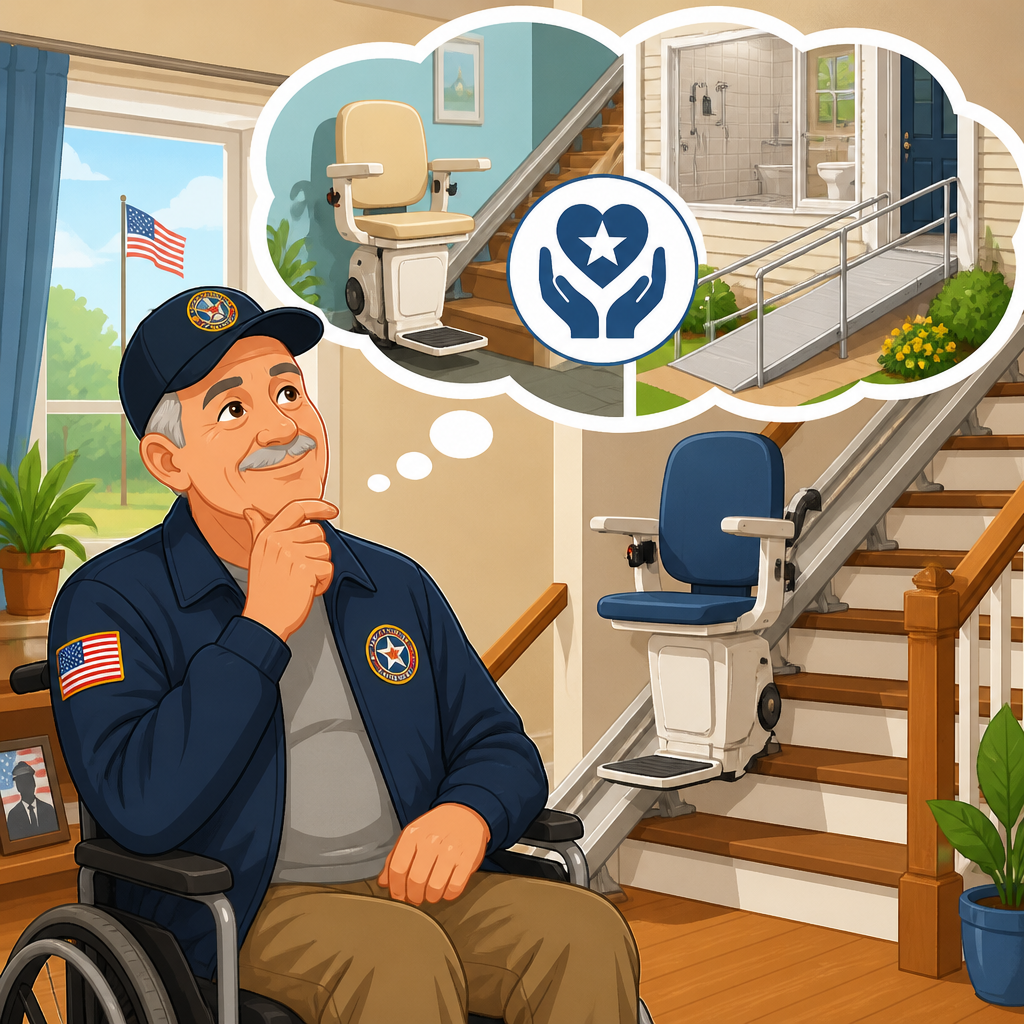
Veterans who need safer access to bedrooms, bathrooms, or entryways often ask a practical question first: does veterans health care pay for stair lifts or other accessibility upgrades? The short answer is that federal support may be available, but coverage depends on the program, the veteran’s clinical needs, the home layout, and whether the requested equipment is considered medically necessary. In my experience helping families sort through mobility funding options, the biggest source of confusion is that people use one phrase—“VA coverage”—to describe several different benefits that follow different rules.
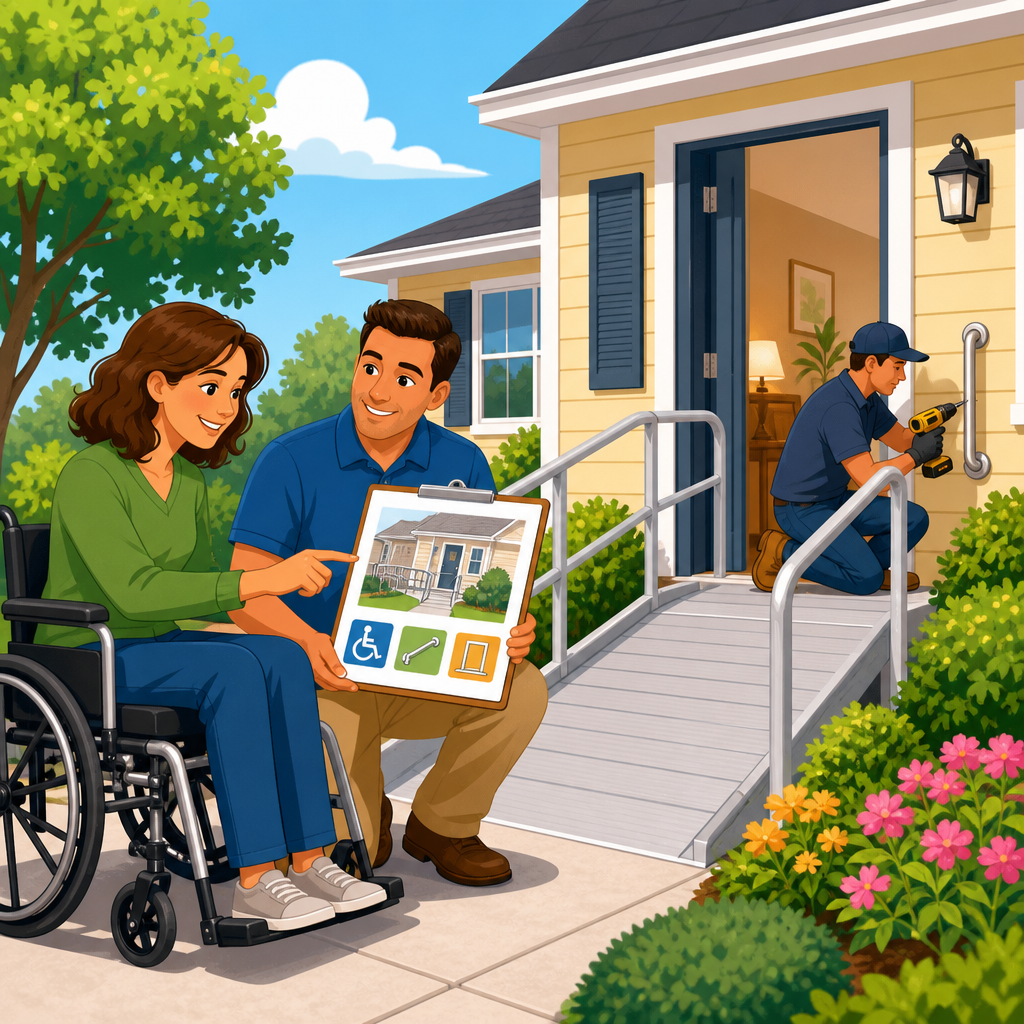
To understand the issue clearly, it helps to define the main terms. A stair lift, sometimes called a chair lift for stairs, is a motorized seat that travels along a rail mounted to the staircase. Accessibility upgrades are broader and can include ramps, widened doorways, roll-in showers, grab bars, lowered counters, and entrance modifications. Veterans health care usually refers to benefits administered through the U.S. Department of Veterans Affairs health system, while housing adaptation support may come through separate grant programs. Insurance coverage for chair lifts is another related topic, but private insurance, Medicare, Medicaid waivers, and veterans benefits all operate differently.
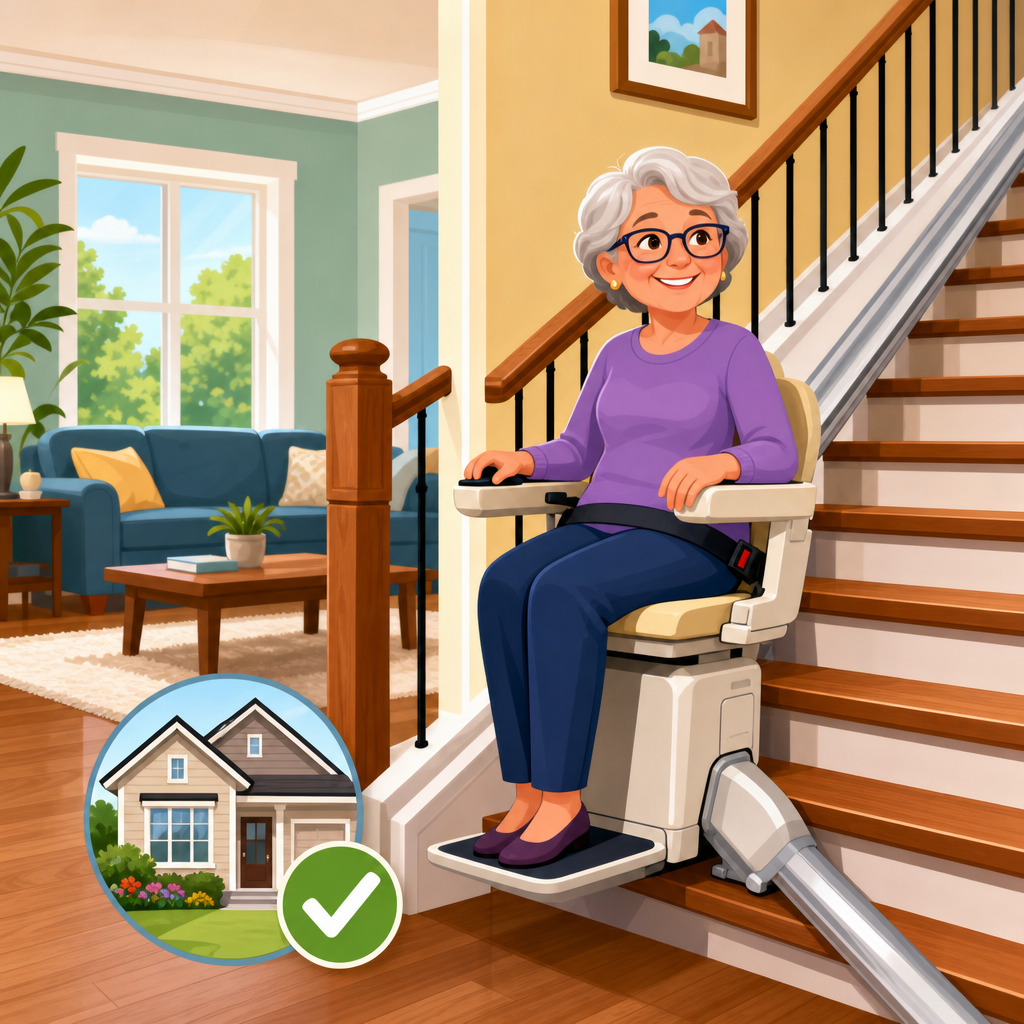
This matters because falls on stairs are a major safety risk, especially for older adults and people living with service-connected injuries, neurological conditions, arthritis, stroke effects, or balance impairment. A stair lift can prevent injury, delay a move to assisted living, reduce caregiver strain, and preserve independence inside a familiar home. Yet these systems are expensive. A straight stair lift often costs several thousand dollars, while a curved system for a staircase with turns or landings can cost much more because the rail is custom fabricated. When veterans and caregivers do not know which programs may help, they can waste months pursuing the wrong path or paying out of pocket unnecessarily.
This guide explains how veterans health care, adaptation grants, and other funding sources may help pay for stair lifts or accessibility upgrades. It also answers the broader question behind many searches for insurance coverage for chair lifts: what is actually covered, by whom, and under what conditions? As the hub page for this topic, it lays out the decision points, likely documentation, and realistic next steps so veterans can pursue funding with a clear strategy.
When veterans health care may cover a stair lift
Veterans health care can sometimes help with a stair lift, but it is not an automatic benefit and it is not handled the same way as a routine doctor visit or prescription. In practice, the process usually starts with a clinical assessment. A VA physician, occupational therapist, physical therapist, rehabilitation specialist, or prosthetics representative may evaluate whether the veteran has a functional limitation that makes stair use unsafe and whether a stair lift is an appropriate intervention. The core issue is medical necessity. If the veteran can no longer safely access essential parts of the home, and less complex measures are not sufficient, a stair lift may be considered.
That said, approval often depends on more than diagnosis alone. The VA may look at whether the veteran uses a cane, walker, or wheelchair; whether transfers can be performed safely; whether the staircase is structurally suitable; and whether the home is owned by the veteran or can legally be modified. In some cases, the VA may recommend a different solution, such as relocating sleeping space to the main floor, adding a ramp, or focusing on bathroom access first. I have seen families assume that because a stair lift would clearly help, funding should follow automatically. It rarely works that way. The request has to fit the clinical record, the home environment, and the specific benefit channel being used.
For searchers asking, “Does insurance cover chair lifts?” the veterans answer is similar to the broader market: sometimes, but not routinely, and documentation matters. Original Medicare generally does not cover stair lifts because they are typically not classified as durable medical equipment under Medicare Part B. Many private health plans also exclude them as home modifications. Veterans benefits can be more flexible than standard insurance in some situations, especially when the need is tied to service-connected disability or a documented rehabilitation need, but the veteran still needs formal review.
VA health benefits versus housing adaptation grants
One of the most important distinctions is the difference between health-system support and housing grants. Veterans often blend these together, yet they are separate pathways. Through the VA health system, a veteran may be evaluated for equipment or home access needs connected to treatment, rehabilitation, or daily function. Separately, the VA also administers housing adaptation grants designed to help eligible veterans modify a home to accommodate certain disabilities. These grants may be the more relevant route when the project involves structural work rather than simply supplying a piece of equipment.
The most recognized programs include Specially Adapted Housing, Special Housing Adaptation, and Temporary Residence Adaptation. These programs have detailed eligibility standards, typically tied to specific types of severe service-connected disabilities, such as loss of use of extremities, certain blindness combinations, severe burns, or respiratory injuries requiring assistive support. Exact eligibility rules can change over time, so veterans should verify current requirements directly with the VA. The key point is that these grants are not general-purpose home improvement subsidies. They are targeted adaptation benefits with defined statutory criteria.
If a stair lift is part of a broader accessibility plan, a housing adaptation grant may be more useful than relying only on a clinical equipment request. For example, a veteran with major mobility loss may need an exterior ramp, widened doorway, bathroom conversion, and stair lift together. In that scenario, treating the issue as a whole-home access problem often makes more sense than trying to get one device addressed in isolation. On the other hand, if the primary barrier is a single staircase and the rest of the home is already accessible, the review may focus more narrowly on whether a stair lift is the appropriate medically necessary solution.
What documentation improves approval chances
Successful requests usually have thorough, consistent documentation. Veterans should expect to gather both medical and property-related information. The medical side should clearly explain the diagnosis, functional limitation, fall risk, and why stairs present a barrier to basic activities of daily living. Strong records often include therapy notes showing reduced balance, endurance, lower-extremity weakness, transfer difficulty, or inability to navigate stairs safely without assistance. A provider statement that simply says “patient would benefit from a stair lift” is weaker than a detailed note explaining why other alternatives are not safe or practical.
The home side matters too. Dimensions of the staircase, photos, rail configuration, number of landings, electrical access, and ownership status can affect the decision. Curved staircases, narrow treads, or heavy customization raise costs and may trigger closer review. If the veteran lives in a rental, written landlord permission is often essential before any major installation can move forward. A contractor estimate or home accessibility assessment can also be useful, especially when the project extends beyond one device and into structural modifications.
| Document | Why it matters | Best source |
|---|---|---|
| Physician or rehab evaluation | Establishes diagnosis and medical necessity | VA clinician or treating specialist |
| Therapy notes | Shows functional limits, fall risk, and stair difficulty | Occupational or physical therapist |
| Home assessment | Confirms the layout and suitable modification options | Accessibility contractor or VA-approved assessor |
| Itemized estimate | Clarifies cost, scope, and whether custom work is required | Licensed stair lift provider |
| Ownership or landlord approval | Verifies the property can legally be modified | Homeowner records or landlord letter |
In plain terms, decision-makers need proof that the requested stair lift solves a real access problem in a specific home for a documented clinical reason. The cleaner that file is, the fewer delays usually occur. Veterans should keep copies of every note, estimate, and message, because funding requests often involve multiple departments.
Which veterans are most likely to qualify
No article can promise eligibility, but certain profiles are more likely to meet the standard for support. Veterans with severe mobility limitations, a documented inability to climb stairs safely, and service-connected disabilities affecting ambulation often have the strongest case. Common examples include spinal cord injury, lower-limb amputation, advanced multiple sclerosis, Parkinsonian syndromes, stroke residuals, traumatic brain injury with balance impairment, and significant cardiopulmonary disease that makes stair climbing unsafe. Older veterans with non-service-connected conditions may still receive help in some circumstances, but the route and funding source may differ.
The strongest cases are those where the staircase blocks access to essential living functions. If the only full bathroom is upstairs, or the bedroom can only be reached by stairs, the safety and independence argument is straightforward. By contrast, if the stairs lead to an infrequently used basement hobby room, the case is weaker. Necessity is measured by access to daily living, not convenience. That distinction matters across veterans programs, private insurance reviews, and nonprofit grant applications.
Veterans should also understand that being medically eligible does not always mean a stair lift will be the chosen solution. If a clinician believes a first-floor reconfiguration is safer, or if the staircase is too narrow for safe transfer on and off the lift, another recommendation may be made. Good assessments are individualized. The goal is not to force approval for one product; it is to identify the safest feasible way to keep the veteran functional at home.
How stair lifts compare with other accessibility upgrades
Stair lifts are only one category of home accessibility equipment, and they are not always the best investment. In many homes, a ramp, vertical platform lift, threshold modification, bathroom conversion, or bedroom relocation can deliver more practical benefit. I have worked with families who initially focused on the staircase because it was the most visible obstacle, only to realize after assessment that bathing and toileting access were the urgent safety issues. Funding sources may also prioritize the modification that most directly addresses health and daily living needs.
A stair lift works best when the user can transfer safely onto the seat, tolerate a seated ride, and manage getting off at the top landing without a fall. For a veteran who uses a wheelchair full time and has limited trunk control, a vertical platform lift or major floorplan changes may be more suitable. For a veteran with moderate knee arthritis who is still ambulatory but unstable on stairs, a chair lift may be ideal. Matching the solution to the functional profile is what determines long-term success.
Cost is another factor. Straight stair lifts are usually less expensive and faster to install than curved models. Curved systems require custom rail manufacturing, which can add lead time and significantly raise the price. Accessibility grants and veteran funding reviews often examine whether a lower-cost option can reasonably meet the same need. That is not a denial in principle; it is a standard cost-effectiveness question that appears in many benefit programs.
Other ways veterans can pay if direct coverage is limited
If direct veterans funding is denied or only partially approved, several backup options may help bridge the gap. State Medicaid Home and Community-Based Services waivers sometimes cover home modifications for eligible individuals, though rules vary widely by state and waiting lists can be long. Area Agencies on Aging, state assistive technology programs, Centers for Independent Living, and nonprofit organizations sometimes offer grants, reused equipment, or low-interest loans. Some veterans also use Home Improvements and Structural Alterations benefits where applicable, though eligibility and scope should be confirmed through the VA because rules can be technical.
Manufacturer financing and dealer payment plans are common in the stair lift market, but veterans should review terms carefully. Interest rates, service contracts, battery coverage, and removal policies matter. Used or reconditioned straight stair lifts can reduce cost significantly, but they are generally more available for straight stairs than curved ones. Families should ask whether the quote includes installation, permits if needed, warranty coverage, maintenance, and future battery replacement. A low headline price can be misleading if those items are excluded.
For readers exploring the wider issue of insurance coverage for chair lifts, the practical takeaway is this: do not rely on one payer. Build a layered funding plan. Start with the VA pathway if you are a veteran, then evaluate state programs, nonprofit help, tax-advantaged savings, and financing only after grant options are exhausted. That approach reduces out-of-pocket risk and usually produces faster results than waiting on a single uncertain approval.
Best next steps for veterans and caregivers
The most effective next step is to request a clinical evaluation focused on home safety and function, not just mobility in the clinic. Ask the treating VA team whether the veteran can be referred for occupational therapy, physical therapy, prosthetics review, or a home access assessment. Be ready to explain exactly which daily tasks are blocked by the stairs, how often near-falls occur, and why alternative room use is not realistic. Specific examples move cases forward. Saying “the veteran cannot reach the only shower without climbing fourteen steps twice a day” is stronger than saying “stairs are difficult.”
Next, collect estimates from reputable stair lift or accessibility contractors who have experience with veteran cases and can provide detailed proposals. If the home may qualify for a broader adaptation grant, ask whether the project should be framed as a whole-home accessibility plan rather than a single equipment request. Finally, track every submission, follow up regularly, and verify current program criteria before committing personal funds.
Veterans health care may pay for stair lifts or accessibility upgrades in some situations, but coverage depends on medical necessity, eligibility rules, and the right program path. The best results come from combining strong clinical documentation with a realistic home assessment and a backup funding strategy. If you are comparing costs and financing options now, start with a formal VA evaluation and build from there.
Frequently Asked Questions
Does Veterans Health Care pay for stair lifts?
Sometimes, but not automatically. Veterans Health Administration support for stair lifts or other home accessibility improvements usually depends on whether the equipment is tied to a documented medical need and whether it fits within the veteran’s approved care plan. In practical terms, the VA does not treat every home upgrade the same way it would a standard doctor visit or prescription. A stair lift may be considered when a veteran has mobility limitations that make it difficult or unsafe to reach essential parts of the home, such as a bedroom, bathroom, or main exit. The request typically needs clinical justification from a VA provider, and the home setup matters as well.
One of the biggest points of confusion is that veterans often hear that the “VA pays for accessibility,” but there are several different programs involved. In some cases, support may come through prosthetics and home medical equipment channels. In others, it may be related to housing adaptation grants rather than routine health care coverage. That means eligibility can vary based on service-connected disability status, the specific condition involved, and whether the requested stair lift is considered the most appropriate solution. The best starting point is usually the veteran’s VA primary care team, social worker, or prosthetics department, because they can help identify which pathway may apply.
What types of accessibility upgrades might be covered in addition to stair lifts?
Depending on the veteran’s needs and the program involved, possible accessibility upgrades may include ramps, widened doorways, roll-in showers, grab bars, modified bathrooms, lowered counters, improved entrances, and other changes that make the home safer and more usable. Some veterans qualify for smaller equipment-based solutions, while others may need structural modifications to remove barriers throughout the home. The key issue is usually not whether the upgrade sounds helpful in general, but whether it is medically necessary for that veteran’s daily functioning, safety, and independence.
For example, if a veteran can no longer safely step into a bathtub, a bathroom modification may be easier to justify than a general renovation. If stairs are the main obstacle to reaching a required living space, a stair lift or ramp may be discussed. If a veteran uses a wheelchair, the VA may focus on access width, transfers, and bathroom use rather than convenience-related updates. In short, the closer the requested improvement is to a documented clinical need, the stronger the case tends to be. Veterans and caregivers should also remember that the VA may recommend an alternative solution if it better matches the medical situation or the home environment.
What does “medically necessary” mean when applying for a stair lift or home accessibility modification?
“Medically necessary” generally means the requested item or modification is needed to help the veteran safely perform essential daily activities, reduce injury risk, or access medically important parts of the home. It is not usually enough to show that a stair lift would be convenient or helpful. The VA often looks for documentation showing that the veteran has a mobility limitation, balance problem, neurological condition, pain disorder, amputation, cardiopulmonary limitation, or other functional issue that makes stairs or inaccessible spaces unsafe or unusable. The recommendation often needs to come from a clinician who can connect the requested upgrade to the veteran’s condition and daily care needs.
This is why evaluations matter so much. A provider may document falls, near-falls, inability to climb stairs, difficulty getting to a bathroom at night, or an unsafe sleeping arrangement caused by inaccessible rooms. Occupational therapists, rehabilitation specialists, and other clinicians may assess how the veteran moves through the home and whether a stair lift, ramp, or bathroom modification is the best fit. The VA may also consider whether a simpler or lower-cost option could solve the problem. Strong applications usually include clear clinical notes, a practical explanation of the barrier inside the home, and evidence that the requested modification directly supports safe living.
How do veterans apply for help with stair lifts or accessibility upgrades?
The process usually starts inside the VA health care system, not with a contractor. Veterans should contact their VA primary care provider, specialty provider, social worker, or prosthetics department and explain the mobility issue in detail. It helps to be specific: which part of the home is hard to access, what tasks are unsafe, whether falls have occurred, and why the current layout is a problem. From there, the veteran may be referred for a home safety assessment, occupational therapy evaluation, prosthetics review, or housing-related grant discussion, depending on the situation.
Documentation is critical. Veterans should be ready to provide medical records, service-connection information if relevant, and details about the home itself. Photos, measurements, and written descriptions of the stairs, bathroom, doorway, or entry problem can be useful. In some cases, the VA may require quotes, inspection information, or approval before any work begins. That is important because families sometimes move too quickly, pay out of pocket, and then assume reimbursement will follow. Often, prior review is necessary. If one department says a request does not fit its rules, that does not always mean all options are closed; it may simply mean the veteran needs to be evaluated under a different VA program or housing adaptation route.
What should a veteran do if coverage is denied or the VA will not pay for the full cost?
A denial is not always the end of the road. Sometimes a request is denied because the medical documentation is incomplete, the wrong program was used, the home modification was described too broadly, or the VA believes another solution would be more appropriate. Veterans should ask for a clear explanation of why the request was denied and whether additional clinical documentation, a second evaluation, or a revised proposal could change the decision. It may be helpful to work with a VA social worker, patient advocate, rehabilitation provider, or Veterans Service Organization representative to understand next steps.
If the VA will not cover the full cost, veterans may be able to combine resources. Depending on eligibility, that could include housing adaptation grants, state or local veteran assistance programs, nonprofit support, Medicaid waiver programs, or other disability access funding sources. Some families also compare alternatives, such as moving a bedroom to the first floor, installing ramps instead of lifts, or making targeted bathroom changes before pursuing a larger project. The smartest approach is to treat the denial as a signal to reassess the funding path and documentation strategy. In many cases, the issue is not whether the veteran needs accessibility help, but which benefit program is the right one and how the need is presented.