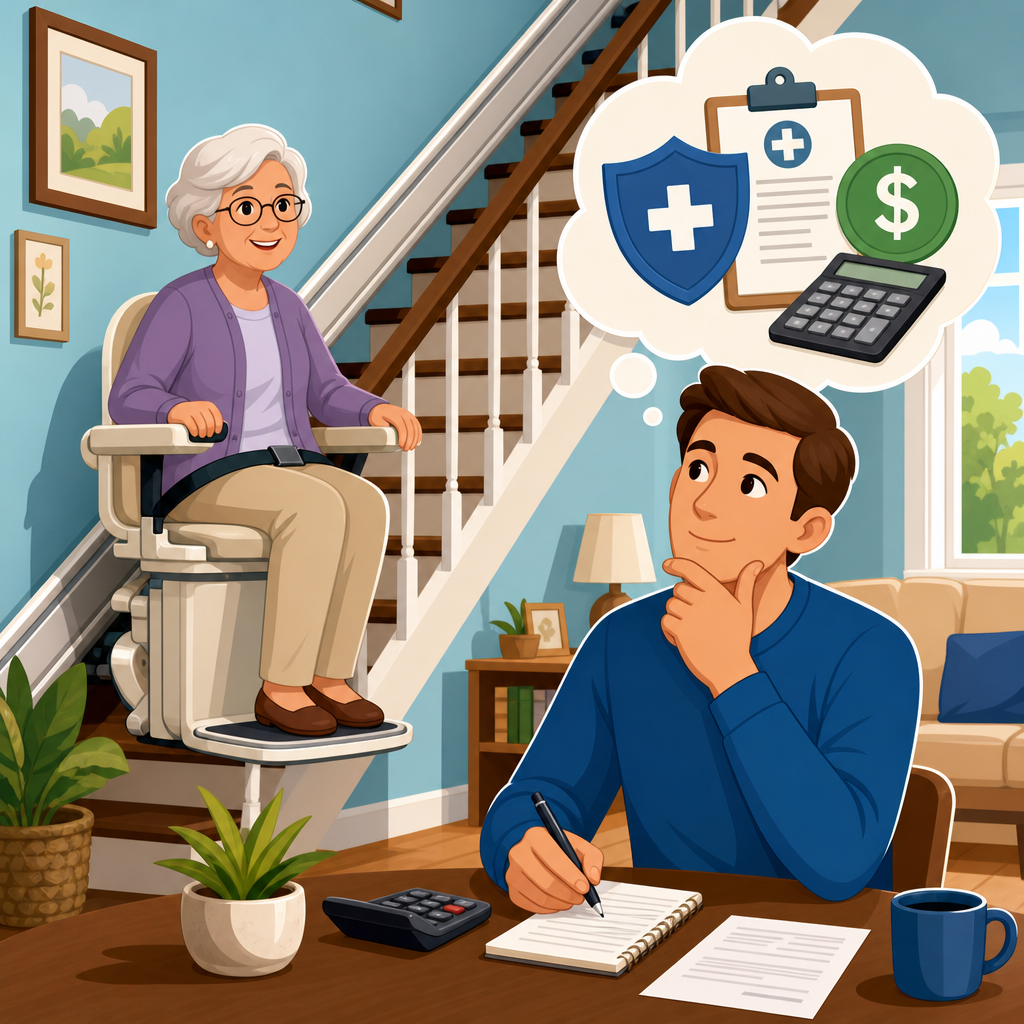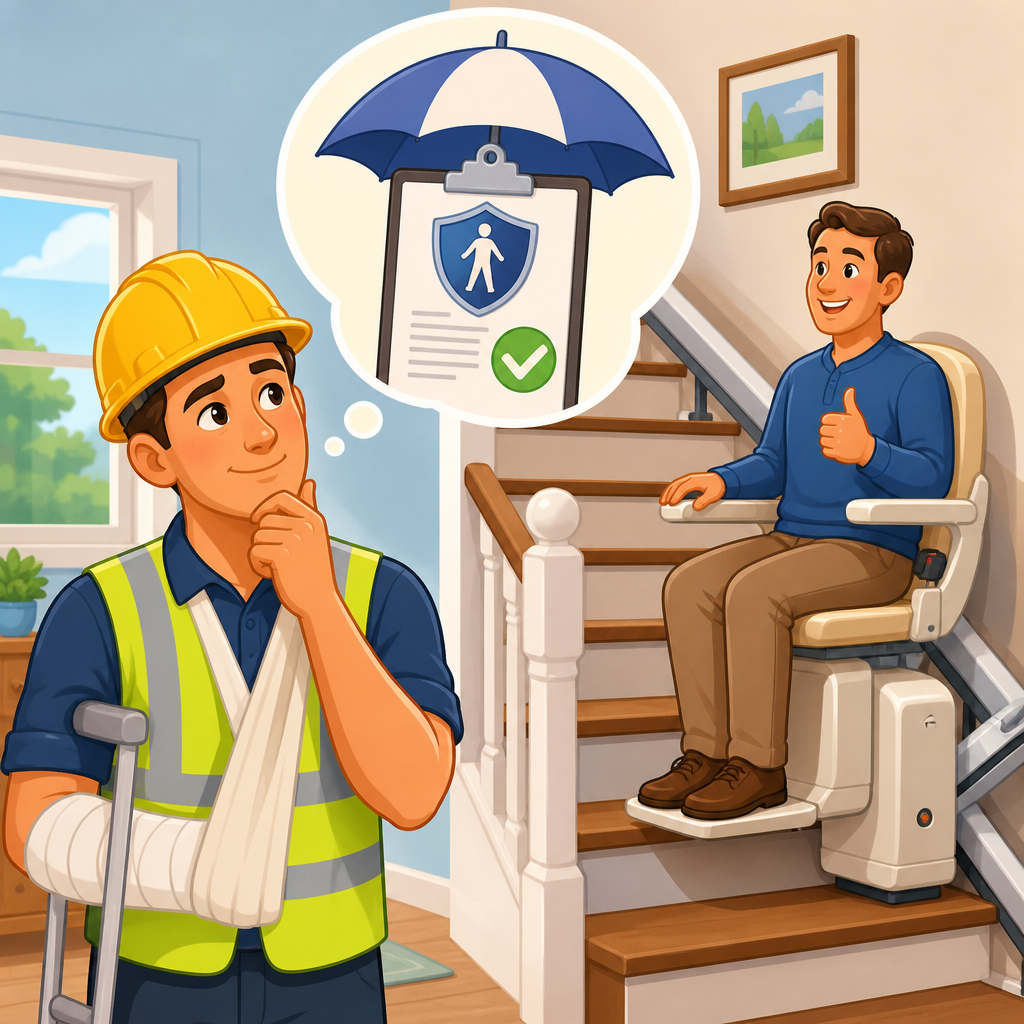
Workers’ compensation can cover a stair lift after a workplace injury, but approval depends on medical necessity, state law, and whether the lift is considered a reasonable part of treatment that helps an injured worker live safely at home. For people asking, “Does insurance cover chair lifts?” the honest answer is that coverage varies by payer. Private health insurance often excludes stair lifts as home modifications, Medicare usually does not pay for them, Medicaid sometimes does through waiver programs, and workers’ compensation may provide coverage when a job-related injury creates mobility limits and a physician documents that a stair lift is necessary.
This distinction matters because a stair lift sits at the intersection of medical equipment, home accessibility, and claims administration. In practice, I have seen injured workers assume that if they need a chair lift after surgery or a spinal injury, any insurance plan will treat it like a wheelchair or walker. Most plans do not. A stair lift is frequently classified as a structural home modification rather than standard durable medical equipment. That single classification issue often determines whether the request is approved, delayed, or denied.
As a hub article within cost and financing options, this guide explains how workers’ compensation stair lift coverage works, when insurance covers chair lifts, what evidence improves approval odds, and where injured workers can turn if one source refuses payment. It also clarifies related terms. A stair lift, sometimes called a chair lift for stairs, is a motorized seat that travels along a rail attached to stair treads. It is different from an elevator, a ceiling lift, and a platform lift for wheelchairs. Understanding those differences helps because insurers apply different rules to each product category.
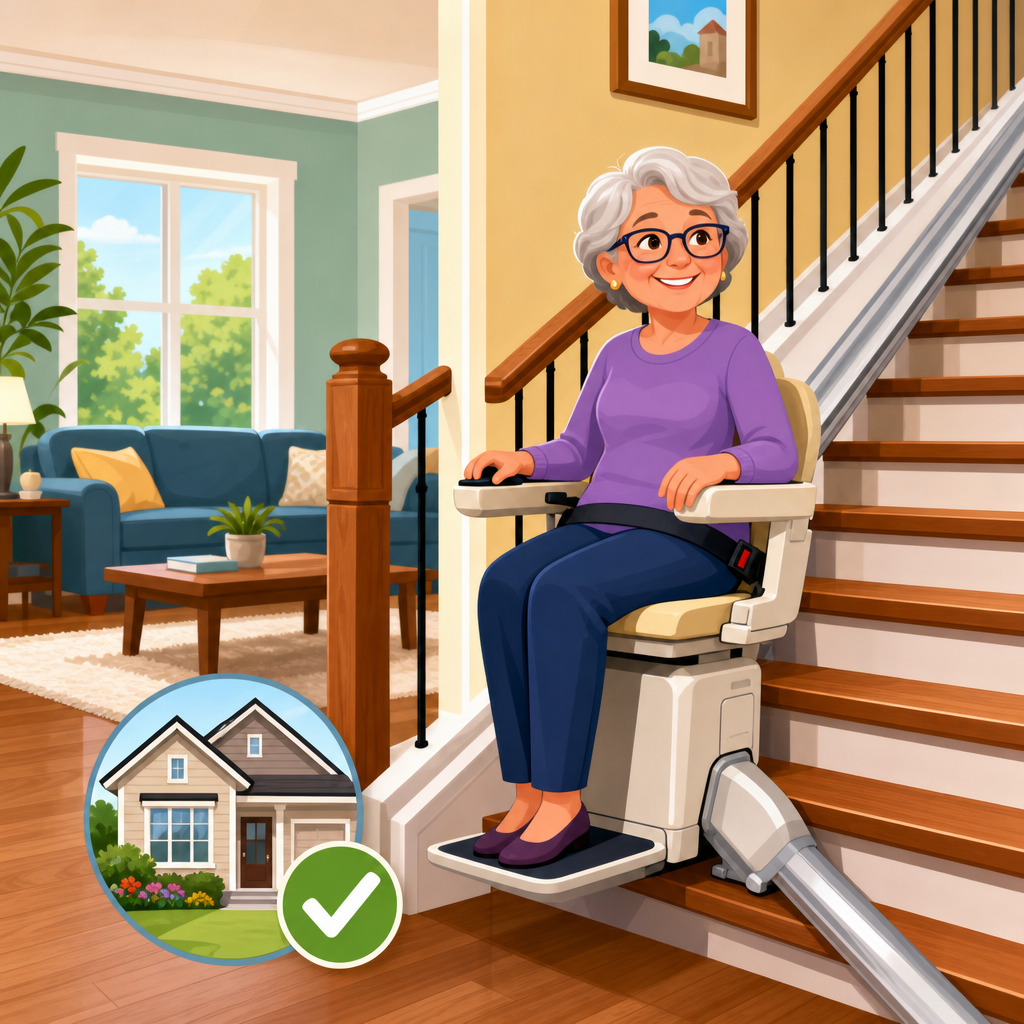
The stakes are practical, not abstract. A worker recovering from a traumatic fall, knee reconstruction, amputation, stroke, or spinal cord injury may be able to return home only if the second floor remains accessible. If the bedroom and full bathroom are upstairs, the absence of a stair lift can lead to unsafe stair climbing, prolonged institutional care, or unnecessary family caregiving costs. That is exactly why this topic belongs in a financing hub: the right funding path can reduce out-of-pocket expense, speed discharge planning, and protect long-term independence.
How workers’ compensation approaches stair lift coverage
Workers’ compensation is designed to pay for reasonable and necessary medical treatment related to a work injury. In many states, that obligation can extend beyond hospital bills and therapy visits to include home modifications when they are medically required. A stair lift may qualify if the injured worker cannot safely use stairs and no lower-cost alternative provides equivalent access. The central question is usually not whether chair lifts exist as a product, but whether this specific worker needs this specific modification because of this specific occupational injury.
Claims adjusters and utilization reviewers typically look for a clear chain of evidence. First, the injury must be accepted as work-related. Second, the medical records must show functional limitations such as non-weight-bearing status, severe balance deficits, paralysis, or cardiopulmonary compromise that makes stairs unsafe. Third, the treating physician should issue a detailed prescription or letter of medical necessity. Fourth, there should be some practical rationale for the home installation, such as access to the only shower, bedroom, or medically appropriate sleeping area. When those pieces line up, workers’ compensation stair lift coverage becomes much more likely.
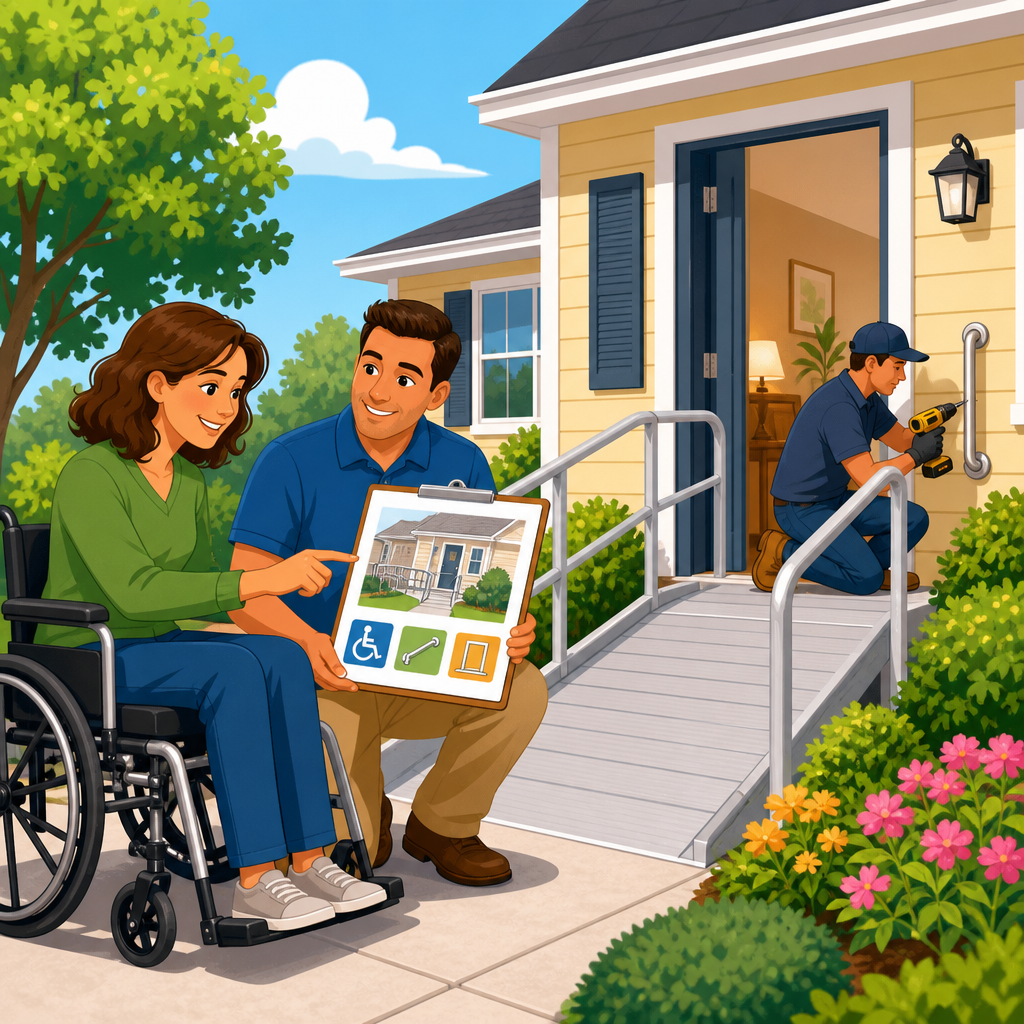
Even then, approval is not automatic. Workers’ compensation carriers frequently ask whether a temporary first-floor setup could avoid the expense, whether family assistance is available, whether the disability is expected to last long enough to justify installation, and whether a ramp, handrails, commode, or relocation would be more cost-effective. Those are not frivolous questions. Insurers are testing reasonableness. In a short recovery after ankle surgery, a temporary bed downstairs may be considered sufficient. After a spinal cord injury or major traumatic brain injury, a stair lift may be the most practical solution.
State differences matter. Some jurisdictions interpret medical benefits broadly and have case law supporting home modifications that restore basic activities of daily living. Others apply stricter standards or litigate heavily over what counts as treatment versus convenience. Because of that, anyone researching does insurance cover chair lifts should avoid assuming that a friend’s outcome in another state predicts their own. The governing language in the state workers’ compensation act, administrative rules, and prior decisions often shapes the result as much as the medical facts do.
When insurance covers chair lifts beyond workers’ compensation
To understand the broader financing landscape, it helps to compare workers’ compensation with other payers. Medicare generally does not cover stair lifts because they are usually viewed as home modifications rather than covered durable medical equipment under Part B. Original Medicare may cover related items such as walkers, wheelchairs, or patient lifts in defined circumstances, but a chair lift attached to a staircase falls outside typical coverage. Medicare Advantage plans may offer supplemental benefits, yet coverage remains uncommon and plan-specific.
Private health insurance is similarly restrictive. Many commercial plans exclude vehicle adaptations and home modifications outright, even when prescribed by a physician. Some plans will review exceptions through case management, especially after catastrophic injuries, but routine stair lift reimbursement is rare. Health savings accounts and flexible spending accounts may allow payment with pre-tax dollars if the expense qualifies medically, which helps with affordability, but that is not the same as insurance coverage.
Medicaid is more nuanced. Traditional Medicaid benefits may not directly include stair lifts, but Home and Community-Based Services waivers, Money Follows the Person programs, or state-specific environmental accessibility benefits sometimes fund them. Veterans may also have pathways through the Department of Veterans Affairs, including home modification grants when the disability is service-connected. For injured workers who do not gain approval through workers’ compensation, these alternative programs can become critical backup options.
| Payer | Typical position on stair lifts | What improves approval chances |
|---|---|---|
| Workers’ compensation | May cover when tied to an accepted work injury and documented as medically necessary | Detailed physician letter, home safety assessment, proof stairs block access to essential living areas |
| Medicare | Usually does not cover because stair lifts are treated as home modifications | Few standard paths; check any supplemental benefits in Medicare Advantage plans |
| Private insurance | Often excluded or denied under home modification exclusions | Case management exception requests, external appeal, employer advocacy in catastrophic cases |
| Medicaid waiver programs | Sometimes covered through state waiver or accessibility programs | Functional assessment, financial eligibility, waiver availability, contractor bids |
| VA programs | Possible for eligible veterans through adaptive housing or home improvement benefits | Service connection, clinical justification, coordination with VA rehabilitation staff |
What evidence makes a stair lift request stronger
The strongest stair lift claims are built like clinical files, not shopping requests. A concise but detailed letter of medical necessity should explain diagnosis, prognosis, specific stair-related risks, failed alternatives, and the expected functional benefit. The best letters tie the device to daily activities: bathing, sleeping, dressing, medication management, wound care access, and fall prevention. Vague wording such as “patient would benefit from a stair lift” is weak. Strong wording states that the patient cannot safely ascend or descend stairs without a powered lift due to documented impairment.
Home evaluations are equally valuable. Occupational therapists, rehabilitation case managers, and certified aging-in-place specialists often identify whether the home layout truly requires a chair lift. I have found that photographs, floor plans, and measurements reduce disputes because they convert an abstract request into a concrete accessibility problem. If the only full bathroom is upstairs, mention it. If a straight rail will work on a standard staircase instead of a custom curved model, note the cost difference. Insurers respond better when the request is precise and proportionate.
Installation proposals should also be specific. Reputable stair lift companies provide itemized quotes listing rail type, seat style, weight capacity, power supply, warranty terms, and any needed electrical work. For workers’ compensation cases, multiple bids may be requested. Carriers often want confirmation that the lift meets recognized safety standards, such as ASME A18.1 for platform lifts and stairway chairlifts where applicable, along with manufacturer compliance, battery backup, obstruction sensors, swivel seat locks, and call/send controls. Safety and cost transparency help the claim look necessary rather than elective.
Common denial reasons and how to respond
The most common denial reason is lack of medical necessity. The insurer may agree that the worker was injured yet argue that a stair lift is not required because the person can remain on one floor. The response should address why a first-floor arrangement is medically or practically inadequate. Another common denial is that the condition is temporary. In that situation, the treating physician should estimate duration, rehabilitation milestones, and whether renting a stair lift would be more economical than purchasing one.
Causation disputes arise when the worker had preexisting arthritis, neuropathy, or previous mobility problems. Carriers may claim the home modification is driven partly by non-work conditions. The most effective rebuttal separates baseline function from post-injury function. Medical records showing that the worker previously used stairs independently can be decisive. If the work injury aggravated a dormant condition, state law on aggravation claims becomes important, and legal counsel may be warranted.
Another denial theme is cost. Custom curved stair lifts can cost significantly more than straight models because the rail must be fabricated to the staircase geometry. If the insurer balks, the file should show why a straight lift is impossible or unsafe. Sometimes the answer is not a dispute but a revised plan, such as moving a bedroom or using a temporary rental during recovery. Appeals work best when they confront the insurer’s stated concern directly, using medical records, home assessments, and comparative bids rather than emotional arguments alone.
Costs, timelines, and practical financing choices
Straight stair lifts commonly cost several thousand dollars installed, while curved stair lifts often reach the high four-figure or five-figure range depending on turns, parking rails, and upholstery or seat options. Used and refurbished units can reduce cost for straight stairs because rails and components are more interchangeable. Curved systems are less flexible because the rail is custom built. In some cases, rental programs make sense for short recoveries, though not every market offers them, and installation or removal fees still apply.
Timelines vary. A straight stair lift can sometimes be installed within days after measurement, while curved units may take weeks because of design and manufacturing lead times. That matters in workers’ compensation discharge planning. If a patient is ready to leave inpatient rehabilitation but cannot access the bedroom or bathroom, delays can increase temporary housing, home health, or facility costs. I have seen faster approval happen when discharge planners present the stair lift not as a comfort item, but as the least costly safe discharge solution.
When coverage is denied, financing choices include manufacturer financing, medical credit products, state assistive technology loan programs, nonprofit grants, and community fundraising. Some homeowners use home equity products, though that should be weighed carefully against interest cost and the temporary or permanent nature of the disability. If the claim is still being contested, keep all receipts and preserve medical justification. Reimbursement may remain possible after appeal or settlement, especially if the purchase clearly prevented greater medical expense.
How this hub connects your next research steps
Because this page is the hub for does insurance cover chair lifts, the next step is to match the funding source to the injury, policy, and home setup. If the injury happened at work, start with the workers’ compensation path: physician prescription, functional documentation, home assessment, and itemized bid. If you are dealing with Medicare, focus on confirming exclusions early so you can shift attention to Advantage extras, Medicaid waivers, or local grants without losing time. If private insurance is involved, read the evidence of coverage and look specifically for home modification exclusions and appeal rights.
It also helps to research related subtopics in a logical order: stair lift cost by staircase type, renting versus buying after surgery, how letters of medical necessity are written, and alternatives when a chair lift is denied. Those articles answer narrower questions, but this hub establishes the central rule: workers’ compensation may cover a stair lift after a workplace injury when it is reasonable, necessary, and well documented, while many other insurance categories either exclude chair lifts or cover them only through limited special programs.
The key takeaway is simple. If you are asking does insurance cover chair lifts, do not stop at a general yes or no. Ask which insurance, under what rule, for what diagnosis, in what home layout, with what supporting evidence. That level of detail changes outcomes. Start by gathering the medical records, the home access facts, and a qualified installation quote, then submit the most specific request possible. A well-prepared file gives you the best chance of getting a stair lift covered, reimbursed, or financed without unnecessary delay.
Frequently Asked Questions
Can workers’ compensation pay for a stair lift after a workplace injury?
Yes, workers’ compensation can pay for a stair lift after a workplace injury in some cases, but approval is not automatic. The key issue is usually medical necessity. If an injured worker has mobility limitations caused by a job-related injury and a treating physician explains that a stair lift is needed for safe access within the home, the workers’ compensation insurer may consider it a covered medical benefit. The argument is strongest when the stair lift is not simply a convenience, but a necessary part of recovery, daily functioning, and injury management.
Whether the request is approved often depends on several factors working together: the severity of the injury, the worker’s current physical restrictions, the layout of the home, the doctor’s recommendations, and the rules of the state’s workers’ compensation system. Some states interpret medical benefits broadly and may approve equipment that helps an injured employee remain safe and avoid further harm. Others may scrutinize home modifications more closely and ask whether there are less expensive alternatives. In practice, insurers often want proof that the stair lift is directly related to the workplace injury and reasonably necessary rather than optional.
It is also important to understand that workers’ compensation is different from general health insurance. A claim is not judged only by whether a device is “medical equipment” in the traditional sense. Instead, the central question is often whether the stair lift is a reasonable and necessary consequence of the work injury. If using stairs puts the injured worker at risk of falling, worsening the injury, or being unable to access essential living areas such as a bedroom or bathroom, that can significantly strengthen the case for coverage.
What does “medical necessity” mean when asking workers’ compensation to cover a stair lift?
In this context, medical necessity generally means that the stair lift is required to address the effects of the workplace injury and is reasonably related to treatment, safety, or functional independence at home. It is not enough for the lift to be helpful or desirable. The insurer typically wants to see clear medical evidence that the worker cannot safely use the stairs because of the injury and that the stair lift will materially improve the worker’s ability to live safely, follow treatment recommendations, or avoid additional complications.
A strong medical necessity case usually starts with detailed documentation from the treating doctor. That documentation may describe the diagnosis, physical limitations, pain levels, balance problems, weight-bearing restrictions, fall risk, and the practical barriers the worker faces at home. For example, if the injured employee has a serious back injury, spinal trauma, lower-extremity damage, or a condition that prevents safe stair climbing, the physician may recommend a stair lift as part of the home recovery plan. Supporting records from physical therapists, occupational therapists, or home safety evaluators can make the request even stronger.
Insurers may also look at whether the home environment makes the stair lift necessary. If the bedroom and only full bathroom are upstairs, or if the worker cannot reasonably relocate essential living activities to the first floor, the request may appear more justified. On the other hand, if the insurer believes there are practical alternatives, it may resist paying for the lift. That is why the most persuasive requests explain not only the medical condition, but also why this specific modification is needed in the worker’s actual living situation.
Does insurance cover chair lifts, and how is workers’ compensation different from Medicare, Medicaid, or private insurance?
When people ask, “Does insurance cover chair lifts?” the honest answer is that coverage depends heavily on the type of insurance involved. Workers’ compensation, private health insurance, Medicare, and Medicaid all follow different rules. Workers’ compensation may cover a stair lift if it is medically necessary because of a work-related injury and considered a reasonable part of treatment or rehabilitation. The focus is on the connection to the workplace injury and the need to help the injured worker function safely.
Private health insurance often excludes stair lifts because they are commonly treated as home modifications rather than covered medical equipment. Even when a lift clearly helps someone with mobility challenges, many private plans still deny coverage based on policy language. Medicare also usually does not pay for stair lifts, because they are typically not classified as durable medical equipment under standard Medicare rules. That surprises many families, but it is a common coverage limitation.
Medicaid can sometimes be more flexible, especially through home- and community-based waiver programs, though eligibility and available benefits vary by state. In some cases, state vocational rehabilitation agencies, veterans’ programs, or disability-related grants may also help with funding. The important point is that workers’ compensation is often one of the better potential avenues for coverage when the mobility problem is directly tied to a workplace injury. However, approval still depends on state law, documentation, and the insurer’s assessment of whether the stair lift is truly necessary and reasonable.
What evidence helps support a workers’ compensation claim for a stair lift?
The strongest claims are built on thorough, practical evidence rather than a short request letter alone. A detailed medical opinion is usually the foundation. The treating physician should clearly explain how the workplace injury limits the worker’s mobility, why using stairs is unsafe or unrealistic, and why a stair lift is the appropriate solution. Vague statements that the device would be “beneficial” may not be enough. Stronger language often addresses risk, necessity, and the direct relationship to the work injury.
Beyond the physician’s report, supporting evidence can include therapy records, functional capacity evaluations, home safety assessments, photographs of the staircase, and documentation showing that critical living spaces are inaccessible without stair use. If the worker has already experienced near-falls, severe pain on stairs, or physician-imposed restrictions against climbing, that information should be documented as well. In some cases, estimates from licensed stair lift installers are also useful, especially if they show the type of lift required and why a particular model fits the home’s layout.
Consistency matters. If the medical records, worker’s statements, and home assessment all tell the same story, the request is much harder to dismiss. It can also help to show why alternatives are not reasonable. For example, if moving the bedroom downstairs is impossible, if the home cannot be reconfigured safely, or if temporary measures still leave the worker at risk, that should be explained clearly. The goal is to demonstrate that the stair lift is not an upgrade or lifestyle preference, but a necessary accommodation caused by the workplace injury.
What can an injured worker do if workers’ compensation denies coverage for a stair lift?
A denial is not always the final word. If workers’ compensation refuses to cover a stair lift, the first step is to find out exactly why. Some denials are based on lack of documentation rather than a firm legal bar to coverage. Others may argue that the device is not medically necessary, is unrelated to the workplace injury, or is considered an uncovered home modification under the state’s rules. Understanding the insurer’s stated reason is essential because it shapes the next response.
In many cases, the worker can strengthen the claim by obtaining more detailed medical support. That may include a supplemental report from the treating doctor, an opinion from a specialist, therapy notes addressing stair safety, or a formal home assessment. If the problem is that the insurer sees a stair lift as excessive, additional evidence may help show that it is the most practical and medically appropriate option. If the worker is represented by a workers’ compensation attorney, the attorney can help gather evidence, challenge the denial, and push the claim through the proper dispute process.
Each state has its own appeal procedures, deadlines, and standards for reviewing contested medical benefits. Those rules matter. Missing a deadline can make the process much harder. If coverage remains unavailable through workers’ compensation, the worker may also explore other sources of assistance, such as Medicaid waiver programs, state disability resources, charitable organizations, or community grant programs, depending on eligibility. While those alternatives are not a substitute for a valid workers’ compensation claim, they can sometimes provide practical help while the dispute is ongoing or if the denial ultimately stands.