Emergency contact integration with smart devices turns a home from a collection of connected gadgets into a coordinated safety system that can reach the right person at the right time. In accessibility and mobility solutions, this capability matters because delayed communication during a fall, medication issue, fire, wandering event, or medical episode can quickly become dangerous. Emergency contact integration means linking smart home devices, wearables, voice assistants, sensors, and mobile apps so alerts move automatically to caregivers, family members, neighbors, building staff, or professional responders based on clear rules. Smart home integration is the broader framework that allows those devices to share status, trigger routines, and support people aging in place, living with disabilities, or recovering from injury. After implementing these systems in real homes, I have seen the difference between isolated products that create notification chaos and well-designed setups that deliver calm, actionable information. This hub explains how emergency contact integration works, which devices play the biggest role, how alerts should be structured, where privacy and reliability issues appear, and what to prioritize when building a dependable smart home safety network.
What Emergency Contact Integration Means in a Smart Home
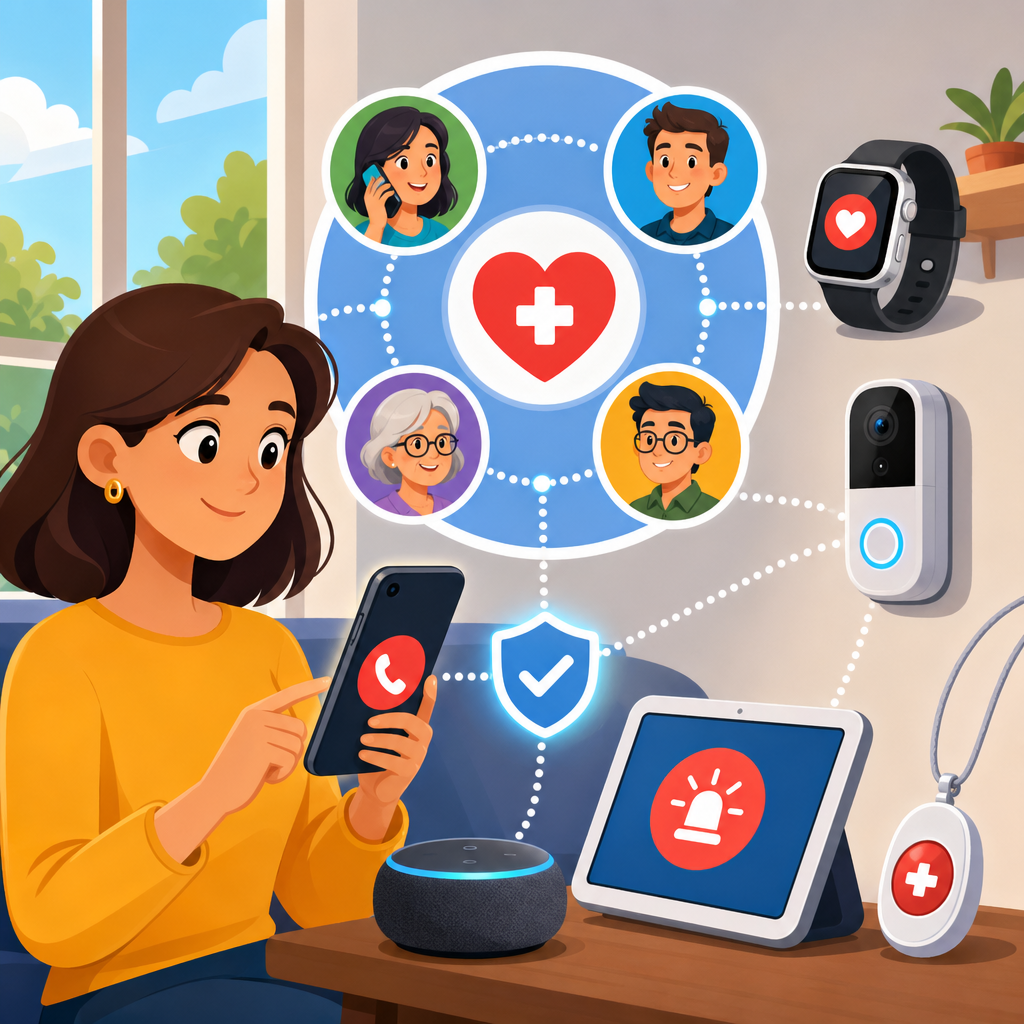
At a practical level, emergency contact integration is the process of defining who gets notified, under what conditions, through which channel, and with what level of urgency. In a mature setup, a bedside button might text a daughter, call a neighbor, flash smart lights, unlock a smart lock for authorized entry, and share camera access with consent. A less urgent event, such as a missed morning routine, may send only an app notification first. This structure matters because not every incident deserves a 911 call, and not every caregiver can respond at all hours. Smart home platforms such as Apple Home, Amazon Alexa, Google Home, Samsung SmartThings, and Home Assistant can coordinate automations, while specialized medical alert services add monitoring centers and escalation logic.
The key components are detection, decision, delivery, and response. Detection comes from devices including fall detectors, door sensors, leak sensors, smoke alarms, smart speakers, bed occupancy sensors, medication dispensers, and watches. Decision logic interprets the event using rules, schedules, and user preferences. Delivery sends the alert by push notification, SMS, phone call, email, in-app dashboard, or professional monitoring channel. Response closes the loop by confirming that a person saw the alert and either resolved it or escalated it. Without that final confirmation step, households often assume help is on the way when no one has actually accepted responsibility.
This subtopic sits at the center of smart home integration because it connects automation, accessibility, remote caregiving, and home security. It also serves as a hub for related articles on voice control, sensor-based monitoring, smart locks, connected lighting, remote wellness checks, and aging-in-place design. If those systems are not tied to a contact strategy, they remain conveniences rather than dependable safety tools.
Core Devices That Support Emergency Contact Workflows
The strongest smart home safety setups combine multiple device categories so one failure does not break the entire chain. Smart speakers and displays are often the first layer because they enable hands-free help requests. An Alexa-enabled speaker can call approved contacts, announce a routine, or trigger an emergency phrase. Google Nest speakers can support voice-driven communication and household broadcasts. Apple users often rely on Siri through HomePod, Apple Watch, and iPhone, especially for fall detection and emergency SOS features.
Wearables provide mobility beyond the living room. Apple Watch fall detection, Samsung Galaxy Watch emergency features, and dedicated medical alert pendants can identify sudden impacts or long button presses, then notify contacts with GPS location. In my experience, households trust wearables most when they are comfortable enough to be worn consistently; the best feature is useless if the device is left charging on a nightstand. Battery life, water resistance, and false alarm handling matter more than flashy app dashboards.
Environmental sensors expand coverage where a wearable cannot help. Motion sensors can flag unusual inactivity. Contact sensors on doors can notify a caregiver if a person with dementia exits at night. Smart smoke and carbon monoxide alarms from brands such as Google Nest Protect send remote alerts and spoken warnings. Water leak sensors reduce another class of emergency by catching floods early, especially near bathrooms used by people with limited mobility. Smart cameras can provide context, but they should be placed selectively and with explicit consent because privacy concerns rise quickly in bedrooms and bathrooms.
Locks, lighting, and thermostats also play a role. A smart lock can provide temporary access to a trusted responder. Smart lighting can illuminate a path to the bathroom after a nighttime voice request or flash red during a smoke event. A thermostat integrated with air quality or temperature alerts can notify contacts if heat fails during winter, which is especially important for medically vulnerable residents.
How Alert Logic Should Be Designed
Good emergency contact integration depends less on the number of devices and more on the quality of alert logic. The best systems classify events by severity, certainty, and required response time. A fall detected by a watch plus no movement for two minutes deserves a different workflow than a single motion sensor reporting inactivity during an afternoon nap. I recommend building three alert tiers: informational, urgent caregiver, and emergency escalation. Informational alerts include late medication, open doors, or unusual temperature shifts. Urgent caregiver alerts cover possible falls, nighttime exits, or missed check-ins. Emergency escalation includes smoke, carbon monoxide, a confirmed panic button press, or no caregiver acknowledgment within a set window.
Timing rules prevent both underreaction and alarm fatigue. For example, a medication dispenser can send a reminder at 9:00 a.m., a caregiver notification at 9:30, and a phone call at 10:00 only if the dose remains unconfirmed. A bed sensor can suppress inactivity alerts during a known physical therapy appointment. Smart home platforms handle these conditions differently, so households should test them instead of assuming an automation builder is self-explanatory.
| Event Type | Primary Device | First Contact Action | Escalation Path |
|---|---|---|---|
| Possible fall | Smartwatch or pendant | Push alert and automated call to caregiver | Monitoring center or emergency services if unanswered |
| Smoke or carbon monoxide | Connected alarm | Immediate multi-contact alert | Emergency services and smart lock access |
| Night wandering | Door sensor plus motion sensor | Text and live app alert to family | Neighbor check-in or geolocation follow-up |
| Missed medication | Smart dispenser | Reminder to resident and caregiver | Telehealth outreach or family call |
Clear naming conventions also improve outcomes. Label devices by room and purpose, such as “Primary Bedroom East Motion” instead of a default product name. During an incident, precise labels reduce confusion for caregivers reviewing notifications on a phone.
Accessibility, Usability, and Real-World Adoption
Smart home integration succeeds only when the person at the center of the system can use it confidently. Accessibility starts with interface choice. Some residents need large tactile buttons, some rely on voice control, some prefer watch-based prompts, and some need automation that works with no manual interaction at all. People with low vision may benefit from spoken alerts and high-contrast mobile interfaces. Deaf or hard-of-hearing users may need visual strobes, bed shakers, smartwatch haptics, or text-first notifications. Residents with cognitive impairment often need simple routines with minimal decision points.
In home assessments, the most common mistake is designing for the caregiver rather than the resident. A family may choose a complex app with rich analytics, but if the resident cannot cancel a false alarm or understand a spoken prompt, trust erodes. The system should support dignity and independence, not just surveillance. That means using consent-based camera placement, plain-language announcements, and routines that match existing habits. For example, replacing a difficult bedside lamp switch with voice-activated lighting reduces fall risk while making emergency help requests feel more natural.
Training is not optional. Every contact should know what alerts look like, how to acknowledge them, and when to escalate. I advise households to run monthly drills: trigger a nonemergency button, verify message delivery, and confirm backup contacts understand their role. This approach mirrors business continuity practices and exposes weak points before a real event.
Privacy, Security, and Compliance Considerations
Because emergency contact integration handles location, health-related signals, routines, and home access, privacy and security standards must be taken seriously. At minimum, every account should use unique passwords and multi-factor authentication. Shared logins are common in families, but they create accountability problems and increase breach risk. Major platforms including Apple, Google, and Amazon support stronger account controls, while Home Assistant allows local-first architectures that reduce cloud exposure for technically capable households.
Data retention deserves attention. Some vendors store event histories, recordings, and transcripts longer than users expect. Before purchasing, review what is kept, where it is processed, and whether data can be deleted. Smart cameras and voice assistants are especially sensitive. Medical alert providers may have additional contractual terms covering monitoring records and emergency dispatch logs. In multifamily housing or senior living settings, administrators must also consider building policies, visitor access, and consent procedures.
Not every smart home tool is regulated as a medical device. That distinction matters. Consumer fall detection can be helpful, but it should not be treated as clinically guaranteed. Reliability claims should be tested against the manufacturer’s specifications, connectivity requirements, and known limitations. Wi-Fi outages, low batteries, firmware bugs, and poor cellular reception remain common points of failure. A resilient setup uses redundant paths, such as internet plus cellular backup, battery-powered hubs, and at least two contact methods.
Choosing the Right Platform and Building a Hub Strategy
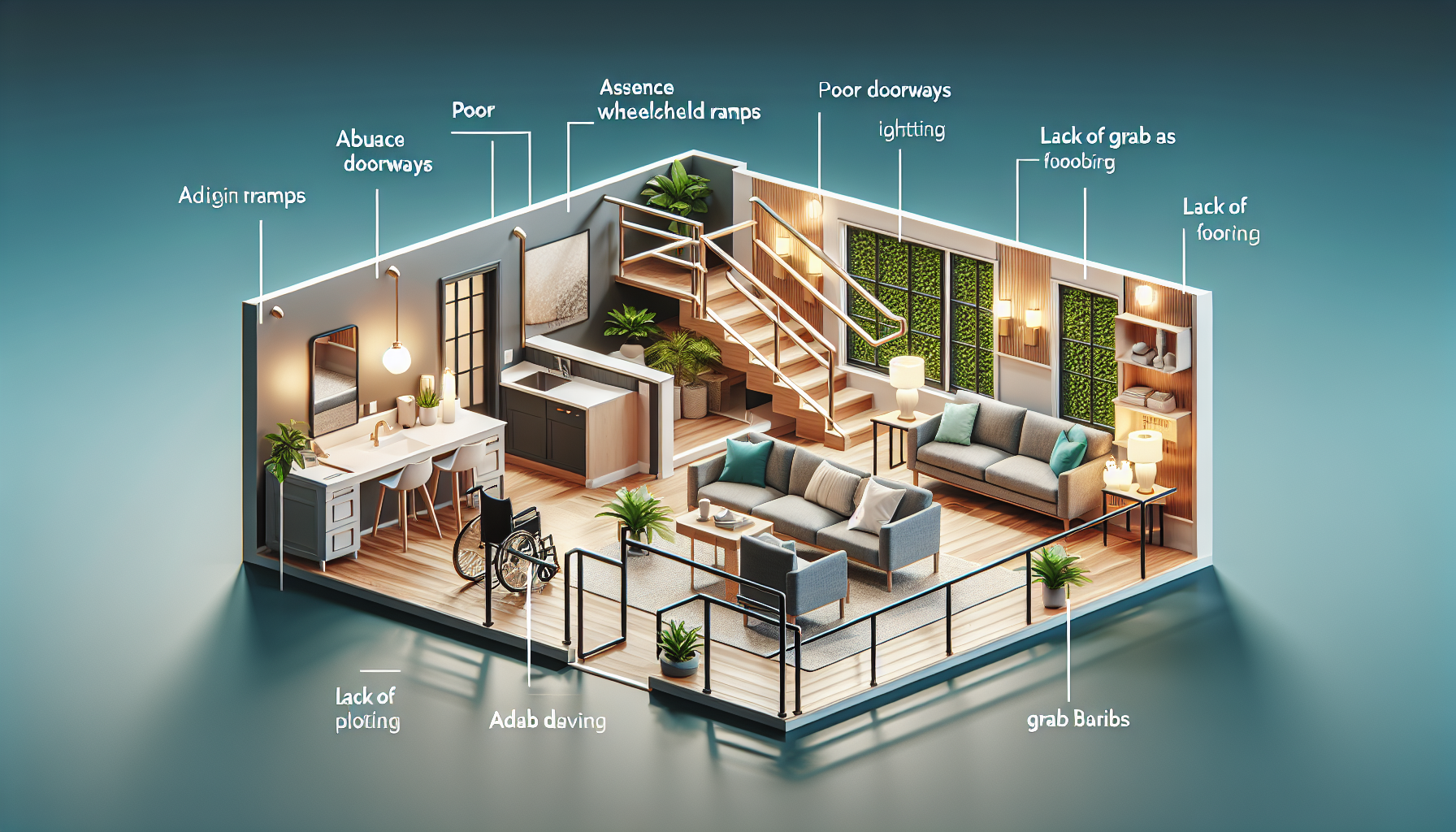
As the hub page for smart home integration within accessibility and mobility solutions, this article points to the decision framework households should use across all related deployments. Start with the resident profile: mobility level, cognition, sensory needs, home layout, connectivity, and caregiver availability. Then map the highest-risk scenarios. A wheelchair user living alone may prioritize door access, voice control, and reachable emergency buttons. A person with Parkinson’s may need fall detection, medication workflows, and lighting automations. A household supporting dementia care may put wandering alerts, stove monitoring, and geofenced notifications first.
Platform choice should follow interoperability. Apple Home works well for privacy-conscious users already invested in iPhone and Apple Watch. Alexa offers broad device support and easy voice routines. Google Home is strong for Nest devices and simple household controls. SmartThings supports wide compatibility, while Home Assistant offers the deepest customization and local control for advanced users. Professional monitoring services add human escalation, which is valuable when family contacts cannot reliably answer alerts.
Build in phases. Phase one should cover life safety: smoke, carbon monoxide, emergency calling, and one direct alert mechanism. Phase two adds mobility and wellness supports such as lighting scenes, door sensors, medication reminders, and camera-free activity monitoring. Phase three refines automations, backups, and reporting. This staged approach keeps costs manageable and reduces abandonment. The most effective emergency contact integration with smart devices is not the most complex system; it is the one that matches the resident’s needs, works during stress, and is practiced until every contact responds without hesitation. Audit your current setup, identify the single most important alert you are missing, and build your smart home integration plan from there.
Frequently Asked Questions
What does emergency contact integration with smart devices actually mean?
Emergency contact integration with smart devices means connecting your home technology, wearable devices, and communication tools so they can automatically notify the right person when something goes wrong. Instead of relying on a single alarm or a manual phone call, the system links devices such as fall detectors, smart speakers, door sensors, motion sensors, medication reminders, smoke detectors, smart locks, cameras, and mobile apps to a set of designated contacts. When a triggering event occurs, the system can send alerts, place calls, share location details, provide live status updates, or even unlock access for trusted responders.
In practical terms, this turns separate smart products into a coordinated safety network. For example, if a person falls and does not respond to a voice prompt from a smart speaker or wearable, the system may first notify a caregiver, then send an alert to a family member, and finally escalate to emergency services if no one acknowledges the event. In accessibility and mobility settings, that layered communication is especially valuable because the problem is often not the lack of technology, but the delay in reaching the right person quickly. Emergency contact integration closes that gap by making communication automatic, timely, and specific to the situation.
How can smart devices alert emergency contacts during a medical or safety incident?
Smart devices can alert emergency contacts through several methods, often working together to improve speed and reliability. A wearable may detect a hard fall, a medication dispenser may report a missed dose, a smoke detector may trigger a fire alert, or a door sensor may indicate nighttime wandering. Once the event is identified, the system can send a push notification, text message, automated phone call, email, or in-app alert to designated emergency contacts. More advanced setups may include two-way audio, live video verification, GPS location sharing, and step-by-step escalation rules if the first contact does not respond.
The most effective systems do more than simply announce that something happened. They provide context. A good alert might include the time of the event, the device that triggered it, the room involved, whether the person responded to prompts, and what action is recommended next. For instance, a message could say that a fall was detected in the bathroom, no movement was sensed afterward, and the resident did not answer a voice check-in. That level of detail helps caregivers and family members react appropriately instead of losing critical time trying to confirm whether the alert is serious.
Many platforms also allow tiered response paths. A low-risk event, such as a delayed medication reminder, may notify a family member first. A higher-risk event, such as smoke detection combined with no motion in the room, may immediately notify multiple contacts and emergency responders. This flexibility is what makes emergency contact integration so useful in real-world home safety planning.
Which smart devices are most useful for emergency contact integration in an accessible home?
The most useful smart devices are the ones that match the person’s actual risks, routines, and abilities. For many households, wearables with fall detection are among the most important because they stay with the user throughout the day and can trigger alerts during a sudden medical event. Smart speakers and voice assistants are also highly valuable because they allow hands-free communication, making it easier to call for help during a fall, breathing issue, or mobility limitation. Motion sensors, bed sensors, and door sensors add another layer by detecting unusual patterns such as lack of movement, nighttime wandering, or failure to return to bed.
Medication management devices are especially important for people who need structured support. A connected pill dispenser can send reminders, record whether medication was taken, and alert caregivers when a dose is missed. Smart smoke and carbon monoxide detectors are another essential category because they can send remote alerts even if the resident cannot hear the alarm or cannot get to a phone quickly. Video doorbells, indoor cameras in agreed-upon areas, and smart locks can also support emergency response by helping trusted contacts verify a situation and gain access when needed.
Mobile apps often serve as the hub that ties all of these tools together. They allow emergency contacts to manage notification settings, monitor alerts, confirm response, and review event history. The strongest setup is usually not built around one device, but around a combination of devices that cover communication, detection, and response. In accessibility and mobility solutions, that coordinated approach is what makes the system dependable rather than merely convenient.
How do you set up emergency contacts so alerts go to the right people at the right time?
Setting up emergency contacts effectively starts with identifying who should be notified for different kinds of events. Not every alert should go to the same person, and not every contact should receive every notification. A nearby caregiver might be the best first responder for a fall alert, while a family member out of town may be better suited for medication compliance updates or lower-priority status checks. The best systems let you assign contacts by event type, priority level, time of day, or escalation sequence so the response is organized instead of overwhelming.
It is also important to define what happens if the first contact does not respond. A well-designed emergency contact plan should include backup contacts and clear escalation rules. For example, the system may send a push alert immediately, place an automated call after two minutes if there is no acknowledgment, and contact emergency services if there is still no response after a defined interval. Testing this workflow matters just as much as configuring it. Households should run regular test alerts to confirm that notifications are arriving, contact details are current, and everyone understands what they are expected to do.
Accessibility should guide setup choices as well. If the user has hearing, vision, speech, or mobility limitations, the devices and alert methods should reflect that reality. Voice prompts may need to be slower and clearer, buttons may need to be larger, and contacts may need access to multiple forms of communication. Privacy and consent should also be part of setup from the beginning. Everyone involved should understand what data is shared, who receives it, and under what circumstances. A strong emergency contact system is not just technical; it is planned, tested, and personalized.
Are there privacy, reliability, and connectivity concerns with emergency contact integration?
Yes, and they should be addressed before relying on any smart safety system. Privacy is one of the biggest concerns because emergency contact integration often involves sensitive personal information, including health-related events, daily routines, movement patterns, location data, and sometimes audio or video feeds. The best approach is to choose platforms that offer clear privacy policies, secure account controls, encrypted data handling, and customizable permissions. Users should be able to decide which contacts can view alerts, which can access video or location details, and which can only receive basic notifications.
Reliability is just as important. A system is only useful if it works consistently during real emergencies. Battery life, internet outages, device compatibility, software updates, and sensor accuracy all affect performance. For that reason, it is wise to build redundancy into the system. A wearable with cellular backup, a smart speaker with local voice commands, battery-backed smoke detectors, and multiple notification channels can make a major difference when one part of the network fails. Regular maintenance is essential as well. Devices should be charged, firmware should be updated, contacts should be reviewed, and alerts should be tested on a schedule.
Connectivity concerns are especially relevant in homes that depend heavily on Wi-Fi. If the network goes down, some alerts may be delayed or never sent unless the system includes mobile data backup or local automation options. That is why households should not assume that all smart devices are equally ready for emergency use. Before choosing a platform, it is worth checking whether the system can function during power loss, internet disruption, or app outages. The most trustworthy emergency contact integration is built around secure sharing, dependable hardware, and fail-safe planning rather than convenience alone.