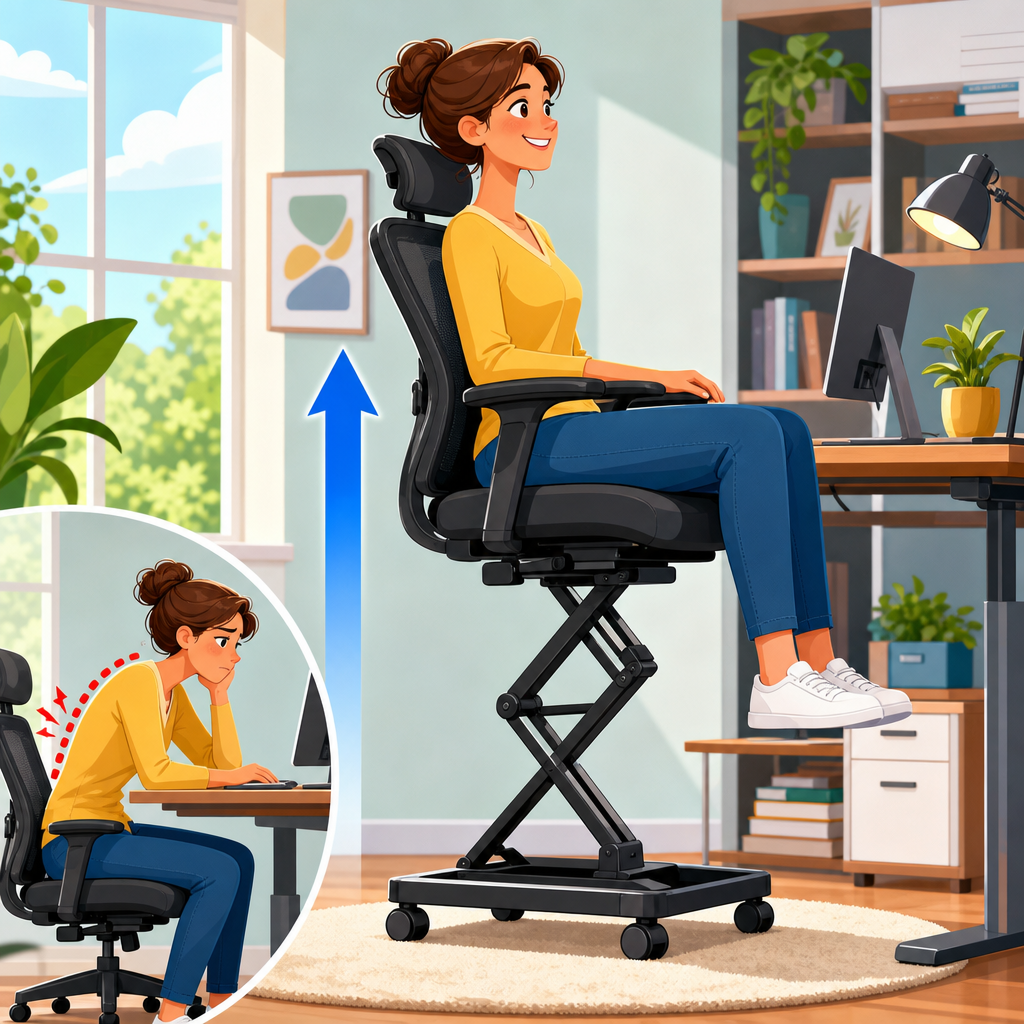
Ergonomic chair lifts give seniors a safer way to sit down and stand up, and the best models do more than raise a seat: they reduce joint strain, support circulation, improve posture, and preserve independence inside the home. In this guide, “chair lift” refers to powered lift recliners and seat-lift chairs designed for people who need assistance moving from seated to standing, not stair lifts or patient transfer devices. That distinction matters because buyers often search one term and find products meant for a different problem. A lift recliner helps with everyday mobility in the living room, bedroom, or recovery space, while a stair lift addresses movement between floors. When families understand the category clearly, they make better choices and avoid expensive returns.
I have evaluated lift chairs for older adults recovering from knee replacement, managing arthritis, and living with balance limitations, and the same pattern appears every time: the right chair changes daily life in practical ways. A well-fitted lift chair can reduce the physical effort required for transfers, lower caregiver strain, and make it more likely that a senior will rest with proper support instead of pushing through discomfort on an unsuitable sofa. This matters because transfer difficulty is often the first sign that a person’s home setup is no longer supporting safe aging in place. Selecting from the best chair lifts for seniors is not just a furniture decision. It is a mobility, safety, and long-term comfort decision that affects confidence, pain levels, and household routines.
Modern ergonomic chair lifts vary widely in size, motor design, upholstery, weight capacity, and positioning features. Some offer basic two-position movement, while others include infinite-position recline, independent back and footrest control, heat, massage, power headrests, and battery backup. The best option depends on the user’s height, hip width, medical needs, dexterity, and room layout. A petite senior may slide forward in an oversized chair, while a taller user can develop pressure points if the seat depth is too short. Features that seem minor online, such as armrest height or remote simplicity, often determine whether a chair is comfortable every day. This hub article explains what separates excellent chair lifts from average ones, how to compare the top options, and what to look for before buying.
What Makes a Chair Lift Ergonomic for Seniors
An ergonomic chair lift matches the user’s body dimensions and movement needs so the chair supports neutral posture and low-effort transfers. The key measurements are seat height, seat width, seat depth, back height, and overall recline geometry. For seniors, correct seat height is especially important because knees should typically sit at roughly a right angle with feet flat on the floor before the lift mechanism starts. If the seat is too low, standing requires more quadriceps strength and forward momentum. If it is too high, the user may feel unstable or lose full foot contact.
Good ergonomics also depend on how the lift cycle works. The best chair lifts for seniors raise smoothly, without jerking, and tilt forward enough to reduce the force needed through the knees and hips while still feeling stable. In my experience, a controlled, predictable rise matters more than speed. Many older adults dislike chairs that launch them too abruptly, especially after surgery or when dizziness is a concern. Firm but supportive cushioning is another sign of ergonomic quality. Overly soft foam may feel plush in a showroom but can make transfers harder because the user sinks too deeply. High-density foam and well-designed lumbar support usually age better and maintain alignment over time.
Remote design deserves more attention than it gets. Seniors with arthritis, tremor, neuropathy, or reduced vision need large, high-contrast buttons and simple functions. Two-button hand controls are often best for users who want straightforward operation. More advanced remotes can be excellent if they are logically labeled and include a home button that returns the chair to an upright seated position. USB ports, cup holders, and side pockets are convenient, but they are secondary to transfer safety, fit, and support.
Top Types of Lift Chairs and Who They Suit Best
Lift chairs usually fall into three categories: two-position, three-position, and infinite-position. A two-position lift recliner reclines slightly and is best for seniors who mainly need help standing but do not spend long periods resting in the chair. It is usually the most affordable option and works well in smaller spaces. A three-position model reclines farther and suits users who like to nap or elevate their legs for short periods, though it still may not provide a near-flat position. Infinite-position lift chairs use two motors so the backrest and footrest move independently. These are typically the best chair lifts for seniors with complex comfort needs, edema, chronic back pain, or long daily sitting times.
There are also heavy-duty models with wider seats and higher weight capacities, often 400 to 700 pounds, as well as petite and tall-user versions designed around body proportions rather than just overall chair size. This matters because “one size fits all” is a poor standard in lift chairs. Brands such as Pride Mobility, Golden Technologies, UltraComfort, and Mega Motion build lines with size classes that align better with real users. I have seen a medium chair solve tailbone pain simply because the seat depth finally matched the person’s femur length, preventing slouching and shear.
Some seniors should prioritize specific therapeutic features. People with swelling in the lower legs often benefit from zero-gravity or Trendelenburg-capable chairs, where available, because these positions can improve comfort and reduce pressure. Users with mild cognitive impairment may do better with fewer controls and a stable seated posture instead of advanced positioning they are unlikely to use correctly. The best model is the one the person can operate safely and comfortably every day.
Best Chair Lift Features to Compare Before You Buy
When comparing the best chair lifts for seniors, start with fit, motor type, weight capacity, and warranty, then move to comfort extras. Single-motor chairs synchronize the back and footrest and usually cost less. Dual-motor chairs cost more but allow precise adjustment, which can be worth it for people who sit for hours, need pressure relief, or want individualized leg elevation. Battery backup is essential, not optional, because a power outage can leave a user stuck in a reclined position. Reputable models typically include a backup system, though some require separate batteries.
Upholstery affects both maintenance and comfort. Polyester blends are durable and easy to clean, faux leather wipes down quickly but may feel warmer, and performance fabrics can balance breathability with stain resistance. Real leather looks premium but is not always ideal for frail skin or hot climates. Frame construction, anti-tip design, and quiet operation also matter. A chair that creaks, shifts, or visibly strains under load will not inspire confidence. White-glove delivery can be valuable because lift chairs are heavy and setup errors are common when families attempt assembly alone.
| Feature | Why It Matters | Best For |
|---|---|---|
| Single motor | Lower cost, simpler controls, fewer adjustments | Basic sit-to-stand assistance |
| Dual motor | Independent back and footrest positioning | Edema, back pain, long sitting sessions |
| Battery backup | Restores function during outages | All users, especially solo households |
| Heat and massage | Comfort feature, not medical treatment | Users who want optional relaxation |
| Extended warranty | Protects motors, electronics, and labor costs | High-use households |
Another overlooked factor is wall clearance. Wall-hugger designs need less space to recline, making them practical in apartments or small family rooms. Delivery path measurements are equally important. I always advise measuring doorways, hall turns, and the final room footprint before ordering. More than one “perfect” chair has been returned because it could not be moved past a narrow entryway.
Leading Brands and Real-World Buying Considerations
Pride Mobility is one of the most recognized names in lift recliners, known for broad model variety, reliable parts availability, and clear size categories. Golden Technologies is highly regarded for comfort engineering, smooth lift action, and premium fabrics, especially in its higher-end lines. UltraComfort emphasizes advanced positioning and refined seating support, while Mega Motion often competes on value. La-Z-Boy also offers lift recliners with familiar styling, which can matter for buyers who want a medical-assist chair that still looks like living room furniture.
Brand reputation helps, but model-specific evaluation matters more. For example, one brand may have an excellent medium dual-motor chair but an underwhelming entry-level two-position model. Reviews should be filtered carefully. Look for recurring comments about motor noise, seat firmness after six months, customer service response times, and whether the chair arrived assembled correctly. A flood of five-star ratings posted within days of delivery tells you less than detailed reviews written after sustained use. Better yet, buy through a dealer or retailer with a clear in-home service process.
For seniors, after-sales support can be as important as the chair itself. If a hand control fails, waiting weeks for a replacement undermines the purpose of the purchase. Ask who handles warranty claims, whether labor is included, and how service calls are arranged. In practice, the best chair lifts for seniors come from companies that support owners after delivery, not just at checkout.
How to Match a Lift Chair to Health Needs and Home Use
Different health conditions point to different priorities. For arthritis, seek smooth lift assistance, supportive armrests, and cushioning firm enough for easy transfers. After hip or knee surgery, proper seat height and stable forward tilt are critical; the chair should help the user rise without excessive twisting or deep flexion. For lower-extremity edema, independent leg elevation is often more useful than massage. For chronic low back pain, lumbar support and position variability matter more than plush padding. If skin integrity is fragile, breathable fabric and pressure-distributing foam should move up the list.
Caregiver routines also affect the best choice. If a spouse or aide regularly assists with dressing, medication reminders, or leg positioning, the chair should leave adequate space around it and use controls that are easy for both people to understand. In homes with pets or grandchildren, durable fabric and covered mechanisms may be smarter than premium finishes. If the chair will be used for sleeping, prioritize infinite positioning, head and neck support, and a room layout that accommodates longer recline angles.
The safest approach is to treat lift chair shopping like mobility equipment selection, not impulse furniture buying. Measure the user, test the controls, ask about service, and align features with daily routines. For families exploring the best chair lifts for seniors, this hub is the starting point: use it to narrow the field, then compare size-specific reviews, fabric guides, and brand breakdowns before purchase. A well-chosen ergonomic lift chair can reduce strain, support safer independence, and make ordinary moments—reading, resting, standing up—far easier. Start by identifying the user’s body size, mobility challenge, and room constraints, then shortlist models that solve those exact needs.
Frequently Asked Questions
What is an ergonomic chair lift, and how is it different from a stair lift or transfer device?
An ergonomic chair lift is a powered lift recliner or seat-lift chair that gently tilts forward and raises the seated user to make standing up easier and safer. It is designed for everyday in-home use by people who have difficulty moving from sitting to standing because of age, arthritis, weakness, joint pain, limited balance, or recovery from surgery. The “ergonomic” part means the chair is built to support the body more naturally, with features like better lumbar support, pressure relief, smoother positioning, and seat dimensions that promote healthier posture and comfort during longer sitting periods.
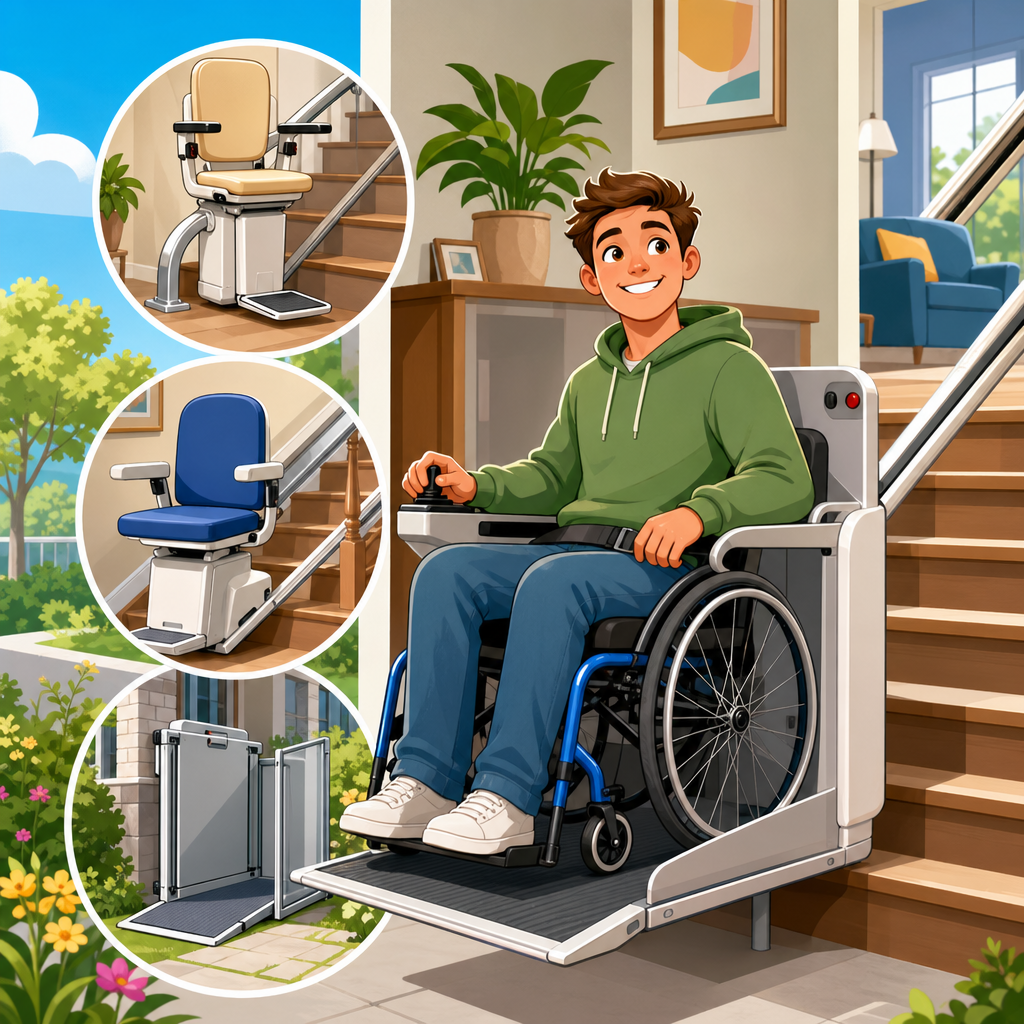
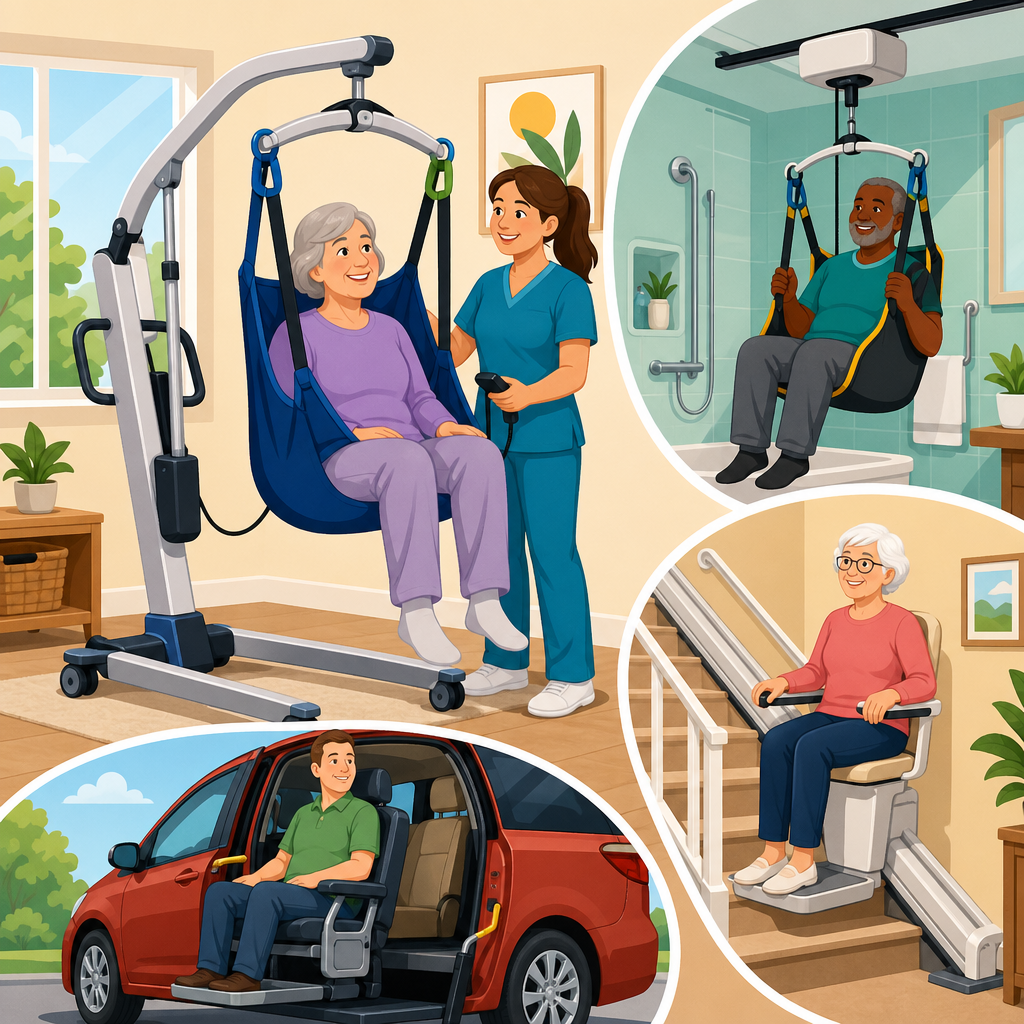
This is very different from a stair lift, which carries a person up and down a staircase on a rail. It is also different from a patient transfer device, which is intended to move someone from one surface to another, such as from a bed to a wheelchair. Buyers often search for “chair lift” and end up seeing all three categories, so the distinction is important. If the goal is to make it easier to sit, recline, rest, and stand in a living room or bedroom, the right product is a powered lift recliner or seat-lift chair. If the goal is stair access, that is a stair lift. If the person needs hands-on mobility assistance between locations, that typically points toward transfer equipment.
How do ergonomic chair lifts improve comfort and safety for seniors at home?
The biggest benefit is that an ergonomic chair lift reduces the physical strain involved in one of the most repeated and difficult daily movements: standing up from a seated position. For many seniors, that motion places heavy stress on the knees, hips, ankles, and lower back. A lift chair helps by using a motorized mechanism to elevate and angle the seat so the user can rise with less effort. That can lower the risk of falls, reduce painful joint loading, and make routine tasks like getting up for meals, using the restroom, or answering the door feel much more manageable.
Comfort goes beyond the lift function itself. Well-designed ergonomic models support healthy alignment in the neck, shoulders, spine, and legs. Many include cushioning zones, contoured backs, padded armrests at the right transfer height, and recline positions that help distribute body weight more evenly. This can reduce pressure points and make it easier to sit comfortably for longer periods. Some models also offer leg elevation, heat, massage, or independent back-and-footrest adjustment, which may help with circulation, swelling, and general relaxation. While these features are not medical treatment, they can make a meaningful day-to-day difference in how a person feels and functions at home.
Safety also improves because the user is less likely to rely on unstable furniture, momentum, or another person’s arm for support. A chair that lifts smoothly and predictably encourages a more controlled transfer. For people who value independence, this matters a great deal. It allows them to perform a private, everyday movement with more dignity and less fear, often reducing the need for constant assistance from a spouse, adult child, or caregiver.
Who should consider buying an ergonomic chair lift?
Ergonomic chair lifts are often a smart choice for seniors who can still walk or move around the home but struggle with the transition between sitting and standing. This includes people with arthritis, chronic knee or hip pain, lower-body weakness, poor balance, reduced flexibility, mild mobility limitations, or fatigue related to aging or recovery. They can also be useful for individuals recovering from joint replacement or back procedures, as long as a clinician has approved the seating position and transfer style. In many cases, the chair is not about severe immobility; it is about removing a daily barrier before it leads to greater dependence or a fall.
They are also a good fit for people who spend a significant amount of time seated and want better support than a standard recliner provides. If someone repeatedly pushes off the armrests, rocks forward several times before standing, avoids sitting because getting up is too hard, or depends heavily on a partner for assistance, a lift chair may be worth serious consideration. Family caregivers should pay attention to these signs, because what looks like a small inconvenience often signals a growing safety issue.
That said, a lift chair is not the right solution for every mobility need. If the person cannot transfer safely even with the chair’s help, needs full-body support, or requires repositioning by another person, specialized medical seating or transfer equipment may be more appropriate. The best approach is to match the chair to the user’s actual abilities, body size, and home routine rather than assuming any powered chair will solve the problem.
What features should I look for when choosing the best ergonomic chair lift?
Start with fit. A lift chair should match the user’s height, weight, hip width, thigh length, and preferred sitting posture. Seat depth, seat height, back height, and armrest position matter more than many buyers realize. If the seat is too deep, the user may slump and lose lower-back support. If it is too high or too low, standing can remain difficult even with the lift function. A properly sized chair supports the feet on the floor when seated, keeps the knees in a comfortable position, and allows the back to rest fully against the cushion.
Next, look at the lifting and positioning options. Some chairs offer two-position or three-position recline, while others provide infinite positioning for more customized comfort. Higher-end models may include dual motors, allowing the backrest and footrest to move independently. That can be especially helpful for users who need precise adjustments for reading, watching television, napping, or leg elevation. Smooth, quiet motion is important, as is a hand control that is simple to understand and easy to grip.
Ergonomic support features are equally important. Look for solid lumbar support, stable armrests that assist with transfers, supportive cushioning that does not collapse too quickly, and a seat shape that promotes upright posture instead of forcing the user into a slouched position. Upholstery should be durable and easy to clean, especially in homes where spills are likely or incontinence is a concern. If swelling, circulation discomfort, or extended sitting is an issue, leg elevation and pressure-distributing cushioning can add meaningful value.
Finally, consider practical ownership details: weight capacity, power backup in case of outages, warranty coverage, service availability, and room placement. A chair may look impressive online but still be wrong for the space if it needs more wall clearance than expected. The best model is the one that balances comfort, safe transfers, ease of use, and long-term reliability for the specific person who will depend on it every day.
Can an ergonomic chair lift help seniors stay independent longer?
In many homes, yes. One of the most important advantages of an ergonomic chair lift is that it helps preserve functional independence in a very practical way. Standing up from a chair is a basic movement tied to countless daily activities. When that movement becomes difficult, people often begin avoiding normal routines, asking for more help, or limiting where they sit. Over time, that can affect confidence, activity levels, and even social participation. A lift chair can remove that obstacle by making transfers easier, more comfortable, and less intimidating.
Independence is not only about doing everything without help. It is also about reducing unnecessary dependence. When a senior can get up without needing someone to pull them forward or brace them under the arms, the home environment feels less restrictive. That can ease tension for family caregivers, support privacy, and encourage more regular movement throughout the day. In some cases, having a reliable chair available means the person is more likely to sit in a comfortable, supportive place rather than remain in bed or struggle with unsuitable furniture.
Of course, a chair lift is not a cure-all. It works best as part of a broader strategy for aging in place that may include safe flooring, proper lighting, grab bars, mobility aids, and regular medical guidance. But for many seniors, the right ergonomic lift recliner makes a noticeable difference in comfort, confidence, and daily autonomy. It addresses a real physical challenge with a simple, consistent solution, and that can have an outsized impact on quality of life.