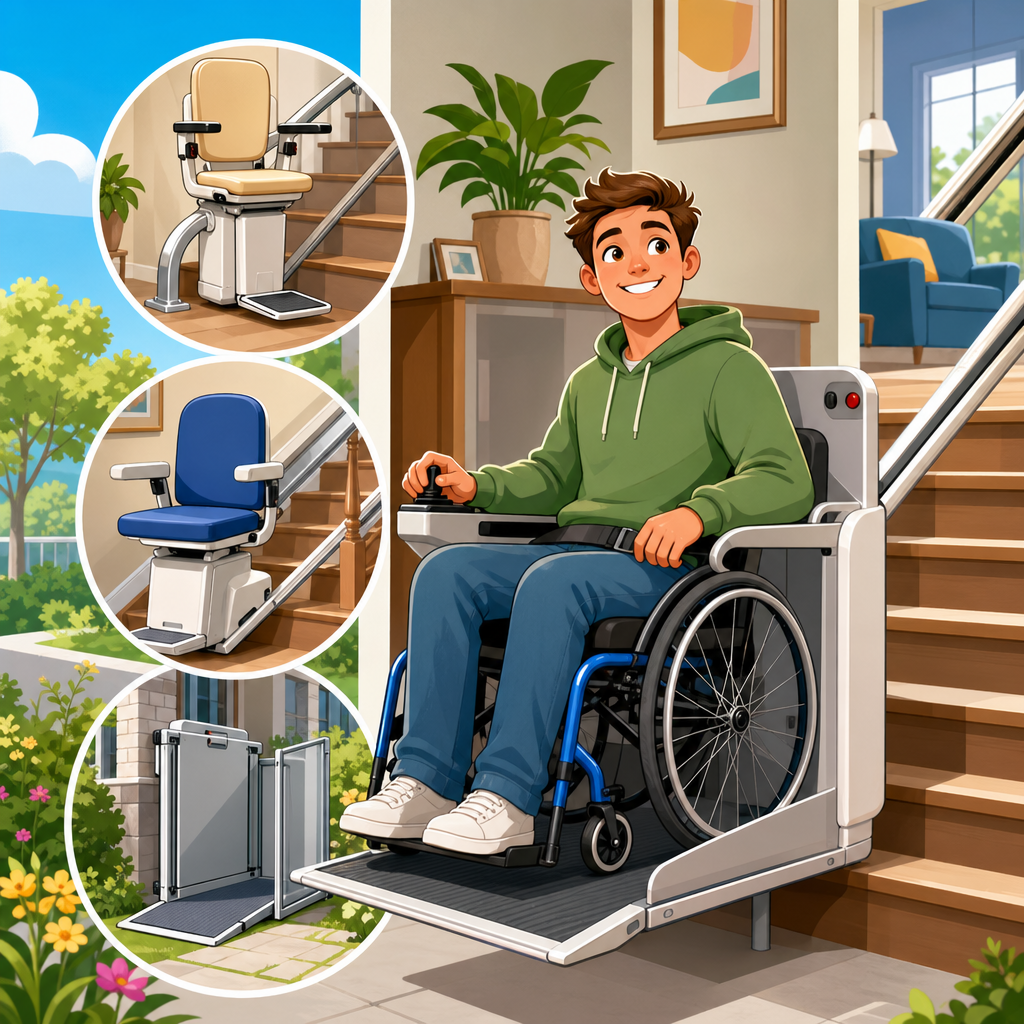
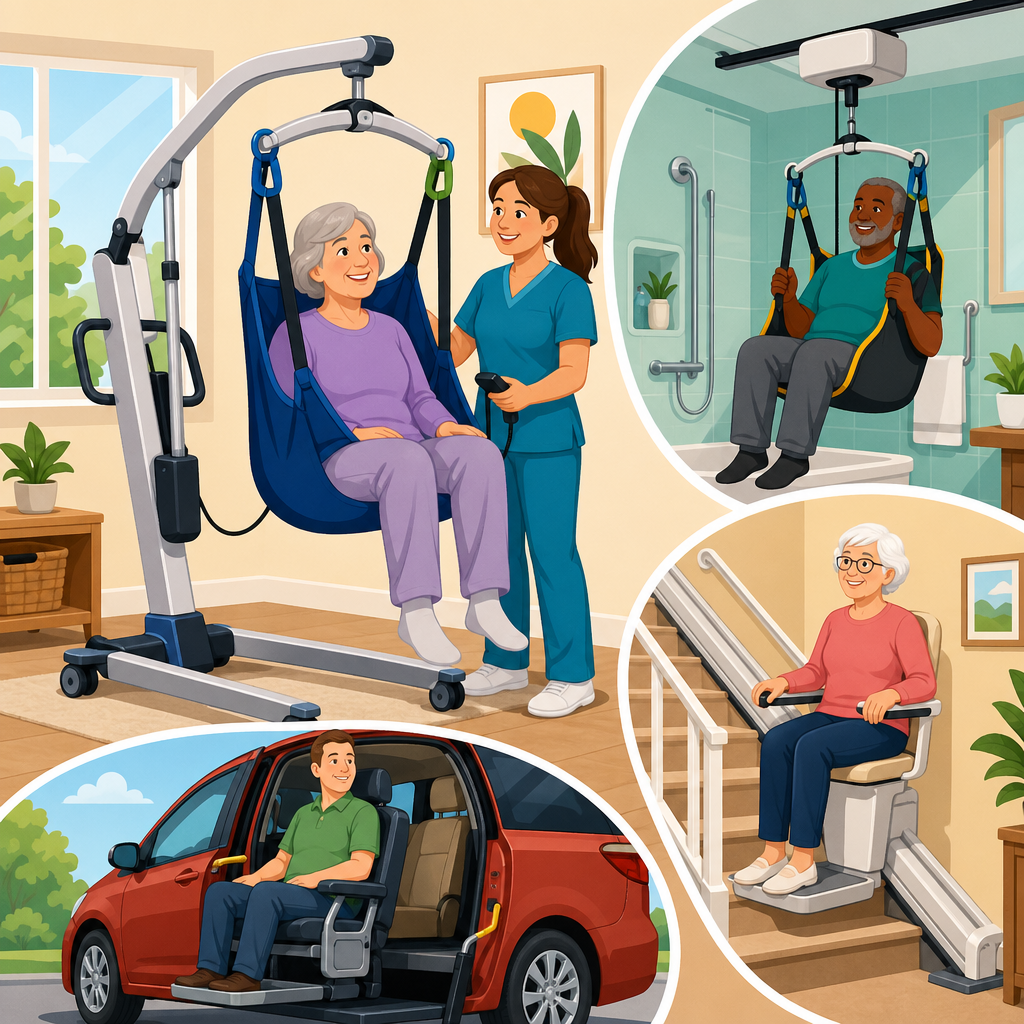
Used chair lifts typically last 8 to 15 years, but the real answer depends on the drive system, installation quality, maintenance history, battery condition, stair environment, and whether the unit was professionally refurbished or simply resold as-is. In my experience evaluating mobility equipment for homeowners and caregivers, lifespan is never just about age. A ten-year-old stair lift with documented service, fresh batteries, and a clean rail can outperform a newer neglected unit. For buyers researching used and refurbished chair lifts, understanding what “lasts” means is essential: it includes mechanical service life, battery replacement cycles, safety reliability, parts availability, and practical value after installation. This matters because a used stair lift can save thousands of dollars compared with buying new, yet a poor purchase can create repair delays, compatibility problems, and unexpected replacement costs. As a hub guide for used and refurbished chair lifts, this article explains typical lifespan, what shortens or extends it, how major components age, what refurbishment should include, and when buying used is smart versus risky.
What is the typical lifespan of a used chair lift?
A used chair lift usually has a remaining service life of 3 to 10 years, depending on how old it is when purchased and how well it was maintained before resale. Most modern stair lifts from established manufacturers are engineered for roughly 10 to 15 years of use, and some last longer with routine servicing. Indoor straight stair lifts generally last the longest because they have simpler rails, fewer custom parts, and less exposure to moisture or temperature swings. Curved stair lifts tend to have more variables because the rail is custom-built, transfer points may be more complex, and relocating the unit to a different home is often impractical. Outdoor units can also have shorter real-world lifespans if weather seals degrade or corrosion develops.
The best way to think about expected life is by component rather than by calendar year. The rail often lasts the longest. The carriage, motor, gearbox, seat swivel, charging contacts, call stations, and batteries age at different rates. Batteries are wear items and often need replacement every 2 to 5 years. Upholstery may look tired before the drive system does. A well-kept used Bruno, Harmar, Acorn, Handicare, or Stannah unit with available parts can continue operating dependably long after cosmetic wear appears. By contrast, an off-brand unit with no local service support may effectively be at end of life even if it still runs today.
What most affects how long a used stair lift will last?
Five factors determine used stair lift longevity more than anything else: original build quality, prior usage, maintenance consistency, installation quality, and parts support. Build quality matters because reputable manufacturers use better motors, controls, seat hardware, and diagnostic systems. Prior usage matters because the duty cycle is not the same in every home. A lift used twice daily by one person ages differently than a heavily used unit in a multigenerational household or care setting. Maintenance consistency is critical because debris on the rail, weak batteries, worn rollers, and dirty charging points force the motor and control system to work harder.
Installation quality is often underestimated. I have seen solid used units perform poorly because the rail was mounted out of tolerance, the charging stops were misaligned, or the seat was not leveled correctly. Even a durable model will wear faster if it binds on the track or repeatedly misses its charge point. Parts support is the final filter. A stair lift can only “last” if it can be repaired economically. Before recommending any used model, I check whether replacement batteries, seat switches, remote controls, footrest sensors, and board-level electronics are still supported by the manufacturer or a strong dealer network.
| Factor | How it affects lifespan | What buyers should verify |
|---|---|---|
| Manufacturer quality | Better motors, gearboxes, controls, and safety systems usually last longer | Brand reputation, model number, dealer support |
| Service history | Routine maintenance reduces wear and prevents breakdowns | Invoices, inspection records, battery replacements |
| Usage level | High daily use increases wear on drive and seat components | How many users, trips per day, rider weight range |
| Installation quality | Poor alignment causes extra strain and charging issues | Professional installation, rail condition, charging alignment |
| Environment | Humidity, dust, pets, and outdoor exposure accelerate deterioration | Indoor or outdoor use, corrosion, moisture exposure |
| Parts availability | Unsupported models become uneconomical to repair | Current parts catalog, local technician access |
Used vs. refurbished chair lifts: the lifespan difference
A used chair lift is not automatically a refurbished chair lift. That distinction has a direct effect on expected lifespan. A used unit sold as-is may only be cleaned, removed from one home, and reinstalled in another. A properly refurbished unit should be inspected, tested under load, fitted with new batteries, checked for rail wear, evaluated for motor noise and gear lash, and verified for all safety circuits including seat swivel interlocks, overspeed protection, obstruction sensors, and charging. When refurbishment is done correctly, the buyer is not resetting the clock to zero, but they are reducing the risk of near-term failure significantly.
In practice, a professionally refurbished straight stair lift often delivers 5 to 8 more years of dependable service if the base unit was in good condition and the model remains well supported. The reason is simple: the most failure-prone consumables are addressed before resale. That said, “refurbished” is not a regulated term in this market. Some sellers use it loosely to mean wiped down and tested once. Ask what was replaced, what was merely inspected, whether the rail is reused or new, and whether a warranty covers labor as well as parts. A six-month parts-only warranty on a heavily used unit is not the same as a one-year comprehensive warranty from an authorized dealer.
How long do key chair lift components last?
Batteries are usually the first component buyers will replace. Most battery-powered stair lifts use sealed lead-acid batteries housed in the base of the chair, and under normal charging conditions they often last 2 to 5 years. Repeatedly parking the lift away from its charge points, power outages, or a failed charger can shorten that significantly. Motors and gearboxes often last much longer, commonly 10 years or more, unless the unit has been overloaded, poorly maintained, or run with weak batteries that increase electrical strain. Rails can last well beyond the drive unit if they are not bent, pitted, or corroded. Straight rails are especially durable and easier to reuse.
Seats, armrests, and footrests usually age cosmetically before they fail structurally, though swivel latches and folding mechanisms do wear. Safety edges and obstruction sensors should be tested regularly because they are central to safe operation. Charging contacts can oxidize, remotes can fail, and control boards can become the deciding factor in whether an older lift is worth repairing. I pay close attention to electronic support on legacy models. If a board failure means sourcing discontinued electronics from salvage stock, the practical lifespan may be much shorter than the mechanical condition suggests. This is why older premium brands can still beat newer budget units: durable mechanics matter, but supportability matters just as much.
When does buying a used chair lift make financial sense?
Buying a used chair lift makes the most sense when the user needs a straight indoor lift, the home layout is standard, and a reputable local dealer can install and service the model. In that scenario, buyers often save substantially compared with buying new while still getting a reliable product. Straight lifts are modular, easier to remove and reinstall, and commonly stocked by dealers who refurbish them in volume. For a temporary need after surgery, for an elderly parent aging in place, or for a family testing whether a stair lift is the right long-term solution, used can be an efficient choice.
Used is less attractive for curved stairs because the rail is custom-fabricated to a specific staircase. Even if the chair unit itself is reusable, the rail often is not, which removes much of the cost advantage. Outdoor used lifts also require more scrutiny because sun, rain, freeze-thaw cycles, and insects can damage covers, switches, and connectors. If a buyer expects heavy daily use for many years, wants the latest seat ergonomics, or needs special features such as a powered hinge, perch seat, or higher weight capacity, a new unit may produce better long-term value despite the higher upfront price. The cheapest purchase price is not always the lowest lifetime cost.
How to tell whether a used or refurbished stair lift will last
The most reliable predictors are service records, manufacturer support, technician inspection results, and a realistic warranty. Ask for the exact model number and serial number. Verify whether the unit is still in production or at least still supported with parts. Ask when the batteries were replaced, whether the charger was tested, and whether the rail came from the same installation or was matched later. During inspection, listen for grinding, hesitation, clicking under load, or harsh starts and stops. The ride should be smooth, the seat should lock positively, and the lift should charge consistently at both ends if designed to do so.
Buyers should also inspect the context around the lift. Excessive pet hair, smoke residue, basement humidity, or rust on fasteners tells a story about storage and usage conditions. If the footrest safety edges are cracked, the upholstery is heavily compressed, or the remotes only work intermittently, there may be broader maintenance neglect. A reputable dealer should perform a final safety check in the home after installation, not just in the workshop. That includes confirming stair clearance, seat height, arm operation, battery charging, obstruction sensing, and user training. A lift that is technically operational but poorly fitted to the user can feel unreliable even when its components are sound.
Best practices to extend the life of a used chair lift
A used chair lift lasts longer when owners treat it as medical mobility equipment rather than a household appliance. Keep the rail clean and free of dust, pet fur, and spills. Park the chair on a charging point when it is not in use. Schedule annual service, even if the unit appears fine, because battery health, charging output, roller wear, and safety circuit performance are easier to correct early than after a failure. Follow the weight rating strictly and never allow children to play on the unit. If the lift begins beeping, slowing, or stopping short, arrange service promptly instead of continuing to use it until a larger problem develops.
For outdoor lifts, use the cover consistently and inspect for moisture intrusion and corrosion. During power outages, know how the model behaves and avoid draining the batteries completely. If the user’s mobility changes, reassess seat height, swivel operation, and transfer space at the top landing. Many reliability complaints actually stem from poor user fit rather than machine failure. When maintained correctly, a quality used or refurbished stair lift can provide safe daily service for years, especially in the straight indoor category. Explore related buying guides on refurbished stair lift warranties, stair lift battery replacement, and straight versus curved models, then compare local dealers before choosing a unit that matches your staircase, support needs, and expected length of use.
The practical answer to how long used chair lifts last is this: most quality units can deliver many additional years of service, but only when age, condition, refurbishment quality, and support network are evaluated together. Buyers should focus less on the sticker price and more on remaining life. A used lift with new batteries, a documented inspection, supported electronics, and expert installation is often a far better investment than a cheaper unit with an unknown history. Straight indoor models remain the safest segment for value-conscious shoppers because they are easier to refurbish, easier to service, and less dependent on custom fabrication.
The central benefit of buying used or refurbished is cost efficiency without giving up daily independence. For many households, that makes stair access possible sooner and with less financial strain. The key is disciplined screening: confirm parts availability, demand a real warranty, ask what refurbishment included, and work with a dealer who will service what they sell. If you are comparing used and refurbished chair lifts, use this guide as your starting point and move next to model-specific reviews, warranty comparisons, and local installation quotes so you can choose with confidence.
Frequently Asked Questions
How long does a used chair lift usually last?
Most used chair lifts last somewhere between 8 and 15 years, but that range is only a starting point. The actual lifespan depends on how the lift was built, how heavily it was used, how well it was maintained, and whether it was professionally refurbished before resale. In practical terms, a used stair lift that has been serviced regularly, kept on a clean rail, and fitted with strong batteries can continue operating reliably well beyond the average expectation. On the other hand, a unit that looks acceptable on the surface but has inconsistent maintenance records or worn electrical components may have much less life left in it.
Age alone does not tell the full story. A ten-year-old chair lift with documented service history and recent replacement of common wear items may be a better long-term value than a newer lift that was neglected. Buyers should think in terms of remaining service life rather than original manufacturing date. When evaluating durability, it is smart to ask about the motor, gearbox, batteries, charger, seat controls, rail condition, and the availability of replacement parts. Those details provide a much clearer picture of how long the used chair lift is likely to last in everyday use.
What factors have the biggest impact on the lifespan of a used chair lift?
Several factors matter, but the most important are the drive system, installation quality, maintenance history, battery condition, stair environment, and the condition of the rail and carriage. The drive system is critical because it handles the actual lifting and movement. A well-engineered system with a strong reputation for reliability will often hold up better over time than a lower-quality unit or an older model with hard-to-source parts. Installation quality is just as important. Even a durable lift can wear out faster if it was installed poorly, misaligned on the stairs, or adjusted incorrectly from the beginning.
Maintenance history is often the clearest indicator of expected longevity. Regular service helps catch battery weakness, charging problems, worn rollers, and developing mechanical issues before they turn into major failures. Batteries deserve special attention because many stair lifts rely on battery power even though they charge from household electricity. Weak or aging batteries can make a lift seem worse than it really is, while fresh batteries can significantly improve performance. The stair environment also matters more than many buyers realize. Dust, pet hair, humidity, corrosion, and frequent exposure to temperature swings can shorten the life of components, especially on units used near entryways or in less controlled indoor spaces. Finally, a professionally refurbished chair lift usually inspires more confidence than one sold as-is, because refurbishment often includes inspection, replacement of wear parts, testing, and safety verification.
Is a professionally refurbished chair lift likely to last longer than one sold as-is?
Yes, in most cases a professionally refurbished chair lift is more likely to offer a longer and more predictable remaining lifespan than a unit sold as-is. Refurbishment usually means the lift has been inspected by trained technicians, cleaned thoroughly, tested for safe operation, and updated with replacement parts where needed. That can include batteries, seat belts, switches, rollers, wiring connections, charging contacts, and sometimes cosmetic parts as well. The value is not just in making the unit look better. The real benefit is that refurbishment can reset many of the components most likely to cause trouble in the near term.
By contrast, an as-is chair lift may simply be removed from one home and resold with little or no detailed evaluation. It may still function, but the buyer often has less certainty about wear, reliability, and near-future repair needs. That uncertainty can make a low purchase price more expensive in the long run if service calls and replacement parts start adding up quickly. A refurbished lift also typically comes with better documentation and, in some cases, a limited warranty or dealer support. For buyers trying to balance safety, cost, and useful lifespan, refurbished equipment is usually the more dependable choice.
How can I tell whether a used chair lift still has plenty of life left in it?
The best way to judge remaining life is to look beyond appearance and focus on condition, service records, and operational performance. Start by asking for the make, model, approximate age, maintenance history, and whether the lift was refurbished. Then look for signs of professional care: smooth starts and stops, quiet travel, consistent speed, responsive controls, solid charging behavior, and no hesitation during operation. The seat should feel stable, the footrest should function properly, and the rail should be clean and securely mounted. Any grinding noises, jerky motion, weak battery behavior, or intermittent controls may point to wear that could shorten remaining lifespan.
It is also wise to ask whether replacement parts are still available for that specific model. A chair lift can only last as long as it can realistically be supported. Even if the unit runs today, an obsolete model with limited parts availability may have a shorter practical lifespan than a slightly older but widely supported brand. If possible, have the unit evaluated by a qualified stair lift technician before purchase. A professional inspection can reveal whether the batteries are near the end of life, whether the charger is functioning correctly, and whether major mechanical components are in good shape. That kind of review is often the most reliable way to estimate whether the lift has years of dependable use left or is approaching a more expensive stage of ownership.
What can I do to help a used chair lift last as long as possible?
The most effective step is to keep the lift on a regular maintenance schedule. Routine service helps ensure the batteries charge properly, the rail stays clean, the safety sensors function correctly, and the moving parts remain in good condition. Many problems that shorten lifespan start small, such as dirty charging contacts, weak batteries, or gradual wear in rollers and gears. Addressing those issues early can prevent larger mechanical failures and reduce stress on the system. Buyers should also follow the manufacturer or dealer recommendations for weight limits, parking position, and everyday operation.
Environment and daily care matter too. Keep the stairway clean and dry, remove dust and pet hair from the rail area, and avoid letting debris build up around the charging points. If the lift is near an exterior door or in an area with humidity or temperature swings, extra attention may be needed because moisture and dirt can shorten component life. It also helps to replace batteries proactively when performance starts to decline rather than waiting for complete failure. Most importantly, use a qualified technician for repairs or adjustments. A used chair lift can deliver many more years of safe service when it is properly installed, professionally maintained, and cared for with consistency rather than only being addressed when something stops working.