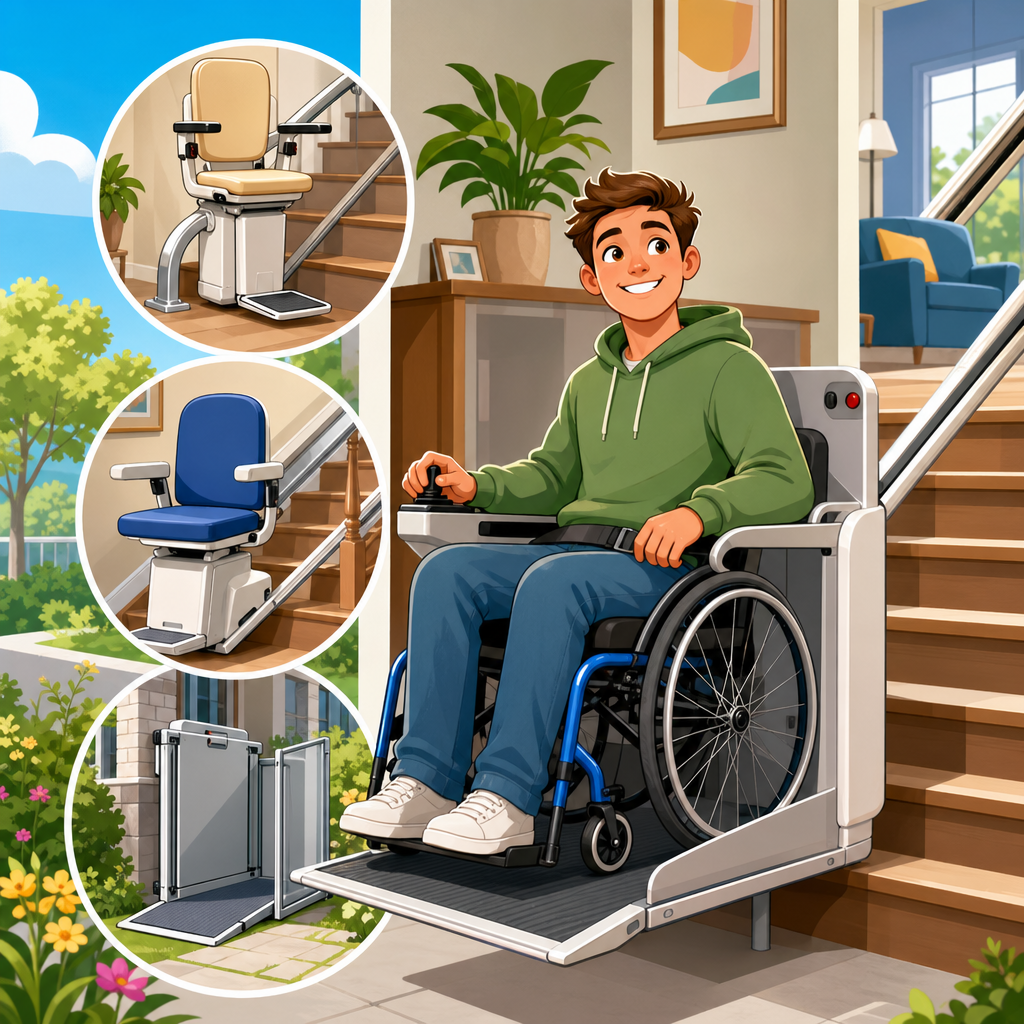
How much does a high-end chair lift really cost? In practice, the answer is broader than the sticker price on a showroom quote, because premium chair lifts combine custom engineering, installation complexity, long-term service, and design upgrades that basic units do not. A chair lift is a motorized seat that travels along a rail fixed to a staircase, allowing a person with limited mobility to move between floors safely and independently. In the premium segment, buyers are usually looking beyond simple transport. They want smoother starts and stops, quieter drive systems, higher weight capacities, power swivel seats, custom upholstery, advanced safety sensors, and rails built to fit curved, narrow, or architecturally distinctive stairs.
Cost matters because chair lifts are both a mobility device and a home modification. I have worked through quotes with families comparing standard models against luxury and custom systems, and the price gap can be surprising until you understand what is being purchased. A straight, high-end chair lift may start around $5,000 to $8,000 installed, while a premium curved model commonly lands between $12,000 and $25,000, with some complex projects exceeding that range. Those numbers reflect more than branding. They include rail fabrication, site measurement, electrical considerations, finish options, warranty coverage, and the service network behind the product.
For shoppers researching luxury and premium models, this page serves as a central guide. It explains what drives cost, where premium features add real value, how respected brands position their top-tier products, and which expenses are often missed during early budgeting. If you are comparing alternatives for a multi-story home, planning for aging in place, or trying to understand whether a premium chair lift is worth the investment, the sections below will give you a practical framework for evaluating total cost rather than only headline price.
What Counts as a High-End Chair Lift
A high-end chair lift is not simply the most expensive model on a dealer’s list. It is usually defined by customization, ride quality, materials, safety technology, and the level of engineering required for the staircase. Straight stair lifts can be premium if they include heavy-duty capacity, upgraded seating, folding footrests, power options, and extended warranties, but the luxury category is most visible in curved chair lifts. Curved systems are built to follow turns, intermediate landings, spiral sections, and staircases with unusual geometry. Because the rail is made to order from exact measurements, these installations occupy the top end of the market.
Premium models also prioritize user comfort in ways entry-level products often do not. Better seat ergonomics, adjustable arm width, retractable seat belts, padded or leather-like upholstery, and gentler acceleration matter when a rider uses the lift daily. In homes where appearance matters, manufacturers offer slimmer rails, hidden gear racks, parking stations away from the main staircase, and upholstery colors intended to blend into upscale interiors. Those refinements do not always change mobility outcomes, but they can change daily satisfaction and household acceptance, which is often the deciding factor in a purchase.
Leading brands in the premium category commonly include Stannah, Bruno, Handicare, Savaria, Harmar, and Access BDD, though product availability depends on region and dealer support. The best choice is not always the brand with the longest feature list. In real buying situations, I have seen service coverage, local technician availability, and rail lead times matter more than one extra seat option. A luxury chair lift should deliver a reliable, comfortable ride for years. If the dealer cannot support maintenance quickly, a premium specification loses value fast.
Typical Price Ranges for Luxury and Premium Models
Most buyers want a fast answer: what should they budget? For a premium straight chair lift, expect roughly $5,000 to $8,000 installed, with some heavy-duty or highly featured units reaching $9,000 or more. For a luxury curved chair lift, the usual installed range is $12,000 to $25,000. Highly complex staircases, long travel distances, multiple parking bends, or architecturally sensitive projects can push pricing above $30,000. Outdoor premium chair lifts, especially when built with weather-resistant finishes and custom rail geometry, often cost more than equivalent indoor straight models.
Those ranges are consistent with how the market is structured. Straight lifts use modular rails and standardized configurations, which keeps manufacturing and installation simpler. Curved lifts require a survey, digital measurement, computer-aided design, custom rail manufacturing, shipping, and more involved fitting. That is why two chair lifts from the same manufacturer can differ in price by tens of thousands of dollars. Buyers are not paying only for the seat; they are paying for a custom mobility system designed for one staircase in one home.
| Chair lift type | Typical installed cost | What usually drives the price |
|---|---|---|
| Premium straight | $5,000 to $8,000 | Power features, weight capacity, seat upgrades, warranty, dealer support |
| Luxury straight heavy-duty | $7,000 to $9,500+ | Wider seat, reinforced chassis, higher capacity, larger motor package |
| Premium curved | $12,000 to $25,000 | Custom rail fabrication, turns, landings, rail length, installation time |
| Complex curved or multi-landing | $20,000 to $35,000+ | Multiple bends, narrow stair geometry, bespoke parking, finish customization |
| Premium outdoor | $6,500 to $15,000+ | Weatherproofing, covers, corrosion resistance, exterior electrical conditions |
Used and refurbished units can lower cost, but the premium segment offers fewer bargains than buyers expect. Refurbished straight lifts are relatively common because rails can be reused or cut to fit. Refurbished curved lifts are harder to source because the rail was fabricated for another staircase. If a dealer offers a reconditioned curved system, verify exactly which components are reused, what warranty is included, and whether the rail is newly made. In many cases, a “discount” luxury curved lift still requires a new rail, leaving only moderate savings.
What Actually Drives the Cost Up
The biggest cost driver is staircase design. A straight staircase with no turns is mechanically simple. A staircase with ninety-degree bends, half-landings, tapered treads, or a spiral path requires a custom rail and often more detailed planning to preserve walking space. Rail complexity affects engineering, manufacturing, and installation labor at the same time. The longer and more intricate the route, the more expensive the project becomes.
Second is the specification of the chair itself. Power swivel seats help users exit safely at the top landing, especially when balance is limited. Powered footrests reduce the need to bend. Larger seats, higher backrests, and wider arm spacing improve comfort but increase component cost. Heavy-duty lifts with capacities around 350 to 600 pounds require stronger frames and sometimes different seat geometry. Premium drive systems also tend to be quieter and smoother, often using battery-powered operation with automatic charging points and refined transmission design.
Third is installation environment. Narrow staircases may require offset rails, folding components, or especially precise placement to maintain code-compliant egress where applicable. Homes with delicate finishes, stone stair treads, or tight hallway transitions require more care and time. Electrical access can add cost if a nearby outlet is not available or if ancillary work is needed. In most homes, stair lifts run from batteries charged at the rail, but the charger still needs proper power. Outdoor systems add weatherproof controls, sealed components, and corrosion-resistant materials that raise both manufacturing and service costs.
Finally, premium pricing reflects the dealer relationship. Top dealers provide in-home assessments, measurement with photographic documentation or digital surveying, installation by certified technicians, post-installation adjustments, and ongoing maintenance support. This is not wasted overhead. When a mobility device fails, response time matters. A lower quote from a weak service network can become more expensive if repairs are delayed or parts availability is poor.
Features Worth Paying for in Luxury Models
Not every upgrade deserves the premium attached to it. In my experience, the features that justify their cost are the ones that improve safety, usability, and long-term comfort every single day. A powered swivel seat is one of them, especially at the top of the stairs where a rider must dismount without twisting awkwardly. A powered footrest is another strong value feature for users with limited hip mobility or back pain. Battery backup is effectively essential, not optional, because it allows operation during a power outage and has become standard on reputable models.
Ride quality matters more than shoppers expect. Premium lifts typically start and stop more gently, reducing the jolt that can unsettle frail riders. Better seat padding, adjustable armrests, and a secure but easy-to-use seat belt can make the difference between a device someone tolerates and one they use confidently. For couples planning long-term aging in place, that confidence is part of the return on investment. A lift that feels unstable, noisy, or uncomfortable often gets underused, which defeats the purpose of buying it.
Aesthetic upgrades are more subjective, but they are not trivial. In high-value homes, buyers often care about rail color, upholstery finish, parked position, and how much the unit intrudes into the stairway. Some premium manufacturers offer slimmer folded profiles or rail overruns that move the chair away from the main landing. That can improve both safety and visual impact. Still, visual upgrades should come after function. I advise buyers to prioritize fit, service, and safety first, then spend on design if the budget allows.
Hidden Costs, Ownership Costs, and Financing
The most common budgeting mistake is assuming installation is the final number. Ask whether the quote includes site survey, rail fabrication, shipping, installation, disposal of packaging, user training, and warranty registration. Also ask about future costs: annual service, battery replacement, parts coverage after the initial warranty, and call-out fees. Stair lift batteries typically last several years, but replacement is a predictable ownership expense. Premium lifts are reliable, yet all mechanical systems eventually need adjustment or maintenance.
Another overlooked expense is home readiness. The staircase itself usually does not need structural modification, because the rail mounts to the treads rather than the wall, but surrounding conditions can add work. Examples include moving a handrail, improving lighting, clearing furniture near landings, or adding an electrical outlet. Outdoor installations may need weather protection planning and more frequent inspection. None of these items is dramatic, but together they affect the true project budget.
Insurance and public funding vary widely. In the United States, Medicare generally does not cover chair lifts because they are considered home modifications rather than durable medical equipment under standard rules. Medicaid waiver programs, Veterans Affairs benefits, state assistive technology programs, or local nonprofit grants may help in some cases. In the United Kingdom, Disabled Facilities Grants can contribute for eligible applicants, though means testing and local authority processes apply. Many dealers also offer financing, including installment plans or partnerships with medical financing providers. Financing can make a premium lift affordable sooner, but compare interest cost against expected use and the possibility of future relocation.
How to Evaluate Value Before You Buy
The best way to judge a high-end chair lift is to compare total value, not just the top-line quote. Start with staircase suitability: is the proposed rail design clean, safe, and minimally intrusive? Then review comfort and transfer safety: can the user sit, ride, swivel, and stand without strain? Next examine service support: how many technicians does the dealer have, what are typical response times, and are parts stocked locally? Finally, compare warranty terms carefully. A longer warranty is useful only if labor, drivetrain, batteries, and electronics are clearly defined.
Request an in-home assessment from at least two qualified dealers. During the visit, pay attention to how thoroughly they measure, whether they ask about diagnosis and mobility changes, and whether they discuss future needs such as walker use, weight fluctuation, or caregiver assistance. Good dealers talk through parking positions, charging points, obstruction sensors, and emergency lowering procedures in plain language. They do not rush to a quote without understanding the rider and the home.
As a hub for luxury and premium models, the core takeaway is simple: a high-end chair lift really costs whatever it takes to deliver safe, comfortable, reliable mobility on your specific staircase. For some homes, that means a well-equipped straight lift at the lower end of premium pricing. For others, it means a fully custom curved system with complex rail geometry and a correspondingly higher budget. The smartest buyers focus on fit, service, and daily usability first, then compare refinements and financing. If you are building your shortlist now, use this guide as your starting point and move next to detailed brand reviews, curved-versus-straight comparisons, and installation checklists before requesting final quotes.
Frequently Asked Questions
What is the typical price range for a high-end chair lift?
A high-end chair lift typically costs far more than an entry-level unit because the final number reflects much more than the chair itself. In many cases, premium straight stair lifts begin around the upper end of the standard market and can move well into a higher price tier once upgraded upholstery, power swivel seats, folding rails, premium safety features, and enhanced warranties are included. For curved staircases, the cost rises substantially because the rail is usually custom built to the exact dimensions and turns of the home’s staircase. That means a luxury curved model can cost several times more than a straight lift.
In practical terms, buyers should think in terms of a complete project price rather than a base quote. The total often includes the chair, rail, customization, delivery, installation, electrical setup or charging configuration, and any premium options chosen for comfort or aesthetics. Homes with multiple landings, narrow stairs, complex turns, or design-sensitive interiors tend to push the price higher. If you are shopping in the premium segment, it is reasonable to expect the total investment to reflect custom engineering, smoother ride quality, quieter operation, higher weight capacities, and more refined finishes than lower-cost alternatives.
Why do high-end chair lifts cost so much more than basic models?
The biggest reason is customization. A basic chair lift is often built around standard dimensions and limited features, while a high-end unit is designed to fit the user, the staircase, and the home much more precisely. Premium models frequently include custom rail fabrication, advanced diagnostic systems, softer start-and-stop technology, better seat ergonomics, upgraded materials, and cleaner visual design. Those improvements increase manufacturing complexity and, in many cases, improve long-term comfort and reliability.
Another major factor is installation difficulty. Straight staircases are generally simpler and faster to fit, but curved staircases, split landings, narrow passages, and unusual architectural details require careful measurement, engineering, and specialized installation. Premium manufacturers also tend to invest more in safety systems, battery backup, obstruction sensors, seat locking mechanisms, and smoother drive systems. Add in white-glove service, stronger dealer support, longer warranties, and access to future maintenance, and the higher price starts to make sense. In other words, you are not only paying for transportation up the stairs; you are paying for fit, performance, durability, and peace of mind.
What extra costs should I expect beyond the initial chair lift quote?
This is one of the most important questions to ask because the advertised number is not always the true project cost. Beyond the base unit, buyers may pay for custom rail design, professional measurement, installation labor, stair or landing modifications, upgraded seating, power folding footrests, call/send controls, retractable rails, and finish options chosen to better match the home. In premium installations, small upgrades can add up quickly, especially when they are bundled into a comfort or convenience package.
There are also long-term ownership costs to consider. These may include annual maintenance, service visits outside of warranty, battery replacement over time, and repairs once the original coverage expires. Some homeowners also choose extended service agreements, which increase the upfront or ongoing cost but can reduce surprise expenses later. If the home has a challenging staircase or if the homeowner wants the lift to blend into a luxury interior, the quote may also reflect design-sensitive modifications. The best approach is to request a fully itemized estimate and ask specifically what is included, what is optional, and what could change after the installer performs an on-site assessment.
Is a high-end chair lift worth the investment compared with a standard model?
For many buyers, yes, especially when the staircase is complex, the user plans to rely on the lift every day, or the home demands a less obtrusive and more polished design. A premium chair lift often delivers a smoother ride, quieter operation, better safety features, and a more comfortable seat, which can make a meaningful difference for someone with pain, limited balance, or reduced stamina. If the person using the lift has very specific mobility needs, those added features are not just luxury upgrades; they may be essential to safe, independent use.
High-end models can also make sense from a practical homeownership perspective. Better build quality and stronger service support may translate into fewer disruptions and more dependable long-term performance. In homes where appearance matters, premium designs are often more compact, more attractive, and easier to integrate with existing décor. While the upfront price is higher, the value may come from daily convenience, reduced physical strain, lower risk of falls, and the ability to stay in a multilevel home longer. The right choice depends on the user’s needs, the staircase layout, and how important comfort, aesthetics, and reliability are over the long run.
How can I tell whether a chair lift quote is fair and complete?
A fair quote should be detailed, transparent, and specific to your staircase and mobility needs. It should clearly separate the cost of the lift itself from the cost of rail fabrication, installation, upgrades, warranty coverage, and any optional accessories. If a company gives a price without measuring the staircase or asking detailed questions about the user, treat that as a warning sign. Premium chair lifts are highly dependent on the staircase configuration, and accurate pricing usually requires an in-home evaluation.
It is also wise to compare several quotes, but not just by looking at the bottom-line number. Ask what brand and model is being proposed, whether the rail is custom made, what the warranty covers, how quickly service is available, and whether future maintenance is provided locally. Find out if the quote includes removal of packaging, user training, follow-up service, and replacement parts support. The lowest quote is not always the best value if it leaves out critical features or after-sales care. A complete, fair estimate should help you understand exactly what you are buying, why it costs what it does, and what kind of support you can expect after installation.