Wheelchair platform lift cost for a home usually falls between $5,000 and $20,000 installed, but the final number depends on lift type, travel distance, structural work, electrical upgrades, code requirements, and whether the project is for indoor or outdoor use. Homeowners often start by asking a simpler question: how much do chair lifts cost? The answer is useful, but it is not the same as the price of a wheelchair platform lift. A chair lift carries a seated rider on a rail, while a wheelchair platform lift carries both the rider and the wheelchair on a platform. That difference changes equipment size, motor requirements, safety systems, and installation complexity, which is why platform lifts typically cost more than chair lifts.
I have helped families compare both options, and the biggest mistake I see is budgeting only for the unit itself. The quoted lift price is just one part of the project. The total cost may also include permits, delivery, site preparation, battery backup, gate interlocks, weather protection, concrete pads, and annual service. Because this page serves as the hub for wheelchair lift pricing and chair lift cost comparisons, it is important to define the core terms clearly. A vertical platform lift, often called a VPL, travels straight up and down like a compact elevator for short rises. An inclined platform lift, or IPL, moves along a staircase. A stair lift, often called a chair lift, carries a seated passenger rather than a wheelchair user.
This distinction matters because each product solves a different accessibility problem. If a user can transfer safely from a wheelchair to a seat, a stair lift may be the lower-cost choice. If independent wheelchair access is the goal, a platform lift is usually the correct answer. Cost matters because these projects are significant household investments, often undertaken after an injury, diagnosis, surgery, or aging-in-place decision. Getting the numbers right helps families avoid delays, choose practical financing, and invest in equipment that meets both mobility needs and local code. A good buying process looks beyond price alone and focuses on safe access, long-term reliability, and total ownership cost.
Average wheelchair platform lift cost for a home
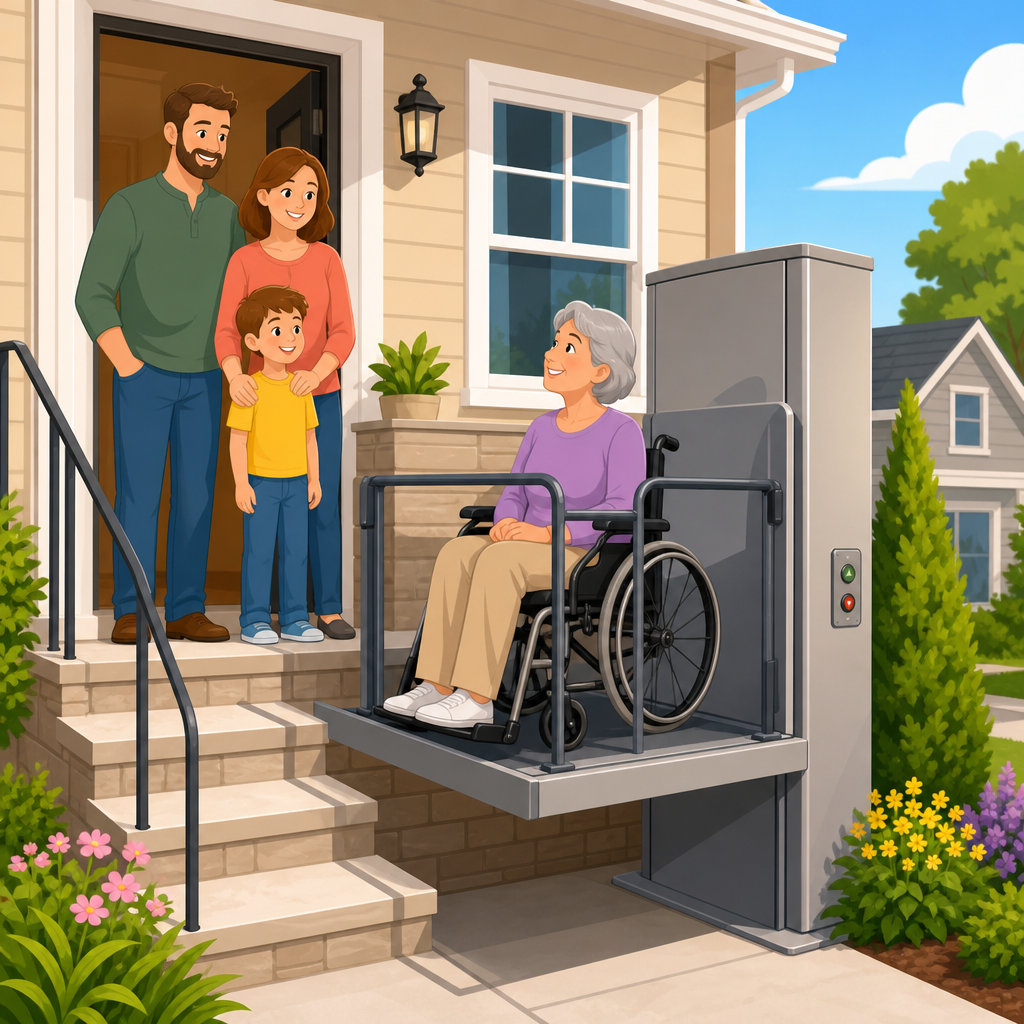
The average wheelchair platform lift cost for a home depends first on whether the lift is vertical or inclined. Most residential vertical platform lifts cost about $10,000 to $18,000 installed for common applications such as a porch, garage entry, split-level landing, or short interior rise. Basic models serving a rise of a few feet can come in closer to $5,000 to $9,000 before installation, but after labor, permits, and site work, many homeowners still land above $10,000 total. More customized or higher-travel systems can exceed $20,000, especially when weatherproofing, enclosures, or difficult access are involved.
Inclined platform lifts usually cost more than stair lifts and can rival or exceed vertical lift pricing because they require a rail system along the staircase, larger folded clearances, and careful integration with landings and egress paths. Residential inclined platform lift projects often begin around $12,000 and can move well beyond $25,000 depending on stair length, turns, and code constraints. Straight stairs are simpler. Curved stairs are substantially more expensive because they often require custom engineering and fabrication.
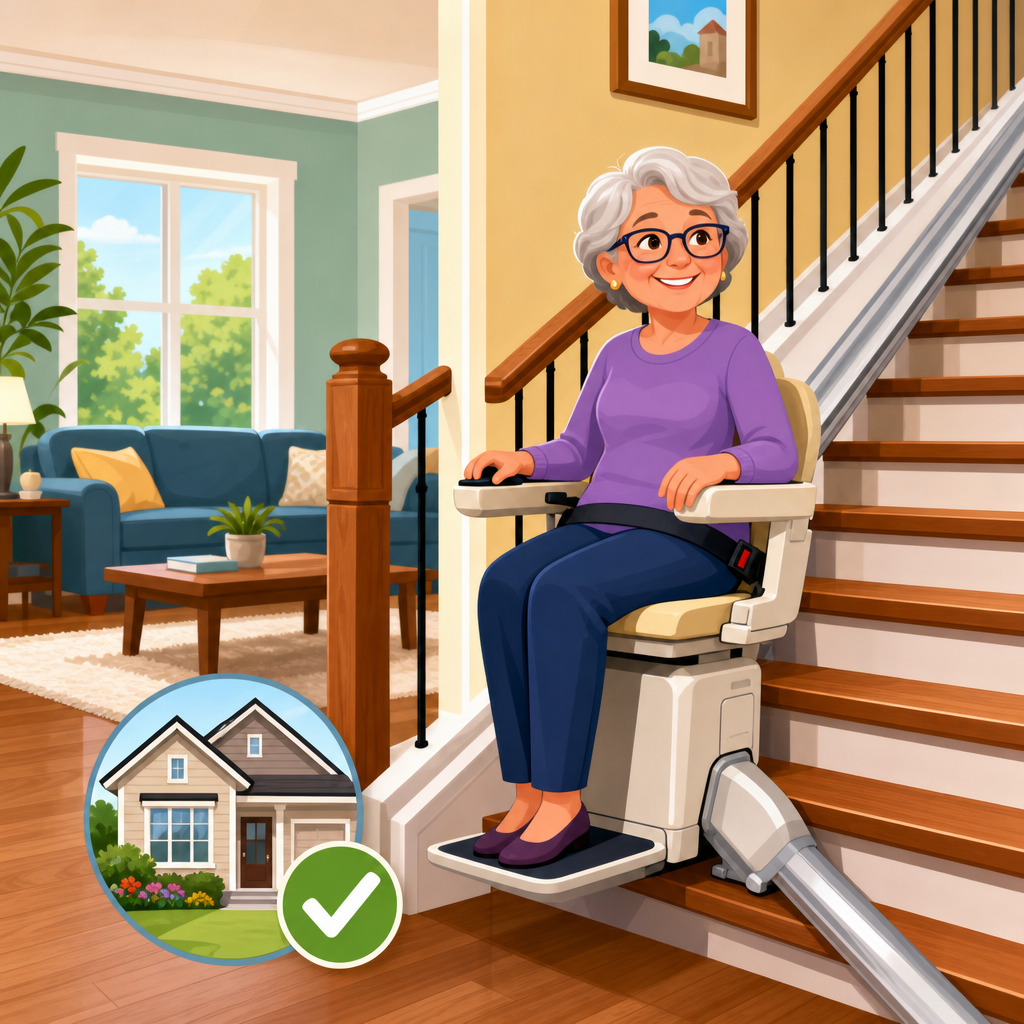
By comparison, homeowners researching how much do chair lifts cost will usually see lower starting numbers. Standard straight stair lifts often range from roughly $3,000 to $6,000 installed, while curved stair lifts commonly land between $10,000 and $20,000 or more. That price gap explains why some households first explore chair lifts before moving to platform lifts. However, if the user cannot transfer safely, a cheaper chair lift is not a true substitute. The correct comparison is not only purchase price but whether the equipment actually provides safe, independent access.
What drives the final installed price
In real projects, six variables determine most of the cost. First is travel height or stair length. A short porch rise costs less than a lift serving a tall deck or split-level interior. Second is the installation environment. Indoor projects are often easier, while outdoor lifts may need corrosion-resistant finishes, drainage planning, heaters, or covers. Third is structural work. Some homes need a concrete pad, landing reconstruction, or reinforcement at gates and approach areas. Fourth is power. Many lifts need a dedicated electrical circuit installed by a licensed electrician.
Fifth is code compliance. Local jurisdictions may require permits, inspections, specific gate configurations, call stations, emergency lowering features, and clear landing dimensions. Residential platform lift rules vary by state and municipality, but installers commonly work from ASME A18.1, the primary safety standard covering platform lifts and stairway chairlifts in the United States. Sixth is customization. Common add-ons include larger platforms for power wheelchairs, automatic folding ramps, key controls, remote call/send stations, and battery lowering systems.
Brand also affects price, though not always in the way buyers expect. Established manufacturers such as Bruno, Harmar, Savaria, and Garaventa have recognizable dealer networks, parts availability, and service procedures. That can increase the initial quote, but it often lowers long-term ownership risk. I have seen low-priced units become expensive when replacement parts are hard to source or when local service support is weak. A home accessibility lift is only as useful as the company that can maintain it after installation.
Typical price ranges by lift type and project scope
| Lift type | Typical installed cost | Best use case | Main cost drivers |
|---|---|---|---|
| Straight stair lift | $3,000 to $6,000 | User can transfer to a seat | Stair length, seat options, power supply |
| Curved stair lift | $10,000 to $20,000+ | Stairs with turns or landings | Custom rail fabrication, complexity |
| Vertical platform lift | $10,000 to $18,000 typical | Porches, garages, short rises | Travel height, pad, gates, permits |
| Inclined platform lift | $12,000 to $25,000+ | Wheelchair travel along stairs | Rail design, stair geometry, code issues |
| Enclosed or highly customized platform lift | $20,000 to $40,000+ | Weather-exposed or premium access projects | Enclosure, finishes, electrical, structural work |
These ranges are realistic planning numbers, not universal rules. A simple garage-entry VPL with minimal site work may come in below the average. A deck access project with a new landing, electrical trenching, and permit delays can exceed it quickly. The safest budgeting approach is to ask each dealer for an itemized proposal showing equipment, installation labor, electrical work, permits, freight, and any exclusions. That is where cost surprises usually hide.
Indoor versus outdoor wheelchair lift costs
Indoor wheelchair platform lift installations are often less expensive because the environment is controlled. There is less exposure to rain, snow, ice, and ultraviolet damage, so the lift may not need as much protective treatment. Interior projects also avoid some drainage and frost concerns. Even so, indoor work can become expensive when hallways are tight, floor finishes need modification, or the lift must fit around existing framing and door swings. Split-level homes are a common example. The lift rise may be short, but fitting safe landings into a compact footprint takes planning.
Outdoor wheelchair lift costs tend to run higher because the installation has to survive weather year-round. In northern climates, homeowners may need a concrete pad below frost depth, non-slip surfaces, weather-resistant controls, and a cover or partial enclosure. In coastal areas, corrosion resistance matters even more. A less expensive unit with weaker finishes can age fast outdoors, especially near salt air. When I review outdoor quotes, I pay close attention to finish specifications, operating temperature range, and warranty language on exterior use.
One practical example is a front porch project with a 48-inch rise. The lift itself might fit a midrange budget, but if the approach path needs new concrete, handrail changes, and a dedicated circuit from the basement panel to the exterior, the total can jump by several thousand dollars. That is normal. The lift is part of a larger accessibility system, not a standalone appliance.
Installation, permits, and hidden costs homeowners miss
Installation labor often adds several thousand dollars, and hidden costs usually come from work outside the lift package. Electrical is one of the most common examples. Some lifts can run on standard residential power with battery-assisted operation, while others require specific dedicated circuits. A licensed electrician may need to add a breaker, route conduit, or upgrade a subpanel. Site prep is another frequent expense. Installers may require a level concrete slab, sufficient overhead clearance, and precise landing dimensions before they can schedule the job.
Permits and inspections vary widely. Some towns treat residential platform lifts much like other accessibility equipment, while others review them closely for life-safety compliance. Homeowners should also expect possible charges for freight, crane handling in difficult locations, demolition of old steps or rails, and finish carpentry after installation. If a lift is being added during a renovation, costs can be lower because trades are already on site. Retrofitting into an occupied home is usually more expensive.
Maintenance matters too. Annual service plans often range from a few hundred dollars to more, depending on use and travel distance. Batteries, if included, need periodic replacement. Outdoor lifts may need more frequent cleaning and inspection. These are not reasons to avoid a lift; they are reasons to budget honestly from the start.
Financing options, insurance realities, and ways to reduce cost
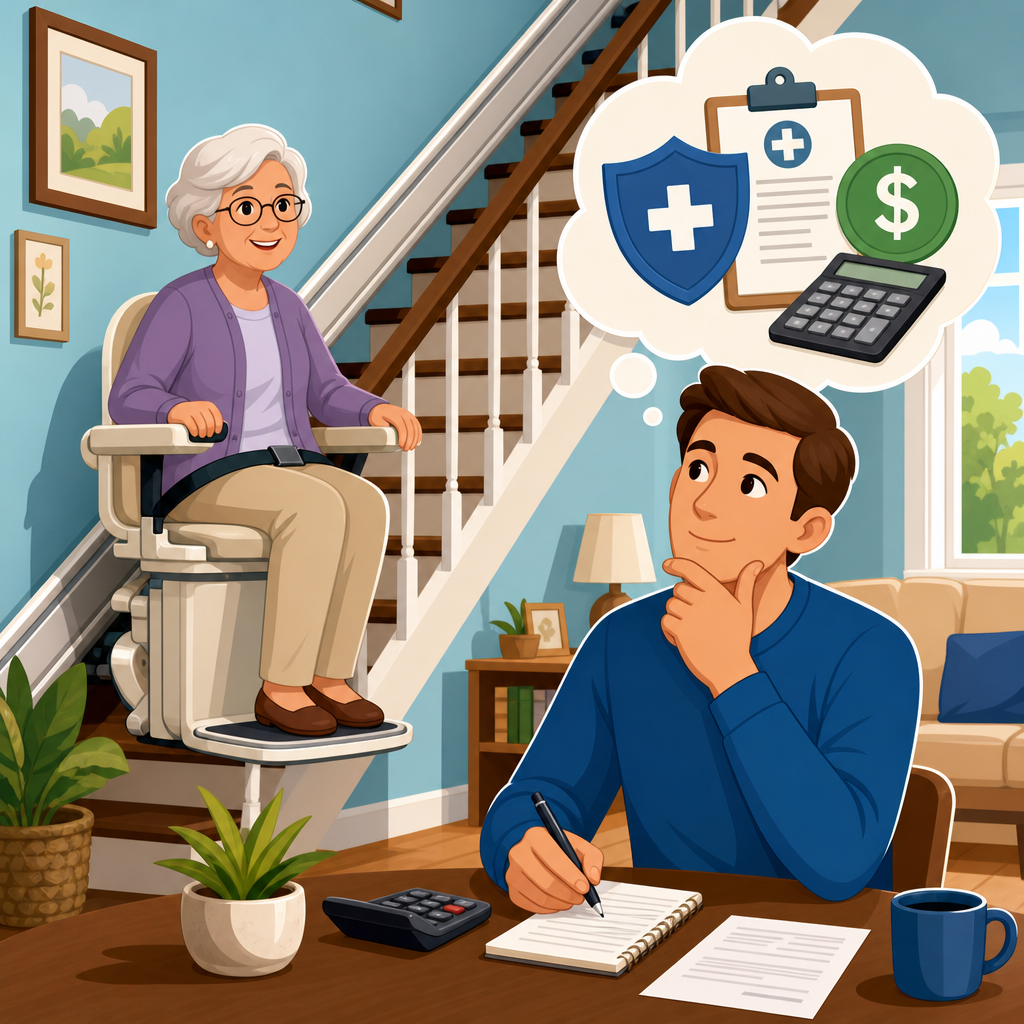
Most homeowners pay for platform lifts through savings, home equity, medical financing, or a combination of sources. Medicare generally does not cover home wheelchair platform lifts because they are considered home modifications rather than durable medical equipment in the usual sense. Medicaid waiver programs may help in some states, especially when the lift prevents institutional placement. Veterans may qualify for housing-related accessibility grants through the Department of Veterans Affairs, including programs that support disability adaptations. Nonprofit and state assistive technology programs can also offer loans or reused equipment referrals.
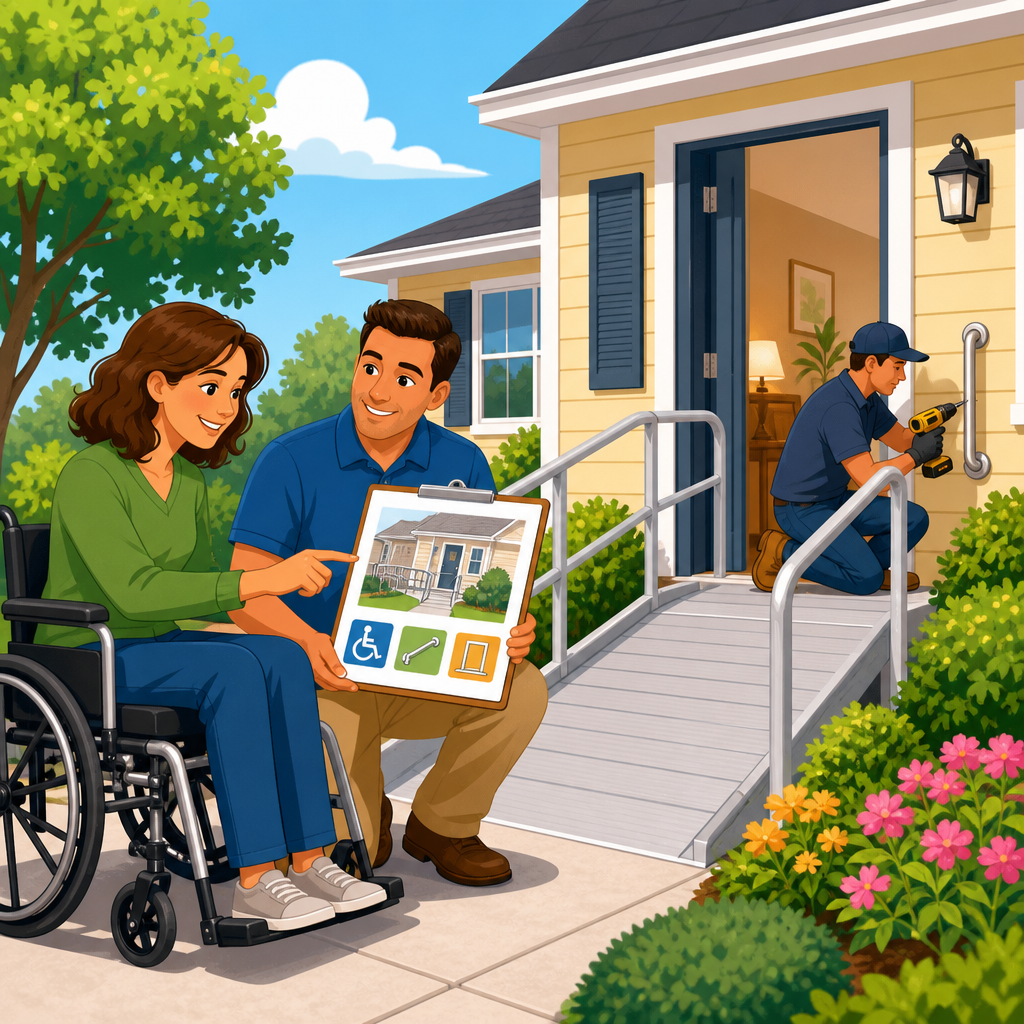
To reduce cost, ask whether a vertical platform lift can solve the need instead of an inclined model, because straight vertical travel is often simpler and cheaper. Also ask whether the project can share labor with another renovation, such as a porch rebuild or garage conversion. In some cases, a ramp may cost less for a very short rise, but ramps require substantial horizontal space because ADA slope guidance for public settings is 1:12. Even where residential code does not require that exact ratio, usable ramps still take room, and long ramps can be tiring or unsafe in bad weather.
When homeowners ask me how much do chair lifts cost compared with wheelchair lifts, I tell them to begin with the user’s physical ability, not the product brochure. If the person can transfer and the staircase geometry is favorable, a chair lift may preserve budget. If not, stretching for a true platform lift often avoids a costly mismatch. Get at least three quotes, compare warranty and service support, and request a clear scope of work before signing. The right lift improves access every day; the wrong buying decision creates risk, frustration, and avoidable expense.
The cost of a wheelchair platform lift for a home is best understood as a range shaped by access needs, site conditions, and compliance requirements. Most homeowners should plan around $10,000 to $18,000 for a typical residential vertical platform lift, with simpler jobs sometimes lower and customized or inclined systems considerably higher. Chair lifts usually cost less, but they solve a different problem and are only appropriate when transfer to a seat is safe and realistic.
The most important takeaway is that installed cost matters more than sticker price. Equipment, labor, electrical work, permits, structural preparation, and long-term service all influence the real budget. Buyers who ask detailed questions early usually avoid the most expensive surprises later. They also choose equipment that fits the user, the house, and local requirements instead of forcing a low-cost product into the wrong application.
If you are planning a mobility project, use this page as your starting point for comparing wheelchair platform lifts and chair lifts across the full Cost and Financing Options topic. Gather itemized quotes, confirm code and service support, and match the lift to the user’s daily needs. That approach leads to safer access, smarter spending, and a home that works better for the long term.
Frequently Asked Questions
How much does a wheelchair platform lift cost for a home?
In most residential projects, a wheelchair platform lift for a home costs about $5,000 to $20,000 installed. That range covers many common situations, but the final price depends on the exact lift configuration and the work required to make the lift safe, reliable, and code-compliant. A basic lift with short travel and minimal site preparation will usually land near the lower end of the range, while a larger unit with more vertical rise, weatherproofing, custom gates, and added construction can move well above it.
It helps to think of the total cost in two parts: the equipment itself and the installation-related work. The equipment price can vary based on platform size, lifting capacity, drive system, safety features, and whether the lift is designed for indoor or outdoor use. Installation costs may include concrete work, landings, electrical service, permits, inspections, and any structural modifications needed to support the lift or provide proper access. Because of these variables, two homes can receive very different quotes even if the lifts seem similar at first glance.
Homeowners often compare this question to “how much do chair lifts cost?” but that comparison only goes so far. A chair lift carries a seated rider along a rail, while a wheelchair platform lift carries both the wheelchair and the user on a platform. That difference in design, size, load capacity, and safety requirements is a major reason platform lifts generally cost more than chair lifts.
What factors have the biggest impact on the final price of a residential wheelchair platform lift?
Several factors can change the final installed cost, and some of them are more significant than homeowners expect. One of the biggest is travel distance, meaning how high the lift needs to go. A short rise from a porch to a doorway is usually much less expensive than a lift that needs to serve a taller deck or multiple entry levels. The lift type also matters. Vertical platform lifts, inclined platform lifts, and specialty configurations each come with different equipment and installation demands.
Another major price driver is structural work. If the home already has a suitable slab, landing, and clear access, installation is often more straightforward. If not, the project may require a new concrete pad, framing changes, platform extensions, handrails, gates, or weather protection. Electrical upgrades can also add cost, especially if a dedicated circuit is needed or if the current panel requires modification to support the equipment safely.
Code requirements and permitting are also important. Residential accessibility equipment must typically meet local building and safety standards, and those standards vary by location. In some jurisdictions, there may be specific rules about gates, enclosures, emergency lowering systems, call stations, or lift placement. Outdoor lifts can cost more because they may need corrosion-resistant finishes, drain considerations, and components designed to handle rain, heat, cold, or snow. In short, the lowest equipment price rarely tells the whole story; the site conditions and compliance requirements often determine the real budget.
Is a wheelchair platform lift more expensive than a chair lift, and why are they priced differently?
Yes, in most cases a wheelchair platform lift is more expensive than a chair lift, and the reason comes down to function and engineering. A chair lift is built to move one seated person along a rail, usually on a staircase. It is a relatively compact system with a smaller footprint and lower carrying demands. A wheelchair platform lift, by contrast, must support the weight of both the wheelchair and the user, provide enough platform space for safe entry and exit, include barriers or gates, and meet stricter accessibility and safety expectations.
That added complexity affects both equipment and installation costs. Platform lifts require stronger lifting mechanisms, larger structural components, and more robust safety systems. They also often need more site preparation than chair lifts because they are typically installed at exterior entries, porches, garages, or interior level changes where landings, electrical work, and code compliance become larger parts of the project. Even when homeowners begin by researching chair lift pricing, they should be careful not to use those numbers as a direct estimate for a wheelchair platform lift.
The right choice depends on the mobility need. If a person can transfer safely into a seat and does not need to remain in a wheelchair during travel, a chair lift may be a lower-cost option. If the goal is to keep the user in the wheelchair and create accessible entry with less transferring and less strain, a platform lift is usually the more appropriate solution. The higher cost often reflects that it is solving a more demanding accessibility problem.
How much do indoor and outdoor wheelchair platform lifts differ in cost?
Indoor and outdoor wheelchair platform lifts can differ noticeably in price, although the exact gap depends on the model and the installation site. Indoor lifts may be less expensive when they are installed in a controlled environment with stable temperatures, dry conditions, and easy access to power. If the indoor location already has adequate space and structure, installation can be relatively straightforward. However, indoor projects can still become costly if walls need to be modified, floors reinforced, or finished spaces reworked to create proper clearances and landings.
Outdoor lifts often cost more because they must be designed to handle the elements. That can include weather-resistant finishes, sealed controls, protected drive components, and materials that resist corrosion. The site may also need drainage planning, a durable concrete pad, snow or ice management considerations, and safe access paths from the driveway or walkway to the platform. In colder or wetter climates, these details matter a great deal because they affect both performance and long-term reliability.
Another factor is usability over time. An outdoor lift may need a cover, gate upgrades, or other protective features to reduce wear and maintenance needs. If the lift serves the main entrance to the home, code and accessibility requirements may also shape the design more heavily. As a result, while both indoor and outdoor lifts can fall within the same broad $5,000 to $20,000 installed range, outdoor projects are more likely to drift upward once all site-specific needs are included.
What should homeowners ask for in a quote before buying a wheelchair platform lift?
A good quote should be detailed enough to show not just the lift price, but the full scope of the project. Homeowners should ask whether the proposal includes delivery, installation, electrical work, permits, inspections, structural modifications, site preparation, concrete work, railings, gates, and finish work. It is common for a low initial number to exclude some of these items, which can make the final bill much higher than expected. Asking for a line-item estimate helps clarify where the money is going and makes it easier to compare bids accurately.
It is also smart to ask about the lift’s specifications and suitability for the home. Important details include weight capacity, platform dimensions, maximum travel distance, indoor or outdoor rating, power requirements, warranty coverage, safety features, and expected maintenance needs. Homeowners should confirm that the lift being quoted is actually intended for residential use and that it will meet local code requirements. If permitting is required, ask who handles that process and whether inspection coordination is included.
Finally, ask about long-term ownership costs. A quality installer should be able to explain maintenance intervals, service availability, replacement part access, and what kind of support is available after installation. If the home’s needs may change over time, it is worth discussing whether the selected lift allows for future adjustments or whether a different accessibility solution might offer better value. A thorough quote does more than state a price; it gives homeowners confidence that the lift will be safe, compliant, and practical for daily use.