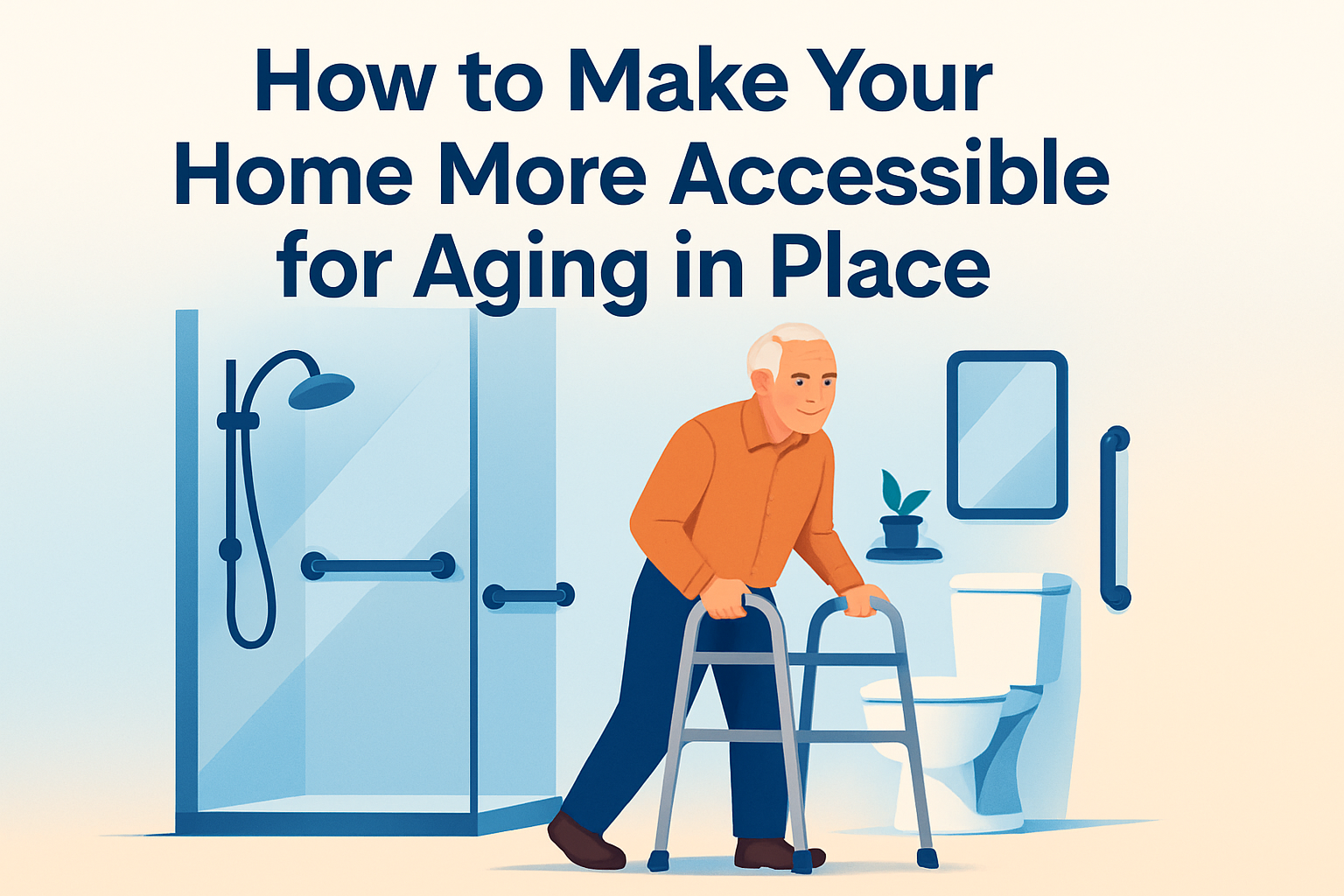
Making your home more accessible for aging in place starts with one practical goal: reduce barriers so daily life stays safe, comfortable, and independent as needs change. Aging in place means remaining in your own home, rather than moving to assisted living or a nursing facility, by adapting the environment to match changing mobility, balance, strength, vision, hearing, and cognition. Home accessibility modifications are the physical changes, products, and layout decisions that make that possible, from simple lever door handles to no-step entries, wider doorways, walk-in showers, better lighting, and smart safety systems.
This matters because most older adults want to stay in familiar surroundings, close to routines, neighbors, family, and community services. In my experience assessing homes for long-term usability, the biggest risks usually come from ordinary features people stop noticing: a single front step, a narrow bathroom door, a dim hallway, a slippery tub, loose rugs, or storage that requires climbing. Falls are one of the clearest reasons to act early. According to the U.S. Centers for Disease Control and Prevention, millions of older adults fall each year, and many falls happen at home. Accessibility planning lowers that risk while also making caregiving easier, preserving dignity, and often increasing a home’s resale appeal to multigenerational buyers.
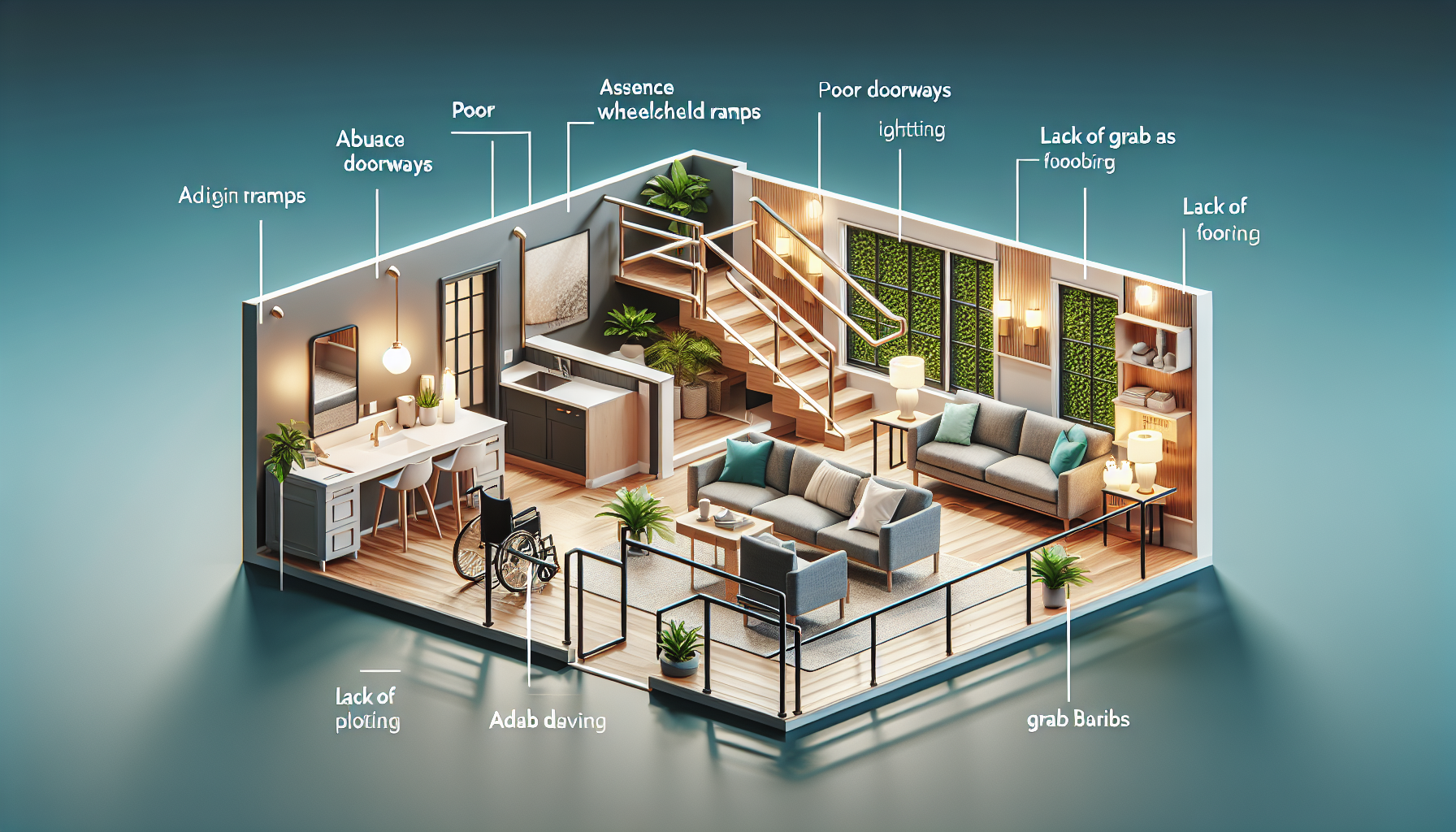
A strong aging-in-place strategy looks beyond medical equipment. It treats the home as a system. Entrances, flooring, bathrooms, kitchens, stairs, bedrooms, lighting, controls, and emergency communication all work together. The best results come from combining universal design, which makes spaces usable by the widest range of people, with targeted upgrades based on present and future needs. That means planning for a cane, walker, wheelchair, arthritis, low vision, or slower reaction time before a crisis forces rushed decisions. When homeowners ask where to begin, I advise starting with safety, access, and the rooms used every day, then moving toward convenience and future-proofing.
This hub article explains the full landscape of home accessibility modifications for aging in place. It covers the most important upgrades, how to prioritize them, what standards and products to know, and where simple changes are enough versus where professional design or installation is essential. If you want a home that supports independence for years, these are the core modifications that matter most.
Start with a whole-home accessibility assessment
The smartest first step is an accessibility assessment that evaluates how a person moves through the home now and how that may change over time. A thorough review looks at entries, thresholds, hallway width, bathroom layout, transfer space around toilets and showers, stair design, reach ranges, flooring traction, lighting levels, and emergency egress. It also considers health factors such as fall history, arthritis, stroke recovery, neuropathy, Parkinsonian gait, visual contrast sensitivity, oxygen equipment, or wheelchair turning needs.
In practice, I use a room-by-room audit and ask simple but revealing questions: Can you enter without steps? Can you carry groceries while holding a rail? Can a walker fit through every doorway? Can you bathe without stepping over a tub wall? Can you reach daily-use items without bending, twisting, or climbing? The answers usually expose the highest-value changes quickly. Occupational therapists, certified aging-in-place specialists, and experienced accessibility contractors can all contribute useful input, especially for complex mobility needs.
Assessments should distinguish between immediate fixes and structural projects. Replacing a round doorknob with a lever handle is inexpensive and fast. Regrading a walkway, widening doors, or creating a main-floor bedroom may require permits and a larger budget. That is why a phased plan works well. It prevents homeowners from spending money on cosmetic updates while leaving the biggest hazards untouched.
Safer entrances, pathways, and circulation routes
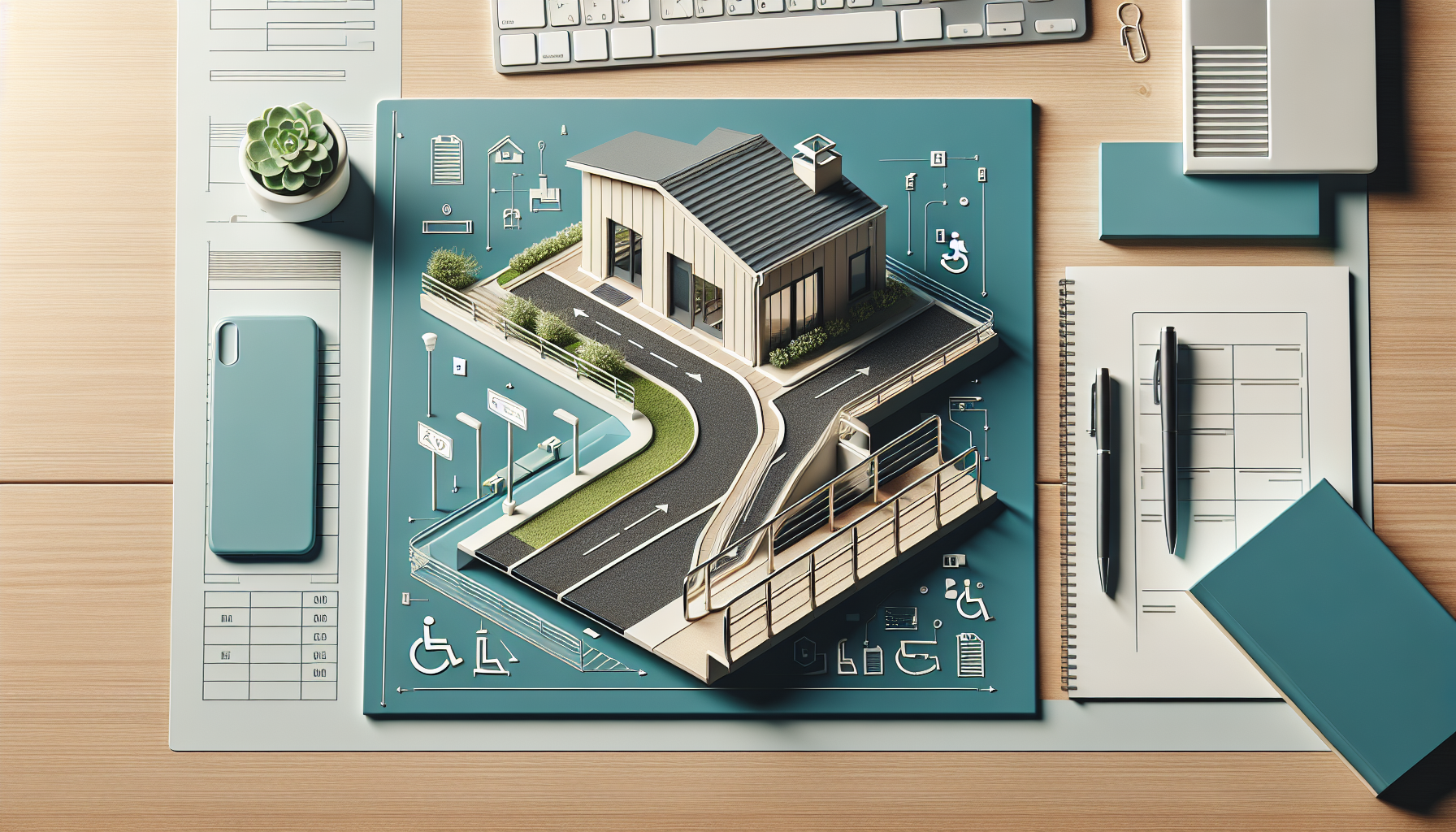
Entry access is often the first major barrier. A home is not truly age-friendly if getting inside requires navigating steps without stable support. The ideal solution is at least one no-step entrance with a firm, slip-resistant path from driveway or sidewalk to the door. This path should be wide enough for a walker and, if possible, for wheelchair access. Cracked concrete, steep slopes, uneven pavers, and poor drainage create avoidable hazards, especially in rain, ice, or leaf season.
Good entrance design includes bright lighting, weather protection, a low or beveled threshold, and hardware that can be operated with limited grip strength. Lever handles are easier than knobs. Smart locks, keypads, and video doorbells can reduce fumbling and improve security. If steps remain, sturdy handrails on both sides are best practice. Railings should be easy to grasp continuously from top to bottom, not interrupted by decorative posts that reduce usable support.
Inside the home, circulation routes need the same attention. Hallways should stay clear and ideally feel generous, not pinched by furniture. Doorways that are too narrow for walkers or wheelchairs are common in older homes. Even when full ADA dimensions are not feasible in a private residence, widening critical doors can make a major difference in bathroom access, bedroom access, and caregiver assistance.
| Home area | Common barrier | Best modification | Why it helps |
|---|---|---|---|
| Front entry | One or more steps | No-step entrance or properly designed ramp | Improves access for walkers, wheelchairs, and reduced balance |
| Hallways | Tight passage with furniture clutter | Clear route and widen pinch points | Reduces trip risk and improves maneuverability |
| Door hardware | Round knobs | Lever handles | Easier for arthritis, limited grip, or carrying items |
| Thresholds | Raised transitions | Low-profile or beveled thresholds | Prevents catches and trips |
| Interior floors | Throw rugs and slick surfaces | Non-slip, consistent flooring | Supports safer walking and mobility devices |
Flooring deserves special focus. Thick carpet can interfere with walkers, while glossy tile can become slick when wet. In most aging-in-place projects, I recommend stable, matte-finish surfaces with minimal transition height between rooms. Removing loose rugs is one of the fastest safety wins in any house.
Bathroom modifications with the highest safety impact
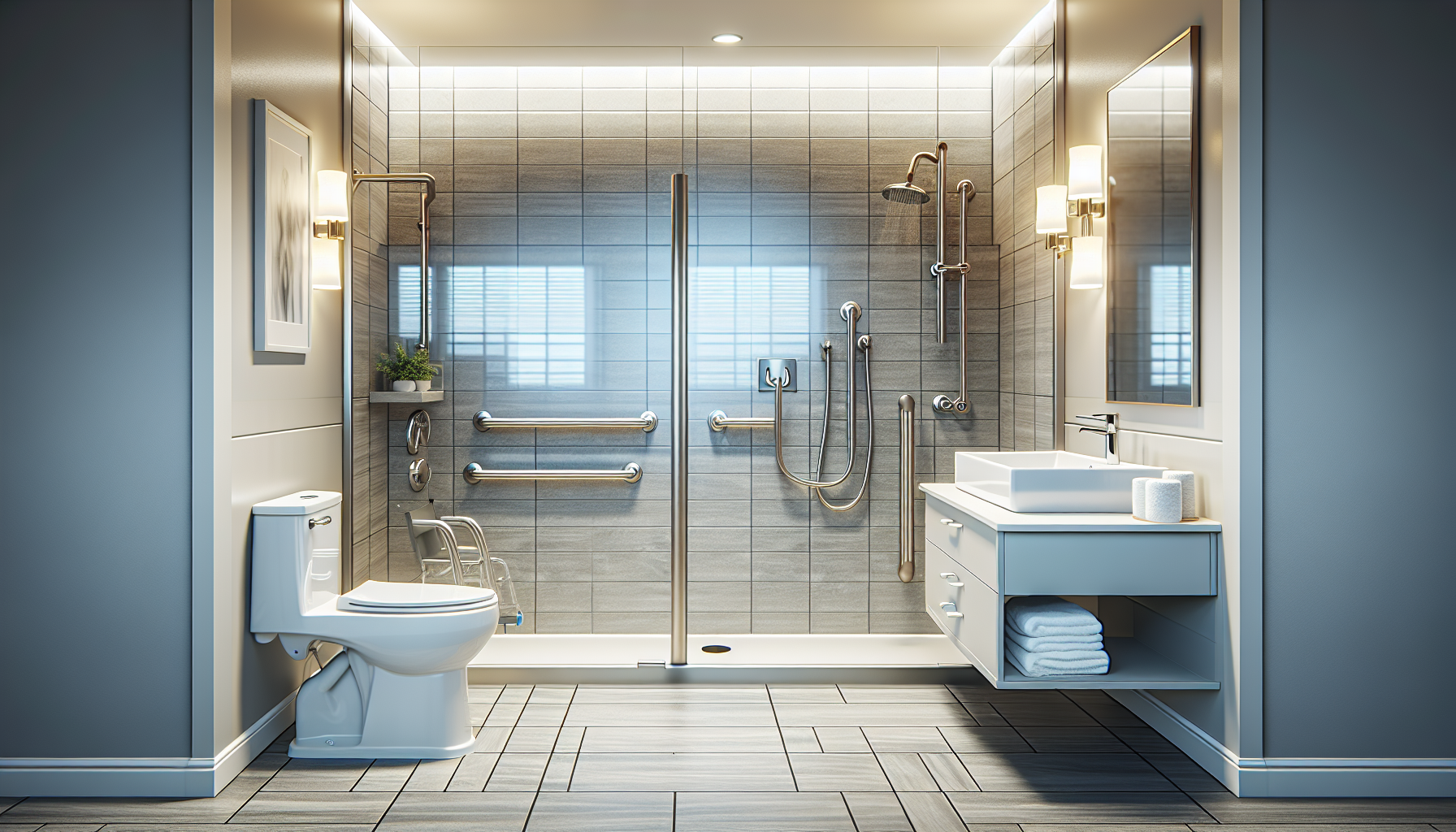
Bathrooms are where many serious falls happen because they combine water, hard surfaces, tight spaces, and difficult transfers. If a homeowner can only fund one major accessibility renovation, the bathroom is often the best place to invest. The biggest upgrade is replacing a traditional tub or high-curb shower with a low-threshold or curbless shower. This creates easier entry, reduces the need to step over an edge, and allows future use of a shower chair or wheelchair-accessible layout if needed.
Grab bars are essential, but placement matters. They should be anchored into appropriate backing, positioned where support is actually needed, and selected for grip and contrast, not appearance alone. Typical locations include inside the shower, at the shower entry, and beside the toilet. Towel bars are not substitutes. I still see homeowners relying on them, and they fail under load.
Other high-value bathroom modifications include non-slip flooring, a handheld showerhead on a slide bar, pressure-balanced or thermostatic mixing valves to reduce scald risk, comfort-height toilets, and enough clear floor space for turning and transfers. Wall-mounted sinks or vanities with knee clearance can help seated users, while open shelving at reachable heights reduces the need to bend or stretch. Good task lighting around the mirror and nighttime pathway lighting from bed to bath also improves safety significantly.
For more advanced needs, consider reinforced walls for future grab bars, a roll-in shower design, offset hinges to widen door clearance, and outward-swinging or pocket doors that improve rescue access if someone falls inside. These details are not obvious until an emergency happens. Planning them during renovation is far cheaper than retrofitting later.
Kitchen accessibility that supports independence
An accessible kitchen allows older adults to keep cooking safely, which supports nutrition, routine, and autonomy. The most common kitchen hazards are reaching overhead, bending into low cabinets, carrying hot items across obstacles, poor lighting, and controls that are hard to read or operate. Effective kitchen accessibility modifications reduce strain and simplify movement rather than trying to medicalize the space.
Start with layout. Frequently used items should live between shoulder and knee height. Pull-out shelves, full-extension drawers, lazy Susans, and D-shaped cabinet pulls are more useful than deep base cabinets with fixed shelves. Side-opening or wall ovens can be easier than low ovens, and induction cooktops reduce burn risk because the surface around the pan stays cooler than gas or conventional electric elements. A single-lever faucet is easier on arthritic hands than two small knobs, and touch or motion-activated faucets can help when grip strength is limited.
Counter design matters too. Varied-height work surfaces can support both standing and seated food prep. Knee space beneath a section of countertop lets someone work from a stool or wheelchair. Refrigerators with bottom freezers and microwaves installed at safe reach height are usually better than over-range units that require lifting hot dishes downward. Bright, glare-controlled task lighting under cabinets makes cutting and reading labels easier, especially for aging eyes.
In many homes, the kitchen also benefits from wider turning space and clearer floor areas. I often recommend relocating trash bins, pet bowls, and decorative furniture that interrupt circulation. Small layout edits can prevent more accidents than expensive appliance swaps.
Stairs, lifts, and first-floor living strategies
Stairs can be managed for years with the right support, but they should never be treated casually. Proper handrails on both sides, high-contrast tread edges, even lighting, and secure non-slip surfaces are foundational. If carpeting is loose or worn, replace it. If riser heights vary, correct them. Inconsistent stair geometry is a hidden hazard that causes missteps even in otherwise healthy adults.
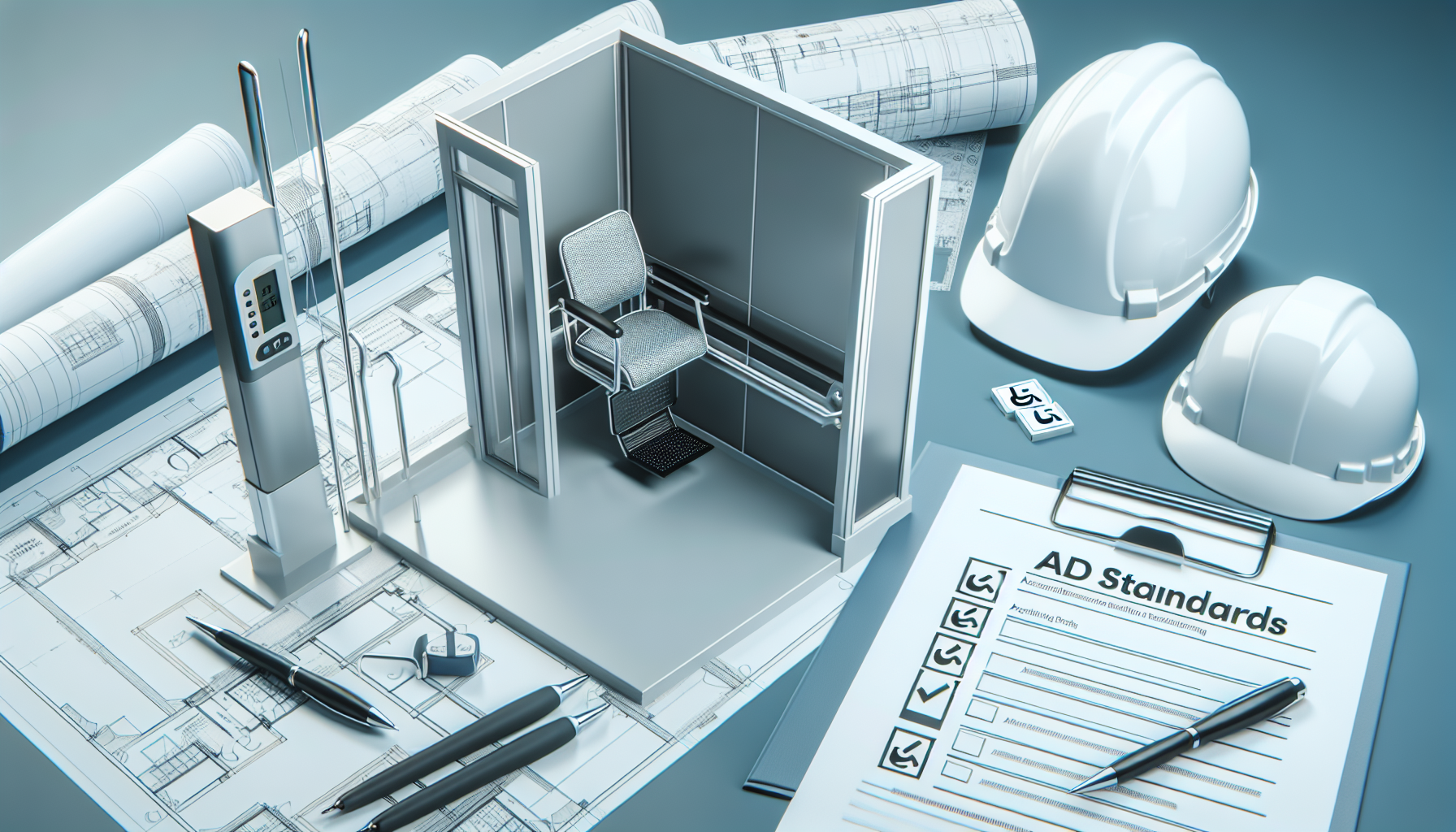
When stairs become difficult, options include stair lifts, vertical platform lifts, home elevators, or relocating essential living functions to the main floor. Stair lifts work well for many users who can transfer on and off the seat safely. They are faster and less expensive than an elevator, but they do not solve the problem for users who cannot transfer independently or who use larger mobility devices. A vertical platform lift may suit wheelchair users better at short rises, such as a garage entry or porch.
The most resilient strategy is first-floor living. If possible, create a bedroom, full bathroom, and laundry on the main level. That reduces dependence on stairs during illness, injury, or recovery even if the homeowner can still use them most days. I have seen families avoid emergency moves simply because they converted a den into a bedroom before mobility changed significantly.
Lighting, controls, and smart home safety features
Lighting is one of the most underrated home accessibility modifications. Aging eyes typically need more light and better contrast, yet many older homes rely on dim ambient fixtures that leave stairs, hallways, and bathrooms shadowed. The solution is layered lighting: strong ambient light, focused task light, and night lighting for routes used after dark. Motion-activated lights in hallways, bathrooms, and closets reduce fumbling for switches and help prevent falls.
Switches, outlets, thermostats, and security controls should be easy to reach, easy to read, and easy to operate. Rocker switches are generally better than small toggles. Large-print thermostats and voice-controlled assistants can help people with low vision or reduced dexterity. Smart home tools are not a replacement for physical modifications, but they are valuable additions. Video doorbells, fall alert wearables, leak detectors, stove shutoff devices, and monitored smoke and carbon monoxide alarms all add layers of protection.
The key is choosing technology that is reliable and simple. I have removed systems that were too complicated for the homeowner to use consistently. The best products reduce cognitive load rather than adding another learning curve.
How to prioritize projects, budgets, and professional help
Not every home needs a full remodel. Prioritize modifications in this order: fall prevention, safe entry, bathroom access, first-floor essential living, kitchen usability, then convenience upgrades. Low-cost changes include grab bars, better lighting, lever handles, handheld showerheads, raised toilet seats, contrasting stair nosings, and clutter reduction. Mid-range projects include doorway widening, flooring replacement, exterior railings, and improved shower access. Larger investments include ramps, bathroom reconstruction, kitchen redesign, lifts, and first-floor additions.
Use qualified professionals for structural work, electrical changes, plumbing relocation, waterproofing, and lift installation. Ask about building permits, product warranties, manufacturer specifications, and whether installers have aging-in-place or accessibility experience. The National Association of Home Builders Certified Aging-in-Place Specialist designation can be a useful screening signal, and an occupational therapist can help align design choices with functional needs.
Funding may come from savings, home equity, certain state or local programs, veterans’ benefits, nonprofit repair assistance, or long-term care planning resources, depending on location and eligibility. Start before an urgent health event if possible. The best home accessibility modifications are proactive, not reactive. Walk through your house today, identify the next three barriers to safe independence, and make a plan to remove them.
Making your home more accessible for aging in place is ultimately about extending independence without sacrificing safety. The most effective approach is not one dramatic upgrade but a coordinated set of home accessibility modifications that remove barriers at the entrance, improve movement through hallways and doorways, reduce bathroom risk, support safe cooking, manage stairs intelligently, and strengthen lighting and emergency response. When these changes work together, everyday tasks become easier, caregivers face fewer obstacles, and the home remains usable through normal changes in strength, balance, and mobility.
The core lesson is simple: start early, focus first on the highest-risk areas, and design for the next stage of life rather than only for current ability. A no-step entry, a safer shower, better lighting, reachable storage, stable flooring, and accessible controls deliver benefits immediately, even before major mobility limitations appear. They also reduce the chance of rushed decisions after a fall, hospitalization, or diagnosis. In nearly every project I have seen, proactive planning costs less and produces better results than emergency retrofits.
This hub should serve as your foundation for evaluating every room and every future upgrade under the broader Accessibility & Mobility Solutions topic. Use it to build a practical roadmap, then tackle one improvement at a time. Start with the biggest barrier in your home this week, schedule an accessibility assessment if needed, and move forward with modifications that make staying home safer and more sustainable.
Frequently Asked Questions
What does aging in place mean, and why is home accessibility so important?
Aging in place means staying in your own home safely, comfortably, and independently as you grow older, instead of relocating to assisted living or a nursing home. For many people, that goal is about more than convenience. It is tied to dignity, routine, emotional well-being, and the ability to remain connected to a familiar neighborhood, friends, family, and daily habits. Home accessibility is what makes that possible. As mobility, balance, strength, vision, hearing, or memory change over time, the home needs to support those changes rather than create obstacles.
Accessibility matters because many homes were not originally designed with aging adults in mind. Everyday features such as stairs, narrow doorways, slippery bathroom floors, poor lighting, hard-to-reach cabinets, and high thresholds can become serious safety risks. Falls are one of the biggest concerns, but accessibility is also about reducing physical strain, preventing fatigue, simplifying everyday tasks, and making it easier to use each room with confidence. A well-adapted home can help someone bathe more safely, prepare meals with less effort, move between rooms more easily, and continue doing daily activities without constant assistance.
It is also important to understand that accessibility is not only for people with major disabilities. Small improvements can make a significant difference long before a person needs extensive support. Better lighting, grab bars, lever-style door handles, and clutter-free walkways can improve usability for almost anyone. In that sense, accessible design is proactive. It helps people stay independent longer, supports caregivers, and can reduce the likelihood of injuries and emergency home changes later on.
What are the first home modifications to consider for aging in place?
The best place to start is with the changes that improve safety and ease of movement in the areas used most often every day. For most homes, that means focusing first on entrances, hallways, bathrooms, bedrooms, kitchens, and lighting throughout the house. The goal is to remove the most common barriers before they become urgent problems.
At entrances, look for anything that makes getting in and out of the home difficult or hazardous. Steps without railings, uneven walkways, poor exterior lighting, and high thresholds should be addressed early. Depending on need, practical solutions may include adding sturdy handrails on both sides of steps, improving pathway lighting, installing a ramp or low-slope entry, and widening doorways if mobility devices are used. A no-step entry is especially valuable because it improves access for walkers, wheelchairs, and anyone who has trouble lifting their feet securely over thresholds.
Bathrooms are often the top priority because they combine water, hard surfaces, and frequent transfers in and out of tubs and toilets. Some of the most effective first upgrades include grab bars near the toilet and inside the shower, non-slip flooring or bath surfaces, a handheld showerhead, a comfort-height toilet, and improved lighting. In many cases, replacing a traditional tub with a low-threshold or curbless shower can make a major difference in long-term safety and usability.
Inside the home, flooring and layout should support smooth, stable movement. Remove loose rugs, reduce clutter, secure electrical cords, and make sure there is enough clearance for mobility aids if needed. In bedrooms, consider bed height, proximity to a bathroom, and whether essential items are easy to reach. In kitchens, prioritize work areas that reduce bending, stretching, and carrying heavy items across the room. Even simple modifications such as pull-out shelves, lever faucet handles, and frequently used items stored at waist level can make daily tasks much easier.
Lighting should never be overlooked. Poor visibility increases fall risk and makes navigation harder for aging eyes. Add brighter bulbs where appropriate, use task lighting in work areas, install night-lights in bedrooms, hallways, and bathrooms, and consider motion-sensor lighting for stairways and entry points. Starting with these foundational improvements creates a safer home immediately and provides a strong base for future modifications if needs change.
How can I make a bathroom safer and easier to use for an older adult?
The bathroom is one of the most important rooms to modify for aging in place because it presents several common hazards at once: wet surfaces, tight spaces, awkward movements, and frequent sitting, standing, and stepping over barriers. Making a bathroom safer begins with reducing slip and fall risks and improving support during transfers and daily hygiene routines.
One of the most effective changes is the installation of grab bars in strategic locations. These should be placed where support is actually needed, such as beside the toilet and in the shower or tub area. It is important that grab bars are securely anchored and professionally installed when necessary, because towel bars and decorative fixtures are not designed to bear body weight. In addition to grab bars, non-slip flooring or slip-resistant mats can improve footing, especially in areas where water tends to collect.
Bathing access is another major consideration. Traditional bathtubs can become difficult or dangerous to step into as balance and flexibility decline. A walk-in shower, low-threshold shower, or curbless shower is often a much safer long-term solution. Adding a built-in bench or shower seat can help conserve energy and reduce fall risk during bathing. A handheld showerhead also improves control and comfort, especially for someone who needs to sit while bathing or receives assistance from a caregiver.
Toilet accessibility also matters. A comfort-height toilet or raised toilet seat can make sitting down and standing up easier, particularly for people with arthritis, reduced leg strength, or joint pain. Adequate space around the toilet is important as well, especially if a walker or wheelchair may be used now or in the future. Better lighting around the vanity and toilet area helps with nighttime use and makes grooming tasks easier for people with reduced vision.
Finally, think beyond fixtures and consider overall usability. Easy-turn or lever faucet handles are simpler for hands with limited strength or dexterity. Storage should be reachable without excessive bending or climbing. If the bathroom is small, even modest layout changes can improve maneuverability. The safest bathroom is one that supports routine use without requiring risky movements or physical strain. Thoughtful updates here can have one of the biggest impacts on daily independence.
What features make a kitchen more accessible for aging in place?
An accessible kitchen should allow an older adult to prepare meals, clean up, and reach essential items without excessive bending, stretching, lifting, or navigating obstacles. Because the kitchen is used so often, good accessibility here can protect independence in a very practical way. The right updates help reduce fatigue, improve safety, and make everyday tasks feel more manageable.
Storage is one of the first things to evaluate. Deep lower cabinets and high upper shelves often become difficult to use with age, especially for someone with back pain, shoulder limitations, or balance concerns. Pull-out shelves, drawer organizers, lazy Susans, and full-extension drawers can make kitchen items much easier to access. Frequently used dishes, cookware, and pantry staples should be stored between shoulder and knee height whenever possible. This reduces the need to climb, kneel, or reach overhead.
Work surfaces and appliances should also support safer movement and easier use. Lever-style faucet handles are easier on hands than knobs, and touchless faucets can be even more convenient. Appliances with front-facing controls, side-opening ovens, induction cooktops, and easy-to-read displays can improve safety and reduce awkward reaching over hot surfaces. Good lighting is essential at counters, the sink, stove, and food prep areas. Under-cabinet lighting is a particularly effective upgrade because it reduces shadows where detailed work happens.
Flooring and layout make a major difference as well. The kitchen should have a clear path of travel wide enough for a walker or wheelchair if needed. Slippery surfaces, clutter, and area rugs should be avoided. If standing for long periods is difficult, a seated work area or a lowered section of countertop can make meal preparation more comfortable. Even small changes, such as moving the microwave to counter height or selecting D-shaped cabinet pulls instead of small knobs, can improve usability significantly.
Accessibility in the kitchen is not just about physical convenience. It also supports nutrition, self-sufficiency, and quality of life. When the kitchen is easier and safer to use, older adults are more likely to continue preparing meals independently and maintaining everyday routines that support health and confidence.
Should accessibility updates be made now, or only when mobility problems begin?
In most cases, it is smarter to make accessibility updates before they are urgently needed. Waiting until after a fall, injury, hospitalization, or sudden decline in mobility often leads to rushed decisions, limited options, and higher stress for everyone involved. Proactive planning gives homeowners time to assess the home carefully, prioritize improvements, compare products and contractors, and make changes in a thoughtful way that fits both current needs and future possibilities.
Early modifications can also be more subtle and easier to integrate into the home’s design. Features such as better lighting, lever door handles, wider clear pathways, slip-resistant flooring, handheld showerheads, and reinforced bathroom walls for future grab bars can be installed long before a major accessibility issue develops. These upgrades are useful right away, not just later. They improve convenience and safety for older adults, visitors, and family members of all ages.
Another reason to plan ahead is that aging does not always happen in a straight line. Someone may be