Creating a safe, supportive home environment for all starts with recognizing that caregiving is not a single task but a system of daily decisions, relationships, and practical supports. In the accessibility and mobility solutions field, caregiver support resources are the tools, services, training, funding options, and community connections that help family caregivers and paid care partners provide consistent care without sacrificing safety or their own well-being. A supportive home environment includes physical accessibility, clear routines, emergency planning, emotional support, respite care, and reliable information. It matters because most long-term care still happens at home, often by relatives who are learning as they go. I have seen homes become either calmer and safer or more stressful and risky based on whether caregivers had the right support. This hub explains the essential caregiver support resources every household should understand, how they fit together, and where to focus first.
Start With a Home Safety and Care Needs Assessment
The strongest caregiver support plan begins with an honest assessment of the home, the care recipient’s functional abilities, and the caregiver’s capacity. In practice, I start by looking at activities of daily living, often called ADLs, such as bathing, dressing, toileting, transferring, eating, and walking. I also review instrumental activities of daily living, or IADLs, including medication management, transportation, meal preparation, housekeeping, and finances. This distinction matters because a person may appear independent yet still need significant caregiver coordination.
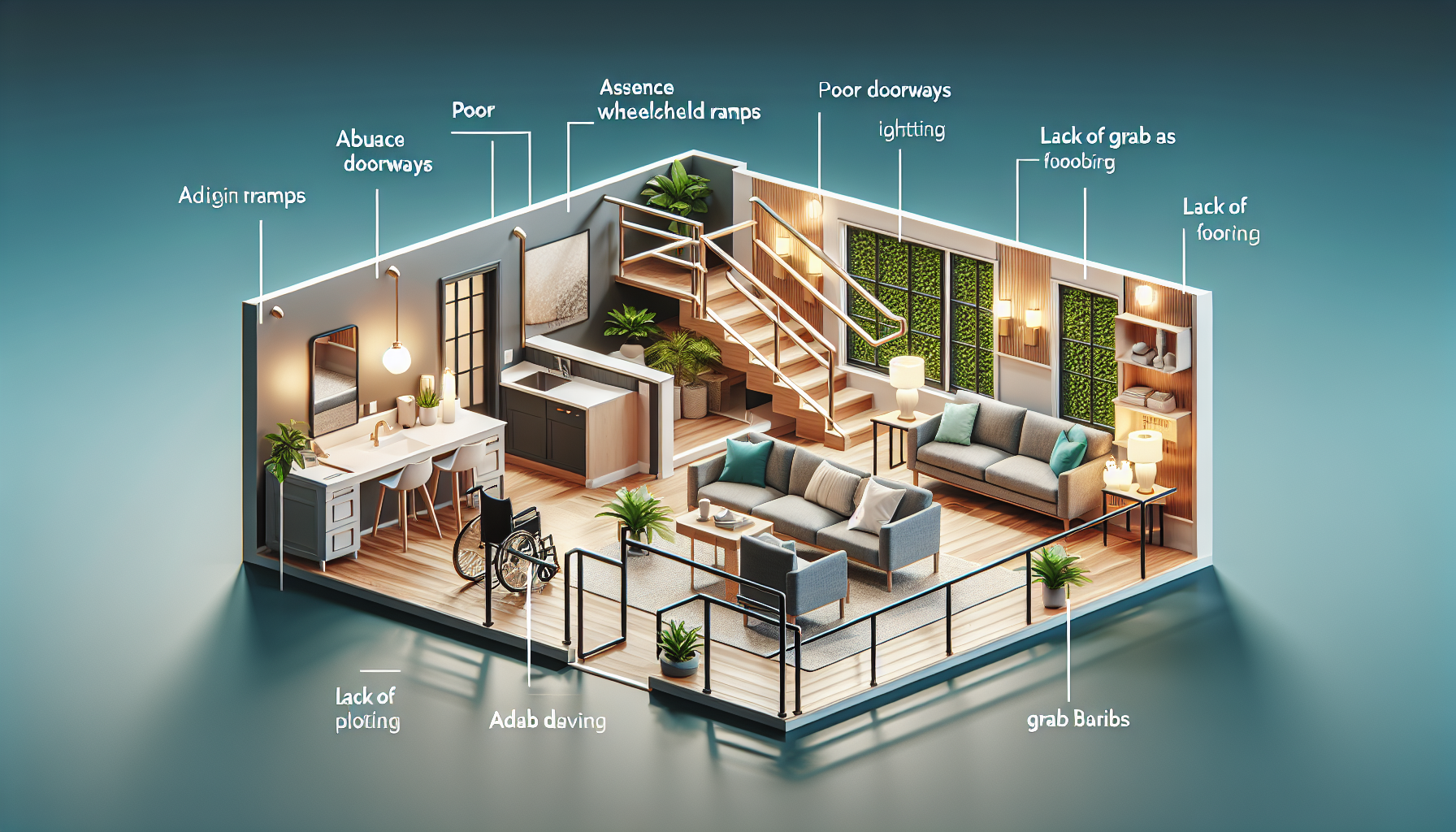
A home safety review should identify fall hazards, poor lighting, narrow doorways, inaccessible bathrooms, loose rugs, cluttered pathways, and entry barriers such as steps without railings. If mobility devices are used, measure turning radius, threshold height, and bathroom clearance. Occupational therapists are especially valuable here because they assess both the person and the environment, then recommend specific modifications. In many cases, a grab bar installed at the correct height is more effective than general advice to “be careful.”
Caregivers also need self-assessment. Can the primary caregiver lift safely? Manage medications accurately? Provide supervision at night? Take breaks? When families skip this step, burnout usually follows. A complete assessment creates the roadmap for every other caregiver support resource, from training and respite to equipment and financial assistance.
Build Daily Safety Through Home Modifications and Assistive Equipment
Caregiver support resources are most effective when the home itself reduces strain. Home modifications are not cosmetic upgrades; they are risk-control measures. The most useful changes often include zero-step entry, sturdy handrails on both sides of stairs, lever door handles, non-slip flooring, shower chairs, handheld showerheads, raised toilet seats, and strategically placed grab bars anchored into studs. In dementia care, visual contrast on stairs, secure locks, and simplified room layouts can reduce confusion and wandering risk.
Assistive equipment extends both independence and caregiver endurance. Transfer boards, gait belts, mechanical lifts, adjustable beds, pressure-relieving mattresses, wheelchairs, walkers, and bedside commodes can prevent injury when matched correctly to the user. I have repeatedly seen families buy equipment online without assessment, only to discover it does not fit the room, the person’s body size, or the transfer pattern. Proper selection should consider weight capacity, seat height, brake function, maneuverability, and the caregiver’s skill level.
Technology can help as well. Video doorbells, motion sensors, medication dispensers, stove shutoff devices, and medical alert systems provide oversight without constant physical presence. The goal is not surveillance for its own sake. The goal is reducing preventable emergencies while preserving dignity and routine.
Use Training and Education to Reduce Risk and Improve Confidence
Many caregivers are expected to perform complex tasks with almost no instruction. That gap creates avoidable medication errors, falls, skin breakdown, and emergency department visits. Quality caregiver support resources therefore include practical education, not just pamphlets. Training should cover safe transfers, body mechanics, fall recovery, medication schedules, infection prevention, toileting assistance, nutrition support, skin checks, and how to respond to changes in condition.
Condition-specific education is equally important. Stroke recovery, Parkinson’s disease, multiple sclerosis, spinal cord injury, dementia, and post-surgical care all demand different approaches. For example, cueing techniques used in dementia care differ from the step-by-step mobility coaching that helps someone recovering after hip replacement. Families do better when they are taught what is normal, what is urgent, and what can wait for a scheduled appointment.
Reliable training sources include hospital discharge educators, rehabilitation therapists, home health agencies, Area Agencies on Aging, disease-specific nonprofits, and state caregiver programs. The Family Caregiver Alliance and AARP maintain practical guides that many families find useful. For medication management, ask the pharmacist for a comprehensive review and synchronization plan. For mobility and transfer safety, ask for hands-on instruction from a physical or occupational therapist. Competence lowers stress because caregivers know what to do and why they are doing it.
Respite Care and Community Services Prevent Caregiver Burnout
Respite care is one of the most underused caregiver support resources, even though it is often the intervention that keeps home care sustainable. Respite means temporary relief for the primary caregiver, provided in the home, through adult day programs, or in short-stay residential settings. It is not a luxury. It is preventive care for the caregiver and protection for the person receiving support.
In real households, burnout often appears gradually: sleep disruption, irritability, back pain, missed medical appointments, medication mistakes, and social isolation. Once those signs are visible, care quality is already affected. Regular respite can be scheduled for a few hours a week or used during recovery after the caregiver’s own illness, surgery, or major life event. Adult day health programs are especially useful because they provide supervision, structured activity, meals, and social engagement while giving the caregiver predictable time for work or rest.
Community services also matter. Meal delivery, non-emergency medical transportation, friendly visitor programs, caregiver support groups, and case management reduce logistical pressure. Faith communities, senior centers, and disability organizations frequently provide volunteer help or referral networks. Families should not wait for crisis conditions before using these services; they work best when introduced early and normalized as part of routine support.
Understand Financial, Legal, and Care Coordination Resources
Caregiving becomes harder when families are forced to make urgent decisions about money, benefits, and authority. A supportive home environment depends on getting these systems in place before a crisis. Key documents often include durable power of attorney, health care proxy or medical power of attorney, advance directive, HIPAA release, and in some cases guardianship planning. These documents clarify who can make decisions, access records, and manage bills when the care recipient cannot.
Financial caregiver support resources vary by location and eligibility, but common sources include Medicaid home and community-based services waivers, Veterans Affairs programs, state respite grants, paid family leave, tax credits, and long-term care insurance benefits. Medicare may cover certain home health services and durable medical equipment when eligibility requirements are met, but families should understand that it does not pay for ongoing custodial care in most circumstances. This misunderstanding causes frequent budgeting problems.
Care coordination reduces fragmentation. Geriatric care managers, hospital social workers, discharge planners, and aging network case managers can connect families to benefits, providers, and local programs. Keep a single care notebook or secure digital record with medication lists, diagnoses, provider contacts, allergies, equipment details, and emergency plans. Clear documentation saves time and prevents dangerous gaps during transitions between hospital, rehabilitation, and home.
Support Emotional Health, Communication, and Inclusion for Everyone at Home
A safe home is not defined only by ramps and grab bars. It is also shaped by communication, emotional regulation, respect, and realistic expectations. Caregivers often focus so intensely on tasks that they overlook the social climate of the home. Yet tension, confusion, and isolation can be just as destabilizing as physical barriers.
Start with communication routines. Post a visible daily schedule, medication times, appointment calendar, and emergency contacts. For households supporting someone with hearing loss, low vision, cognitive impairment, or limited English proficiency, adapt communication methods accordingly. Use large-print labels, picture cues, amplified phones, captioned devices, or translated instructions. Plain-language communication reduces errors and conflict.
Emotional support resources include counseling, peer groups, spiritual care, and caregiver coaching. Support groups are especially effective because they offer practical solutions from people who have faced similar circumstances. In my experience, caregivers often feel immediate relief when they hear that others also struggle with bathing resistance, nighttime wandering, transportation fatigue, or sibling conflict over responsibilities.
Children and other household members should be included in age-appropriate ways. Explain changes honestly, assign manageable roles, and protect private spaces and routines where possible. Inclusion builds cooperation. It also reduces resentment and confusion, which are common in multigenerational homes.
Choose the Right Resource at the Right Time
Families often ask which caregiver support resources should come first. The answer depends on the care situation, but certain priorities are consistent. If there is immediate risk of falls, unsafe transfers, wandering, medication mistakes, or caregiver exhaustion, address those issues first. If the situation is stable, start by building a layered support plan that combines home safety, education, respite, and care coordination.
| Caregiver challenge | Most useful resource | Why it helps |
|---|---|---|
| Frequent falls or unsafe transfers | Physical or occupational therapy home assessment | Identifies hazards, teaches techniques, recommends equipment |
| Medication confusion | Pharmacist review and pill management system | Reduces dosing errors and duplicate medications |
| Caregiver exhaustion | Respite care or adult day program | Provides structured relief before burnout becomes crisis |
| Behavior changes or dementia symptoms | Geriatric evaluation and caregiver education | Clarifies triggers, safety strategies, and treatment options |
| Financial strain | Benefits screening and case management | Connects household to waiver programs, grants, and coverage |
| Hospital discharge after illness or surgery | Home health and transition planning | Supports recovery, monitoring, and follow-up care at home |
This hub page is designed to help readers navigate those decisions. From here, the broader caregiver support resources topic can branch into detailed guides on respite care, home safety checklists, transfer training, financial assistance, dementia caregiving, adaptive equipment, and discharge planning. That hub structure matters because families rarely need just one answer. They need a connected system that evolves as health status changes.
Creating a safe, supportive home environment for all means supporting the caregiver as deliberately as the person receiving care. The most effective caregiver support resources combine environmental safety, practical training, scheduled relief, legal and financial planning, and emotional support. When these pieces are in place, homes function better, crises happen less often, and both caregivers and care recipients maintain more dignity and stability. The central lesson is simple: good home care is never just about effort. It is about structure, preparation, and using the right help early. Review your current care setup, identify the biggest strain point, and use that as your starting place. Then build outward with the resources covered here so your home becomes safer, calmer, and more sustainable for everyone involved.
Frequently Asked Questions
What does a safe, supportive home environment really mean for caregivers and care recipients?
A safe, supportive home environment is more than a home with grab bars, brighter lighting, or a few mobility aids. It is a complete caregiving system designed to reduce risk, support independence, and make daily routines more manageable for everyone involved. In practice, that means looking at how a person moves through the home, where they may struggle with balance, transfers, stairs, bathing, meal preparation, medication management, and emergency response. It also means considering the caregiver’s experience, including physical strain, emotional stress, time demands, and the need for reliable backup support.
In the accessibility and mobility solutions field, support begins with matching the home environment to the individual’s current needs while also planning for likely changes over time. A supportive home may include non-slip flooring, stair lifts, ramps, transfer aids, widened pathways, adjustable beds, shower seating, raised toilet supports, and better room layout to reduce falls and improve access. Just as important are less visible supports such as caregiver education, respite care, transportation help, financial guidance, and community-based services. When these elements work together, the home becomes a place where care is safer, routines are more predictable, and both the person receiving care and the caregiver can maintain more confidence and quality of life.
What are the most important home safety improvements to consider first?
The best starting point is a whole-home safety review focused on the highest-risk areas and the most common causes of injury or caregiver strain. For many households, the first priorities are fall prevention, safe transfers, bathroom access, and clear mobility pathways. Entrances should be easy to access, ideally with stable handrails, sufficient lighting, and step-free or ramped entry when needed. Hallways and living areas should be free of clutter, loose rugs, electrical cords, and furniture arrangements that make movement difficult for someone using a walker, cane, wheelchair, or other mobility device.
Bathrooms often require attention early because they combine slippery surfaces with frequent transfers. Installing grab bars near the toilet and in the shower, using a shower chair or transfer bench, adding non-slip surfaces, and ensuring handheld shower access can significantly improve safety. Bedrooms should support rest and transfers, with enough space around the bed, stable night lighting, and equipment such as bed rails or adjustable beds only when appropriate and recommended. Kitchens can also be adapted through better storage placement, seated work areas, and easier-to-use hardware. Beyond physical modifications, a first-round safety plan should include medication organization, emergency contacts, smoke and carbon monoxide alarms, and a communication system for calling for help. Starting with the highest-impact changes allows families to reduce immediate risk while building a longer-term plan for accessibility and daily support.
How can caregivers find support resources without becoming overwhelmed?
Caregivers often feel overwhelmed because they are trying to manage care coordination, home safety, medical appointments, finances, and emotional support all at once. The most effective approach is to break caregiver support resources into categories and address them one by one. Start with the daily essentials: mobility and accessibility equipment, personal care support, transportation, meal assistance, medication management, and home safety modifications. Then look at caregiver-focused supports such as training, respite services, support groups, counseling, and care coordination assistance. Organizing needs this way makes it easier to identify practical next steps rather than trying to solve everything at once.
It is also helpful to build a small, trusted network instead of relying on a single source. This might include a medical provider, occupational therapist, mobility equipment specialist, social worker, local aging or disability resource center, and community organizations that offer caregiver guidance. Ask specific questions: What equipment is appropriate for the home layout? What training is available for safe transfers? Are there local grants, waiver programs, or nonprofit services that can offset costs? What respite options exist for short-term caregiver relief? By focusing on clear questions and trusted professionals, families can avoid information overload and make decisions based on actual need. Keeping a shared care notebook, spreadsheet, or digital folder for contacts, appointments, instructions, and funding information can also dramatically reduce stress and improve coordination over time.
What kinds of financial assistance or funding options may help with home accessibility and caregiving needs?
Funding options vary by location, age, diagnosis, insurance status, and level of functional need, but many families are surprised to learn that support may come from several different sources rather than one single program. Depending on eligibility, assistance may be available through Medicaid waiver programs, veterans’ benefits, state or local accessibility grants, nonprofit organizations, disease-specific foundations, community action agencies, and some long-term care insurance policies. In some cases, insurance may help cover medically necessary equipment such as wheelchairs, walkers, hospital beds, or lift devices when prescribed appropriately, although installation costs or home modifications may be separate.
Families should also ask about funding for caregiver relief, adult day services, transportation, home-delivered meals, and personal care assistance. These indirect supports are often just as important as equipment because they help sustain the caregiving arrangement over time. When exploring options, request a written list of eligibility criteria, required documentation, timelines, and whether there are waiting lists. It is wise to prioritize the modifications or services that address the greatest safety risks first, especially if funds are limited. A social worker, case manager, area agency resource specialist, or accessibility professional may be able to point families toward local funding sources that are not widely advertised. Taking the time to map possible funding streams can make a major difference in affordability and help avoid delays in creating a safer, more supportive home.
How can families create a caregiving plan that supports everyone’s well-being, not just the immediate care task?
A strong caregiving plan looks beyond the next appointment or the next transfer and focuses on sustainability. That means defining who is responsible for which tasks, what equipment or training is needed, how emergencies will be handled, and what signs indicate the plan needs to change. For example, if one person is doing all lifting, all night support, or all transportation, the arrangement may not be safe or sustainable even if it is working for the moment. Families should discuss daily routines, physical limitations, medication schedules, supervision needs, fall risks, and transportation demands honestly so the care plan reflects reality rather than best-case assumptions.
Just as important, the plan should include caregiver well-being as a core safety issue. Caregivers need rest, time away, emotional support, and practical backup. Burnout increases the risk of mistakes, injuries, and crisis-driven decisions. Building in respite, rotating responsibilities where possible, using community services, and reassessing the home setup regularly can help prevent avoidable stress. It is also useful to revisit the plan after any hospitalization, fall, functional decline, or change in diagnosis, since the home environment and care approach may need to be updated. When families treat caregiving as an evolving system of relationships, routines, tools, and support resources, they are far more likely to create a home environment that is safe, dignified, and workable for everyone involved.