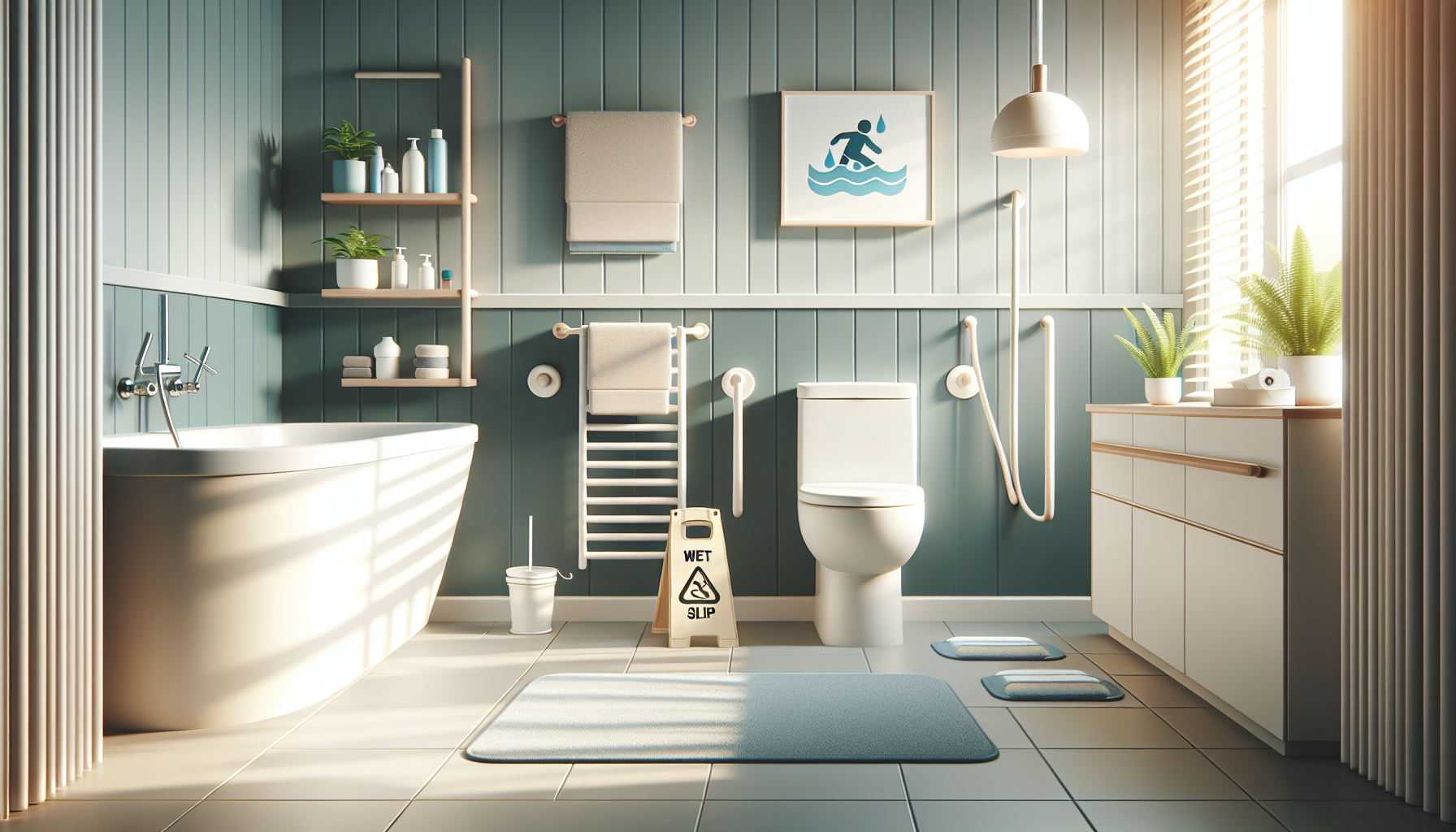
Bathroom slip prevention starts with understanding a simple fact: the most dangerous room in many homes is often the one people use half awake, in a hurry, and on wet surfaces. In accessibility work, I have seen bathrooms that looked modern and clean but created daily hazards because water pooled near the tub, rugs bunched underfoot, and there was nothing stable to hold during transfers. Preventing slips in the bathroom means reducing the conditions that cause a loss of traction, a loss of balance, or both. It also means viewing bathroom and bedroom accessibility together, because safe movement begins when someone gets out of bed, walks to the toilet, showers, dresses, and returns to rest.
A slip happens when the foot cannot maintain enough friction against the floor. A trip happens when the foot strikes an obstacle. A fall may follow either event, especially when balance, vision, joint strength, or reaction time is limited. In practice, the distinction matters because each problem calls for different fixes. Slips respond to better flooring, drainage, and footwear. Trips respond to better layouts, lighting, and clutter control. Transfer-related falls respond to grab bars, seating, and properly selected mobility aids. When families search for bathroom safety tips, shower safety for seniors, or bedroom accessibility ideas, they are usually trying to solve all three risks at once.
This topic matters because bathrooms combine water, hard surfaces, tight turns, and urgent tasks. The Centers for Disease Control and Prevention has long identified falls as a major source of injury for older adults, and bathroom falls are disproportionately likely to cause fractures or head injuries because tile, porcelain, and metal fixtures leave little margin for error. The risk is not limited to aging. People recovering from surgery, living with arthritis, Parkinson’s disease, stroke effects, neuropathy, pregnancy-related balance changes, or temporary weakness also face elevated risk. Children and caregivers are affected too. A good accessibility plan protects everyone while preserving dignity, independence, and routine.
As a hub for bathroom and bedroom accessibility, this guide covers the full pathway of safe movement: identifying hazards, choosing slip-resistant surfaces, installing grab bars, improving shower and toilet access, selecting lighting, organizing bedrooms for safer nighttime travel, and deciding when a home modification should involve a contractor, occupational therapist, or medical equipment supplier. The most effective approach is layered. No single product prevents every fall. The safest homes combine traction, support, visibility, thoughtful layout, and habits that keep water, clutter, and rushed movement under control.
Why Bathroom Slips Happen and Who Faces the Highest Risk
Most bathroom slips happen because several small design failures overlap. The floor may be smooth porcelain with a low coefficient of friction when wet. The shower may lack both a curb design that contains water and a bath mat that stays flat. The user may pivot quickly from toilet to sink while wearing socks, or step out of a tub while carrying a towel and looking down. In homes I have assessed, falls rarely came from one dramatic mistake; they came from ordinary routines performed in spaces that did not support ordinary movement.
Risk rises when physical capacity and environment no longer match. Reduced ankle strength makes it harder to recover from a slide. Limited hip range of motion makes tub entry unstable. Vision changes reduce contrast sensitivity, so a clear puddle on a pale tile floor is harder to see. Nocturia, common among older adults, increases nighttime bathroom trips, when fatigue and dim light combine. Medications including sedatives, some blood pressure drugs, and some pain medications can contribute to dizziness or orthostatic hypotension. Diabetes-related neuropathy reduces foot sensation, so people may not detect a slippery spot quickly enough to correct their stance.
The highest-risk situations are predictable: climbing over a tub wall, turning in a narrow bathroom with a walker, standing on one leg while dressing after a shower, transferring from wheelchair to toilet without a stable handhold, and rushing from bed to bathroom at night. By identifying these common scenarios, families can prioritize improvements that have the biggest impact first.
Flooring, Drainage, and the Surfaces Underfoot
The best bathroom floor for slip prevention is one that maintains traction when wet, drains efficiently, and allows secure movement with canes, walkers, or bare feet. Textured porcelain tile can perform well, but texture alone is not enough. Tile size, grout spacing, and maintenance all influence safety. Smaller tiles with more grout lines generally provide better traction than large polished tiles because grout interrupts sliding. Vinyl sheet flooring is another strong option because it offers resilient underfoot feel, fewer seams, and good water resistance. Natural stone can be safe if honed rather than polished, but it requires ongoing sealing and careful cleaning to avoid residue buildup.
Drainage is just as important as material choice. A shower floor should slope correctly toward the drain so water does not escape into the main walking path. Curbless showers improve accessibility, but they must be designed carefully with sufficient slope, trench drains when appropriate, and shower controls positioned to reduce overspray. Outside the shower, absorbent mats can help, but only if they have beveled edges and a non-slip backing that stays flat. Loose decorative rugs are a common hazard and should be removed from bathrooms and from the route between bedroom and bathroom.
Cleaning products affect slip resistance more than many people realize. Some waxes and leave-behind detergents create a slick film, especially on tile and stone. Use cleaners recommended by the flooring manufacturer, rinse when required, and verify traction after cleaning rather than assuming a floor is safe because it looks dry and shiny. In safety audits, I always test the floor with the actual user’s typical footwear or bare feet, because a surface that feels fine in rubber-soled shoes can still be dangerous in socks.
Grab Bars, Handholds, and Safe Transfers
Grab bars are one of the most effective bathroom safety upgrades because they support the moments when balance is most vulnerable: sitting, standing, stepping over thresholds, and turning on wet surfaces. A grab bar is not the same as a towel bar. Towel bars are not designed to bear load and can fail catastrophically if used for support. True grab bars should be anchored into framing or installed with tested mounting systems approved for the wall assembly. Placement matters as much as product strength.
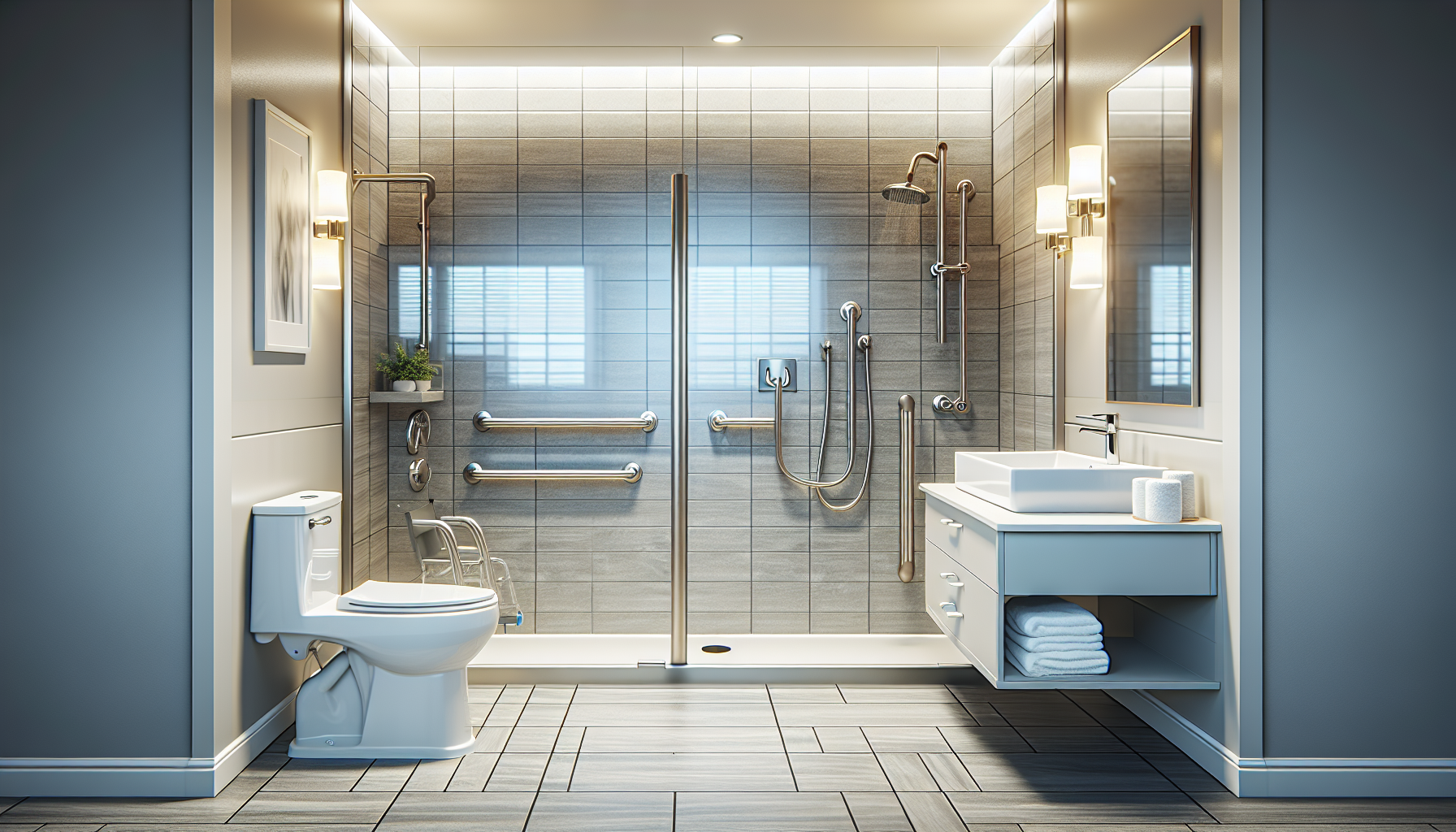
Near the toilet, most users benefit from a side grab bar and, depending on layout, a rear bar or a second side support. In showers, a vertical bar near the entry can help with stepping in and orienting the body, while horizontal bars on the side wall improve stability during standing and turning. Inside tub-shower combinations, bars should support both entry and seated bathing if a bench is used. Diameter, wall clearance, and grip texture influence usability, especially for people with arthritis or limited hand strength.
Transfer safety improves when bars work with the user’s movement pattern. Someone pushing up from the toilet needs a different bar position than someone lowering down slowly after knee replacement. This is why one-size diagrams are useful starting points but not final answers. When possible, trial the motion with the user, a caregiver, or an occupational therapist before final installation.
Showers, Tubs, Toilets, and Seating Options
Walk-in showers are usually the safest bathing format because they remove the tub wall, allow easier caregiver access, and pair well with handheld showerheads, built-in benches, and non-slip flooring. A properly designed shower seat reduces fatigue and lowers fall risk for people who cannot stand steadily through bathing. Seats may be built-in, wall-mounted, or freestanding. Built-in benches are durable and easier to clean around, while shower chairs can be adjusted or replaced as needs change. The right choice depends on body size, transfer style, and whether a caregiver assists.
Tubs remain common, and many households are not ready for full remodeling. In those cases, a tub transfer bench is often safer than stepping directly over the wall. It allows the user to sit outside the tub, lift the legs over in stages, and slide across while maintaining contact with a stable seat. Suction-mounted accessories are not reliable substitutes for structural support. Some high-quality suction products can help position toiletries, but they should never be trusted as primary weight-bearing devices.
Toilet height also affects slip and fall risk. Standard toilets may be too low for people with weak quadriceps, painful hips, or reduced balance. Comfort-height toilets or raised toilet seats reduce the effort required to sit and stand. For some users, a bidet seat adds safety because it reduces twisting, overreaching, and the unstable cleanup motions that often happen after toileting. The goal is not just comfort. It is controlled movement with fewer awkward shifts of weight.
| Area | Safer Option | Main Benefit | Best For |
|---|---|---|---|
| Shower entry | Curbless or low-threshold shower | Reduces step-over risk | Walker users, aging in place, wheelchair access |
| Bathing support | Built-in bench or shower chair | Reduces fatigue and standing instability | People with weakness, balance loss, or caregivers assisting |
| Tub access | Tub transfer bench | Allows seated entry in stages | Homes keeping an existing tub |
| Toilet transfers | Raised seat or comfort-height toilet | Easier sit-to-stand movement | Users with arthritis, knee pain, or low strength |
| Cleaning after toileting | Bidet seat | Less twisting and reaching | Users with limited mobility or shoulder pain |
Lighting, Layout, and Bedroom-to-Bathroom Access
Slip prevention starts before a person reaches the bathroom door. The route from bed to toilet should be clear, evenly lit, and wide enough for the mobility aid actually used in the home. In bedroom accessibility planning, I look first at nighttime movement: bed height, lamp placement, path width, rug edges, charging cables, pet beds, and furniture corners. A safe bathroom is less effective if the person must sidestep clutter in darkness to get there.
Good lighting uses layers. Overhead light should illuminate the full path, but low-level night lighting is what prevents rushed disorientation. Motion-activated plug-in lights, toe-kick lighting, and illuminated switches reduce the need to search for controls. Contrast matters too. White fixtures against white walls can be visually confusing for people with low vision. Contrasting toilet seats, grab bars, and floor transitions help define the environment quickly. Matte finishes reduce glare, which can otherwise hide standing water or edges.
In the bedroom, bed rails are not automatically the right answer and can create entrapment risk if used incorrectly. Often, a better strategy is optimizing bed height so feet plant firmly on the floor, placing a stable nightstand within reach, and using a floor surface that grips socks or slippers. If dizziness occurs on standing, there should be a pause zone near the bed before walking begins. Accessibility works best when every step of the route is considered as one connected system.
Footwear, Maintenance, and Daily Habits That Prevent Falls
Many falls are prevented not by expensive remodeling, but by consistent daily choices. Bare feet can be stable for some people, but not for everyone. Socks alone are usually unsafe on smooth floors. The best bathroom footwear has a slip-resistant sole, a secure heel, and enough structure to stay aligned during turns. Slippers should not be floppy, backless, or heavily cushioned to the point of instability. For people with neuropathy or edema, footwear selection should account for fit changes throughout the day.
Maintenance is a core safety measure. Replace worn bath mats, resecure loose grab bars immediately, keep shower drains clear, and address leaks before they spread water beyond the bathing area. Condensation from poor ventilation can leave floors damp long after use, so exhaust fans should vent effectively and run long enough to reduce moisture. Mold is a health issue, but in slip prevention the larger concern is that damp environments normalize wet floors and encourage people to tolerate unsafe conditions as routine.
Behavioral habits matter too. Keep towels within easy reach before bathing. Sit down to dry feet if balance is limited. Do not use the toilet, vanity, or glass shower enclosure as an improvised support point. If a person has had even one near fall, treat it as a warning sign and modify the environment promptly. Near falls are valuable data. They reveal where balance is being challenged before an injury occurs.
When to Remodel, What to Prioritize, and Where to Go Next
Not every bathroom needs a full renovation, but every home with mobility concerns needs a plan. Start with the highest-impact fixes: remove loose rugs, improve lighting, add properly installed grab bars, use a stable bath or shower seat, and correct any drainage problem that leaves water on the main floor. If tub entry, walker turning radius, or wheelchair access remains difficult, then a larger remodel becomes justified. In those projects, prioritize layout, threshold design, reinforcement for future grab bars, handheld shower placement, and storage that does not require bending or overreaching.
This hub on bathroom and bedroom accessibility should guide your next steps across the whole subtopic. From shower safety and toilet transfers to bedroom lighting and nighttime mobility, the principle is consistent: safer movement comes from matching the environment to the person. The right solution may be simple, such as a better bath mat, or substantial, such as a curbless shower and wider doorway. What matters is reducing slip risk without reducing independence. Walk through your route from bed to bathroom today, identify one hazard in each space, and fix the most serious one first.
Frequently Asked Questions
What are the most effective ways to prevent slips in the bathroom every day?
The most effective approach is to reduce the specific conditions that cause slipping: water on the floor, poor traction, rushed movement, and lack of support. Start by keeping floors as dry as possible. Use an absorbent bath mat outside the tub or shower and replace it when it becomes saturated or starts sliding. Inside the shower or tub, add a non-slip mat or adhesive strips designed for wet surfaces so feet have better grip during entry, bathing, and exit. Just as important, remove loose throw rugs that bunch up or slide underfoot, because they often create more risk than protection.
Daily habits matter as much as products. Wipe up standing water promptly, especially near the tub, sink, and toilet. If water regularly pools in one area, look at the source rather than only treating the symptom; splash patterns, shower curtain placement, and poor drainage all contribute. Good lighting also plays a major role, particularly for people who use the bathroom at night or when they are still waking up. A well-lit path to the bathroom and bright, even lighting inside it make it easier to see wet spots, obstacles, and changes in floor level.
Finally, make movement safer. Install stable grab bars near the shower, tub, and toilet so there is something secure to hold during transfers and turning. Wear slip-resistant footwear instead of walking on wet tile in socks or bare feet if balance is a concern. Keep frequently used items within easy reach so no one has to twist, stretch, or step awkwardly on a damp floor. When these small changes are combined, they significantly lower the chance of a slip.
Are bath mats and rugs enough to keep a bathroom safe?
Bath mats and rugs can help, but they are not enough on their own and, in some cases, they can create new hazards. A mat placed outside the shower or tub is useful for absorbing water, but it should have a reliable non-slip backing and lie completely flat. If the edges curl, the backing wears out, or the rug slides when stepped on, it becomes a tripping hazard. This is why rugs should be evaluated regularly, not just placed and forgotten.
Inside the shower or tub, a proper non-slip surface is essential because smooth finishes become extremely slick when soap, shampoo, and water build up. A shower mat or adhesive anti-slip strips can improve traction, but they need to be cleaned and replaced as needed. Soap residue, mildew, and hard water deposits can reduce effectiveness over time. The same is true of textured tile floors outside the shower; if they are coated with residue from cleaning products or bath products, they may look clean while still being dangerously slippery.
The safest bathrooms use mats as one part of a larger prevention plan. That plan includes managing water at the source, improving drainage, securing stable handholds, maintaining clear walking space, and choosing flooring materials with better slip resistance. In other words, rugs and mats are helpful tools, but they should support a safer environment rather than serve as the only safety measure.
Where should grab bars be installed in a bathroom to reduce fall risk?
Grab bars should be installed anywhere a person is likely to change position, step over an edge, lower themselves, or stand up on a wet surface. The most common and most important locations are inside the shower or tub, at the shower or tub entry point, and beside the toilet. These are the areas where people often lose balance because they are transferring weight, lifting one foot, turning, or moving while the floor is wet. A properly placed grab bar gives the user a secure point of contact during those moments.
In the shower, one bar may be placed vertically near the entrance to help with stepping in and out, while another may be installed horizontally along the wall for support while standing or turning. Near a tub, placement should help with both entering and exiting, not just standing once inside. Beside the toilet, a grab bar can make sitting down and rising much safer, especially for older adults, people recovering from surgery, or anyone with limited strength or balance. The exact placement should reflect the user’s height, reach, and movement patterns, which is why a one-size-fits-all layout does not always work well.
It is also important to understand that towel bars, shower doors, and sink edges are not safe substitutes. Grab bars must be securely anchored to support body weight. If there is any doubt about wall strength or installation, use a qualified professional. Done correctly, grab bars are one of the most effective bathroom safety upgrades because they address not only slips, but also the loss of balance that often follows them.
What bathroom features increase slip risk, even in a space that looks clean and modern?
Many attractive bathrooms contain design choices that quietly increase risk. Highly polished tile, glossy stone, and sleek smooth flooring may look upscale, but they can become slick when wet. Frameless shower designs sometimes allow water to escape onto the main floor, especially if the slope or drain placement is not ideal. Floating vanities, decorative rugs, and minimal storage can also contribute indirectly by encouraging clutter, awkward reaching, or items being left on the floor. A bathroom can look open and stylish while still being difficult to use safely.
Another common issue is poor layout. If the toilet is too close to a vanity, if there is little room to turn, or if the path from shower to towel rack requires crossing wet flooring, the user may need to pivot or side-step in unstable ways. Low lighting, especially during nighttime use, adds another layer of danger because wet spots and floor transitions are harder to see. Even ventilation affects slip risk. Inadequate exhaust can leave surfaces damp longer, increasing moisture accumulation on floors and fixtures.
Small maintenance issues also matter more than many people realize. Worn caulk, leaking plumbing, uneven thresholds, and loose flooring edges all increase the chance of a fall. The key point is that visual cleanliness does not equal safety. A bathroom should be assessed based on traction, drainage, support, lighting, and ease of movement. When those practical factors are prioritized, the room becomes safer without sacrificing appearance.
How can older adults or people with limited mobility make the bathroom safer without a full remodel?
Meaningful safety improvements can often be made without major construction. The first priority is adding stability and reducing slippery surfaces. Install professionally anchored grab bars in key locations, use a non-slip shower mat or adhesive strips, and place a secure absorbent mat outside the bathing area. A shower chair or bath bench can make bathing much safer by reducing the need to stand on a wet surface for long periods. A handheld showerhead can also help by allowing the user to wash while seated and reducing unnecessary movement.
Next, improve ease of access and visibility. Raise or brighten the lighting, especially for nighttime bathroom trips, and consider motion-sensor night lights along the route to the bathroom. Keep toiletries, towels, and daily essentials at waist to chest height so they can be reached without bending deeply or stretching. If standing up from the toilet is difficult, a raised toilet seat or toilet safety frame may provide immediate benefit. For people who fatigue easily, simplifying the setup of the room can prevent hurried, unstable movements that often lead to slips.
Just as important, look at habits and maintenance. Remove clutter, throw rugs, and any item that narrows the walking path. Repair leaks promptly and monitor where water collects after each shower. If medications, balance issues, arthritis, or vision changes are involved, bathroom safety should be treated as an essential part of daily function, not an optional upgrade. In many cases, a targeted combination of grab bars, better lighting, slip-resistant surfaces, and supportive bathing equipment can dramatically improve safety without the cost and disruption of a full remodel.