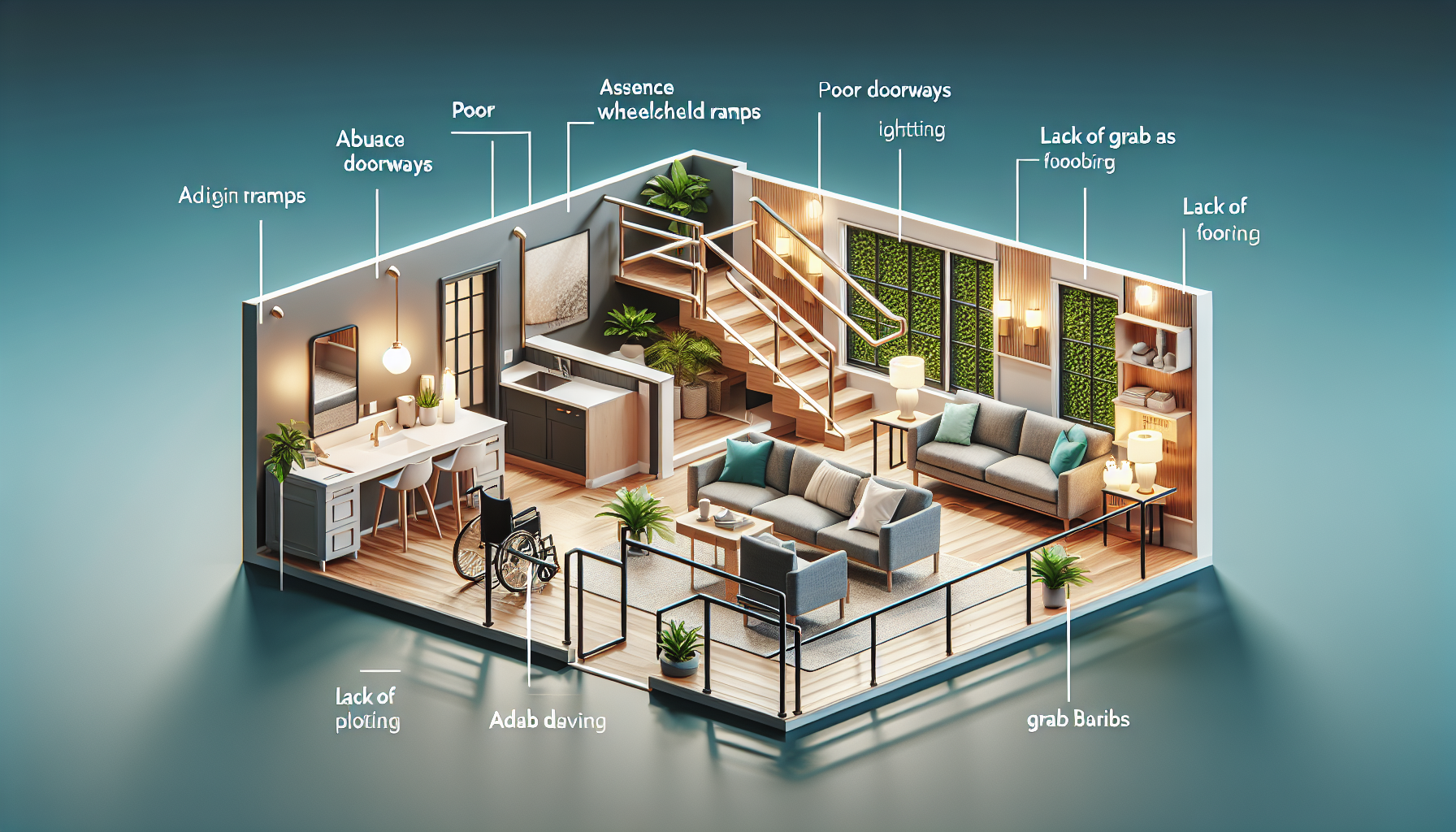
Pediatric mobility aids help children move, play, learn, and participate more fully at home, school, and in the community. In accessible family homes, these devices are not simply pieces of equipment; they are tools that support development, reduce caregiver strain, and create safer routines. The term pediatric mobility aids includes manual wheelchairs, power wheelchairs, gait trainers, walkers, standers, adaptive strollers, transfer devices, positioning systems, and home access equipment designed for infants, children, and teenagers. Each option serves a specific purpose, and the best choice depends on the child’s diagnosis, strength, endurance, postural control, growth, and daily environments.
I have seen families make meaningful gains when the home is planned around the child rather than forcing the child to work around the home. A doorway widened by two inches can turn a frustrating bottleneck into independent access. A properly adjusted gait trainer can make kitchen participation possible. A transfer sling that fits both the child and the bathroom layout can prevent injuries for everyone involved. These details matter because pediatric mobility is tied to far more than transportation. It affects joint protection, respiratory health, skin integrity, social inclusion, and emotional confidence.
Accessible family homes also require a different mindset than one-time equipment shopping. Children grow quickly, functional abilities change, and devices that worked at age four may be unsafe or limiting at age eight. Families need a hub approach that explains the full range of mobility aids and devices, how they fit into home design, and what questions to ask therapists, suppliers, builders, and funding sources. This article covers that landscape comprehensively so parents and caregivers can understand the options, recognize tradeoffs, and plan a home that remains usable over time.
What pediatric mobility aids include and how they are matched to a child
Pediatric mobility aids are prescribed and fitted to support movement, positioning, transfers, and participation. The starting point is always function: what the child needs to do, where they need to do it, and how much assistance they require. In clinical practice, seating and mobility teams typically evaluate posture, pelvic alignment, trunk control, head control, muscle tone, contracture risk, pressure distribution, endurance, cognition, and caregiver handling demands. Standardized assessments vary by setting, but the process is consistent: identify goals, measure the child, trial equipment, and confirm that the device works in real environments.
Manual wheelchairs suit children who can self-propel, use power-assist support, or rely on caregivers for pushing. Ultralight frames improve efficiency, while tilt-in-space systems support pressure relief and positioning. Power wheelchairs are appropriate when independent mobility is limited by strength, coordination, cardiopulmonary endurance, or distance demands. For many children with cerebral palsy, muscular dystrophy, spinal muscular atrophy, spina bifida, or spinal cord injury, powered mobility can expand learning and social engagement, not just convenience. Research and clinical consensus have long supported early access to powered mobility when a child demonstrates readiness and potential benefit.
Walkers, posterior walkers, gait trainers, and forearm support systems are used when stepping is possible but balance, alignment, or endurance are limited. Standers are often introduced to provide supported weight bearing, improve access to play surfaces, and help families vary position during the day. Adaptive strollers are useful for younger children or those who need transport support but do not require full-time wheelchair seating. Transfer aids include ceiling lifts, mobile hoists, slings, bath chairs, transfer benches, and slide boards. Positioning accessories such as lateral supports, headrests, chest harnesses, pelvic belts, footboxes, and custom cushions are not optional extras; they often determine whether a child can use the primary device safely.
Core categories of mobility aids and where each fits in family life
Families often ask which device they should buy first, but the better question is which mobility tasks need to be solved. A child may need one device for community access, another for active indoor mobility, and another for bathing or toileting. The most successful homes treat mobility as a system, not a single product. A manual chair may be best for tight indoor turns, while a power chair is essential for school distances. A gait trainer may support therapy goals, but a stroller may still be needed for long outings when fatigue sets in.
| Device category | Primary use | Best home application | Key limitation to plan for |
|---|---|---|---|
| Manual wheelchair | Self-propulsion or caregiver transport | Daily indoor mobility, quick transfers, portable travel | Requires efficient setup and enough turning space |
| Power wheelchair | Independent mobility over longer distances | Whole-home access, school use, outdoor travel | Needs charging space, larger clearances, ramp planning |
| Walker or gait trainer | Supported stepping and upright movement | Short indoor routes, play, kitchen participation | Often difficult on thresholds, carpet, and narrow halls |
| Stander | Supported standing and positioning | Playtime, homework, varied daily positioning | Takes floor space and may be room-specific |
| Adaptive stroller | Transport for younger or fatigued children | Appointments, errands, compact storage | Less supportive than customized wheelchair seating |
| Lift or transfer aid | Safer transfers for child and caregiver | Bedroom and bathroom routines | Requires sling fit, floor clearance, and training |
Real family routines show why these categories overlap. One family I worked with used a posterior walker for after-school mobility in the kitchen and living room, a power chair for school and neighborhood access, and a ceiling lift for nighttime transfers as their child grew. None of those devices replaced the others. Together, they created a workable daily routine. That is the central principle behind pediatric mobility aids for accessible family homes: choose complementary devices based on tasks, environments, and energy demands.
How accessible family homes should be planned around mobility devices
An accessible family home starts with circulation. Hallways, doorways, turning radii, and floor surfaces determine whether a mobility aid actually works. Under the 2010 ADA Standards, common reference dimensions include a 32-inch minimum clear opening at doors and a 60-inch turning circle, but residential design often needs more than minimum public-access numbers, especially for pediatric power chairs with growth components or for caregivers assisting beside the device. In practice, I advise families to measure the widest point of the child’s equipment, then add room for hands, footplates, and future adjustments.
Flooring should support rolling resistance and safe transfers. Low-pile flooring, flush transitions, and beveled thresholds make a major difference for small front casters and gait trainers. Bathrooms need particular attention because pediatric mobility often intersects with wet environments, toileting support, and caregiver body mechanics. Roll-in showers, handheld showerheads, reinforced walls for grab bars, under-sink knee clearance, and enough side transfer space around toilets are more valuable than cosmetic upgrades. In bedrooms, families benefit from ceiling track lift reinforcement, adjustable beds, charging access for power devices, and storage for slings, spare cushions, and orthotics.
Kitchen and living areas should allow participation, not just passage. Children need access to tables, counters, toy storage, charging stations, and social spaces. Lowered work surfaces, open knee space, reachable switches, and smart-home controls can increase independence. Exterior access matters too. A beautifully adapted interior still fails if the only entrance has steep steps or the van parking area does not provide unloading space. Home planning should therefore connect equipment selection to architecture, not treat mobility devices as afterthoughts.
Choosing mobility equipment with therapists, suppliers, and funding programs
The safest and most effective pediatric mobility aids are chosen through a team process. Usually that team includes a physical therapist or occupational therapist, an assistive technology professional, a rehabilitation technology supplier, the prescribing physician, and the family. For complex rehab technology such as custom wheelchairs, seating systems, and power bases, detailed documentation is essential. The clinician must explain why a lower-cost alternative will not meet medical and functional needs. Measurements, trial results, posture findings, transportation needs, and home access limits should all be documented.
Families should ask practical questions before approving any order. Can the device fit through every critical doorway? Will it work at school and in the family vehicle? Can it be adjusted for growth? What is the service timeline if a joystick fails or a caster breaks? Are replacement parts available locally? Does the cushion cover support infection control and easy laundering? For transfer equipment, ask about sling compatibility, safe working load, charging method, emergency lowering, and whether the base can clear the home’s furniture footprint.
Funding is often the hardest part. In the United States, Medicaid, Medicaid waivers, Children’s Health Insurance Program pathways, private insurance, early intervention supports, school-based services, charitable grants, and state assistive technology programs may all play a role, depending on the device category and medical necessity criteria. Coverage rules differ sharply by payer. Adaptive strollers may be approved in one scenario while a transit-capable wheelchair seating system requires additional justification. Families should keep copies of evaluations, letters of medical necessity, denial notices, and repair histories. Strong records make appeals more effective and help with future equipment renewals.
Safety, maintenance, and long-term usability at home
Mobility equipment only improves access when it is maintained and used correctly. Daily safety checks should include tires, wheel locks, anti-tippers, harness placement, footplate positioning, battery charge levels, and visible wear on straps or slings. For power devices, families should know the chair’s error codes, charger indicators, and manual freewheel procedures. For walkers and gait trainers, check that all knobs are tightened and that forearm prompts, pelvic supports, or seat components are positioned as intended. A minor shift in setup can create poor alignment, increased fatigue, or fall risk.
Maintenance planning is especially important for accessible family homes because breakdowns disrupt the entire household. A child who cannot access their primary device may miss school, therapy, and community activities within days. I encourage families to keep a simple equipment log with serial numbers, vendor contacts, warranty dates, cushion replacement intervals, and photos of the correct setup. For power mobility, maintain a protected charging area away from moisture and high-traffic clutter. For hygiene equipment, follow manufacturer cleaning instructions closely, especially for slings, cushions, and padded supports that contact skin.
Long-term usability depends on growth and changing needs. Pediatric seating should be reviewed regularly because growth spurts alter seat depth, back height, lower-leg length, and pelvic support needs. A home that worked during preschool years may need new clearances when footplates extend, a power base changes, or a lift is added. Planning ahead reduces crisis purchases. Families who think in stages, early childhood, school age, adolescence, and transition to adult services, usually spend more wisely and avoid adaptations that become obsolete too quickly.
Building a complete mobility strategy for family routines
The strongest pediatric mobility plans balance medical need, home usability, and ordinary family life. Children need access to breakfast, homework, siblings, play, bathing, bedtime, and outdoor time. That means the right mobility aids and devices should support routines across the day, not just clinic exercises or transportation. A child who can reach the dining table, move through the bathroom safely, and join family activities in the yard experiences a different level of inclusion than a child whose equipment only works in one room.
As a hub under Accessibility & Mobility Solutions, this topic connects naturally to related guides on wheelchair-accessible bathrooms, ramps and lifts, home modifications, adaptive flooring, vehicle access, smart-home controls, and caregiver-safe transfer techniques. Families do best when they connect those elements early. Start with a room-by-room review of barriers, measure existing equipment, involve the child’s therapy team, and prioritize changes that improve daily function first. Pediatric mobility aids are most effective when the home, the device, and the routine are designed to work together. If you are planning updates now, use this guide as the foundation and build a home access plan that can grow with your child.
Frequently Asked Questions
What are pediatric mobility aids, and how do they support children in accessible family homes?
Pediatric mobility aids are devices and support systems designed to help children move more safely, comfortably, and independently in daily life. This category includes manual wheelchairs, power wheelchairs, walkers, gait trainers, standers, adaptive strollers, transfer devices, positioning systems, and home access equipment. In an accessible family home, these tools do much more than provide transportation from one room to another. They help children participate in routines such as getting ready in the morning, eating meals with the family, moving between play areas, accessing bathrooms and bedrooms, and joining in schoolwork or hobbies at home.
These aids also play an important developmental role. When a child can explore their environment more easily, they often gain more opportunities for learning, communication, social interaction, and confidence-building. For example, a properly fitted walker or power wheelchair may allow a child to reach toys, interact with siblings, or take part in household activities that would otherwise be difficult. At the same time, positioning systems and standers can support posture, comfort, and body alignment, which may help with endurance, engagement, and overall function during the day.
For families, pediatric mobility aids can reduce physical strain during transfers, daily care, and supervision. An accessible home that is designed to work with the child’s equipment can improve safety and streamline routines for everyone. Wider doorways, smoother floor transitions, accessible bathroom layouts, and thoughtful storage for mobility devices can make a major difference. In this setting, pediatric mobility aids become part of a broader strategy that supports independence, safety, participation, and quality of life for both the child and the caregivers.
How do families choose the right pediatric mobility aid for their child and home environment?
Choosing the right pediatric mobility aid involves much more than selecting a device by diagnosis or age. The best choice depends on the child’s physical abilities, endurance, posture, growth, communication needs, daily routines, and long-term goals. It also depends on where and how the equipment will be used. A child may need one aid for indoor mobility, another for community outings, and additional equipment for positioning, standing, or transfers. Families typically make these decisions with guidance from a team that may include a pediatrician, physical therapist, occupational therapist, rehabilitation specialist, equipment supplier, and, importantly, the child.
The home environment should be evaluated early in the process. Families should think about doorway widths, hallway turning space, bathroom access, flooring surfaces, storage, vehicle transport, and whether the child needs access to multiple levels of the home. A device that works well in a clinic setting may not function as smoothly in a smaller bedroom, narrow kitchen, or home with stairs. For this reason, a practical home-based assessment is often one of the most valuable steps. The goal is to make sure the mobility aid supports the child’s participation in real routines, not just clinical tasks.
Fit and adjustability are also essential. Children grow, and their physical needs may change over time. A mobility aid should provide proper support for posture, comfort, and pressure management while allowing as much functional movement and independence as possible. Families should ask about customization options, safety features, maintenance needs, and whether the device can be adapted as the child develops. Insurance requirements, funding options, and delivery timelines are also worth discussing in advance, since specialty pediatric equipment can take time to obtain. The strongest decisions usually come from balancing medical recommendations with everyday family life, making sure the device truly works in the child’s home, school, and community settings.
What home modifications improve safety and accessibility for children using mobility aids?
Home modifications for children using pediatric mobility aids should focus on safety, access, comfort, and ease of participation. Common improvements include wider doorways, step-free entrances, ramps, open floor space for turning and maneuvering, non-slip flooring, and smooth transitions between rooms. These changes help children using manual wheelchairs, power wheelchairs, walkers, or gait trainers move more efficiently and with less risk of bumping into obstacles or getting stuck in tight spaces. Even small design choices, such as lowering thresholds or rearranging furniture, can significantly improve day-to-day independence.
Bathrooms and bedrooms are often the highest-priority areas for accessibility upgrades. In the bathroom, families may benefit from roll-in showers, grab bars, shower chairs, transfer equipment, handheld shower heads, and accessible sink or toilet layouts. In the bedroom, enough space is needed for transfers, positioning equipment, and caregivers assisting with routines. Some families also need ceiling lifts, portable lifts, or specialized beds to reduce caregiver strain and support safer transfers. Lighting, reachable switches, and organized storage can further improve usability and reduce the stress of daily care tasks.
Accessibility should also support family life, not just basic care. Children benefit when they can reach favorite play spaces, dining areas, homework stations, and shared family rooms. A well-designed accessible home helps the child participate naturally rather than being limited to one or two usable spaces. When possible, modifications should be planned with future needs in mind. A child’s mobility may change, and equipment may become larger or more specialized over time. Designing for flexibility now can prevent costly changes later and create a home that continues to support safety, independence, and inclusion as the child grows.
How do pediatric mobility aids reduce caregiver strain and improve daily routines?
Pediatric mobility aids can significantly reduce caregiver strain by making everyday tasks safer, more efficient, and less physically demanding. Without the right equipment, caregivers may need to lift, carry, reposition, or manually support a child many times throughout the day. Over time, this can contribute to back pain, fatigue, injury risk, and emotional stress. Equipment such as transfer devices, adaptive strollers, wheelchairs, standers, and positioning systems helps distribute physical demands more safely and supports more consistent routines.
These tools can also improve the flow of everyday life. For example, a child who can move independently in a manual or power wheelchair may be able to travel from the bedroom to the kitchen without being carried. A properly fitted gait trainer may support walking practice while reducing the amount of hands-on assistance required from a caregiver. Positioning systems can make mealtimes, schoolwork, and leisure activities more comfortable and sustainable, which often means fewer interruptions and better engagement. Transfer equipment can make bathroom routines, bathing, and bed-to-chair moves safer for both the child and the adult providing care.
Just as importantly, mobility aids can shift family routines from constant physical assistance toward greater participation and predictability. When a child has the right support, caregivers may spend less energy managing preventable obstacles and more time focusing on communication, play, learning, and connection. This can improve family well-being overall. Reduced strain does not mean reduced involvement; it means the home and equipment are working together more effectively. In many cases, that leads to safer caregiving, more sustainable routines, and better quality of life for the entire household.
Can a child use more than one mobility aid, and how do families manage multiple devices at home?
Yes, many children use more than one pediatric mobility aid because different devices serve different purposes. A child may use a power wheelchair for independent mobility, a stander for weight-bearing and positioning, an adaptive stroller for transportation in certain settings, and a transfer device for safer movement during care routines. This is common and often appropriate. Mobility needs are rarely one-dimensional, and the right combination of equipment can support a child across play, learning, travel, rest, therapy, and self-care activities.
Managing multiple devices at home starts with organization and intentional planning. Families benefit from identifying where each piece of equipment will be used and stored, how often it is needed, and whether the home layout supports safe access. Frequently used devices should be easy to reach without blocking hallways or exits. Charging stations for power equipment, storage for accessories, and clear pathways for larger devices all help reduce clutter and improve safety. In some homes, designated mobility zones near entrances, bedrooms, or family living areas can make transitions easier and reduce daily frustration.
It is also important to think about training, maintenance, and scheduling. Caregivers should understand how to adjust, clean, charge, and safely use each device. Regular follow-up with therapists and equipment providers helps ensure the child’s devices still fit well and match current needs. As the child grows, one aid may become more useful while another is needed less often. Families who take a flexible, team-based approach are usually best positioned to keep equipment practical and effective. Rather than viewing multiple mobility aids as excessive, it is more accurate to see them as a coordinated set of tools that helps the child participate more fully and safely across all parts of home life.