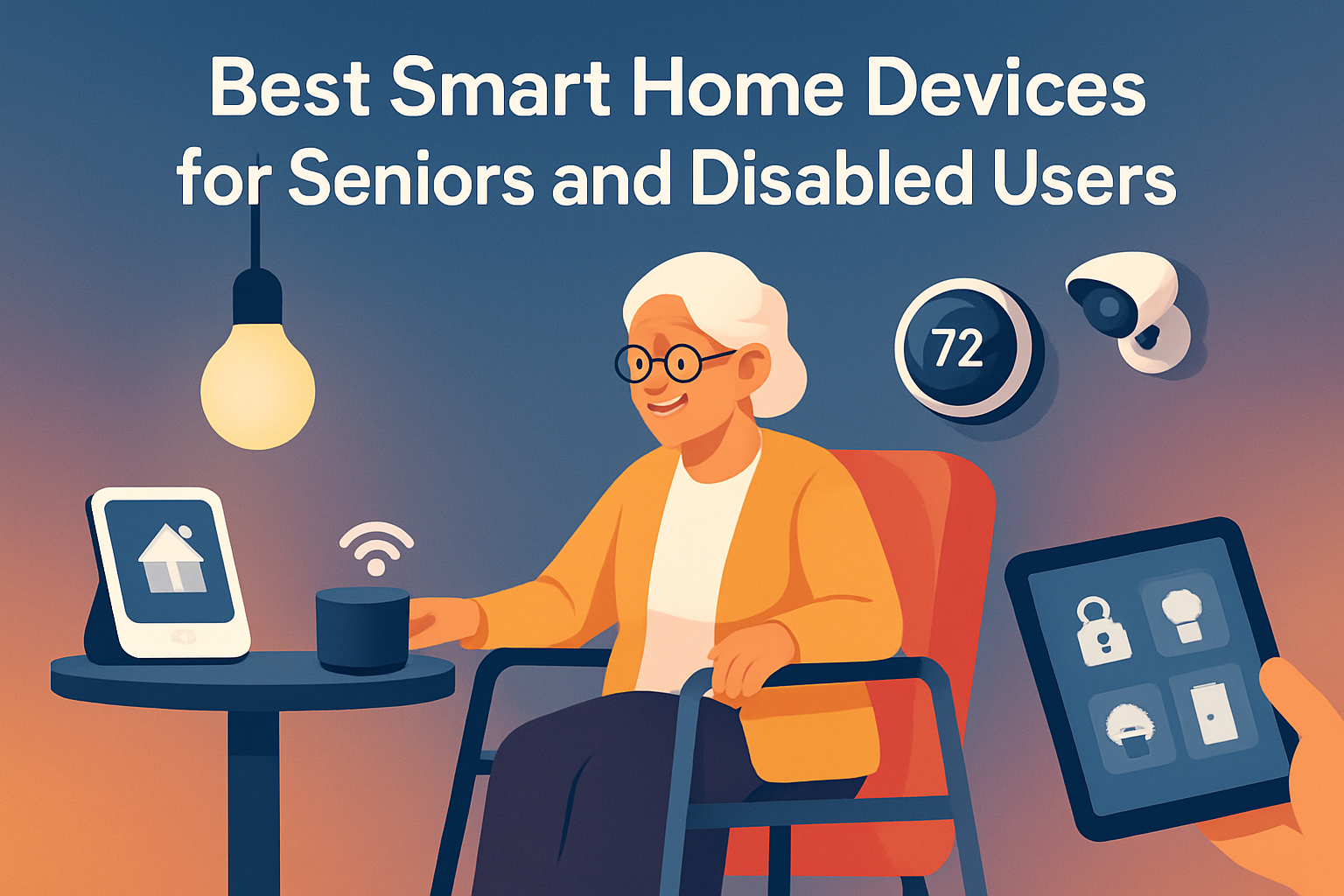
Smart home integration can make daily life safer, easier, and more independent for older adults and people with disabilities when the devices are chosen for real accessibility rather than novelty. In practical terms, smart home devices are internet-connected tools such as voice assistants, video doorbells, automated lights, smart locks, thermostats, medication reminders, and sensor systems that can be controlled by voice, app, switch, routine, or remote caregiver access. I have helped families set up these systems in apartments, suburban homes, and assisted living units, and the difference between a helpful setup and an annoying one usually comes down to matching the device to the user’s mobility, vision, hearing, dexterity, memory, and cognitive needs.
For seniors, the right smart home devices can reduce fall risk, support medication adherence, simplify communication, and lower the physical effort required for routine tasks. For disabled users, the value is often even broader: environmental control can replace difficult physical actions, automate inaccessible switches, and create reliable pathways for communication and emergency response. This matters because accessibility barriers at home are cumulative. A stiff deadbolt, a hard-to-read thermostat, a missed doorbell, and a forgotten pill may seem minor separately, yet together they can reduce safety and confidence. Good smart home integration addresses those friction points across the whole home rather than solving only one problem at a time.
The best smart home devices for seniors and disabled users are not always the newest or most expensive. They are the products that offer clear voice control, tactile alternatives, strong app accessibility, dependable automations, backup power options, and simple fail-safe behavior. Compatibility also matters. Most successful systems today center on platforms such as Amazon Alexa, Google Home, Apple Home, or Samsung SmartThings, with communication standards increasingly built around Matter, Thread, Wi-Fi, Zigbee, Z-Wave, and Bluetooth. A hub page on smart home integration should therefore answer the big questions directly: which device categories deliver the most benefit, what accessibility features matter most, how should caregivers evaluate privacy and reliability, and how can a home be upgraded without overwhelming the user?
This guide covers the core smart home categories that consistently improve accessibility: voice assistants, lighting, entry and security, climate control, safety sensors, communication tools, and daily-living automation. It also explains the tradeoffs I see in real installations, from weak Wi-Fi coverage and confusing apps to poor voice recognition and battery maintenance. If you are building a safer home under the broader Accessibility & Mobility Solutions topic, this article is the central overview for smart home integration and the starting point for choosing devices that support independence with minimal complexity.
Voice assistants as the center of accessible control
For many users, the best first smart home device is a voice assistant because it acts as a hands-free control layer for everything else. Amazon Echo devices with Alexa, Google Nest speakers and displays, and Apple HomePod with Siri all support voice commands for lights, reminders, calls, timers, routines, and compatible smart home products. For someone with arthritis, tremor, limited reach, or wheelchair use, saying “turn on the kitchen lights” or “lock the front door” is often far easier than navigating multiple physical controls. For blind or low-vision users, voice control can replace screens entirely for many common tasks.
In my experience, Alexa has the broadest device compatibility and the deepest routine ecosystem for mainstream consumer setups, while Google Assistant often handles natural-language requests well, and Apple Home works best for households already invested in iPhone, iPad, and Apple Watch. The accessibility decision should be based on the user, not the brand. A person with dysarthria may do better with a platform that recognizes their speech pattern more reliably. A Deaf user may benefit more from a smart display with large captions and visual routines than from a speaker alone. A user with memory impairment may need recurring medication reminders announced across multiple rooms.
Placement matters as much as platform choice. A voice assistant should be in the bedroom, living room, and kitchen at minimum if the user spends time in all three spaces. Smart displays such as the Echo Show or Google Nest Hub can add visual prompts for reminders, doorbell feeds, and step-by-step instructions. The most useful routines are usually simple: good morning sequences that turn on lights and announce weather, bedtime routines that lock doors and reduce thermostat settings, and emergency phrases that call a trusted contact or trigger all lights. Complex automation can be powerful, but only if it remains predictable.
Smart lighting and blinds for safety, visibility, and energy savings
Lighting is one of the highest-value upgrades in any accessible home because it directly affects fall prevention, navigation, and visual comfort. Smart bulbs, smart switches, motion sensors, and automated blinds can eliminate the need to cross dark rooms or reach awkward wall controls. In homes where I have implemented lighting routines, the most successful setup uses layered control: voice command, app control, scheduled scenes, and motion activation in key pathways such as the bedroom-to-bathroom route. Brands commonly used for reliable lighting include Philips Hue, Lutron Caseta, TP-Link Kasa, and Leviton.
Philips Hue offers excellent scene control and broad compatibility, but it is relatively expensive. Lutron Caseta is one of the most dependable options for users who still want a physical wall switch that works every time, which is important because guests, aides, and emergency responders may not understand app-based systems. Motion-activated night lighting in hallways and bathrooms is especially valuable for seniors at risk of nighttime falls. For low-vision users, tunable white bulbs can improve contrast during the day and reduce glare or overstimulation in the evening. Automated blinds can further support accessibility by reducing the need for pulling cords and by improving light management for migraine sensitivity or visual comfort.
| Device category | Main accessibility benefit | Best-known examples | Key limitation to plan for |
|---|---|---|---|
| Voice assistants | Hands-free control and reminders | Amazon Echo, Google Nest Hub, Apple HomePod | Speech recognition varies by user and environment |
| Smart lighting | Fall prevention and easier navigation | Philips Hue, Lutron Caseta, TP-Link Kasa | Bulb-only systems can confuse guests if wall switches are turned off |
| Smart locks and doorbells | Safer entry and remote monitoring | Yale Assure Lock, Schlage Encode, Ring, Nest Doorbell | Battery maintenance and Wi-Fi reliability are critical |
| Sensors and alerts | Early warning for hazards or missed activity | Aqara sensors, Google Nest Protect, Wi-Fi leak detectors | Too many alerts can cause alarm fatigue |
Smart locks, video doorbells, and entry access
Entry control is a major pain point for seniors and disabled users because opening the door can require speed, grip strength, balance, and situational awareness. Smart locks solve several of these problems by allowing keypad entry, app control, scheduled access codes, and voice-assisted locking. Models such as Yale Assure Lock, Schlage Encode, and August Smart Lock are widely used because they balance accessibility features with strong integration. Keypad access can help users who struggle with keys, while remote unlock can allow a family member, aide, or delivery person to enter without forcing the resident to hurry to the door.
Video doorbells add another layer of accessibility. Products from Ring, Google Nest, and Arlo let users see who is outside from a phone or smart display, which is valuable for people with limited mobility, hearing loss, or anxiety about opening the door unexpectedly. In accessible setups, I prefer pairing doorbells with visual and auditory announcements inside the home. A smart display in the living room can show the live camera feed automatically when someone rings, while a flashing light routine can support users who might not hear the chime. This is especially helpful in larger homes or when noise-canceling headphones, hearing aids, or medical equipment affect situational awareness.
There are tradeoffs. Battery-powered doorbells and locks require regular charging or replacement, and neglected power maintenance is one of the top reasons these systems fail in practice. Mechanical override options remain essential. Every smart lock should have a clear backup entry method, and every household should decide in advance who has physical keys, app access, admin rights, and emergency permissions. Privacy also matters. Doorbell footage may capture neighbors or public space, so users should review storage settings, retention periods, and local legal expectations before enabling continuous recording.
Climate control, appliances, and daily routine automation
Smart thermostats and appliance controls can significantly reduce physical strain while improving comfort and safety. Google Nest Learning Thermostat, ecobee Smart Thermostat Premium, and Honeywell Home thermostats allow remote adjustments, voice commands, scheduling, and occupancy-based automation. For users with limited mobility, painful joints, or autonomic conditions that make temperature regulation more important, avoiding repeated trips to a hard-to-reach thermostat is a meaningful benefit. In homes with caregivers, remote visibility into temperature settings can also help prevent unsafe heating or cooling conditions.
Daily routine automation goes beyond temperature. Smart plugs from TP-Link Kasa, Eve, and Meross can control lamps, fans, coffee makers, and other simple devices on a schedule or routine. This can help users who forget to turn off appliances or who cannot easily reach outlets and switches. However, not every appliance is safe to automate. Heating devices, stoves, and equipment with manual reset requirements should be evaluated carefully. A smart plug is excellent for a table lamp, but it is not automatically appropriate for a space heater or a medical device without manufacturer guidance.
Robot vacuums, automatic feeders for pets, and connected medication dispensers also fit within smart home integration when they reduce task burden. Medication systems such as Hero or MedMinder can provide timed dispensing and caregiver notifications, though they should support, not replace, clinician-approved medication management plans. The best automations are those that remove repeated effort without hiding critical functions. If the internet goes down, users should still be able to adjust the thermostat, turn on a lamp, and access basic home functions manually.
Safety sensors, emergency response, and passive monitoring
Some of the best smart home devices for seniors and disabled users are the least visible: sensors that detect smoke, carbon monoxide, leaks, open doors, unusual temperature changes, or lack of motion. Google Nest Protect remains one of the strongest consumer smoke and carbon monoxide alarms because it offers spoken alerts, mobile notifications, and self-testing features. Water leak detectors placed near sinks, washing machines, water heaters, and toilets can prevent expensive damage and identify problems before a slip hazard develops. Contact sensors on doors and cabinets can trigger reminders or caregiver notifications when important routines are missed.
Passive monitoring deserves careful discussion because it can improve safety while raising legitimate privacy concerns. Motion sensors in kitchens, hallways, and bathrooms can indicate normal daily activity patterns. If no motion is detected by a certain time, a caregiver can receive a check-in prompt. Systems from Aqara, Samsung SmartThings-compatible brands, and dedicated remote care platforms can support this use case. In my work, these systems have been most successful when expectations are explicit. The resident understands what data is collected, who can see it, when alerts are triggered, and how to disable or pause monitoring during private times.
Emergency response should never rely on a single device. A comprehensive setup may include a wearable medical alert button, voice assistant emergency calling, smart speakers in multiple rooms, and automated lighting triggered during an alarm. Redundancy matters because falls, power outages, router failures, or speech difficulty can disrupt one channel. When advising families, I recommend treating smart home safety as a layered system: prevention through lighting and layout, detection through sensors, communication through voice and alerts, and response through clear emergency contacts and backup methods.
How to choose the right smart home setup
The best smart home integration starts with an accessibility assessment, not a shopping list. Identify the user’s specific barriers first: difficulty reaching switches, trouble hearing the doorbell, inconsistent medication timing, fall risk at night, forgetfulness, limited hand strength, speech variability, or caregiver coordination needs. Then map those barriers to device categories. One user may gain the most from lighting and locks, while another needs captions on a smart display, leak sensors, and a thermostat with remote caregiver control. Starting small often produces better adoption than installing a whole-house system at once.
Reliable connectivity is essential. A mesh Wi-Fi system from eero, Google Nest WiFi, or Netgear Orbi can eliminate dead zones that cause smart devices to fail intermittently. Accessibility also includes the app. Check whether the device works with screen readers such as VoiceOver and TalkBack, supports large text, offers captioning, and allows multiple control methods. Review battery schedules, subscription costs, and data-sharing policies before purchase. Matter compatibility is increasingly useful because it can reduce vendor lock-in and make future expansion easier across platforms.
Finally, train everyone who will use the system. That includes the resident, family members, home health aides, and trusted neighbors if appropriate. Label routines in plain language, keep backup instructions on paper, and test emergency scenarios quarterly. Smart home devices deliver their biggest benefit when they are dependable, understandable, and tailored to the person rather than the other way around.
Smart home integration works best when it removes barriers without introducing new confusion. For seniors and disabled users, the most valuable devices are usually voice assistants, smart lighting, locks and doorbells, thermostats, safety sensors, and carefully chosen automation tools that fit daily routines. These devices can reduce falls, simplify entry, support communication, improve comfort, and give caregivers useful visibility without requiring constant physical effort from the resident.
The core lesson is straightforward: buy for accessibility outcomes, not gadget appeal. Choose devices with multiple control options, strong reliability, clear backup methods, and privacy settings that match the household’s comfort level. Build around real needs such as mobility limits, vision loss, hearing changes, memory support, or caregiver coordination. Start with one or two high-impact upgrades, confirm they work consistently, and expand only when the user feels confident.
As the central guide in Smart Home Integration within Accessibility & Mobility Solutions, this hub should help you evaluate every later purchase against a simple standard: does this device make the home safer, easier, and more independent to live in? If the answer is yes, it belongs on the shortlist. Review your highest-friction daily tasks, choose the category that addresses them first, and begin building a smarter accessible home one dependable device at a time.
Frequently Asked Questions
What smart home devices are most useful for seniors and disabled users?
The most useful smart home devices are usually the ones that solve everyday problems with the least effort. For many seniors and disabled users, that starts with voice assistants, smart lighting, video doorbells, smart locks, thermostats, medication reminders, and safety sensors. A voice assistant can reduce the need to reach for phones, remotes, or wall switches by allowing someone to turn on lights, call a family member, set reminders, or ask for help using simple voice commands. Smart lights are especially helpful for people with limited mobility, low vision, balance issues, or pain, because they can be scheduled to turn on automatically or activated by voice or motion.
Video doorbells and smart locks add both convenience and security. They allow users to see who is at the door without rushing to answer it, and they can let in trusted caregivers or family members remotely when needed. Smart thermostats are valuable for people who have difficulty reaching controls, remembering settings, or regulating comfort throughout the day. Medication reminder devices and connected alert systems can support health routines and reduce missed doses. Sensor-based devices, such as fall-alert systems, door sensors, leak detectors, and motion sensors, can provide an extra layer of protection and notify caregivers if something unusual happens. The best setup is rarely the most high-tech one; it is the one that matches a person’s physical abilities, cognitive needs, home layout, and comfort with technology.
How do I choose accessible smart home devices instead of gimmicky ones?
The best way to choose accessible smart home devices is to focus on usability, not novelty. Start by identifying the actual barriers the person faces every day. For example, if someone has trouble getting out of bed at night, smart bedside lighting and motion-activated hallway lights may be more useful than a complex entertainment system. If they have limited hand strength or dexterity, look for devices with reliable voice control, large buttons, easy-grip accessories, or automation that removes the need for manual operation altogether. If hearing or vision loss is a factor, choose devices that support multiple alert types, such as spoken prompts, flashing lights, app notifications, vibration, or integration with other assistive technology.
It is also important to look closely at setup and long-term use. A device may seem accessible in theory but become frustrating if the app is cluttered, the voice commands are inconsistent, or the internet connection has to be reset often. Good accessibility features include simple interfaces, compatibility with screen readers, customizable routines, clear audio, remote caregiver access, and dependable performance. It also helps to choose products from established brands with ongoing software support and strong customer service. Before buying, think about whether the person will use the device independently, with occasional help, or through a caregiver. The right device should reduce effort and increase confidence. If it adds confusion, extra steps, or frequent troubleshooting, it is probably not the right fit.
Are smart home devices safe and reliable enough for people who depend on them every day?
Smart home devices can be very safe and reliable, but they should be chosen and installed thoughtfully, especially when someone depends on them for daily routines, security, or health-related support. The key is to think of smart devices as part of a layered support system rather than the only solution. For example, smart locks, voice assistants, and automated lights can be highly dependable for everyday use, but they should still have backup options such as physical keys, manual switches, or battery-powered lighting in case of power or internet outages. The most successful smart home setups for seniors and disabled users are the ones that combine convenience with redundancy.
Reliability also depends heavily on the quality of the home network, device placement, and ongoing maintenance. Weak Wi-Fi, outdated apps, low batteries, and poor configuration can make even good devices seem unreliable. It is worth choosing products with strong reviews for stability, secure account settings, and straightforward update processes. Privacy and security matter too. Devices that include cameras, microphones, or remote access should use strong passwords, two-factor authentication when available, and carefully managed sharing permissions. For users who rely on caregiver access, it is wise to clearly define who can view cameras, unlock doors, change routines, or receive alerts. With proper setup, most smart home tools can be reliable enough to improve independence and safety, but critical needs should always have a non-smart fallback.
Can smart home technology help seniors and disabled users live more independently?
Yes, smart home technology can meaningfully support independence when it is tailored to the individual. Independence does not always mean doing everything alone; often it means being able to manage daily life with less strain, fewer risks, and more control. Smart home devices can reduce the need to walk across the room, reach overhead, bend down, answer the door quickly, adjust hard-to-reach controls, or remember every small task manually. For someone with arthritis, chronic pain, limited mobility, vision loss, fatigue, or cognitive challenges, those small reductions in effort can make a major difference over the course of a day.
For example, routines can automate several tasks at once: lights can turn on gradually in the morning, the thermostat can adjust automatically, medication reminders can sound at the correct time, and doors can lock at night without requiring a physical check. A video doorbell can make visitors less stressful to manage. Voice control can help someone make calls, hear reminders, or control appliances without needing fine motor precision. Remote caregiver access can also support independence rather than reduce it, because help can be given only when needed instead of requiring constant in-person assistance. When chosen well, smart home technology can help people stay in their homes longer, manage more of their own routines, and feel safer and more confident in everyday life.
What should families and caregivers consider before setting up a smart home system?
Families and caregivers should begin with a practical assessment of the person’s daily habits, physical abilities, medical needs, and comfort level with technology. The biggest mistake is buying several devices at once without a clear plan. It is better to start with one or two high-impact tools that address specific concerns, such as fall risk at night, difficulty answering the door, missed medications, or trouble controlling lights and temperature. Consider how the user prefers to interact with devices. Some people do best with voice commands, while others need automatic routines, tactile buttons, or remote management by a trusted family member. The goal is to make the system feel intuitive and supportive, not intrusive or overwhelming.
Caregivers should also think about installation, training, permissions, and maintenance. Someone needs to set up Wi-Fi, connect accounts, update software, replace batteries, and test whether automations are working correctly. It is important to keep instructions simple and consistent, especially for users with memory issues or limited technical confidence. Remote access should be granted carefully, with clear boundaries about what each caregiver can monitor or control. Privacy matters just as much as safety, particularly with indoor cameras or location-based alerts. Finally, plan for backup methods and emergencies. Make sure essential functions can still work manually and that the person knows what to do if a device fails. The best smart home system is not the one with the most features; it is the one that fits smoothly into daily life and continues to work reliably over time.