The future of aging in place is no longer a niche topic in senior care; it is a central strategy for how families, health systems, housing providers, and communities will respond to longer lifespans. Aging in place means staying safely, comfortably, and independently in one’s own home or chosen community as needs change over time. In practice, that includes home accessibility, mobility support, preventive health monitoring, caregiver coordination, transportation options, and financial planning. I have worked with families retrofitting homes after falls, clinicians trying to reduce avoidable hospital visits, and contractors translating functional needs into practical design changes, and one lesson is consistent: aging in place succeeds when planning starts before a crisis. This matters because populations are aging quickly, costs of institutional care remain high, and most older adults say they want to remain at home for as long as possible.
The next phase of aging in place strategies will be shaped by a mix of demographics, design standards, connected technology, and service integration. Adults over sixty-five already represent a growing share of the population, and many live with chronic conditions that affect balance, strength, vision, hearing, or cognition. At the same time, housing stock in many regions was built without step-free entries, wider doorways, lever hardware, adequate lighting, or accessible bathrooms. Families often discover these gaps only after surgery, a stroke, or a mobility decline. The future, therefore, is not just about adding gadgets. It is about building homes and support systems that adapt. For readers exploring accessibility and mobility solutions, this hub explains the core pillars of aging in place strategies, what is changing next, and how to evaluate options realistically.
Why Aging in Place Is Becoming the Default Goal
Aging in place is becoming the default goal because it aligns personal preference, health outcomes, and economics better than many alternatives. Most older adults prefer familiar routines, neighborhood relationships, and control over daily life. Those factors affect emotional well-being as much as medical care does. In my experience, people recover better when they can sleep in their own bedroom, reach their own kitchen, and maintain a sense of autonomy. That preference also intersects with cost. Assisted living and skilled nursing are essential for some situations, but both can be expensive and geographically limited. By contrast, a targeted home modification plan, paired with in-home services, can delay or reduce the need for residential care.
There is also a system-level reason this shift is accelerating. Hospitals, insurers, and public agencies increasingly measure outcomes such as readmissions, fall prevention, and functional independence. A home environment that supports safe transfers, medication adherence, and virtual follow-up can improve all three. This is why aging in place strategies now sit at the intersection of housing, healthcare, and mobility. The question is no longer whether people want to age in place. The real question is what combination of home design, assistive equipment, care services, and community infrastructure will make that possible for different needs and income levels.
Home Design Will Move From Reactive Fixes to Adaptive Planning
The biggest change ahead is a shift from reactive renovation to adaptive planning. Historically, families waited for a health event, then rushed to install grab bars, a ramp, or a stair lift. That approach is common, but it usually costs more, limits choices, and creates avoidable safety risks during the waiting period. The future of aging in place will favor earlier assessments based on function, not age alone. Occupational therapists, certified aging-in-place specialists, accessibility contractors, and physical therapists are increasingly working together to map barriers room by room.
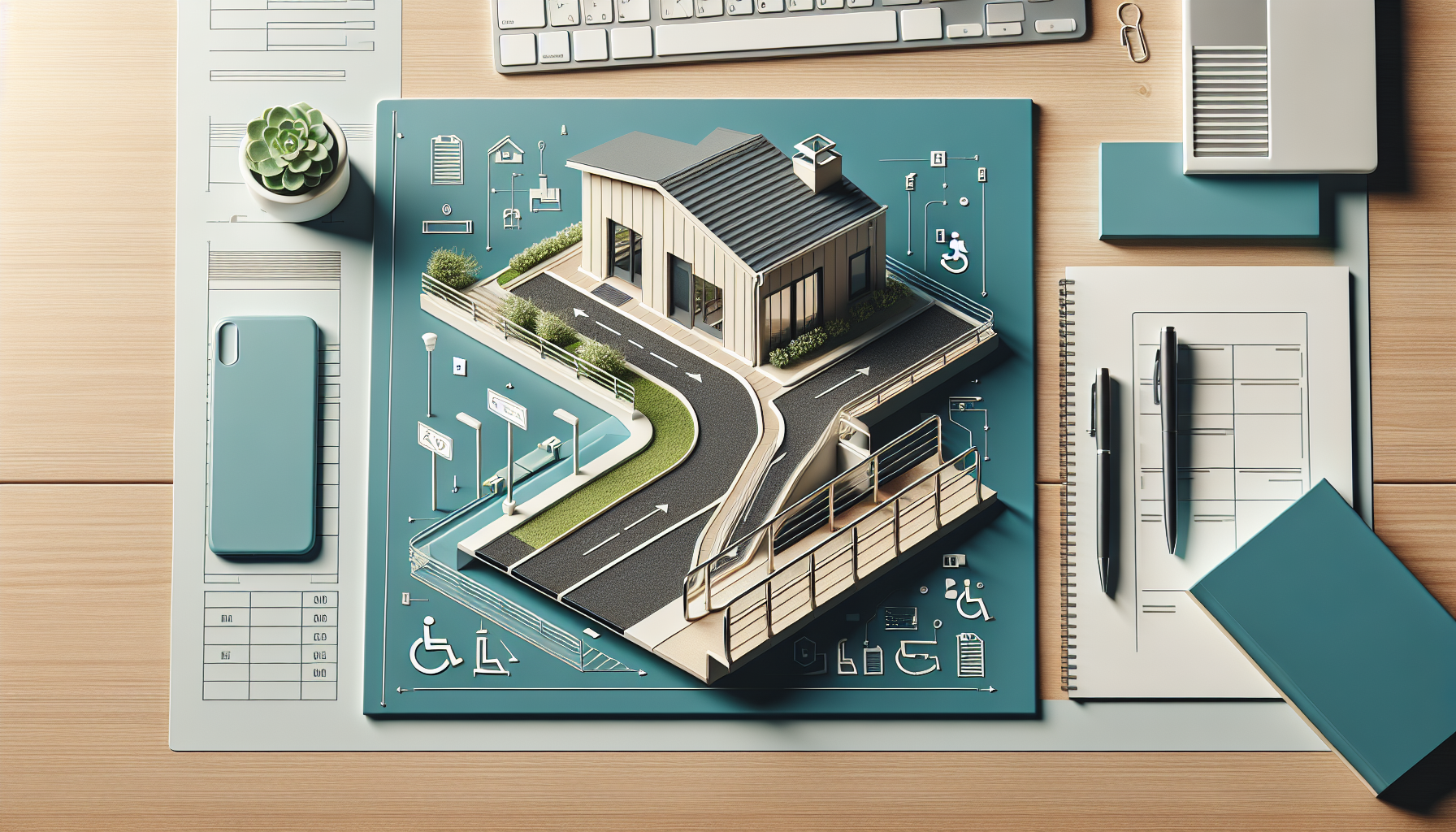
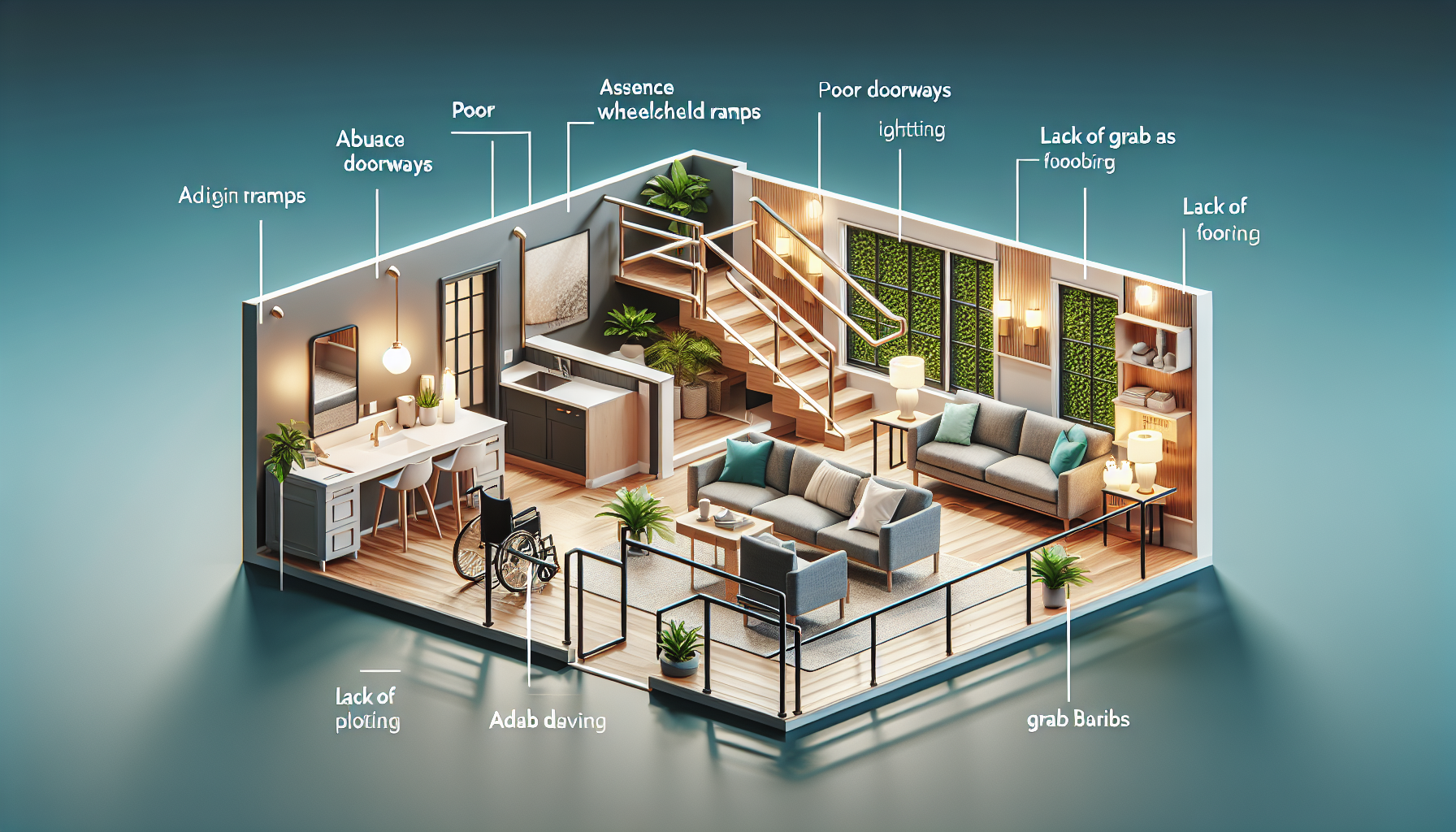
Good aging in place home design starts with predictable pressure points: entrances, flooring, bathrooms, kitchens, stairs, and lighting. A step-free entry, at least one accessible bathroom on the main floor, non-slip surfaces, reinforced walls for future grab bar placement, and wider circulation paths create flexibility before disability becomes severe. Universal design principles matter here because they reduce the need for special adaptations later. Features such as rocker light switches, lever door handles, curbless showers, handheld showerheads, and pull-out shelving are easier for almost everyone to use, including someone with arthritis, low vision, or a temporary injury.
I have seen simple changes outperform expensive ones. Better task lighting reduces falls. Contrasting stair nosings improve depth perception. A shower bench and correctly placed grab bars can turn a dangerous bathroom into a manageable one. The common mistake is assuming every home needs a full remodel. Many do not. The smarter strategy is to prioritize modifications by risk, frequency of use, and cost-effectiveness, then phase projects over time.
Smart Home Technology Will Become More Useful and Less Intrusive
Smart home technology is often presented as the future of independent living, but its value depends on whether it solves real problems without creating new burdens. The next wave is moving in the right direction. Early products focused on novelty; newer systems focus on safety, reminders, remote monitoring, and easier control of the environment. Voice assistants can help with medication reminders, hands-free calling, lighting control, and calendar prompts. Smart locks can simplify caregiver access. Leak sensors, stove shutoff devices, motion sensors, and video doorbells can reduce common household risks.
The most promising development is passive monitoring that respects privacy while identifying meaningful change. For example, sensor systems can detect reduced kitchen use, more nighttime bathroom visits, or less movement during the day, all of which may signal illness, dehydration, depression, or mobility decline. Wearables can track activity, heart rate irregularities, and emergency events such as falls, though false alarms and user adherence remain concerns. In real homes, the best results come from combining a small number of dependable tools rather than over-automating everything.
Technology also has limits. Devices need broadband, power, updates, and someone to troubleshoot them. Interfaces must account for hearing loss, low vision, tremors, and limited digital confidence. Privacy rules and data sharing should be explicit, especially when adult children or agencies are involved. A good standard is this: if a device adds friction, confusion, or anxiety, it is not supporting aging in place. The future belongs to systems that are interoperable, low-maintenance, and genuinely helpful during everyday routines.
Healthcare at Home Will Expand Beyond Basic Home Visits
One of the strongest drivers of aging in place is the rapid expansion of healthcare delivered at home. This includes telehealth, remote patient monitoring, hospital-at-home models, home infusion, rehabilitation, palliative care, and coordinated chronic disease management. These services matter because many older adults do not decline solely from one diagnosis. They struggle with the cumulative effect of multiple conditions, transportation barriers, medication complexity, and fatigue after clinical visits. Bringing care into the home reduces those frictions.
Remote monitoring is especially important for people with heart failure, COPD, diabetes, or hypertension. A connected blood pressure cuff, pulse oximeter, glucose monitor, or weight scale can identify early warning signs before a crisis escalates. Clinicians can then adjust medications, schedule a visit, or recommend an evaluation sooner. In practice, the home environment also reveals issues a clinic may miss: poor food access, unsafe transfers, wrong pill organization, or caregiver strain. That is why interdisciplinary home-based care often produces more actionable information than isolated appointments.
The growth area to watch is integration. The future is not just more home visits; it is better coordination among primary care, specialists, rehabilitation providers, pharmacists, and family caregivers. When those teams share information, aging in place becomes safer. When they do not, families end up managing fragmented advice. Any long-term plan should include how health information is communicated, who responds after hours, and what threshold triggers a higher level of care.
Mobility Solutions Will Focus on Daily Function, Not Just Equipment
Mobility is the practical core of aging in place. If a person cannot enter the home, move between rooms, transfer safely, bathe, or reach community destinations, independence narrows quickly. The future of mobility solutions will go beyond simply choosing a cane, walker, wheelchair, scooter, ramp, or stair lift. It will emphasize fit between the individual, the environment, and the task. That means evaluating gait, endurance, balance, upper-body strength, cognitive status, and transportation habits alongside the physical layout of the home.
For example, a rolling walker may work well indoors but create problems at narrow thresholds or cluttered bathroom doors. A wheelchair user may need lower countertops, clear turning radius, and threshold ramps, not just a chair. A stair lift can preserve access to a second floor, but if bathing and sleeping can be relocated to the main level, that may be a more resilient solution long term. Vehicle access matters too. Older adults who stop driving often face isolation unless ride programs, accessible transit, or family scheduling systems are in place.
| Need | Common Solution | Best Use Case | Key Limitation |
|---|---|---|---|
| Safer bathroom transfers | Grab bars and shower bench | Balance loss or post-surgery recovery | Poor placement reduces effectiveness |
| Access over entry steps | Ramp or vertical platform lift | Walker or wheelchair use | Space, slope, and weather exposure |
| Access between floors | Stair lift | Stable seated transfer ability | Not ideal with severe transfer difficulty |
| Indoor walking support | Cane or walker | Mild to moderate balance deficits | Wrong height or style can increase fall risk |
| Community mobility | Transport service or scooter | Limited stamina outside the home | Storage, charging, and route access |
The point is not to collect equipment. It is to preserve daily function. The best mobility plan supports the routines that matter most, whether that is toileting safely at night, gardening for thirty minutes, attending worship services, or getting to physical therapy without exhaustion.
Caregiving, Community Support, and Housing Policy Will Matter More
No aging in place strategy works on home modifications alone. Family caregivers, neighbors, community organizations, and public policy often determine whether a plan remains stable. Informal caregivers coordinate meals, appointments, medication pickups, supervision, and emotional support, yet they are frequently overextended. I have seen excellent home setups fail because the daughter managing everything lived two hours away, or because no backup existed when the spouse caregiver became ill. Future-ready plans build redundancy. That can include adult day programs, respite care, meal delivery, friendly visitor programs, care managers, and shared digital calendars for family coordination.
Community design also matters. Sidewalk quality, snow removal, accessible public buildings, proximity to groceries, and transportation networks directly affect independence. A technically accessible home in an isolating neighborhood is still a weak aging in place environment. This is why local governments are paying more attention to accessory dwelling units, mixed-age communities, zoning reform, and home repair assistance. Policy tools such as Medicaid home- and community-based services waivers, tax incentives, nonprofit grant programs, and state assistive technology initiatives can expand options, but eligibility and availability vary widely by location.
Housing affordability remains a major constraint. Many older adults are house-rich but cash-poor, while others rent and cannot make structural changes without landlord approval. The future will require more adaptable rental housing, clearer financing pathways for accessibility upgrades, and stronger links between healthcare savings and housing investment. The most effective aging in place strategies acknowledge that independence is not just personal capacity; it is also the result of social support and policy design.
How to Build an Aging in Place Strategy That Will Still Work in Five Years
A durable plan starts with assessment, not shopping. Begin by identifying current risks, likely changes in function, and the rooms or tasks that create the most strain. A thorough plan usually covers falls, bathing, toileting, meal preparation, medication management, emergency response, transportation, social connection, and caregiver capacity. Then rank actions into immediate, near-term, and future categories. Immediate items might include lighting, grab bars, railings, and a medication system. Near-term changes may involve a bedroom relocation, bathroom conversion, or transportation backup plan. Future steps could include a stair lift, paid home care, or legal and financial arrangements.
Use qualified professionals when the stakes are high. Occupational therapists connect health conditions to functional solutions. Physical therapists assess gait and transfer safety. Certified aging-in-place specialists and accessibility-focused contractors translate those needs into construction details. Estate attorneys can prepare powers of attorney and advance directives. Financial planners can model how home modifications compare with assisted living costs over time. Families should also document preferences early: what level of help is acceptable, when driving should stop, and what events would trigger a move.
The best five-year strategy is flexible, documented, and reviewed regularly. Health status changes, caregivers age, and technology evolves. Revisit the plan after hospitalizations, falls, medication changes, or major shifts in cognition or mobility. Aging in place is not a one-time project. It is an ongoing process of matching environment and support to changing ability.
The future of aging in place will be defined by preparation, not improvisation. Homes will become more adaptable, technology will become more targeted, and healthcare will reach further into the living room. Mobility solutions will be judged by how well they preserve everyday function, while caregiving networks and community infrastructure will determine whether independence is sustainable. The central lesson is clear: successful aging in place strategies combine accessible design, coordinated care, practical mobility support, and realistic planning about money, risk, and family capacity.
As the hub for aging in place strategies within accessibility and mobility solutions, this topic connects every major decision older adults and caregivers face. Bathroom safety, fall prevention, home accessibility upgrades, transportation planning, remote monitoring, caregiver support, and financing are not separate conversations. They are parts of the same system. When addressed early and in the right order, they help people stay safer, maintain dignity, and avoid rushed decisions during a crisis. When ignored, small barriers compound into major setbacks.
If you are planning for yourself, a parent, or a client, start with a home and function assessment now, then build a phased plan for the next one, three, and five years. That simple step turns aging in place from a hopeful idea into a workable strategy.
Frequently Asked Questions
What does “aging in place” mean today, and how is it changing in the future?
Aging in place traditionally meant helping older adults remain in their own homes instead of moving into institutional care, but the concept is becoming much broader and more flexible. Today, it includes not only staying in a longtime residence, but also living safely and independently in a condo, apartment, accessory dwelling unit, senior-friendly neighborhood, or multigenerational household. The future of aging in place is centered on adaptability. Rather than waiting for a health crisis to force major changes, families and care providers are increasingly planning ahead for evolving needs related to mobility, cognition, chronic conditions, and social support.
What is changing most is the level of coordination involved. Aging in place is no longer just about adding grab bars or installing a ramp. It now includes smart home technology, remote health monitoring, transportation alternatives, digital communication tools, home-delivered services, and more intentional caregiver support. Health systems, insurers, housing developers, and local governments are also starting to treat aging in place as a population-level strategy rather than an individual family decision. That shift matters because longer lifespans are creating greater demand for housing and care models that support independence without sacrificing safety.
In the future, aging in place will likely become more personalized and more proactive. Homes may be designed or retrofitted to adjust more easily over time, care teams may monitor changes earlier through connected devices and telehealth, and communities may invest more in age-friendly infrastructure such as walkable streets, accessible transportation, and neighborhood-based support networks. In other words, aging in place is moving from a reactive solution to a long-term framework for healthy, dignified living.
How will technology shape the future of aging in place?
Technology is expected to play a major role in making aging in place safer, more efficient, and more sustainable. One of the biggest developments is the rise of smart home systems that can support daily living without feeling intrusive. Voice assistants can help with reminders, lighting can be automated to reduce fall risk, door and motion sensors can alert caregivers to unusual patterns, and medication management systems can improve consistency. For many families, these tools provide peace of mind while allowing older adults to maintain privacy and control.
Remote health monitoring is another major area of growth. Devices that track blood pressure, blood glucose, heart rhythm, sleep, or activity levels can help identify concerns before they become emergencies. Telehealth has also expanded access to clinicians, especially for people with transportation barriers or those living in areas with fewer providers. As these systems improve, aging in place may rely less on frequent in-person appointments for routine oversight and more on continuous, lower-burden monitoring that supports early intervention.
That said, the future is not just about having more devices in the home. The real value comes from integrating technology into a person-centered care plan. Tools must be easy to use, affordable, secure, and matched to the individual’s comfort level and health needs. Digital literacy, internet access, and privacy protections will remain important concerns. The most effective technology for aging in place will not replace human support; it will strengthen communication among older adults, family caregivers, clinicians, and service providers so that people can stay independent longer with the right safety net in place.
What home modifications and housing trends will be most important for aging in place?
Home accessibility will remain one of the most important foundations of aging in place. Many homes were not built with long-term mobility or changing physical needs in mind, so future planning often begins with practical modifications. Common improvements include step-free entrances, wider doorways, walk-in showers, non-slip flooring, better lighting, lever-style door handles, stair lifts, and bathroom safety features such as grab bars and raised toilets. These changes can significantly reduce injury risk and make everyday activities easier for people with arthritis, balance issues, visual changes, or limited strength.
Looking ahead, the biggest trend is likely to be flexibility. Instead of making emergency renovations after a fall or diagnosis, more homeowners and builders are embracing universal design principles from the start. Universal design focuses on creating spaces that are usable for people of different ages and abilities without making the home feel institutional. Features such as no-threshold entries, main-floor living areas, adaptable kitchens, and easy-to-reach storage can benefit everyone while also supporting long-term independence.
Housing models are evolving as well. Accessory dwelling units, multigenerational homes, co-housing communities, and age-friendly apartment developments are gaining attention because they can balance autonomy with nearby support. In many cases, the future of aging in place may involve staying in one’s community rather than remaining in the exact same house. That distinction is important. A successful aging-in-place strategy depends not only on the home itself, but also on proximity to healthcare, transportation, grocery stores, social opportunities, and trusted caregivers. The best housing solutions will be those that adapt over time and reduce the need for disruptive moves later in life.
How can families plan financially for aging in place?
Financial planning is one of the most overlooked parts of aging in place, yet it is essential for making the strategy realistic over the long term. Many families assume staying at home will automatically cost less than moving into senior housing or assisted living, but that depends on the person’s needs. While aging in place may reduce some housing-related expenses, it can also involve significant costs for home modifications, in-home care, transportation, medical equipment, technology, maintenance, and caregiver support. Planning early gives families more options and helps prevent rushed decisions during a health event.
A strong financial plan usually starts with a realistic assessment of current and future needs. Families should consider the condition of the home, likely renovation costs, expected healthcare needs, insurance coverage, and the availability of unpaid family caregiving. It is also wise to review income sources, savings, long-term care coverage, public benefits, and local programs that may help offset costs. In some cases, resources may be available through Medicaid waiver programs, veterans benefits, local aging agencies, nonprofit organizations, or tax incentives related to accessibility improvements. Because eligibility rules vary, it often helps to speak with a financial planner, elder law attorney, or aging services specialist.
The future of aging in place will likely involve more creative financing options and broader recognition that home-based support is part of the healthcare and housing continuum. However, families should not wait for policy changes to begin planning. A good approach is to build an aging-in-place budget in stages: immediate safety upgrades, medium-term support needs, and potential long-term care scenarios. This allows families to prioritize spending, avoid preventable crises, and align personal goals with financial reality. The earlier these conversations happen, the easier it becomes to protect both independence and financial stability.
What role will communities, caregivers, and healthcare systems play in supporting aging in place?
The future of aging in place depends on much more than what happens inside the home. Communities, caregivers, and healthcare systems all play a central role in determining whether an older adult can remain safe, connected, and well-supported over time. Families are often the first line of help, but they cannot carry the full responsibility alone. As the population ages, successful aging in place will increasingly rely on coordinated networks that include medical providers, home care professionals, social service agencies, transportation systems, housing organizations, and community-based programs.
Caregivers will remain essential, but their role is also evolving. Family caregivers often manage appointments, medications, meals, mobility assistance, and daily check-ins, sometimes while balancing jobs and children of their own. In the future, stronger caregiver support will be critical. That may include respite services, training, digital care coordination tools, workplace flexibility, and better recognition of caregiver burden in healthcare planning. When caregivers are supported, older adults are more likely to remain at home successfully and avoid unnecessary hospitalizations or institutional placements.
Healthcare systems are also moving toward models that better support home-based aging. This includes more care delivered through telehealth, home visits, hospital-at-home programs, preventive monitoring, and interdisciplinary care teams that address both medical and social needs. At the community level, age-friendly planning can make a major difference through accessible transportation, safer sidewalks, social programming, meal services, and neighborhood designs that reduce isolation. Ultimately, aging in place works best when independence is backed by a reliable ecosystem of support. The future is not simply about helping people stay home longer; it is about building systems that allow them to live there with dignity, connection, and appropriate care as their needs change.