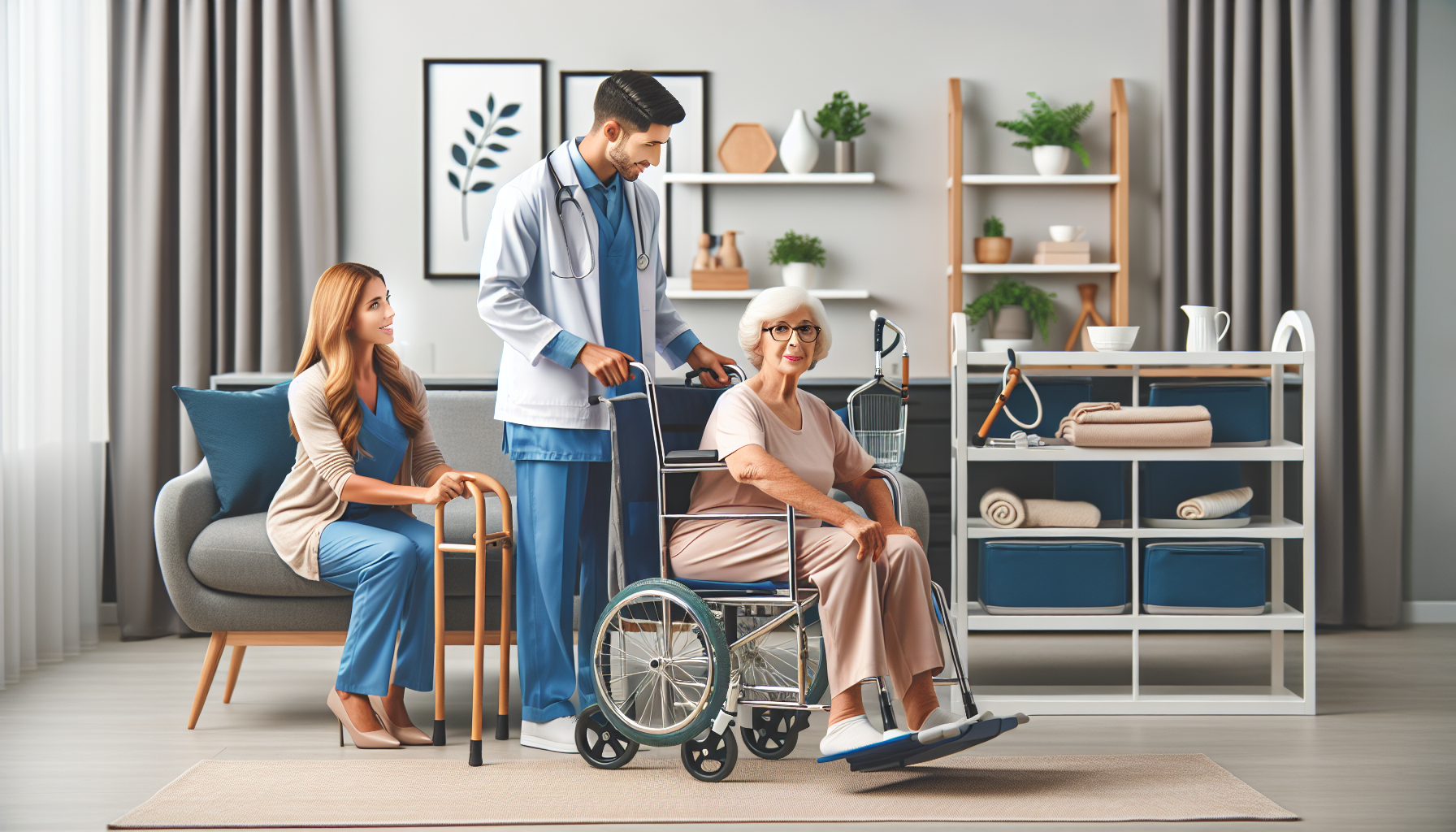
Top caregiver tools that make home transfers easier can dramatically reduce strain, prevent injuries, and help older adults or people with disabilities move safely between beds, chairs, toilets, and vehicles. In home care, a transfer is any assisted movement from one surface or position to another, such as sit-to-stand, bed-to-wheelchair, or floor recovery after a fall. Caregiver support resources include the equipment, training methods, assessment tools, and planning systems that make those moves safer and more predictable. This topic matters because transfers are one of the highest-risk moments in daily care. According to the U.S. Bureau of Labor Statistics, nursing assistants and home health aides experience high rates of musculoskeletal injury, with overexertion during lifting and repositioning a leading cause. I have seen this firsthand in home setups where a strong, well-meaning family member tried to “just help” without the right device, only to trigger back pain, skin tears, or a near fall. Good transfer support is not about buying the most expensive lift. It is about matching the person, the task, the home layout, and the caregiver’s ability with the right tool and technique. When that match is correct, transfers become smoother, dignity improves, and care can continue longer at home with fewer emergencies.
Why home transfers are difficult and what caregivers must assess first
Before choosing any caregiver transfer aid, start with assessment. The key factors are weight-bearing ability, trunk control, cognition, upper-body strength, pain, skin integrity, continence needs, and the amount of help available. A person who can bear some weight and follow instructions may do well with a gait belt and transfer board. A person with advanced Parkinson’s disease, severe arthritis, or post-stroke weakness may need a sit-to-stand lift or full-body patient lift. The home environment matters just as much. I always check door widths, flooring transitions, bed height, toilet height, wheelchair footrests, and whether there is enough lift-base clearance under the bed. A room can look spacious until a mechanical lift has to turn around a nightstand.
Caregivers also need to identify the type of transfer being performed most often. Bed mobility tools differ from bathroom transfer tools, and vehicle transfers present their own challenges. Frequency matters because repetitive low-level strain adds up. If a spouse is helping six times a day, the threshold for adding equipment should be lower than if the transfer happens once a week. Risk increases when caregivers rush, twist, or work in awkward postures. OSHA safe patient handling principles and guidance from rehabilitation clinicians are clear: reduce manual lifting whenever possible, use mechanical assistance when appropriate, and standardize the process. That approach protects both people.
Core transfer tools every caregiver should understand
The most useful caregiver tools fall into several categories: friction-reducing aids, standing and pivot support, seated transfer devices, mechanical lifts, and environmental supports. Slide sheets and draw sheets reduce shear and make repositioning in bed easier. Transfer boards bridge a gap between surfaces for people with good sitting balance. Gait belts with secure handholds improve control during standing or pivoting, but they are not lifting devices and should never be used to haul someone upward by force. Non-slip socks, floor mats designed not to bunch, and proper footwear support safer foot placement.
Standing support devices include bed rails designed for mobility assistance, couch canes, and toilet safety frames. These can be effective when the user can push through their arms and follow a cue sequence. Sit-to-stand aids add powered or mechanical assistance for users who can bear some weight but cannot rise consistently. Full-body lifts, whether hydraulic or electric, are the best option when the person is dependent, unpredictable, or unable to safely participate. Slings must match the task: general-purpose slings work for bed-to-chair transfers, toileting slings allow access for hygiene, and amputee or repositioning slings provide more specific support. Choosing the wrong sling is one of the most common setup errors I see in home care.
| Tool | Best for | Main benefit | Key limitation |
|---|---|---|---|
| Gait belt | Assisted standing and pivot transfers | Improves caregiver grip and control | Requires partial participation and good pain tolerance |
| Transfer board | Seated lateral transfers | Reduces lifting during bed-to-wheelchair moves | Needs arm strength, balance, and skin protection |
| Sit-to-stand lift | Users who can bear some weight | Reduces strain during repeated toilet or chair transfers | Not suitable for fully dependent users |
| Full-body patient lift | Dependent or unpredictable transfers | Maximizes safety and minimizes manual lifting | Needs space, sling fit, and caregiver training |
| Slide sheet | Bed repositioning and turning | Lowers friction and shear on skin | Not designed for unsupported lifting |
Bed, bathroom, and seating equipment that reduce transfer effort
Many transfer problems start with furniture that is the wrong height or offers poor leverage. An adjustable hospital bed is often the highest-impact home care upgrade because it changes working height for the caregiver and transfer height for the user. Semi-electric and fully electric models can elevate the head and knees, making rolling, dressing, and sit-to-edge-of-bed transitions easier. Bed rails should be chosen carefully. They can aid mobility, but they must be compatible with the mattress and frame to avoid entrapment risk, a concern addressed by FDA guidance. Overbed trapezes are valuable for users with strong arms who need help repositioning without a full lift.
In bathrooms, raised toilet seats, bedside commodes, toilet safety rails, and tub transfer benches can significantly lower the force required for toileting and bathing. A tub transfer bench is especially useful when stepping over a high tub wall is unsafe. The person sits outside the tub first and then scoots across the bench, reducing fall risk. In seating areas, firm cushions, lift chairs, and stable armrests matter more than many families expect. Soft, low sofas are transfer traps. I often advise replacing one “favorite chair” with a higher, firmer recliner that has locking casters or a solid base. Small environmental changes, like removing rug edges, widening approach paths, and improving lighting, often deliver as much benefit as a new device.
When to use a gait belt, transfer board, or slide sheet
These lower-tech caregiver transfer devices remain essential because they solve common problems without taking over the task completely. A gait belt is appropriate when the care recipient can bear weight, understands cues, and needs steadying or controlled assistance. The belt should sit snugly over clothing, not over fragile skin, ostomies, or painful surgical areas. The caregiver maintains a close center of gravity, blocks the knee if trained to do so, and pivots with the feet instead of twisting the spine. If the person cannot stand reliably, the gait belt is not enough.
A transfer board works best for lateral moves between surfaces of similar height, such as wheelchair to bed. The user should have fair sitting balance, enough arm function to push, and intact skin protection strategies because sliding can create friction. Lock both surfaces, remove armrests or footrests when possible, and place the board securely under the stronger hip. Slide sheets are different. They are primarily repositioning tools for bed mobility, not substitutes for a lift during vertical transfers. I rely on them for turning, boosting, and reducing skin shear in clients with fragile tissue, edema, or pressure injury risk. Used correctly, they save the caregiver’s shoulders and protect the user’s skin; used incorrectly, they create a false sense of safety.
Mechanical lifts and sit-to-stand devices for higher-risk transfers
When manual transfers become inconsistent or unsafe, mechanical equipment should be the default, not the last resort. A sit-to-stand lift is ideal for users who can follow directions, tolerate being upright, and bear some weight through at least one leg. It is commonly used for toileting because it allows efficient pivot-free transfers and can reduce the number of caregivers needed. Full-body lifts are indicated when the person is dependent, has poor trunk control, or is at high risk of collapsing during standing. Electric models are easier for frequent home use, while hydraulic lifts can be more affordable and reliable if charging logistics are an issue.
Real-world fit matters. Lift leg bases must clear furniture, sling loops must be attached symmetrically, and the selected sling size must correspond to the user’s measurements, not guesswork. Reputable manufacturers such as Hoyer, Invacare, and Arjo provide sizing guides and task-specific sling options. Ceiling lifts are often the best long-term solution where transfers are frequent and space is tight, though installation cost is higher. In my experience, families delay adopting lifts because they think using one means giving up independence. The opposite is often true. A properly chosen lift keeps transfers calm, reduces fear, and allows the person to stay home longer because the caregiver can continue safely.
Training, care planning, and caregiver support resources that matter most
Equipment alone does not make home transfers safe. Caregiver support resources must include training, written routines, and backup planning. The best outcomes happen when a physical therapist or occupational therapist assesses the home, demonstrates the transfer sequence, and documents exactly what level of assist is required. Terms like contact guard assist, minimal assist, and maximal assist should translate into plain instructions for family members: where to stand, what cue to give, what equipment to prepare, and when to stop. A one-page transfer plan posted discreetly near the bed or care binder can prevent improvised, risky moves during stressful moments.
Good support also means knowing funding and sourcing options. Medicare may cover patient lifts, commodes, and hospital beds when criteria for durable medical equipment are met, but coverage depends on documentation and supplier participation. Medicaid waiver programs, Veterans Affairs benefits, state assistive technology programs, Area Agencies on Aging, and nonprofit equipment loan closets can fill gaps. Families should ask suppliers about maintenance, battery replacement, sling laundering instructions, and return policies for opened equipment. If multiple helpers are involved, schedule hands-on practice so everyone uses the same technique. Consistency is a safety tool. When each caregiver transfers differently, the person receiving care loses confidence and the risk of injury rises quickly.
How to choose the right transfer tool for the person, task, and home
The best caregiver tool is the one that matches actual daily demands. Start by listing the transfers that happen every day, who performs them, and what goes wrong now. If the issue is standing up from the toilet, a raised seat, frame, or sit-to-stand aid may solve it without adding a full lift. If bed repositioning causes shoulder strain, slide sheets or an adjustable bed may offer the biggest benefit. If falls, freezing, severe weakness, or fatigue make transfers unpredictable, move directly to a mechanical lift evaluation. Always factor in the caregiver’s size, health, and confidence. A device is only effective if the helper can use it correctly every time.
Think beyond today. Progressive conditions such as multiple sclerosis, ALS, dementia, and advanced heart failure often change transfer needs over months, not years. Buying the smallest solution that works this week can lead to repeated replacements and more risk. Choose equipment that supports a likely care path, fits the home, and can be serviced locally. The main takeaway is simple: safer home transfers come from assessment, the right tool, and practiced technique working together. That combination protects the caregiver’s body, preserves the care recipient’s dignity, and makes home care more sustainable. If transfers feel harder than they did a month ago, schedule a therapy assessment and review your equipment now, before a preventable injury forces a crisis.
Frequently Asked Questions
What are the most useful caregiver tools for safer home transfers?
The most useful caregiver tools for home transfers usually include transfer belts, slide sheets, transfer boards, sit-to-stand aids, mechanical lifts, bed rails designed for mobility support, adjustable beds, gait aids, and non-slip floor solutions. Each tool serves a different purpose depending on the person’s strength, balance, weight-bearing ability, cognition, and the type of move being performed. For example, a transfer belt can give a caregiver a more secure handhold during a supervised pivot transfer, while a slide sheet can reduce friction when repositioning someone in bed. A transfer board can help bridge a gap between two seated surfaces, such as a wheelchair and bed, for someone with good upper body participation. Sit-to-stand devices are often helpful when the person can bear some weight but needs support to rise safely. For individuals with very limited mobility, a full mechanical lift may be the safest choice because it significantly reduces physical strain on the caregiver and lowers the risk of falls or injury.
Just as important as the equipment itself are the supporting tools around it. These include home safety assessments, transfer training from a physical or occupational therapist, written transfer plans, and proper wheelchair setup. A well-fitted wheelchair with removable armrests, locking brakes, and swing-away footrests can make transfers much easier. Likewise, a toilet safety frame, shower chair, or portable commode can simplify bathroom transfers, which are often some of the most frequent and physically demanding moves in home care. The best caregiver tools are not necessarily the most expensive; they are the ones matched correctly to the person’s needs, the caregiver’s abilities, and the physical layout of the home. When chosen carefully and used correctly, these tools can make daily transfers smoother, safer, and far less exhausting for everyone involved.
How do I know which transfer device is right for my situation at home?
Choosing the right transfer device starts with understanding the individual’s current mobility, not just their diagnosis. A person may have arthritis, stroke-related weakness, Parkinson’s disease, multiple sclerosis, dementia, or general age-related frailty, but what matters most during transfer planning is how much help they need in real time. Can they follow directions? Can they sit unsupported? Can they bear weight through one or both legs? Can they use their arms to push up? Do they fatigue quickly? Are they unpredictable or at risk of suddenly collapsing? These functional details determine whether a simple tool like a gait belt is appropriate or whether a more advanced device such as a sit-to-stand lift or full-body lift is needed. The home environment also matters. Narrow hallways, carpeted rooms, small bathrooms, low beds, and cluttered walkways can all affect which equipment will actually work safely in practice.
A professional assessment is the best place to start. A physical therapist, occupational therapist, rehab specialist, or experienced home medical equipment provider can evaluate transfer needs and recommend equipment based on both safety and practicality. They can also identify red flags that families sometimes miss, such as a caregiver lifting too much body weight manually, poor body mechanics, or an unsafe habit of pulling on the person’s arms during a transfer. In many cases, the safest option is to choose the least physically demanding method that still promotes as much independence as possible. For example, if a person can participate partially, a sit-to-stand aid may preserve function better than doing a full manual lift. If they cannot assist consistently, a mechanical lift may be more appropriate. The right device should protect the caregiver, preserve the care recipient’s dignity, and reduce the chance of falls, skin tears, joint injuries, and back strain. It should also be realistic for daily use, because even the best equipment does not help if it is too complicated, too large for the space, or uncomfortable for the person being transferred.
Are transfer belts enough, or do some situations require a lift?
Transfer belts are helpful, but they are not enough for every situation. A transfer belt is designed to provide a secure point of contact so a caregiver can guide and stabilize someone during transfers such as sit-to-stand, bed-to-chair, or short pivot movements. It can improve control and reduce the temptation to grab a person under the arms or by their clothing, both of which can cause pain and injury. However, a transfer belt does not remove body weight, and it does not make an unsafe transfer safe if the person cannot bear weight, is too weak to stand, has poor trunk control, or is at high risk of falling. In those cases, relying on a belt alone can place both people in danger. The caregiver may still end up lifting manually, and that is when back injuries, shoulder strain, and sudden falls often happen.
Some situations clearly call for a lift instead of a belt. If the person is non-weight-bearing, has severe weakness, is recovering from surgery, has unpredictable balance loss, cannot follow instructions, or requires extensive physical assistance from one or more people, a mechanical lift is often the safer option. Full-body lifts are commonly used for those who need maximum assistance, while sit-to-stand lifts can be appropriate for people who can support some weight through their legs and tolerate being brought into a standing position. Floor recovery after a fall is another scenario where specialized lifting equipment may be much safer than trying to manually raise someone. The decision should be based on the person’s physical ability on their worst day, not just their best day. If a caregiver ever feels they are “deadlifting” a person, preventing a collapse with sheer strength, or fearing injury during routine transfers, that is a strong sign the current method is no longer appropriate. A lift is not a sign of giving up independence; in many homes, it is the tool that allows safer, more consistent care while preserving comfort and reducing preventable injuries.
What training do caregivers need to use transfer equipment safely?
Caregivers need hands-on training, not just written instructions, to use transfer equipment safely and effectively. At a minimum, training should cover how to assess readiness for a transfer, how to set up the environment, how to position the body for good leverage, how to lock equipment properly, how to communicate clearly during the move, and how to recognize when a transfer should be stopped. For devices like transfer belts, transfer boards, sit-to-stand aids, and mechanical lifts, proper technique matters a great deal. A caregiver should know where to place hands, how to protect the person’s skin, how to manage foot placement and wheelchair parts, and how to avoid twisting through the back while assisting. Training should also address common mistakes, such as rushing the process, forgetting to lock wheelchair brakes, failing to remove footrests, pulling on weak arms, or attempting a transfer when the person is too tired, confused, or medically unstable.
Ideally, training is provided by a licensed therapist, nurse, or qualified equipment specialist who can teach the specific transfer method recommended for that individual. This is especially important because “one-size-fits-all” advice can be dangerous. A person with a recent hip surgery may have movement precautions. Someone with hemiparesis after stroke may need transfer support on a specific side. A person with dementia may respond better to short verbal cues and consistent routines. Mechanical lift training should include sling selection, correct sling placement, weight limits, emergency lowering features, battery charging, and safe operation in tight home spaces. Beyond initial instruction, caregivers benefit from periodic re-training as the person’s condition changes. Transfers often become riskier over time due to fatigue, pain, illness progression, or reduced confidence. The safest families are usually the ones who treat transfer training as an ongoing caregiving skill, not a one-time lesson. That mindset helps prevent avoidable injuries and makes everyday moves more predictable and less stressful.
How can families make everyday transfers easier and safer without turning the home into a hospital?
Families can make transfers easier and safer by focusing on smart setup, supportive equipment, and simple routines that blend into daily life. Start by looking at the specific transfer points that happen most often, such as getting out of bed, moving to the toilet, stepping into the shower, standing from a recliner, or getting into a car. Often, small changes make a big difference. Raising the height of a low bed or chair can reduce the effort needed to stand. Installing grab bars in the bathroom can improve stability. Using a bedside commode temporarily can shorten difficult nighttime walking distances. Clearing clutter, improving lighting, securing rugs, and ensuring mobility devices are within easy reach can reduce the risk of rushed, awkward movements. Even choosing chairs with firm cushions and armrests instead of soft, low seating can make sit-to-stand transfers much more manageable.
It also helps to create a written transfer plan so that every caregiver, family member, or aide uses the same approach. That plan might note whether the person transfers best to the stronger side, whether they need a gait belt every time, whether they should wear non-slip footwear, or whether a two-person assist is required for certain moves. A consistent routine can reduce confusion and anxiety, especially for people with memory loss or fear of falling. Families should also be realistic about when to upgrade support. If transfers are becoming slower, shakier, or more physically demanding, it may be time to bring in a therapist for reassessment or add equipment before an injury occurs. The goal is not to make the home feel institutional. It is to make normal daily movement safer, more comfortable, and more sustainable. Well-chosen caregiver tools and