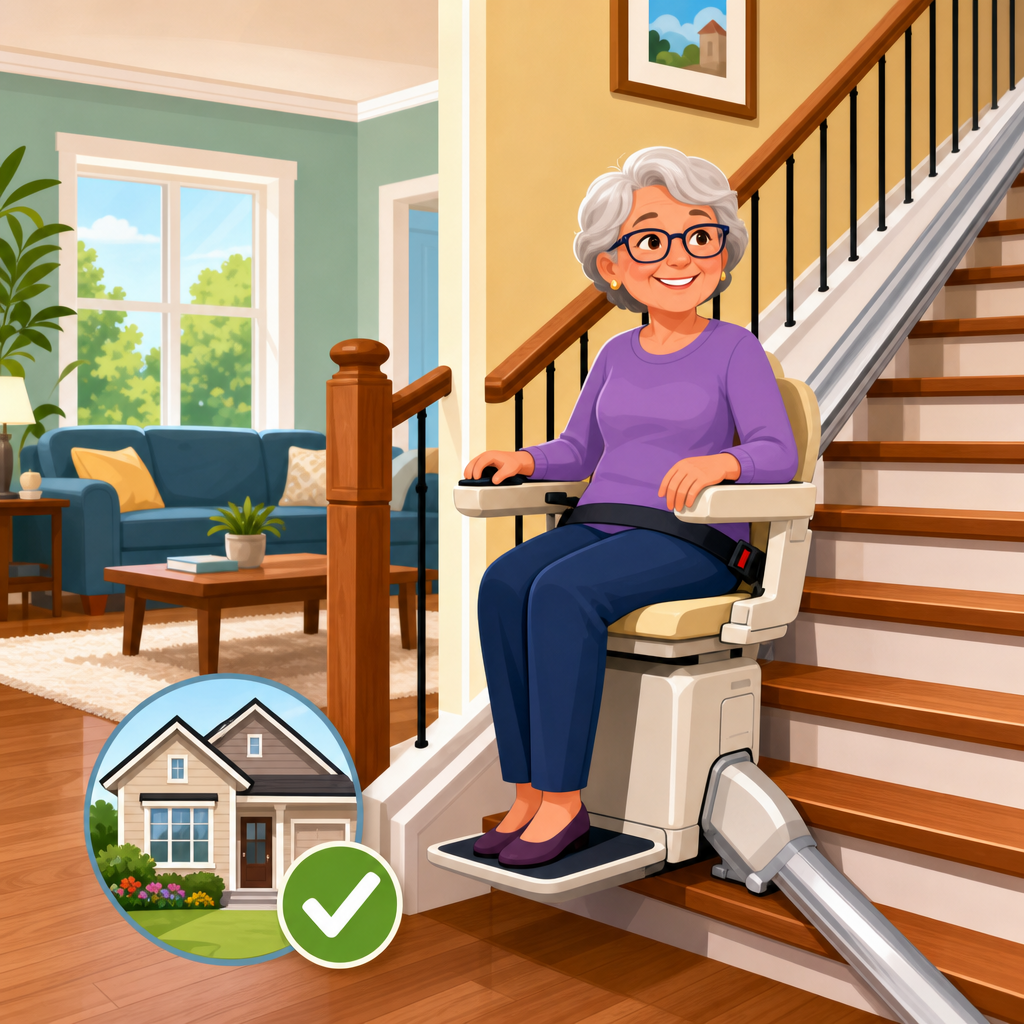
Paying for a chair lift can feel overwhelming, but several government programs that help fund chair lifts can reduce or even cover the cost when the equipment is medically necessary and tied to safe access at home. A chair lift, sometimes called a stair lift, is a motorized seat that travels along a rail attached to a staircase, allowing a person with limited mobility to move between floors without climbing steps. These systems can cost several thousand dollars before installation, and curved staircases, outdoor models, heavy-duty seats, and electrical upgrades can push the price much higher. For older adults, disabled veterans, people recovering from injury, and families supporting someone with progressive conditions such as multiple sclerosis or Parkinson’s disease, that price can be the difference between staying home safely and facing a move.
In my work with home accessibility planning, I have seen the same problem repeat: families assume Medicare, private insurance, or a single grant will pay the entire bill, only to learn that coverage rules are narrow and fragmented. The practical path is usually layered funding. One household may combine a state waiver with a nonprofit grant and a contractor discount. Another may use a veterans benefit for the lift itself and a housing repair program for related carpentry. Understanding which public programs exist, what they cover, and how they fit together is essential because funding rules vary by age, disability status, income, military service, and whether the chair lift is considered part of durable medical equipment, a home modification, or a housing accessibility improvement.
This hub explains the major grants and assistance programs that can help pay for a chair lift, what eligibility standards typically apply, and how to navigate the process efficiently. It also clarifies where each program has limitations, because many do not pay for every brand, installation scenario, or maintenance need. If you are comparing options under the broader cost and financing landscape, this page gives you the core map for government-backed assistance, from Medicaid waivers and veterans programs to housing rehabilitation funds and state assistive technology resources.
Medicaid Waivers and State Home- and Community-Based Programs
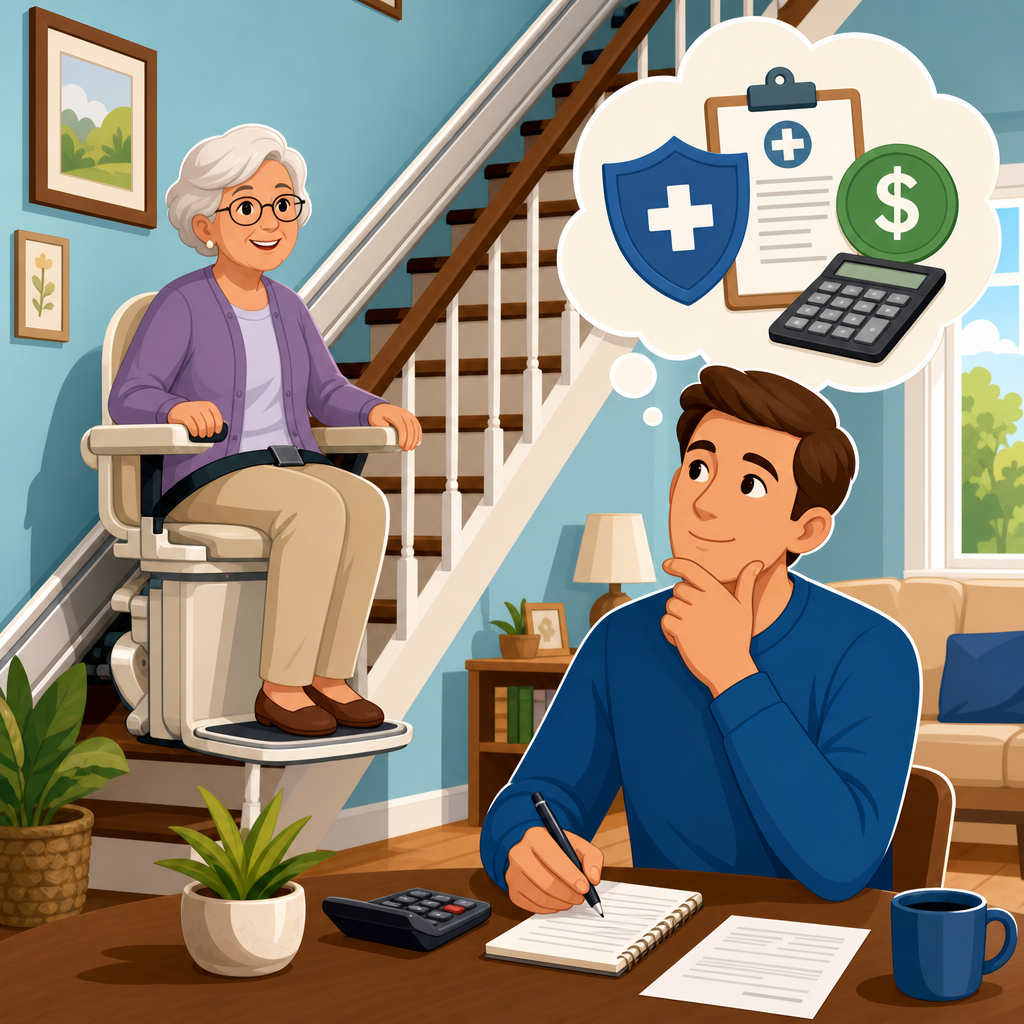
For many households, Medicaid is the most important public funding source for a chair lift, especially when the goal is to keep someone out of a nursing facility. Standard Medicaid benefits often do not list stair lifts plainly as a routine covered item, but Home- and Community-Based Services waivers and related state plan options may fund environmental accessibility adaptations when the modification supports health, safety, and independent functioning. In plain terms, if a stair lift allows a beneficiary to reach a bedroom, bathroom, or main living area and remain safely at home, it may qualify.
The exact name of the program varies by state. One state may place home modifications under a physical disability waiver, another under an aging waiver, and another inside a managed long-term services program. I regularly advise families to ask for three specific terms when calling a Medicaid office or Area Agency on Aging: environmental accessibility adaptations, home modifications, and assistive technology. Those categories matter because staff may not recognize “chair lift” as a standalone benefit even when the broader category is covered. Documentation usually includes a physician statement, a therapist assessment, a home evaluation, and contractor bids. States may cap annual or lifetime spending, require prior authorization, or limit payment to the least costly option that meets the need.
A common example is an older adult with severe arthritis who can no longer reach the second-floor bathroom safely. If a therapist documents repeated fall risk and confirms that relocating sleeping and bathing areas downstairs is not feasible, a waiver program may approve a straight stair lift. However, if a family requests a premium model with custom upholstery or power swivel upgrades not tied to medical need, those extra features may not be funded. Waiting lists are a real limitation. Some waiver programs take months or longer to open a slot, which is why this topic often connects closely with bridge financing or interim rental options covered elsewhere in cost and financing planning.
Veterans Benefits for Home Accessibility Modifications
Veterans often have stronger public pathways to chair lift funding than the general population. The U.S. Department of Veterans Affairs supports several housing adaptation benefits that may apply when mobility limitations are service-connected or, in some cases, when the veteran otherwise qualifies for health-related support. The most recognized programs include the Specially Adapted Housing grant, the Special Housing Adaptation grant, and the Home Improvements and Structural Alterations benefit. These are not interchangeable, and the right fit depends on disability status, ownership or occupancy of the home, and the scope of work needed.
The Home Improvements and Structural Alterations benefit is frequently the most relevant for a stair lift because it can support medically necessary improvements that enable treatment access or essential home use. In practice, I have seen veterans use it for bathroom access, ramp work, doorway changes, and stair lift installation when a clinician clearly tied the modification to safe mobility. The larger housing grants can be more substantial, but they generally align with serious service-connected disabilities and broader adaptation needs. Because rules change, applicants should work through a VA prosthetics department, social worker, or rehabilitation specialist rather than relying on a generic benefits hotline alone.
Veterans should also ask whether a chair lift fits within a larger accessibility plan. For example, installing a stair lift into a narrow stairwell may still leave the veteran unable to transfer safely at the top landing, making grab bars, lighting, or flooring changes medically relevant. The VA tends to evaluate necessity in context, not in isolation. Strong applications include a physician recommendation, functional assessments, home measurements, and itemized contractor estimates. Delays often happen when the medical justification is vague, such as saying the lift would be “helpful,” instead of stating that without it the veteran cannot access sleeping or hygiene spaces safely.
Housing Rehabilitation Grants, Rural Repair Loans, and Local Government Aid
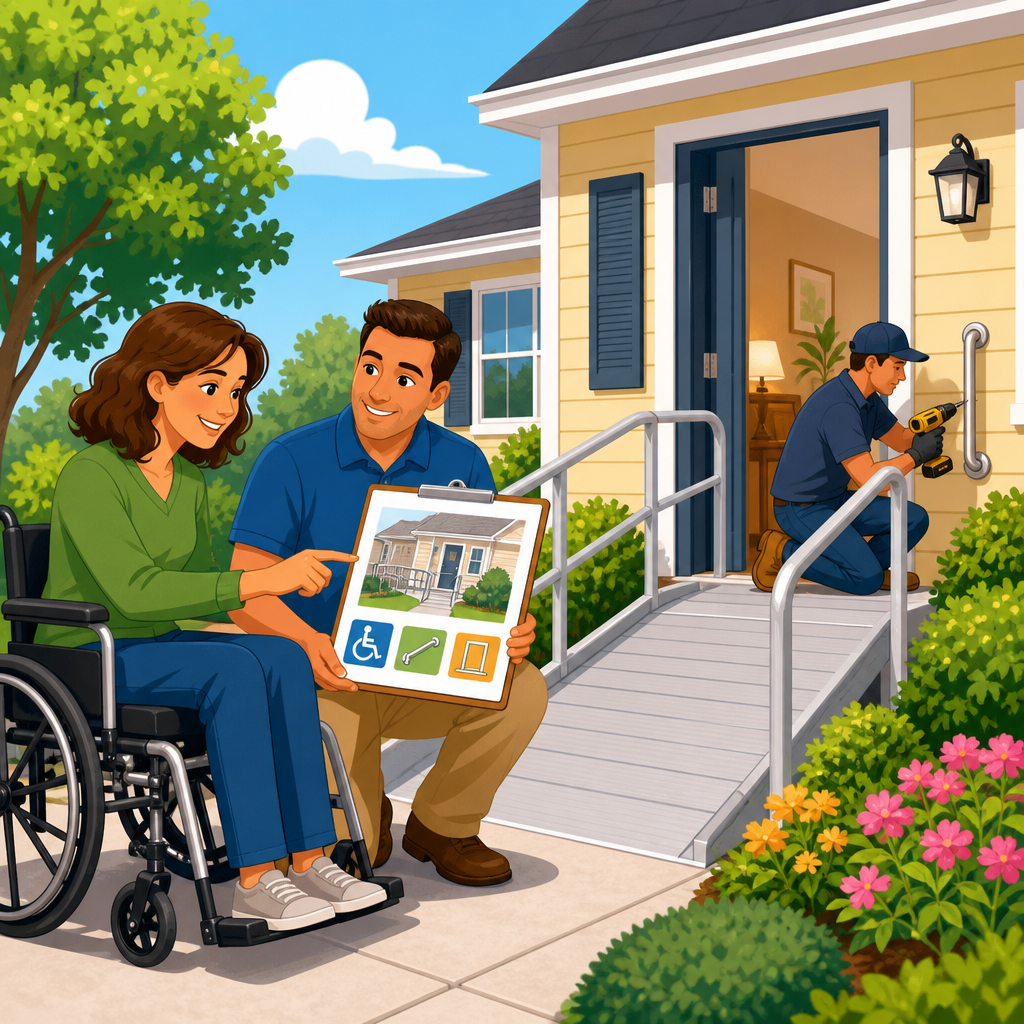
Federal housing programs and local rehabilitation funds can be critical when a chair lift is treated primarily as a home accessibility modification rather than a medical device. The U.S. Department of Agriculture Section 504 Home Repair program, for example, provides loans to very low-income homeowners in eligible rural areas and grants to older homeowners who cannot repay a loan, specifically to remove health and safety hazards. A chair lift may qualify when stairs create a documented accessibility hazard. Eligibility depends on income, age for grants, homeownership status, and rural location as defined by the program.
Community Development Block Grant funding is another meaningful but highly localized source. Cities and counties use these federal dollars for housing rehabilitation, accessibility upgrades, and emergency repairs, but rules differ sharply by jurisdiction. One county may fund accessibility modifications for low-income homeowners and landlords serving disabled tenants, while another prioritizes roof replacement or code compliance. This is why county housing departments, city rehabilitation offices, and local community action agencies remain essential contacts. Many families never find these programs because they search only for “stair lift grant” instead of “housing rehabilitation accessibility program.”
State housing finance agencies and municipal accessibility programs may also support modifications, particularly for seniors with fixed incomes. In one case I worked on, a homeowner used a county accessibility grant to pay for electrical work and structural reinforcement, while a separate charitable source covered the lift seat and rail. Public housing authorities and agencies administering Older Americans Act supportive services may know about niche local funds that are not obvious in national searches. The tradeoff is timing: housing rehab programs can require inspections, income verification, lead-safety compliance, and approved contractor lists, all of which can slow installation.
| Program Type | Who It Usually Helps | What It May Cover | Common Limits |
|---|---|---|---|
| Medicaid waiver | Low-income seniors and disabled adults needing long-term support | Chair lift, installation, related accessibility work | Waiting lists, spending caps, prior authorization |
| VA housing or alteration benefit | Eligible veterans with qualifying medical needs | Chair lift and connected home modifications | Service connection rules, documentation standards |
| USDA Section 504 | Very low-income rural homeowners | Repairs removing safety hazards, sometimes accessibility upgrades | Rural eligibility, age and income rules |
| Local rehab grant | Low- to moderate-income homeowners or tenants | Accessibility improvements and safety repairs | Limited funding cycles, local contractor requirements |
State Assistive Technology Programs and Disability Agencies
Every state and territory has an Assistive Technology Act program, and while these programs do not always pay directly for chair lifts, they are important entry points for grants, equipment financing, device demonstrations, and referrals to disability-specific funding. Their value is practical. Staff often know which state vocational rehabilitation agency, developmental disability office, traumatic brain injury program, or independent living center is currently supporting home access equipment. They can also direct residents to low-interest loan programs when grant funding is unavailable.
State vocational rehabilitation agencies may contribute when the chair lift is necessary for employment, job retention, or participation in training. If a person with a mobility impairment cannot leave a second-floor bedroom or reach a home office where remote work occurs, the accessibility barrier can become an employment barrier. In those cases, a vocational counselor may consider the lift as part of an individualized employment plan, especially if lower-cost alternatives are not feasible. This route is often overlooked because families assume vocational programs cover only vehicles, education, or job coaching.
Independent living centers, though not government agencies themselves, frequently coordinate with state disability programs and can help applicants frame requests correctly. In my experience, the quality of the narrative matters. Saying “my mother wants a stair lift” is weaker than stating “without a stair lift, the applicant cannot access the only full bathroom, creating an immediate risk to health and continued community living.” Government reviewers respond to function, safety, and measurable outcomes. Applicants should gather occupational therapy notes, photos of the stairway, fall history if relevant, and at least two detailed estimates. Those documents strengthen nearly every grant or assistance application in this category.
Programs That Usually Do Not Pay, and How to Handle the Gaps
One of the most important facts for buyers is that Medicare usually does not cover chair lifts because they are generally classified as home modifications rather than covered durable medical equipment. Medicare may cover a patient lift under specific conditions, but that is a different device. Many Medicare Advantage plans follow similar logic, though some supplemental benefits may help with broader home support services in limited circumstances. Private health insurance also rarely pays for a residential stair lift unless a unique policy rider applies. Workers’ compensation or liability settlements can be exceptions when the mobility need stems from a covered injury.
Knowing these limits prevents wasted time. When a family spends weeks appealing Medicare for a stair lift, they may miss application windows for Medicaid waivers or local rehab grants. The better strategy is to verify noncoverage quickly, obtain that denial if another funding source requires proof, and pivot to programs that recognize home accessibility directly. Applicants should also ask suppliers whether they provide temporary rentals, refurbished units, or financing while public benefits are pending. For straight staircases, refurbished lifts can significantly reduce out-of-pocket cost, though curved units are less commonly reusable because rails are custom fabricated.
Funding gaps often involve expenses around the lift rather than the lift itself. A program may pay for the rail and seat but not battery backup upgrades, landing gates, permit fees, annual service plans, or carpentry to widen a top landing. That is why comprehensive estimates matter. I advise families to request line-item bids separating equipment, installation, electrical work, structural modifications, and optional features. Clear estimates make it easier to match each cost to the right funding source and avoid surprise denials caused by bundled pricing. This hub sits within cost and financing options for that reason: assistance programs work best when combined with realistic budgeting.
How to Apply Successfully for Chair Lift Grants and Assistance
The strongest applications follow a consistent sequence. First, confirm the functional need through a clinician, ideally a physician and occupational or physical therapist. Second, identify whether the home layout creates a medical or safety barrier, such as the only shower being upstairs. Third, collect written estimates from qualified installers familiar with code requirements and manufacturer specifications. Fourth, match the applicant to program categories based on age, income, diagnosis, veteran status, work goals, and rural or local residency. Fifth, submit complete documentation at once rather than piecemeal, because incomplete files often drop to the bottom of review queues.
It helps to use direct language in every application. Good wording is specific: “Applicant cannot safely ascend 13 interior steps to access the only full bathroom and bedroom. Two falls occurred in the past six months. A straight stair lift is the least costly modification that preserves community residence.” That is stronger than broad statements about convenience or general aging in place. Reviewers want necessity, risk reduction, and cost justification. If a first request is denied, ask for the denial reason in writing. Sometimes the issue is not eligibility but missing documentation, use of a nonapproved contractor, or failure to show why a downstairs reconfiguration was not practical.
Families should also build a local support network early. Useful contacts include the Area Agency on Aging, Center for Independent Living, Medicaid case manager, VA social worker, county housing office, and state Assistive Technology program. These organizations often know which small grants have reopened, which waiting lists are moving, and which contractors provide compliant bids. Start with the programs most likely to fit your situation, gather complete evidence, and apply quickly. A well-documented request can turn a chair lift from an unaffordable wish into a funded safety solution that keeps someone independent at home.
Frequently Asked Questions
1. What government programs may help pay for a chair lift?
Several public programs may help cover some or all of the cost of a chair lift when it is medically necessary and supports safe access within the home. Medicaid is often the first place families look, especially through Home and Community-Based Services waivers, which may pay for home modifications or assistive equipment that helps a person avoid institutional care. Medicare usually does not cover a chair lift because it is typically considered a home modification rather than durable medical equipment, but some related items or evaluations may still be covered depending on the situation. Veterans may have access to funding through the U.S. Department of Veterans Affairs, including home modification grants or prosthetic and sensory aids programs if they qualify. State vocational rehabilitation agencies may sometimes help if the lift is needed to maintain employment or return to work. In addition, some state and local government programs, aging agencies, and disability assistance offices offer grants, low-interest loans, or cost-sharing support for accessibility improvements. Because eligibility rules vary by state and by program, it is important to contact each program directly and ask whether stair lifts or chair lifts are considered an approved accessibility expense.
2. Does Medicaid cover stair lifts or chair lifts for use at home?
Medicaid can cover a chair lift in some cases, but approval usually depends on the state, the specific Medicaid program, and whether the lift is clearly tied to medical need and home safety. Many states provide assistance through waiver programs designed to keep older adults and people with disabilities living at home instead of moving into a nursing facility or other institution. Under those programs, a chair lift may be treated as a home accessibility modification if it allows the person to safely reach a bedroom, bathroom, or other essential living area. In many cases, the applicant must provide medical documentation from a physician or other qualified provider explaining why the lift is necessary, why less costly alternatives are not sufficient, and how the modification supports independent living. States may also require a home assessment, written estimates from approved contractors, and prior authorization before installation. It is important not to assume coverage automatically applies. Some Medicaid plans exclude stair lifts, set dollar caps, or only approve the least expensive effective option. Contacting the state Medicaid office or the local Area Agency on Aging can help clarify whether a waiver, managed care benefit, or long-term services program includes this type of equipment.
3. Will Medicare pay for a chair lift if a doctor says it is medically necessary?
In most situations, Original Medicare does not pay for a chair lift, even when a doctor recommends it. The main reason is that Medicare generally classifies stair lifts as home modifications rather than covered durable medical equipment. Medicare Part B may cover certain medically necessary devices such as walkers, wheelchairs, or hospital beds, but a rail-mounted lift attached to a staircase usually falls outside those benefit categories. This often surprises families who assume that a prescription alone is enough for reimbursement. It usually is not. However, a doctor’s documentation is still valuable because it can support applications to other programs, including Medicaid waivers, VA benefits, or state disability funding. Some Medicare Advantage plans may offer supplemental benefits that help with broader in-home support, but coverage for a chair lift is still uncommon and highly plan-specific. The best approach is to contact the plan directly, ask for written details about home accessibility or assistive device benefits, and confirm whether prior authorization is required. Even when Medicare does not pay for the lift itself, it may still help cover related medical visits, therapy, or assessments that strengthen the case for funding elsewhere.
4. Can veterans get financial help from the VA for a chair lift?
Yes, some veterans may qualify for financial assistance through the Department of Veterans Affairs for a chair lift or other home accessibility improvements, particularly when the equipment is necessary because of a service-connected or serious mobility-limiting condition. The VA offers several programs that may help, including housing adaptation grants such as the Specially Adapted Housing grant or Special Home Adaptation grant, depending on eligibility. In some cases, the Home Improvements and Structural Alterations program may also provide support for medically necessary changes to the home environment. Whether a chair lift is approved often depends on the veteran’s diagnosis, functional limitations, living situation, and the specific program guidelines. The VA typically requires medical justification and may request evaluations, contractor estimates, and proof that the modification will improve safe access to essential areas of the home. Because the application process can involve multiple departments, veterans often benefit from speaking with a VA social worker, prosthetics representative, or veterans service officer who understands local procedures. Approval is not guaranteed, but for eligible veterans, VA assistance can significantly reduce out-of-pocket costs for a stair lift installation.
5. What documents and steps are usually needed when applying for chair lift funding?
Most government programs that help fund chair lifts require a combination of medical, financial, and practical documentation before they will approve payment. A written statement or prescription from a physician is commonly needed to explain the mobility limitation, the medical necessity of the chair lift, and the safety risks of using stairs without assistance. Many programs also ask for a home assessment from an occupational therapist, case manager, or accessibility specialist to show why the lift is the appropriate solution. Applicants are often required to submit one or more price quotes from licensed installers, and some programs only work with approved vendors. Financial records may also be needed if the program has income or asset limits. In addition, agencies may ask for proof of residence, identification, disability documentation, and information about whether the applicant owns the home or has landlord permission to make modifications. One of the most important steps is waiting for formal approval before purchasing or installing the chair lift, since many programs will not reimburse costs that were incurred too early. Keeping copies of every document, following up regularly, and asking for a written explanation of any denial can improve the chances of success and make it easier to appeal if necessary.