Bathroom accessibility decisions shape daily safety, independence, and long-term comfort more than almost any other home upgrade. In the debate over walk-in tubs vs. roll-in showers, homeowners are not simply choosing fixtures; they are choosing how bathing will work after surgery, during aging, with chronic pain, or while caring for a family member with limited mobility. As someone who has helped families compare remodel bids, evaluate transfer space, and match products to real physical limitations, I have seen one truth repeatedly: the best solution depends on the person’s body, not the brochure. This hub article covers bathroom and bedroom accessibility together because these rooms function as one mobility system. Safer bathing, easier transfers, better lighting, reachable storage, and supportive flooring all reduce fall risk and caregiver strain while helping people remain at home longer.
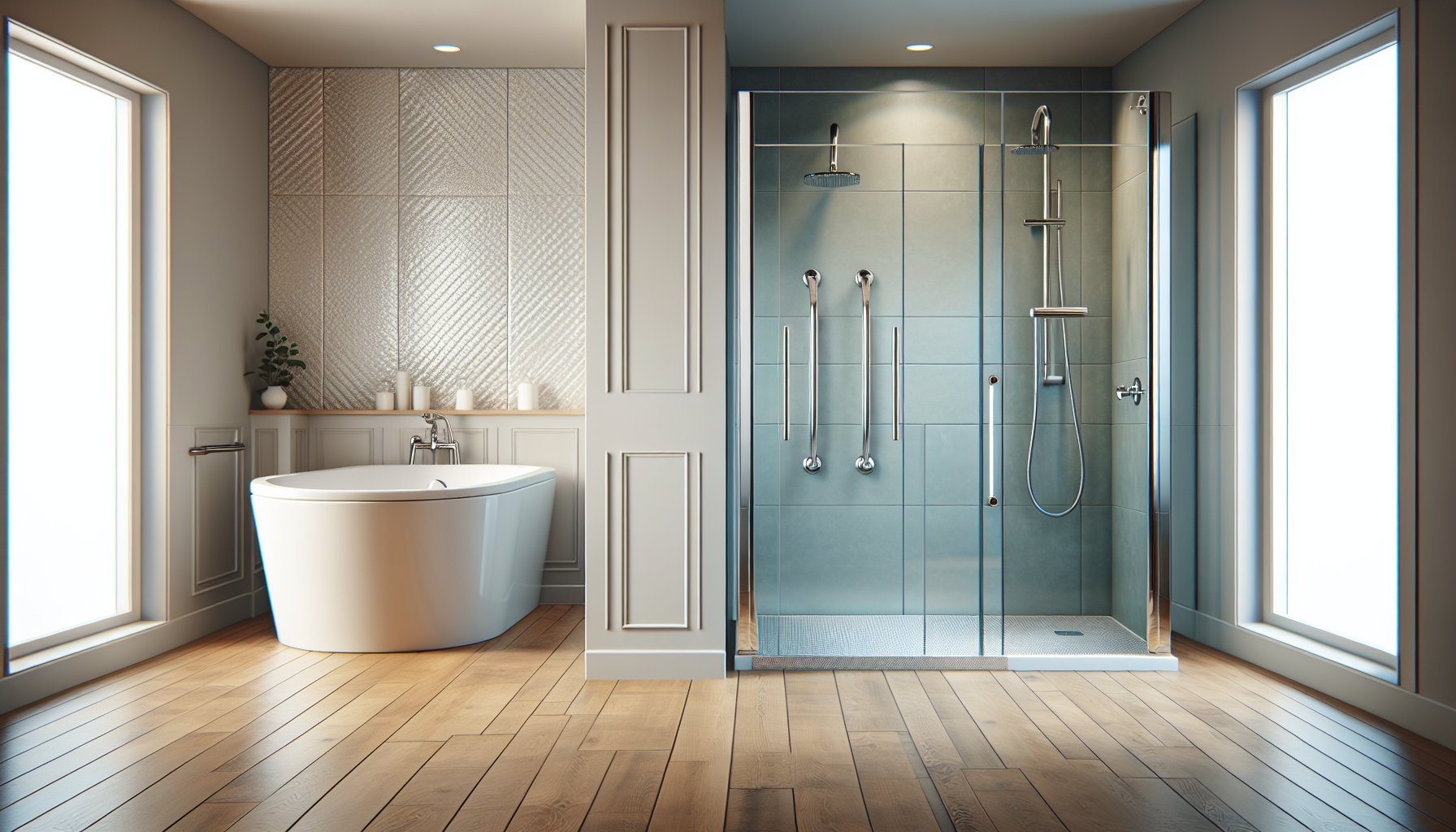
A walk-in tub is a bathtub with a watertight door, low threshold, integrated seat, and grab bars that allows a user to enter, close the door, and bathe while seated. A roll-in shower is a curbless or near-zero-threshold shower with enough clear floor space for a wheelchair or shower chair to enter directly. Both can support accessible living, but they solve different problems. Walk-in tubs emphasize soaking, seated stability, and hydrotherapy. Roll-in showers emphasize direct entry, wheelchair access, and faster bathing with less transfer complexity. Understanding those differences matters because falls remain a major risk for older adults, and bathrooms are one of the most hazardous rooms in any home due to water, hard surfaces, tight turning space, and rushed movement.
This article serves as a hub for bathroom and bedroom accessibility planning. It explains who benefits most from each bathing option, what design standards and product details matter, how costs and installation differ, and how nearby bedroom upgrades influence safe routines. If you are researching aging in place, disability remodeling, caregiver-friendly design, or universal design, start here. The goal is not to push one product over the other. The goal is to help you identify which setup supports safer transfers, easier hygiene, and realistic day-to-day use in your home.
How to Choose Between a Walk-In Tub and a Roll-In Shower
The fastest answer is this: choose a walk-in tub when the user wants seated bathing, therapeutic soaking, and can tolerate getting in before the tub fills and waiting for it to drain before exiting. Choose a roll-in shower when wheelchair access, quick assisted bathing, and low-barrier entry matter most. That simple distinction resolves many consultations. People often assume a walk-in tub is automatically the best accessibility product because it looks supportive and includes built-in safety features. In practice, many users with limited stamina, urgency issues, or full-time wheelchair use do better with a roll-in shower.
Start with mobility mechanics. Can the person step over even a two-inch lip safely? Can they pivot and lower onto a seat with control? Do they need a caregiver beside them? Are they using a walker, cane, transfer bench, or wheelchair? Then consider bathing preference. Some clients with arthritis strongly prefer soaking because warm water reduces stiffness and makes the rest of the day more manageable. Others prioritize speed and simplicity. A retired veteran I worked with loved the idea of hydrotherapy jets, but after testing a showroom model, he realized the fill-and-drain wait would be frustrating. He chose a roll-in shower with a teak fold-down seat and handheld shower instead.
Room size also matters. A walk-in tub usually fits within a tub footprint, making it useful in smaller bathrooms where moving walls is not realistic. A true roll-in shower, especially one designed for wheelchair turning and caregiver access, often needs more floor area and careful drain slope planning. Plumbing location, subfloor depth, joist direction, and local code requirements can influence feasibility. The right choice is always the one that matches user ability, household routines, and the physical constraints of the home.
Walk-In Tubs: Strengths, Limits, and Best-Fit Users
Walk-in tubs are best for people who can transfer onto a built-in seat and want more support than a standard bathtub provides. Most models include an outward- or inward-swinging door, textured floor, grab bars, and a seat around chair height. Higher-end units may include fast-fill faucets, quick-drain systems, heated backrests, air jets, water jets, and chromotherapy lighting. The real value, however, is controlled seated bathing. For users with arthritis, balance impairment, or fear of slipping while lowering into a conventional tub, the seat can feel dramatically safer.
These tubs are especially appealing for users who find soaking therapeutic. Warm-water immersion can help reduce muscle tension and perceived joint discomfort. Some manufacturers market hydrotherapy aggressively, but buyers should separate comfort features from medical claims. A tub can support pain management and relaxation, yet it does not replace clinical treatment. From a remodeling standpoint, another advantage is that many walk-in tubs fit into the footprint of a removed standard tub, reducing tile and framing work compared with expanding to a full wet-room style shower.
The limitations are significant and should be stated plainly. The user must enter before filling and remain seated until the tub drains. Even with fast-fill and quick-drain features, that waiting period can be uncomfortable in a cool room. Users with incontinence, temperature sensitivity, severe claustrophobia, or difficulty sitting still may struggle. Inward-swinging doors can also be problematic if leg space is tight. Emergency egress is another concern. If a user becomes unwell during bathing, exiting is not instantaneous. For these reasons, I recommend walk-in tubs only after discussing actual bathing habits, not aspirational ones.
Roll-In Showers: Practical Accessibility for Daily Use
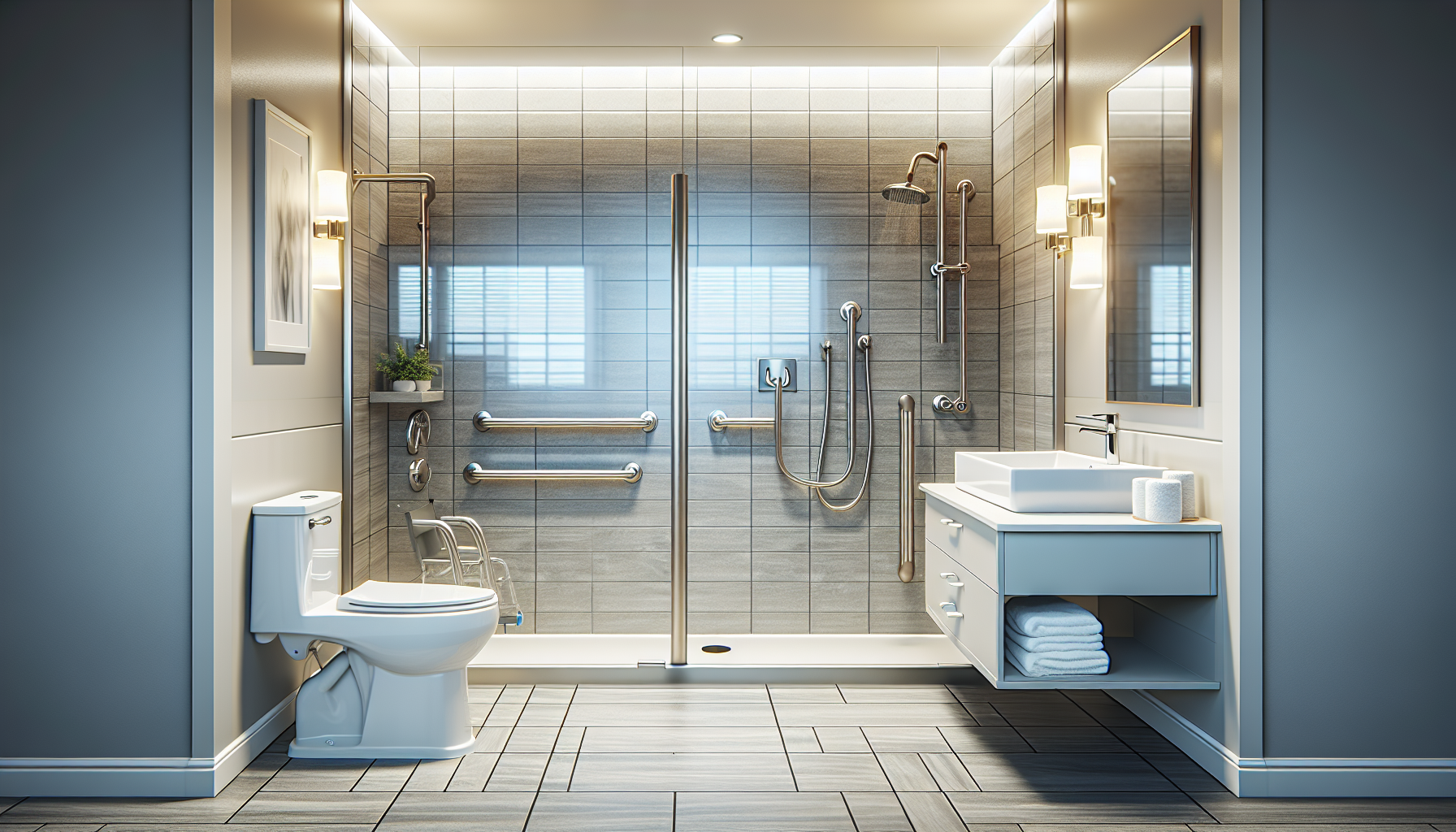
Roll-in showers are the most flexible bathing option for many accessible homes. Their defining feature is barrier-free entry, typically achieved with a curbless threshold or a very low transition that permits wheelchair or shower-chair access. A well-designed roll-in shower also includes slip-resistant flooring, a handheld shower on a slide bar, strategically placed grab bars, pressure-balanced or thermostatic controls, and enough clear space to maneuver safely. In homes where a caregiver assists with bathing, roll-in showers are usually easier, faster, and less physically demanding than walk-in tubs.
For users with permanent mobility limitations, a roll-in shower often supports the broadest range of needs over time. A person may use it standing with grab bars today, with a shower chair after surgery next year, and with a wheelchair later if mobility declines. That adaptability is one reason occupational therapists and aging-in-place specialists frequently favor curbless showers. They reduce the need for a high-step transfer and minimize tripping hazards. They also work well for multigenerational households because nearly everyone can use them comfortably.
Execution matters. A poorly built curbless shower can leak, feel cold, or become slippery. The floor must be sloped precisely toward the drain without creating a wheel-stopping dip. Linear drains, large-format tile with proper coefficient of friction, trenching in slab construction, and waterproofing systems from brands such as Schluter or Wedi can make or break the project. Glass placement requires thought too. Fixed panels can contain splash, but too much enclosure may limit caregiver access. The best roll-in shower designs balance openness, drainage control, and reachability.
Key Differences at a Glance
When families compare walk-in tubs vs. roll-in showers, the same questions come up: Which is safer? Which costs less? Which helps a wheelchair user? Which adds home value? The answer depends on use case, but the comparison below captures the practical tradeoffs clearly.
| Factor | Walk-In Tub | Roll-In Shower |
|---|---|---|
| Entry method | Step through low door threshold, then sit | Wheel, walk, or transfer across curbless entry |
| Best for | Users who prefer soaking and seated bathing | Users needing fast access, wheelchair entry, or caregiver assistance |
| Transfer demand | Moderate; requires turning and lowering to built-in seat | Low to moderate; can be direct roll-in or chair transfer |
| Bathing duration | Longer because of filling and draining | Usually quicker for daily hygiene |
| Space needs | Often fits existing tub alcove | Usually needs more maneuvering clearance |
| Caregiver access | Limited compared with open shower layouts | Typically better, especially with open entry and wider footprint |
| Resale appeal | Niche, though valuable to some buyers | Broader universal design appeal |
In plain terms, walk-in tubs specialize, while roll-in showers generalize. One is tailored to a seated soak. The other is built for access. That distinction should guide the decision more than marketing language, brand prestige, or cosmetic finishes.
Safety, Standards, and the Details That Matter Most
Accessibility products only work when the surrounding design supports safe movement. In bathroom remodeling, that means focusing on dimensions, surfaces, hardware placement, and lighting rather than only the main fixture. The 2021 International Residential Code, the ICC A117.1 accessibility standard, and ADA-based commercial guidelines are useful references even in private homes, though residential layouts often need tailored adaptations. Clear floor space, door swing, turning radius, and reinforcement for future grab bars should be planned before demolition starts.
Grab bars are one of the most misused elements in remodeling. Decorative bars placed wherever they look balanced are not accessibility features. Effective bars are anchored into proper blocking, sized for the user’s reach, and positioned where load actually occurs during transfers. Toilet height matters too. Many people benefit from comfort-height fixtures, but seat height should still match leg length and transfer strategy. Lever handles on faucets and doors reduce grip strain. Anti-scald valves are essential, especially for users with reduced sensation or slower reaction time.
Lighting is another overlooked safety tool. I strongly recommend layered lighting: bright general light, mirror task lighting, and low-level night lighting from bedroom to bathroom. Motion-sensor pathway lights can reduce overnight falls. Flooring should be slip resistant even when wet, and rugs should be minimized or secured. Pocket doors or outswing bathroom doors can preserve interior space and improve emergency access. Small details often decide whether a bathroom feels truly accessible or only appears upgraded.
How Bedroom Accessibility Supports Bathroom Safety
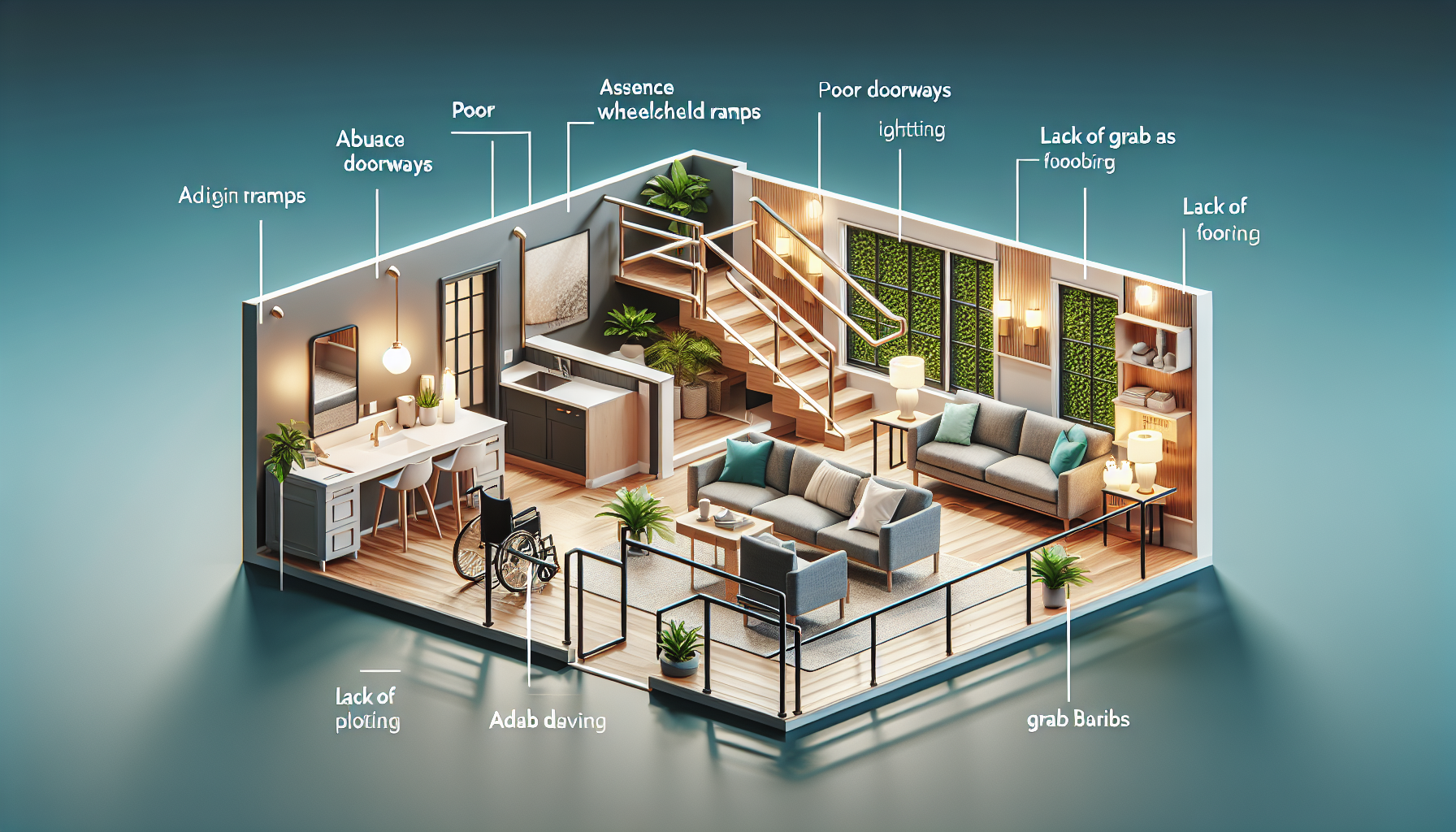
Bathroom and bedroom accessibility should be planned together because most bathing accidents are influenced by what happens before and after bathing. If the route from bed to bathroom is narrow, dark, cluttered, or interrupted by thresholds, even a perfectly designed shower cannot solve the larger problem. The bedroom should allow easy transfers, dressing, and nighttime movement with mobility aids. That means adequate clearance around the bed, stable flooring, reachable switches, and storage that reduces bending or overhead reaching.
Bed height is one of the first measurements I check. If the mattress sits too high, transfers from wheelchair or walker become awkward and unsafe. If it is too low, standing requires extra effort from knees and hips. Adjustable beds can help users find a workable transfer height and support easier positioning for pain, swelling, or respiratory issues. Nearby seating for dressing, a bench, or a sturdy chair with arms can reduce fatigue. Closet rods, drawer pulls, and shelving should also be reachable from a seated or limited-standing position.
For clients planning to age in place, the strongest projects create an unbroken safe path: bedroom lighting, supportive flooring, wide doorways, accessible bathroom entry, reachable controls, and bathing equipment matched to the user’s body. Bedroom changes are often less expensive than bathroom renovations, but they deliver major safety returns. In that sense, this hub topic is not only about fixtures. It is about routines, transfers, and preserving independence across the spaces people use every morning and night.
Costs, Remodeling Complexity, and Long-Term Value
Costs vary widely by region, product line, structural conditions, and finish level, but homeowners should understand the typical pattern. Walk-in tubs often carry a high product cost but can involve less floor-plan rework if they replace an existing bathtub. Roll-in showers may have a wider price range because the project can be as simple as converting a tub alcove or as complex as reframing for a larger curbless layout, relocating drains, and waterproofing an expanded wet area. In both cases, plumbing modifications, electrical work, permits, tile labor, and waterproofing quality drive total cost as much as the fixture itself.
Long-term value should be measured in usability, not just resale. A less expensive installation that still requires risky transfers is not economical. A more expensive roll-in shower may prevent additional remodeling later if mobility declines. Conversely, for a user committed to soaking therapy who has enough transfer ability, a walk-in tub can be the right investment. Ask contractors how they will handle floor reinforcement, drainage slope, waterproof membrane continuity, ventilation, and future grab bar backing. If they cannot answer clearly, keep interviewing.
Think beyond the bathroom itself. Accessible door hardware, wider hallways, bedside lighting, raised outlets, and bedroom storage changes may cost relatively little compared with tile and plumbing, yet they improve daily function immediately. The best accessibility remodeling budget allocates money where risk reduction is greatest.
Walk-in tubs and roll-in showers both improve bathroom accessibility, but they are not interchangeable. Walk-in tubs work best for people who want seated soaking, value hydrotherapy-style comfort, and can manage the fill-and-drain process safely. Roll-in showers are usually the better choice for wheelchair users, people needing caregiver assistance, and households that want the most flexible long-term bathing solution. The right answer comes from analyzing transfers, stamina, room size, caregiver needs, and how the bedroom connects to the bathroom as part of one mobility plan.
If you are building an accessibility roadmap for your home, start with a whole-routine assessment instead of a fixture catalog. Measure clearances. Review fall risks. Test transfer heights. Then compare bathing options based on how life is lived every day, not how products are marketed. Use this page as your hub for bathroom and bedroom accessibility planning, and take the next step by creating a room-by-room priority list for safer, more independent living.
Frequently Asked Questions
1. Is a walk-in tub or a roll-in shower better for aging in place?
It depends on how the person bathes today, how their mobility may change over time, and whether they need independent access or caregiver assistance. A walk-in tub can be an excellent aging-in-place choice for someone who values soaking, needs a seated bathing position, or feels more stable transferring onto a built-in chair than standing in a shower. Many models include grab bars, low step-in thresholds, handheld shower wands, and hydrotherapy features that can help with stiffness, arthritis, and chronic pain. That said, a walk-in tub also requires the user to get in before it fills and remain seated until it drains, which can be uncomfortable for people who get chilled easily or who have difficulty waiting through the fill-and-drain cycle.
A roll-in shower often offers more flexibility over the long term, especially when mobility is likely to decline. Because it has little or no threshold, it can accommodate walkers, shower chairs, and wheelchairs more easily than a tub. It also tends to work better for two-person bathing situations, where a family member or professional caregiver needs room to assist with transfers, washing, and positioning. From a universal design standpoint, roll-in showers are frequently viewed as the more future-ready option because they can serve people with a wider range of physical abilities without requiring a major remodel later. If the goal is to stay in the home safely through changing health needs, many homeowners find that a properly designed roll-in shower offers the broadest usability, while a walk-in tub is a better fit for very specific comfort and therapy priorities.
2. Which option is safer for someone with limited mobility, balance problems, or chronic pain?
Both can be safe, but the safest choice depends on the user’s exact limitations. For someone who struggles with standing endurance, fatigue, or pain while upright, a walk-in tub may feel more secure because bathing happens from a seated position behind a watertight door. This can reduce the risk of slipping while stepping over a traditional tub wall and may provide a more controlled environment for people who want support on both sides during transfer. However, safety is not automatic. The user still needs to step over a threshold, turn, sit down carefully, and later stand back up from a seated position, which may be difficult for people with weak knees, hip problems, or poor transfer ability.
A roll-in shower is often safer for users who rely on mobility aids or who cannot safely step over even a low tub threshold. With a curbless or very low-entry design, non-slip flooring, strategically placed grab bars, a fold-down or freestanding shower seat, pressure-balanced controls, and a handheld showerhead, it can create a highly stable bathing space with fewer transfer barriers. It is also generally safer for wheelchair users and for people who need hands-on assistance. Chronic pain matters here too: some people feel immediate relief from warm soaking in a walk-in tub, while others find the transfer in and out too demanding. The best safety decision comes from matching the fixture to the person’s real movement patterns, not simply choosing the product with the most features. A professional accessibility assessment can be incredibly valuable because inches of transfer space and the location of controls often matter more than the sales brochure.
3. Are walk-in tubs or roll-in showers easier for caregivers to assist with?
In most cases, roll-in showers are easier for caregivers because they provide more open floor area, better side access, and fewer physical obstacles during bathing. Caregivers often need enough room to help with clothing, wheelchair positioning, transfers, seated support, and rinsing from multiple angles. A well-planned roll-in shower can be built with ample maneuvering space, a handheld showerhead on a slide bar, a bench or shower chair, anti-slip flooring, and placement of controls that allow water to be adjusted without reaching across the bather. This makes the bathing process more efficient and usually less physically demanding for both the caregiver and the person receiving care.
Walk-in tubs can be more challenging in assisted bathing situations because the person is enclosed within the tub once seated, and the caregiver may have limited access depending on bathroom layout and tub design. Assisting with transfers into a tub seat can also be awkward if the user has significant weakness, poor trunk control, or a high level of care needs. In addition, the required wait time for filling and draining can extend the bathing routine, which matters in daily caregiving. That does not mean walk-in tubs are a poor choice for everyone. They can still work well when the user can transfer with minimal assistance and primarily wants therapeutic soaking. But if a household is planning around progressive mobility loss or routine caregiver support, roll-in showers usually offer the more practical, less restrictive setup.
4. Which option costs more to install, and what remodeling factors affect the final price?
There is no universal winner on price because installation costs vary widely based on plumbing, electrical upgrades, waterproofing, structural changes, product quality, and local labor rates. A walk-in tub can carry a higher fixture cost than a basic shower conversion, especially if it includes heated surfaces, fast-fill faucets, hydrotherapy jets, air massage systems, chromotherapy, or specialty door and drain systems. Installation may also require dedicated electrical work, larger water supply considerations, and evaluation of whether the home’s water heater can supply enough hot water for a full therapeutic bath. If the existing bathroom is tight, there may also be costs related to doorway widening or layout changes to make access practical.
Roll-in showers can range from relatively straightforward to highly custom. A simple low-threshold shower replacement may be affordable compared with a premium walk-in tub, but a true accessibility-focused roll-in shower often includes reinforced walls for grab bars, a properly sloped curbless base, premium slip-resistant tile or pans, trench or linear drains, glass or open-entry layouts, wider clearances, and space planning to support wheelchair turning radius or caregiver access. Those details can add significantly to the budget. The smartest way to compare is not tub price versus shower price in isolation, but total remodel scope. Ask contractors to itemize demolition, plumbing relocation, drainage work, electrical, wall reinforcement, waterproofing, flooring transitions, accessories, and any code-related changes. Homeowners are often surprised that the most important cost drivers are the hidden construction details that determine whether the space will truly function safely for years.
5. How do I decide between a walk-in tub and a roll-in shower for my specific household needs?
Start by looking at real-life bathing habits and physical limitations rather than idealized marketing images. Think about whether the primary user prefers soaking or showering, whether they can safely step over a threshold, how well they can lower themselves to a seat and stand back up, whether they use a walker or wheelchair, and whether another person may need to assist now or in the future. Also consider medical realities: after surgery, during flare-ups of chronic pain, or with progressive conditions, a setup that works today may not work a year from now. If independence is the priority, ask which option the person can use most consistently without fear, strain, or complicated transfers. If flexibility is the priority, ask which layout can adapt more easily as needs change.
Then evaluate the room itself. Measure entry door widths, available floor space, distance to the toilet and vanity, and whether there is enough transfer room for safe movement. A small bathroom may physically accept one option more gracefully than the other. It is also worth considering comfort issues that do not show up on a spec sheet, such as sensitivity to cold, desire for hydrotherapy, tolerance for fill-and-drain wait times, and the importance of quick, efficient daily bathing. In many households, the best answer is the one that reduces risk while supporting dignity and routine. If the user needs broad accessibility, wheelchair compatibility, and caregiver access, a roll-in shower often leads. If the user strongly benefits from seated soaking and can manage the transfer safely, a walk-in tub may be the better match. When in doubt, involve an accessibility-minded contractor, occupational therapist, or aging-in-place specialist who can assess the person and the bathroom together, because the right choice is always about fit, not just features.