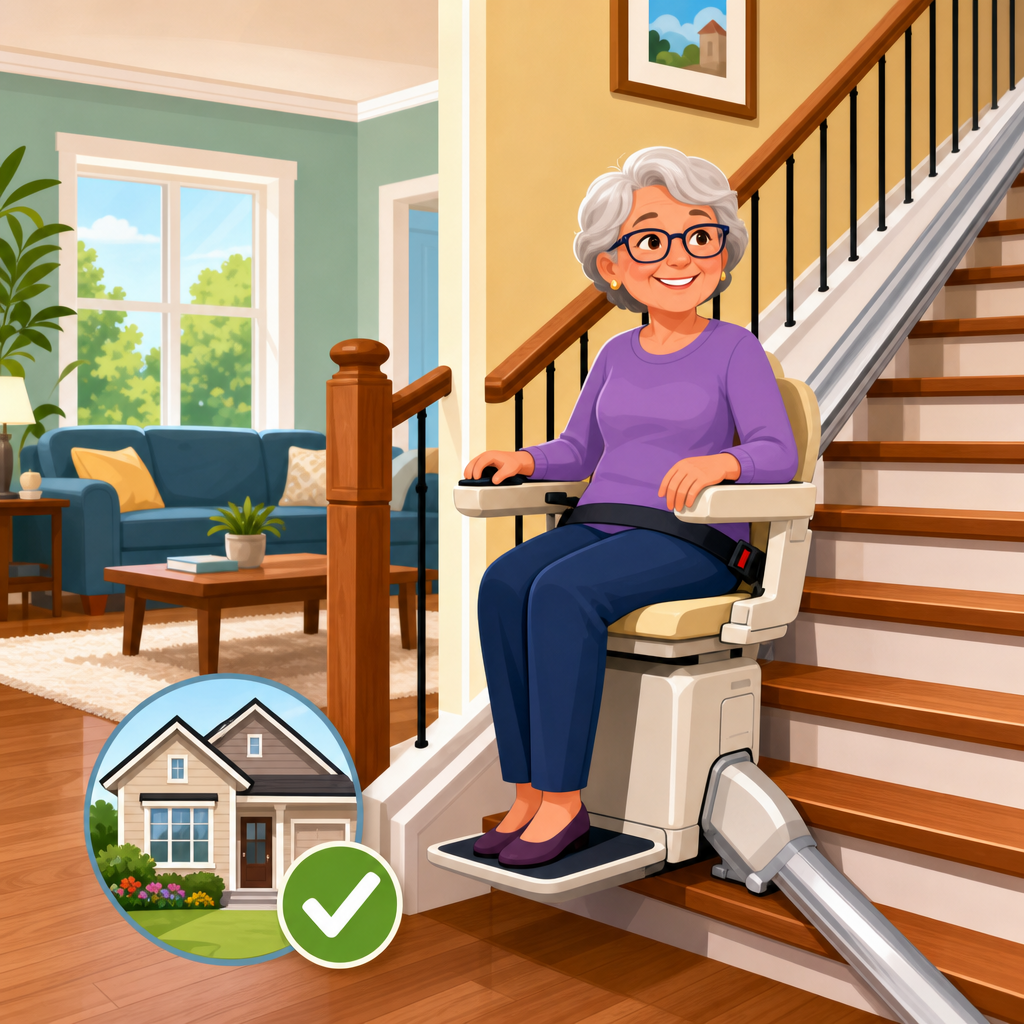
A chair lift can add value to the right home for the right buyer, but in many markets it is better understood as a targeted accessibility upgrade than a universal price booster. Homeowners often ask whether a stair lift increases resale value, hurts marketability, or simply helps them stay in place longer, and the honest answer depends on layout, buyer demographics, installation quality, and the total cost of ownership over time. In practice, I have seen chair lifts help a sale in multistory homes where aging-in-place features were scarce, and I have also seen them removed before listing because sellers wanted the widest possible buyer pool. That tension is why this topic matters. A chair lift is a motorized seat that travels along a rail fixed to the stair treads, allowing a person with limited mobility to move safely between floors. Home value, meanwhile, includes both appraised value and market value, which do not always move together. Appraisers look for comparable sales and permanent improvements; buyers react to convenience, perceived maintenance, and aesthetics. Understanding both sides is essential if you are deciding whether to install, keep, disclose, finance, or remove a lift.
The financial question is larger than the purchase price. Cost of ownership over time includes installation, power use, annual service, battery replacement, repairs, possible removal, and the opportunity cost of choosing this option instead of a first-floor bedroom conversion, a residential elevator, or a move to a single-level home. It also includes benefits that do not appear on a closing statement, such as fewer fall risks, less caregiver strain, and the ability to postpone a move. The Centers for Disease Control and Prevention consistently identify falls as a major source of injury among older adults, so a stair lift can prevent costs that never show up in a realtor’s spreadsheet. Still, a buyer who does not need mobility equipment may view the same lift as clutter. To judge whether a chair lift will add or lower home value, you need to separate use value from resale value, then evaluate ownership costs across the period you expect to stay in the house.
How a Chair Lift Affects Home Value in the Real World
In most neighborhoods, a chair lift does not automatically raise appraised value the way added square footage or a renovated kitchen often can. Appraisers usually need comparable properties with similar accessibility features, and those comparables are limited in many markets. What a chair lift more often does is improve marketability for a defined set of buyers: older adults, multigenerational families, and households managing disability or recovery from surgery. In age-restricted communities, retirement-heavy zip codes, and homes with steep staircases to essential living areas, that buyer benefit can be meaningful. In a typical suburban resale, however, the lift may be neutral to mildly negative if buyers assume they will need to remove it and patch the stair treads.
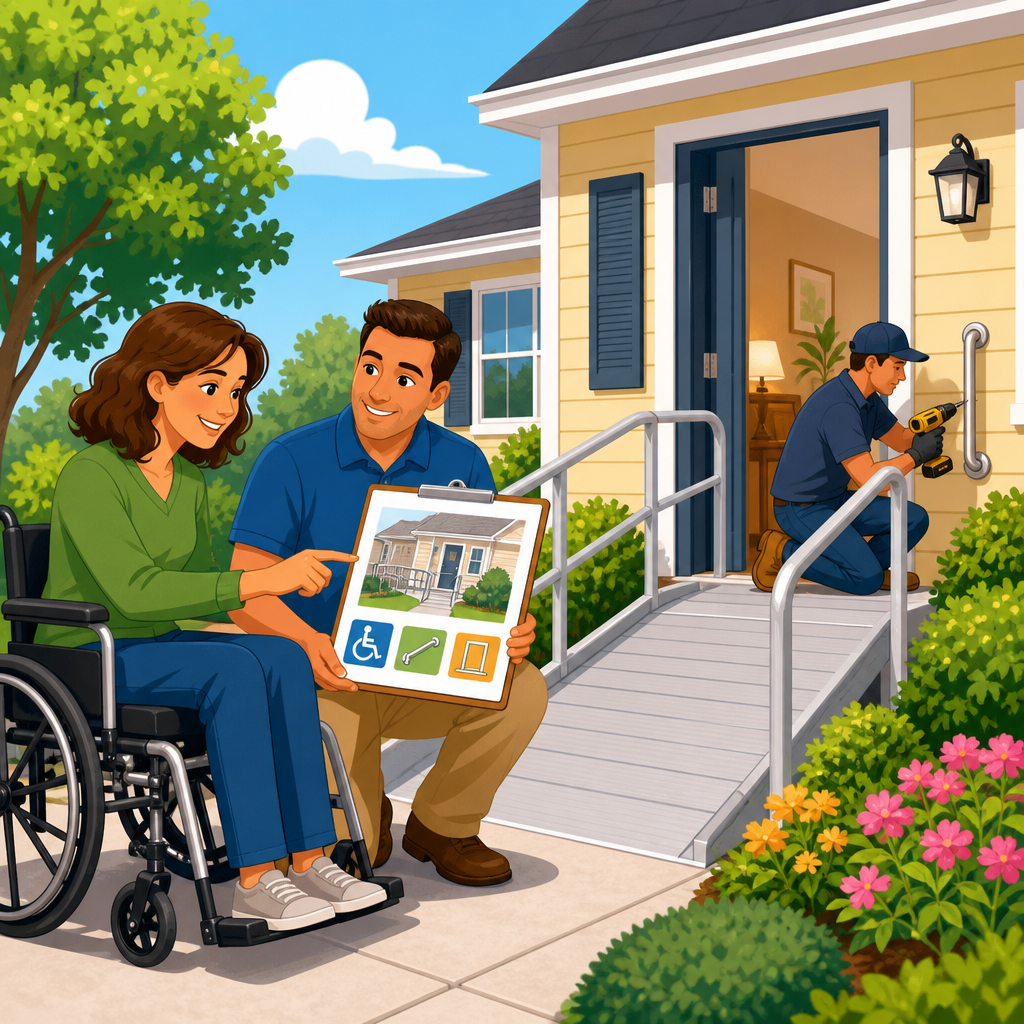
That is why local housing context matters more than generic claims that an accessibility feature always adds value. If the home has all primary living spaces on one level except a laundry room or guest area, a chair lift may not change buyer behavior much. If bedrooms and full bathrooms are upstairs and there is no realistic first-floor living arrangement, the same lift can make the house usable for buyers who would otherwise eliminate it. Real estate agents often position these homes as “aging-in-place ready,” especially when the lift is paired with grab bars, lever handles, wider door clearances, and a low-threshold shower. The strongest value case appears when the chair lift fits into a broader accessibility story instead of feeling like a single-purpose afterthought.
Presentation also influences whether the lift is seen as an asset or a deduction. Clean rails, folded seats, quiet operation, charging stations that work, and documented maintenance all reduce buyer hesitation. A visibly worn lift with jerky movement or outdated upholstery signals future expense. Buyers read condition quickly. Just as importantly, some lifts are easier to remove without cosmetic damage than others. If a prospective buyer knows removal is simple and inexpensive, the lift is less likely to lower perceived value. If they expect stair repairs, wall painting, and disposal headaches, they mentally subtract those costs from their offer.
Cost of Ownership Over Time: What You Actually Pay
The total cost of owning a chair lift is usually far more predictable than homeowners expect, but it should still be mapped year by year. A straight stair lift commonly costs less than a curved model because the rail is standardized rather than custom built to fit turns, landings, or intermediate platforms. Installation is typically straightforward on straight runs and can often be completed in a few hours. Curved lifts take longer, cost more, and are harder to transfer to a new home because the rail is built for one staircase. Outdoor chair lifts add weatherproofing and can require more frequent inspection due to moisture, temperature swings, and debris exposure.
Beyond the initial purchase, owners should budget for annual service, battery replacement every few years, and occasional callouts for sensors, seat swivels, footrest switches, or track obstructions. Most modern stair lifts run on rechargeable batteries even though they plug into household power, which means they can usually operate during a short outage. Electricity use is modest, but battery health is not. If the unit is left off its charging point or the batteries age out, reliability drops. In homes where the lift is used several times daily, normal wear on rollers and carriage components should be expected. None of this makes ownership prohibitive, but it changes the economics when comparing a lift with relocation or renovation.
| Cost Factor | Typical Range | What Drives the Cost | Ownership Impact |
|---|---|---|---|
| Straight stair lift purchase and installation | $2,500 to $6,000 | Brand, seat features, weight capacity, installer labor | Lowest entry cost; easier resale or removal |
| Curved stair lift purchase and installation | $10,000 to $20,000+ | Custom rail fabrication, turns, landings, complex stairs | Highest sunk cost; difficult to reuse elsewhere |
| Annual maintenance | $150 to $400 | Service contract level, local labor rates | Improves reliability and buyer confidence |
| Battery replacement | $100 to $300 every 2 to 5 years | Model type, usage frequency | Small but recurring cost that affects performance |
| Repair visit | $150 to $600+ | Parts, emergency service, motor or control issues | Can spike total ownership cost if maintenance is deferred |
| Removal before sale | $200 to $1,000+ | Rail length, stair repair, disposal | Important if broad resale appeal is the goal |
These ranges vary by region and manufacturer, but they illustrate the central point: the financial risk is usually not utility bills, it is customization and end-of-ownership decisions. A straight lift can be a relatively contained expense. A curved lift is closer to a bespoke mechanical system with limited second-life value. If your expected stay is short, the payback case is weaker unless the lift directly prevents a move. If your expected stay is five to ten years and the lift avoids assisted living, repeated caregiver lifting, or a costly first-floor remodel, ownership economics can look very favorable.
When a Chair Lift Adds Value, and When It Can Lower It
A chair lift is most likely to add practical value when it solves a real functional barrier in a home that otherwise fits long-term living needs. For example, a homeowner with arthritis may need access to upstairs bedrooms, or a family may be caring for a parent after a stroke. In those cases, the lift extends usable occupancy. I have worked with families who compared a $4,000 to $5,000 straight lift with the much larger costs of moving, paying transfer taxes, updating a new home, and leaving a familiar neighborhood. For them, the lift created immediate economic value even if resale value stayed flat.
Market value can improve when the feature helps buyers imagine staying in the property longer than they otherwise could. This happens more often in communities with older housing stock where many attractive homes still have bedrooms on upper floors and no space for a residential elevator. It also happens when listings highlight accessibility in a respectful, practical way rather than framing the house as specialized or compromised. The lift becomes part of a package of livability improvements.
A chair lift can lower perceived value when it makes the staircase feel narrower, visually busy, or harder to use for people carrying laundry, furniture, or children. Some buyers also worry about mechanical failures and associate visible mobility equipment with institutional living, even when the home is otherwise appealing. This reaction is strongest in younger, move-up markets where buyers prioritize aesthetics and open circulation. If the lift is old, noisy, or not from a known manufacturer such as Bruno, Stannah, Harmar, or Acorn, buyers may question parts availability and service support. Perceived obsolescence matters.
The best way to think about value is conditionality. A chair lift rarely broadens appeal to everyone, but it can deepen appeal to a narrower audience enough to preserve pricing and speed a sale. That is different from claiming it universally raises home value. Sellers who understand that distinction make better decisions about whether to market the lift, offer removal credits, or uninstall it before photography and showings.
Alternatives, Financing, and the Long-Term Decision Framework
Homeowners evaluating cost of ownership over time should compare the chair lift not only with doing nothing, but with realistic alternatives. A first-floor bedroom conversion can cost far more than a straight lift, especially if it requires adding a bathroom or reconfiguring walls. A residential elevator may improve prestige and long-term accessibility, but costs commonly run many times higher and involve structural work, permits, and loss of floor area. Moving to a ranch house or condominium can seem cleaner on paper, yet closing costs, moving services, renovations in the new property, and higher taxes or association fees often outweigh the lift.
Financing options also shape the true cost. Some homeowners pay cash from savings because the amounts for straight lifts are manageable. Others use medical equipment financing, dealer payment plans, a home equity line of credit, or proceeds from a health savings arrangement where eligible. Medicare generally does not cover stair lifts because they are often classified as home modifications rather than durable medical equipment under standard rules, though Medicaid waiver programs, Veterans Affairs benefits, state assistive technology programs, and nonprofit grants may help in specific circumstances. That means the out-of-pocket burden can vary dramatically by household, and any serious budgeting exercise should include benefit screening before purchase.
The long-term decision framework I recommend is simple. First, estimate how many years the lift will be used. Second, compare that cost with the next-best housing option. Third, assess whether the home has a likely buyer segment that will welcome accessibility features. Fourth, decide your exit plan in advance: keep, market, transfer, or remove. This approach prevents the most common mistake, which is treating the chair lift as a one-time purchase rather than a life-cycle decision tied to occupancy, caregiving, and eventual resale.
How to Protect Value if You Install One
If you decide to install a chair lift, choose the model and installer with future value in mind. Prioritize a reputable manufacturer, a local dealer with service capacity, and a clear warranty covering parts and labor. Ask whether the rail mounts to treads in a way that minimizes visible repair if removed. Request maintenance records and operating instructions that can be handed to a buyer. Features such as folding footrests, power swivel seats, call-send controls, seat belts, and higher weight capacities can improve usability without making the system feel overly specialized.
It is also wise to coordinate the lift with broader universal design improvements. Better lighting on stairs, contrasting tread edges, handrails on both sides where feasible, lever hardware, and low-threshold bathing areas create a coherent accessibility package that buyers understand. During resale, work with an agent who knows how to market function without narrowing the audience unnecessarily. Good listing language emphasizes convenience, safety, and flexibility. If your market skews younger, consider getting removal quotes before listing so you can respond quickly if feedback suggests the lift is holding back offers.
The key takeaway is straightforward: a chair lift usually adds the most value as a cost-effective tool for staying in your home longer, not as a guaranteed resale premium. Over time, ownership costs are manageable for straight lifts and more substantial for curved systems, while resale impact depends heavily on local demand, condition, and presentation. Treat the purchase as part of a housing strategy, not a gadget purchase. Compare the full life-cycle cost, document maintenance, and plan for resale early. If you are weighing this decision now, gather installation quotes, removal estimates, and local agent feedback before you commit.
Frequently Asked Questions
Does a chair lift increase home value?
A chair lift can increase perceived value in the right situation, but it does not automatically raise appraised value or resale price in every market. In most cases, a stair lift is best viewed as a specialized accessibility upgrade rather than a broad, across-the-board value booster like a kitchen remodel or updated roof. If your home is in an area with older buyers, multigenerational households, or strong demand for aging-in-place features, a well-installed chair lift may make the property more appealing and easier to sell to a specific segment of buyers. In that context, it can absolutely support value by improving functionality and reducing the work a future owner would need to do.
That said, value is always tied to buyer fit. A purchaser who needs accessibility features may see a chair lift as a major benefit and be willing to pay more or choose your home over a similar property without one. A buyer who does not need it may see it as neutral, or simply as something they would remove after closing. So the practical answer is that a chair lift may add market value for the right buyer, but it more often adds utility than universal price premium. Home layout, installation quality, visual impact, and neighborhood demographics all matter.
Can a chair lift make a home harder to sell?
It can, but usually only if the installation is poorly done, the equipment looks dated, or the lift makes the staircase feel cramped or unattractive. Buyers who do not need accessibility features sometimes worry that a stair lift signals additional maintenance, reduces usable stair width, or reflects a house that may need broader mobility-related modifications. In those cases, the issue is not necessarily the chair lift itself, but how it affects the overall impression of the home.
On the other hand, a clean, professionally installed lift in a well-maintained home usually does not become a major obstacle. Many buyers understand that it can be removed if they do not want it. In fact, in some multistory homes where bedroom and bath access would otherwise be difficult for older adults or people with limited mobility, the presence of a chair lift can expand the pool of interested buyers rather than narrow it. The key is presentation. If the home is otherwise updated, safe, and easy to navigate, the lift is more likely to be seen as an optional feature than a drawback. If you are concerned about marketability, ask a local real estate agent whether buyers in your area tend to value accessibility upgrades or prefer homes returned to a more conventional layout before listing.
Is it better to leave a chair lift in place when selling, or remove it before listing?
There is no one-size-fits-all answer, because the best choice depends on your likely buyer and the role the lift plays in the home. If the house naturally appeals to retirees, buyers planning to age in place, or families caring for a relative with mobility challenges, leaving the chair lift in place can be a selling advantage. It helps buyers immediately understand how the home can work for their needs, and it saves them the expense and delay of arranging installation themselves.
If your market skews younger or highly design-focused, removal may make sense, especially if the lift is older, visually bulky, or positioned in a way that makes the staircase feel tight. Some sellers choose a middle ground: they remove the lift but market the home as “chair-lift ready” if the rail system or wiring setup can simplify reinstallation. The most practical approach is to assess the age and appearance of the unit, the width and function of the staircase, and the expectations of local buyers. Before making a decision, it is often worth getting input from both a real estate agent and the lift provider, since removal, patching, and possible resale of the unit can affect your total cost.
Do buyers and appraisers treat a stair lift the same way as other home improvements?
Usually not. Buyers and appraisers often evaluate chair lifts differently from general upgrades because they are purpose-driven features. A new HVAC system, updated flooring, or renovated kitchen tends to appeal to nearly everyone. A chair lift appeals strongly to some buyers and only modestly, or not at all, to others. Because of that, appraisers may not assign it the same kind of straightforward contributory value as a widely marketable improvement. Its impact is often indirect, tied to livability, buyer demand, and the home’s usefulness for people with mobility limitations.
That does not mean it has no value. In the right property, especially a two-story home where the main bedrooms are upstairs, a stair lift can solve a meaningful access problem and make the house usable for someone who might otherwise rule it out. Buyers may factor that into what they are willing to pay, even if it is not reflected line-for-line in an appraisal. In practical terms, stair lifts tend to influence desirability and functionality more than they create a guaranteed return on investment. If you want the market to recognize the feature, it helps to document professional installation, model information, maintenance records, and any transferable warranty, since those details reinforce that the lift is a quality upgrade rather than an improvised add-on.
Is a chair lift worth installing if the main goal is future resale?
If resale is your only goal, a chair lift is usually not the strongest investment compared with more universally attractive updates. Most homeowners install stair lifts because they need safer access now, want to avoid a move, or are planning ahead for aging in place. In that role, the value can be substantial even if it does not show up as a dramatic increase in listing price later. Being able to remain in your home longer, reduce fall risk, and use the full layout of a multistory property can be far more meaningful than a simple resale calculation.
From a resale perspective, the smartest way to think about a chair lift is as a targeted improvement that may preserve or enhance appeal for a specific buyer group rather than guarantee a broad financial return. If you do install one, quality matters. Choose a reputable provider, keep documentation, maintain the equipment, and avoid configurations that permanently damage the staircase or overwhelm the space visually. That way, if a future buyer values the feature, the home is ready for them, and if they do not, the lift can often be removed with minimal disruption. So yes, a chair lift can be worth it, but usually because of the day-to-day benefit it provides first and the potential resale support second.