Buying a stair lift is often urgent, expensive, and deeply personal, which is why many families ask the same practical question: how much can you save with a refurbished model? In the used and refurbished chair lifts market, the short answer is usually 20% to 50% compared with a comparable new unit, but the real answer depends on the rail type, installation complexity, warranty length, battery condition, and whether the lift is professionally reconditioned or simply resold as used. I have helped families compare both options, and the biggest mistake is focusing only on the sticker price. A cheaper chair lift can become more expensive if it needs custom rail work, replacement batteries, service calls, or early removal and reinstallation.
Used chair lifts are previously owned units sold with minimal restoration. Refurbished chair lifts are pre-owned systems that have been inspected, repaired, cleaned, tested, and resold by a dealer or manufacturer to meet defined performance standards. That distinction matters. A true refurbished stair lift should include a documented inspection, new wear components where needed, and a clear warranty. It should also be matched to the staircase, user weight, seat size, hinge needs, and transfer safety requirements. For buyers researching mobility equipment, this topic matters because stair lifts affect independence, fall risk, caregiving workload, and long-term home access. It also matters because insurance usually does not cover the full cost, and many families are paying from savings, home equity, or a short-notice care budget.
This guide serves as the hub for used and refurbished chair lifts within a broader buying guides and product reviews section. It explains where savings come from, when refurbished models are a smart buy, when they are not, and how to evaluate dealers, warranties, rails, and installation. If you are comparing straight stair lifts, curved stair lifts, rental units, or temporary recovery solutions, the goal is to help you make a decision based on total cost, safety, and usable life rather than sales language.
What You Can Realistically Save on a Refurbished Stair Lift
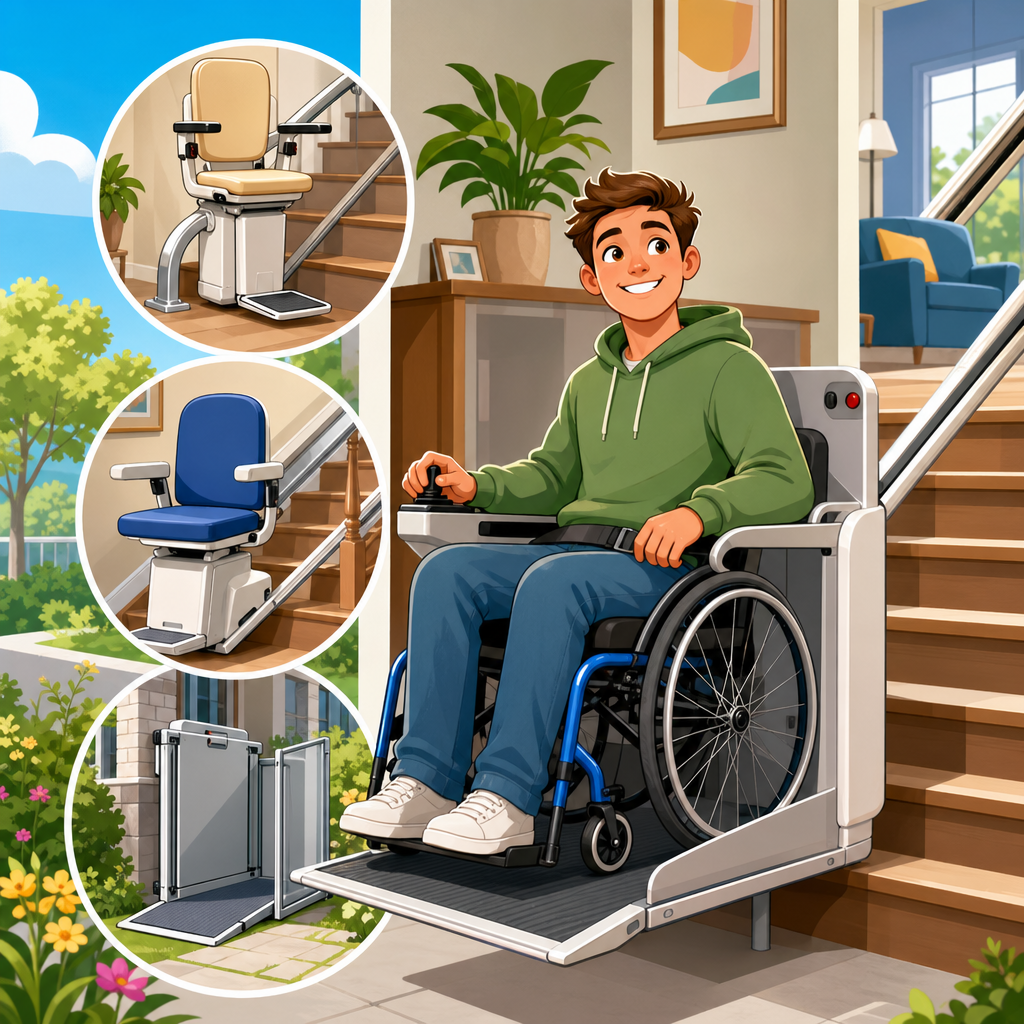
Most buyers save the most on straight stair lifts. A new straight unit commonly costs about $2,500 to $5,500 installed, while a professionally refurbished model often lands between $2,000 and $3,500. In practical terms, that means savings of roughly $500 to $2,000 on a common configuration. The reason is simple: straight rails are modular, widely available, and easier to reuse. Brands such as Bruno, Harmar, Acorn, and Stannah have long produced straight models with standardized components, so dealers can refurbish them economically and still offer service support.
Curved stair lifts are different. A new curved unit can run from $10,000 to $20,000 or more because the rail is custom fabricated to fit each staircase’s turns, landings, and parking positions. Even if the chair body itself can be refurbished, the rail usually cannot be reused unless another home has an almost identical layout, which is rare. That means savings on a refurbished curved stair lift are often modest, sometimes limited to the seat assembly, carriage, or power components rather than the full system. For that reason, when buyers ask whether refurbished always saves money, the answer is no. It usually does for straight lifts, but not always for curved ones.
Another factor is bundled service. Some dealers advertise a low refurbished stair lift price, then charge separately for site survey, labor, rail cutting, call-outs, battery replacement, and removal of old equipment. A better comparison is total installed cost over the first two years. In my experience, a refurbished straight chair lift with a one-year parts and labor warranty can be a strong value if the dealer has local technicians and access to brand-specific parts. If the unit is sold as-is with no meaningful support, the apparent savings can disappear quickly.
Used vs Refurbished Chair Lifts: The Difference That Affects Cost
Many shoppers use the terms used chair lift and refurbished chair lift interchangeably, but they should not. A used stair lift may be removed from one home and sold with limited testing. A refurbished stair lift should go through a structured process: collection, deinstallation review, serial identification, mechanical inspection, rail assessment, carriage testing, replacement of worn rollers or gears where applicable, battery load testing, safety edge verification, charger confirmation, and cosmetic cleaning. Reputable dealers also verify seat swivel locks, footrest sensors, call-send controls, overspeed governor function, and final limit switches.
That process adds cost, but it reduces risk. For example, sealed lead-acid batteries used in many stair lifts degrade with age even when lightly used. A refurbished unit may include fresh batteries or at least documented battery health. Chargers also fail over time. If a used chair lift sits unpowered in storage, sulfation can shorten battery life before the next owner even uses it. Buyers who skip refurbishment sometimes save a few hundred dollars up front and then pay for batteries, service, and downtime within months.
The distinction also affects resale value and insurability. A professionally refurbished stair lift from an established mobility dealer is easier to document for future service or resale than a peer-to-peer purchase from a classified listing. It also gives caregivers confidence that the lift was matched correctly to the user and staircase. For a device that moves a person on stairs, that confidence matters more than the appeal of a bargain.
Where Refurbished Models Deliver the Best Value
The best candidates for refurbished chair lifts are straightforward installations where the needs are clear and stable. A single-flight staircase with enough width, standard landings, and no unusual obstructions is ideal. Homes where the lift is needed for one to five years often see strong value, especially after surgery, stroke recovery, progression of arthritis, or aging in place planning. In those cases, a refurbished straight stair lift can provide safe access without the premium price of a new unit.
Refurbished models also work well when the buyer prioritizes function over finish. Cosmetic blemishes on the rail cover or seat base rarely affect performance. What matters is reliable travel, correct seat height, a smooth start-stop profile, and dependable charging. Some families also benefit because refurbished inventory is available faster than a factory order. If mobility needs are immediate, speed can be as important as savings.
There are cases where buying new is usually the better decision. A user with a higher body weight may need a heavy-duty stair lift with a wider seat, stronger transmission, or reinforced rail system. Very narrow stairs may require a specific model with a compact folded profile. Complex curved stairs, outdoor exposure, or long expected ownership also tilt the comparison toward new equipment because customization and full manufacturer support become more important over time.
How to Evaluate Price, Warranty, and Support Before You Buy
The safest way to compare used and refurbished chair lifts is to ask the same set of questions to every dealer. What brand and exact model is being quoted? Is the rail new, reused, or cut from existing stock? Are batteries included and new? How long are parts and labor covered? Who performs the installation and later service? Is there a local technician network? Can the dealer supply the owner’s manual, serial number, and inspection checklist? The more specific the answers, the easier it is to compare true value.
| Factor | What to Look For | Why It Affects Savings |
|---|---|---|
| Warranty | At least 12 months parts and labor | Reduces out-of-pocket repair costs during the highest-risk period |
| Batteries | New or documented load-tested batteries | Prevents early replacement and service calls |
| Rail type | Straight modular rail preferred for reuse | Makes refurbishment economical and serviceable |
| Installer | Factory-trained or brand-experienced technician | Improves fit, safety, and long-term reliability |
| Service support | Local call-out coverage and stocked parts | Limits downtime and emergency repair expense |
Warranty terms deserve close attention. Some dealers advertise a five-year drivetrain warranty but exclude labor, batteries, and electronics, which are common failure points. Others offer a shorter but more practical bumper-to-bumper agreement. For many households, a one-year comprehensive warranty from a local mobility dealer is worth more than a longer limited warranty from a distant seller. Service responsiveness matters because a stair lift that is down for a week can trap a user on one floor or force risky stair use.
Ask about removal and buyback as well. Some companies credit part of the purchase price if the lift is removed within a defined period. Others charge for deinstallation and leave no residual value. That policy can materially change the true cost of ownership, especially for temporary needs.
Safety, Compliance, and Installation Standards
Savings only matter if the chair lift is safe. Reputable dealers align their work with recognized mobility equipment practices and manufacturer specifications. In North America, stair lifts are commonly discussed in relation to ASME A18.1 platform and stairway chairlift standards, local electrical requirements, and manufacturer installation instructions. A trustworthy provider will not improvise mounting points, overload a rail, or substitute incompatible chargers and controls. They will measure stair pitch, clearances, landing space, and any hinge requirement before quoting.
Installation quality directly affects comfort and reliability. A stair lift should be mounted to the stair treads or an approved structure, not casually attached in a way that damages finish materials or creates movement under load. Final setup should include travel limit adjustment, seat swivel verification, obstruction sensor testing, and rider instruction. I have seen avoidable problems caused not by the age of the lift, but by poor installation: footrests clipping carpet edges, charging points misaligned, and seats parked where they block a doorway. These are planning failures, not product failures.
For outdoor stair lifts, refurbishment is more limited because weather exposure accelerates corrosion, UV damage, and seal wear. Unless the dealer can document replacement of exposed components and confirm weatherproof integrity, a new outdoor unit is usually the safer buy.
Total Cost of Ownership: What Families Often Miss
The purchase price is only one part of the budget. Total cost of ownership includes installation, electrical readiness, batteries every few years, annual maintenance if recommended, repairs outside warranty, and eventual removal. It also includes indirect costs such as delay, caregiver time, or injury risk if the lift is unreliable. A refurbished model can still be the best value, but only when these costs are acknowledged upfront.
Consider a simple example. A new straight stair lift costs $4,200 installed with a two-year warranty. A refurbished comparable model costs $2,900 installed with a one-year warranty. If the refurbished unit needs two batteries and one service call in year two totaling $450, the buyer still saves $850. But if the cheap offer excluded installation and used an aging rail requiring a major repair, the savings could vanish. That is why careful comparison beats headline pricing.
Families should also think about duration of need. For short-term recovery, rental stair lifts may cost less than buying, especially for straight stairs. For multi-year use, purchasing refurbished often beats renting after the first several months. The right choice depends on expected use, staircase type, and whether the dealer applies rental payments toward ownership.
How This Hub Helps You Research Used and Refurbished Chair Lifts
As a hub page, this guide is designed to help you move from the big question of savings to the smaller decisions that shape a good purchase. From here, buyers typically go deeper into straight stair lift reviews, curved stair lift pricing, rental comparisons, heavy-duty models, outdoor units, warranty analysis, installation checklists, and brand-by-brand reliability. That research path matters because no single article can resolve every staircase, budget, and mobility profile. What this guide does establish is the decision framework: compare total installed cost, verify refurbishment standards, check local service capacity, and match the model to the user rather than chasing the lowest advertised number.
If you remember only a few points, remember these. Refurbished stair lifts usually save the most on straight staircases, often in the 20% to 50% range. Curved stair lifts offer less predictable savings because the rail is usually custom. A professionally refurbished unit is not the same as a casually used one. Warranty, batteries, installation quality, and service access matter as much as price. And the best deal is the one that delivers safe, reliable mobility for the full period you need it.
Use this page as your starting point for evaluating used and refurbished chair lifts with confidence. Build a short list, ask precise questions, and compare total ownership cost before you buy. A careful comparison can save real money, but the larger benefit is choosing a stair lift that keeps the home accessible, reduces fall risk, and works reliably when it is needed most.
Frequently Asked Questions
How much can you typically save with a refurbished stair lift compared with a new one?
In most cases, buyers can expect to save about 20% to 50% with a refurbished stair lift compared with a similar new model. That range is broad because the final price depends on several practical factors, including whether the lift is for a straight or curved staircase, how much installation work is required, the age and condition of the unit, and what kind of warranty is included. Straight stair lifts usually offer the clearest savings because the rail is simpler and easier to reuse or adapt. Curved lifts can still provide savings, but the custom rail often limits how much of the original system can be reused, so the discount may be smaller.
It is also important to understand that “refurbished” is not always the same as “used.” A professionally refurbished model is typically inspected, cleaned, tested, repaired as needed, and fitted with replacement parts such as batteries, seat components, safety sensors, or carriage parts before being reinstalled. That level of work adds value and reliability, even if it costs more than a basic secondhand resale. So while the headline savings may be slightly lower than buying directly from a private seller, many families still come out ahead financially because they get a safer product, a clearer service agreement, and a lower risk of paying for repairs soon after installation.
What factors have the biggest impact on how much you will actually save?
The biggest cost drivers are usually the type of staircase, the rail system, and the complexity of the installation. A straight staircase is generally the most affordable setup, whether you buy new or refurbished, because the rail is standardized and the labor is more predictable. That makes it easier for dealers to offer meaningful discounts on refurbished straight lifts. Curved stair lifts are different because they often require a custom-built rail designed specifically for the shape, turns, and landings of your staircase. Even if the chair unit itself is refurbished, the rail may still need to be newly manufactured, which reduces the overall savings.
Other important factors include warranty length, battery condition, service coverage, and the quality of the reconditioning process. A refurbished lift that includes new batteries, a parts warranty, labor coverage, and full safety testing may cost more upfront than a basic used model, but it can save money over time by reducing repair costs and downtime. Brand reputation also matters. Some manufacturers have better long-term parts availability than others, which can make a refurbished model a better value. In short, the lowest sticker price is not always the best deal. Real savings come from balancing purchase cost with reliability, service support, and expected lifespan.
Is a professionally refurbished stair lift worth the extra cost over buying a used one as-is?
For most buyers, yes. A professionally refurbished stair lift is usually worth the extra cost because it offers a much better balance of savings, safety, and peace of mind. An as-is used unit may look less expensive at first, but it often comes with unknown wear, older batteries, limited documentation, no installation support, and no meaningful warranty. Since a stair lift is mobility equipment that people rely on every day, those uncertainties can become expensive and stressful very quickly. If the unit fails, parts are unavailable, or the installation is not done properly, the money saved upfront can disappear fast.
A refurbished model from a reputable dealer is generally a safer investment because the unit should be inspected mechanically and electronically before resale. That often includes testing the motor, drive system, seat swivel, footrest safety edges, charge points, remote controls, and backup battery function. Some companies also replace cosmetic panels or worn upholstery so the lift feels closer to new. Just as important, professional installation ensures the lift is fitted correctly to the staircase and adjusted for the user’s needs. When mobility and home safety are involved, that professional oversight can be far more valuable than squeezing out the absolute lowest price.
Do refurbished stair lifts come with warranties, and how should that affect the savings calculation?
Many refurbished stair lifts do come with warranties, but the coverage varies widely, and that difference should absolutely be part of your cost comparison. Some dealers offer short-term coverage on major components only, while others include parts and labor for a longer period. In some cases, the batteries may have separate warranty terms because they are considered wear items. A refurbished lift with a strong warranty may cost a little more than one with minimal coverage, but it can still represent better value because it lowers the risk of unexpected repair bills during the first year or two of ownership.
When comparing options, look beyond the monthly payment or initial quote and ask what is actually included. Find out whether the warranty covers service calls, replacement parts, labor, and travel fees. Ask whether there is ongoing maintenance available after installation and whether the provider stocks parts for that model. A lower-priced refurbished unit with weak support can end up costing more if even one repair visit is not covered. On the other hand, a slightly more expensive refurbished model with solid warranty protection can still deliver strong savings versus buying new while giving you much more confidence in the purchase.
When does a refurbished stair lift make the most financial sense?
A refurbished stair lift makes the most financial sense when you need reliable mobility help quickly, want to reduce upfront costs, and have a staircase that is well suited to a reused or reconditioned system. This is especially true for straight staircases, where refurbished units are often readily available and the savings can be substantial. It can also be a smart option for temporary or medium-term needs, such as recovery after surgery, aging in place during a transitional period, or helping a family member remain safely at home without committing to the higher cost of a brand-new unit.
That said, the best financial decision is not always the cheapest purchase. A refurbished stair lift is a strong value when it is professionally reconditioned, properly installed, backed by a reasonable warranty, and matched to the user’s mobility needs. If the staircase is highly complex, if the user needs advanced features, or if long-term heavy use is expected, a new model may sometimes offer better lifetime value despite the higher initial price. The key is to compare total ownership cost rather than just headline discounts. When families do that carefully, a well-refurbished model often stands out as one of the most cost-effective ways to improve safety, accessibility, and independence at home.