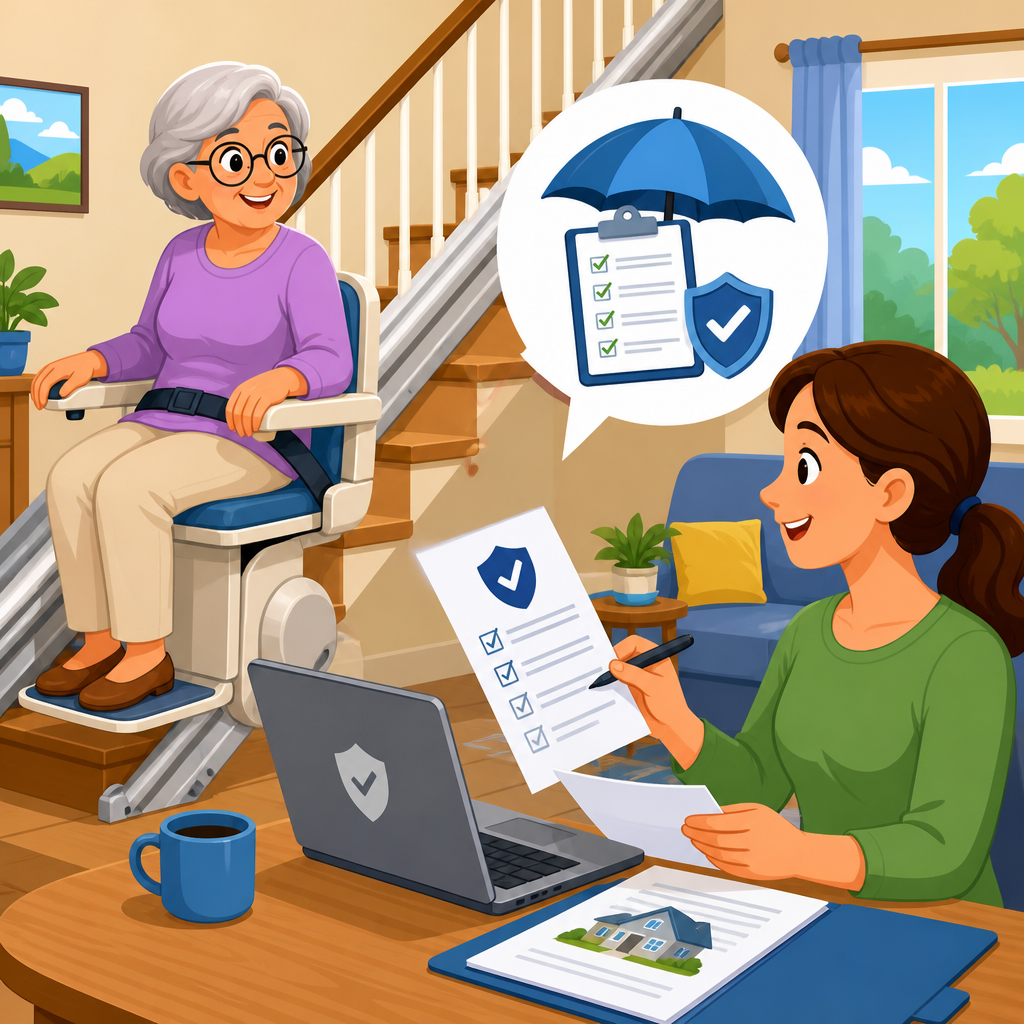
Filing an insurance claim for a chair lift starts with understanding what a chair lift is, which insurance policies may pay for it, and why approval usually depends on medical necessity rather than convenience. A chair lift, often called a stair lift, is a motorized seat that travels along a rail attached to a staircase so a person with limited mobility can move safely between floors. In practice, families usually ask the same question first: does insurance cover chair lifts? The honest answer is sometimes, but not often through standard health insurance alone. After helping clients document home accessibility needs, I have seen approvals hinge on diagnosis codes, physician notes, durable medical equipment language, and whether the policy treats the device as a home modification instead of medically necessary equipment.
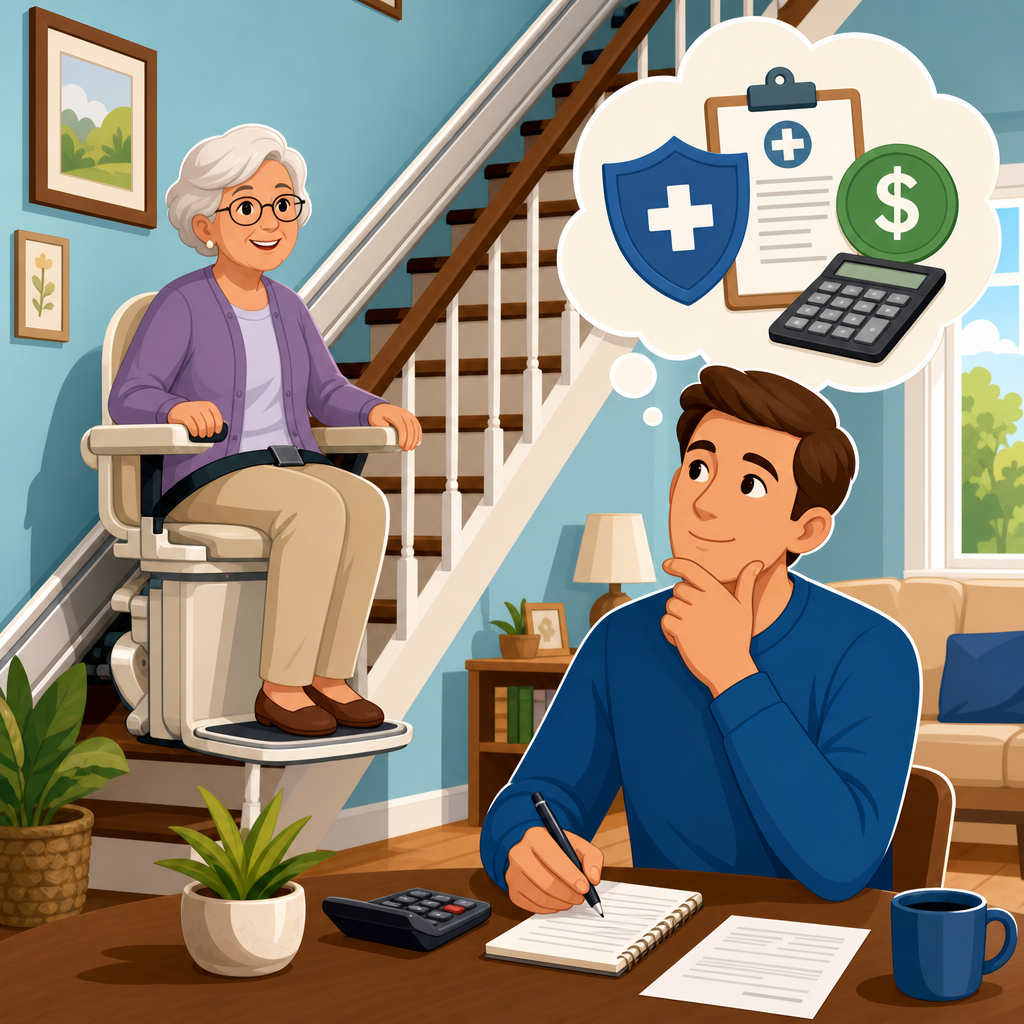
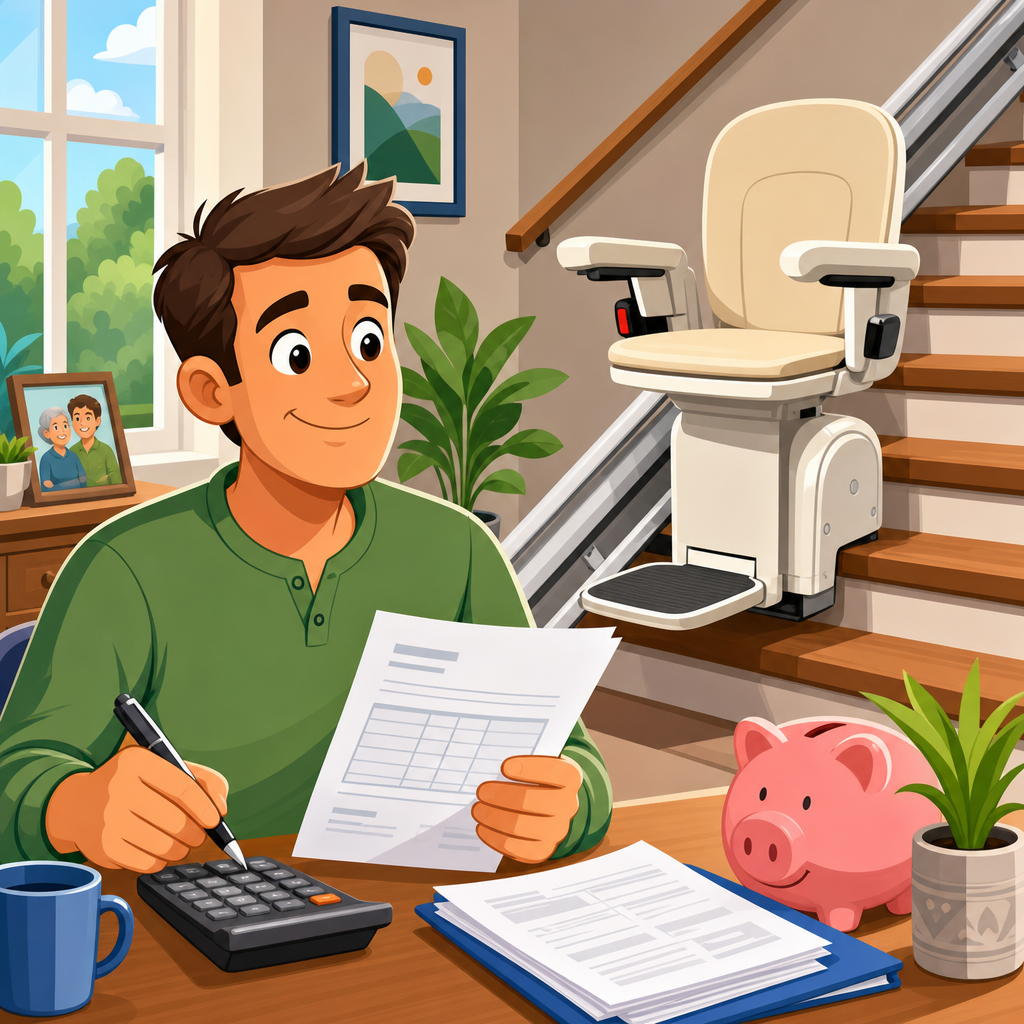
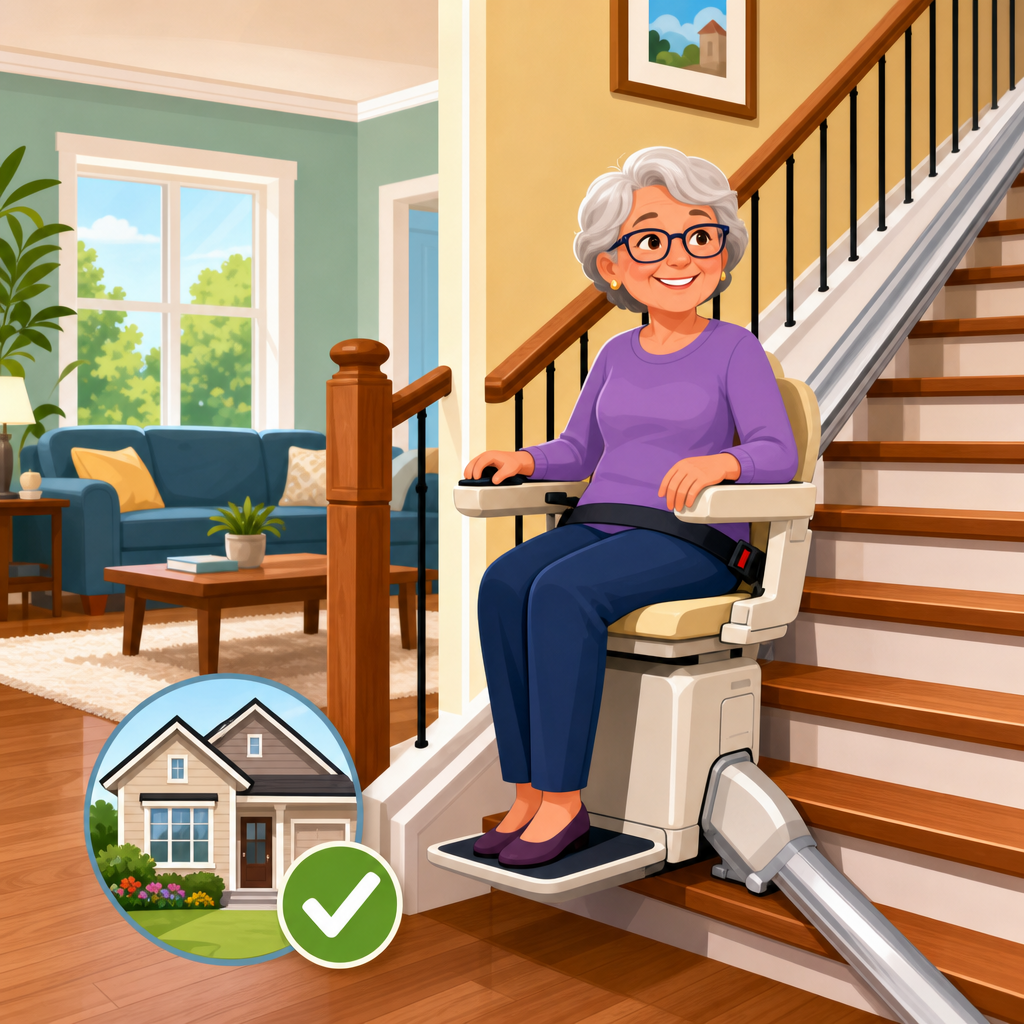
This matters because chair lifts are expensive enough to affect long-term financial planning. A straight stair lift commonly costs around $2,000 to $5,000 installed, while curved models can run $10,000 or more because the rail is custom fabricated. For many households, that price arrives during a health crisis, after a stroke, fall, knee replacement, multiple sclerosis progression, or heart condition has made stairs unsafe. When the home has bedrooms and bathrooms on different levels, the chair lift can determine whether someone remains at home or moves to assisted living. That is why filing the claim correctly is not paperwork for its own sake; it is often part of an aging-in-place strategy.
The key coverage question is whether the insurer views the lift as medically necessary treatment support or as a noncovered home improvement. Medicare Part B generally covers durable medical equipment such as wheelchairs, walkers, and hospital beds when prescribed for use in the home, but it typically does not cover stair lifts because they are considered home modifications. Some Medicare Advantage plans may offer supplemental benefits for in-home support, but coverage varies by carrier and county. Medicaid waiver programs in many states are more flexible, especially under Home and Community-Based Services programs. The Department of Veterans Affairs can also be important, particularly through programs tied to service-connected disabilities and home accessibility grants.
Private insurance sits in the middle. Some employer and individual plans exclude chair lifts specifically. Others may allow partial reimbursement if the claim is structured through out-of-network durable medical equipment rules, a case management exception, or a broader home health benefit. Flexible spending accounts and health savings accounts may also allow payment with pre-tax dollars if a physician documents medical necessity, even when the insurer itself denies the claim. Because the rules differ widely, this article serves as a practical hub for understanding insurance coverage for chair lifts, gathering the right evidence, filing a strong claim, responding to denials, and identifying financing options when insurance will not pay in full.
Does insurance cover chair lifts? The coverage rules most people run into
For most people, insurance coverage for chair lifts depends on the payer, the policy wording, and the medical record. Traditional Medicare usually does not pay for a stair lift because the device is attached to the home and falls outside standard durable medical equipment criteria. That distinction matters: a wheelchair is portable medical equipment used by the patient, while a stair lift is commonly classified as a structural or environmental modification. In claims terms, that classification causes denials before the insurer even considers the safety benefit.
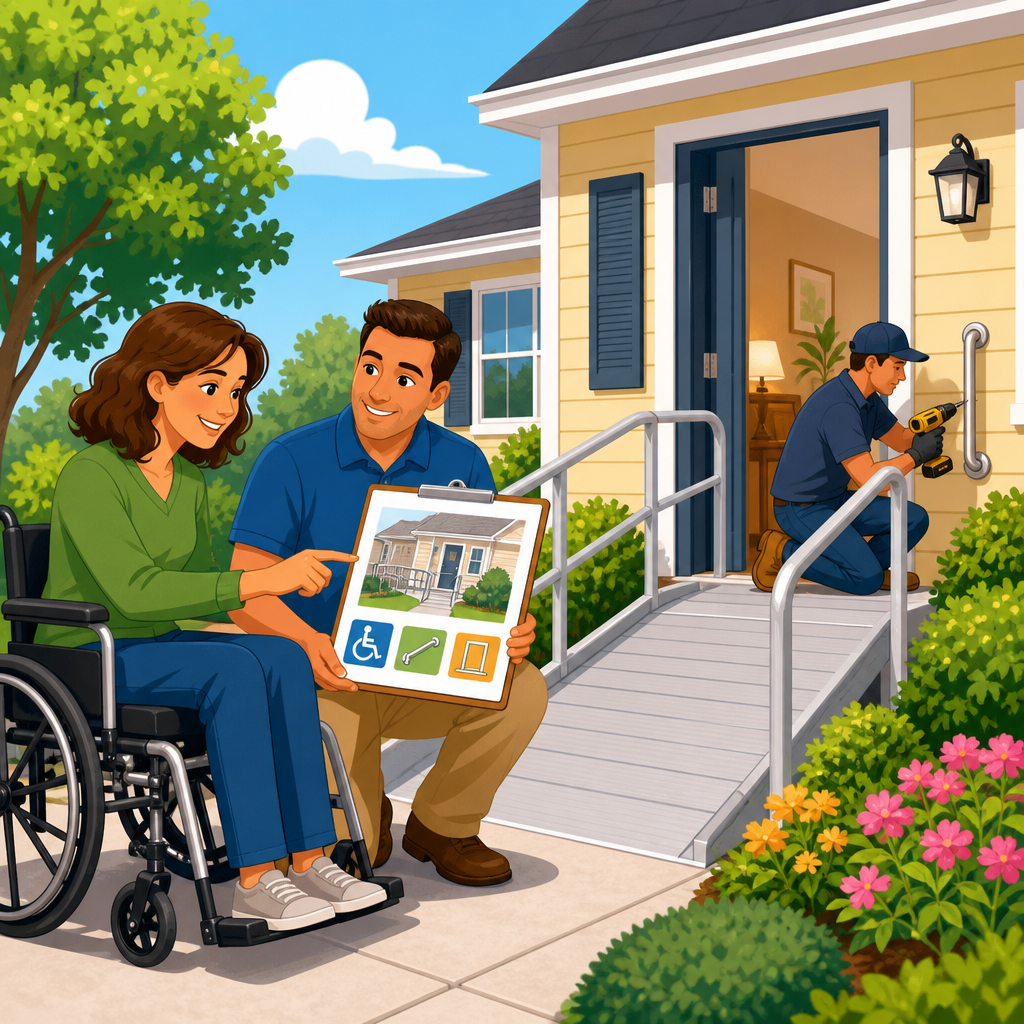
Medicare Advantage plans can be different. Some plans now offer supplemental benefits for members with chronic conditions, including limited home safety support. In real cases, I have seen plans pay for home assessments, grab bars, ramps, and occasionally mobility-related installations through care management rather than through the usual claims channel. That is not guaranteed coverage for a chair lift, but it means policyholders should not stop at the first customer service answer. Ask whether the plan has supplemental in-home support, special supplemental benefits for the chronically ill, or case management exception pathways.
Medicaid is often the strongest public coverage route, especially for people who meet both medical and financial eligibility rules. Many states fund home accessibility through waiver programs designed to keep individuals out of nursing facilities. These programs may cover stair lifts, ramps, widened doorways, or bathroom modifications when an assessment shows the changes are necessary for safe community living. Coverage limits, waiting lists, and prior authorization rules vary by state, so applicants need to review the exact waiver, not just general Medicaid benefits.
Veterans may have access to broader support. The VA administers grants and prosthetics-related benefits that can help with home access improvements. Programs such as HISA, the Home Improvements and Structural Alterations benefit, may assist eligible veterans when a clinician documents that the modification is medically necessary. For people with service-connected disabilities, the available benefit can be substantially more generous than standard commercial insurance.
Private insurers often exclude chair lifts, but exclusions are not the end of the story. Policies may still allow reimbursement under exception review if the physician explains that the member cannot safely access essential living areas without the device. Strong cases usually show failed alternatives, such as relocating a bed to the first floor being impossible, repeated falls on stairs, or a caregiver injury risk during assisted transfers.
What documents you need before filing a chair lift insurance claim
The strongest insurance claim for a chair lift is built before the form is submitted. Start with a detailed prescription or letter of medical necessity from the treating physician. The letter should identify the diagnosis, describe the mobility limitation, explain why stairs are unsafe, and state why a chair lift is required in the home. Vague statements like “patient would benefit from stair lift” are weak. Better wording is direct: “Patient is unable to ascend or descend stairs safely due to severe bilateral knee osteoarthritis and fall history, and requires a motorized stair lift to access bedroom and bathing facilities.”
Include supporting clinical records. Useful evidence includes physical therapy evaluations, occupational therapy home safety assessments, discharge summaries after hospitalization, fall reports, gait testing, and imaging or specialist notes that establish the severity and duration of impairment. If the person has already tried alternatives such as canes, walkers, handrails, or sleeping on the first floor, document that those measures were ineffective or unsafe. Insurers respond better when the record shows a progression from lower-cost interventions to the requested equipment.
You also need product and vendor documentation. Obtain a detailed quote showing whether the lift is straight or curved, the rail length, installation charges, warranty, and any service plan. Ask the dealer for manufacturer specifications and a statement describing how the model meets the patient’s access needs. Established manufacturers such as Bruno, Harmar, Stannah, and Acorn all provide technical details that can help support the request. Make sure the quote separates equipment from labor, because some plans that will not pay for installation may still review the device cost.
| Document | Why it matters | Best source |
|---|---|---|
| Prescription or order | Shows the device was requested by a licensed clinician | Primary care doctor or specialist |
| Letter of medical necessity | Explains diagnosis, risk, and why the lift is required | Treating physician |
| Therapy or home safety assessment | Provides functional evidence and home layout details | PT, OT, or home health agency |
| Detailed vendor quote | Establishes exact cost, model, and installation scope | Chair lift dealer |
| Insurance policy language | Identifies exclusions, prior authorization rules, and appeals rights | Insurer evidence of coverage |
Finally, pull the policy itself. Read the evidence of coverage, summary plan description, or member handbook for terms like durable medical equipment, home modification, accessibility equipment, prior authorization, and exclusions. The exact wording determines whether you submit a standard claim, a prior authorization request, or a medical exception appeal. This step saves weeks.
How to file the claim step by step and avoid preventable denials
The first step is verifying benefits in writing. Call the insurer and ask three narrow questions: is a chair lift or stair lift a covered benefit, does the plan require prior authorization, and if not covered under standard benefits, is there an exception or case management review process? Ask for a reference number and request written confirmation by secure message, email, or mailed summary. Frontline phone representatives often give incomplete answers, so documented follow-up matters.
Next, submit prior authorization before installation whenever possible. Many insurers deny claims automatically if the member buys first and asks later. The packet should include the physician order, letter of medical necessity, clinical notes, home assessment, and vendor quote. If the plan has a form for nonstandard durable medical equipment or home accessibility review, use it. Keep copies of everything and label each attachment clearly. Claims move faster when the reviewer can find diagnosis, functional limitation, and requested item cost without hunting through dozens of pages.
When writing the cover letter, frame the request around safety and access to medically necessary living spaces. Explain which essential rooms are inaccessible, such as the only full bathroom being upstairs. Mention fall history, caregiver burden, and whether the device may prevent institutional placement. That last point is especially powerful for Medicaid waivers and managed care plans because home-based support is often less costly than nursing facility care.
After submission, track the review. If the insurer requests more information, respond quickly and specifically. Do not resend the same records without addressing the question. For example, if the plan asks why a bedroom cannot be moved downstairs, answer with the home layout, plumbing limits, or the absence of a bathing facility on the main level. Strong claims are concrete, not emotional.
If the request is denied, read the denial notice line by line. Common reasons include benefit exclusion, lack of medical necessity, insufficient documentation, and failure to obtain prior authorization. Your response should match the denial reason exactly. For a medical necessity denial, add better clinical support. For an exclusion, pursue an exception, external review, or alternate funding source. For procedural denials, correct the missing step if the plan allows resubmission. Precision beats frustration every time.
What to do if insurance will not pay for the chair lift
When insurance denies a chair lift, the next move is not always to give up. Start with an internal appeal and then, if available, an external review. Ask the physician to revise the medical necessity letter with stronger functional language and references to failed alternatives. Include any new falls, emergency visits, or therapist recommendations since the first submission. In my experience, appeals succeed more often when they show the insurer overlooked evidence rather than simply repeating that the device would help.
At the same time, build a backup funding plan. Medicaid waiver programs, state assistive technology programs, Area Agencies on Aging, and nonprofit disability organizations may offer grants, low-interest loans, or equipment referral services. Rebuilding Together and similar local organizations sometimes help with accessibility modifications, though eligibility and funding are limited. Veterans should contact the VA directly instead of relying on a general insurer answer, because federal veterans’ benefits operate under different rules.
Tax-advantaged accounts can also reduce the out-of-pocket burden. The Internal Revenue Service generally allows medical expense deductions for capital expenses that are medically necessary, subject to tax rules and the portion that does not increase home value. HSAs and FSAs may cover the cost if supported by medical documentation. Families should keep invoices, prescriptions, and proof of payment and confirm eligibility with the plan administrator or tax professional.
Finally, compare financing options carefully. Many chair lift dealers offer installment plans, refurbished units for straight staircases, rental programs for short-term recovery, and buyback options. A refurbished straight stair lift can cost significantly less than a new one, while curved lifts are harder to source used because the rail is custom to the staircase. Ask about maintenance, battery replacement, service response time, and transferability of warranties before signing. If insurance will not cover the device, smart purchasing decisions become the next best financial protection.
Best practices for a stronger chair lift claim and smarter cost planning
The best chair lift claims are specific, medically grounded, and timed correctly. Submit before purchase, tie the request to daily function, and use the insurer’s own language wherever possible. If the plan covers durable medical equipment but excludes home modifications, explain why the device functions as essential mobility equipment for this patient in this home. If the plan offers case management, ask for a nurse case manager review. These procedural details often make the difference between an immediate denial and a serious evaluation.
It also helps to think beyond the first claim. Ask the dealer whether a home assessment can identify lower-cost alternatives, such as a straight lift on a secondary staircase, or whether a bedroom relocation could work temporarily after surgery. Not every household needs the most expensive option. On the other hand, trying to force a cheaper but unsuitable model usually costs more later in service calls, poor fit, or replacement.
As the hub for cost and financing options, this topic comes down to one principle: coverage for chair lifts is possible, but it is rarely automatic. Medicare usually excludes them, Medicare Advantage may offer limited supplemental help, Medicaid waivers are often the best public option, the VA can be valuable for eligible veterans, and private insurance sometimes allows exceptions. The practical path is to gather strong medical evidence, verify benefits in writing, file with detailed support, and appeal strategically if denied. If you are starting this process now, request a physician letter of medical necessity, obtain a detailed quote, and review your policy today.
Frequently Asked Questions
1. Does insurance cover a chair lift?
Insurance coverage for a chair lift depends on the type of policy you have, the reason the lift is being prescribed, and the exact wording of your plan. In many cases, approval is based on medical necessity, not convenience. That distinction matters. If the chair lift is recommended because a person has a documented mobility limitation that makes stair use unsafe or impossible, the claim has a stronger foundation than if the request is framed as a general home upgrade. A chair lift, also called a stair lift, is a motorized seat mounted to a rail along a staircase, and insurers may evaluate it as durable medical equipment, a home accessibility modification, or an excluded convenience item depending on the policy.
Original Medicare often does not cover stair lifts in the same way it covers standard durable medical equipment, because a chair lift may be considered a home modification rather than a medically necessary device covered under Part B. However, some Medicare Advantage plans, Medicaid waiver programs, veterans benefits, long-term care insurance, workers’ compensation, or private health plans may offer partial coverage or related assistance. In some situations, the motor component of a lift may be evaluated differently from the track or installation, but that varies by insurer and should never be assumed without written confirmation.
The best first step is to call the insurer and ask very specific questions: Is a chair lift covered? Is it classified as durable medical equipment or a home modification? Is prior authorization required? What medical documentation is needed? Are there approved vendors? Getting answers in writing can help avoid confusion later. Even when a policy does not fully cover the chair lift, there may still be reimbursement options, appeals rights, or alternative funding sources available.
2. What documents do I need to file an insurance claim for a chair lift?
A successful chair lift insurance claim usually depends on strong documentation. The most important item is a detailed prescription or letter of medical necessity from a licensed healthcare provider. This letter should explain the patient’s diagnosis, mobility limitations, fall risk, inability to safely use stairs, and why a chair lift is medically necessary in the home. Generic statements are often not enough. The doctor should clearly connect the patient’s condition to the need for the equipment and explain why less costly or simpler alternatives are not sufficient.
You should also gather supporting medical records, such as office visit notes, physical therapy evaluations, hospital discharge summaries, imaging reports if relevant, and any documentation showing a history of falls or difficulty with stair use. Insurers often want objective evidence that the device is needed for safe daily functioning. If an occupational therapist or physical therapist has assessed the home and recommended a chair lift, that report can strengthen the file as well.
In addition to medical records, most insurers will want a detailed price quote from the chair lift supplier. This quote should include the model, features, installation charges, warranty information, and whether the staircase is straight or curved, since custom curved lifts are usually more expensive. You may also need photos of the staircase, a home assessment, a claim form, and proof that the supplier is in-network or approved if your plan has vendor restrictions. Before submitting anything, review the insurer’s claim instructions carefully so the documents are organized exactly as required. Complete, well-labeled paperwork can improve the chances of faster review and fewer delays.
3. How do I file an insurance claim for a chair lift step by step?
Filing an insurance claim for a chair lift is usually easier when you approach it methodically. Start by reviewing the insurance policy or calling member services to confirm whether chair lifts are potentially covered and whether preauthorization is required. Ask for the exact coverage criteria, billing rules, and documentation standards. If possible, request a written summary by email or secure message so you have a record of what you were told. This step is important because many claims are denied simply because the request was submitted under the wrong category or without prior approval.
Next, schedule an appointment with the treating physician or specialist and discuss the patient’s difficulty with stairs in detail. The doctor should document the diagnosis, physical limitations, safety concerns, and why a chair lift is medically necessary. After that, obtain a quote from a reputable chair lift provider. Some insurers require estimates from approved vendors only, so verify that before ordering anything. If the insurer requires prior authorization, submit the authorization request with the prescription, letter of medical necessity, medical records, and supplier quote before installation.
Once the chair lift is approved, follow the insurer’s instructions exactly for purchase and installation. Keep copies of all paperwork, including approval letters, invoices, receipts, proof of payment, supplier communications, and installation records. If your policy requires reimbursement after purchase, submit the formal claim form along with all supporting documentation by the deadline. After submission, track the claim status regularly and note the date, time, and name of anyone you speak with. If the claim is delayed or denied, ask for the denial reason in writing and move quickly to the appeal process. A careful paper trail can make a major difference.
4. Why are chair lift insurance claims denied, and what can I do if that happens?
Chair lift claims are often denied for a few common reasons. One of the biggest is lack of medical necessity. If the insurer believes the lift is being requested for convenience rather than because the patient cannot safely access essential areas of the home, the claim may be rejected. Another frequent issue is missing documentation, such as an incomplete doctor’s letter, absent medical records, or a vague supplier quote. Claims can also be denied because the policy specifically excludes home modifications, because prior authorization was not obtained, or because the equipment was purchased from a non-approved vendor.
If your claim is denied, do not assume the decision is final. Read the denial letter carefully and identify the exact reason. Then compare that reason to your policy language. In many cases, a denial can be challenged by submitting stronger documentation. For example, the doctor can write a more detailed letter explaining why stair use is unsafe, a therapist can provide a mobility evaluation, or the supplier can revise the quote to meet insurer requirements. If the denial was based on coding, categorization, or an administrative issue, correcting the paperwork may resolve the problem.
You should also use the insurer’s formal appeal process within the stated deadline. A strong appeal letter should explain why the chair lift is medically necessary, address the insurer’s denial points directly, and include all supporting documents. If needed, ask the prescribing doctor to participate in a peer-to-peer review or provide an expanded clinical statement. For government programs or certain private plans, external review rights may also be available. If coverage still is not approved, explore alternative funding through Medicaid waiver programs, veterans benefits, state assistive technology programs, nonprofit organizations, or local aging and disability agencies. Denial does not always mean the process is over; it often means the case needs stronger evidence or a different funding path.
5. How can I improve the chances of getting a chair lift claim approved?
The strongest chair lift claims are specific, organized, and medically focused from the beginning. The key is to present the request as a safety and access issue tied to a documented health condition, not simply a preference to avoid stairs. Make sure the treating physician clearly explains the diagnosis, the patient’s functional limitations, the risk of falls, and the medical reason the patient cannot safely move between floors without assistance. It also helps when the records show that the upstairs or downstairs area contains essential living spaces such as a bedroom or bathroom, making stair access necessary for daily life.
Another way to improve approval odds is to follow the insurer’s procedure exactly. Use approved vendors if required, obtain prior authorization before installation, submit every requested form, and keep all records in one file. Ask the supplier whether they have experience working with insurance claims, because an experienced vendor may know how to prepare itemized estimates and supporting documentation in the format insurers expect. If a therapist or home safety professional can provide an assessment showing why the chair lift is appropriate, include that as well.
Finally, be proactive and persistent. Confirm details by phone and in writing, meet deadlines, and follow up regularly until a decision is made. If the initial answer is unclear, ask for clarification rather than guessing. If the claim is denied, appeal promptly with stronger evidence. Insurance approval for a chair lift can be challenging because these devices often fall into a gray area between medical equipment and home modification, but careful preparation can significantly improve your chances. When the documentation clearly shows medical necessity and the submission follows policy rules, the claim stands on much firmer ground.