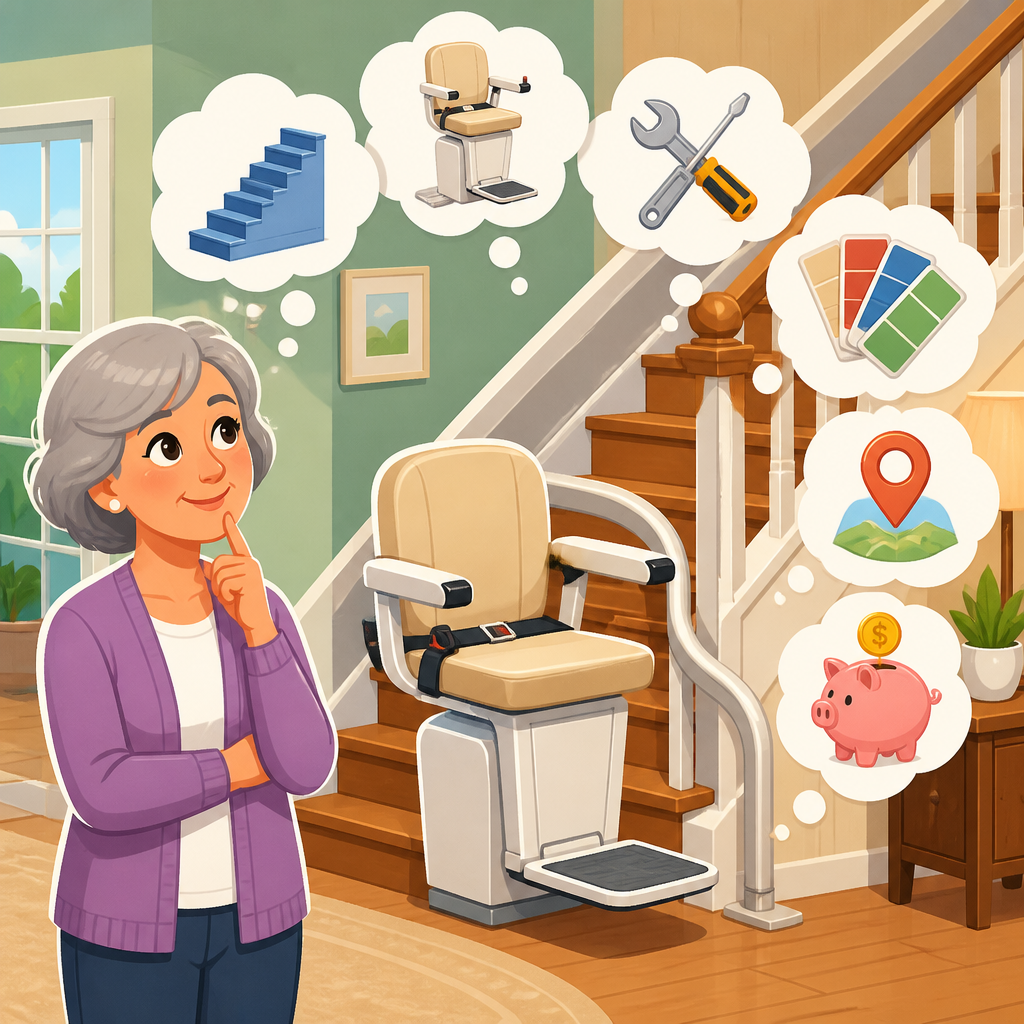
Stair lift pricing depends on far more than the chair itself, and anyone researching how much chair lifts cost quickly discovers a wide range that can feel confusing without context. A stair lift is a motorized seat that travels along a rail mounted to the staircase, helping a person move safely between floors while seated. In day-to-day conversations, people often say stair lift, chair lift, or stair chair interchangeably, although mobility dealers usually use stair lift as the standard term. The central pricing question is not simply “What does a stair lift cost?” but “Which features, installation conditions, and service needs apply to this home and this user?” That distinction matters because two homes can require very different solutions even when the staircases look similar at first glance.
In practice, the biggest cost drivers are staircase shape, rail length, user requirements, power and safety features, brand support, and installation complexity. A basic straight stair lift for an indoor staircase typically costs much less than a custom curved model because straight rails are manufactured in standard sections, while curved rails are built to match precise turns, landings, and angles. In the projects I have worked on, homeowners are often surprised that the staircase, not the chair, determines most of the bill. They may focus on upholstery or seat style, but the rail engineering, site measurement, and fitting time usually have the strongest impact on the final quote.
This matters because stair lifts are often purchased during a stressful period after a fall, surgery, or diagnosis. Families need a realistic budget, clear explanations, and confidence that the equipment will work reliably every day. A good cost guide should explain not only price ranges, but also why one option costs more, when a premium feature is worth paying for, and where buyers can save money without compromising safety. This hub article covers the major factors behind stair lift cost, including purchase price, installation, rental, used units, warranty, service, and financing considerations, so readers can compare quotes intelligently and plan the next step.
Average Stair Lift Cost Ranges
Most buyers start with the same question: how much do chair lifts cost? For indoor straight stair lifts, a common market range is roughly $2,500 to $5,500 installed, depending on rail length, seat features, and dealer support. Curved stair lifts usually begin around $9,000 and can exceed $15,000 because the rail is custom-fabricated for the exact staircase layout. Outdoor stair lifts generally land between straight and curved indoor models, often around $4,000 to $8,000 for straight outdoor applications, with weatherproofing and corrosion-resistant materials adding to cost.
These ranges are useful, but they are only starting points. A quote that looks high may include a longer warranty, heavier weight capacity, powered swivel seat, folding rail, or ongoing service support. A quote that looks low may exclude electrical work, permit-related tasks where required, haul-away of old equipment, or future labor coverage. When comparing stair lift prices, buyers should ask for the full installed cost and a line-by-line explanation of what is included.
The Staircase Itself Is the Biggest Price Factor
The shape and dimensions of the staircase usually determine the largest share of stair lift cost. Straight staircases are simplest because manufacturers can use standardized rails cut to length. Installation is usually faster, often completed in a few hours, and measurement is straightforward. Curved staircases require a detailed survey with exact angles, rises, treads, intermediate landings, and any obstructions such as door swings, radiators, or trim profiles. That data is then used to manufacture a one-off rail.
Even small layout complications can increase cost. A staircase with a 90-degree turn, a split landing, or a narrow bottom approach may need custom overruns or parking positions so the user can get on and off safely. If the rail must fold away from a doorway, the project may require a powered hinge or drop nose section. In homes with very tight stair widths, the available models become more limited, and specialized compact seats can add cost while solving a real accessibility problem.
Stair lift installers mount the rail to the stair treads, not usually to the wall, but structural and clearance conditions still matter. Carpet thickness, tread condition, uneven steps, and nearby handrails all affect fitting time. In older homes, I have seen projects change after the site visit because the narrowest point on the staircase was smaller than the family estimated over the phone. Accurate measurement prevents surprise costs and avoids ordering the wrong equipment.
Features, Weight Capacity, and User Needs
The right stair lift is chosen around the user first, and that directly affects price. Standard models often support around 250 to 350 pounds, while heavy-duty stair lifts can handle 400 pounds or more. Higher-capacity systems may need a wider seat, reinforced components, and more staircase clearance. If the user has limited hip flexibility, a perch-style seat or higher seat height may improve transfers. If the user has one-sided weakness after a stroke, the best armrest, control placement, and swivel direction may differ from a standard setup.
Powered features can also increase cost. Manual swivel seats and manual footrests are less expensive, but they require the user to bend or twist. Powered swivel seats, powered footrests, and power folding rails improve usability for people with arthritis, back pain, or reduced balance. Seat belts, obstruction sensors, overspeed governors, lockable keys, and battery backup are standard or expected on reputable models, and they should not be treated as optional safety luxuries.
| Factor | Lower-Cost Option | Higher-Cost Option | Why Price Changes |
|---|---|---|---|
| Stair type | Straight indoor staircase | Curved or multi-landing staircase | Custom rail design and fabrication add major expense |
| User capacity | Standard weight model | Heavy-duty model | Reinforced chassis, wider seat, and clearance needs raise cost |
| Seat functions | Manual swivel and footrest | Powered swivel and powered footrest | Motorized components improve access but add hardware and labor |
| Rail design | Standard rail | Hinged or folding rail | Protects doorways and walkways, requiring added mechanisms |
| Condition | Used or rental straight lift | New custom curved lift | Standard reused inventory costs less than bespoke manufacturing |
Installation, Labor, and Home Conditions
Installation charges vary by dealer, geography, and project complexity. A straight stair lift installation is commonly bundled into the sale price, but some companies separate labor, travel, or stair preparation costs. Curved systems nearly always involve more time for surveying, design verification, delivery coordination, and setup. If the home is in a rural area outside the dealer’s standard service territory, mileage fees may apply.
Electrical requirements are usually modest because most modern stair lifts charge from a standard outlet and run on onboard batteries. Still, the charger location matters. If there is no convenient outlet near the top or bottom park position, an electrician may need to add one. That is not always included in the stair lift quote. Outdoor models may also need weather-protected power planning and additional sealing considerations.
Home conditions can create hidden labor. Loose carpet, damaged treads, protruding trim, or an obstructing door at the landing may require preparation work before installation can proceed. Some homeowners associations and local jurisdictions have rules affecting exterior equipment or electrical modifications. While permits are not typical for most interior stair lifts, buyers should ask the dealer whether local code or property rules can influence timing or price.
New, Used, and Rental Stair Lifts
Buying new is the most common option because it offers full warranty coverage, current safety features, and the best fit for long-term use. New straight stair lifts are widely available, and lead times are usually short. New curved lifts take longer because the rail must be custom-made. For buyers who need a lift after surgery or while recovering from an injury, timing may matter almost as much as cost.
Used stair lifts can reduce upfront expense, especially for straight staircases. Because straight rails are standardized, dealers can often refurbish the chair carriage, replace wear components, test batteries, and install a reused unit safely with a rail sized to the home. Used curved stair lifts are much less practical because the rail was manufactured for a different staircase. In most cases, the chair may be reusable, but the custom rail is not, which limits savings.
Rental stair lifts make sense for short-term needs, most commonly on straight staircases. A rental agreement may include installation, monthly fees, maintenance during the rental period, and later removal. This can be financially smarter than buying when the need is temporary for only a few months. However, over a longer period, rental costs can exceed purchase costs, so families should compare the total expected spend rather than focusing only on the monthly number.
Brand, Warranty, and Service Support
Not all stair lift quotes represent the same long-term value. Established manufacturers and authorized dealers typically charge more than unknown resellers, but they also offer better parts availability, documented testing, and service networks. Commonly recognized names in North America and Europe include Bruno, Handicare, Harmar, and Stannah. Each brand has model differences in seat design, rail options, diagnostics, and warranty structure, so comparing by sticker price alone is incomplete.
Warranty terms deserve close attention. Many stair lifts include separate coverage periods for major components, parts, batteries, and labor. Batteries are consumable items and often need replacement every few years, depending on use and charging patterns. A low initial quote can become less attractive if labor is excluded after the first year or if the nearest service technician is far away. I advise buyers to ask two direct questions: who performs repairs locally, and how fast can they respond if the lift stops working?
Service support matters because this is not a discretionary appliance. For many users, the stair lift is the only safe way to access a bedroom or bathroom. Downtime creates immediate risk and stress. A reputable dealer should explain maintenance expectations, battery replacement intervals, callout charges outside warranty, and whether annual service visits are recommended for the chosen model.
Financing, Insurance, and Cost-Saving Strategies
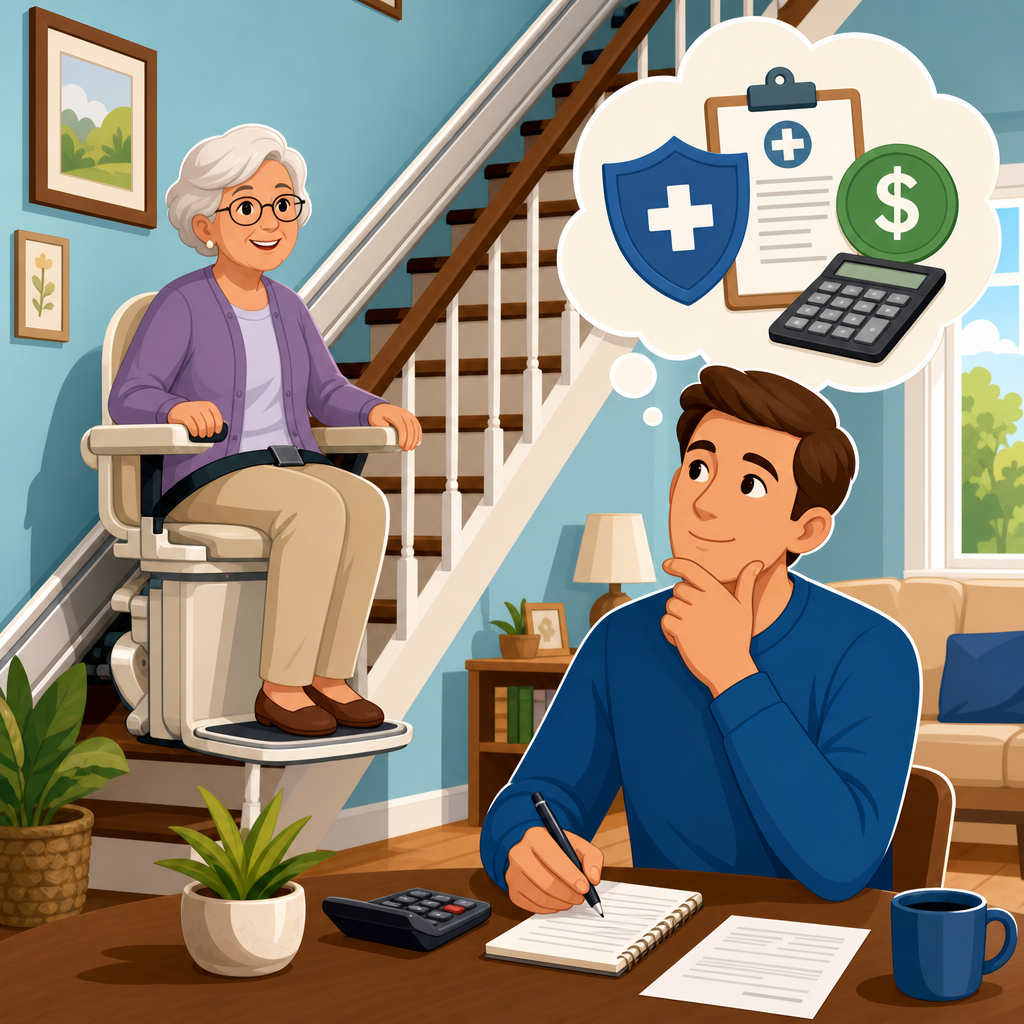
Most stair lifts are paid for out of pocket, but several funding paths can reduce the burden. Medicare generally does not cover stair lifts because they are usually classified as home modifications rather than durable medical equipment for reimbursement purposes. Medicaid waiver programs in some states may help, and veterans may qualify for home accessibility grants through the Department of Veterans Affairs if eligibility criteria are met. Nonprofit organizations, state assistive technology programs, and area agencies on aging may also know about local funding sources.
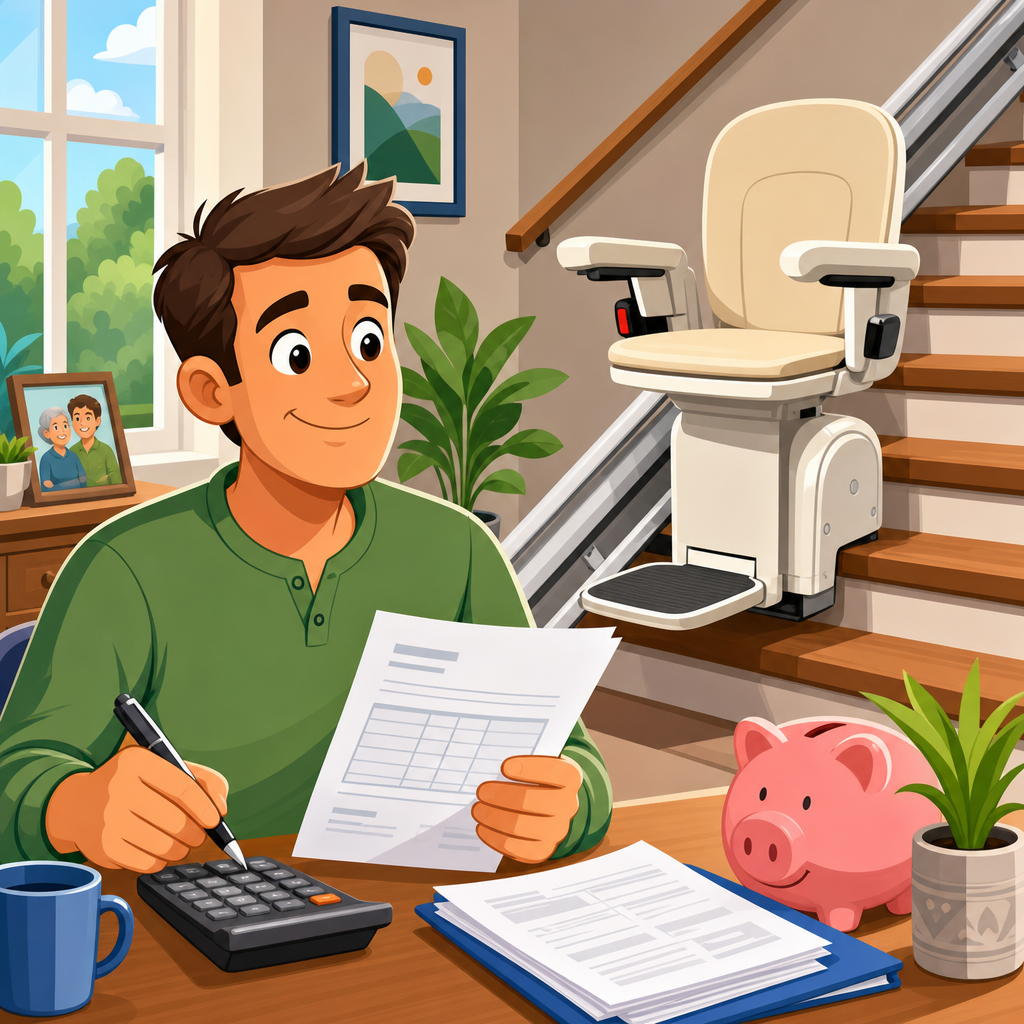
Financing through the dealer is common, particularly for higher-priced curved systems. Buyers should review interest rates, promotional periods, and total repayment cost, not just monthly affordability. Another strategy is to compare a straight stair lift with other accessibility changes if the home layout allows first-floor living temporarily. In some cases, that lowers immediate spending; in others, it merely delays the necessary purchase and adds disruption.
To save money wisely, focus on fit and reliability rather than cosmetic upgrades. Ask whether a refurbished straight unit is available, whether a rental is suitable for short-term recovery, and whether a manual footrest is realistic for the user’s mobility. Request itemized quotes from at least two authorized dealers, confirm removal costs if the lift is no longer needed, and keep all warranty documents. A careful comparison now is the best way to control stair lift cost and choose a system that remains safe, serviceable, and worth the investment. If you are weighing options under cost and financing, use this hub as your starting point, gather detailed quotes, and move forward with a model matched to both your staircase and your budget.
Frequently Asked Questions
What are the biggest factors that influence the price of a stair lift?
The price of a stair lift is usually shaped by a combination of staircase design, equipment features, installation complexity, and whether the unit is new or pre-owned. The staircase itself is often the biggest driver of cost. A straight staircase is typically the simplest and least expensive setup because it uses a standard rail. A curved staircase, a landing, or multiple turns usually requires a custom-built rail, which increases both manufacturing and installation costs. Length also matters, since a longer staircase needs more rail and may require additional power or support components.
Beyond the staircase layout, the model and features affect pricing as well. Basic stair lifts are designed to safely move a user up and down the stairs, but upgraded models may include powered swivel seats, folding footrests, call/send controls, upgraded upholstery, slimmer rail designs, higher weight capacities, or outdoor-rated materials. These features can improve convenience and comfort, but they also add to the final price. In many cases, people initially compare only the chair itself, when the larger cost difference actually comes from customization, labor, and optional add-ons.
Installation conditions are another important factor. If the stairs are narrow, the home has unusual dimensions, or electrical access is more complicated, the job may require extra time or preparation. Some homes also need rail overruns, parking positions, or safety adjustments at the top or bottom of the stairs. In short, stair lift pricing reflects the full system and the specific home environment, not just the seat riding on the rail.
Why does a curved stair lift cost so much more than a straight stair lift?
A curved stair lift costs more because it is usually a custom-made solution rather than a standard one. Straight stair lifts are designed for staircases that run in a single line without turns or intermediate landings, which means manufacturers can produce many of the same components in standard sizes. That efficiency helps keep pricing lower and often allows for faster installation. In contrast, a curved staircase requires a rail built to match the exact shape, angle, and dimensions of the stairs in a particular home.
To create that custom rail, a dealer typically measures the staircase in detail, sometimes using advanced digital measuring tools. The rail is then manufactured specifically for that layout, including any bends, corners, or landings. This custom fabrication is one of the main reasons chair lift costs can vary so widely from home to home. Even two staircases that look similar may need different rail designs, mounting points, or transitions, which affects price.
Curved stair lifts also tend to involve more engineering and more installation time. The technician must fit a more complex rail system precisely so the unit travels smoothly and stops safely in the correct positions. Because the rail is custom-built, it generally cannot be reused as easily in another home the way many straight rails can. That limited reusability is another reason curved models carry a higher cost. For homeowners comparing quotes, this is often the most important distinction to understand: the custom rail, not just the chair, is what makes curved stair lifts significantly more expensive.
Do stair lift features and upgrades make a big difference in price?
Yes, features and upgrades can make a noticeable difference in stair lift pricing, although the amount depends on which options are selected. Most stair lifts include core safety features such as a seat belt, obstruction sensors, battery backup, and call/send controls. However, many buyers choose upgrades that improve comfort, ease of use, or fit for a specific mobility need. Common examples include powered swivel seats that reduce twisting at the top landing, powered footrests that minimize bending, and powered folding rails that help keep walkways clear at the bottom of the stairs.
Other upgrades can include larger seats, higher weight-capacity models, premium fabrics or finishes, slimmer profiles for narrow stairs, and diagnostic or smart monitoring systems on some brands. Outdoor stair lifts also typically cost more because they need weather-resistant materials, protective covers, and components designed to handle moisture and temperature changes. While each feature may seem modest on its own, several upgrades together can significantly raise the final price.
That said, the right features can be worth the investment if they improve safety and independence. A household should not choose options based only on appearance or marketing language. The better approach is to focus on which features directly support the user’s needs now and in the near future. A stair lift is a mobility device first, so the best value usually comes from balancing cost with usability, comfort, and long-term practicality.
How do installation, home layout, and labor affect how much a chair lift costs?
Installation and labor are a meaningful part of the total cost, and they can vary depending on the home. Although stair lifts are mounted to the staircase rather than the wall, the installer still needs proper access, stable mounting points, and enough room to position the rail and chair safely. In a simple straight staircase, installation may be relatively quick and predictable. In a more complicated layout, the work can involve additional planning, customized positioning, and more time on site.
Home layout details often influence whether extra components are needed. For example, a narrow hallway at the bottom of the stairs may require a folding rail or special parking arrangement so the lift does not obstruct a doorway or walkway. The top landing may need a specific stop position, swivel configuration, or rail overrun to help the user get on and off more safely. If the staircase is unusually steep, narrow, or segmented by landings, that may also affect the type of lift and the installation process.
Labor costs can also include the initial assessment, measuring, delivery, setup, testing, and user instruction. Some dealers package these services into one quoted price, while others separate them out. In addition, service coverage, warranty support, and future maintenance availability may differ from one provider to another. That is why two quotes for what appears to be a similar stair lift may not actually include the same level of installation work or after-sale support. Looking closely at what is included is essential when comparing prices.
Can buying a used or rented stair lift lower the cost, and is it a good idea?
Buying a used or renting a stair lift can lower costs in some situations, but it depends heavily on the staircase type and the user’s expected length of need. Used stair lifts are most common and most practical for straight staircases because the rails and units are easier to recondition and reinstall in another home. A reputable dealer may inspect, refurbish, and warranty a pre-owned straight stair lift, making it a cost-saving option for some households. Curved stair lifts are different because the custom rail is built for a specific staircase, so reuse is more limited and savings may be smaller.
Rental can be a smart choice for short-term needs, such as recovery after surgery, temporary injury, or hospice support. In those cases, a rental may reduce upfront expense even though there are monthly fees. However, not every staircase or region has the same rental availability, and curved stair lift rentals can still be costly because of the custom rail requirement. It is important to ask whether the quoted rental includes installation, removal, service, and any minimum term.
A used or rented stair lift can be a good idea when it comes from an established mobility provider that offers professional installation, safety testing, and service support. The lowest sticker price should not be the only consideration. Reliability, warranty coverage, parts availability, and proper fit for the user are just as important. A stair lift is a safety device, so the best deal is the one that combines affordability with dependable performance and appropriate support for the home and the person using it.