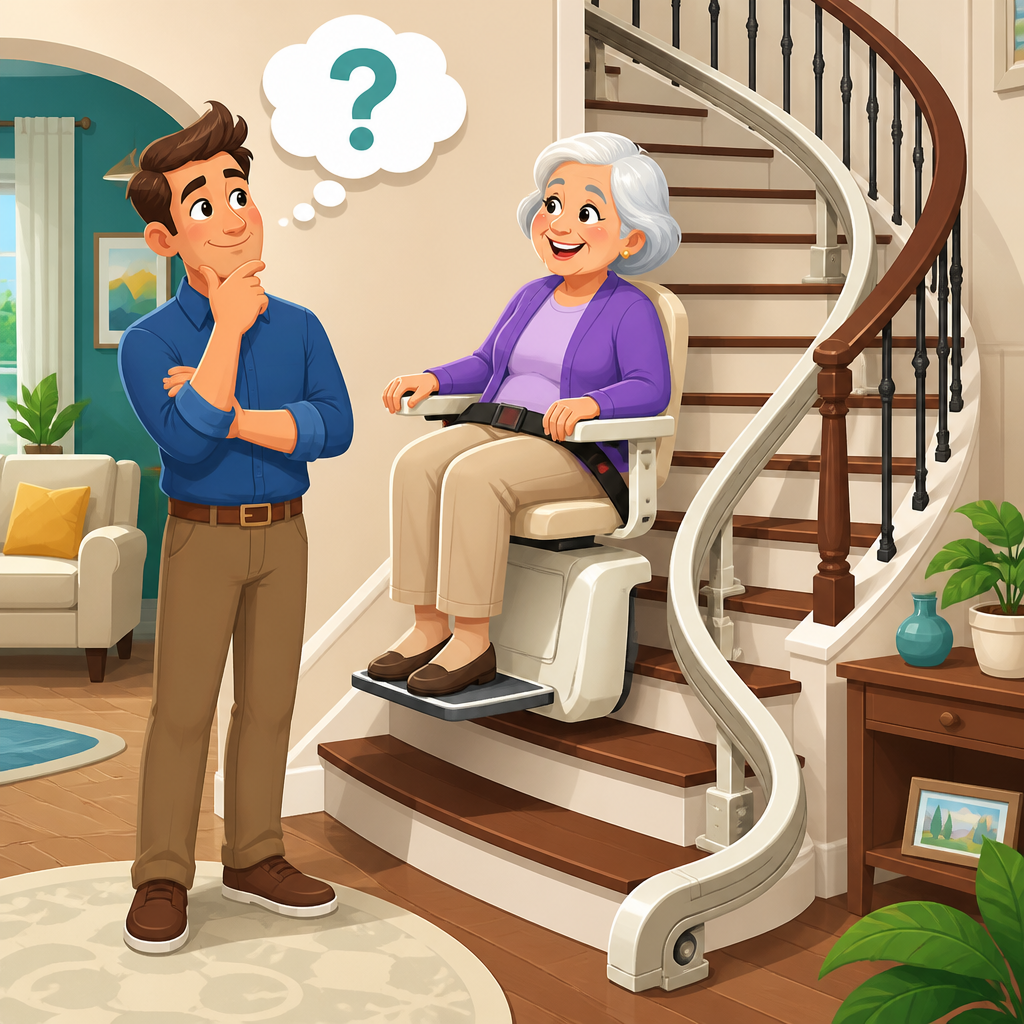
Curved stair lifts cost more than straight models, but the higher price is often justified when a staircase has turns, landings, pie-shaped steps, or mixed gradients that a standard rail cannot safely follow. In practical terms, a stair lift is a motorized chair that travels on a rail fixed to the stairs, helping people with limited mobility move between floors without climbing. The main pricing question most families ask is simple: how much do chair lifts cost, and why does one quote look reasonable while another feels shockingly high? After years of reviewing stair lift proposals, comparing dealer bids, and walking homeowners through installation choices, I have found that the answer depends less on the chair itself and more on the staircase geometry, safety features, service coverage, and whether the rail must be built specifically for the home.
This article serves as a hub for cost and financing decisions, with curved stair lifts at the center because they are where pricing becomes most confusing. Straight stair lifts usually fit a single uninterrupted run of stairs and often start in the low thousands. Curved stair lifts, by contrast, use custom rails engineered to match the exact dimensions of the staircase, and that customization pushes costs significantly higher. Homeowners are not just paying for comfort or appearance; they are paying for design work, manufacturing tolerances, installation time, and the ability to ride safely around corners and over landings. Understanding those cost drivers helps buyers avoid comparing unlike-for-like quotes.
The issue matters because a stair lift purchase often happens during a stressful life stage: after a fall, a hospital discharge, worsening arthritis, or a need to age in place. In those moments, families need accurate numbers, not vague ranges. They also need to know when a curved stair lift is essential, when a straight lift with a transfer or second unit may work, what financing options exist, and how to weigh price against reliability. A cheap quote that excludes power swivel seats, service visits, or rail overrun can become expensive later. A well-specified lift can preserve independence for years and cost far less than moving, remodeling, or extended assisted living.
How Much Do Chair Lifts Cost? Straight, Curved, and Platform Price Ranges
For most buyers, chair lift cost falls into three broad categories. Straight stair lifts commonly range from about $2,500 to $6,000 installed, depending on seat upgrades, rail length, weight capacity, and dealer support. Curved stair lifts typically start around $9,500 and frequently land between $12,000 and $20,000 installed. In large homes with multiple turns, intermediate landings, parking bends, or heavy-duty requirements, pricing can exceed $20,000. Platform lifts for wheelchairs usually cost more than chair lifts because they need larger motors, wider structures, and more clearance.
Those ranges are broad because stair lift pricing is not standardized like appliance pricing. Two homes can have the same number of steps and still receive dramatically different quotes if one staircase has a 90-degree turn, a narrow landing, or a need for a powered hinge at the bottom. Dealers also bundle services differently. One proposal may include installation, two remote controls, a power swivel seat, and a one-year labor warranty. Another may advertise a lower base price while charging separately for those same items. Whenever you compare quotes, look beyond the headline number and ask for a line-by-line scope of work.
Curved stair lifts are expensive mainly because the rail is made to order. Manufacturers use detailed measurements, photographs, and often digital surveying tools to map the staircase precisely. The rail is then fabricated to match those dimensions, finished, shipped, and installed by trained technicians. If the staircase includes a spiral section, split landing, or a very tight inner radius, the engineering becomes more demanding. That is why curved models from established brands such as Bruno, Handicare, Stannah, and Harmar tend to cost substantially more than straight lifts.
Why Curved Stair Lifts Cost More Than Straight Models
The biggest cost difference comes from customization. A straight stair lift uses a modular rail that can be cut to length and installed on many standard staircases. A curved stair lift needs a bespoke rail designed for one specific home. That means surveying, computer-aided design, production, quality checks, and often longer lead times. In my experience, homeowners sometimes assume they are being charged extra for luxury, when in fact most of the added cost is manufacturing complexity rather than upholstery or cosmetic upgrades.
Installation labor is also higher. Straight lifts can often be installed in a few hours. Curved systems usually take more planning, more components, and more fine-tuning during setup. The installer must ensure smooth ride quality through bends, correct charging points, proper seat clearance, and reliable stop positions at the top and bottom landings. If the staircase is narrow, the technician may also need to set folding arms, footrest positions, and swivel limits carefully so the user can mount and dismount safely.
Another reason curved stair lifts cost more is lower resale value and limited reuse. A straight rail can sometimes be refurbished and installed in another house with minimal adaptation. A curved rail usually fits only the staircase it was built for. That makes used curved stair lifts less common and less cost-effective than used straight models. Some dealers do offer reconditioned chairs paired with newly manufactured curved rails, which can save money, but the rail itself still drives much of the final cost.
When a Curved Stair Lift Is Worth the Extra Cost
A curved stair lift is worth the extra cost when it solves a real access problem that no straight unit can address safely. If the staircase has one or more turns, a mid-landing, winders, or a change in direction, a custom curved rail is often the only practical single-lift solution. It allows the user to remain seated from one floor to the next, avoiding risky transfers on a landing. For someone with poor balance, Parkinsonian freezing, severe knee pain, or limited caregiver support, eliminating that transfer can materially reduce fall risk.
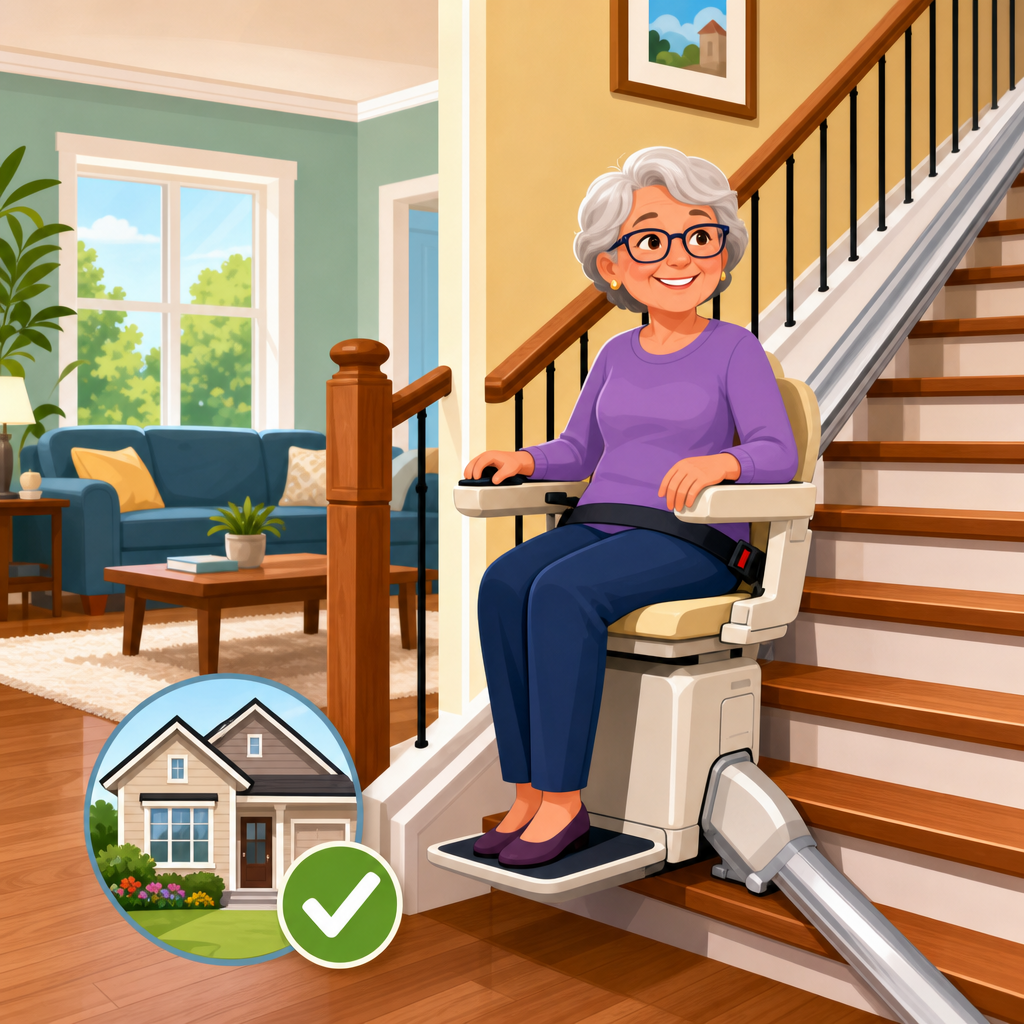
There are also quality-of-life benefits that matter. Many older adults want to stay in the home they know, near neighbors, routines, and family. If a curved stair lift keeps bedrooms and bathrooms accessible, it can delay or eliminate the need for major renovation. I have seen families compare a $14,000 curved lift with a first-floor bathroom conversion costing $25,000 to $40,000, or with moving expenses that far exceed either option. In those cases, the stair lift is not cheap, but it is economically rational.
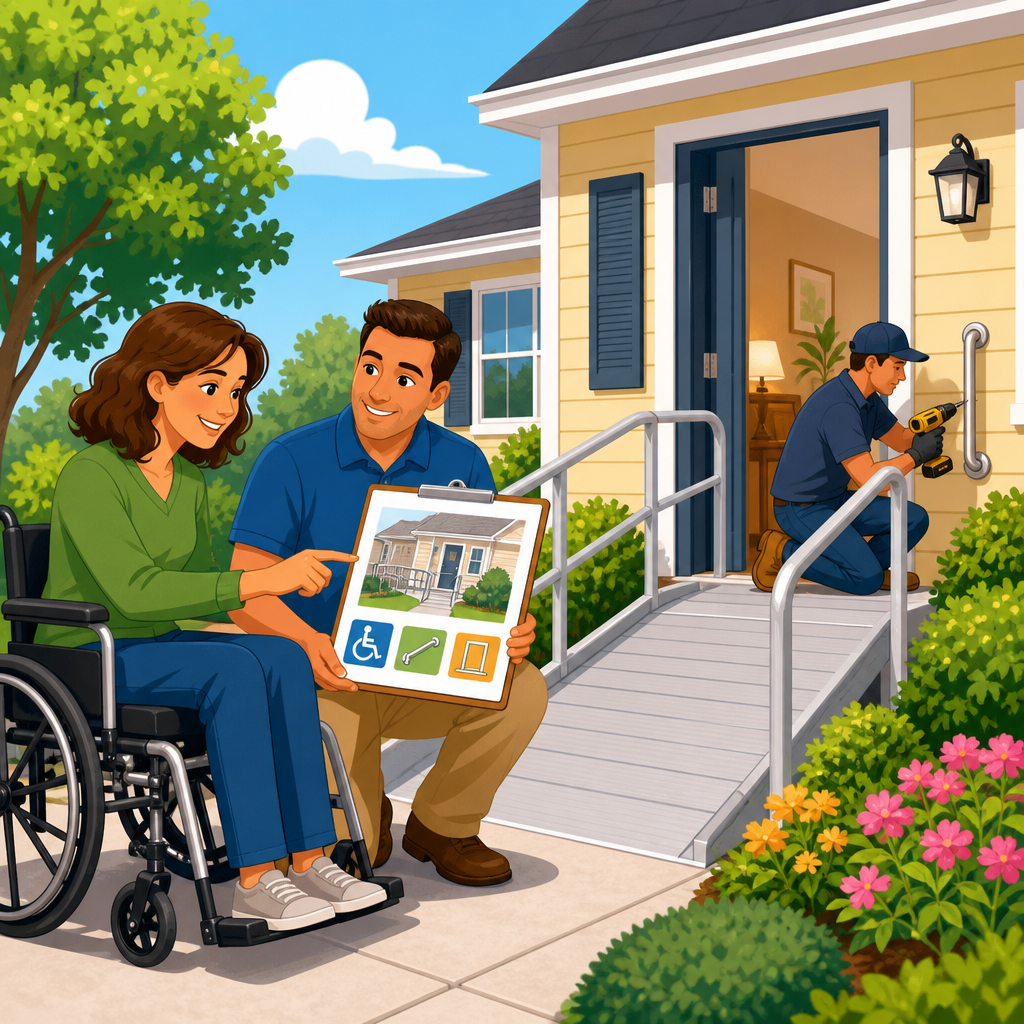
Curved lifts may also be worth it for homes with architectural constraints. Historic houses, split-level homes, and townhouses often have stairs that cannot be simplified. Installing two straight lifts on separate runs can occasionally cost less, but that option requires the user to stand and reposition at the landing. If the user cannot transfer independently, the lower upfront cost becomes irrelevant. Safety and daily usability should decide the layout, not price alone.
Features That Increase Stair Lift Pricing
Not every expensive quote is overpriced. Often, the price rises because the specification is more appropriate for the user. A power swivel seat, for example, helps the rider turn away from the staircase at the top landing before standing up. For users with weak hips or limited trunk rotation, that feature is not a luxury; it is a safety control. Powered folding footrests, hinged rails for doorways, upgraded seat sizes, and outdoor-rated components also increase cost.
Weight capacity is another key driver. Standard stair lifts often support around 300 to 350 pounds, while heavy-duty models may handle 400 pounds or more. Those systems need stronger motors, larger seats, and sometimes different rail geometry. Battery systems matter too. Most modern stair lifts use battery power with automatic charging points, allowing operation during a power outage. Better batteries and dependable charging design improve reliability but can add to price.
Service and warranty terms deserve close attention. Some dealers include a comprehensive labor warranty for the first year; others cover only parts. Annual maintenance plans, emergency callouts, and local technician availability affect long-term ownership cost. The cheapest installation can become the most expensive if the lift is out of service for days and the dealer has no nearby support network.
| Cost Factor | Typical Impact on Price | Why It Matters |
|---|---|---|
| Straight vs. curved rail | High | Custom curved rails require surveying, design, and fabrication. |
| Staircase length | Medium | Longer rails use more material and can require added supports. |
| Turns and landings | High | Each bend increases engineering complexity and installation time. |
| Power options | Medium | Swivel seats, folding footrests, and hinges improve safety and convenience. |
| Weight capacity | Medium to high | Heavy-duty units need stronger components and more space. |
| Warranty and service | Medium | Better coverage lowers future repair risk and downtime. |
Can You Save Money on a Curved Stair Lift?
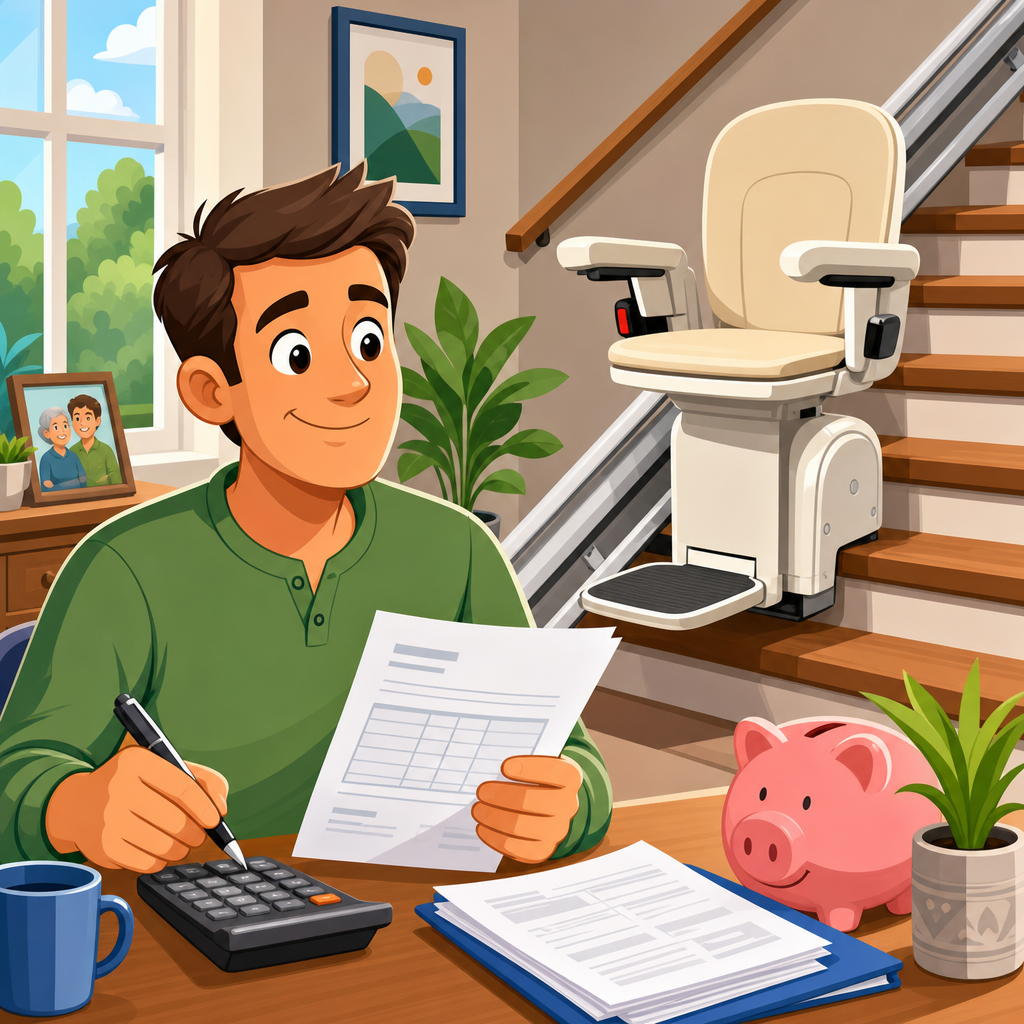
Yes, but the savings usually come from smarter buying rather than trying to force the wrong product onto the staircase. Start by getting at least three quotes from reputable local dealers who represent established manufacturers. Ask each company whether the quote includes survey, rail fabrication, installation, permit handling if required locally, warranty, and first-year service. Request the exact model name and every included feature. Without that detail, price comparisons are unreliable.
Reconditioned options can reduce cost, particularly when a dealer installs a refurbished seat assembly on a new custom rail. Rental is less common for curved stair lifts than for straight models, but some dealers offer short-term agreements or buyback programs. If a lift is needed after surgery or during rehabilitation, ask specifically about temporary solutions, though many curved cases still require purchase because of rail customization.
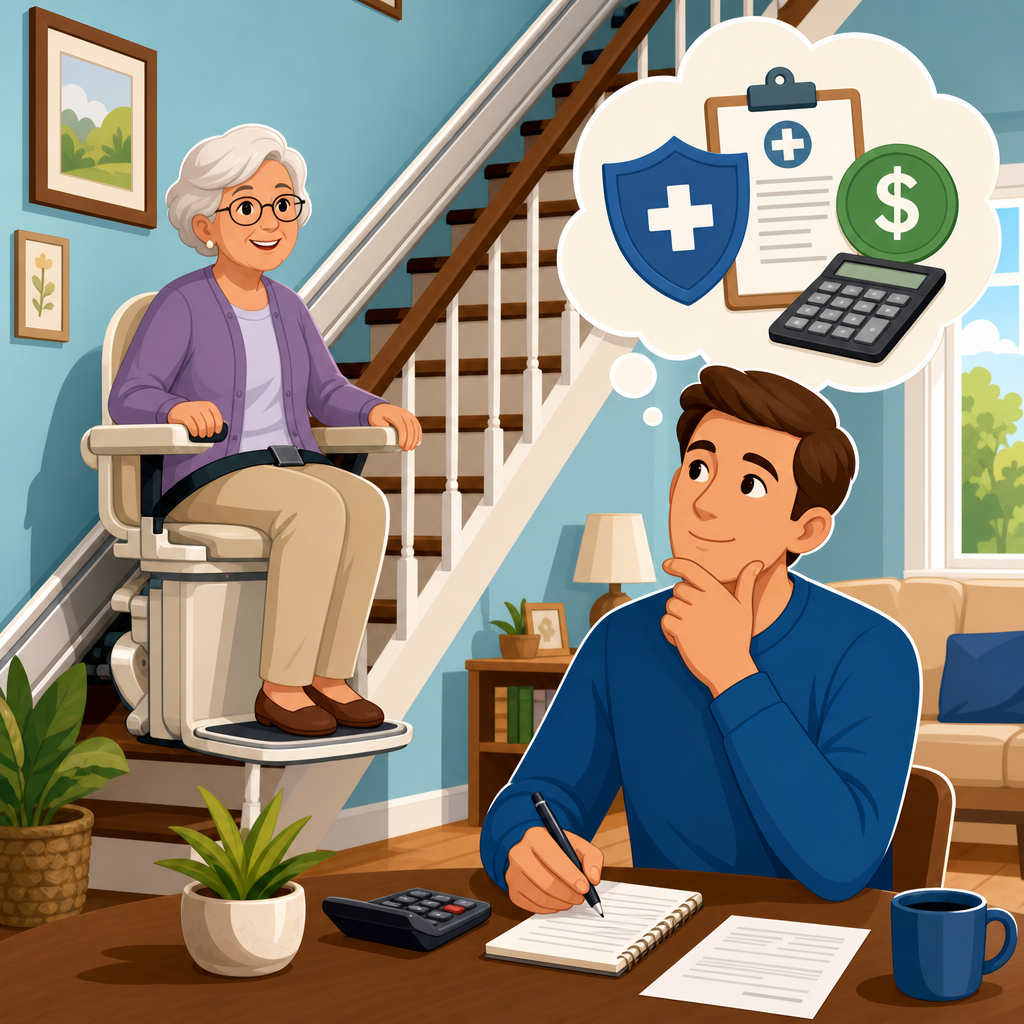
Financial assistance may also help. Medicare typically does not cover stair lifts because they are considered home modifications rather than durable medical equipment for its standard benefit rules. However, Medicaid waivers in some states, Veterans Affairs programs for eligible veterans, state assistive technology programs, nonprofit grants, and long-term care insurance policies may contribute. Home equity lines of credit and medical financing plans are common private-pay options. Before signing, review interest rates, service obligations, and whether maintenance is included.
How to Judge Value, Not Just Price
The best way to decide whether a curved stair lift is worth the extra cost is to compare it against the alternatives it replaces. Those alternatives may include moving to a one-level home, sleeping downstairs, hiring daily assistance for stairs, remodeling a bathroom, or accepting a higher fall risk. Once buyers frame the decision that way, the stair lift often looks less like a discretionary purchase and more like targeted risk reduction.
Value also depends on fit between the machine and the user. A technically compatible lift is not enough if the seat height is wrong, the armrests are hard to grip, or the swivel operation is confusing. During assessments, I always recommend a live demonstration of a similar model. Watch how the user sits, fastens the belt, manages the controls, and stands at the top landing. If any step looks unstable, ask about alternative seat styles or powered options.
Finally, choose a dealer with strong post-installation support. Stair lifts are mechanical devices with batteries, charge contacts, limit switches, and drive systems that need maintenance over time. Reliable service is part of the product. If you are weighing quotes now, use this hub as your starting point, then compare straight versus curved layouts, review financing paths, and request detailed proposals before making a decision. A well-chosen curved stair lift is expensive, but for the right staircase and the right user, it is absolutely worth the extra cost.
Frequently Asked Questions
Why do curved stair lifts cost so much more than straight stair lifts?
Curved stair lifts are more expensive because they are built for a specific staircase rather than produced as a one-size-fits-most system. A straight stair lift typically uses a standard rail that can be cut to length and installed on a staircase with no turns or intermediate landings. A curved stair lift, by contrast, must follow the exact shape of the stairs, including bends, corners, pie-shaped steps, split landings, and changes in slope. That means the rail usually has to be custom manufactured after a detailed measurement of the staircase.
The price difference also reflects design complexity, engineering time, and installation difficulty. The motorized chair still performs the same basic job, but the rail system is doing far more work in a curved model. It must guide the lift smoothly and safely around turns while maintaining proper seat position and rider stability. In many homes, the installer also has to account for narrow hallways, door swings, banisters, and the need to keep the staircase usable for everyone else. So when families ask how much do chair lifts cost, the honest answer is that the rail design is often the biggest factor. A higher quote for a curved model is usually not arbitrary; it reflects the custom fabrication and labor needed to make the lift fit safely and operate reliably.
Are curved stair lifts actually worth the extra cost for most homeowners?
In many cases, yes. If the staircase has any feature that prevents a straight rail from working safely, the extra cost of a curved stair lift is often justified by necessity as much as convenience. A staircase with turns, half-landings, spiral-like transitions, or varying gradients simply cannot be served properly by a standard straight lift. Trying to force a less expensive option onto a complicated staircase can create safety risks, reduce comfort, and lead to poor long-term performance. When mobility is limited, reliability and ease of use matter more than getting the cheapest possible model.
Value should also be viewed in the context of alternatives. For someone who struggles with stairs every day, a curved stair lift may make it possible to remain in a multilevel home rather than move, remodel extensively, or rely on constant assistance from family members. Compared with the cost of relocating, adding an elevator, or dealing with a fall-related injury, the investment can make practical and financial sense. The real question is not only whether the curved lift costs more, but whether it solves the mobility problem safely and consistently. If a custom rail is the only way to provide access between floors, then the added cost is often worth it because it restores independence in a way a cheaper straight model simply cannot.
What staircase features make a curved stair lift necessary instead of a straight one?
A curved stair lift is usually required when the staircase is not a single uninterrupted straight run. Common examples include stairs with one or more 90-degree turns, U-shaped layouts, intermediate landings, winding sections, pie-shaped treads, or changes in angle from one section to another. Some homes also have stairs that widen or narrow in key areas, or configurations where the top or bottom landing requires the chair to travel around a bend in order to park safely out of the main walkway. In all of these situations, a straight rail will not be able to follow the path needed for a secure ride.
Another important factor is user safety during boarding and dismounting. Even if a straight section exists, it may not place the seat in the right position at the top or bottom of the staircase. A curved system can be designed to include overrun sections that move the rider away from the edge of the stairs and onto a safer landing area. That feature can be especially important for people with balance issues, limited leg strength, or difficulty turning. In short, the shape of the staircase determines the type of rail required, and once turns or complex transitions are involved, a curved stair lift is often the correct and only practical solution.
Can buying a used or reconditioned curved stair lift reduce the cost?
Sometimes, but families should understand that savings on curved stair lifts are more limited than they are with straight models. With a straight stair lift, the rail is fairly standardized, so reusing a unit is often straightforward. With a curved stair lift, the chair and carriage may be reusable, but the rail itself is usually custom made for a particular staircase. Since one home’s staircase dimensions rarely match another’s exactly, the most expensive part of the system often still has to be newly manufactured. That is why used curved stair lifts do not typically deliver the dramatic discounts some buyers expect.
That said, reconditioned components can still be worth exploring through reputable dealers. In some situations, using a refurbished chair assembly with a newly built rail can lower the overall project cost while still providing dependable performance. It is also worth asking about rental programs, financing options, manufacturer promotions, and removal or buyback policies. The key is to focus on safety, warranty coverage, service support, and fit, not just the headline price. A lower upfront number is not a bargain if the lift is difficult to maintain, lacks parts availability, or is not tailored correctly to the staircase. For a mobility device used every day, professional assessment and after-installation support are just as important as cost savings.
What should families compare when reviewing curved stair lift quotes?
When comparing quotes, start by looking beyond the base price and asking exactly what is included. Two estimates can appear similar on the surface while covering very different levels of customization, service, and warranty protection. Important items to compare include rail design, number of turns, parking positions, seat style, weight capacity, power options, safety sensors, swivel seat features, call/send controls, and any track overruns at the top or bottom. Installation labor, delivery time, electrical requirements, and post-installation service terms should also be clearly spelled out. This is often why one quote looks reasonable and another seems much higher: one may include a more complex rail path or upgraded features necessary for safer daily use.
Families should also ask who is performing the measurement and installation, whether the rail is truly custom built for the staircase, and what happens if adjustments are needed after fitting. Service response time matters, especially for users who depend on the lift every day. A strong quote should explain the warranty on both the motorized components and the rail, as well as the availability of maintenance plans and replacement parts. The best way to judge cost is to evaluate total value: proper fit, smooth operation, safe boarding positions, dependable support, and long-term usability. When you understand what drives the pricing, the question of how much do chair lifts cost becomes much easier to answer in a meaningful way.