Chair lift prices vary dramatically by brand because the number on the quote reflects far more than the rail and seat. It includes engineering, safety systems, dealer support, installation complexity, warranty coverage, and long term service access. When people ask, “How much do chair lifts cost?” they usually want a simple figure, but the accurate answer depends on type, staircase shape, home layout, and the company standing behind the product. In practice, I have seen buyers focus on the sticker price first, then realize that reliability, parts availability, and service response matter just as much as the initial purchase.
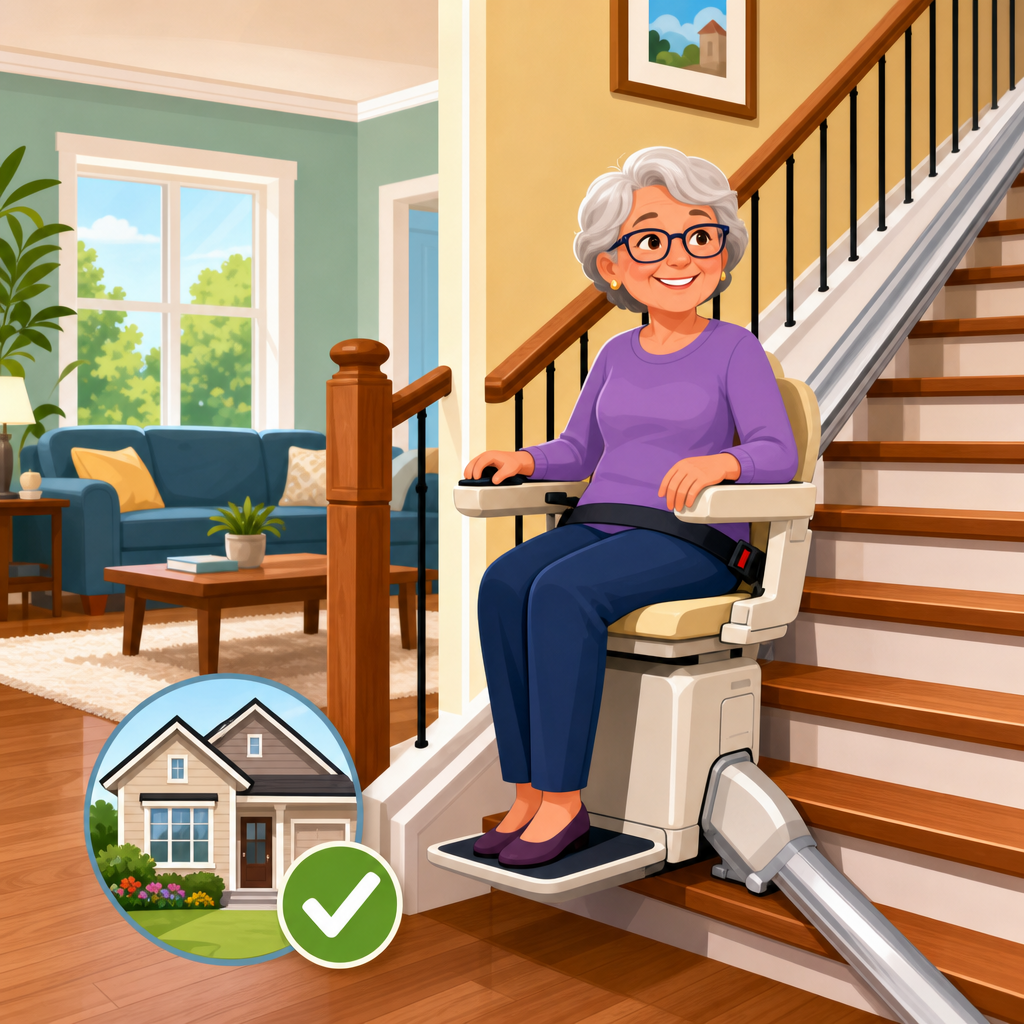
A chair lift, often called a stair lift, is a motorized seat that travels along a rail fixed to the stair treads. Most models include a seat belt, obstruction sensors, call and send controls, battery backup, folding arms, and a swivel seat for safer entry and exit. Straight stair lifts are built for stairs without turns or landings, while curved stair lifts are custom made to follow corners, intermediate landings, or spiral sections. Outdoor stair lifts add weather resistant materials, sealed controls, and protective covers. Those distinctions matter because brand pricing is shaped by whether a company specializes in standardized straight units, complex custom systems, or premium outdoor durability.
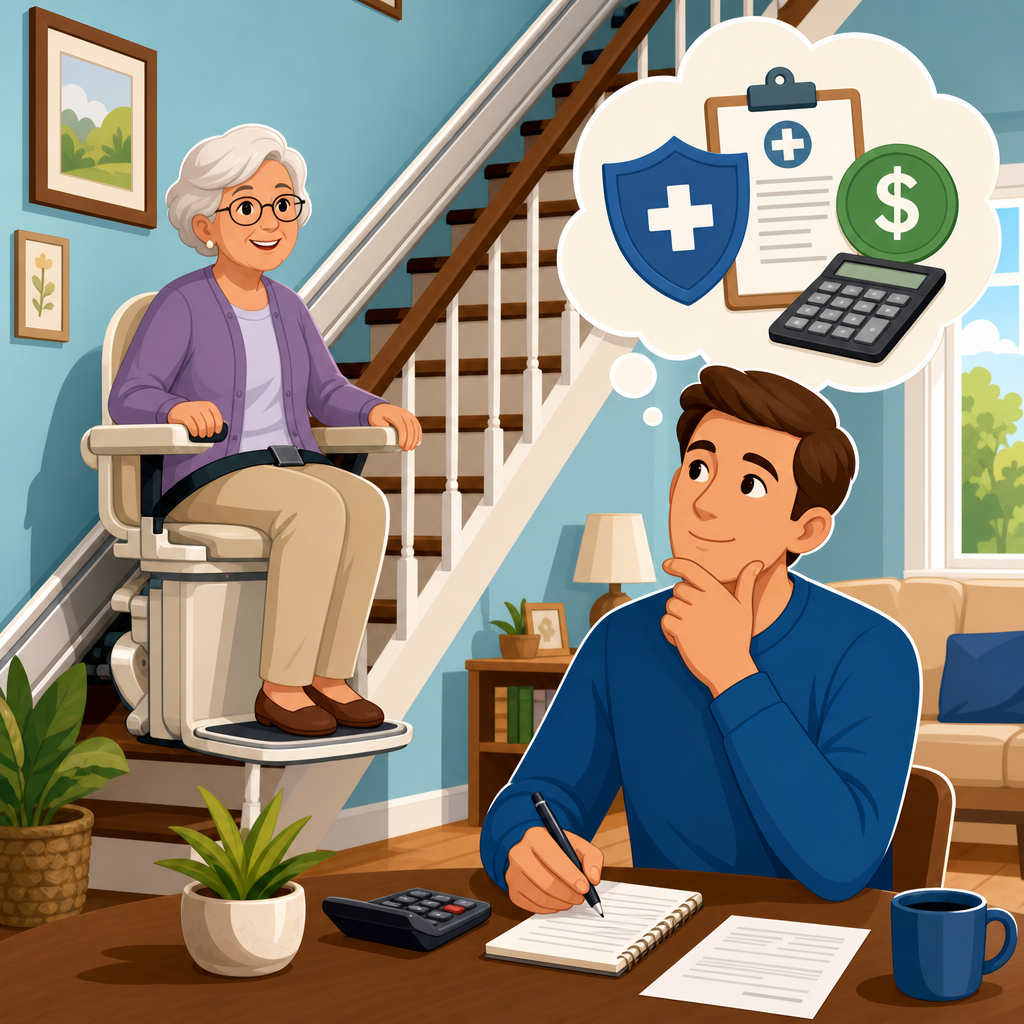
This topic matters because a stair lift is both a mobility purchase and a home access decision. According to AARP and CDC aging in place research, most older adults prefer to remain at home, and stairs are one of the earliest barriers. A badly chosen lift can create service headaches, unsafe transfers, or expensive repairs. A well chosen lift can postpone a move, reduce caregiver strain, and make multi level living workable again. Understanding the price differences between brands helps buyers compare quotes intelligently instead of assuming the cheapest option is the best value. It also helps families plan financing, ask the right questions, and connect this decision to related topics such as rental options, used equipment, installation fees, and maintenance costs.
Across the market, straight stair lifts commonly start around $2,500 to $5,500 installed, curved lifts often run from $10,000 to $20,000 or more, and outdoor models frequently land between $4,500 and $12,000 depending on configuration. Those ranges are broad because they include economy brands, premium brands, and dealer specific labor pricing. Brands such as Bruno, Stannah, Harmar, Handicare, Access BDD, Savaria, and Acorn occupy different positions in the market. Some emphasize customization and ride quality. Others compete on speed of delivery, straightforward design, or aggressive dealer pricing. The result is a category where two lifts that look similar in photos may differ meaningfully in total ownership cost over five to ten years.
What chair lift pricing includes and why quotes differ
The installed price of a chair lift usually combines equipment, rail, power supply setup, labor, and a limited warranty. On straight staircases, the rail is normally modular or cut to length, which keeps production costs lower. On curved staircases, the rail is custom manufactured from detailed measurements or digital scans, and that fabrication process is the single biggest reason curved prices jump so sharply. In my experience reviewing proposals, homeowners are often surprised that the same brand can quote a straight lift at one price and a curved lift at three or four times more. The difference is not arbitrary; it reflects custom engineering, shipping, fit verification, and longer installation time.
Dealer structure also affects cost. Many brands sell through local authorized dealers rather than directly to consumers. That means the same model may be priced differently in different regions because labor rates, travel time, permitting practices, and service territory coverage vary. A rural installation with a long drive and a power outlet that needs to be added can cost more than an urban installation on a standard staircase. Brands with dense dealer networks can sometimes keep service costs lower because technicians and parts are closer. Brands with limited local support may have lower product prices but higher future service friction.
Another source of price variation is included features. A base model may have a manual swivel seat and folding footrest, while a higher tier model adds powered swivel, powered footrest, power folding rail, heavier weight capacity, or upgraded upholstery. Those features matter in daily use. For example, a power folding rail can prevent the rail from blocking a doorway at the bottom of the stairs, and a powered footrest helps users who cannot bend safely. Buyers comparing brands need line item clarity, because one quote may appear lower simply because it excludes options another brand bundles into the standard package.
How major brands position themselves on price
Brand pricing usually follows a clear market position. Bruno is often viewed as a premium American brand with strong dealer support, notably on straight models like the Elan and Elite and on custom curved systems. Stannah typically commands premium pricing based on refined ride quality, multiple seat choices, and a long established reputation in the stair lift industry. Harmar competes across several price levels, including value oriented straight lifts and heavier duty options. Handicare and Savaria often appear in the mid to premium range, while Acorn is widely known for direct marketing and relatively standardized offerings. Access BDD is frequently associated with custom curved engineering and premium customization.
Premium brands cost more for reasons buyers can verify. They may offer narrower folded profiles, smoother start and stop programming, more precise track fabrication, better fit and finish, and stronger local service infrastructure. They also tend to have better documentation, broader accessory availability, and more consistent replacement parts channels. Lower priced brands can still be good choices, especially for straightforward straight staircases, but they may offer fewer seat configurations, less customization, or narrower dealer coverage. The key point is that brand price differences are usually tied to measurable differences in product design and support, not just logo recognition.
| Brand factor | How it affects price | Why it matters to buyers |
|---|---|---|
| Rail type | Custom curved rails cost far more than straight rails | Determines whether your quote starts in the low thousands or the five figures |
| Dealer network | Broader service coverage can raise upfront pricing | Usually improves installation consistency and repair response |
| Standard features | Powered options and higher capacities increase price | Can reduce transfer difficulty and daily frustration |
| Manufacturing approach | Mass standardized models are often cheaper | May shorten lead times but limit customization |
| Warranty and parts access | Stronger support programs may cost more initially | Often lowers risk of long downtime later |
If you want a fast rule of thumb, budget brands compete on simplification, while premium brands compete on customization and support. That does not mean every premium quote is worth paying or every lower quote is risky. It means buyers should compare what each brand is delivering in concrete terms: ride quality, folded width, weight rating, warranty detail, seat comfort, turnaround time, and service reputation in their ZIP code.
Straight, curved, and outdoor lifts: the biggest cost drivers
The first and most important pricing question is not brand but staircase type. Straight stair lifts are the most affordable because the rail is simple and production is standardized. Many straight models can be installed in a few hours with minimal disruption. Curved stair lifts are expensive because the rail is custom built to the exact staircase geometry, including turns, landings, and parking positions. Outdoor lifts cost more than indoor straight units because they require weather resistant finishes, durable covers, and components designed to handle moisture and temperature changes.
Brand differences become more visible once you compare within the same category. On straight stairs, the price gap between brands may be noticeable but not extreme unless you add powered features or a heavy duty chair. On curved stairs, the gap can widen substantially because some brands use highly customized rail systems with smoother bends, more parking choices, and tighter footprint management. I have seen homeowners save money with a simpler curved layout, but I have also seen cases where the cheaper design blocked a doorway or created an awkward exit point. That is why the lowest quote on a curved lift is not automatically the best solution.
Outdoor pricing follows the same logic. A low cost outdoor model may be fine in a mild climate and sheltered location, but in coastal regions or areas with freeze thaw cycles, material quality and sealing become more important. Brands that use robust weatherproofing and provide reliable outdoor service support often charge more, and that premium can be justified if the lift is exposed year round. When comparing outdoor quotes, ask specifically about corrosion resistance, cover quality, battery performance in cold weather, and warranty limitations for environmental exposure.
Installation, warranty, and service costs after the sale
A chair lift quote should never be judged on equipment price alone. Installation quality has a direct effect on reliability, noise, and user confidence. Good installers verify tread integrity, rail alignment, charging points, seat clearance, and safe mounting positions. They also test obstruction sensors, battery charging, and swivel seat locks before handoff. Brands with stronger dealer training often deliver a smoother install experience, and that can justify a higher quote. Poor installation creates callbacks, error codes, and premature wear, none of which feel like savings once the lift is in daily use.
Warranty details vary more than many buyers expect. Some brands advertise generous coverage on major components but shorter terms on labor, batteries, or remote controls. Batteries are a common wear item on modern stair lifts because most units run on battery power and charge at set points on the rail. Replacing batteries is not usually catastrophic in cost, but it is part of ownership. Ask whether the quote includes labor for warranty visits, how long key components are covered, and whether the local dealer stocks common replacement parts. Fast access to a charger, board, or seat switch matters far more than broad sounding warranty language.
Service response is where brand reputation becomes real. Before recommending any model, I look at local support: technician count, emergency response practices, and whether the dealer services only what it sells. A less expensive lift from a dealer with weak service capacity can be a costly mistake for someone who depends on the unit every day. By contrast, a slightly more expensive lift with dependable local support often becomes the better financial decision because downtime is shorter and repairs are handled cleanly. For mobility equipment, serviceability is part of the product.
How to compare quotes and choose the best value
The best way to compare chair lift brands is to normalize every quote. Ask each provider for the installed price, exact model name, weight capacity, warranty terms, seat dimensions, folded width, powered features included, lead time, and estimated service response. Confirm whether electrical work is included and whether stair modifications are expected. On curved lifts, request the proposed parking locations and a clear explanation of how the rail affects doors, hallways, and walking space. A quote without those specifics is not complete enough to compare fairly.
Buyers should also ask about rentals, reconditioned units, and buyback policies. Rentals are most common for straight stair lifts and can make sense after surgery, injury, or hospice discharge planning. Used or factory reconditioned lifts may reduce upfront cost, but availability depends on staircase type and local dealer inventory. Curved lifts are less commonly available used because they are custom fitted, though some brands can rework portions of a rail in limited cases. Financing options differ by dealer, with some offering monthly payment plans through third party lenders. Those options belong in the broader cost conversation because the most affordable monthly path may not be the lowest total cost.
For most households, the smartest choice is the brand that fits the staircase safely, has dependable local service, and delivers the features the user actually needs. Start with staircase type, then compare brand support, then price the must have options. If you are researching cost and financing options, use this page as your hub: review straight versus curved pricing, ask for fully itemized quotes, and connect the numbers to warranty, maintenance, and service reality. That approach turns a confusing market into a manageable decision and helps you buy a chair lift with confidence.
Frequently Asked Questions
Why do chair lift prices vary so much from one brand to another?
Chair lift prices differ by brand because the quoted cost reflects much more than the visible seat and rail. A lower price may cover only the basic equipment, while a higher price often includes stronger engineering, better safety systems, smoother ride quality, more customization options, professional installation, warranty protection, and long-term access to parts and service. In other words, buyers are not just comparing metal, plastic, and motors; they are comparing the full ownership experience.
Brand reputation also matters. Established manufacturers often invest more heavily in product testing, reliability standards, technician training, and dealer networks. That infrastructure increases the upfront price, but it can reduce breakdowns, service delays, and frustration over time. In practice, the price difference between brands often comes down to how much support and confidence a buyer wants built into the purchase. When comparing quotes, it is important to look beyond the sticker price and ask what is actually included, how the unit is supported after installation, and what kind of performance the brand is known for.
What features or hidden costs are usually included in a higher chair lift quote?
A higher chair lift quote often includes valuable items that are easy to overlook if someone focuses only on the headline number. These can include a more advanced drive system, better battery backup, swivel seat features, folding rails, obstruction sensors, upgraded seat designs, weight capacity improvements, and quieter operation. In many cases, the quote also includes delivery, installation labor, rail customization, permitting if needed, and post-installation testing. Some brands bundle these items as standard, while others present a lower entry price and charge extra for each upgrade.
There are also long-term cost factors hidden inside a more expensive quote. Better warranty coverage, faster access to replacement parts, routine service availability, and responsive local dealer support all have real value. A lower-cost unit can become more expensive later if service calls are hard to schedule, parts are backordered, or the lift needs replacement sooner. That is why a thorough quote review should include not just what the lift costs today, but what the buyer is paying for in reliability, convenience, and future support.
How do staircase shape and home layout affect price differences between brands?
Staircase design is one of the biggest reasons chair lift pricing can change dramatically, even for homes that seem similar at first glance. Straight staircases are usually the simplest and least expensive to fit because they use standardized rails and require less customization. Curved staircases, landings, intermediate turns, narrow spaces, or unusual entry and exit points require custom rail fabrication and more detailed installation planning. Brands differ in how they design, manufacture, and price these custom solutions, which is why the gap between quotes can become substantial.
Home layout adds another layer. Doorways near the staircase, wall clearances, parking positions, power supply access, and the need to keep the stairs usable for others can all affect the final design. Some brands offer more refined options for tight or complex spaces, such as compact seats, hinged rails, or specialized mounting solutions. These options may raise the initial price, but they can make the lift safer and far more practical in daily use. A brand that appears more expensive may simply be accounting for the real complexity of the home instead of offering a generic estimate that changes later.
Is a lower-priced chair lift brand always the better value if the basic function seems the same?
Not necessarily. Two chair lifts may appear to accomplish the same basic task, but their value can be very different once you consider comfort, dependability, ease of use, safety, and service support. A lower-priced brand may be a reasonable choice in some situations, especially for a straightforward staircase and a buyer with modest feature needs. However, if the unit is less durable, less comfortable, harder to service, or backed by limited dealer support, the lower price can lose its appeal quickly.
True value comes from balancing purchase price with long-term satisfaction and ownership costs. If a higher-priced brand offers better warranty terms, stronger local service coverage, smoother performance, and a better fit for the user’s mobility needs, it may deliver more value over the life of the product. This is especially important for buyers who plan to rely on the lift every day. The cheapest quote can be tempting, but the best value usually comes from the brand that combines safe operation, proper installation, reliable service, and confidence that help will be available if something goes wrong.
What should buyers ask when comparing chair lift brands and quotes?
Buyers should ask detailed questions that clarify exactly what is included and how the lift will be supported after installation. Important questions include: Is the quote for a straight or custom system? What safety features are standard? Does the price include installation, rail customization, and user training? What is covered under the warranty, and for how long? Who performs service locally, and how quickly can repairs be scheduled? Are replacement parts readily available? These questions help reveal why one brand may cost more than another and whether the difference is justified.
It is also wise to ask about long-term ownership. Find out how the lift is powered, what happens during a power outage, how often maintenance is recommended, and whether the model has a strong service track record. Ask who will stand behind the product in five or ten years, not just on installation day. In practice, many buyers focus first on the sticker price, but the smarter approach is to compare the complete package: product quality, installation expertise, warranty strength, and ongoing service access. That is the clearest way to understand the real price differences between brands and make a decision that holds up over time.