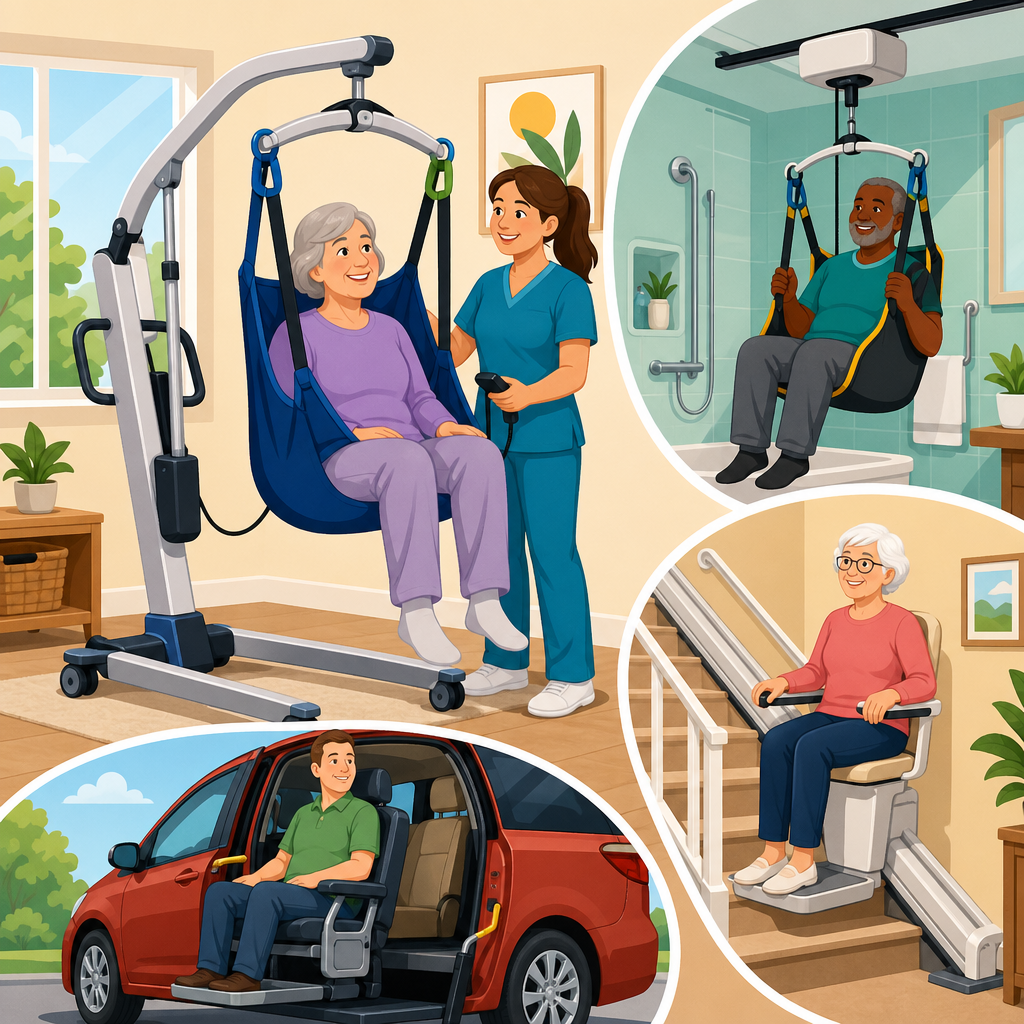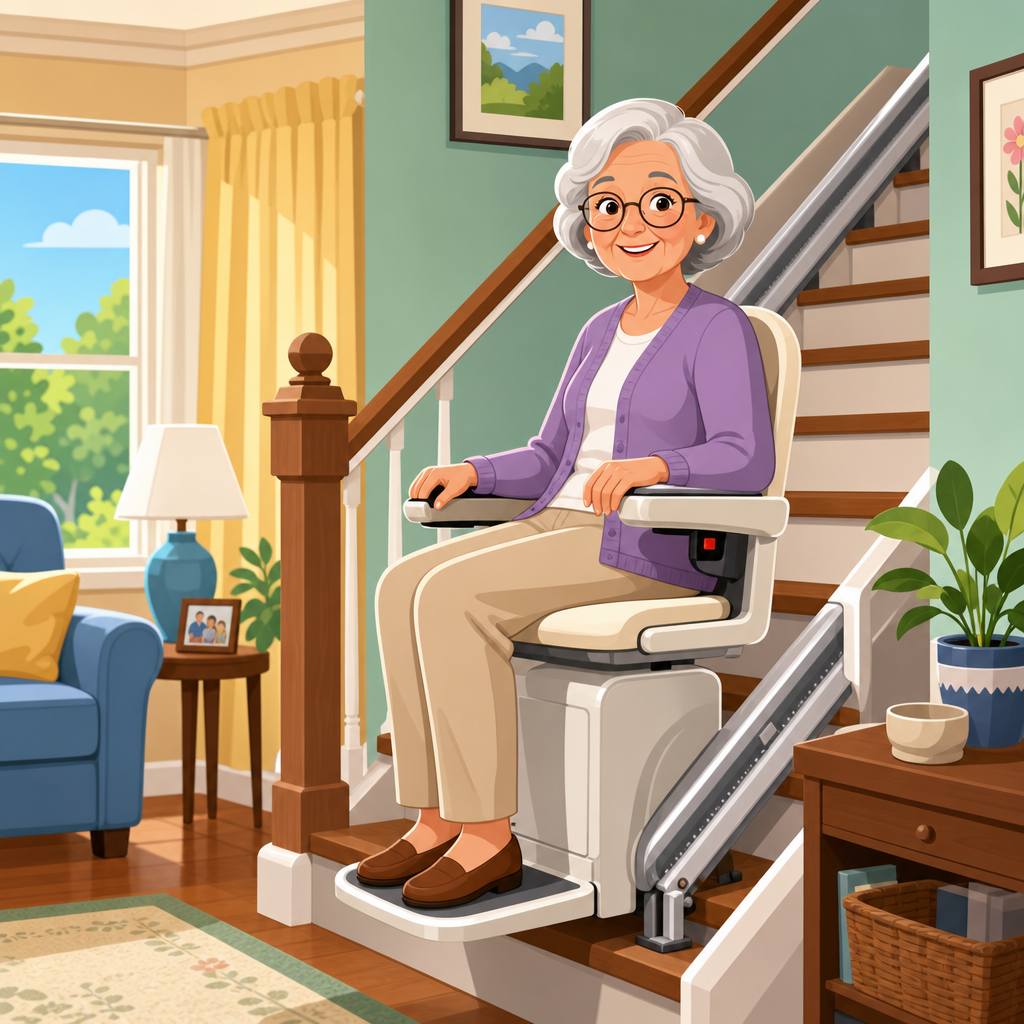
Best stair lifts for seniors living alone are defined by one outcome: safer, more independent movement between floors without relying on another person. In practice, that means choosing a system that matches the user’s staircase, mobility level, and emergency needs while remaining simple enough to operate every day. I have seen families focus only on price, then discover too late that seat height, swivel angle, rail placement, or backup power mattered more than the brand badge. A stair lift, sometimes called a chair lift for stairs, is a motorized seat that travels on a rail fixed to the stair treads, not usually the wall. For older adults who want to age in place, the right model can delay or prevent a move, reduce fall risk, and restore access to bedrooms, laundry rooms, and bathrooms on another level. This guide explains what makes the best chair lifts for seniors, which features matter most for someone living alone, how leading brands compare, and how to choose confidently.
What makes a stair lift the best choice for a senior living alone
The best stair lift for a senior who lives alone combines safety, reliability, and ease of use. Safety starts with a seat belt, obstruction sensors, a swivel seat that locks securely at the landing, and a footrest large enough for stable placement. Reliability means a battery-powered drive that continues working during a power outage, smooth start-and-stop motion, and local service support if a fault occurs. Ease of use means clear armrest controls, call-send remotes, and a seat that is comfortable enough for repeated daily trips.
Living alone changes the buying criteria. If nobody is regularly nearby to help, the user needs a lift that is intuitive on a bad pain day, after a minor illness, or during a nighttime bathroom trip. I advise clients to test three things in person whenever possible: how hard it is to lower and raise the seat, whether the user can sit down without twisting, and whether the seat can be exited safely at the top landing. Those details often matter more than maximum speed or upholstery choices.
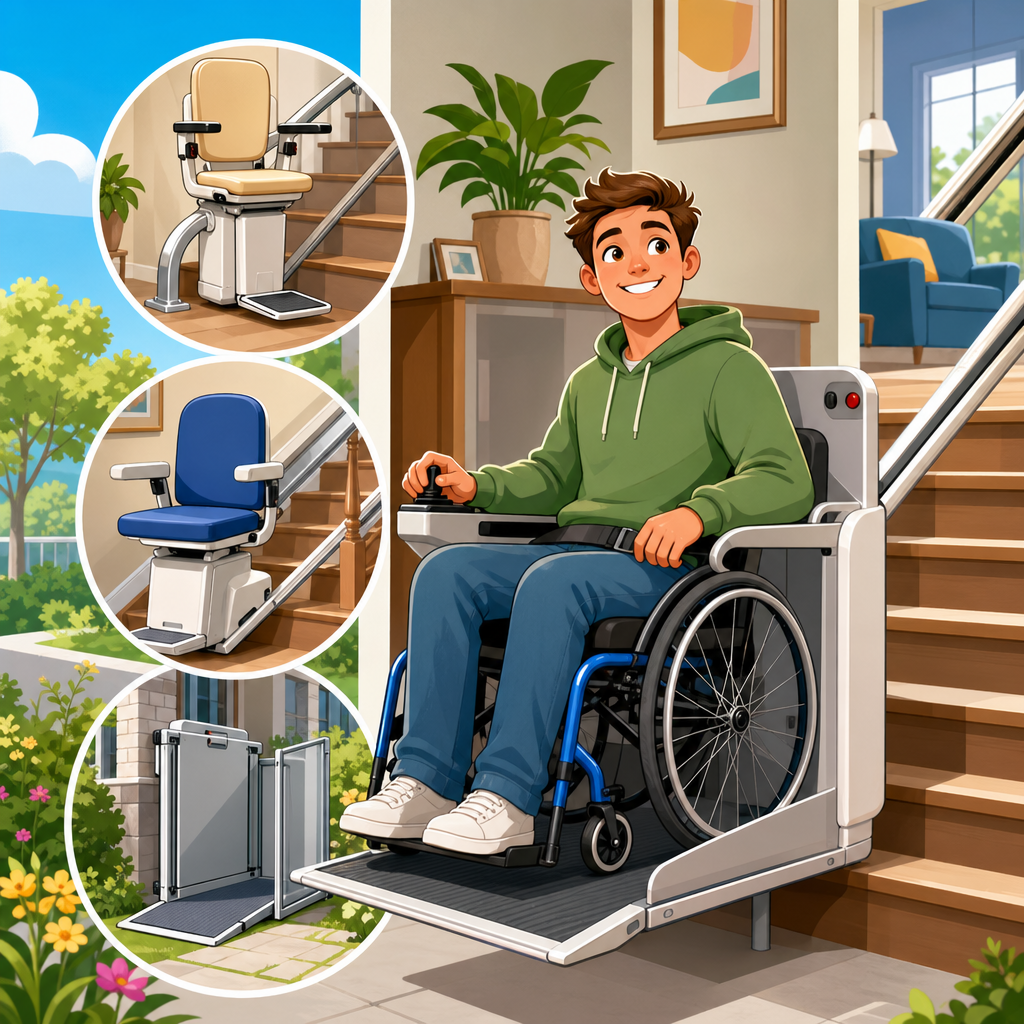
Stair lifts are not one-size-fits-all. Straight stair lifts run on a simple rail for staircases without turns or intermediate landings. Curved stair lifts are custom-built for stairs with bends, pie-shaped treads, or multiple levels. Outdoor stair lifts use weather-resistant materials and sealed components for porch or garage access. Heavy-duty stair lifts offer wider seats, higher weight capacities, and more generous footrest space, but they require enough staircase width to preserve a safe walking path.
The strongest buying decision is based on the user’s current needs and likely changes over the next three to five years. Arthritis, balance decline, Parkinsonian symptoms, neuropathy, reduced vision, or shortness of breath all affect what features are essential. A senior who transfers independently may do well with a standard perch and swivel seat. Someone with significant knee stiffness may need a higher seat base and powered swivel. Someone with hand weakness may need larger rocker switches or joystick-style controls. The best chair lifts for seniors are the ones that fit real physical needs, not brochure language.
Types of chair lifts for stairs and when each works best
Straight stair lifts are usually the most affordable and fastest to install because the rail uses standardized sections. In many homes, installation takes a few hours and does not require structural remodeling. These models are ideal for a simple staircase between a main floor and second floor or basement. Because straight rails are manufactured in common lengths and trimmed on site, replacement parts and service are often easier to obtain. For seniors living alone, that serviceability is a practical advantage.
Curved stair lifts are the answer when the staircase turns, has a landing midway, or follows a spiral or unusual geometry. The rail is measured precisely and fabricated to the home, which increases price and lead time. However, the custom fit allows the chair to travel smoothly around corners and stop exactly where the user can get on and off safely. I have seen curved systems prevent risky transfers at awkward top landings where a straight lift would leave the user too close to the stairs. In those cases, custom rail design is not a luxury; it is the safety feature.
Outdoor stair lifts are frequently overlooked, yet they can be just as important as indoor units for a senior who lives alone. Front steps, deck stairs, and garage entries are common fall locations because of rain, leaves, ice, and poor lighting. Outdoor models typically include marine-grade vinyl, anodized aluminum or coated rails, covers, and sealed controls. They still require maintenance, especially in cold climates, but they can preserve access to the home and reduce dependence on deliveries or neighbors.
Heavy-duty stair lifts serve users who need more space, a taller seat, or a higher capacity, often in the 350-to-600-pound range depending on model. The tradeoff is width. Many manufacturers recommend at least 36 inches of staircase width for larger units so others can still pass and emergency egress is not compromised. The point is simple: choose the lift type by staircase shape, user size, and transfer needs first, then compare brands within that category.
Features that matter most for independence and daily safety
Battery backup is nonnegotiable. Modern stair lifts typically charge from the rail and run on onboard batteries, allowing multiple trips during a power outage. For a senior living alone, this is a core resilience feature. If the bedroom is upstairs and the bathroom or kitchen is downstairs, an AC-only system is a poor fit. Ask how many trips the lift can complete without household power, how old the batteries usually are when performance drops, and whether replacement is routine for local technicians.
Powered options can be worth the extra cost when strength or flexibility is limited. A powered swivel seat reduces the need to twist at the top landing, where falls are most dangerous. A powered footrest helps users who cannot bend safely. Some models also offer a power-fold rail, useful when a doorway or walkway at the bottom of the stairs would otherwise be blocked. These upgrades are not automatically necessary, but they become high-value features for people with back pain, hip stiffness, or balance impairment.
Controls should be simple and forgiving. Large toggles on the armrest are easier to use than tiny buttons. Call-send remotes let the chair be moved to the opposite floor, which is helpful if the user wants the seat parked out of sight or if a caregiver visits occasionally. Seat design also matters. Good padding, secure armrests, and enough width to sit down squarely improve confidence. In home assessments, I pay special attention to seat-to-floor height and whether the user’s feet rest flat on the footplate without dangling.
Safety sensors are standard on reputable lifts and should stop the chair if the footrest or carriage hits an obstruction. This matters in homes with pets, grandchildren, or stored items near the stairs. Overspeed governors, lockable seats, and key switches can add protection. The best chair lifts for seniors combine these basics with thoughtful installation details, such as a rail overrun that moves the chair away from the staircase edge at the top or bottom landing.
Best stair lift brands and how they compare
The strongest stair lift brands in the U.S. market typically include Bruno, Stannah, Harmar, Access BDD through dealer networks, Handicare, and Savaria. Each has strengths. Bruno is widely respected for build quality, straightforward controls, and strong dealer support, especially for straight stair lifts like the Elite. Stannah has a long track record, very smooth ride quality, and strong custom curved solutions. Harmar is known for broad distribution, practical features, and value-oriented options. Handicare offers useful hinge and parking solutions for tighter spaces. Savaria has a solid accessibility background and dependable customization.
Brand reputation matters, but dealer quality matters more. A top manufacturer paired with a weak local installer can produce a poor ownership experience. Before recommending any model, I look at measurement accuracy, installation training, warranty labor terms, response time for service calls, and whether the dealer stocks batteries and common parts. Seniors living alone need fast support, not a vague promise to schedule repairs “next week.”
| Brand | Best for | Common strengths | Potential limitation |
|---|---|---|---|
| Bruno | Straight lifts and premium reliability | Strong dealer network, comfortable seats, durable rails | Pricing can be higher than entry-level competitors |
| Stannah | Curved staircases and smooth ride | Excellent custom engineering, refined controls | Lead times and cost can be significant for custom rails |
| Harmar | Value and broad availability | Many models, practical options, accessible service footprint | Feature set varies more by model and dealer package |
| Handicare | Tight spaces and hinge solutions | Flexible rail options, useful parking configurations | Model availability may depend heavily on region |
| Savaria | Customization and accessibility integration | Established accessibility expertise, good fit for complex homes | Some buyers will need dealer guidance to compare options clearly |
No brand is automatically “best” for every home. A straight Bruno or Harmar may be ideal for a simple staircase and budget-conscious buyer. A custom Stannah or Savaria may be better for a narrow, turning staircase where exact dismount position is critical. The best stair lifts for seniors are chosen through an in-home assessment, not from a generic top-ten list.
Cost, installation, and the hidden factors buyers miss
Straight stair lifts commonly cost far less than curved models, but installed pricing still varies based on rail length, powered options, seat size, and local labor. In many markets, straight lifts fall roughly in the low-thousands range, while curved lifts often start much higher because the rail is custom fabricated. Outdoor units and heavy-duty models usually add cost. Reconditioned stair lifts can reduce the initial price for some straight staircases, though buyers should confirm what parts are new, what warranty is included, and whether the rail and carriage have been refurbished to manufacturer standards.
Installation is usually less invasive than people expect because the rail attaches to stair treads, not generally the wall. A good installer checks tread condition, landing clearance, charging points, and whether doors swing into the rail path. The most common mistakes I see are poor parking positions, insufficient attention to transfer space at the top landing, and underestimating how much folded footrests still project into the staircase.
Also ask about maintenance, battery replacement intervals, service hours, and emergency response. Warranty language deserves close reading. Some warranties cover major components for years but include only a short labor term. For a senior living alone, labor coverage and service availability can be as important as the equipment warranty itself. If the home may be sold later, ask whether the lift can be removed cleanly and whether any buyback or trade-in policy exists.
How to choose the right stair lift for long-term use
Start with a professional home assessment and include the actual user in every decision. Measure staircase width, check the landing space, and watch how the person sits, stands, and turns. If the user has progressive mobility issues, buy for the next stage, not only today’s abilities. A model that feels “good enough” now may become frustrating within a year if seat height, control size, or swivel assistance is marginal.
Ask direct questions. Can the lift be used during a power outage? What is the weight capacity? How noisy is it? How long does custom fabrication take? Who performs repairs locally? Are there rental options for temporary recovery needs? Can the seat, arms, and footrest fold easily? These questions produce better decisions than asking only for the lowest quote.
Finally, compare alternatives honestly. For some homes, a bedroom move to the main floor or a small residential elevator may make more sense long term. But for many households, the best chair lifts for seniors provide the fastest, most cost-effective path to aging in place. If you are researching options now, schedule in-home estimates from reputable local dealers, test the controls yourself, and choose the stair lift that makes daily life safer and simpler.
Frequently Asked Questions
What makes a stair lift a good choice for seniors who live alone?
The best stair lift for a senior living alone is one that improves safety and independence every single day, not just one with a recognizable brand name or the lowest price. The right model should match the staircase layout, the user’s mobility needs, and the level of support they may need in an emergency. For example, a person with limited balance may benefit from a seat with secure armrests, a dependable swivel function for safer entry and exit, and easy-to-use controls that do not require strong grip strength or precise hand movement. Someone with a straight staircase may have many standard options, while a person with curved stairs or a narrow staircase will need a more specialized solution.
For seniors living alone, reliability is especially important because there may not be another person nearby to help if the unit stops, the power goes out, or getting on and off the seat becomes difficult. That is why features such as battery backup, obstruction sensors, seat belts, lockable controls, and call/send stations are often more important than cosmetic design or marketing claims. Comfort also matters more than many families expect. Seat height, footrest position, and how far the chair turns at the landing can make the difference between a lift that feels safe and one that feels awkward or risky. In short, the best stair lift is the one that fits both the home and the person using it, while reducing fall risk and making daily movement between floors feel simple and dependable.
Which stair lift features are most important for seniors living alone?
If a senior lives alone, the most important stair lift features are the ones that support safe, independent use without requiring assistance from another person. Battery backup is at the top of the list because it allows the lift to keep working during a power outage. That can be critical in a multi-level home where a person may otherwise become stuck on one floor. A swivel seat is another key feature, especially at the top landing, because it allows the user to get off facing away from the stairs instead of twisting in an unstable position. In many homes, the quality of that swivel mechanism matters just as much as whether it is manual or powered.
Simple controls are also essential. Seniors living alone often do best with a stair lift that has intuitive armrest controls, large buttons, and call/send controls at each landing so the chair can be brought to them easily. Safety sensors that stop the unit if something is on the stairs or rail help prevent accidents, while a seat belt adds stability during travel. Families should also pay close attention to the seat size, weight capacity, footrest height, folding design, and rail placement. These details affect whether the lift feels comfortable and whether other people can still use the stairs safely. For some users, powered footrests and powered swivel seats can reduce strain and make daily use much easier. The most useful features are not always the flashiest ones; they are the ones that remove friction from everyday use and lower the chance of a fall.
How do you choose the right stair lift for the user’s staircase and mobility needs?
Choosing the right stair lift starts with understanding two things clearly: the exact staircase configuration and the physical abilities of the person who will use the lift every day. Straight staircases usually allow for simpler, less expensive lifts, while curved staircases, staircases with intermediate landings, or unusually narrow stairs often require custom rail systems. Measurements alone are not enough. The installer also needs to evaluate where the rail will sit, how much space remains for walking, whether doorways or hallways create clearance issues, and how safely the user can get on and off at both the top and bottom landings.
Mobility needs are just as important. A user with arthritis, poor balance, weakness in the legs, or limited trunk control may need a larger seat, higher armrests, easier controls, or powered options that reduce the need to bend, twist, or reach. If standing and sitting are difficult, seat height and transfer position become major decision points. If the user relies on a cane or walker, the landing area should be reviewed to make sure there is enough room to transition safely. In some cases, a stair lift may not be the best solution if the person cannot transfer safely to and from the seat without hands-on help. That is why a professional in-home assessment is so valuable. The best decision comes from matching the equipment to the user’s real physical routine, not from picking the most popular model online.
Are stair lifts safe and reliable enough for seniors living alone?
Yes, a properly selected and professionally installed stair lift can be very safe and reliable for a senior living alone, but safety depends heavily on fit, installation quality, and ongoing maintenance. Modern stair lifts are typically equipped with multiple safety features, including seat belts, obstruction sensors, overspeed governors, secure armrests, and batteries that allow operation even during a power outage. When the lift is installed correctly and the user can transfer on and off the seat safely, it can significantly reduce the risk of stair-related falls, which are one of the biggest dangers in a multi-story home.
That said, no stair lift should be treated as a completely hands-off purchase. Reliability matters more for someone living alone because even a small issue can become a major inconvenience or safety concern if there is nobody else in the house. It is wise to choose a company with strong service support, clear warranty terms, and local maintenance availability. Families should also make sure the user understands how to fasten the seat belt, operate the controls, park the chair, and respond if the unit stops. Regular maintenance and periodic checks help keep the system dependable. A stair lift is not just a mobility device; for many seniors living alone, it becomes a critical part of staying safely in their home. With the right product and support, it can be a very dependable solution.
How much should families prioritize price versus comfort, safety, and long-term usability?
Price matters, but it should not be the main factor when choosing a stair lift for a senior who lives alone. Families often start by comparing upfront costs, which is understandable, but the less obvious details usually have a much greater impact on daily safety and satisfaction. A lower-cost lift that is uncomfortable, hard to operate, or poorly suited to the staircase can quickly become a frustrating or even unsafe investment. Features such as seat height, swivel angle, rail position, battery backup, and ease of transferring on and off the chair often determine whether the user feels confident using the lift consistently.
Long-term usability should carry significant weight in the decision. If the senior’s mobility is likely to change, it may make sense to choose a model with a higher weight capacity, more supportive seating, or powered features that reduce physical effort. Service access and warranty support are also part of the real cost. A cheaper unit is not truly a better value if repairs are difficult to schedule or replacement parts are hard to find. Comfort is not a luxury in this context; it directly affects whether the person will actually use the lift rather than avoid it. The smartest approach is to look at total value: safety, fit, ease of use, reliability, service, and comfort over time. For seniors living alone, those factors usually matter far more than saving a small amount on the initial purchase.