Choosing the best stair lifts for seniors with balance problems starts with understanding that the safest model is not simply the cheapest or most advertised, but the one matched to a person’s mobility, staircase layout, and daily routine. In practical terms, stair lifts, chair lifts, and seat lifts for stairs all describe a motorized chair that travels along a rail fixed to the staircase, allowing a rider to move between floors without climbing steps. Families often search for the best chair lifts for seniors when a parent begins holding the banister with both hands, hesitating on landings, or avoiding an upstairs bedroom because a loss of balance makes every trip feel risky. I have helped families compare straight and curved systems, measured tight staircases, reviewed installation quotes, and watched how small details such as seat height, swivel controls, and footrest sensors determine whether a lift gets used confidently or abandoned after a week.
Balance problems matter because stairs combine three hazards at once: elevation change, limited foot placement, and the need to shift weight smoothly from step to step. According to the Centers for Disease Control and Prevention, falls remain one of the leading causes of injury among older adults, and stairways are a common setting for serious incidents. A stair lift does not cure poor balance, neuropathy, arthritis, Parkinsonian gait, or post-stroke weakness, but it removes repeated stair climbing from the daily equation. That reduction changes quality of life fast. Seniors can continue using the full home, delay a move, protect energy for bathing and cooking, and lower the fear that often causes self-imposed isolation. As a buying guide hub, this article explains what to look for, which product categories fit different needs, how leading brands compare, and where stair lifts fit among broader mobility solutions for aging in place.
What Makes a Stair Lift Good for Seniors With Balance Problems
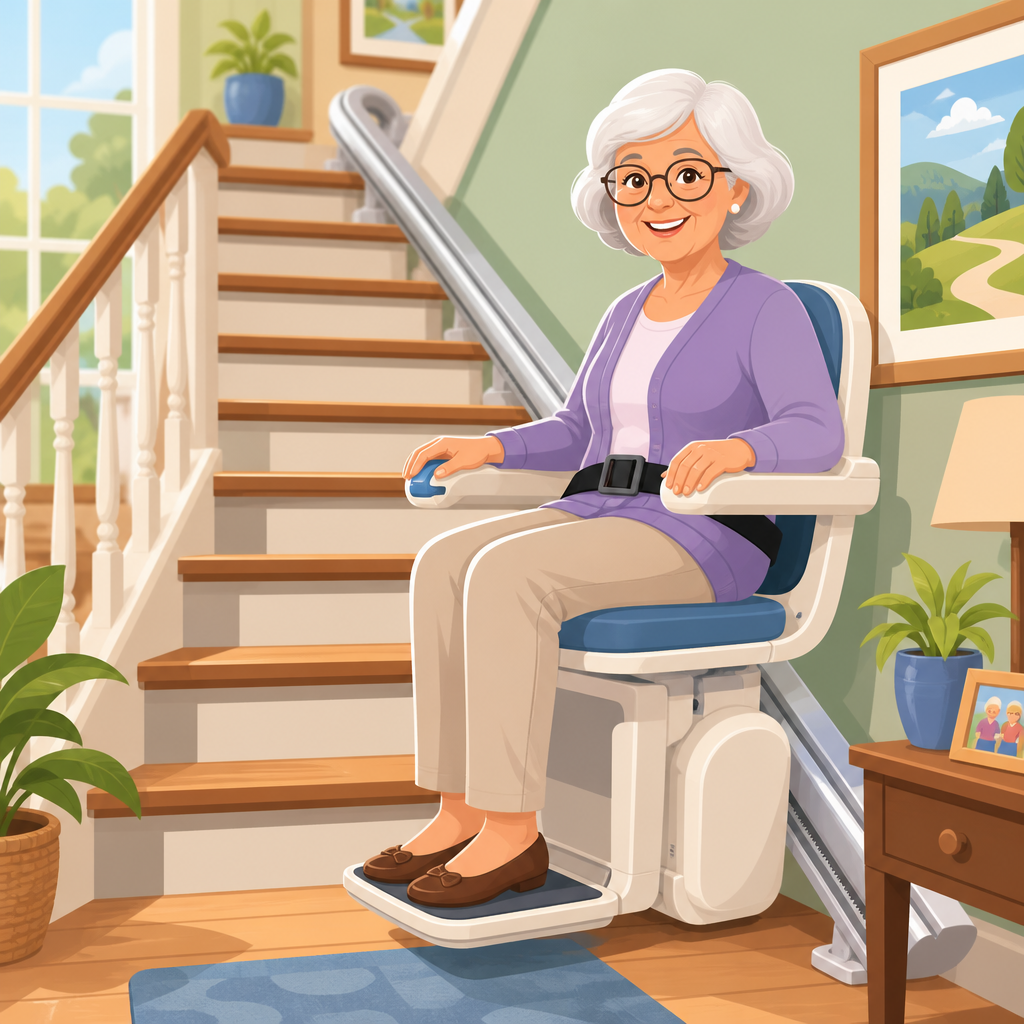
The best stair lift for balance issues emphasizes secure transfers more than top speed or decorative trim. In my experience, the biggest make-or-break feature is a stable seated transfer at the top and bottom landing. That means a padded seat at the right height, armrests that support standing and sitting, a swivel seat that locks firmly, and enough open floor space to step on and off without twisting. A powered swivel is especially useful for riders with vestibular disorders, unilateral weakness, or limited trunk control, because manual turning can feel unsteady at the exact moment the rider is transitioning to standing.
Safety systems deserve close attention. Look for a seat belt, obstruction sensors on the carriage and footrest, overspeed governor, battery backup, and smooth start-stop programming that prevents jerky motion. For seniors with poor balance, a folding footrest is helpful only if it can be raised without bending dangerously; powered footrests solve that problem. Call-send controls are also important in two-person households, letting a spouse return the chair after use or summon it without carrying items on the stairs. Weight capacity matters beyond simple body size. A higher-capacity frame often brings a wider seat and sturdier ride, both of which improve confidence for users who feel unstable.
Track design affects usability too. Straight stair lifts fit a single uninterrupted run of stairs and are usually the most affordable. Curved stair lifts are custom built for turns, intermediate landings, or spiral sections. Outdoor stair lifts use weather-resistant rails, marine-grade vinyl, and covers to handle temperature and moisture. In narrow homes, a hinged rail or drop nose can prevent the track from blocking a doorway or creating a trip point. For many families, that one option determines whether the lift works in real life.
Best Types of Chair Lifts for Seniors by Home Layout and Mobility Need
When shoppers ask for the best chair lifts for seniors, they often expect a single winner. In practice, the right answer depends on the staircase and the rider’s transfer ability. Straight stair lifts are best for standard staircases with no curves or mid-landing turns. They are faster to install, widely available, and often the best value. I commonly recommend them for seniors with mild to moderate balance loss who can still sit and stand with hand support. Because the rail is standardized, lead times are shorter and used or rental options may be available.
Curved stair lifts are best for complex staircases and for riders who should not transfer at an intermediate landing. Some older homes have L-shaped or U-shaped stairs, and trying to use two separate straight lifts forces an additional transfer halfway up. For someone with dizziness, bilateral knee weakness, or a history of falls, one continuous custom curved lift is markedly safer. The tradeoff is price and installation time, since the rail is manufactured to the exact dimensions of the staircase.
Perch or standing stair lifts deserve mention for users who have trouble bending their knees deeply or who have extremely narrow stairs. These models support the rider in a near-standing position with a small seat or pad. However, they are rarely ideal for significant balance problems because they require more postural control than a seated ride. In my assessments, they work best for a limited subset of users, not as a default recommendation for older adults who already feel unsteady.
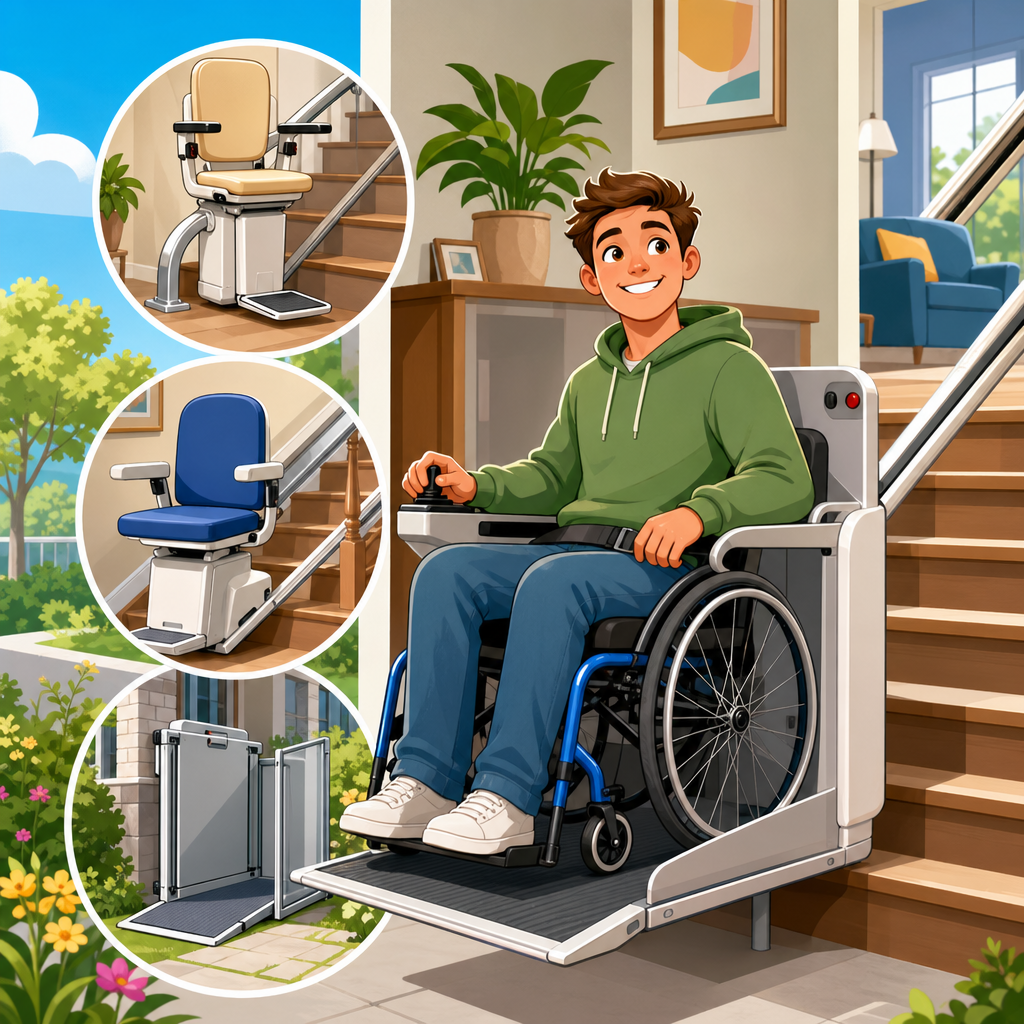
Wheelchair platform lifts are a separate category. They carry a wheelchair rather than seating the rider in a chair. They can be excellent for users who cannot transfer safely at all, but they require more space, structural planning, and budget. For most homes and most seniors still able to perform seated transfers, a conventional stair chair lift remains the most practical choice.
| Lift type | Best for | Main advantage | Main limitation |
|---|---|---|---|
| Straight stair lift | Single straight staircase | Lower cost and quick installation | Cannot navigate turns or landings |
| Curved stair lift | Stairs with turns or multiple landings | One continuous ride with safer access | Higher cost and custom lead time |
| Outdoor stair lift | Porch, deck, or garage entry stairs | Weather-resistant components | Usually pricier than indoor straight models |
| Perch stair lift | Narrow stairs or limited knee flexion | Works where seated models may not fit | Less suitable for serious balance deficits |
| Platform lift | Wheelchair users with unsafe transfers | No chair transfer required | Large footprint and major expense |
Best Stair Lift Brands and Models to Compare
Several manufacturers consistently appear in serious stair lift comparisons. Bruno is widely respected in the United States for reliable engineering, comfortable seats, and strong dealer support. Models such as the Bruno Elan for straight stairs and the Bruno Elite for higher weight capacities are common recommendations. The Elite’s build quality and smooth ride stand out, particularly for larger users or anyone who wants a more substantial seat and carriage. Bruno also offers a curved line and outdoor configurations, making it one of the easier brands to use across different home setups.
Stannah is another leading name, known internationally for custom curved lifts and polished fit and finish. I have seen Stannah perform very well in homes where aesthetics matter because the rail and seat options integrate cleanly with existing interiors. Handicare is competitive for both straight and curved units and often offers practical options such as hinged rails for tight entryways. Harmar remains popular for affordability and broad distribution, especially in the straight-lift category, though dealer quality can vary by region more than with some premium brands. Acorn is heavily advertised and can be a fit for some buyers, particularly for straightforward installations, but service experiences are mixed enough that I tell families to evaluate local support as carefully as the product itself.
No brand is best in every situation. For a simple staircase and moderate budget, a straight Bruno, Harmar, or Handicare unit may offer the best value. For a complex staircase requiring a refined custom solution, Stannah and Bruno are often stronger candidates. The right comparison should include local installer reputation, warranty terms, battery replacement cost, turnaround on repairs, and whether the dealer stocks common parts. A stair lift becomes essential equipment the day a user depends on it, so fast service is not a luxury feature.
How to Choose the Best Stair Lift Safely and Avoid Expensive Mistakes
The most common buying mistake is choosing based on price before assessing transfer safety. Start with the user, not the staircase. Can the person sit down in a controlled way, remain upright during movement, and stand up from the seat without losing balance? If those tasks are inconsistent, ask a physical or occupational therapist for input. Clinicians can identify whether a swivel seat, powered footrest, or transfer aid is necessary, and they may flag when a stair lift is less suitable than a first-floor living setup or a platform lift.
Next, get an in-home assessment from at least two dealers. Measurements must include stair width, tread depth, head clearance, top and bottom landing space, outlet access, and any door swing conflicts. Ask every dealer the same direct questions: What is the true installed cost, what service is included after installation, how long do batteries typically last, what happens during a power outage, and what is the repair response time? Reputable stair lifts run on batteries that charge from household power, so they continue working during most outages for multiple trips. That is a critical feature, not a bonus.
Finally, test the controls and transfer mechanics whenever possible. A joystick or rocker switch may be easier than small buttons for hands affected by arthritis or tremor. Seat width, armrest height, and footrest reach should feel natural on the first try. If a demonstration leaves the rider anxious, that reaction matters. The best stair lift for seniors with balance problems should reduce fear immediately, not demand adaptation to an awkward setup.
Cost, Installation, Maintenance, and Alternatives for Aging in Place
Most straight stair lifts cost less than curved models because the rail is standardized rather than custom fabricated. In many U.S. markets, straight units commonly land in the low-thousands installed, while curved stair lifts can climb into the high-thousands or beyond depending on length and complexity. Outdoor models, heavy-duty seats, powered options, and hinged rails add cost. Rental programs may exist for straight lifts, which can help after surgery or during temporary recovery, but curved lift rentals are far less common because the rail is custom.
Installation is usually quicker and less invasive than people expect. The rail mounts to the stair treads, not the wall, so major remodeling is uncommon. A straight lift can often be installed in a few hours. Curved projects take longer because of manufacturing lead time, not because technicians spend days inside the house. Routine maintenance includes keeping the rail clean, checking seat and footrest operation, replacing remote batteries, and eventually replacing the unit’s main batteries, usually every few years depending on usage and charging conditions. Annual service is a good idea for heavily used lifts.
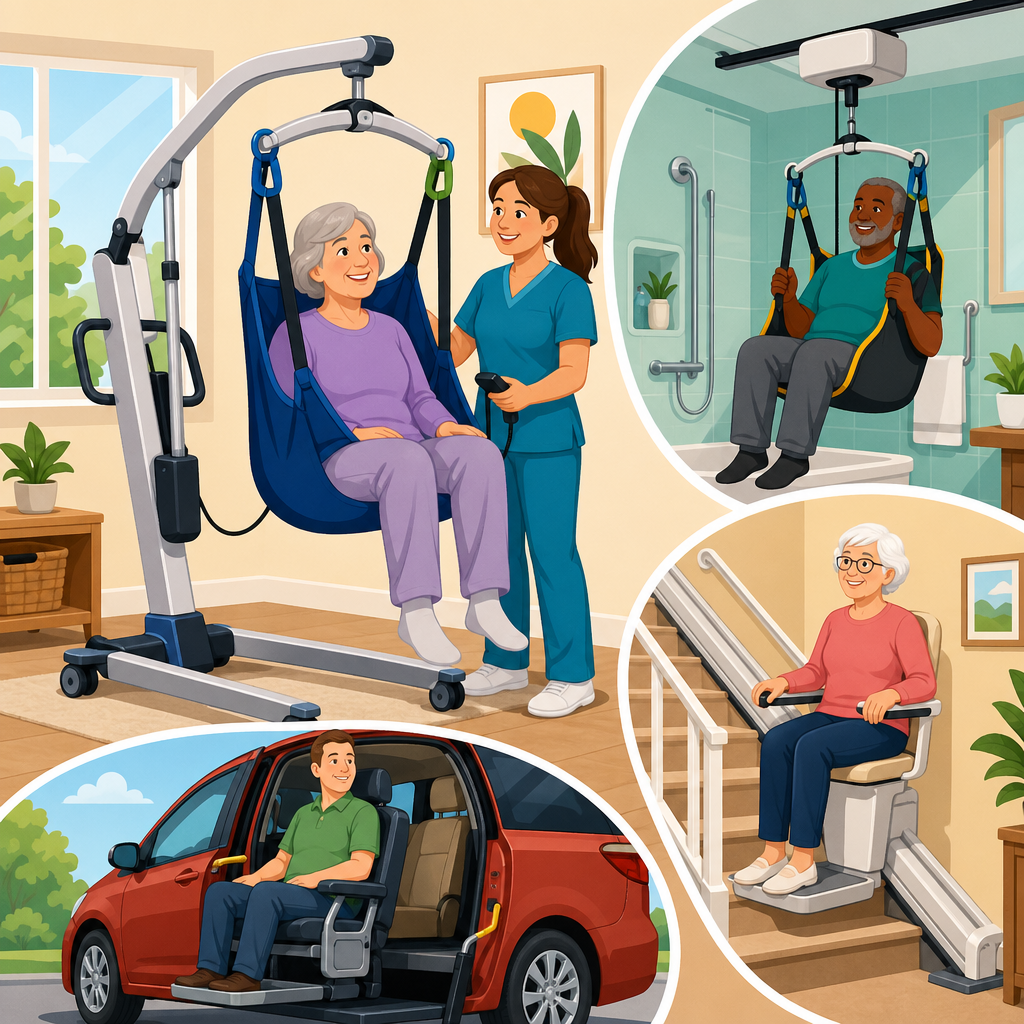
Stair lifts are one part of a larger aging-in-place plan. The best chair lifts for seniors work even better when combined with grab bars, improved lighting, high-contrast stair nosings, and medication review if dizziness is present. Some households should also compare home elevators, vertical platform lifts, or relocating a bedroom to the main floor. If the user has progressing cognitive impairment, severe transfer instability, or frequent impulsive movement, a stair lift may not be the full answer. In those cases, the safer solution can involve both equipment and caregiving support.
The best stair lifts for seniors with balance problems are the ones that make daily movement predictable, secure, and sustainable. A strong buying decision starts with the user’s transfer ability, then matches that need to the staircase, safety features, and local service support. Straight stair lifts usually offer the best value for simple layouts, curved lifts provide the safest solution for stairs with turns, and premium features like powered swivel seats, obstruction sensors, and battery backup often matter more than cosmetic upgrades. Brand reputation is important, but installer quality and repair responsiveness matter just as much once the lift becomes part of everyday life.
As the hub for best chair lifts for seniors, this guide should help you narrow the field before diving into brand reviews, straight-vs-curved comparisons, outdoor models, and financing options. Focus on safe transfers, dependable service, and a layout-specific fit, and you will avoid the most expensive mistakes. If you are shopping now, schedule two in-home assessments, involve the intended rider in every demo, and use those findings to choose a stair lift that keeps the whole home accessible.
Frequently Asked Questions
What features matter most when choosing the best stair lift for seniors with balance problems?
For seniors with balance problems, the most important stair lift features are the ones that reduce the chance of slipping, twisting, or struggling during transfers on and off the seat. A secure seat belt is essential, but so are swivel seats, locking mechanisms, sturdy armrests, and fold-down footrests that provide stable support while sitting and standing. A powered swivel seat can be especially helpful because it turns the chair toward the landing at the top of the stairs, reducing the need to twist the body near an open staircase. That can make a major difference for someone with dizziness, weakness, or poor coordination.
Seat height, width, and overall comfort also matter more than many families expect. The right chair should allow the rider to sit down and stand up with minimal effort, without feeling cramped or unstable. Easy-to-use controls are another priority. Large toggle switches, rocker controls, or simple handheld remotes are often better than small buttons for users with arthritis or limited hand strength. Safety sensors are equally important because they stop the lift if something is blocking the track, helping prevent accidents involving pets, objects, or a misplaced foot.
Beyond the chair itself, the rail design and the fit to the home are critical. Some users do well with a standard straight stair lift, while others need a custom curved model to match turns or landings. In homes where getting on or off near the edge of the stairs would feel risky, a track overrun can move the chair away from the staircase before the user stands up. In short, the best stair lift for balance issues is one that improves stability during every part of the ride, not just while the chair is moving.
Are stair lifts safe for seniors who feel unsteady, dizzy, or afraid of falling?
Yes, stair lifts are generally very safe for seniors with balance problems when they are properly selected, professionally installed, and used as intended. In fact, for many households, a stair lift is one of the most effective ways to reduce fall risk on stairs. Climbing steps requires strength, coordination, depth perception, and balance. When any of those abilities are declining, even a short flight of stairs can become a serious hazard. A stair lift removes the need to climb altogether, allowing the person to travel up and down while seated and supported.
That said, safety depends on matching the lift to the user’s needs. Someone who becomes dizzy when turning quickly may benefit from a model with a gentle start-and-stop system and a powered swivel seat. Someone who has trouble standing up safely may need a lift with higher armrests, a properly adjusted seat height, or even a perch-style option in tighter spaces. If the rider has significant cognitive impairment, visual issues, or severe transfer difficulties, the family should discuss those concerns with both a medical professional and the stair lift provider before making a purchase.
It is also important to understand that the safest stair lift is not always the most basic one. Features such as seat belts, obstruction sensors, backup battery operation, and call/send controls all play a role in real-world safety. Professional installation is non-negotiable because the rail must be anchored correctly and aligned with the staircase. When these factors are in place, stair lifts can provide a dependable, confidence-building solution for seniors who feel unsteady or fearful on stairs.
How do families know whether a straight or curved stair lift is the better choice?
The decision between a straight and curved stair lift depends almost entirely on the shape of the staircase. A straight stair lift is designed for stairs that run in one continuous line without turns, intermediate landings, or changes in direction. These models are usually less expensive, quicker to install, and more widely available. If the staircase is simple and direct, a straight lift is often the most practical and cost-effective option.
A curved stair lift is needed when the staircase includes bends, corners, multiple levels, pie-shaped steps, or landing transitions that prevent a straight rail from working safely. Because curved rails must be custom-built to follow the exact path of the stairs, they usually cost more and take longer to manufacture and install. However, for many homes, they are the only solution that allows the rider to stay seated and travel safely from one level to another without awkward transfers or dangerous walking between stair sections.
For seniors with balance problems, this distinction matters because forcing a poor fit can create new risks. If a person must get off one lift and walk across a landing to another set of stairs, that may defeat the safety purpose entirely. A qualified stair lift company will measure the staircase, evaluate headroom and landing space, and explain whether a straight or curved model offers the safest boarding and exit points. The best choice is the one that fits the staircase correctly and supports the rider’s stability at both ends of the trip.
What is the difference between stair lifts, chair lifts, and seat lifts for stairs?
In most home mobility discussions, stair lifts, chair lifts, and seat lifts for stairs usually refer to the same basic device: a motorized seat that moves along a rail attached to the staircase. The purpose is straightforward. Instead of climbing steps, the rider sits in the chair, fastens the seat belt, and uses the controls to travel safely between floors. This is why families often see different terms used online or by different companies even though the product is fundamentally the same.
There can be small differences in how people use the terminology. “Stair lift” is the most common and widely accepted term in the accessibility industry. “Chair lift” is also common, though it can sometimes cause confusion because some people associate it with ski lifts or other lifting devices. “Seat lift for stairs” is more descriptive and is often used by consumers who are searching based on function rather than industry wording. In practical terms, if the device is a seated unit traveling up and down a staircase rail, these terms typically overlap.
What matters more than the label is the design and fit. Families should focus on whether the model is appropriate for the user’s balance, body size, strength, and home layout. Important questions include how easy it is to transfer on and off the seat, whether the chair swivels, whether the controls are simple, and whether the rail placement leaves enough space on the stairs for others in the home. So while the names may vary, the buying decision should center on safety, comfort, and proper installation rather than terminology.
Should seniors buy the cheapest stair lift available, or pay more for a model with additional safety features?
For seniors with balance problems, choosing solely based on price is usually a mistake. The least expensive stair lift may work well in some situations, but it is not automatically the best value if it lacks features that make transfers safer or everyday use easier. A lower-cost unit on the wrong staircase, or one with controls that are hard to use, can lead to frustration and increase the risk of unsafe movement near the stairs. In contrast, paying more for a lift that fits the user and the home properly may provide much better long-term value.
Additional safety and convenience features are often worth considering when balance is a primary concern. For example, a powered swivel seat can reduce twisting at the top landing. A track overrun can move the user away from the staircase before they stand up. Backup batteries can keep the lift working during a power outage, which is especially important if bedrooms or bathrooms are located upstairs. Folding rails, powered footrests, and call/send remotes may also improve day-to-day usability depending on the layout of the home and the needs of the rider.
The smartest approach is to think in terms of total suitability, not just upfront cost. Families should compare warranty coverage, service availability, installation quality, and the reputation of the manufacturer or dealer. It is also wise to ask whether the company evaluates the user’s mobility challenges, rather than simply selling a standard unit. For a senior with balance problems, the best stair lift is the one that feels secure, fits the staircase correctly, and supports safe transfers every single day. That often means the right model is not the cheapest one, but the one best matched to the person and the home.