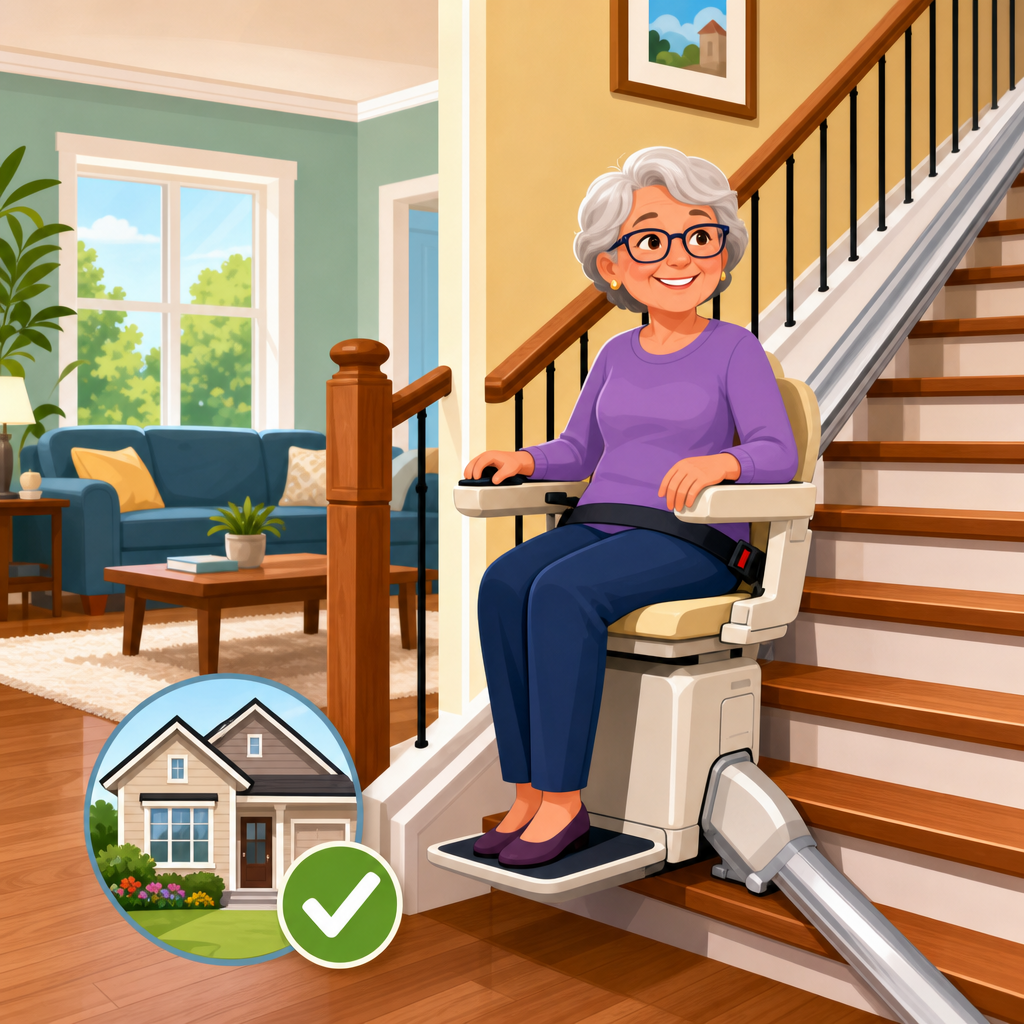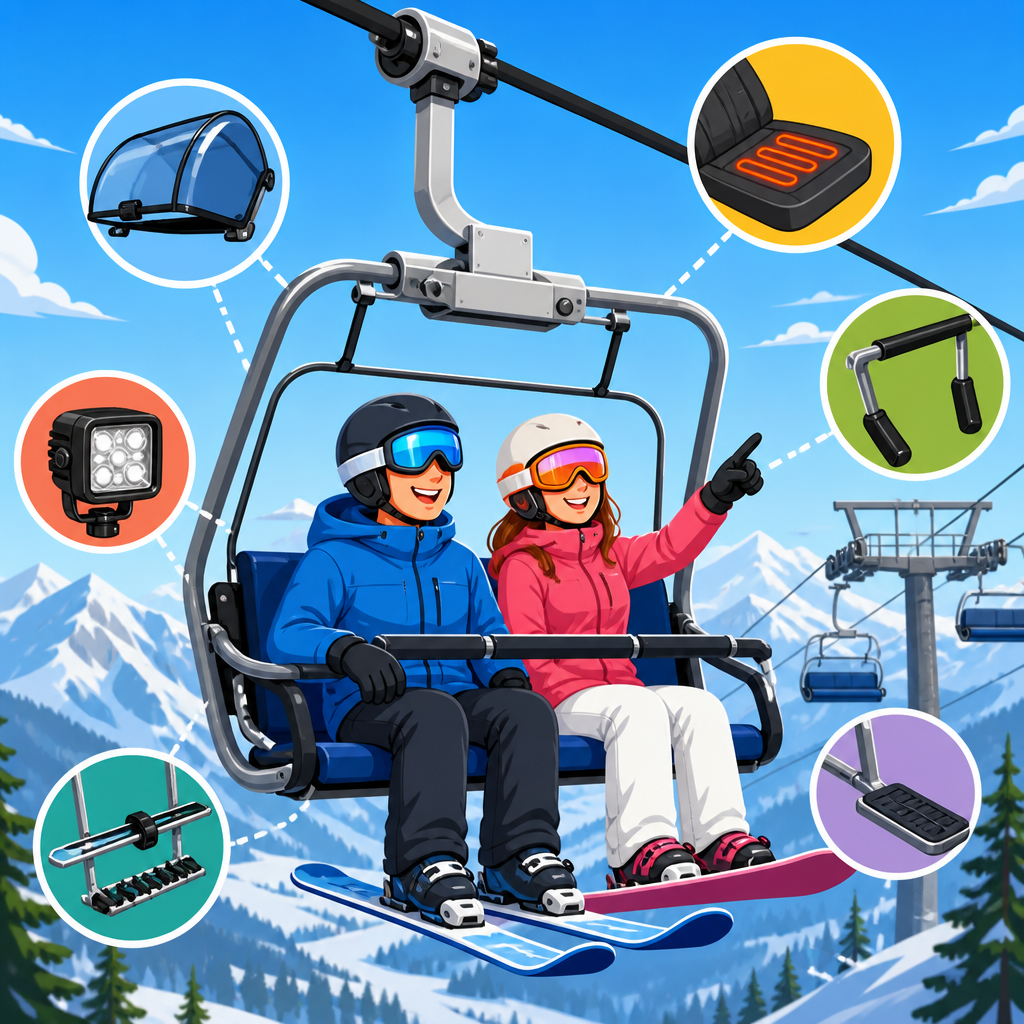
Chair lift accessories can change the final invoice far more than most buyers expect, which is why anyone asking how much do chair lifts cost needs to look beyond the base model and understand every add-on that affects price, safety, comfort, and long-term value. In practical terms, a chair lift is a motorized seat that travels along a rail mounted to a staircase, allowing a person with limited mobility to move between floors without climbing steps. The advertised starting price usually covers the rail, carriage, seat, call controls, installation, and a standard warranty for a straightforward staircase. The final price rises when the home, user, or installation requires more than standard specifications. Accessories are the extras that customize the lift for usability, medical needs, convenience, or architectural fit, and they range from simple folding rails to powered swivel seats, upgraded harnesses, and outdoor weather packages.
I have walked homeowners through chair lift proposals where two quotes looked similar at first glance, yet one ended up thousands of dollars higher because the buyer needed a hinged rail at the bottom landing, a larger seat, and battery backup with higher cycle capacity. That gap is common. People often compare only the sticker price, but the real budgeting question is this: what features are necessary, what features are optional, and which upgrades prevent expensive problems later? This matters because stair lifts are not one-size-fits-all products. A narrow staircase, limited hip mobility, frequent power outages, arthritis in the hands, or the need to share the stairs with other family members can all justify accessories that materially change cost. Understanding those drivers helps buyers set a realistic budget, compare brands fairly, and avoid paying for upgrades they do not need.
For most homeowners, the base price of a straight indoor chair lift is only the starting point. A standard straight model often falls in the range of about $2,500 to $5,500 installed, while curved lifts can range from roughly $10,000 to $20,000 or more because they require custom rail fabrication. Outdoor lifts usually start higher than indoor straight units due to weatherproofing, sealed components, and corrosion-resistant finishes. Accessories sit on top of those ranges. Some are factory-installed and bundled into premium packages; others are line-item options added during quoting. To understand how much do chair lifts cost in the real world, you need to break the quote into core categories: travel path modifications, seating and transfer features, safety upgrades, power and controls, cosmetic choices, and service coverage.
This article serves as a hub for the cost and financing side of chair lift buying. It explains which accessories add to the final price, why they exist, when they are worth paying for, and how they influence the total cost of ownership over time. If you are comparing estimates, planning for aging in place, or helping a parent make a safe decision, this guide will help you read proposals with a more technical eye and a more realistic budget.
Base chair lift cost versus accessory cost
The cleanest way to answer how much do chair lifts cost is to separate the base unit from the variables. The base unit usually includes a standard seat size, seat belt, footrest, two remote controls, basic rail, and installation on a straight staircase with available power nearby. Dealers may advertise a lower entry price, but that number assumes no unusual landings, no structural obstacles, and no user-specific customizations. Once you add accessories, the quote reflects both parts and labor. A powered feature is not only a component cost; it can also affect installation time, setup, and future service needs.
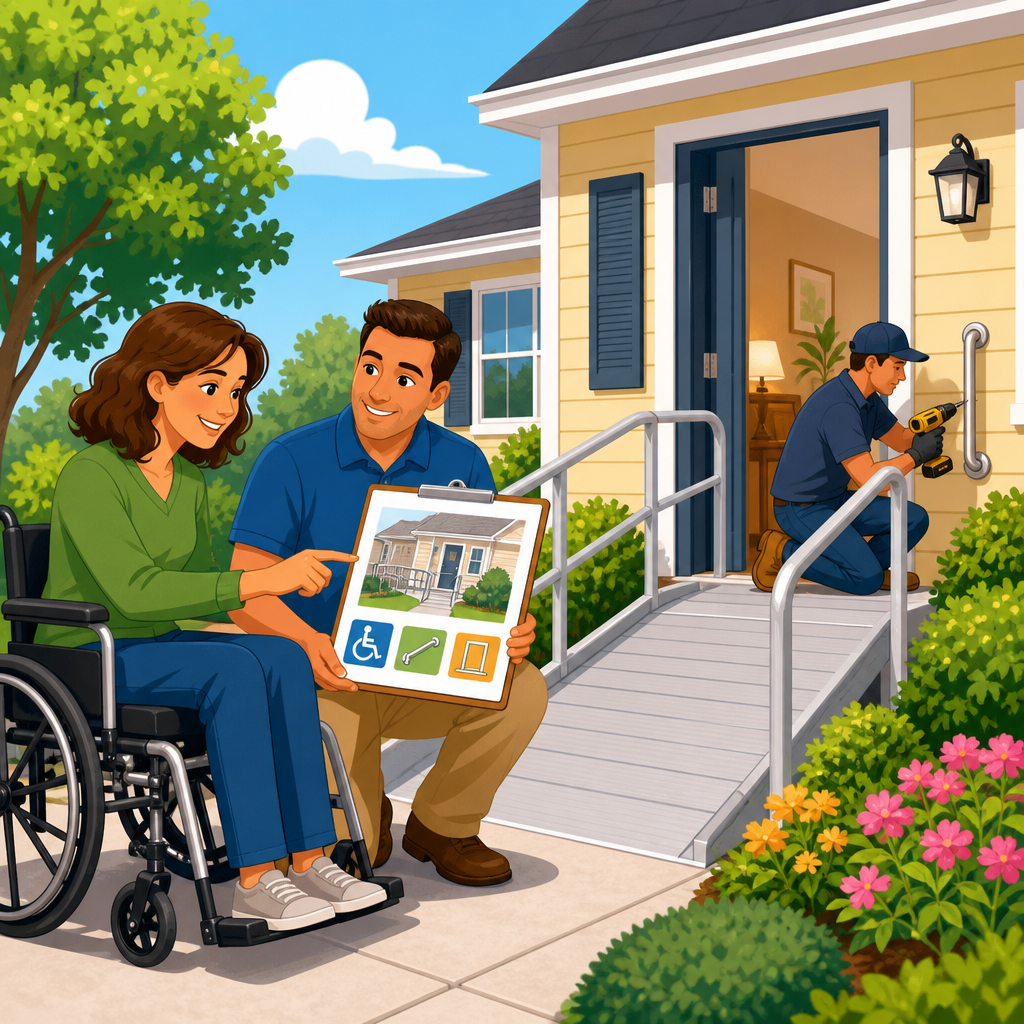
Some accessories are effectively mandatory in certain homes. A folding hinge rail is a common example. If the rail would block a doorway, hallway, or walking path at the bottom of the stairs, the installer may recommend or require a manual or powered hinge. That single feature can add hundreds to well over a thousand dollars depending on model and automation level. By contrast, upholstery upgrades are usually discretionary. They affect aesthetics and sometimes durability, but they do not change whether the lift can function in the space.
Another distinction is between accessories that improve daily use and accessories that address transfer safety. A powered swivel seat, for example, is often treated as a convenience feature in marketing materials, but for someone with reduced trunk rotation or poor balance, it can be the difference between a safe transfer and a fall risk. In cost planning, medical necessity matters more than category labels. Buyers should ask not “Is this optional?” but “Does this reduce a real usability or safety problem?”
Accessories that most often increase the final price
The accessories with the greatest price impact are usually the ones tied to staircase geometry, rider transfer, and motorized operation. Hinged rails, track overruns, heavy-duty seating packages, powered footrests, powered swivel seats, and upgraded control systems are among the most common quote escalators. Outdoor conversion packages also raise cost substantially because they include protective covers, UV-resistant plastics, marine-grade vinyl, sealed gearboxes, and hardware designed to resist moisture and temperature swings.
| Accessory or upgrade | What it does | Typical cost impact | When it is usually worth it |
|---|---|---|---|
| Folding hinge rail | Lifts or folds the rail away from a doorway or walkway | Moderate to high | When the rail would create a trip hazard or block a door |
| Powered swivel seat | Rotates the seat automatically for easier entry and exit | Moderate | When the user has limited hip mobility or balance issues |
| Powered footrest | Raises and lowers the footrest without bending | Moderate | When bending is painful or unsafe |
| Heavy-duty seat package | Provides wider seating and higher weight capacity | Moderate to high | When standard capacity or seat width is insufficient |
| Track overruns | Moves the rider away from the staircase edge for safer transfers | Low to moderate | When top or bottom landing space is tight |
| Outdoor package | Adds weather resistance and protective materials | High | When the lift is installed on exterior stairs |
| Extended warranty/service plan | Covers parts, labor, or preventative maintenance beyond standard terms | Low to moderate upfront | When the lift will see daily use or repair costs are a concern |
These ranges vary by manufacturer. Bruno, Harmar, Stannah, Access BDD, and Handicare all package features differently, so a line item that looks like an extra on one quote may be standard on another. That is why quote comparison should focus on delivered functionality rather than model names alone. Ask whether the seat swivels manually or electrically, whether remotes are included, whether the rail includes an overrun, and whether installation includes electrical preparation.
Rail and staircase modifications that drive price fastest
When buyers ask how much do chair lifts cost, staircase design is often the single biggest variable. Straight staircases support simpler rails and therefore lower costs. The moment the project involves a tight lower landing, a hallway crossing, or an obstruction near the first step, accessories tied to rail layout start multiplying. A folding rail is one of the most frequent additions because it solves clearance problems without forcing the homeowner to step around fixed metal at the bottom of the staircase.
Track overruns are another important but often misunderstood accessory. A top overrun or bottom overrun extends the rail beyond the staircase so the rider can get on or off farther from the stair edge. In many homes, that small extension is worth the extra cost because it creates a safer transfer zone. I usually recommend buyers stand at the landing and mimic the transfer movement before deciding to skip an overrun. On paper it can look optional; in the body, it can feel essential.
Curved rail systems deserve separate attention. Technically the custom rail is not merely an accessory, but many quote discussions treat every curve-related element as an upgrade from a straight-lift baseline. Custom fabrication, digital stair measurement, and longer lead times all contribute to the premium. If the route includes turns, intermediate landings, or parking points around corners, the final cost rises sharply. No accessory savings elsewhere will fully offset that structural reality.
Seating, transfer, and usability upgrades
Seat-related accessories are where comfort and safety overlap. A powered swivel seat rotates automatically at the top landing so the user can exit facing away from the stairs. For a rider with arthritis, spinal stiffness, or stroke-related weakness, this can remove the twisting motion that causes instability. Manual swivel seats cost less, but they require hand strength and controlled balance. If a user struggles with either, paying more upfront for powered rotation can reduce fall risk and caregiver strain.
Powered footrests solve another common issue: bending. Many older adults can sit and ride safely but cannot lean down to fold the footplate. In that case, an electric footrest is not a luxury. It allows the user to operate the lift independently and keeps the stairway clearer when the lift is parked. Similarly, larger seats, adjustable arm widths, and higher backrests can improve fit for taller or heavier riders. A poor seat fit leads to awkward transfers, pressure points, and a tendency to avoid using the lift, which defeats the purpose of the purchase.
Some manufacturers offer perch seats for users who cannot bend their knees comfortably to sit fully. Others offer upgraded harness options beyond a basic lap belt. These are specialized solutions and may increase cost, but they can make installation feasible for people who would otherwise not tolerate a standard chair. Whenever possible, buyers should request an in-home assessment with actual transfer testing rather than choosing solely from a brochure.
Safety, power, and outdoor features
Most modern lifts include core safety devices such as obstruction sensors, seat belts, and battery operation with charging points. Still, upgrades in this category can alter final price. Higher-capacity batteries, improved diagnostic systems, key locks, retractable seat belts, and advanced call/send controls are common additions. In areas with frequent outages, battery performance is a serious purchasing factor, not a footnote. Many lifts run on battery power and charge from household current, allowing several trips during an outage, but cycle capacity varies by model and rider weight.
Outdoor lifts require the most obvious environmental upgrades. The rail and carriage must tolerate rain, humidity, dust, and ultraviolet exposure. Weatherproof covers are standard for quality outdoor systems, but cover quality differs. Cheaper materials degrade faster, especially in coastal areas where salt accelerates corrosion. Stainless or treated hardware, sealed switches, and temperature-resistant components justify the higher cost because repair rates are otherwise likely to rise. In my experience, outdoor buyers who choose the least expensive package often spend more later replacing cracked covers, corroded contacts, or worn upholstery.
Safety accessories can also include lockable controls to prevent unsupervised use, especially in homes with children, or improved parking options so the chair stays out of the main path. These additions may seem minor in isolation, but together they can move a quote materially upward.
Installation, warranty, financing, and total cost of ownership
The final chair lift price is not determined by accessories alone. Installation complexity, permit requirements in some jurisdictions, dealer labor rates, and post-sale service all shape cost. A low quote with limited warranty coverage may not be the better buy if the lift is for daily long-term use. Standard warranties often cover major components for a set period but may limit labor coverage after the first year. Extended plans can make sense for heavily used lifts, especially curved systems where parts and service visits are more expensive.
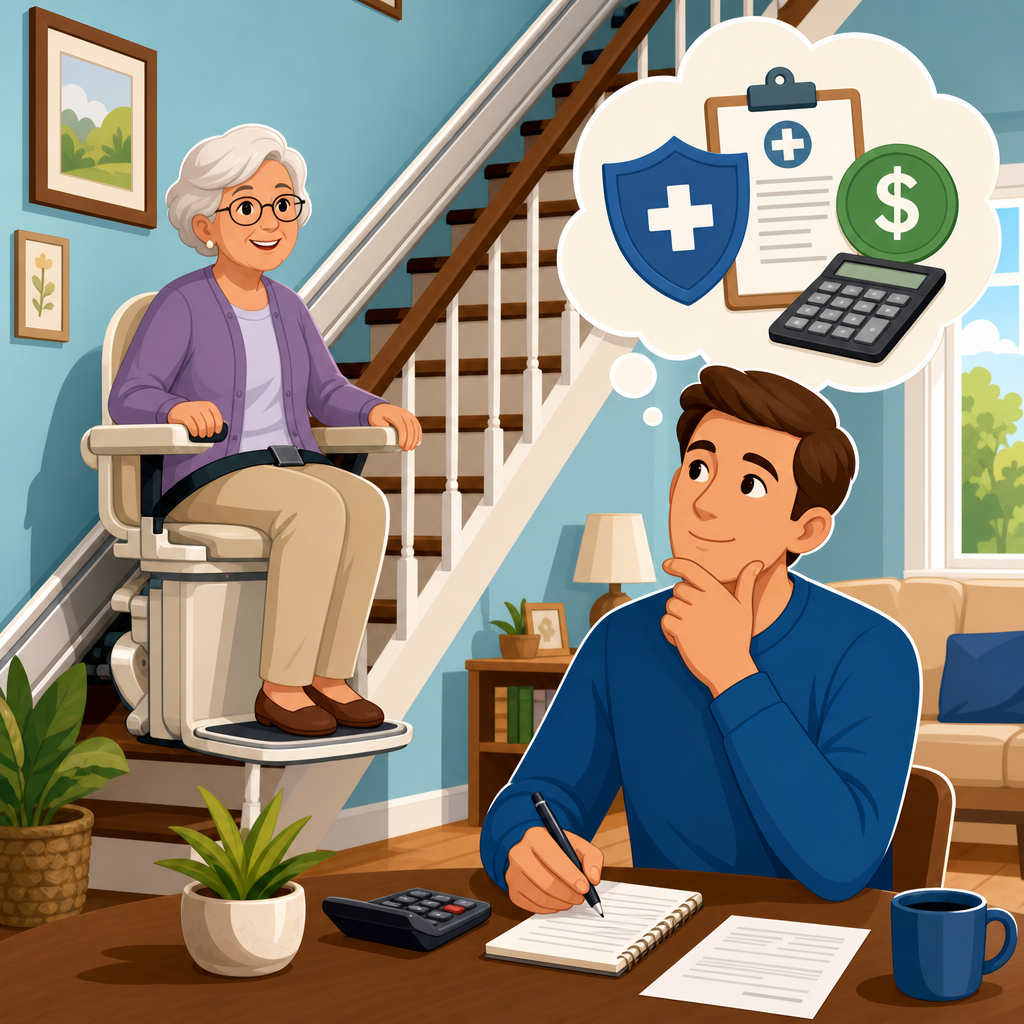
Financing also changes the real-world answer to how much do chair lifts cost. Some dealers offer monthly payment plans, rentals for short-term recovery, or refurbished straight lifts at lower prices. Medicare typically does not cover stair lifts because they are considered home modifications rather than durable medical equipment under standard Part B rules, though Medicaid waiver programs, Veterans benefits, state assistive technology programs, and long-term care insurance may help in some cases. Buyers should ask for an itemized quote, financing APR, service call rates, and battery replacement costs before signing.
The best way to control cost is to match accessories to actual need. Start with a mobility assessment, confirm the staircase measurements, and ask the dealer to identify which items are medically or structurally necessary versus elective. Then compare at least three quotes on the same functional requirements. If you are building your budget for aging in place, use this guide as your checklist and move on to detailed pages about straight lift pricing, curved lift pricing, used chair lifts, rental options, installation fees, and financing programs. That approach turns a confusing quote into a clear purchase decision.
Frequently Asked Questions
Which chair lift accessories usually add the most to the final price?
The biggest price increases usually come from accessories or upgrades that change how the lift fits the staircase, improves user support, or adds specialized convenience features. For many buyers, the most expensive “accessory” is not a small add-on at all, but a rail modification such as a folding rail, hinged rail, or custom track extension. These are often needed when the bottom of the staircase opens into a doorway, hallway, or living area and a standard rail would create a tripping hazard or block traffic. Powered versions of these features typically cost more than manual ones because they include extra motorized components and controls.
After rail-related upgrades, seating and support options can also raise the total significantly. Larger seats, heavy-duty models, upgraded upholstery, swivel seat enhancements, and power footrests are common examples. While some of these features are purchased for comfort, many are chosen because they make transfers safer and easier for users with limited leg strength, reduced balance, or joint pain. That means they can be worth the added cost, especially if they reduce the risk of falls while getting on or off the chair.
Additional call/send controls, upgraded safety sensors, outdoor weather protection packages, and battery upgrades may also increase the invoice. None of these may seem major on their own, but together they can noticeably change the final number. Buyers who are comparing quotes should ask for an itemized estimate so they can see exactly how much each accessory adds instead of evaluating price based only on the advertised starting model.
Are chair lift accessories necessary, or are they mostly optional upgrades?
Some accessories are truly optional, while others are best thought of as practical necessities based on the user’s mobility, the home layout, and safety needs. A basic chair lift may come with standard features such as a seat belt, simple controls, and a basic rail, but that does not mean the included setup is the right fit for every household. For example, if the staircase ends close to a doorway, a folding rail may be necessary to prevent the track from obstructing the path. If the user has difficulty bending, a power footrest may be far more than a convenience feature because it reduces the need to lean down and adjust the lift manually.
The same idea applies to powered swivel seats, larger seat sizes, and upgraded arm or foot supports. For one buyer, these may feel like premium extras. For another, they may be what makes the lift usable at all. A person with arthritis, limited trunk control, or a higher body weight may need certain modifications to transfer safely and ride comfortably. In that situation, skipping the upgrade to save money can create a lift that is difficult or unsafe to use.
The key is to separate cosmetic upgrades from functional ones. Upholstery color choices and certain style upgrades may be optional. Safety, fit, and transfer-related features usually deserve much closer attention. A good dealer should help explain which accessories are recommended because of health and access needs versus which ones are simply preference-based upgrades.
How do comfort and safety accessories affect the long-term value of a chair lift?
Comfort and safety accessories often increase the upfront cost, but they can improve long-term value by making the lift easier to use consistently and safely over time. If a chair lift is uncomfortable, hard to operate, or awkward to enter and exit, there is a real chance the user will avoid it or use it less confidently. In contrast, a lift with the right seat height, a swivel function, a power footrest, supportive armrests, and smooth controls is more likely to be used every day as intended.
Safety-related accessories can also reduce the chances of accidents or misuse. Obstruction sensors, improved seat belt options, lockable controls, and better transfer positioning features can be especially important in homes where the user has poor balance, slower reaction time, or cognitive challenges. These additions do not just protect the rider; they can also make caregiving easier by reducing strain during transfers and making the system more predictable to operate.
From a cost perspective, accessories that improve fit and usability may help delay the need for other mobility solutions or home changes. They can also support aging in place more effectively. While no accessory guarantees lower lifetime cost, the right upgrades may prevent expensive problems such as premature replacement, underuse, service issues caused by improper operation, or the need to replace a basic model that was not properly matched to the user’s needs in the first place.
Do outdoor chair lift accessories cost more than indoor ones?
Yes, outdoor chair lift accessories often cost more because they must withstand weather, temperature changes, moisture, sun exposure, and debris. Outdoor lifts typically require more durable materials and protective features than indoor models. This may include weather-resistant covers, sealed components, corrosion-resistant rails, marine-grade vinyl seating, and hardware designed to hold up in rain, humidity, and seasonal conditions. Even when these features are presented as “accessories,” they are often essential for reliable outdoor performance.
In addition to weather protection, outdoor users may need accessories that improve visibility, access, and storage. For example, some installations benefit from a protective cover at both the upper and lower landing, upgraded remote controls, or a parking position that keeps the chair out of direct exposure when not in use. Depending on the property, the rail length and placement may also create extra installation considerations that raise cost beyond what a comparable indoor system would require.
Maintenance and durability should also be part of the price conversation. Outdoor accessories may cost more upfront, but using the correct weather-rated components is critical. Choosing a cheaper setup that is not properly designed for exterior use can lead to faster wear, electrical issues, cosmetic damage, and more frequent service calls. For buyers comparing options, it is important to confirm whether the quote includes all outdoor protection features or whether some are being listed separately as added-cost upgrades.
What should I ask for in a quote so I understand the real final price of chair lift accessories?
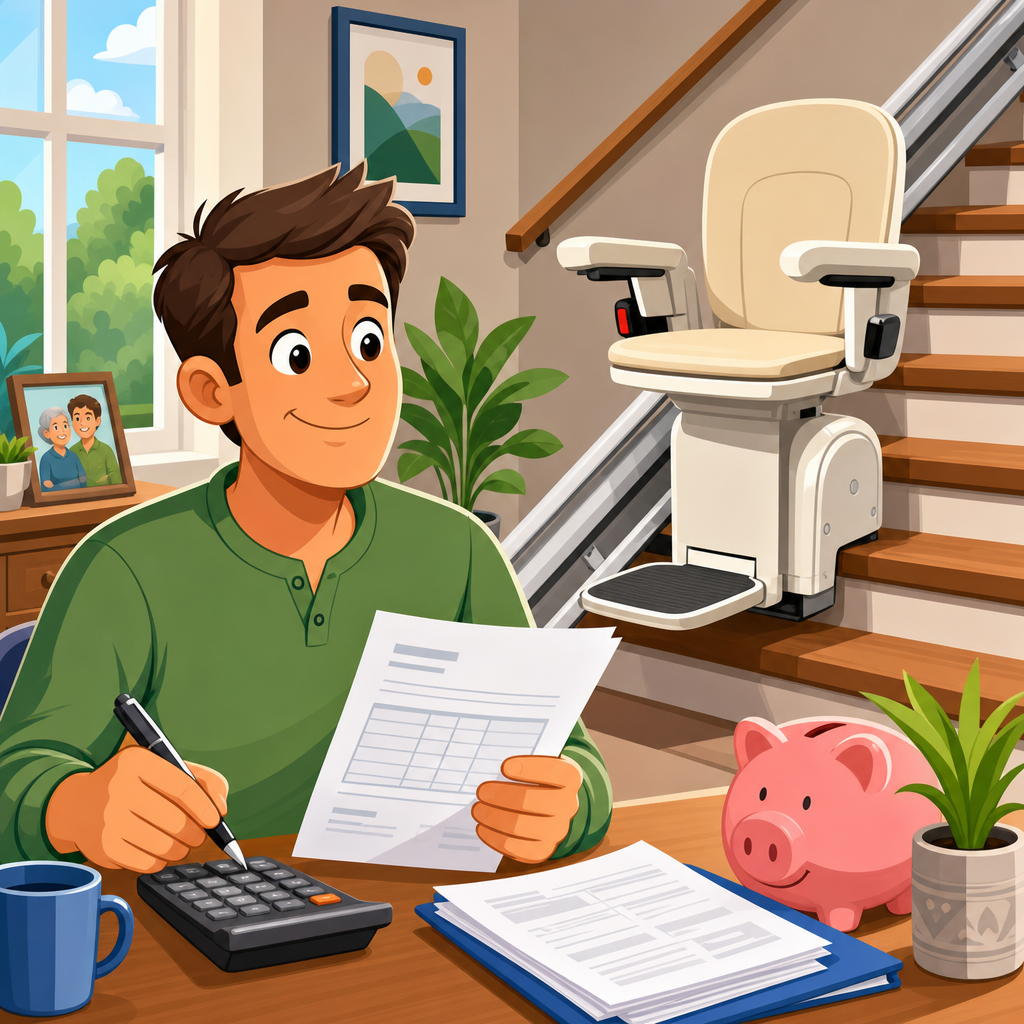
The most important step is to request a fully itemized quote that separates the base chair lift price from every accessory, installation charge, rail modification, warranty upgrade, and service-related fee. Many buyers focus on the advertised starting price, but that number may reflect only a standard straight stair lift with minimal included features. To understand the actual cost, ask the dealer to identify what is included by default and what is being added because of your staircase, the user’s mobility needs, or your convenience preferences.
Specific questions can make a big difference. Ask whether the quote includes powered features such as a power swivel seat or power footrest, or whether those are optional. Ask whether a folding or hinged rail is required for safety and whether a manual or powered version is being proposed. Confirm the number of remote controls included, whether any upgraded seat or weight-capacity options are necessary, and whether the installation price changes because of electrical work, rail length, or staircase layout. If the lift is for outdoor use, verify that all weatherproofing features are included in writing.
You should also ask about future costs tied to accessories. That includes warranty coverage, battery replacement expectations, service plans, and whether specialized add-ons require more maintenance. A clear quote should not just show the purchase price; it should help you understand the full ownership cost. When buyers ask detailed questions upfront, they are far less likely to be surprised by accessory charges that can significantly increase the final invoice.