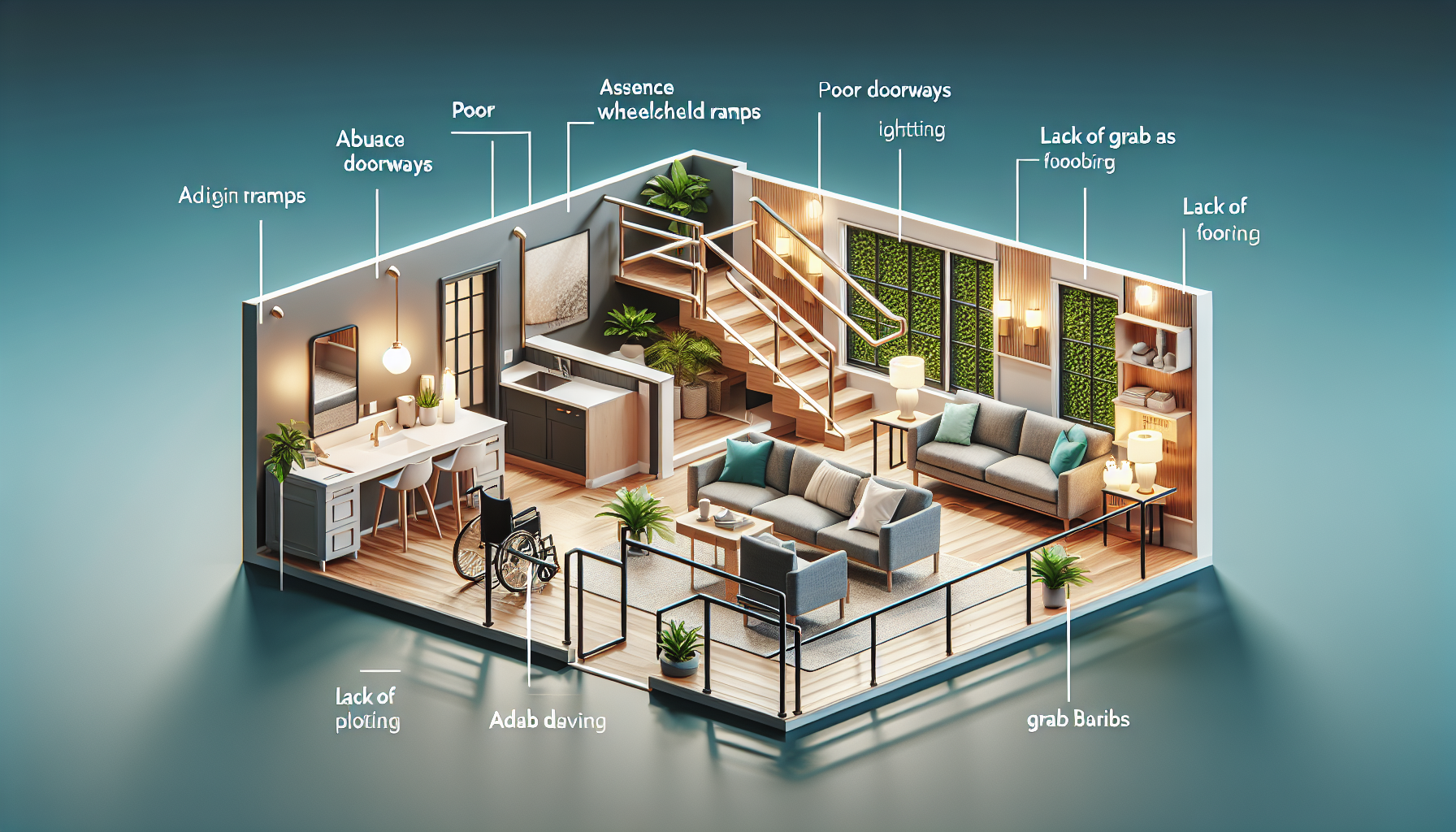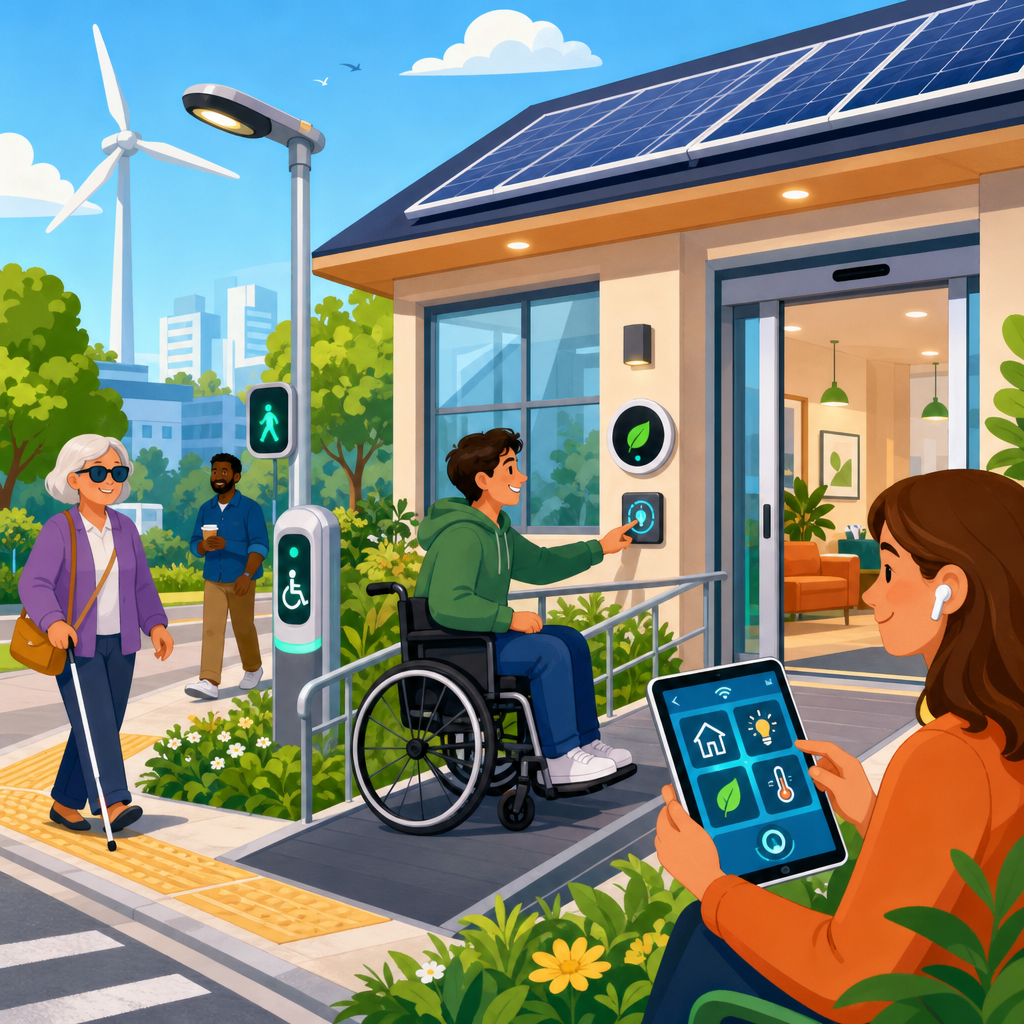
Energy-efficient smart solutions for accessibility combine connected devices, automation, and low-power design to help people move, communicate, and live more independently while keeping energy use under control. In practical terms, smart home integration means linking lighting, climate control, entry systems, sensors, appliances, and voice or app-based controls into one coordinated environment. Accessibility means those systems are usable by people with mobility, sensory, cognitive, or dexterity challenges, including older adults aging in place. I have seen the difference firsthand in homes where a single routine, such as “good morning,” opens blinds, raises lights gradually, reads the weather aloud, and adjusts room temperature without requiring a person to reach a switch or thermostat. When these features are planned well, they reduce daily friction, support safety, and lower utility bills at the same time.
This matters because accessibility upgrades are often discussed only in terms of convenience or medical need, while energy efficiency is treated as a separate retrofit category. In reality, the two goals reinforce each other. Occupancy sensors can turn lights on for safe movement, then switch them off automatically to avoid waste. Smart thermostats can maintain comfortable temperatures for people with limited heat tolerance while preventing excessive heating or cooling in empty rooms. Video doorbells and smart locks can reduce unnecessary trips to the door, which is valuable for wheelchair users or anyone with chronic pain, and they can be set to use efficient standby modes. As utility costs rise and more households support multigenerational living, integrated systems are becoming one of the most practical ways to make a home safer, more inclusive, and more affordable to operate.
For this hub page, smart home integration should be understood as the central layer that connects accessible devices into one usable system. That includes communication standards such as Matter, Thread, Zigbee, Z-Wave, Wi-Fi, and Bluetooth; control interfaces such as voice assistants, physical buttons, touch panels, and accessible mobile apps; and automation logic that responds to time, occupancy, schedules, environmental conditions, or emergency events. The key design principle is simple: the most accessible smart home is not the one with the most gadgets, but the one that removes barriers reliably, with minimal maintenance, low energy demand, and a fallback when the network fails.
What Smart Home Integration Means for Accessibility
In an accessibility context, smart home integration is the process of making separate assistive and household systems work together so the resident does not need to manage each one independently. A common example is entry. Instead of a standard lock, porch light, intercom, and hallway light all operating separately, an integrated system can unlock a door through a secure credential, switch on pathway lighting, announce the visitor on a smart speaker, and capture video for later review. For someone with limited mobility, that replaces several physical tasks with one accessible action. For someone with hearing loss, visual notifications can mirror the same event on a display or phone. For someone with low vision, the system can provide spoken status feedback.
The most effective integrations solve routine barriers in movement, control, communication, and safety. Movement includes automated doors, motorized blinds, adaptive lighting scenes, and robot vacuum scheduling that avoids obstructing mobility devices. Control includes voice commands, large-button remotes, switch interfaces, and app dashboards with high contrast and screen-reader support. Communication includes video doorbells, two-way audio, text alerts, and captioned smart displays. Safety includes fall-detection sensors, water-leak detectors, stove shutoff systems, medication reminders, and battery-backed emergency lighting. In real installations, these categories overlap. A bedside button that turns on under-bed lighting, unlocks a path to the bathroom, and lowers thermostat noise at night is both a comfort feature and an accessibility feature.
Energy efficiency enters at the architecture level. Devices that use Thread, Zigbee, or Z-Wave typically consume less power than Wi-Fi devices running on small batteries, especially for sensors that must remain active for long periods. LED smart bulbs and smart switches reduce lighting consumption, but in many homes I recommend switches or relays over dozens of always-connected bulbs because they are easier for guests and caregivers to understand and often more resilient. Similarly, local automation hubs can cut cloud dependency and improve response times, while reducing the risk that a remote service outage makes an accessibility function unavailable.
Core Systems That Deliver the Biggest Daily Impact
Lighting is usually the best starting point because it affects safety, orientation, and energy use immediately. Layered smart lighting uses occupancy sensors, daylight harvesting, scene control, and tunable white settings to improve both visibility and comfort. In hallways and bathrooms, motion-activated night lighting helps prevent falls without forcing a resident to search for a switch. In living areas, voice or button-triggered scenes can reduce glare for low-vision users. LED fixtures paired with dimmers consume far less energy than older incandescent or halogen lamps, and occupancy-based shutoff prevents lights from staying on all day in low-traffic rooms.
Climate control is the second major system. Smart thermostats from brands such as ecobee, Google Nest, and Honeywell Home can create schedules, sense occupancy, and allow remote adjustments by family members or caregivers. For accessibility, this matters because many residents have difficulty reaching traditional thermostats, reading small displays, or tolerating temperature swings due to disability or medication. Room sensors can keep a bedroom comfortable overnight without overheating the entire house. Smart ceiling fans, motorized shades, and zoning dampers extend these savings. In one retrofit, combining automated shades with a thermostat setback reduced afternoon cooling load while making the environment more comfortable for a resident sensitive to heat and bright light.
Entry, security, and communication systems often provide the most visible independence gains. Smart locks with keypad, fingerprint, or phone credentials remove the fine-motor challenge of keys. Video doorbells and door sensors let residents confirm who is outside before moving. Smart intercoms can route calls to hearing aids, phones, or visual displays. When configured carefully, these systems also avoid energy waste: porch lights can activate only when presence is detected, and interior lighting can respond to door events instead of running on broad overnight schedules.
| System | Accessibility Benefit | Energy-Efficient Strategy | Example Use Case |
|---|---|---|---|
| Smart lighting | Hands-free illumination, better contrast, safer navigation | LED lamps, occupancy shutoff, daylight-based dimming | Bathroom pathway lights activate at 10% brightness overnight |
| Smart thermostat | Remote control, easier temperature management | Scheduling, room sensors, adaptive setback | Bedroom kept stable while empty rooms drift within safe limits |
| Smart locks and doorbells | No key turning, remote verification of visitors | Event-based lighting, low-power standby devices | Door unlock triggers foyer light and spoken confirmation |
| Motorized blinds | Reduces reaching, glare control for low vision | Solar heat gain management, timed daylight use | South-facing shades close automatically on hot afternoons |
| Smart plugs and appliance control | Safer shutoff for hard-to-reach devices | Eliminates phantom loads, scheduled operation | Coffee maker powers down automatically after morning routine |
Designing for Different Accessibility Needs
Mobility-related needs usually center on reducing physical effort and avoiding unsafe transfers. Voice control can help, but it should never be the only method. I always recommend a layered interface: voice for convenience, large wall buttons for reliability, and app control for caregivers. Wheelchair users may benefit from lower-mounted controls, automatic door operators, and routines that coordinate lighting, locks, and blinds from reachable switches. Bed-bound residents often need bedside scene control, nurse-call style alerts, and environmental controls that can be triggered without lifting an arm. Energy efficiency should remain part of the design, which means selecting efficient actuators, avoiding unnecessary always-on screens, and setting devices to enter low-power states when not actively used.
For residents with visual impairments, the priorities shift to feedback, contrast, orientation, and consistency. Spoken confirmations are essential: a lock should announce whether it locked, not simply flash an inaccessible color cue. High-contrast keypads, tactile buttons, and support for screen readers in companion apps are nonnegotiable. Lighting design matters even more than smart features. Uniform illumination reduces trip hazards, while task lights and tunable color temperature improve legibility and comfort. Automated blinds and daylight sensing can reduce harsh glare that washes out surfaces. In these homes, energy savings come from controlling daylight deliberately rather than overlighting interiors all day.
For hearing impairments, visual and haptic alerts carry the system. Doorbells, alarms, appliance timers, leak detectors, and baby monitors should trigger phone vibration, flashing lights, or smartwatch notifications. Caption support on smart displays and video intercoms is increasingly useful. Residents with cognitive disabilities often benefit from simplification rather than feature expansion. Clear routines, limited control options, predictable automations, and strong labeling reduce confusion. A good system might lock doors automatically at night, provide spoken reminders, and keep pathways illuminated based on movement. The most accessible setup is not the most complex; it is the one a resident can trust every day.
Choosing Platforms, Devices, and Standards That Last
Platform selection determines whether a smart accessibility system remains dependable over time. Matter has become the most important interoperability standard because it allows compatible devices from different brands to work across major ecosystems with less lock-in. Thread offers a low-power mesh network that is particularly well suited to sensors and battery devices. Zigbee and Z-Wave remain strong choices for stable local networks, especially in larger homes with many devices. Wi-Fi still makes sense for cameras and bandwidth-heavy devices, but it is often overused for simple sensors that would run longer and more reliably on low-power protocols.
When I evaluate products for accessible homes, I look beyond features listed on the box. The critical questions are whether the device supports local control, whether automations continue during an internet outage, how easy battery replacement is, whether there is a physical override, and whether the app works with assistive technologies. Home Assistant, Samsung SmartThings, Apple Home, Amazon Alexa, and Google Home all have strengths, but none are universal winners. Apple Home tends to prioritize privacy and simple interfaces; Alexa often leads in broad device support and voice routines; Home Assistant offers the deepest customization and local control, though it demands more technical skill. The right choice depends on the resident, caregiver capacity, and the acceptable maintenance burden.
Longevity also depends on power planning and update policy. Battery sensors should be selected for multi-year life, predictable alerts, and easy access. Hardwired options are better for critical functions such as smoke alarms, cameras, and leak sensors near inaccessible locations. Devices should receive security updates from established manufacturers, and firmware should be tested cautiously in homes where accessibility functions are mission critical. A flashy feature is never worth losing a dependable door routine or emergency alert pathway.
Implementation, Maintenance, and Real-World Tradeoffs
Successful smart home integration starts with an accessibility audit, not a shopping list. Map the daily tasks that create friction: entering the home, using the bathroom at night, adjusting room temperature, answering the door, managing medications, and responding to alarms. Then identify whether the barrier is physical reach, poor visibility, limited dexterity, memory load, or safety risk. Once those barriers are clear, specify the smallest set of automations that solves them consistently. This approach prevents overbuilding and usually improves efficiency because every device has a purpose.
Installation quality matters as much as device choice. Mesh networks need proper device placement, especially in masonry homes or large floor plans. Sensors should be positioned based on actual movement patterns, not just manufacturer diagrams. Voice assistants need microphones that work from bed or wheelchair height. Smart switches should preserve intuitive manual use for visitors and emergency responders. I have corrected many systems that looked advanced on paper but failed because a motion sensor was pointed at the wrong doorway or a thermostat schedule ignored how the resident actually used the room.
There are tradeoffs. Cameras and cloud-based assistants raise privacy concerns, especially in bedrooms or care settings. Aggressive occupancy-based shutoff can frustrate users who sit still for long periods. Motorized devices save effort but add maintenance and cost. Backup power adds resilience but increases project scope. The answer is not to avoid smart accessibility systems; it is to specify them with care, document every automation, train residents and caregivers, and review performance after move-in. Start with high-impact functions, measure outcomes such as fewer nighttime falls or lower cooling runtime, and expand only when the foundation is stable.
Building an Accessible, Efficient Smart Home Strategy
Energy-efficient smart solutions for accessibility work best when smart home integration is treated as an essential layer of the home, not a collection of gadgets. The strongest systems combine low-power networking, dependable automations, accessible controls, and manual fallbacks so residents can move through daily life with less strain and more independence. Lighting, climate control, entry systems, communication tools, and safety sensors deliver the biggest gains when they are linked thoughtfully and configured around real routines. Standards such as Matter and Thread improve interoperability, while careful platform selection protects long-term usability and maintenance.
As a hub within accessibility and mobility solutions, this topic connects directly to deeper decisions about lighting design, voice control, accessible security, smart thermostats, motorized window treatments, caregiver alerts, and aging-in-place planning. The main lesson is straightforward: the best smart home for accessibility is reliable, understandable, and efficient. It supports the resident first, then adds convenience. If you are planning upgrades, begin with one high-friction daily task, choose devices with local control and accessible interfaces, and build from that foundation. A well-designed integrated system can lower bills, reduce barriers, and make independent living meaningfully easier.
Frequently Asked Questions
What are energy-efficient smart solutions for accessibility?
Energy-efficient smart solutions for accessibility are connected technologies designed to make homes, workplaces, and community spaces easier to use for people with mobility, sensory, cognitive, or dexterity-related challenges, while also reducing unnecessary energy consumption. In practice, this usually means integrating devices such as smart lighting, automated door locks, voice assistants, motorized blinds, occupancy sensors, thermostats, video doorbells, appliance controls, and emergency alert systems into one coordinated setup. The accessibility benefit comes from making everyday tasks simpler, safer, and more independent. For example, someone with limited mobility may be able to unlock a door, turn on lights, adjust room temperature, or call for help using a voice command, a large-button wall panel, or an app. The energy-efficiency benefit comes from features such as LED lighting, scheduling, motion-based activation, automatic shutoff, adaptive climate control, and low-power devices that only use energy when needed. Rather than treating accessibility and sustainability as separate goals, these systems combine them so that convenience, independence, and responsible energy use work together.
How can a smart home improve accessibility without increasing energy bills?
A well-designed smart home can improve accessibility and lower energy waste at the same time because automation reduces the need to keep systems running continuously. Instead of leaving lights on for safety or ease of movement, motion sensors and smart bulbs can illuminate hallways, bathrooms, and entrances only when someone is present. Smart thermostats can learn daily routines, maintain comfortable temperatures for people who are sensitive to heat or cold, and reduce heating or cooling in unused rooms. Voice control and app-based management also help users operate devices without physically reaching switches, lifting blinds, or adjusting hard-to-use controls, which is especially helpful for people with limited dexterity or strength. Entry systems can be set up so doors unlock remotely or through secure credentials, preventing the need for physically demanding keys while avoiding energy loss from doors being left open. Even appliances and charging stations can be placed on schedules or turned off automatically when not in use. The key is thoughtful integration: selecting low-energy hardware, creating routines that match real needs, and using sensors, timers, and zone-based control so the system supports independence without wasting power.
Which smart devices are most useful for people with accessibility needs?
The most useful smart devices depend on the individual, but several categories consistently provide strong accessibility and energy-saving benefits. Smart lighting is one of the most effective starting points because it can be controlled by voice, app, motion, or preset scenes, making spaces easier to navigate while using efficient LED technology. Smart thermostats and zoned climate systems are also valuable because they help maintain comfort automatically, which can be important for people with medical conditions, reduced mobility, or sensory sensitivities, and they do so with more precise energy use than traditional systems. Smart locks, video doorbells, and automated door openers improve access and security, especially for users who find manual locks, keys, or quick movement to the door difficult. Voice assistants and centralized control hubs can unify multiple systems into one easy interface, reducing the need to manage separate devices. For safety and daily support, occupancy sensors, fall-detection tools, leak detectors, stove monitors, and emergency notification systems can add another layer of protection. Window shades, bed controls, medication reminders, and accessible appliance controls can further support independent living. The best setup is usually the one that combines simple operation, reliable performance, compatibility across devices, and low standby power consumption.
What should be considered when designing an accessible and energy-efficient smart environment?
Designing an accessible and energy-efficient smart environment requires more than just buying connected devices. The first priority is usability. Controls should match the user’s needs, which may mean voice commands for someone with limited mobility, visual alerts for someone who is deaf or hard of hearing, audio feedback for someone with low vision, or simplified interfaces for someone with cognitive challenges. It is also important to provide multiple ways to control the same system, such as voice, app, wall switch, remote, and automation, so the environment remains usable in different situations. Reliability matters just as much as convenience, so devices should work consistently, integrate well with one another, and include backup options in case of internet outages or power interruptions. From an energy perspective, designers should prioritize efficient devices such as LED lighting, ENERGY STAR appliances, low-power sensors, and smart thermostats with room-based control. Automation rules should be practical and user-centered, not overly complicated. For example, lights should stay on long enough for safe movement, but not remain on for hours unnecessarily. Privacy and security should also be addressed through secure networks, strong passwords, regular updates, and careful data-sharing settings. The most successful environments are personalized, easy to maintain, and built to support independence over the long term.
Are energy-efficient smart accessibility upgrades worth the investment?
For many households and facilities, energy-efficient smart accessibility upgrades are well worth the investment because they deliver value in several areas at once: independence, safety, comfort, convenience, and operating cost control. Upfront costs can vary depending on whether the project includes a few entry-level devices or a fully integrated system, but the long-term benefits are often significant. A person who can control lights, locks, climate settings, and communication tools more easily may be able to live more independently and with less day-to-day assistance. That can improve quality of life while also reducing caregiver burden. At the same time, efficient lighting, automated temperature control, occupancy-based operation, and smart energy monitoring can help reduce electricity and heating or cooling waste. There are also less obvious savings tied to risk reduction, such as alerts for water leaks, appliances left on, doors left unlocked, or unusual inactivity. In some cases, rebates, tax incentives, utility programs, or accessibility-related funding may help offset installation costs. The best way to judge return on investment is to look beyond utility savings alone and consider how strongly the upgrades support daily function, reduce barriers, and create a safer, more manageable environment over time.