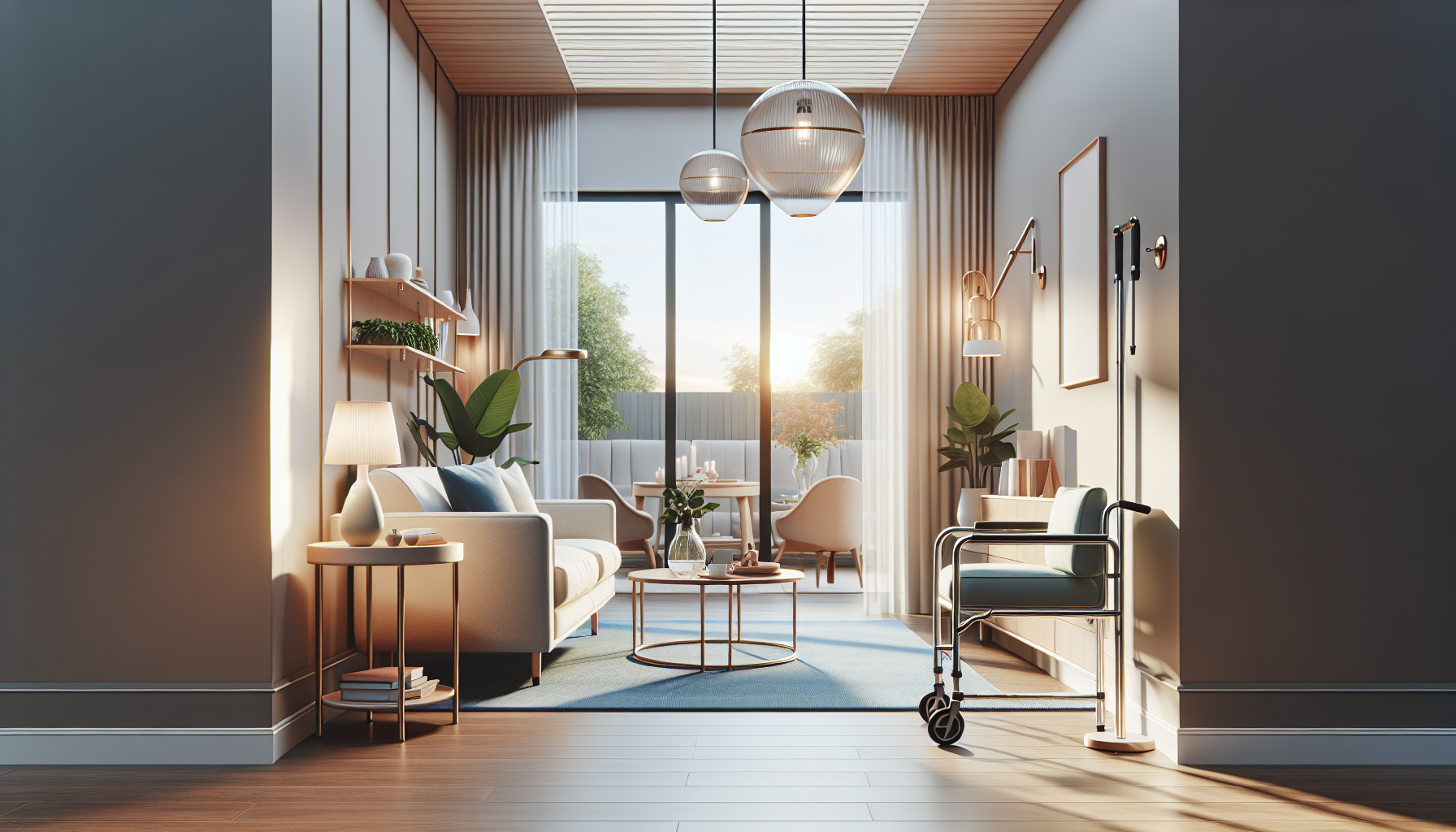
Home design tips for seniors staying independent start with a simple goal: make daily life safer, easier, and more comfortable without making a home feel institutional. Aging in place means remaining in one’s own home and community as needs change over time, instead of moving to assisted living or a nursing facility. In practice, that requires thoughtful design, smart product choices, and a plan for mobility, vision, hearing, memory, and endurance changes that often come with age. I have worked with families retrofitting longtime homes after falls, hospital discharges, and new arthritis or balance diagnoses, and the same lesson appears every time: small design decisions made early prevent expensive emergencies later.
For most older adults, independence is tied directly to the home environment. The Centers for Disease Control and Prevention has long reported that falls are a leading cause of injury among older adults, and many of those incidents happen in bathrooms, on stairs, at thresholds, or in poorly lit pathways. A well-designed home reduces those risks while supporting routine tasks such as cooking, bathing, dressing, taking medication, and welcoming visitors. Good aging in place strategies also preserve dignity. A lever handle is easier to use than a round knob when hands are stiff, but it does not signal disability. A curbless shower improves wheelchair access, but it also looks modern and simplifies cleaning.
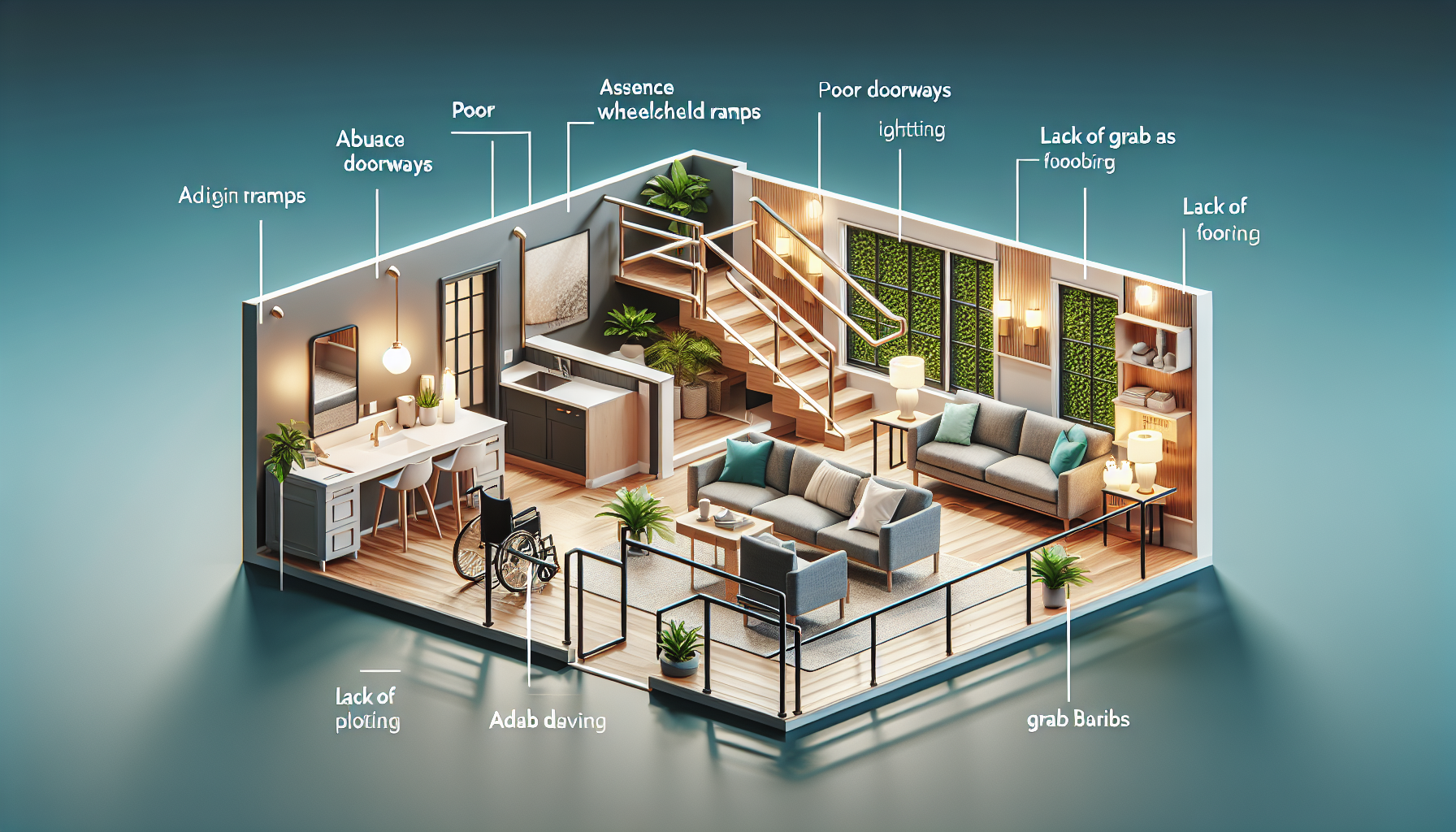
This hub article covers the core principles families should understand before making updates. The best home design for seniors focuses on universal design, a method that creates spaces usable by the widest range of people without special adaptation. It also depends on accessibility, meaning a person can enter, move through, and use each space safely, and visitability, meaning guests with mobility limitations can access essential areas. These ideas shape room-by-room improvements, from no-step entries and wider doorways to layered lighting and better flooring. As a hub within Accessibility & Mobility Solutions, this guide connects the major aging in place strategies so readers can evaluate current risks, prioritize improvements, and build a long-term plan that supports independent living.
Start with a whole-home safety and mobility assessment
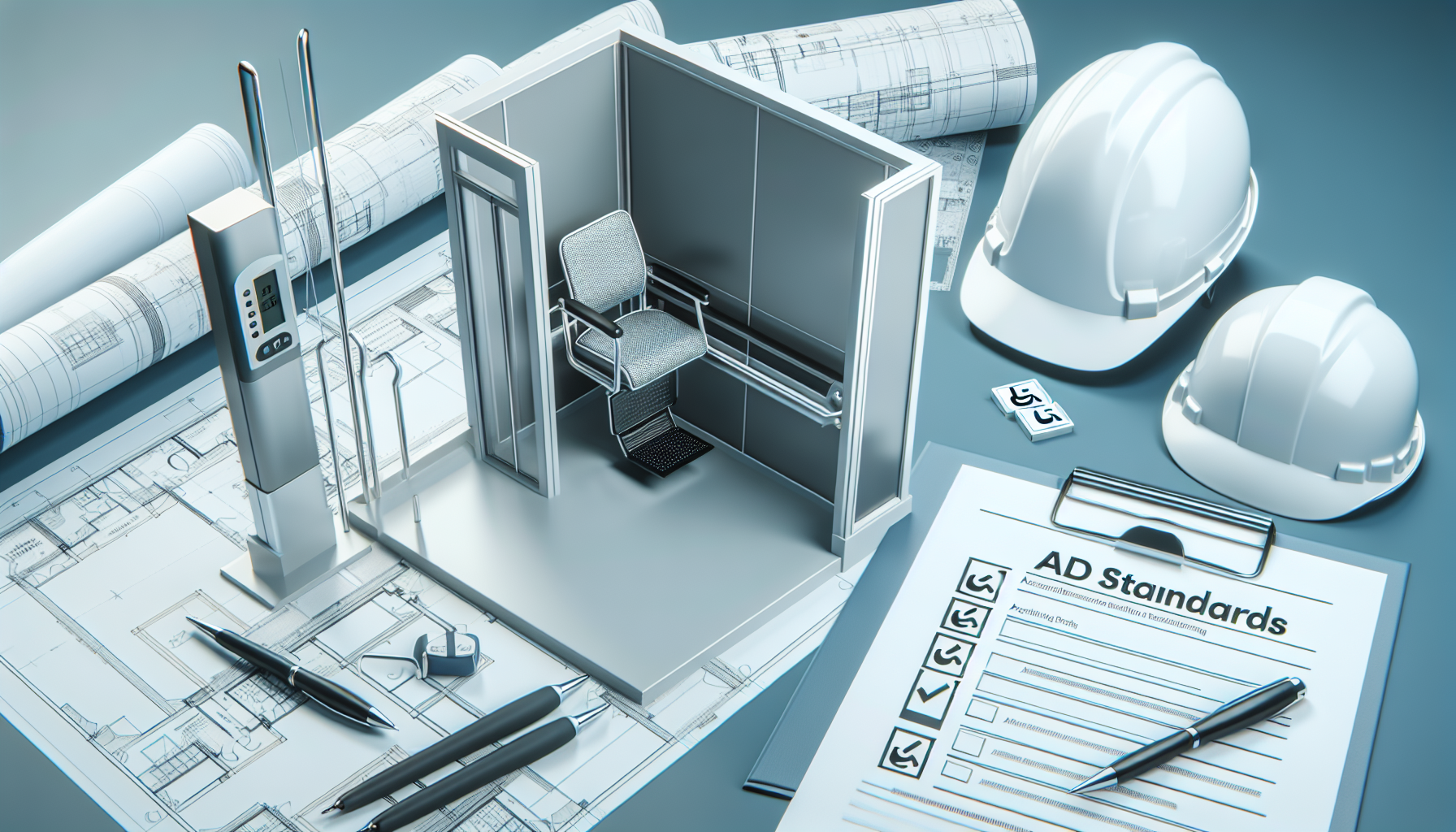
The most effective aging in place plan begins with assessment, not shopping. Before anyone buys grab bars or a stairlift, walk through the property and document obstacles in entryways, circulation paths, bathrooms, kitchens, bedrooms, and outdoor areas. I usually recommend evaluating five categories: fall hazards, task difficulty, emergency response, future mobility needs, and caregiver access. A home may work for a healthy seventy-year-old today but fail quickly after a knee replacement, stroke, or reduced vision. That is why the assessment should consider both current function and likely future changes.
Occupational therapists are especially valuable during this stage because they assess how a person performs activities of daily living in the actual home. Certified aging-in-place specialists, licensed contractors, and physical therapists can then translate those needs into construction or equipment recommendations. Common findings include loose rugs, poor stair railings, narrow bathroom clearances, deep tubs, and storage placed too high or too low. It is also important to review medication routines, sleep patterns, and bathroom frequency, because those habits affect where lighting, seating, and support features should go. A written plan keeps the project focused and prevents costly cosmetic upgrades that do not improve independence.
Improve entrances, pathways, and movement through the home
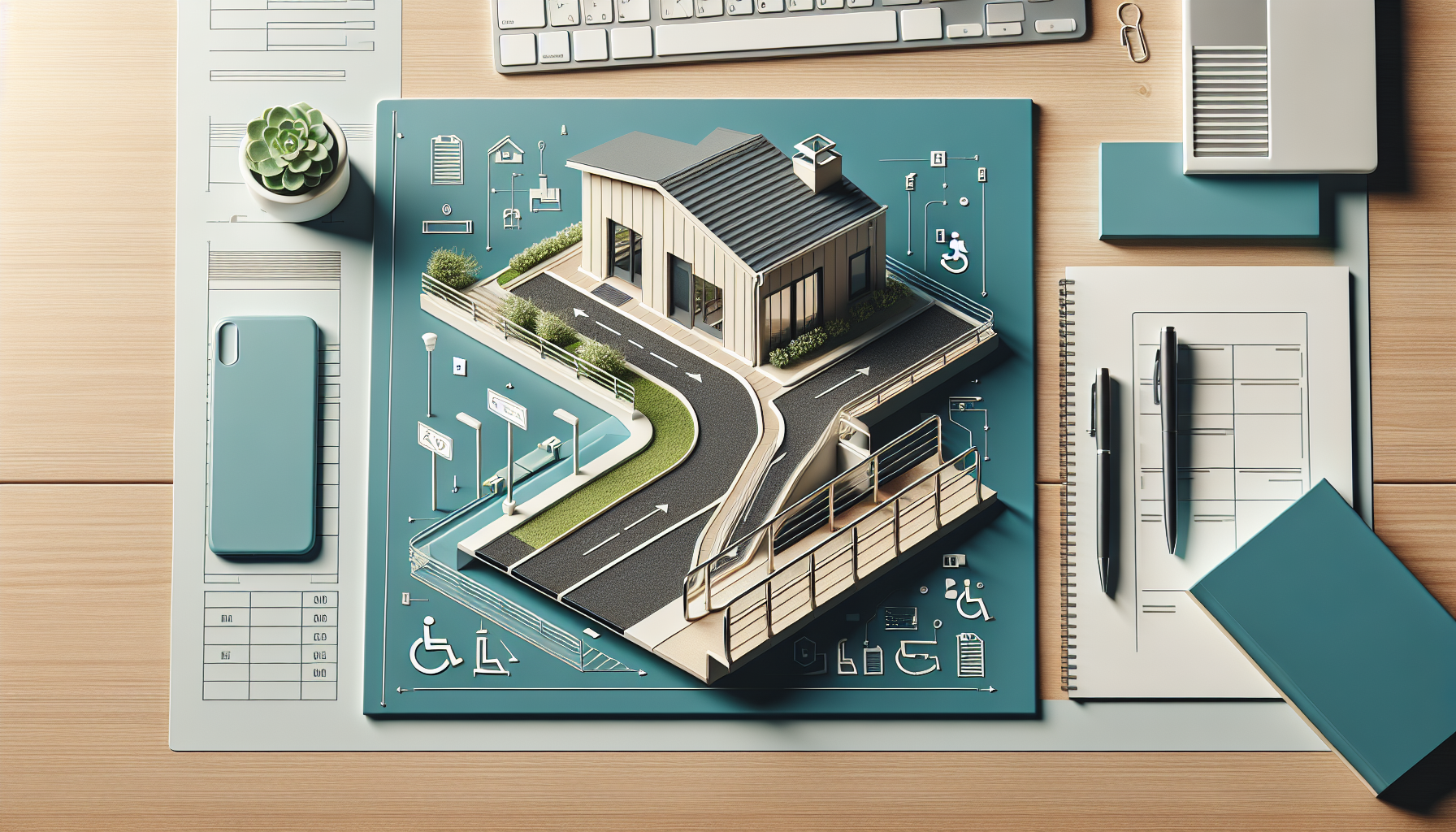
Independence starts at the front door. A senior who cannot manage steps, heavy doors, or uneven walkways is effectively trapped at home. The ideal entry has at least one no-step route from driveway or sidewalk to the main door, a stable surface such as brushed concrete or textured pavers, bright lighting, and clear address numbers for emergency services. If a full ramp is needed, slope matters. The Americans with Disabilities Act guideline of 1:12 is a useful benchmark in residential planning, meaning one inch of rise requires twelve inches of run, though site constraints sometimes require customized solutions approved by local professionals.
Doorways and hallways deserve equal attention. Standard interior doors in older homes may be too narrow for walkers or wheelchairs, so widening key openings to thirty-six inches can prevent future renovation under pressure. Pocket doors and barn-style doors can improve clearance where swing doors block movement, but privacy, latch style, and ease of use need review. Inside the home, remove thresholds where possible, secure transitions between flooring materials, and preserve turning space in major rooms. Stairways should have secure handrails on both sides, consistent riser heights, non-slip tread surfaces, and bright top-and-bottom lighting. If stairs are unavoidable and the home has multiple levels, plan early for a first-floor bedroom option or a stairlift assessment.
Make the bathroom the top priority for aging in place
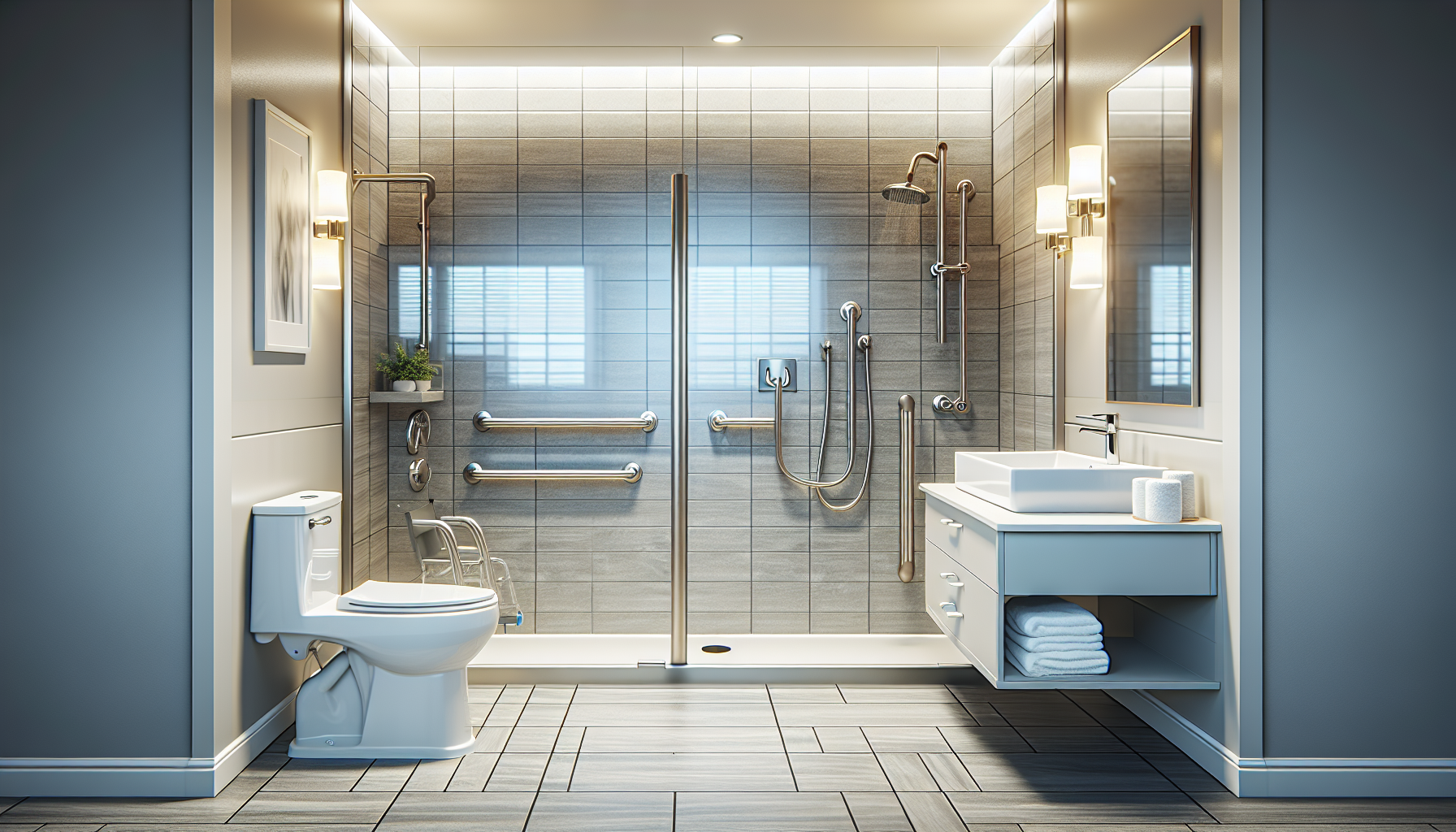
Bathrooms are where many families start, and for good reason. Wet surfaces, tight clearances, and frequent transfers create a high-risk environment. The best senior-friendly bathroom design emphasizes stability, ease of transfer, and low maintenance. A curbless shower with slip-resistant tile, a handheld showerhead on a slide bar, pressure-balanced valves, and a built-in bench provides the broadest usability. Grab bars should be anchored to blocking or structural support, not suction-mounted. In real projects, I often specify bars at shower entry, near controls, and beside the toilet because those are the places where balance fails during routine movement.
Toilet height matters more than many people expect. Comfort-height toilets, typically around seventeen to nineteen inches from floor to seat, reduce strain on knees and hips. Sinks should allow knee clearance where wheelchair use is possible, while single-lever or touchless faucets help users with arthritis. Lighting should minimize shadows at the mirror, and anti-scald protection is essential because reaction time and skin sensitivity can change with age. Storage should keep everyday items between knee and shoulder height. If a full remodel is not possible, immediate improvements can still make a major difference: install true grab bars, add a raised toilet seat if appropriate, improve task lighting, replace a slippery bathmat with secured non-slip flooring, and use a transfer bench until a shower conversion is feasible.
| Area | High-impact upgrade | Why it supports independence |
|---|---|---|
| Entry | No-step access and motion lighting | Reduces fall risk and makes leaving home easier in all weather |
| Hallways | Wider doorways and flush thresholds | Improves walker and wheelchair movement without assistance |
| Bathroom | Curbless shower, grab bars, comfort-height toilet | Makes bathing and toileting safer, two of the most common daily challenges |
| Kitchen | Pull-out shelves, lever faucets, varied counter heights | Supports cooking and cleanup with less bending, reaching, and strain |
| Bedroom | Clear bed access, layered lighting, reachable outlets | Helps with nighttime mobility, dressing, and emergency response |
Design a kitchen that reduces strain and supports daily routines
A kitchen that works for aging in place allows safe meal preparation even when strength, balance, or memory changes. Start with layout. The path between refrigerator, sink, and cooktop should be efficient and uncluttered, with enough room for a walker or seated user to turn. Pull-out shelves, full-extension drawers, D-shaped pulls, and lazy Susans reduce the need to kneel or reach deep into cabinets. I have seen older homeowners regain confidence in cooking simply by replacing lower cabinets with drawers and relocating heavy cookware to waist height.
Appliance choice matters. Side-opening wall ovens, induction cooktops, French-door refrigerators, and microwaves installed at accessible heights are easier and safer to use than traditional configurations. Induction is especially valuable because the surface stays cooler than gas or standard electric after cookware is removed, reducing burn risk. Countertops should include at least one seated work area, typically around thirty inches high, while standing prep areas may stay higher. Good lighting is critical over counters, sink, and stove; under-cabinet LEDs are one of the simplest high-value upgrades in any aging in place kitchen. Flooring should be matte and slip resistant, not glossy. If memory issues are emerging, clear labeling, medication storage separation, and automatic stove shutoff devices can provide another layer of protection.
Create safer bedrooms, lighting plans, and everyday controls
The bedroom should support rest, dressing, and quick orientation at night. The bed needs clear access on both sides if transfers or caregiver help may be needed. Bed height should allow the user’s feet to rest flat on the floor when seated on the mattress edge; too high increases fall risk, too low makes standing difficult. Place a stable nightstand within easy reach for glasses, phone, water, and medications that must be taken at specific times. Closets work better with adjustable rods, slide-out baskets, and open shelving that keeps daily clothing visible and reachable.
Lighting is one of the most overlooked aging in place strategies. Older eyes often need more illumination and more contrast, yet glare can be debilitating. The best plan uses layers: ambient overhead light, task lighting where work happens, and night lighting that guides movement to the bathroom. Motion-sensor lights under the bed, in hallways, and inside bathrooms are practical upgrades I regularly recommend because they reduce disorientation during nighttime trips. Switches should be placed at accessible heights near room entries and bedsides, and rocker switches are easier than small toggles. Smart home tools can help when chosen carefully: voice assistants can control lights, locks, and reminders, but the setup must be simple, reliable, and backed by manual controls in case internet service fails.
Choose materials, technology, and support features that age well
The best materials for senior-friendly home design are durable, low-glare, easy to clean, and stable underfoot. Luxury vinyl plank, cork, low-pile carpet tiles, and matte-finish porcelain can all work when transitions are smooth and slip resistance is verified. Highly polished stone, thick plush carpet, and uneven decorative pavers tend to create more problems than benefits. Hardware should be easy to grip, windows easy to open, and furniture arranged to preserve clear pathways. Every room should allow at least one stable place to sit when fatigue becomes an issue.
Technology can extend independence, but only when it solves a real problem. Video doorbells, smart locks, medication dispensers, fall detection wearables, stove shutoff sensors, and monitored security systems can all reduce risk. However, technology should never substitute for basic design improvements. A fall alert pendant is useful, but preventing the fall with better lighting and flooring is better. Funding also deserves realistic discussion. Medicare does not typically cover most home modifications, though some Medicare Advantage plans, Medicaid waiver programs, Veterans Affairs benefits, state assistive technology programs, and local nonprofit grants may help. The smartest approach is phased planning: handle urgent hazards first, then complete adaptable upgrades that support the next ten to fifteen years. Walk through your home this week, identify the top three barriers to safe daily living, and start building an aging in place plan that protects independence for the long term.
Frequently Asked Questions
What are the most important home design changes for seniors who want to stay independent?
The most important home design changes are the ones that reduce fall risk, improve ease of movement, and make everyday tasks less physically demanding. In most homes, that starts with lighting, flooring, bathrooms, entryways, and kitchen function. Bright, even lighting is essential because aging eyes often need more illumination and have a harder time adjusting to shadows and glare. Add lighting in hallways, stairways, bathrooms, closets, and entrances, and use easy-to-reach switches, rocker switches, or motion-activated fixtures whenever possible.
Flooring matters just as much. Smooth, slip-resistant surfaces are usually safer than thick carpet, loose rugs, or uneven transitions between rooms. Remove tripping hazards such as cords and unsecured mats, and make sure walkways are wide and clear. In bathrooms, install grab bars at the toilet and in the shower, use a handheld showerhead, consider a curbless or low-threshold shower, and add a non-slip floor surface. Bathrooms are one of the highest-risk areas in the home, so improvements here often provide the biggest safety payoff.
At entrances, a no-step entry or a gently graded walkway can make a home easier to navigate now and much more practical later if a cane, walker, or wheelchair becomes necessary. Lever-style door handles are easier to use than round knobs, especially for people with arthritis or reduced hand strength. In the kitchen, focus on accessibility and reduced strain. Frequently used items should be stored between shoulder and hip height, countertops should offer good task lighting, and appliances should be chosen for ease of use and safety. Small changes like pull-out shelves, drawer storage, and D-shaped cabinet pulls can make a major difference in day-to-day independence.
Overall, the best improvements are not necessarily dramatic remodels. They are the changes that quietly support safer movement, reduce physical effort, and help a person continue using their home confidently for years to come.
How can a home be made safer without looking like a hospital or care facility?
This is one of the most common concerns, and it is absolutely possible to make a home safer without making it feel clinical. Good senior-friendly design should blend safety with comfort, warmth, and personal style. The key is to choose products and layouts that are both functional and visually integrated into the home. For example, modern grab bars now come in finishes and styles that look like upscale bathroom accessories rather than medical equipment. They can match faucets, towel bars, and shower trim so the room still feels attractive and intentional.
Lighting can also be improved in a subtle way. Instead of relying on harsh overhead fixtures, use layered lighting with ceiling lights, sconces, under-cabinet lighting, and motion-sensor night lights. This creates a welcoming atmosphere while still improving visibility. Flooring updates can also feel stylish rather than medical. Slip-resistant luxury vinyl, matte tile, and low-pile carpet tiles can offer safety and durability while maintaining a residential look.
Furniture selection plays a big role as well. Chairs with supportive arms and proper seat height can look elegant and residential while making it easier to sit down and stand up. Tables with rounded edges reduce injury risk without drawing attention to the safety feature. Wider pathways and less clutter improve mobility but also make a home feel calmer and more organized. Smart technology is another excellent option because it often adds convenience without changing the visual character of a room. Video doorbells, voice-controlled lighting, automatic locks, stove shutoff devices, and reminder systems can all support independence discreetly.
The goal is universal design, not institutional design. A well-designed senior-friendly home should feel comfortable, personal, and beautiful while quietly supporting changing needs behind the scenes.
Which rooms should be prioritized first when planning aging-in-place updates?
If the budget or timeline requires prioritizing, start with the areas that present the highest safety risk and the greatest impact on daily living. For most people, that means the bathroom, the main entrance, the bedroom, and the kitchen. The bathroom usually comes first because it combines water, hard surfaces, tight turning spaces, and frequent transfers in and out of showers and around the toilet. A safer bathroom can include grab bars, better lighting, a comfort-height toilet, a shower seat, a handheld showerhead, and a low- or no-threshold shower entry. These changes can significantly reduce the likelihood of falls and improve confidence.
The main entrance should be addressed early because getting in and out of the home safely is critical for everyday independence, emergency access, and social connection. Uneven steps, poor lighting, narrow doorways, and lack of railings can all become barriers over time. A secure handrail, brighter exterior lighting, slip-resistant walking surfaces, and a zero-step or low-step entry can make a major difference. If packages, groceries, or mobility devices are part of daily life, entry design becomes even more important.
The bedroom deserves attention because it should support rest, nighttime safety, and easy dressing. Clear paths from the bed to the bathroom, accessible lamp controls, stable flooring, and enough room for a walker if needed are all worthwhile improvements. The kitchen is another priority because it is used constantly and can create strain through bending, reaching, lifting, and standing for long periods. Reorganizing storage, improving lighting, selecting easier-to-use hardware, and reducing clutter can immediately make the kitchen more usable.
After those spaces, hallways, stairs, laundry areas, and living spaces should be reviewed. The right order depends on the person’s specific health, mobility, and routines, but in general, focus first on safety-critical spaces and areas used every single day.
What design features help with common age-related changes like reduced vision, mobility, hearing, or memory?
Aging in place works best when the home supports a range of changing abilities rather than solving only one issue. For reduced vision, prioritize brighter and more even lighting, strong color contrast, and low-glare finishes. It helps when stair edges, switches, countertops, and bathroom fixtures are easy to distinguish from surrounding surfaces. Large-print labels, illuminated controls, and simple, uncluttered room layouts also improve usability. Window coverings should manage glare without making rooms too dark.
For mobility changes, think about smooth movement and reduced physical effort. Wider doorways and hallways, minimal thresholds, stable seating, lever handles, pull-out shelves, and reachable storage all make the home easier to use. If stairs are present, sturdy handrails on both sides and strong lighting are especially important. In some homes, a first-floor bedroom and full bathroom become an important long-term strategy. Even if someone does not need those features today, planning for them can prevent a future crisis.
For hearing changes, visual cues become more valuable. Doorbells, smoke alarms, phones, and security systems can be chosen with flashing-light notifications or smartphone alerts. Soft furnishings such as rugs, curtains, and upholstered furniture can improve sound quality by reducing echo, making conversations easier to follow. In open-concept spaces, this is often overlooked but very helpful.
For memory and cognitive changes, simplicity and consistency matter. Clear organization, labeled storage, visible calendars, reminder systems, and easy-to-use appliances can reduce confusion. Good design also removes unnecessary complexity. For example, clearly defined zones for keys, medications, mail, and daily-use items make routines easier to maintain. Automatic shutoff features for stoves or faucets can add another layer of protection. The most effective homes are designed to be intuitive, so the person does not have to work as hard to navigate or manage everyday tasks.
Is it better to remodel all at once or make gradual home updates over time?
In many cases, gradual updates are the most practical approach, but the right answer depends on health needs, budget, and the condition of the home. A phased plan often works well because it allows homeowners to address immediate safety concerns first and spread out costs over time. For example, someone might begin by improving lighting, removing trip hazards, adding grab bars, and reorganizing storage. Later phases might include replacing the tub with a walk-in shower, widening doorways, modifying the kitchen, or creating a first-floor living setup.
That said, there are times when a more comprehensive remodel is the smarter long-term decision. If multiple areas of the home already need work, or if mobility changes are progressing quickly, doing a coordinated renovation can be more efficient and less disruptive than repeated small projects. It also gives you the chance to create a consistent plan rather than making disconnected changes one at a time. A whole-home assessment can help identify what is needed now, what may be needed later, and which improvements should be completed together for best results.
The most effective strategy is to think in stages: immediate, near-term, and future-ready. Immediate changes address current safety and accessibility issues. Near-term upgrades improve function over the next few years. Future-ready planning considers what may be needed if strength, balance, endurance, or cognition change further. This approach helps avoid costly redo work. For example, if a bathroom is being remodeled now, it may make sense to reinforce the walls for future grab bars even if those bars are not installed yet.
Whether the updates happen all at once or over time, the goal should be the same: create a home that supports independence, dignity, and comfort while reducing avoidable risks. Thoughtful planning