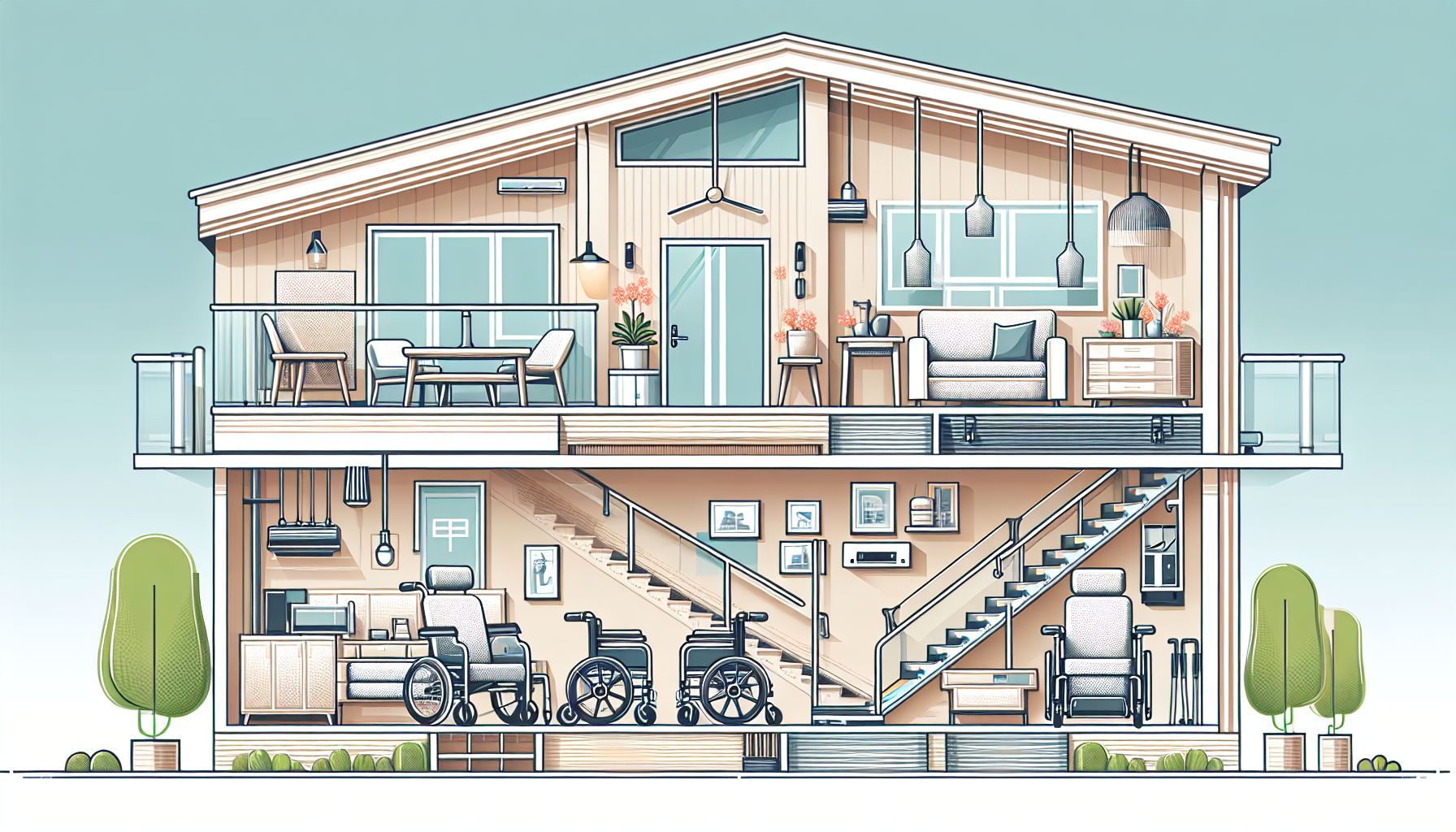
Top aging-in-place modifications for multi-level homes focus on preserving safety, independence, and comfort as mobility, balance, vision, and strength change over time. Aging in place means remaining in your own home instead of relocating to assisted living or a single-level property, while home modifications are physical changes that reduce barriers and lower daily effort. In multi-level homes, that goal is more complex because stairs, split entries, narrow bathrooms, and bedrooms on upper floors create risks that do not exist in ranch houses or condos.
I have worked with homeowners, occupational therapists, contractors, and accessibility product suppliers on renovation plans for two-story houses, split-level homes, and townhomes, and the same pattern appears repeatedly: families wait too long. They often start thinking about accessibility only after a fall, surgery, or diagnosis such as arthritis, Parkinson’s disease, neuropathy, or mild cognitive impairment. By then, rushed decisions limit options and increase cost. Planning early gives homeowners time to phase improvements, compare products, and protect resale value while making the house easier to use right now.
Why does this matter so much? Falls remain one of the biggest threats to older adults living independently. According to the Centers for Disease Control and Prevention, millions of older adults fall each year, and stairs, bathrooms, poor lighting, and cluttered pathways are common contributors. Multi-level homes multiply those hazards because daily life requires vertical movement. A person may be able to manage stairs in the morning and struggle by evening due to pain, fatigue, medication effects, or low light. Good aging-in-place design anticipates variability, not just best-case performance.
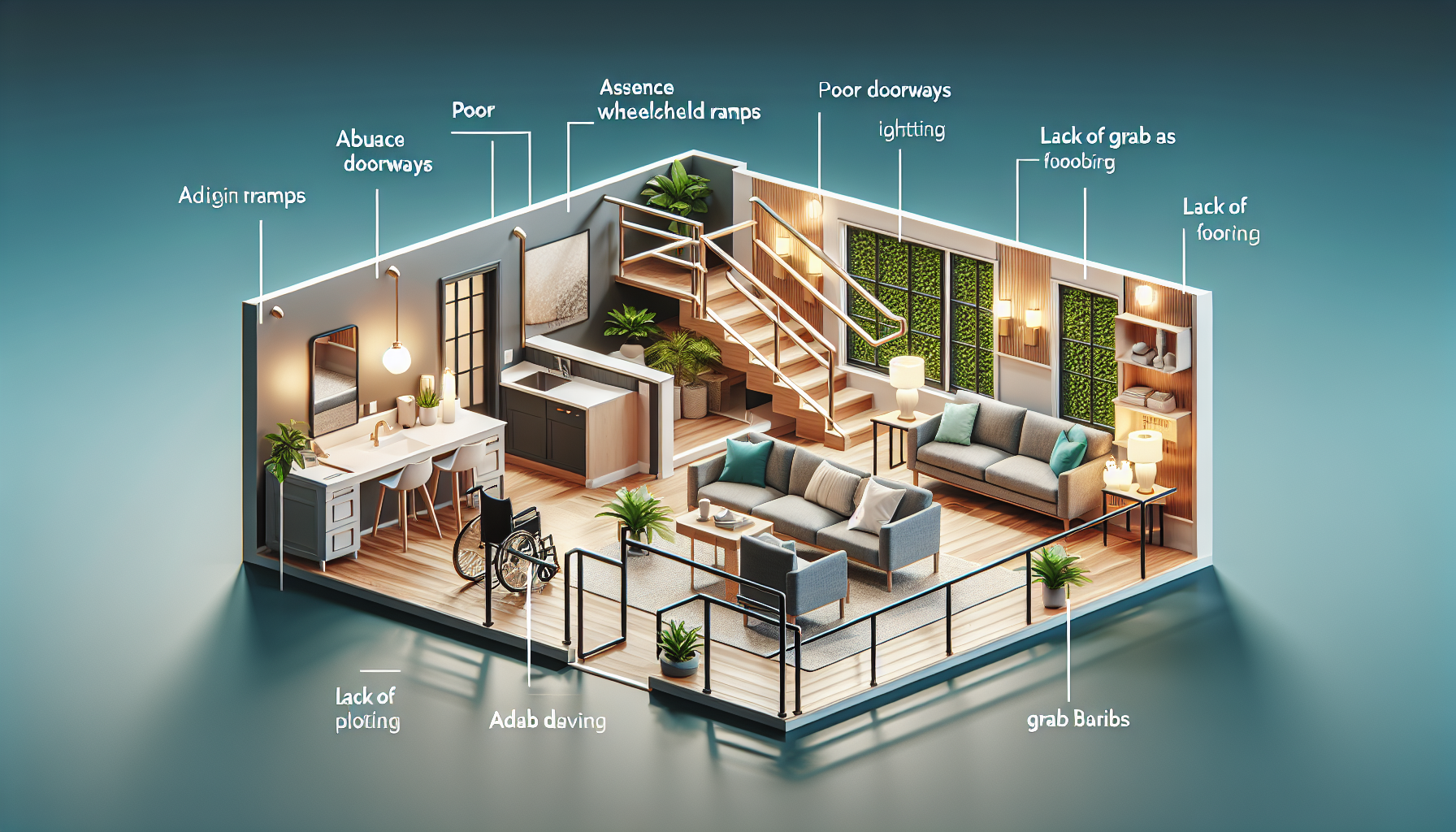
This hub article covers the core aging in place strategies homeowners should understand before modifying a multi-level house. It addresses circulation, stair safety, bathroom access, bedroom placement, lighting, flooring, entrances, smart home controls, and budgeting. It also connects the larger decision framework: whether to adapt the current floor plan, create first-floor living, or add equipment that bridges levels. The most effective aging in place modifications for multi-level homes are not random upgrades. They are part of a coordinated plan that matches health needs, home layout, caregiver support, and budget.
Start with a whole-home accessibility assessment
The best first step is a room-by-room assessment led by an occupational therapist, certified aging-in-place specialist, accessible design professional, or contractor experienced in barrier-free remodeling. In practice, I look at five things first: how the homeowner enters the house, how they move between levels, where they bathe, where they sleep, and what they can reach without bending or climbing. That review usually reveals both immediate hazards and long-term bottlenecks. A steep front walk may matter more than a stylish walk-in shower if emergency access is poor.
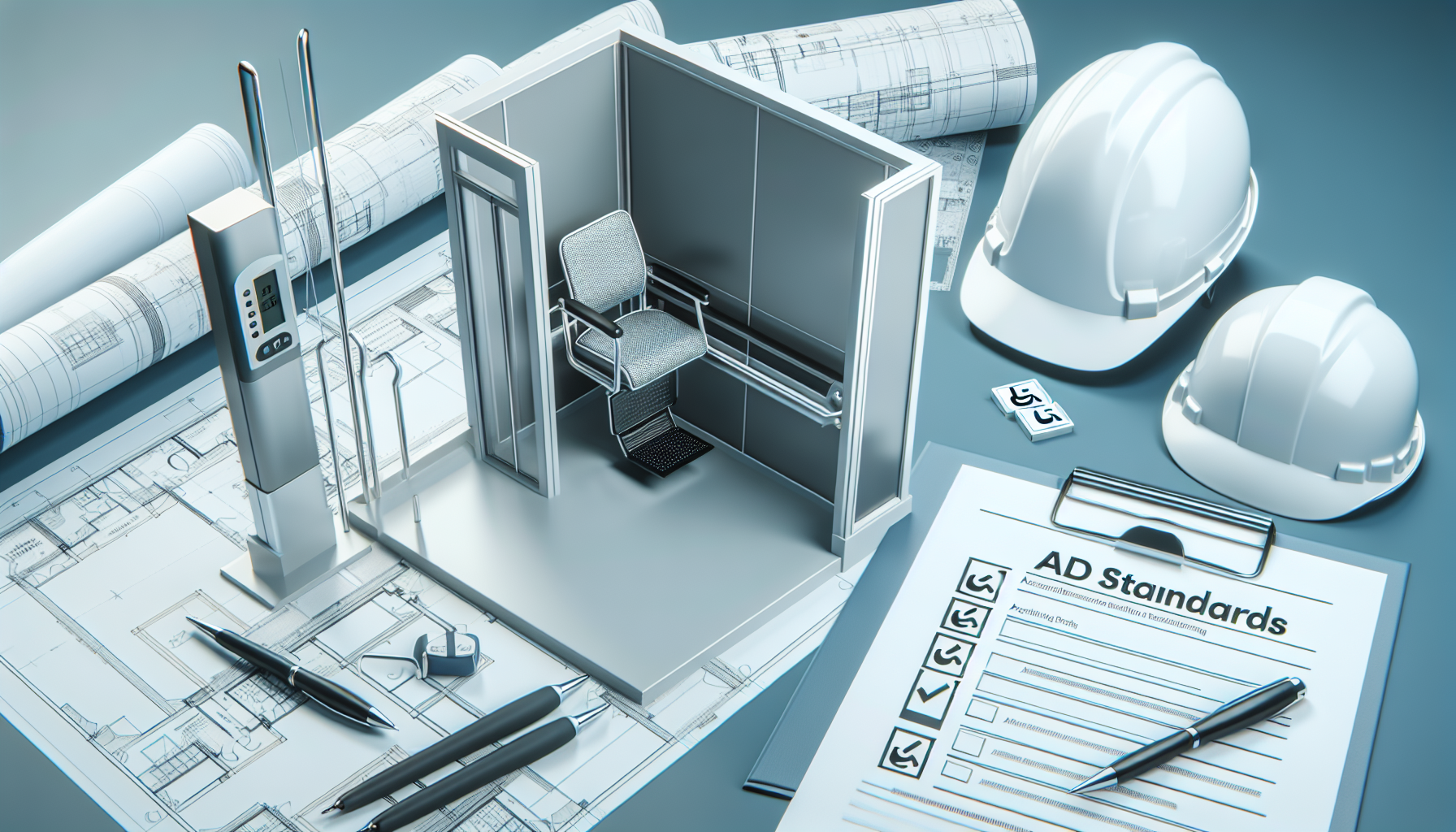
An effective assessment considers diagnosis, endurance, assistive devices, hand dominance, medication timing, and caregiver involvement. Someone using a cane has different needs than someone using a rollator or preparing for wheelchair use. Standards from the Americans with Disabilities Act are useful reference points, but residential projects often require adaptation because existing homes have structural constraints. The goal is practical function, not strict commercial compliance. Good assessors measure door widths, stair geometry, turning clearances, threshold heights, lighting levels, and reach ranges, then prioritize modifications by risk and return.
For a hub-level aging in place strategy, categorize recommendations into three tiers: low-cost safety fixes, medium-cost access improvements, and major renovation or equipment projects. That structure helps families phase work sensibly. Replacing dim bulbs and adding lever handles can happen this month. Reworking a bathroom or converting a dining room into a bedroom may come next. Installing a residential elevator, vertical platform lift, or full first-floor suite is usually a larger capital project. When homeowners understand the roadmap, they make better decisions and avoid piecemeal changes that conflict later.
Make vertical movement safer and more sustainable
In a multi-level home, stairs are the defining issue. If stairs become difficult, the house can quickly feel unusable even when every room is otherwise comfortable. The first line of defense is to improve the staircase itself: secure handrails on both sides, consistent riser heights, high-contrast tread edges, non-slip surfaces, brighter illumination, and switches at both top and bottom landings. I also recommend checking tread depth and removing patterned runners that hide edges. Many falls come from visual misjudgment, not just weakness.
When stair use becomes painful or unreliable, the next decision is whether to reduce the need for stair travel or install equipment. A stair lift works well for many straight-run staircases and can often be installed faster and at lower cost than major remodeling. Curved stair lifts handle turns and landings but are more expensive because they require custom rails. They are excellent for some users, but not all. Transfers on and off the seat demand balance, and the parked chair can narrow the stair for others unless the design is carefully selected.
If wheelchair access is needed between levels, stair lifts may not be enough. In that case, a residential elevator or vertical platform lift may be the better long-term solution, especially in homes where a spouse, caregiver, or future medical equipment must also move between floors. Elevators require space, structural planning, and permitting, but they preserve dignity and reduce transfer risk. In townhomes and narrow houses, I often advise clients to compare the total cost of an elevator against a major first-floor addition. Sometimes the elevator is the cleaner, more flexible investment.
| Option | Best Use Case | Main Advantages | Key Limitations |
|---|---|---|---|
| Improved stairs | Mild mobility decline | Lowest cost, fast installation, benefits everyone | Does not solve serious stair intolerance |
| Straight stair lift | Single straight staircase | Quick retrofit, lower cost than elevator | Seat transfer required, limited for wheelchair users |
| Curved stair lift | Stairs with turns or landings | Fits complex stair layouts | Custom fabrication increases price and lead time |
| Vertical platform lift | Wheelchair access over short rises | Carries user in wheelchair | Bulky, less suitable for long interior travel |
| Residential elevator | Long-term whole-home access | Supports wheelchair, groceries, laundry, caregivers | Highest cost, requires structural space |
Another strategy that often outperforms expensive equipment is reducing trips between floors. Add a compact refrigerator, medication storage, charging station, and seating area on the main level. Move laundry upstairs or downstairs depending on where the homeowner spends most of the day, or create duplicate storage for essentials on each level. If one daily task currently forces ten stair trips, redesigning that routine may do more for safety than any device. Aging in place modifications for multi-level homes should minimize repeated strain, not just react to dramatic mobility loss.
Create first-floor living whenever possible
The strongest aging in place strategy for a multi-level home is simple: make one level support complete daily living. That means sleeping, bathing, eating, and entering the home without mandatory stair use. In many houses, this can be achieved without a full addition. A den, office, formal dining room, or large family room may convert into a bedroom. A powder room may expand into a wet-room style bathroom with a curbless shower. The result is a practical main-floor suite that supports recovery from illness now and long-term independence later.
When I help homeowners evaluate first-floor living, I focus on circulation first. Can a walker turn around the bed? Is there enough wall space for grab bars? Can the bathroom door be widened to 32 inches clear minimum, preferably more? Is there a path from parking to the bedroom that avoids steps? These details determine whether a conversion truly works. A nominal first-floor bedroom that still requires bathing upstairs is not a complete solution. The best plans treat the level as a self-contained living zone.
For split-level homes, first-floor living can be harder because entries and half-flight transitions interrupt movement. In these cases, a rear or side entrance may be easier to adapt than the front door. I have seen successful projects where homeowners enclosed a porch, added a low-slope walkway, and converted an adjacent room into a bedroom with an accessible bath. That approach preserved the appearance of the front facade while creating a functional daily route. Every multi-level house has pinch points, but most also have underused spaces that can be repurposed strategically.
Upgrade bathrooms for stability, transfer safety, and easier caregiving
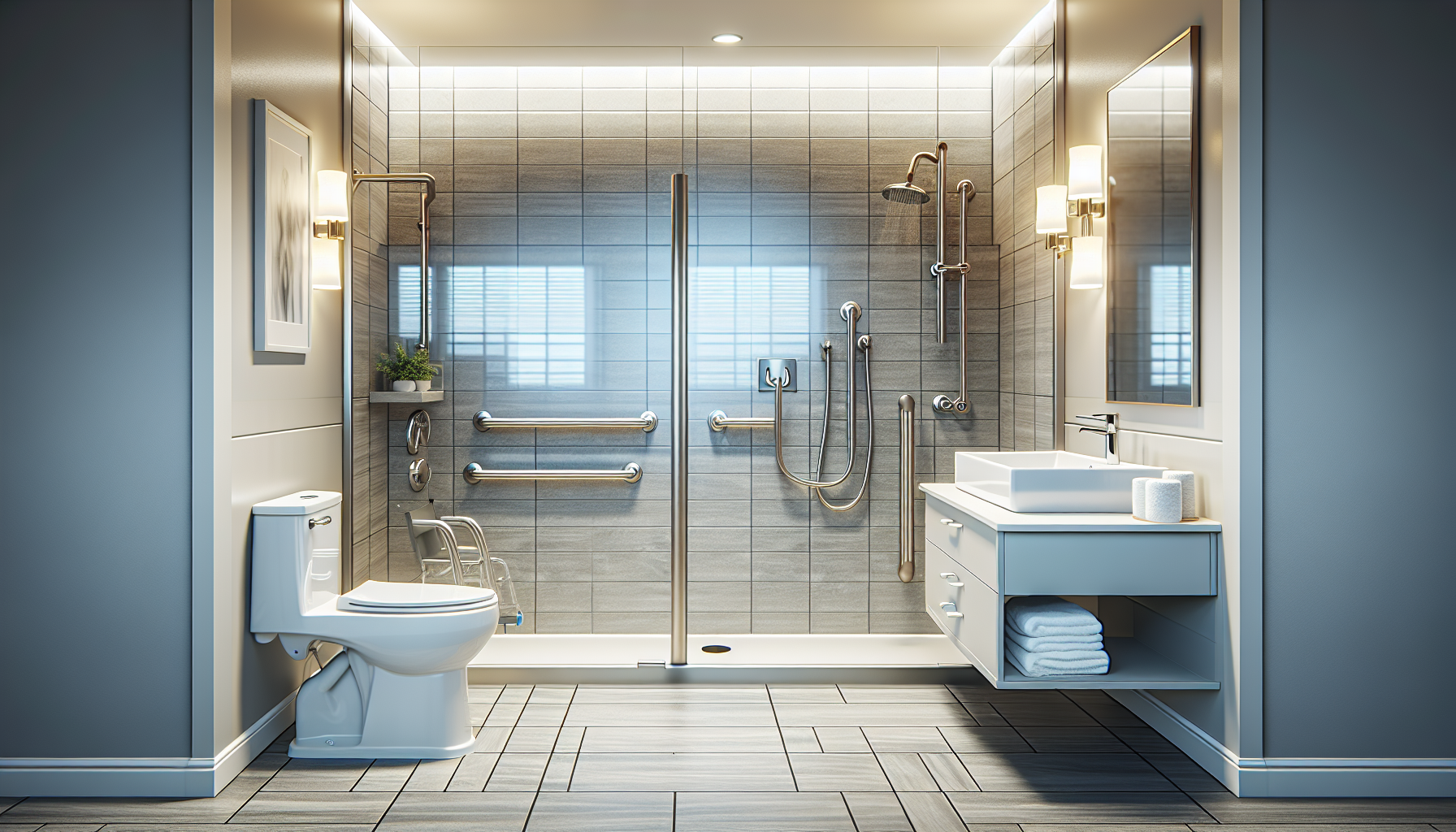
Bathrooms cause more injuries per square foot than almost any other part of the home, and upstairs-only bathing is a serious weakness in multi-level living. If the home does not have a usable full bath on the main level, that should move high on the priority list. The most effective modifications include a curbless shower, reinforced walls for future grab bars, handheld shower wand, pressure-balanced or thermostatic valve, slip-resistant tile, comfort-height toilet, and clear floor space for transfers. These features improve safety even before significant mobility decline begins.
Walk-in tubs are heavily marketed, but they are not always the best answer. They can help users who prefer soaking and can transfer safely into a seated position, yet they require the user to step in over a threshold and wait while the tub fills and drains. For many households, a zero-threshold shower with a fold-down seat is more versatile, especially if caregiver assistance becomes necessary. I also advise clients to choose contrasting finishes that make edges visible, because low-contrast all-white bathrooms can be surprisingly disorienting for aging eyes.
Small bathrooms demand careful planning. Pocket doors or outswing doors can recover valuable maneuvering space. Wall-mounted sinks may help knee clearance, but storage must then move elsewhere. Linear drains and large-format matte tile can improve drainage and traction. If a full remodel is not possible yet, install blocking behind walls during any minor renovation so grab bars can be added later without opening finished surfaces. That kind of future-proofing is one of the smartest aging in place strategies because it reduces disruption when needs change quickly.
Improve lighting, flooring, and everyday reach
Many homeowners think accessibility begins with expensive equipment, but some of the highest-value modifications are basic environmental upgrades. Lighting should increase in all transition zones, stairways, bathrooms, kitchens, and hallways. Layer ambient light with task lighting and night lighting. Use rocker switches, illuminated switches, or motion sensors where appropriate. As vision changes, glare control becomes as important as brightness, so choose diffused fixtures and matte finishes. I routinely see safer movement immediately after improving light levels and contrast, even before any structural work starts.
Flooring should support traction, smooth rolling, and easy maintenance. Thick plush carpet can catch toes, canes, and walkers, while glossy polished stone becomes hazardous when wet. The best choices are usually low-pile carpet in bedrooms and slip-resistant luxury vinyl, cork, rubber, or matte-finish tile in active areas. Keep flooring transitions as flush as possible. Raised thresholds, curled rugs, and uneven saddles are classic trip hazards. If a rug is truly necessary, secure it fully and keep edges visible. Seamless flooring simplifies navigation for both people and mobility devices.
Reach range matters more in multi-level homes because people often overuse stools or stairs to access storage. Replace round knobs with lever hardware, lower frequently used closet rods and shelves, install pull-out drawers in base cabinets, and move everyday items between knee and shoulder height. In kitchens, D-shaped pulls, induction cooktops, side-opening ovens, and pull-down shelving can significantly reduce strain. In bedrooms, place outlets, lamp controls, and phone charging within easy reach from the bed. Small ergonomic changes reduce fatigue, which in turn lowers fall risk throughout the day.
Strengthen entrances, exterior access, and emergency readiness
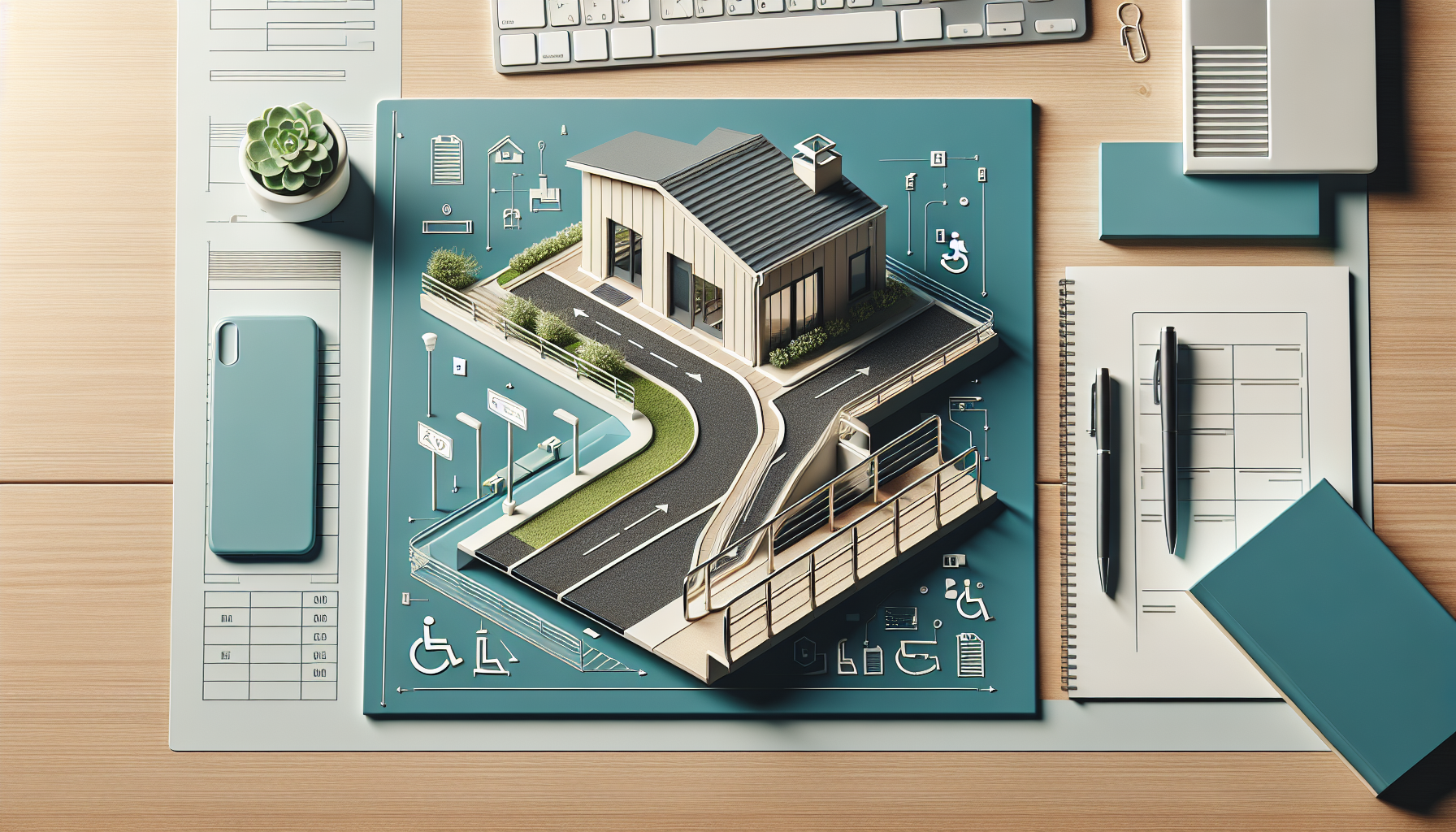
Accessibility does not start at the living room. If the route from parking to the door is unsafe, the whole plan fails. For multi-level homes, front entries often include steps, narrow stoops, heavy doors, or uneven paths. The preferred solution is a no-step entrance with adequate landing space, weather protection, bright lighting, and a door wide enough for assistive devices. Depending on site conditions, that may mean a graded walkway, modular aluminum ramp, concrete ramp integrated into landscaping, or reconfigured garage entry. The best entrance is the one the homeowner will actually use year-round.
Exterior modifications should account for drainage, snow, leaves, and delivery traffic. I have seen beautiful ramps become dangerous because runoff froze at the landing. Surface texture, handrails, edge protection, and maintenance all matter. Smart locks and video doorbells add convenience, but they should complement, not replace, physical usability. Inside the entry, include a bench, stable surface for packages, and space to manage umbrellas, walkers, or oxygen equipment. Good transitions reduce the awkward multitasking that often leads to slips and loss of balance.
Emergency planning is especially important in houses with more than one level. Ask direct questions: If the power fails, can the resident still reach a bathroom? If a stair lift stops, what is the backup plan? Can first responders enter easily? Are medications, hearing aids, glasses, and phone chargers available on the main level? Aging in place works best when normal convenience and emergency resilience are designed together. Battery backups, monitored smoke and carbon monoxide alarms, and clearly marked house numbers are simple upgrades with outsized importance.
Use smart planning, budgeting, and phased implementation
Homeowners often assume aging in place modifications must happen all at once, but phased implementation is usually the smarter approach. Begin with the highest-risk barriers, then sequence projects to avoid rework. For example, if a future bathroom remodel is likely, verify framing and plumbing locations before installing adjacent finishes. If an elevator may come later, reserve a stacked closet area or other potential shaft space during current renovations. Good planning protects options. It also helps families align projects with tax considerations, financing, insurance questions, and changing medical realities.
Budgets vary widely by region and scope, so broad estimates should be treated cautiously. Still, homeowners can think in categories. Basic safety upgrades such as lighting, grab bars, handrails, and lever handles are usually the least expensive. Bathroom remodels, doorway widening, and first-floor room conversions sit in the middle. Elevators, additions, and major structural work are the most costly but may deliver the strongest long-term value if they prevent a move. Ask contractors for itemized proposals, permit requirements, and product lead times, and verify experience with accessibility retrofits specifically.
As the hub page for aging in place strategies, this article points to a central truth: the best solution is rarely a single product. Successful aging in place modifications for multi-level homes combine safer circulation, first-floor living, bathroom access, better lighting, and realistic budgeting into one plan. Start with an expert assessment, prioritize the route of daily life, and modify before a crisis forces rushed choices. If you are evaluating your own house, walk through it today and identify the stairs, bathroom, and entry barriers that would matter most if mobility changed tomorrow.
Frequently Asked Questions
1. What are the most important aging-in-place modifications for a multi-level home?
The most important aging-in-place modifications for a multi-level home are the ones that reduce fall risk, improve access between floors, and make daily routines possible with less strain. In most homes, that starts with the stairs, entrances, bathrooms, lighting, and at least one sleeping area that can work on the main level. Because multi-level layouts naturally require more climbing, turning, and transitions between spaces, they often need a more strategic plan than single-story homes.
A strong starting point is stair safety. That may include adding sturdy handrails on both sides of the staircase, improving tread visibility, upgrading lighting, and removing slippery runners or worn carpet. For homeowners who want to remain in the home long term, a stair lift or residential elevator may be worth considering, especially if bedrooms or full bathrooms are located upstairs. Even if a lift is not needed immediately, planning for one early can make later installation easier and more affordable.
Bathrooms are another high-priority area because they combine hard surfaces, water, and tight movement patterns. Practical upgrades include grab bars near the toilet and shower, a curbless or low-threshold shower, a handheld showerhead, a built-in seat, comfort-height toilets, and non-slip flooring. Doorways and maneuvering space also matter, particularly if a walker or wheelchair may be needed in the future.
Entry access is equally important. Many multi-level homes have split-level or raised entrances that involve steps before you even get inside. In those cases, modifications may include ramps, railings, improved exterior lighting, slip-resistant walkways, wider doorways, and a no-step entry if the site allows. Inside the home, brighter lighting, lever-style door handles, easy-to-reach switches, and reduced tripping hazards can significantly improve safety and comfort.
Ultimately, the best modifications are the ones that support both current needs and future changes. Rather than focusing on one isolated fix, it helps to view the home as a system: how a person gets in, moves between levels, bathes, sleeps, cooks, and responds in an emergency. That whole-home approach is what makes aging in place truly workable in a multi-level environment.
2. How can stairs be made safer in a home designed for aging in place?
Stairs are often the biggest challenge in a multi-level home because they demand balance, leg strength, depth perception, and endurance every single day. Making stairs safer begins with understanding that even small improvements can reduce risk. The goal is not only to prevent falls, but also to make climbing and descending less tiring and more predictable.
One of the best upgrades is installing secure handrails on both sides of the staircase. Many homes have only one rail, or the existing rail may be too bulky or poorly mounted to grip well. A proper handrail should be easy to grasp continuously from top to bottom. Good lighting is also essential. Shadows, dim bulbs, and poor switch placement can make steps harder to judge, especially for older adults with changing vision. Bright, even lighting at the top, bottom, and along the stair run can make a major difference, and motion-sensor options can be especially helpful at night.
Step surfaces should also be evaluated carefully. Loose carpet, slick wood, and highly patterned flooring can all create hazards. Non-slip stair treads, contrasting edge strips, and repairs to uneven or damaged steps can improve visibility and traction. If the staircase includes a landing, turn, or split-level transition, those areas deserve extra attention because they often interrupt a person’s rhythm and increase the chance of missteps.
For people with more significant mobility limitations, a stair lift may be the most practical solution. Stair lifts can allow continued access to upper or lower floors without requiring daily climbing, but they should be chosen based on the staircase shape, user needs, seat comfort, transfer ability, and emergency features. In some cases, especially in larger homes or long-term remodeling plans, a residential elevator or vertical platform lift may be more appropriate.
It is also wise to think beyond the staircase itself. If the upper floor holds the primary bedroom and bath, homeowners may want to create a main-floor living option as a backup. That way, if stairs become difficult temporarily or permanently, the home can still function well. In aging-in-place design, stair safety is not just about modifying the steps; it is about reducing dependence on them whenever possible.
3. Is it better to install a stair lift, elevator, or first-floor bedroom suite in a multi-level home?
The best option depends on the home’s layout, the homeowner’s mobility level, budget, and long-term plans. There is no single right answer for every household, but there is a right answer for how the home is used now and how it may need to function later. In many cases, homeowners benefit most from comparing these solutions as part of a broader aging-in-place plan instead of treating them as separate decisions.
A stair lift is often the most accessible starting point. It is usually less expensive and less disruptive than installing an elevator, and it can work well for people who can still transfer safely in and out of a chair seat. Stair lifts are especially useful when bedrooms remain upstairs and the homeowner wants to preserve the existing floor plan. However, they do have limitations. They generally carry one seated person at a time, may not accommodate every body type or mobility device, and still require the user to get on and off safely at each level.
A residential elevator offers greater long-term flexibility. It can be easier for people using walkers or wheelchairs, and it can also help with moving laundry, groceries, and other items between floors. For homeowners planning to stay in the property for many years, an elevator may provide more durable value. That said, elevators are more expensive, require more construction, and may involve structural changes, permits, and ongoing maintenance. They make the most sense when the budget supports them and the home layout can accommodate the shaft or lift system.
Creating a first-floor bedroom suite is often one of the smartest aging-in-place investments because it reduces or eliminates the need to use stairs every day. If the main level can include a sleeping area and a full or accessible bathroom, the home becomes much more adaptable. This may involve converting a den, dining room, office, or family room into a bedroom, or adding square footage to create a proper suite. While this type of remodel can be significant, it directly addresses one of the core challenges of multi-level living: dependence on upper floors for essential daily functions.
In many homes, the most effective solution is a combination approach. For example, a homeowner may add a first-floor suite for essential living while also installing a stair lift to keep the rest of the home usable. The key is to plan for safety, convenience, and future needs rather than making a decision based only on current mobility. A qualified aging-in-place specialist, occupational therapist, or experienced remodeler can help assess which option provides the best balance of independence, practicality, and cost.
4. Which bathroom and bedroom changes matter most when aging in place in a multi-story house?
In a multi-story house, bathroom and bedroom modifications are especially important because they affect some of the most essential and physically demanding daily activities: sleeping, dressing, toileting, and bathing. If these spaces are difficult to access or unsafe to use, the entire goal of aging in place becomes much harder to achieve. That is why many experts recommend prioritizing at least one accessible bathroom and one practical sleeping space on the main living level whenever possible.
For bathrooms, the highest-value changes usually focus on safe entry, stable support, and easier transfers. A curbless or low-threshold shower is one of the best upgrades because it reduces the need to step over a high edge, which is a common fall point. Grab bars should be installed in reinforced, well-planned locations near the toilet and within the bathing area. Unlike temporary suction products, properly anchored grab bars provide reliable support. Other helpful changes include a shower seat or built-in bench, a handheld showerhead, anti-slip flooring, wider doors, and more open maneuvering space. A comfort-height toilet and a vanity designed for seated use can also improve day-to-day comfort.
Bedroom modifications should focus on access, circulation, and ease of use. If a main-floor bedroom is available, it should have enough space to move around the bed comfortably, including room for a walker or wheelchair if needed in the future. Flooring should be smooth and low-profile, without thick rugs or thresholds that create tripping hazards. Good lighting matters here as well, especially for nighttime navigation from the bed to the bathroom. Bed height, reachable storage, and easy-to-operate window coverings can all make the room more functional and less tiring to use.
Closets and dressing areas are often overlooked, but they can create daily strain if shelves are too high, rods are hard to reach, or the lighting is poor. Lower closet rods, pull-down storage, simple hardware, and seated dressing space can improve independence without requiring a full renovation. If the bathroom is not directly connected to the bedroom, the route between them should be well lit, unobstructed, and easy to navigate at night.
In a multi-level home, these changes do more than improve comfort. They help create a self-sufficient living zone that allows a person to