More older adults are deciding that the best place to grow older is the home they already know, and that choice is reshaping how families, caregivers, and housing professionals think about aging in place strategies. Aging in place means remaining safely and comfortably in one’s own home and community as needs change, rather than moving to assisted living or a nursing facility by default. In practice, it combines home accessibility, mobility support, health management, social connection, financial planning, and caregiving coordination. I have worked with families making these decisions room by room and budget by budget, and the pattern is clear: most seniors do not begin with a desire to relocate. They begin with a desire to preserve routine, autonomy, and identity while reducing risk.
The shift matters because demographics and costs are moving in the same direction. Americans are living longer, chronic conditions are more manageable than they were a generation ago, and many communities now offer home-based services that once required institutional care. At the same time, long-term care is expensive, and many seniors own homes with emotional value and practical advantages. Familiar neighborhoods support independence in ways spreadsheets miss. People know where the light switches are, which step creaks, which pharmacy delivers, and which neighbor checks in after a storm. Those details affect safety and confidence. When families ask why more seniors are choosing to stay at home, the answer is not sentimental alone. It is a practical response to personal preference, cost pressure, and better tools for home-based support.
This article serves as a hub for aging in place strategies within accessibility and mobility solutions. It explains the reasons behind the trend, the home modifications that make staying put realistic, the role of technology and caregiving, and the planning decisions that prevent crises. If you are comparing options for yourself, a parent, or a client, the goal is straightforward: understand what makes aging at home work, where the limits are, and how to build a plan that protects independence without minimizing risk.
The Core Reasons Seniors Prefer Staying at Home
The most important reason seniors choose to remain at home is control. Home supports personal routines that institutions cannot fully replicate. Wake times, meals, pets, gardening, faith practices, sleep habits, and social rhythms all stay intact. For many older adults, that continuity directly affects mental health. A move in later life can trigger stress, confusion, and a sense of loss, especially after bereavement or a decline in mobility. Remaining at home preserves familiarity, and familiarity reduces cognitive load. That is particularly valuable for people experiencing mild cognitive impairment, visual changes, or balance issues, because they navigate known spaces more safely than unfamiliar ones.
Cost is another major driver, though it is not always simple. In many markets, assisted living and memory care costs have risen faster than inflation, while selective home modifications can be completed for a fraction of one year of facility fees. Families often find that combining part-time in-home support with targeted upgrades, such as grab bars, a walk-in shower, improved lighting, and a stair solution, can extend safe independence substantially. Homeownership also changes the equation. A paid-off home can make staying put financially attractive, especially when compared with entrance fees, monthly facility charges, and moving expenses.
Community attachment also matters. Seniors often have doctors, pharmacists, religious communities, and long-standing neighbors nearby. Those relationships are not incidental; they function as a support network. During care planning, I have seen families underestimate how much a neighbor who notices newspapers piling up or a church volunteer who drives to appointments contributes to safety. Aging in place works best when support is distributed across formal and informal systems, and home-based living often preserves both.
What Aging in Place Strategies Actually Include
Aging in place is not a single product or renovation. It is a coordinated approach built around changing needs. Effective plans usually include six categories: home safety, mobility access, health support, daily living assistance, transportation, and future contingency planning. The strongest plans start before a fall, hospitalization, or caregiver burnout forces rushed decisions. An occupational therapist can identify functional barriers inside the home, while a certified aging-in-place specialist, contractor, or accessibility professional can translate those findings into practical modifications. Primary care providers, physical therapists, and social workers also play important roles.
Home safety begins with the basics: reducing trip hazards, improving visibility, securing stairs, and making bathrooms usable with limited strength or balance. Mobility access includes zero-step entries, widened doorways, lever handles, handrails on both sides of stairs, non-slip flooring, and seating options that make transfers easier. Health support may involve medication organization, remote monitoring, home health visits, and devices such as blood pressure cuffs or pulse oximeters linked to care teams. Daily living assistance can range from housekeeping and meal prep to bathing help and dementia supervision. Transportation may include family driving, paratransit, ride services, or delivery subscriptions for groceries and prescriptions. Contingency planning covers what happens after surgery, after a fall, or if one spouse can no longer assist the other.
The key point is that aging in place strategies should match function, not age alone. A healthy seventy-year-old marathon volunteer and an eighty-five-year-old with arthritis need very different home setups. Good planning is personalized, phased, and revisited regularly.
Home Modifications That Make Staying Home Safer
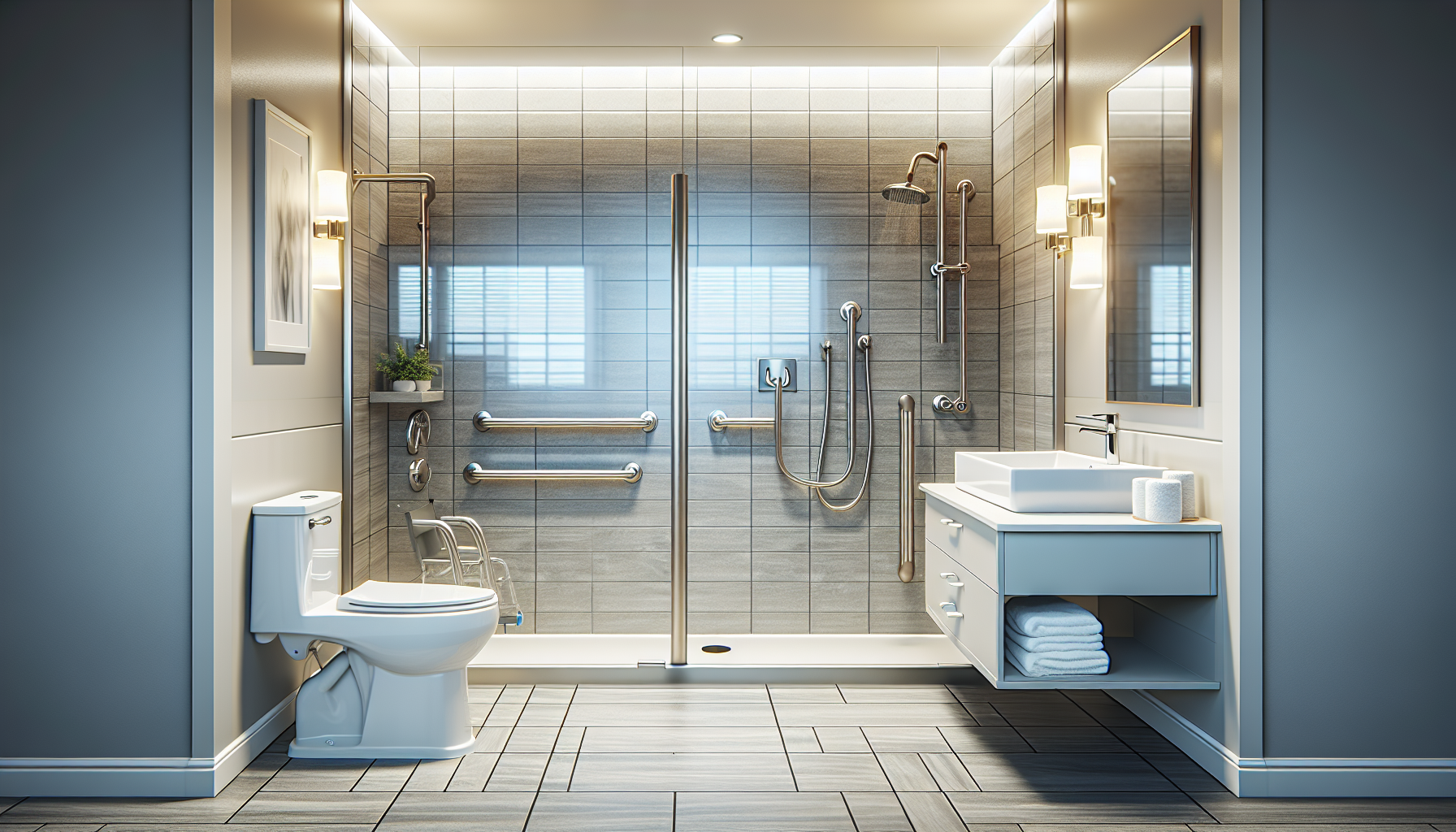
Most successful aging in place plans begin with the home itself. Falls remain one of the biggest threats to independence, and many are tied to preventable design barriers. Bathrooms are the highest-priority area because they combine water, hard surfaces, and difficult transfers. A curbless shower, grab bars anchored into blocking, a handheld showerhead, a shower seat, and a comfort-height toilet can sharply improve safety. In kitchens, the focus is reach range, lighting, and floor stability. Pull-out shelves, D-shaped cabinet pulls, induction cooktops, and task lighting reduce strain and risk. Entryways matter just as much. One safe zero-step entrance, even if it is through a garage, can preserve wheelchair and walker access after illness or surgery.
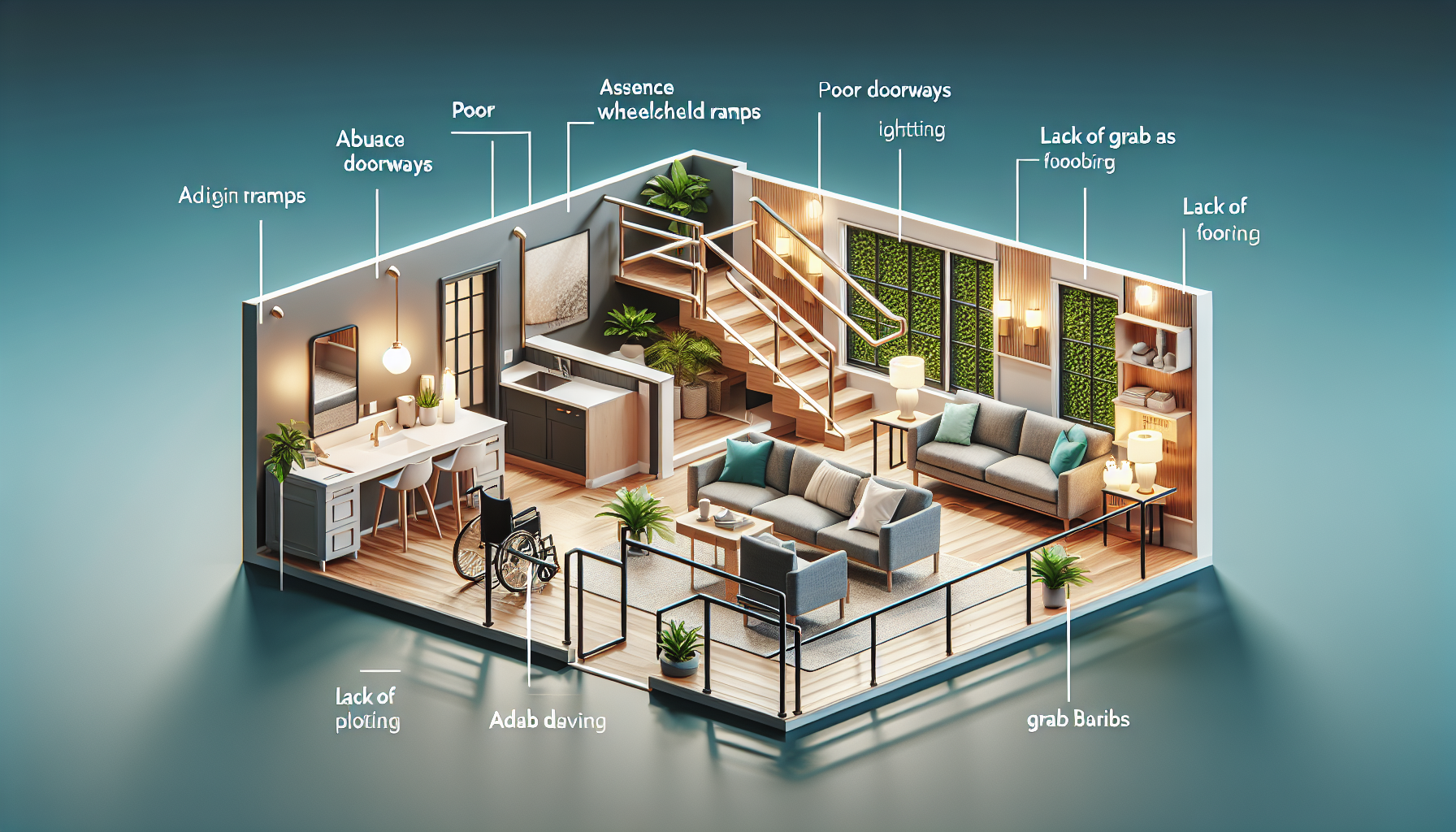
Lighting is one of the most overlooked upgrades. Older eyes need more illumination and less glare. Layered lighting, rocker switches, motion-activated nightlights, and illuminated pathways to the bathroom make a measurable difference. Flooring should be stable, matte, and easy for mobility devices to cross. Thick rugs, abrupt thresholds, and glossy tile create problems. For multi-level homes, options include main-floor living conversion, stair lifts, or residential elevators, depending on space, budget, and long-term need. Universal design principles help here because they improve usability without making the home feel clinical.
| Home area | Common risk | Recommended modification | Why it helps |
|---|---|---|---|
| Bathroom | Slips and unsafe transfers | Curbless shower, grab bars, shower seat | Reduces fall risk during bathing and toileting |
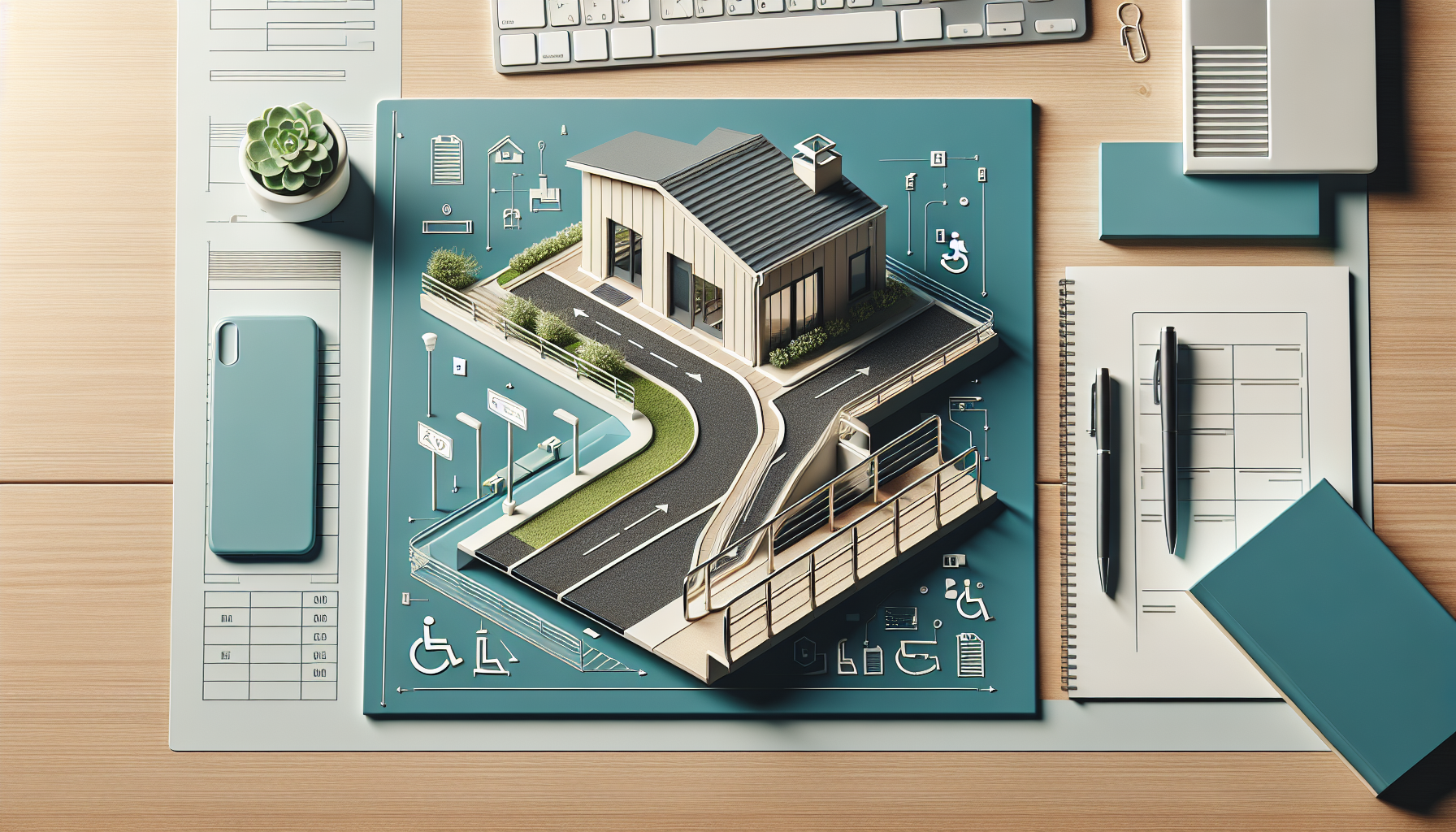
| Entryway | Steps block access | Zero-step entrance or ramp with handrails | Supports walkers, wheelchairs, and post-surgery recovery |
| Stairs | Loss of balance | Dual handrails, improved lighting, stair lift | Makes vertical movement safer or unnecessary |
| Bedroom | Difficult nighttime mobility | Bed-height adjustment, clear pathways, motion lights | Improves safe transfers and bathroom access |
| Kitchen | Reaching, bending, and fire risk | Pull-out storage, lever faucet, induction cooking | Reduces strain and improves safe meal preparation |
Not every home can or should be fully retrofitted. Structural limits, lot constraints, and budget realities are real. In some cases, downsizing to a more accessible home is the better aging in place strategy. The right question is not whether every house can be adapted. It is whether this home can support safe function for the next stage of life.
The Role of Caregiving, Health Services, and Smart Technology
Home modifications alone do not keep people at home. Support systems do. Family caregivers provide the bulk of assistance for many seniors, but unpaid care has limits. The most resilient arrangements mix family help with professional services. Home health may cover skilled nursing or therapy after hospitalization. Nonmedical home care can help with bathing, dressing, meal preparation, errands, and supervision. Geriatric care managers can coordinate complex situations involving multiple providers, medications, and distant relatives. When families wait too long to add support, the result is often burnout rather than savings.
Technology has improved home-based aging significantly when it is chosen well. Personal emergency response systems, fall detection wearables, smart door locks, video doorbells, medication dispensers, and remote patient monitoring can increase safety without constant in-person oversight. For seniors with hearing loss, amplified phones and visual alerts are useful. For those with low vision, voice assistants, large-display devices, and high-contrast controls help maintain independence. Telehealth has also become an important layer, especially for routine follow-ups, behavioral health visits, and medication reviews. The best technology is simple, reliable, and matched to the user’s abilities. Complex dashboards that no one checks do not improve care.
Health management at home also depends on prevention. Strength and balance training, medication review to reduce dizziness or sedation, chronic disease monitoring, and nutrition support all reduce the chance that a manageable issue becomes a hospitalization. This is where aging in place becomes more than housing. It becomes a health strategy tied to mobility, function, and quality of life.
Financial Planning, Tradeoffs, and When Home Is No Longer the Best Fit
Staying at home can save money, but only when families plan honestly. A realistic budget should include modifications, maintenance, property taxes, utilities, in-home care, transportation, and backup support. Some costs are one-time capital improvements; others are recurring. Medicare generally does not pay for long-term custodial care, and coverage for home-based services is limited by medical necessity rules. Medicaid home- and community-based programs vary by state. Long-term care insurance, veterans benefits, local aging agencies, nonprofit repair programs, and tax incentives may help, but eligibility and wait times differ. Financial planning should also account for the unpaid labor of spouses and adult children, because caregiver time has economic value even when no invoice is issued.
There are clear tradeoffs. A socially isolated senior in a large rural home may be less safe at home than in a well-run community setting. Someone with advanced dementia who wanders, needs two-person transfers, or requires overnight clinical supervision may exceed what a private home can safely support. Likewise, a house with narrow halls, inaccessible bathrooms, and major deferred maintenance may consume resources without delivering good outcomes. Choosing assisted living or skilled nursing is not a failure of aging in place. It is sometimes the most appropriate extension of the same goal: maintaining dignity, safety, and quality of life in the least restrictive setting that truly works.
The strongest decisions are made before a crisis. Start with a home safety assessment, review medical and mobility needs, identify local support services, and discuss future thresholds for change. That conversation should include the senior whenever possible. More seniors are choosing to stay at home because home can offer independence, familiarity, and cost control when supported by thoughtful planning. Aging in place strategies succeed when they combine accessible design, reliable care, practical technology, and honest financial review. Use this hub as your starting point, then map the next changes your home, family, or clients need to make now, not later.
Frequently Asked Questions
Why are more seniors choosing to stay at home instead of moving to assisted living?
More seniors are choosing to stay at home because it offers something that institutional settings often cannot fully replicate: familiarity, independence, and control over daily life. For many older adults, home is more than a place to live. It is where routines are established, memories are rooted, neighbors are known, and a sense of identity is preserved. Remaining in that environment can reduce stress, support emotional well-being, and help older adults feel more confident as they age.
Another major reason is that aging in place has become more realistic than it was in the past. Today, families have access to a wider range of support options, including in-home care services, meal delivery, telehealth, medication management tools, personal emergency response systems, and home modification specialists. With the right combination of these services, many seniors can continue living safely and comfortably at home for years.
Cost also plays a role. While staying at home is not always inexpensive, it can be more financially manageable than full-time residential care, especially when support needs are moderate rather than intensive. Seniors and their families may be able to tailor services to actual needs instead of paying for a full package of housing and care. In addition, many people simply prefer the dignity and autonomy that come with making their own choices about meals, schedules, visitors, and everyday living.
What does aging in place actually involve?
Aging in place involves creating a living situation where an older adult can remain safely, comfortably, and as independently as possible in their own home and community as needs change over time. It is not just about staying in the same house. It is a broader strategy that combines home safety, health support, mobility planning, and social connection.
In practical terms, aging in place often starts with evaluating the home itself. That may include reducing fall risks, improving lighting, installing grab bars, widening doorways, adding stair lifts, using nonslip flooring, or making bathrooms and kitchens easier to navigate. Accessibility changes can range from simple low-cost updates to larger renovations, depending on the person’s health, mobility, and goals.
It also includes support systems beyond the physical home. Seniors may need transportation options, regular medical care, help with housekeeping, assistance with bathing or dressing, grocery delivery, or support managing medications and appointments. Just as important is social and community engagement. Successful aging in place usually depends on staying connected to family, friends, faith communities, senior centers, and local services so that independence does not turn into isolation.
At its best, aging in place is proactive rather than reactive. Families and older adults who plan early tend to have better outcomes because they can make thoughtful decisions before a crisis forces a sudden move or emergency intervention.
How can families make a home safer for an older adult who wants to age in place?
Making a home safer begins with identifying the most common risks older adults face, especially falls, medication mistakes, poor lighting, limited mobility, and difficulty reaching help in an emergency. A thorough home safety assessment is often the best first step. Families can do an initial review themselves, but many also benefit from guidance from occupational therapists, aging-in-place specialists, or home accessibility professionals who can spot hazards that are easy to overlook.
Some of the most effective improvements are surprisingly simple. Removing loose rugs, securing cords, adding brighter lighting, installing handrails on both sides of stairways, and placing grab bars near toilets and in showers can significantly reduce risk. Entryways should be easy to access, and frequently used items should be stored within comfortable reach to avoid climbing or bending. Bathrooms deserve special attention because wet surfaces and awkward movements often make them high-risk areas.
Technology can also improve safety. Medical alert systems, motion-sensing lights, video doorbells, smart medication dispensers, and remote monitoring tools can provide both convenience and peace of mind. For seniors with chronic conditions, regular communication with healthcare providers and a clear plan for emergencies are also essential. Safety is most effective when it is personalized. The right setup depends on the individual’s mobility, vision, cognition, health history, and daily habits.
Is aging in place more affordable than senior living communities?
Aging in place can be more affordable than moving into assisted living or a nursing facility, but the answer depends on the level of care a person needs, the condition of the home, and how much support is provided by family versus paid professionals. For seniors who need only occasional help with transportation, meals, housekeeping, or personal care, remaining at home may cost less than paying monthly fees for residential care. It can also allow families to phase in services gradually instead of taking on a large all-at-once expense.
However, affordability should be evaluated carefully. Home modifications, in-home aides, medical equipment, and ongoing maintenance can add up over time. If a senior requires around-the-clock supervision or complex medical support, staying at home may become as expensive as, or even more expensive than, a senior living community. That is why it is important to look beyond short-term costs and compare the full financial picture over months and years.
Families should consider housing expenses, caregiving costs, insurance coverage, transportation, utilities, and potential future care needs. Some expenses may be offset through long-term care insurance, veterans benefits, local aging services, Medicaid programs in certain cases, or tax considerations related to caregiving and medical costs. A thoughtful financial plan can help families decide whether aging in place is sustainable and what resources may make it more practical.
What are the biggest challenges of staying at home as people age?
While aging in place offers many benefits, it also comes with challenges that families should address honestly. One of the biggest concerns is safety, especially when a person experiences declining mobility, balance issues, memory loss, or chronic illness. A home that once felt easy to manage can become difficult to navigate without updates and support. Ignoring these changes can increase the risk of falls, medication problems, missed appointments, or delayed emergency response.
Another common challenge is isolation. Seniors who live at home may have fewer day-to-day interactions than they would in a community setting, particularly if they no longer drive or live far from family. Loneliness can affect mental health, cognitive function, and even physical health. That is why aging in place works best when social connection is treated as a core need, not an afterthought. Regular visits, transportation options, community programs, and digital communication tools can all help maintain meaningful engagement.
Caregiver strain is also an important issue. Family members often take on transportation, meal coordination, appointment scheduling, home maintenance, and personal care responsibilities. Without planning, that support can become overwhelming. The most successful aging in place plans usually spread responsibilities across family, community services, and paid providers rather than relying on one person to manage everything alone.
Ultimately, the goal is not simply to stay at home at all costs. The goal is to remain in the setting that best supports health, dignity, comfort, and quality of life. For many seniors, that is home, but it requires regular reassessment and a willingness to adapt as needs evolve.