Aging in place means adapting a home so a person can live there safely, comfortably, and independently as they grow older, rather than moving because daily tasks become difficult. In practical terms, aging in place strategies include home modifications, technology upgrades, layout changes, and support planning that reduce fall risk, improve accessibility, and make routines easier for people with changing mobility, vision, strength, balance, or memory. I have worked with families making these decisions after knee replacements, early Parkinson’s symptoms, stroke recovery, and the quieter changes that come with age, and the pattern is consistent: the best modifications are almost always made before a crisis forces rushed choices.
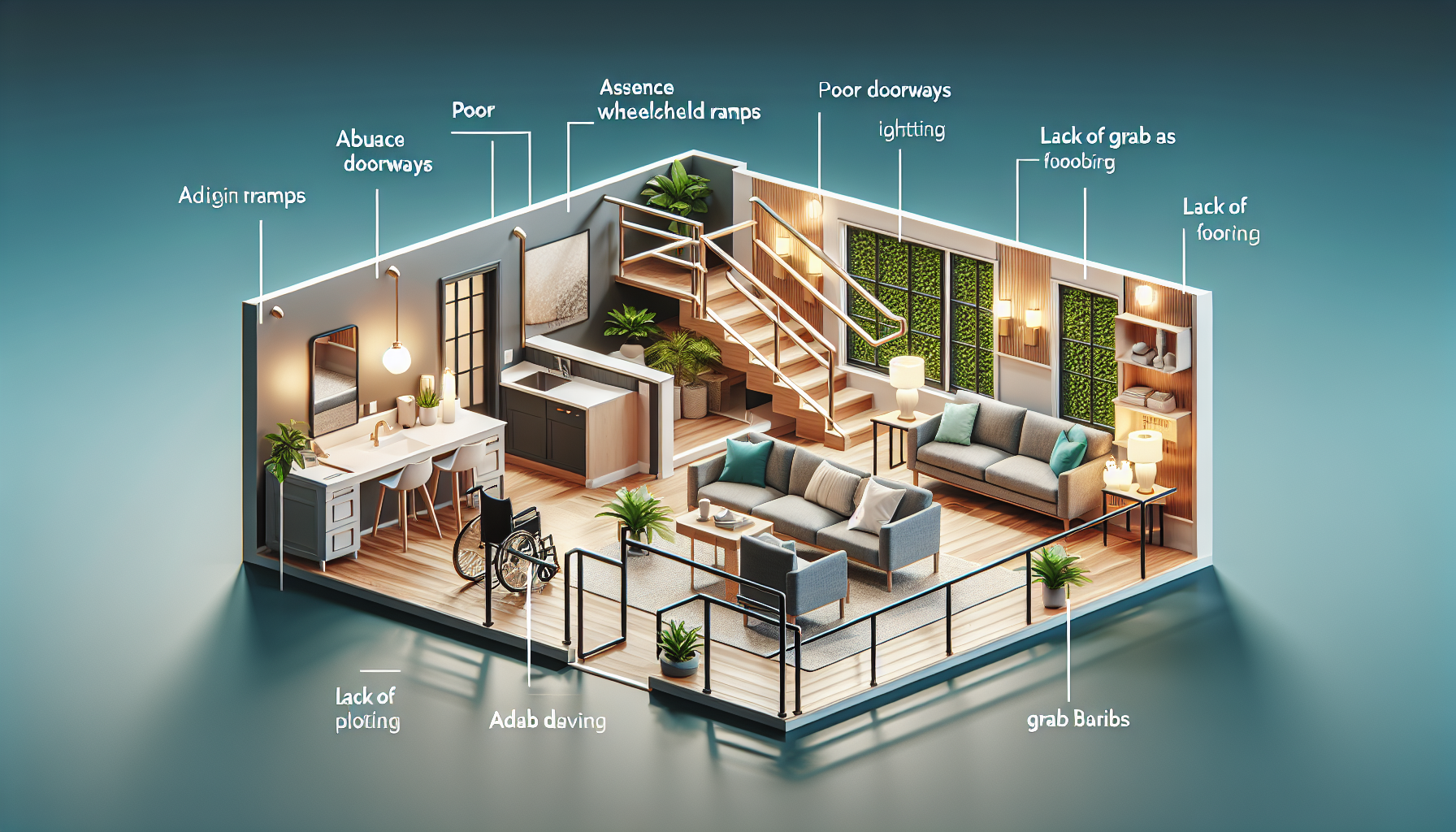
This matters because the risks are well documented. Falls remain a leading cause of injury for older adults, and many happen at home in bathrooms, bedrooms, stairways, and entryways. A house that once felt familiar can gradually become full of hidden barriers: narrow doorways, poor lighting, slick flooring, high thresholds, hard-to-reach storage, and tubs that require a dangerous step over a wet edge. Modifying a home for aging in place is not only about disability access. It is a preventive strategy that protects independence, reduces caregiver strain, supports recovery after illness, and often costs far less than repeated emergency care or an early move to assisted living.
For homeowners, adult children, and caregivers, the challenge is knowing when ordinary inconvenience has crossed into meaningful risk. Many people wait until after a fall, hospitalization, or near miss. That delay limits options and raises costs because urgent renovations are harder to plan well. This hub article explains the clearest signs it is time to modify your home for aging in place, what each sign usually means, and which changes are typically most effective. It also serves as a guide to the broader aging in place strategies that fit within accessibility and mobility planning, from bathroom safety and stair solutions to lighting, flooring, entrances, and room-by-room layout decisions.
1. Bathrooms Are Becoming Difficult or Unsafe
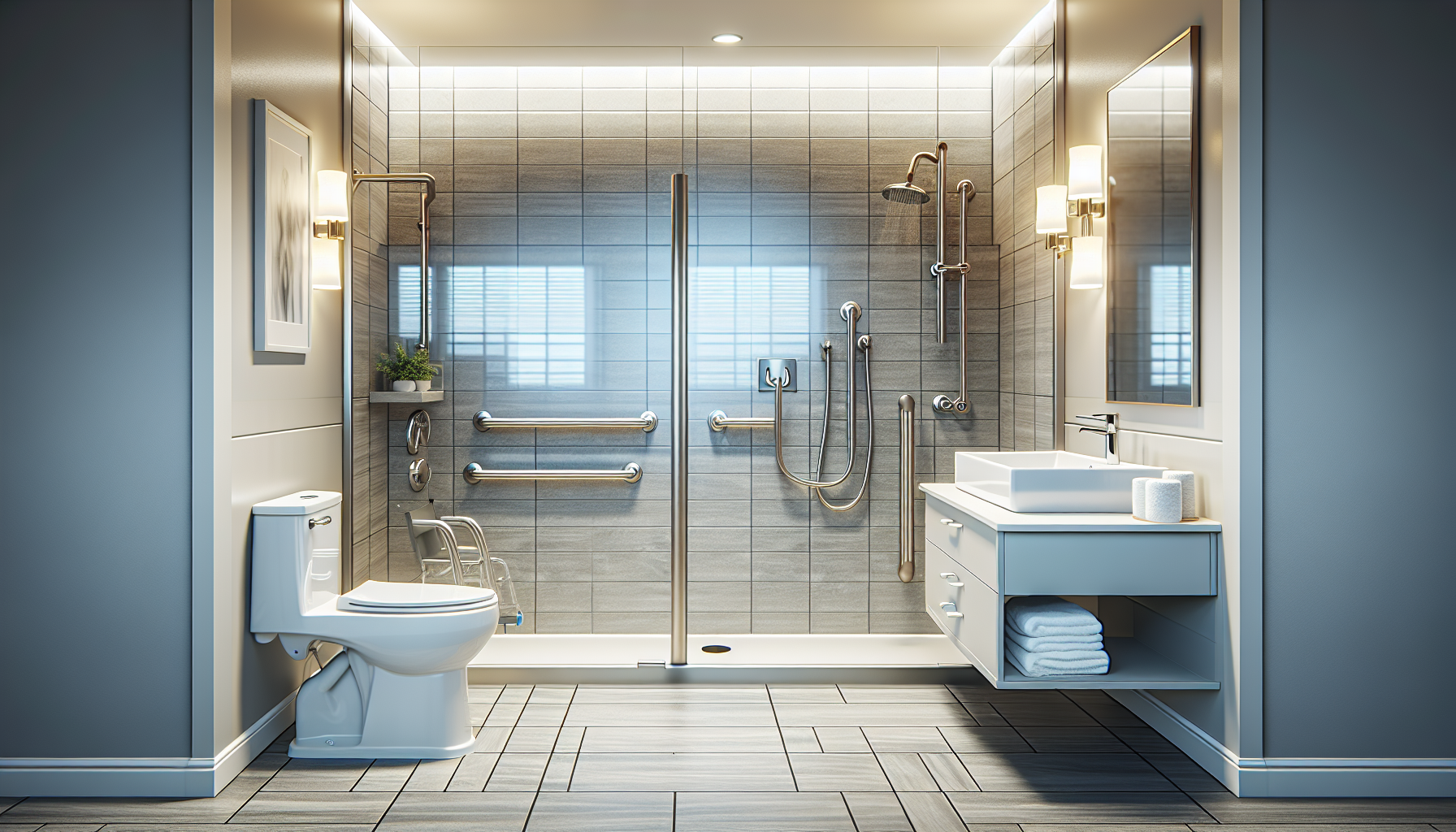
If stepping into a tub feels unstable, getting off the toilet requires pushing hard with both arms, or showering is skipped because it feels risky, the bathroom is already signaling the need for change. In my experience, this is usually the first room where small limitations become serious hazards. Wet surfaces magnify balance problems, and many standard bathrooms were never designed for reduced mobility. The safest response is not a temporary workaround like hanging onto a towel bar. It is a set of durable modifications: grab bars anchored to wall framing, a comfort-height toilet, a handheld showerhead, slip-resistant flooring, better task lighting, and often a curbless shower or low-threshold entry.
These upgrades work because they reduce transfers, reaching, and twisting at the exact moment surfaces are slick. They also support caregivers, who need enough clear floor space to assist without creating more risk. If a person has arthritis, weakness after surgery, or uses a walker, bathroom remodeling should move to the top of the list.
2. Stairs Cause Fatigue, Pain, or Avoidance
When someone starts planning the day around avoiding stairs, that is one of the strongest signs a home no longer fits current needs. You may notice laundry piling up because the machines are in the basement, unopened mail left downstairs, or a bedroom being set up temporarily in a den. People often describe stairs as merely tiring, but the underlying issue may be reduced leg strength, joint pain, shortness of breath, neuropathy, or fear of falling. Each of those affects safety differently, which is why a proper assessment matters.
Common solutions include adding a second handrail, improving stair lighting, increasing tread visibility with contrast strips, repairing uneven risers, or installing a stair lift. In some homes, the smarter long-term strategy is a first-floor bedroom and full bathroom. That approach avoids mechanical dependence and supports wheelchair or walker use if needs change further. If stairs are becoming a daily negotiation, the home needs modification now, not after a fall.
3. Falls, Near Falls, or Furniture Grabbing Are Increasing
A person does not need to hit the floor for risk to be high. Reaching for walls, counters, or furniture while walking is a clear warning sign. So is a sudden “I almost went down” story, especially in low light, while turning, or when carrying items. Near falls usually reveal a mismatch between the person’s current balance and the home environment. Loose rugs, cords, cluttered pathways, glossy floors, and threshold changes become much more dangerous when gait slows or feet are not lifting cleanly.
The first response should combine medical and environmental action. Medication review, vision checks, and physical therapy can address internal causes, while home modifications reduce external triggers. I usually recommend wider, uninterrupted walking paths, removal of trip hazards, non-slip surfaces, strategically placed grab bars, and seating where standing endurance is limited. Waiting for a documented fall misses the point; near falls are actionable data.
4. Lighting No Longer Supports Safe Navigation
Aging eyes need more light, more even light, and less glare. If someone says hallways feel dim, has trouble judging the edge of steps, or avoids going outside after dark, lighting has become an accessibility issue. Standard overhead fixtures often create shadows that hide floor changes and make kitchens and bathrooms harder to use. Good aging in place design treats lighting as a safety system, not decoration.
Priority improvements include bright, diffuse ambient lighting; under-cabinet kitchen lights; illuminated switches; motion-sensor pathway lights; and night lighting between the bed and bathroom. Color temperature matters too. Neutral white light often improves visibility without the harshness that causes glare. Exterior lighting at entries, walkways, and garage thresholds is equally important because many incidents happen during transitions into or out of the house.
5. Doorways, Hallways, and Entries Feel Tight
Homes reveal their limitations quickly when a walker, rollator, cane, or wheelchair enters the picture. Bumping knuckles in a narrow bathroom door, struggling with a threshold, or needing to angle sideways through a hall are not minor inconveniences. They indicate that circulation space is no longer adequate. Even if a wheelchair is not used today, planning for one is often wise if progressive conditions are involved.
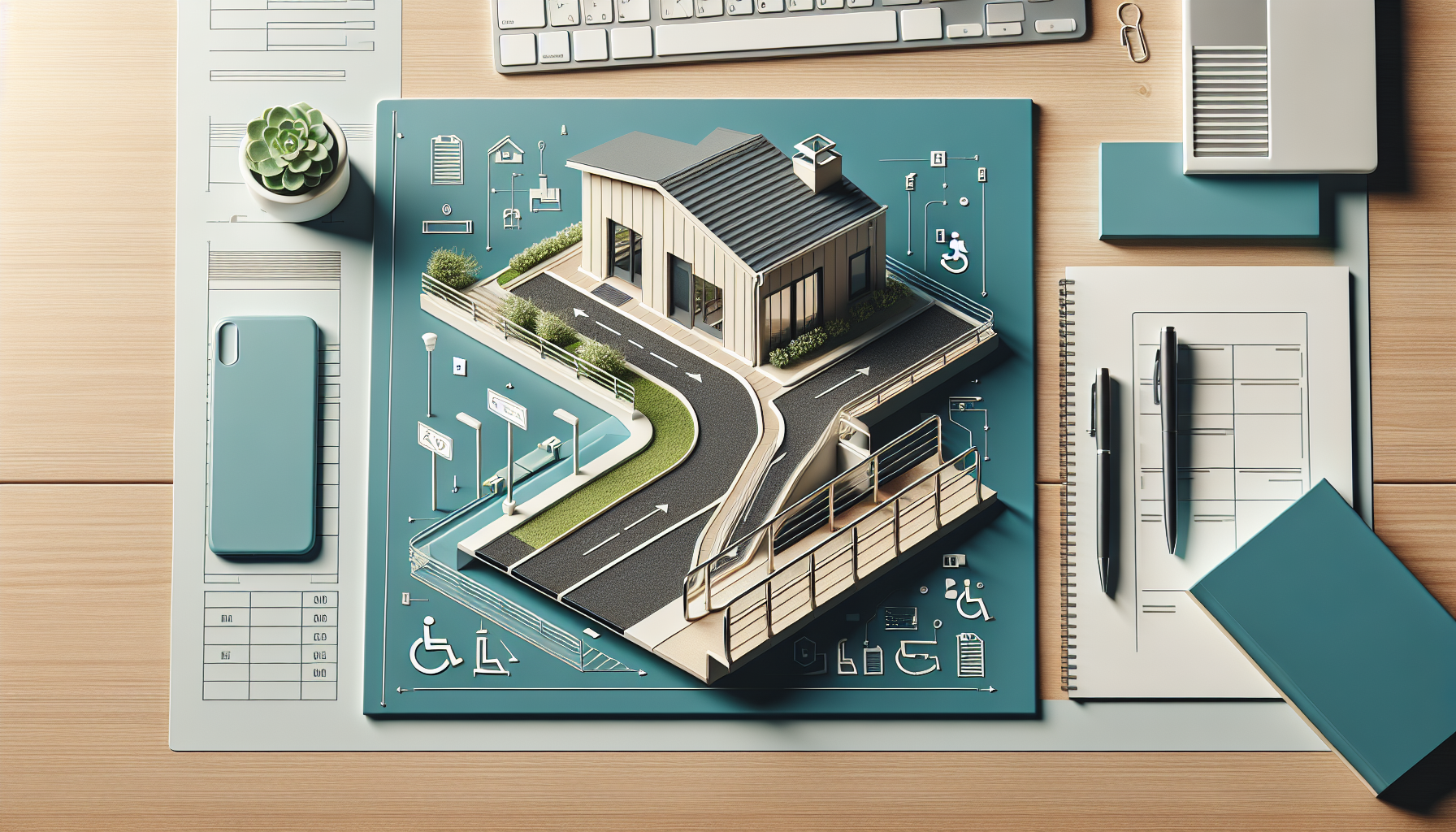
Widening doors, using offset hinges, reducing thresholds, adding lever handles, and creating a zero-step entry are high-value changes. A no-step entrance is especially important because one exterior step can make the entire house inaccessible after surgery or during a temporary decline. Delivery access, emergency response, and caregiver support all improve when the entry sequence is barrier-free and well lit.
6. Everyday Tasks Require Risky Reaching, Bending, or Carrying
One of the most overlooked signs is when normal household routines start demanding awkward body mechanics. Reaching into deep base cabinets, carrying baskets up stairs, standing on a stool to get cookware, or bending to use a low oven all raise injury risk. People often adapt by doing less cooking, less cleaning, or less laundry, which slowly reduces independence. In projects I have overseen, changing storage and work heights often delivers more benefit than larger renovations because it removes dozens of daily strain points.
Simple but effective modifications include pull-out shelves, D-shaped cabinet pulls, side-opening wall ovens, induction cooktops with front controls, raised dishwashers, and relocated laundry on the main floor. The goal is straightforward: bring essential tasks into neutral reach zones and eliminate the need for climbing, stooping, or carrying heavy loads through the house.
7. Recovery From Illness or Surgery Is Taking Place at Home
Many families think of home modification as permanent planning for advanced age, but temporary recovery periods are often the moment when needs become visible. After joint replacement, cardiac events, fractures, or hospitalization for weakness, a home may suddenly be difficult to use. If a clinician has advised walker use, limited stair climbing, or bathing assistance, the environment should be changed before discharge whenever possible.
Hospitals and rehabilitation teams often recommend basic durable medical equipment, but the built environment matters just as much. A safe recovery setup may include a bed on the main level, ramp access, grab bars, shower seating, handheld bathing controls, stable transfer surfaces, and clear turning space. Families who prepare these changes early often prevent readmission caused by deconditioning or falls during the first weeks home.
8. Cognitive Changes Are Affecting Daily Routines
Aging in place is not only about mobility. Early memory loss, reduced judgment, and slower processing can make a familiar home harder to manage safely. Missed medications, burners left on, wandering toward poorly lit exits, and confusion with complex locks all point to the need for supportive design. The right modifications preserve independence while lowering risk and caregiver stress.
Examples include automatic shutoff devices for stoves, simplified hardware, clear labels, contrasting finishes that make fixtures easier to identify, and predictable storage zones. In some cases, door alarms or monitored entry systems are appropriate. The best approach is calm and practical: remove unnecessary complexity, make cues visible, and create routines the home itself reinforces.
9. Caregiving Is Becoming Physically Harder
When a spouse or adult child starts struggling to assist with transfers, bathing, dressing, or getting someone in and out of the home, that is a strong sign modifications are overdue. Homes that are hard on the resident are usually hard on the caregiver too. Tight bathrooms, low seating, narrow bedside clearances, and steps at the entrance increase strain and raise the chance of injury for both people.
The following table shows common signs and the home changes that usually address them most effectively.
| Sign | Typical Risk | Most Effective Modification |
|---|---|---|
| Tub entry feels unstable | Bathroom fall during transfer | Curbless or low-threshold shower, grab bars, shower seat |
| Stairs are avoided | Isolation, missed tasks, fall risk | Second handrail, stair lift, main-floor living setup |
| Frequent near falls | Injury from trip or balance loss | Remove hazards, improve flooring traction, add support points |
| Nighttime bathroom trips are risky | Falls in low light | Motion lighting, bed-to-bath pathway lights, grab bars |
| Walker catches on doors | Loss of balance, impact injury | Door widening, offset hinges, threshold reduction |
| Caregiver strains during transfers | Back injury, unsafe assistance | Space planning, higher seating, accessible bathroom layout |
In more demanding situations, professional input from an occupational therapist, certified aging-in-place specialist, or accessibility-focused contractor is worth the cost. They can identify turning radii, transfer clearances, fixture placement, and equipment needs that families often miss.
10. You Are Planning Ahead Instead of Waiting for a Crisis
The final sign is the most positive one: you can already see the need coming. Maybe a parent wants to stay home long term. Maybe arthritis is progressing, or a two-story layout no longer makes sense for retirement. Planning ahead is not premature. It is the most cost-effective aging in place strategy because it allows phased improvements, better contractor selection, and integration with broader remodeling goals.
Proactive planning often starts with an accessibility audit. Review the path from parking to entry, room-to-room circulation, bathroom safety, bedroom location, kitchen usability, lighting quality, flooring traction, and emergency egress. Then separate modifications into immediate, next-stage, and future-ready upgrades. That roadmap turns a reactive scramble into a manageable plan aligned with budget, health changes, and expected length of stay in the home.
The central lesson is simple: home modification for aging in place should begin when daily life starts showing friction, not when independence has already been lost. Bathrooms that feel slippery, stairs that are being avoided, frequent near falls, dim lighting, tight doorways, difficult household tasks, home recovery needs, cognitive changes, caregiver strain, and proactive long-range planning are all valid signals. Each sign points to a mismatch between the person and the environment, and that mismatch can usually be improved with targeted design.
The main benefit is not just safety. A well-modified home supports dignity, routine, confidence, and the ability to remain connected to community and family. It can also make caregiving more sustainable and reduce the chance that one preventable incident forces a major life transition. Start with the highest-risk areas, especially bathrooms, stairs, entries, lighting, and flooring, then build a phased plan for the rest of the house. If you are evaluating options now, schedule a room-by-room home assessment and use it as the foundation for smart, timely aging in place upgrades.
Frequently Asked Questions
How do I know when it’s time to modify a home for aging in place instead of waiting longer?
A good rule of thumb is this: if everyday tasks are becoming harder, slower, or less safe, it is time to start making changes. Many families wait for a crisis such as a fall, a hospitalization, or a near miss in the bathroom before taking action, but the best results usually come from planning early. Signs can include difficulty climbing stairs, trouble getting in and out of the tub, using furniture for balance, avoiding certain rooms, worsening vision in low light, forgetting routine safety steps, or needing more help with cooking, bathing, and dressing. Even small patterns matter. If someone is starting to leave items on the stairs to avoid carrying them, skipping showers because the tub wall feels dangerous, or becoming exhausted by routine household movement, the home may no longer fit their needs well.
Early modifications are often easier, less expensive, and less disruptive than emergency changes made after an injury. They also help preserve independence and confidence. A few targeted updates such as better lighting, grab bars, lever-style handles, non-slip flooring, improved entry access, and rearranging frequently used items can make a major difference before daily limitations become severe. In my experience, the right time to modify a home is usually sooner than families think. If you are asking the question, there is a strong chance the conversation should already be happening.
What are the most important home modifications to consider first for aging in place?
The best first modifications are the ones that address the highest safety risks and the most frequently used spaces. For most households, that means starting with entrances, bathrooms, lighting, flooring, and pathways through the home. Bathrooms are often the top priority because they combine water, hard surfaces, tight spaces, and lots of transferring in and out of standing and seated positions. Adding grab bars near the toilet and in the shower, installing a handheld showerhead, improving lighting, using non-slip flooring, and considering a walk-in shower or low-threshold entry can significantly reduce fall risk.
Entryways are another critical area. If there are steps without sturdy railings, poor lighting, uneven surfaces, or narrow doorways, simply getting in and out of the house can become difficult. A no-step entrance, secure handrails on both sides of stairs, motion-sensor lighting, and a stable walking surface can improve safety immediately. Inside the home, replacing round doorknobs with lever handles, lowering or reorganizing storage, removing loose rugs, widening tight walkways, and improving visibility with brighter bulbs and layered lighting can make daily movement more manageable. If mobility changes are already noticeable, creating a main-floor living setup with access to sleeping, bathing, and food preparation on one level may be one of the most valuable changes of all.
Can aging in place modifications really help prevent falls and support independence?
Yes, absolutely. Thoughtful home modifications are one of the most practical ways to reduce fall risk and help older adults remain independent longer. Falls often happen not because a person is reckless, but because the environment no longer matches their physical needs. Reduced balance, slower reaction time, weaker grip strength, joint pain, vision changes, and fatigue can turn ordinary features such as stairs, thresholds, dim hallways, slick tile, or a high tub wall into serious hazards. Modifications work by lowering the demands the home places on the person.
For example, grab bars provide stable support during transfers, better lighting improves depth perception, non-slip surfaces reduce the chance of losing footing, and stair railings on both sides make climbing safer. Even small changes can have a meaningful impact. A chair-height toilet may reduce strain on the knees and hips. A shower bench can make bathing less exhausting. Smart home tools such as video doorbells, voice-controlled lighting, medication reminders, and emergency response systems can also support daily safety and confidence. Independence does not mean doing everything exactly the same way as before; it means having the right supports in place so routines can continue safely and with less stress.
Should we make modifications now if the issues seem minor, or wait until mobility gets worse?
It is usually better to make changes while the issues still seem minor. Waiting often limits options and creates unnecessary pressure during an already stressful time. When modifications are made early, the person living in the home has more energy, more input, and more time to adjust to the changes. That leads to better long-term outcomes because the updates are more likely to reflect real preferences, routines, and goals instead of being rushed after a health event. Early planning also gives families time to compare products, prioritize projects, consult the right professionals, and budget wisely.
Minor warning signs rarely stay minor forever. A little hesitation on stairs, difficulty stepping over a tub edge, occasional nighttime disorientation, or increasing dependence on walls and countertops for support can all be early indicators that the home needs to evolve. Making changes before a fall or injury is not overreacting; it is preventive planning. In many cases, the earliest upgrades are straightforward and relatively affordable, especially compared with the cost of emergency care, rehabilitation, or an unexpected move. The goal is not to medicalize the home, but to make it easier and safer to live in comfortably for years to come.
Who should be involved in planning home modifications for aging in place?
The strongest aging in place plans usually involve a team approach. The older adult should remain at the center of the conversation whenever possible, because the home must support their habits, preferences, comfort, and dignity. Family members often play an important role by noticing patterns, helping evaluate options, and coordinating decisions, but the most successful plans are collaborative rather than imposed. It is also wise to involve professionals who can assess both safety and function. Depending on the situation, that may include an occupational therapist, a certified aging-in-place specialist, a contractor experienced in accessibility modifications, a physical therapist, a home care professional, or a medical provider familiar with the person’s health and mobility changes.
Each perspective adds value. An occupational therapist can identify where daily tasks break down and recommend practical solutions based on how the person actually moves through the home. A skilled contractor can determine what is structurally feasible and how to complete changes safely and efficiently. Family members can share observations about near falls, fatigue, memory concerns, and routines that may not be obvious during a short visit. Bringing these viewpoints together helps create a plan that is realistic, personalized, and sustainable. Rather than asking only, “What changes should we make?” it is often more useful to ask, “What daily activities are becoming harder, and what home changes would make them safer and easier?” That question usually leads to smarter decisions.