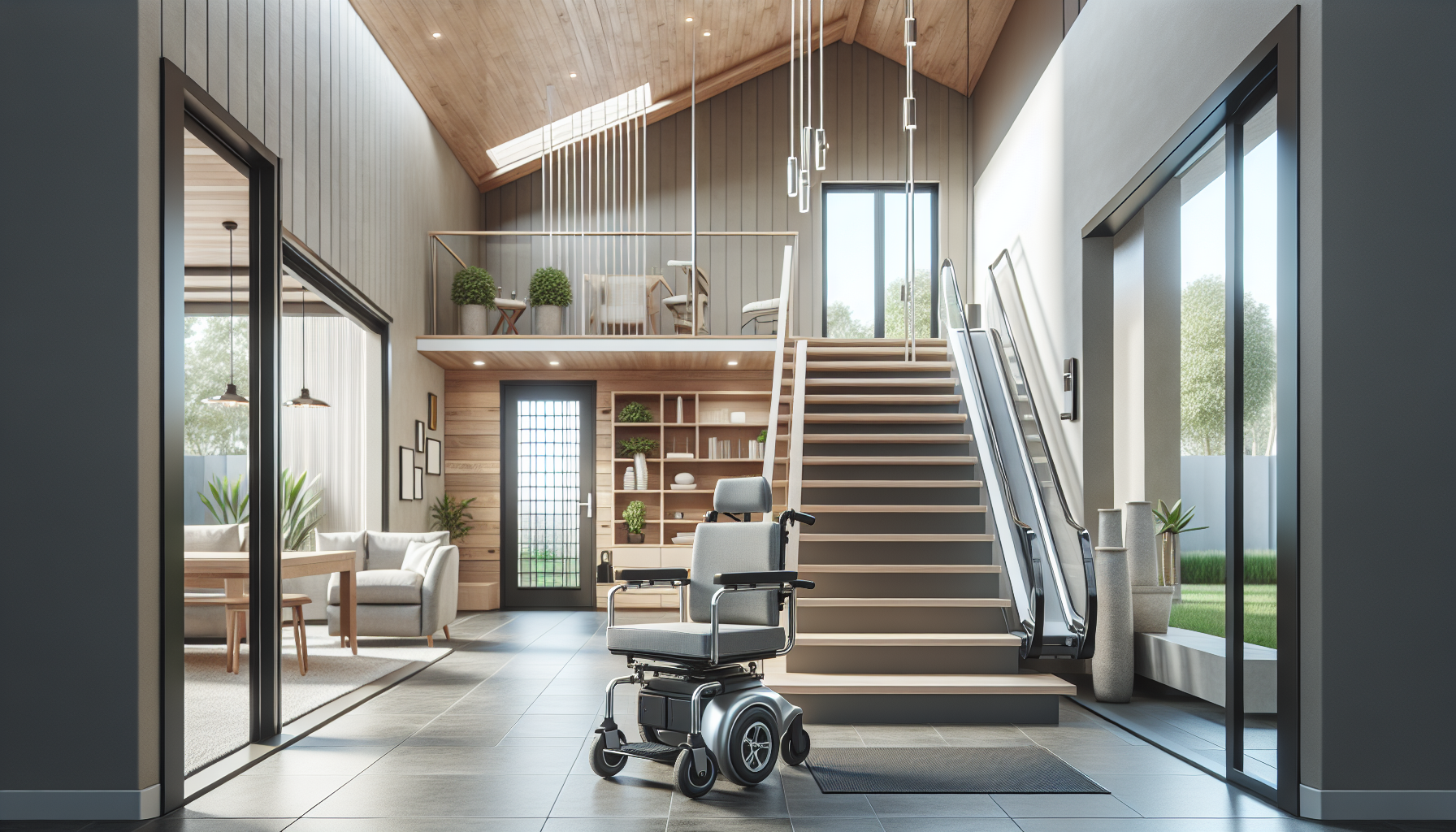
Future-proofing your home for mobility needs means designing rooms, entries, and daily routines so the space remains safe, usable, and comfortable as walking, balance, strength, or wheelchair access needs change over time. In aging in place planning, that goal is practical: reduce fall risk, preserve independence, lower caregiving strain, and avoid rushed, expensive renovations after a health event. I have worked with families making these changes after knee replacements, stroke recovery, Parkinson’s progression, and ordinary age-related decline, and the same lesson repeats every time: the best accessibility upgrades are the ones installed before they become urgent.
Aging in place strategies combine home modification, product selection, medical insight, and financial planning. The term covers simple changes such as brighter lighting and lever handles, as well as structural work such as zero-step entries, wider doorways, reinforced bathroom walls, and first-floor bedroom suites. It also includes mobility technology, from stair lifts to transfer aids, plus service planning such as occupational therapy home assessments and local transportation options. A future-proof home does not have to look clinical. Universal design principles aim for spaces that work for children, adults, guests with injuries, and older residents alike, without constant adaptation.
This matters because the population is aging, and homes often lag behind what older bodies need. The Centers for Disease Control and Prevention reports millions of older adults fall each year, and bathrooms, stairs, thresholds, and poor lighting are frequent contributors. At the same time, most older adults prefer to remain at home rather than move into institutional care. Housing that supports mobility can delay or prevent relocation, but only if the design addresses real daily tasks: entering the house, getting to the toilet at night, carrying laundry, reaching cookware, showering safely, and standing up from seating without pain. A strong aging in place plan starts with those tasks, then builds the house around them.
Start With a Mobility-Focused Home Assessment
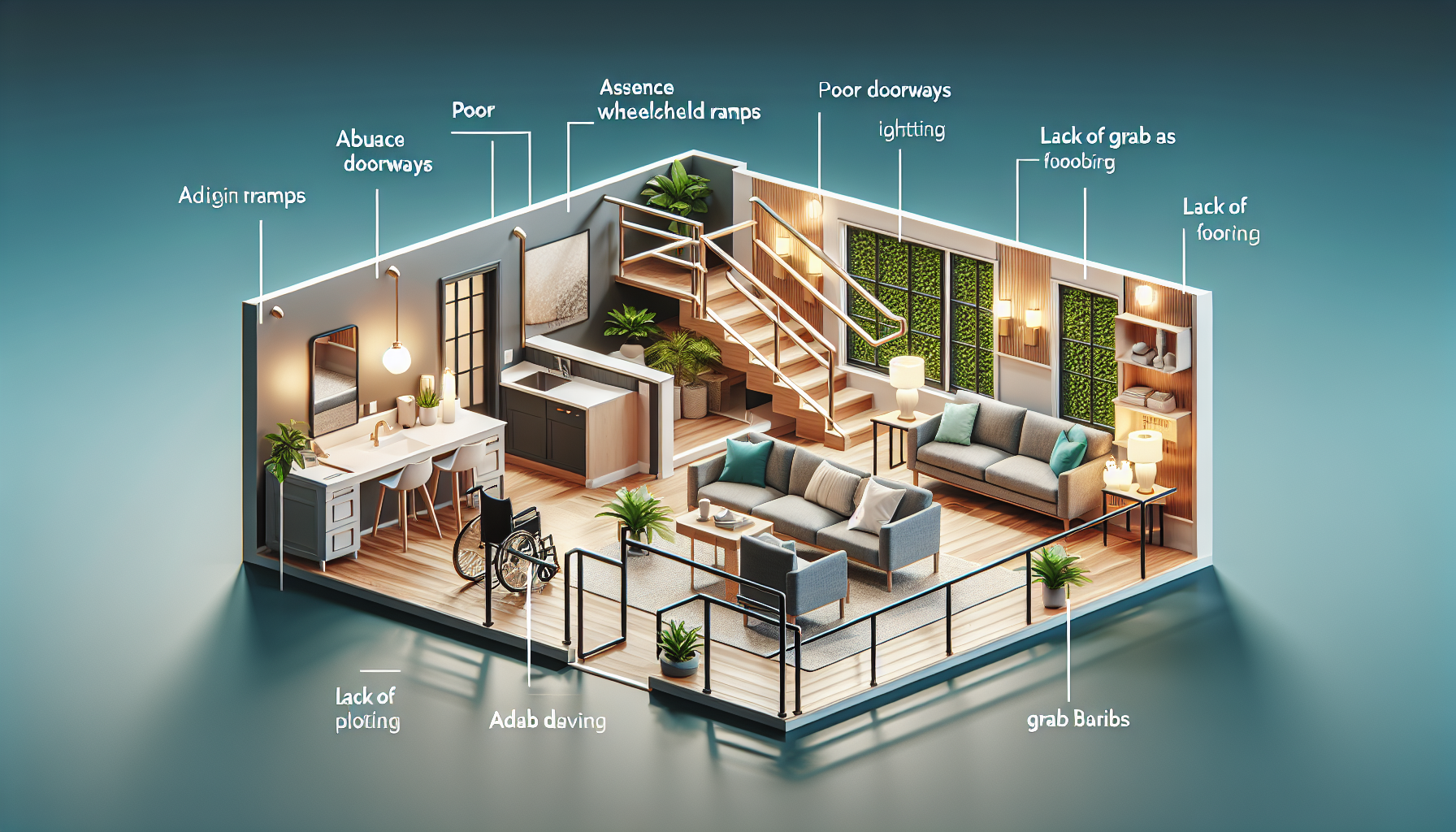
The smartest first step is a room-by-room assessment based on function, not aesthetics. I usually begin at the curb and follow the path a resident takes during an ordinary day. Can they get from parking to the front door without uneven pavers, steep slopes, or unlit steps? Is there a handrail on both sides where needed? Can a walker turn in the entry? Can a wheelchair clear the door with enough latch-side space to open it independently? Inside, I look at flooring transitions, furniture placement, bed height, toilet height, and whether common items are stored between knee and shoulder level.
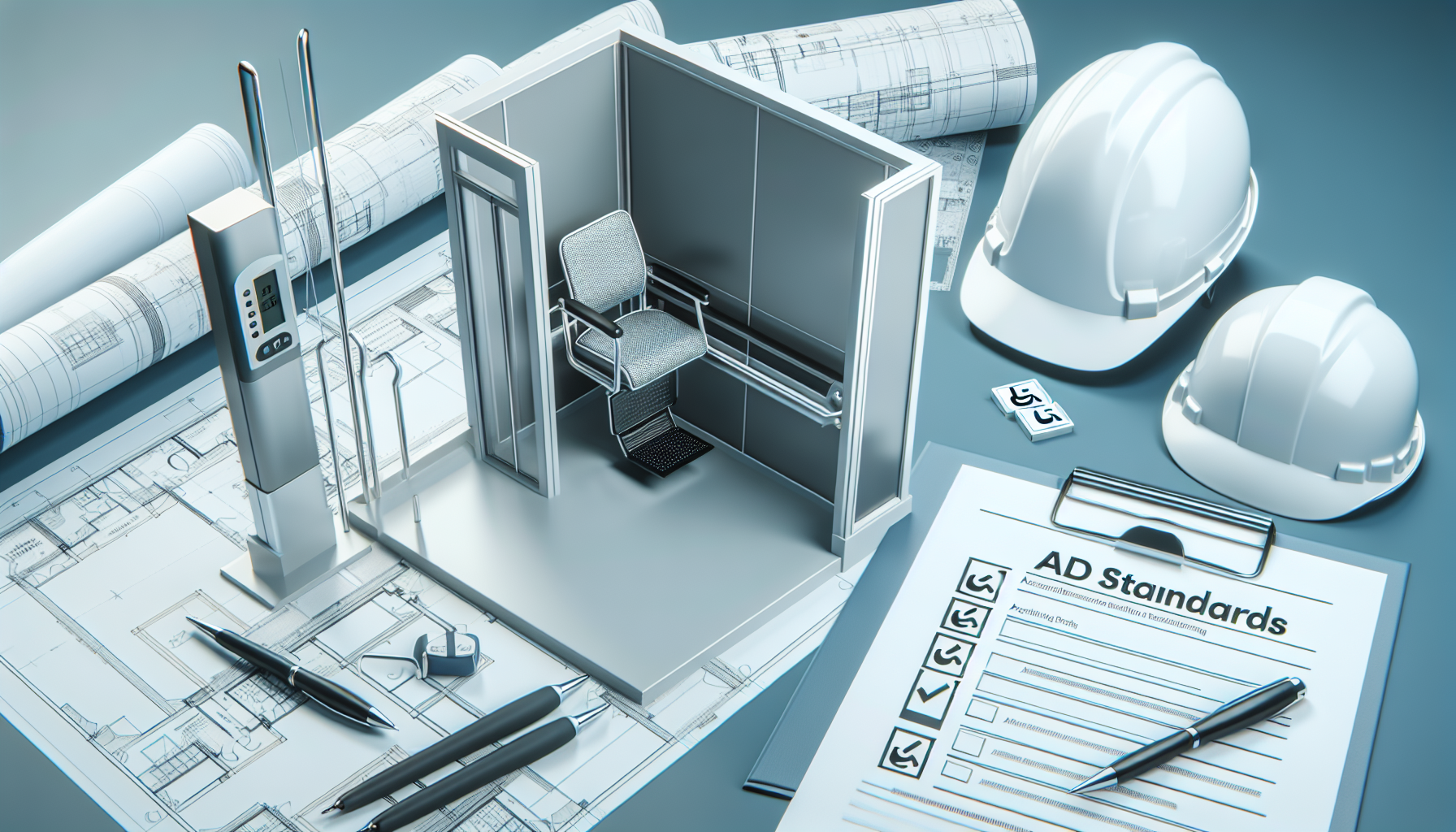
An occupational therapist or certified aging-in-place specialist can identify barriers that families miss because they have adapted to them over years. During assessments, professionals often evaluate transfer safety, reach ranges, bathroom maneuvering clearances, stair negotiation, and emergency egress. They also ask about diagnoses and likely progression. A person with arthritis may need easier grasping surfaces, while someone with multiple sclerosis may need fatigue-reducing layout changes and eventual wheelchair access. The point is not to predict every medical outcome. It is to prioritize modifications that offer broad usefulness across many scenarios.
A good assessment creates phases. Immediate low-cost fixes might include removing loose rugs, adding motion-sensor night lights, and installing offset door hinges to gain extra passage width. Medium-term projects might include replacing a tub with a curbless shower and adding a first-floor laundry area. Long-term structural planning could involve preserving space for a residential elevator or converting a den into a bedroom. This phased approach protects budget while preventing duplicated work.
Prioritize Entrances, Circulation, and Flooring
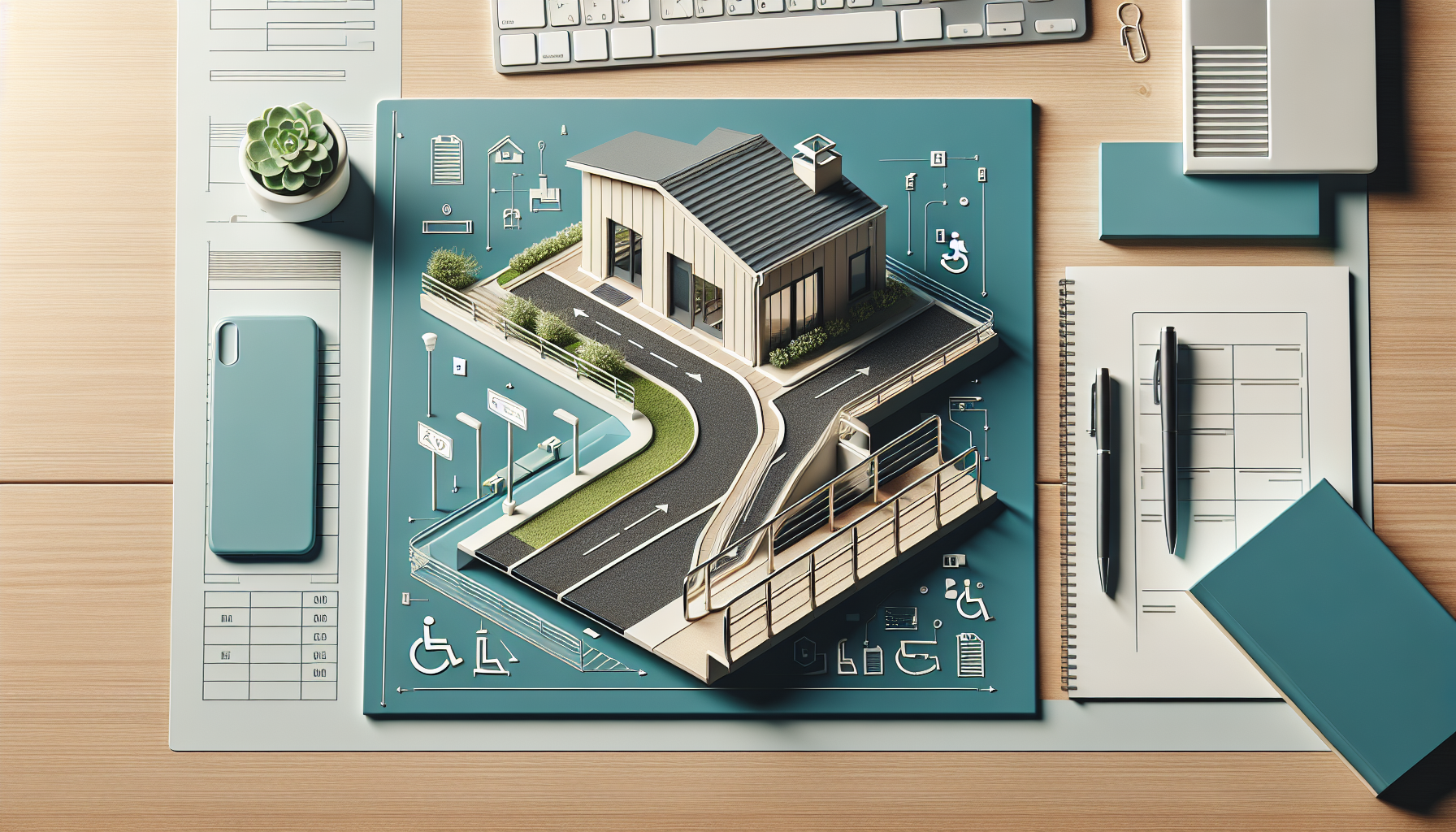
If a resident cannot enter, exit, and move through the home safely, other upgrades matter less. Zero-step entry is the gold standard because even a single step can become a major obstacle after surgery or during walker use. Where a no-step entry is not feasible immediately, a properly graded walkway, temporary threshold ramp, or modular aluminum ramp can bridge the gap. Permanent ramps should follow recognized slope guidance and include edge protection, stable landings, and handrails when rise and length demand them.
Inside the home, circulation space matters more than many people expect. Wheelchairs typically require clear maneuvering space, and walkers need uninterrupted pathways free from plant stands, baskets, and decorative furniture. Hallways that feel roomy to an able-bodied adult may become tight once someone needs side support or caregiver assistance. Doorways under thirty-two inches clear width commonly create problems. Pocket doors, barn doors used correctly, and swing-clear hinges can improve access where full reframing is not yet practical.
Flooring should be stable, matte, and low resistance for rolling mobility devices. Thick plush carpet can trip foot shuffling and increase wheelchair effort, while glossy stone can become dangerously slick when wet. In homes I have helped retrofit, luxury vinyl plank, low-pile carpet tiles, cork, and textured porcelain often perform well, provided transitions are minimized. Thresholds should be reduced wherever possible. Every lip between rooms is a catch point for toes, canes, and front casters.
| Home area | Common mobility barrier | Future-proof upgrade | Why it works |
|---|---|---|---|
| Front entry | Steps and narrow landing | Zero-step entrance with wider landing | Supports walkers, wheelchairs, strollers, and deliveries |
| Hallways and doors | Tight clearance | Wider doors or swing-clear hinges | Improves independent movement and caregiver access |
| Bathroom | Tub wall and slippery floor | Curbless shower with slip-resistant tile | Reduces fall risk and simplifies transfers |
| Kitchen | High storage and deep reaches | Pull-out shelves and varied counter heights | Reduces strain and supports seated use |
| Bedroom | Distance from bathroom | Main-floor sleeping space | Limits stair dependence during illness or recovery |
Make the Bathroom the First Major Upgrade
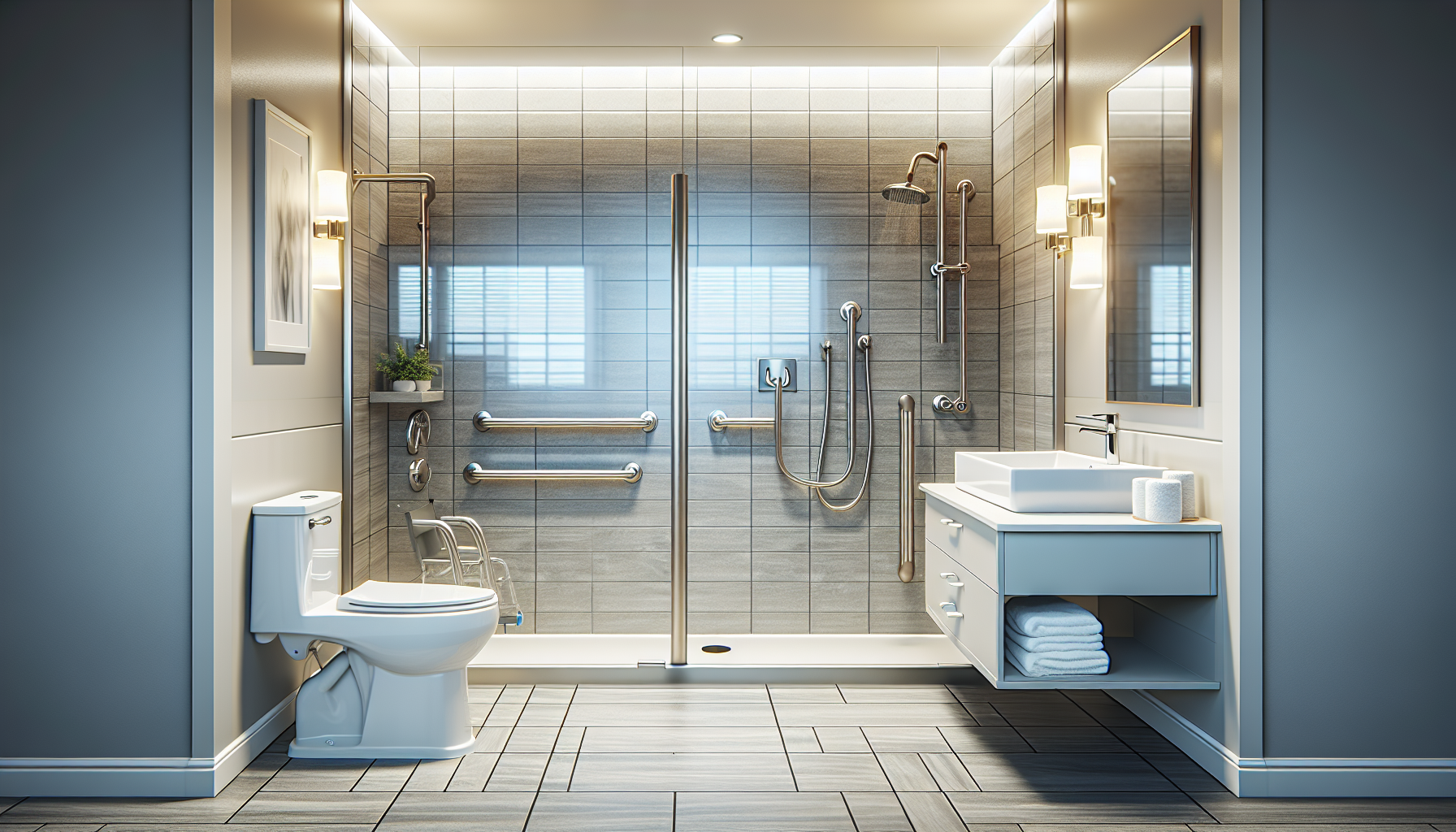
Bathrooms are where many aging in place plans succeed or fail because they combine water, hard surfaces, rushing, fatigue, and privacy. The most effective bathroom modifications center on transfers and balance. A curbless or low-threshold shower is usually more valuable than a standard tub once mobility changes begin. Pair it with slip-resistant flooring, a handheld shower on a slide bar, a built-in or fold-down bench, and pressure-balanced or thermostatic valves to reduce scald risk. These are not luxury add-ons; they directly support safe bathing with less caregiver involvement.
Grab bars should be installed based on transfer patterns, not by guesswork. Behind and beside the toilet, at shower entries, and along shower walls are common locations, but backing should be placed generously during renovation so bars can be moved later if needs change. Decorative grab bars now come in finishes that match faucets, which helps homeowners accept them earlier. Toilet height also matters. Comfort-height models can help some users stand more easily, though very tall toilets are not ideal for everyone, especially shorter users who need stable foot contact.
Sink design is another overlooked detail. Lever or touch controls are easier than tight knobs for arthritic hands. Open knee space can support seated grooming, but exposed pipes should be insulated. Mirrors angled for seated and standing users, strong vertical lighting at the face, and shelving that keeps medications organized all improve daily usability. If there is budget for only one substantial accessibility renovation, the bathroom usually delivers the highest safety return.
Design a Kitchen That Reduces Reaching, Carrying, and Fatigue
A mobility-friendly kitchen is not just wheelchair accessible; it is efficient for anyone with pain, limited endurance, or reduced balance. In practice, that means shortening travel distances, limiting overhead storage, and making heavy items easier to access. Drawers generally outperform deep base cabinets because contents come to the user. Pull-out shelves, D-shaped pulls, lazy Susans, and full-extension glides reduce awkward bending and twisting. Frequently used dishes, pans, and pantry items should live between knee and shoulder height.
Appliance choices matter. Side-opening wall ovens can improve access, induction cooktops lower burn risk, and French-door refrigerators reduce reach depth. Microwave drawers or countertop microwaves at usable height are safer than units mounted over ranges. For seated use, sections of countertop can be lowered while preserving standard-height prep elsewhere for standing family members. Task lighting under cabinets helps residents with low vision identify controls and food labels without squinting or leaning.
I also recommend planning for rest points. A sturdy perch stool, nearby chair with arms, or open space for a wheelchair can extend kitchen independence significantly. Small details make a large difference: touchless faucets for limited grip, contrasting counter edges for visual definition, and anti-fatigue mats only if they are beveled and stable enough not to create trip hazards. The best aging in place kitchen supports safe meal preparation on both strong days and low-energy days.
Plan Bedrooms, Stairs, and Daily Living Zones for Changing Needs
Many homes become difficult not because any single room fails, but because essential activities are spread across multiple levels. A durable aging in place strategy puts key daily functions on one floor: sleeping, bathing, cooking, and laundry. If a dedicated first-floor primary suite is not available, identify a room that can be converted later. Even a study or formal dining room can become a temporary bedroom during recovery from surgery or while waiting for larger renovations.
Bedroom layout should allow walking aids on both sides of the bed when possible. Bed height should support safe sit-to-stand transfers, usually with knees slightly below hips when seated. Adequate clearance to the bathroom matters more than oversized furniture. Closets benefit from lower rods, pull-down organizers, and bright lighting. Smart switches, voice-controlled lamps, and clearly reachable charging points reduce night movement and clutter from cords.
Stairs deserve special scrutiny. Secure handrails on both sides, consistent riser heights, high-contrast nosings, and bright lighting can improve safety. For some households, a stair lift is the right intermediate solution, especially when the upper floor remains heavily used and structural remodeling is unrealistic. However, stair lifts do not solve every problem. They require transfers on and off the seat, maintenance, and enough user stability to operate safely. For progressive conditions or wheelchair users, a main-level living plan is often more resilient than dependence on stairs.
Use Technology, Lighting, and Safety Systems Wisely
Thoughtful technology can strengthen independence, but it should solve a specific problem rather than add complexity. Smart locks can eliminate key struggles. Video doorbells let residents screen visitors without hurrying to the door. Voice assistants can control lights, thermostats, and reminders for medications or appointments. Fall detection wearables and monitored alert systems can shorten response time after an emergency, especially for people who live alone. These tools are most effective when setup is simple and backup manual controls remain available.
Lighting is one of the cheapest and most effective mobility interventions. Aging eyes need more illumination, and glare becomes more disruptive. Layered lighting works best: ambient light for general visibility, task light for activities, and motion-activated pathway light for nighttime trips to the bathroom. Stairs, exterior paths, garages, and transitions between bright and dim areas deserve extra attention. I have seen dramatic safety improvements from something as basic as adding under-bed lighting and illuminated rocker switches.
Do not ignore emergency planning. Smoke and carbon monoxide alarms should have loud signals and interconnected coverage. Residents with hearing loss may need visual alerts or bed shakers. Keep at least one phone accessible from key locations, and post emergency contacts in large print. If backup power is medically important for oxygen equipment, power wheelchairs, or refrigerated medications, plan for generator or battery support early rather than after an outage exposes the risk.
Budget, Timing, and Professional Support
Future-proofing a home is easier when families understand which projects deliver immediate benefit and which are worth prewiring or reinforcing now. Some upgrades are inexpensive: lever handles, shower grab bars, better lighting, anti-scald valves, and furniture rearrangement. Others require serious planning: bathroom relocations, door widening, ramp construction, and structural changes for elevators or lifts. When remodeling anyway, it is usually cost-effective to add wall blocking, wider rough openings, reinforced stair framing, and electrical preparation for future equipment.
Financing options vary by location and income. Home equity, long-term care insurance provisions, Medicaid waiver programs, Veterans Affairs housing grants, state assistive technology programs, and nonprofit repair funds may all play a role. Building code and permit requirements should never be skipped, especially for ramps, lifts, electrical work, and major bathroom reconstruction. Products should meet recognized safety standards, and installers should have direct experience with accessibility work rather than only general remodeling.
The strongest results come from collaboration. Occupational therapists translate physical ability into environmental needs. Physical therapists may advise on gait, transfers, and equipment use. Contractors experienced in universal design understand slope, clearance, blocking, and moisture management. Families contribute the most important data of all: what the resident values, fears, and refuses to give up. A plan only works if the person living in the home can accept and use it.
Future-proofing your home for mobility needs is ultimately about preserving choice. The right aging in place strategies make the home safer today while preparing it for tomorrow’s uncertainty. Start with access, falls, and daily routines. Upgrade bathrooms early, simplify kitchen work, bring essential living functions onto one level, and use technology where it truly reduces effort or risk. Phase projects so the home evolves with changing health rather than forcing a crisis-driven move.
This hub is the foundation for every deeper topic in aging in place planning, from bathroom safety and stair lift decisions to wheelchair-friendly kitchen layouts, funding options, and professional assessments. If you are beginning, walk through your home with a notepad and identify the places where balance, reaching, transfers, or stairs already feel harder than they did two years ago. Those small signals usually point to the first improvements worth making. Act before the house becomes an obstacle.
Frequently Asked Questions
1. What does it really mean to future-proof a home for mobility needs?
Future-proofing a home for mobility needs means making intentional design and layout choices now so the home continues to work safely and comfortably if mobility changes later. That can include planning for reduced balance, slower walking, joint pain, fatigue, use of a cane or walker, recovery after surgery, or eventual wheelchair use. In practical terms, it is about removing barriers before they become emergencies. A home that is easy to enter, easy to move through, and easy to use for bathing, cooking, sleeping, and getting in and out of chairs can help reduce falls, support independence, and lower the physical strain on family caregivers.
It is also important to understand that future-proofing is not just about “old age” or permanent disability. Many families start this process after a knee replacement, stroke recovery, Parkinson’s symptoms, arthritis progression, or repeated near-falls. A home that works during short-term recovery often works better long term too. Wider walkways, better lighting, curbless showers, lever door handles, and fewer level changes are useful for almost everyone, not just someone with a medical diagnosis. The best future-proofing plans support current comfort while quietly preparing for changing needs over time.
2. Which home modifications should most families prioritize first?
The best starting point is usually safety and access. Entryways, bathrooms, flooring, and lighting tend to offer the biggest benefits early on. Start by looking at how someone gets into the house: are there steps without railings, narrow doors, poor exterior lighting, or a high threshold that could become a tripping hazard? A no-step or low-step entry, sturdy handrails on both sides where possible, a covered landing, and a door wide enough for a walker or wheelchair can make a major difference. Even one accessible entrance can prevent a home from becoming difficult to use after an injury or illness.
Bathrooms are often the next priority because they are one of the highest-risk areas for falls. A walk-in or curbless shower, non-slip flooring, strategically placed grab bars, a handheld showerhead, and enough turning space for assistance or mobility equipment can dramatically improve safety. Toilet height also matters; a comfort-height toilet or properly fitted raised toilet seat can make transfers easier. In the rest of the home, replacing thick rugs, uneven flooring transitions, and cluttered walk paths is often a quick win. Improved lighting is another high-value upgrade. Brighter, even lighting in hallways, stairways, bathrooms, and entrances helps compensate for reduced vision and improves confidence when moving around the home.
Families should also think about one-level living as early as possible. If the main bedroom, a full bathroom, kitchen, and laundry can all be accessed on the same level, the home becomes far more resilient if stairs become difficult. If that is not possible immediately, it is still smart to create a realistic plan for how those spaces could be relocated or adapted later.
3. How can I make a home safer without turning it into a clinical-looking space?
This is one of the most common concerns, and the good news is that accessibility does not have to feel institutional. Many modern mobility-friendly products are designed to blend into residential spaces. Grab bars now come in finishes that match towel bars and plumbing fixtures. Curbless showers can look sleek and contemporary. Wider doorways, better lighting, smart storage, and lever handles often improve the look and function of a home at the same time. In many cases, the most effective changes are subtle and almost invisible to visitors.
The key is to focus on universal design, which means creating spaces that are easier for everyone to use regardless of age or ability. For example, replacing round doorknobs with lever handles looks like a style update but is much easier for someone with arthritis or limited grip strength. Choosing slip-resistant flooring in a warm wood-look finish can provide safety without making the home feel medical. Lowering some storage, adding seating near entryways, improving contrast between surfaces, and using rocker-style light switches are other practical upgrades that can be integrated into an attractive design plan.
It also helps to think beyond products and consider layout. A room with clear circulation paths, stable furniture, and logical placement of everyday items often feels calmer and more welcoming. Good design can support dignity. When mobility-related features are selected thoughtfully, the result is usually a home that feels more comfortable, more functional, and more refined rather than more clinical.
4. Do I need to plan for wheelchair access even if no one uses a wheelchair right now?
In many cases, yes, at least to some degree. Future-proofing does not mean fully remodeling every room for full-time wheelchair use immediately, but it does mean avoiding choices that would create major obstacles later. Mobility needs often change in stages. Someone may start with a cane, then a walker, then need a transport chair temporarily after a hospitalization or during recovery. If doors are too narrow, hallways are crowded, or bathrooms are too tight, even short-term mobility challenges can become much harder to manage than families expect.
A practical approach is to build in flexibility. That might include choosing wider doorways where possible, leaving enough clearance around beds and dining areas, selecting a shower layout that could later support seated bathing, and reinforcing bathroom walls so grab bars can be added or adjusted without major demolition. It can also mean making sure there is at least one usable bedroom and full bathroom on the main floor. If a wheelchair is never needed, these changes still improve everyday comfort. If one is needed, the home is far more likely to accommodate that transition smoothly.
Planning ahead is usually far less expensive than rushing to adapt a home after a fall, surgery, or sudden diagnosis. Even simple choices made during a small renovation can preserve future options. Families do not need to assume the worst, but they should recognize that adaptability is one of the most valuable features a home can have.
5. Should I work with professionals, and if so, who should be involved?
Yes, for most families, professional guidance is worth it, especially when the goal is to create a home that will remain safe and usable over many years. The right team depends on the person’s health, the home’s current layout, and the size of the project. An occupational therapist can be extremely helpful because they assess how a person moves through daily routines such as bathing, dressing, toileting, cooking, and transferring in and out of bed or chairs. Their recommendations are often highly practical and tailored to real-life function rather than just general safety advice.
For design and construction decisions, a contractor experienced in accessibility modifications is important. In more complex projects, an architect, aging-in-place specialist, or certified home accessibility professional may help develop a more complete plan. These professionals can identify issues that families may miss, such as turning radius limitations, threshold problems, poor fixture placement, unsafe stair geometry, or bathroom layouts that technically fit but do not actually work well during assistance or equipment use. A physical therapist or medical provider may also contribute guidance when balance, gait, strength, or recovery needs are changing.
The most successful projects usually begin with a clear assessment rather than isolated product purchases. Instead of buying grab bars, ramps, or stair solutions one at a time without a broader plan, it is better to look at the whole home and the likely progression of needs. That helps families spend money more strategically, avoid redoing work later, and create a home that supports both safety and independence. Professional input can also reduce stress by turning a vague concern into a realistic step-by-step plan.