Medicaid waiver programs can help eligible older adults and people with disabilities pay for stair lifts and home accessibility modifications when those changes prevent institutional care and make daily living safer at home. In practical terms, a Medicaid waiver is a state-run benefit that lets Medicaid cover services or equipment not always included under the regular state plan, especially long-term services and supports delivered in a home or community setting. For families facing the cost of a stair lift, ramp, widened doorway, roll-in shower, transfer equipment, or other accessibility upgrades, these waivers are often the most important public funding source to understand because they can bridge the gap between medical need and the high price of aging in place.
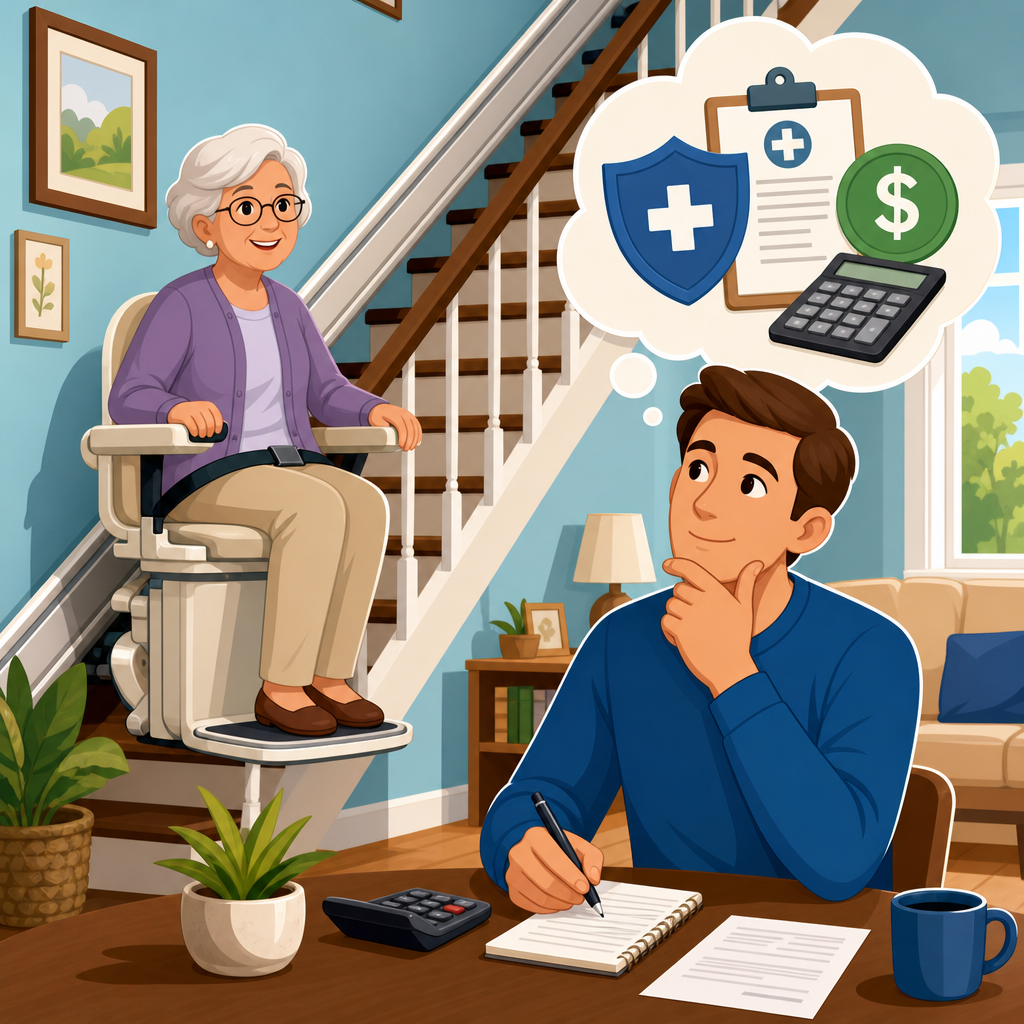
I have worked with homeowners comparing private-pay options, VA benefits, nonprofit grants, and state assistance, and Medicaid waivers consistently stand out for one reason: they can fund modifications that directly reduce fall risk, caregiver strain, and avoidable nursing home placement. A straight stair lift may cost a few thousand dollars, while a curved lift, bathroom remodel, or platform lift can cost far more. Most households do not budget for those expenses, and traditional health insurance usually does not treat home modifications as standard covered benefits. That leaves families searching for grants and assistance programs, often under time pressure after a hospitalization, worsening mobility, or a physician recommendation.
This article serves as the hub for grants and assistance programs within cost and financing options. It explains how Medicaid waiver programs work, what types of stair lifts and home accessibility modifications may qualify, who is eligible, how the approval process typically unfolds, and where these waivers fit alongside other funding sources. Because Medicaid is administered by states within federal rules, details vary substantially. Names differ, covered services differ, and waiting lists differ. Still, the underlying logic is consistent: if a home modification is necessary, cost-effective, and supports safe community living, a waiver may pay all or part of the expense. Understanding that framework helps families ask the right questions and move faster toward approval.
How Medicaid waiver programs work for home accessibility
Medicaid waiver programs are designed to support home and community-based services instead of institutional care. The most common structure is the Section 1915(c) home and community-based services waiver, though some states use managed long-term services programs, state plan options, or demonstration authority to deliver similar benefits. In plain terms, a state receives flexibility to offer targeted supports to specific populations, such as seniors, adults with physical disabilities, people with traumatic brain injuries, or individuals with developmental disabilities. Home accessibility modifications are frequently included under service categories such as environmental modifications, assistive technology, adaptive equipment, or home modifications.
The funding decision usually turns on medical necessity and cost effectiveness. A stair lift is not approved simply because it is convenient or increases resale value. It is approved when an assessment shows that the resident cannot safely access essential areas of the home, the equipment addresses a documented functional limitation, and the expense is reasonable compared with alternatives. Case managers, occupational therapists, nurses, physicians, and waiver administrators may all contribute to this determination. In my experience, approvals move more smoothly when the requested modification is tied directly to activities of daily living, fall prevention, transfer safety, and the goal of preventing institutional placement.
States also impose service limits, prior authorization rules, and vendor requirements. Some waivers cap the annual amount available for environmental modifications. Others require a licensed contractor, multiple bids, landlord permission for renters, or proof that less costly alternatives were considered first. A simple grab-bar installation may move quickly, while a stair lift installation may trigger more documentation, especially if a first-floor bedroom conversion is theoretically possible. That does not mean stair lifts are rarely covered. It means families should expect a structured review process rather than automatic approval.
What stair lifts and accessibility modifications may be covered
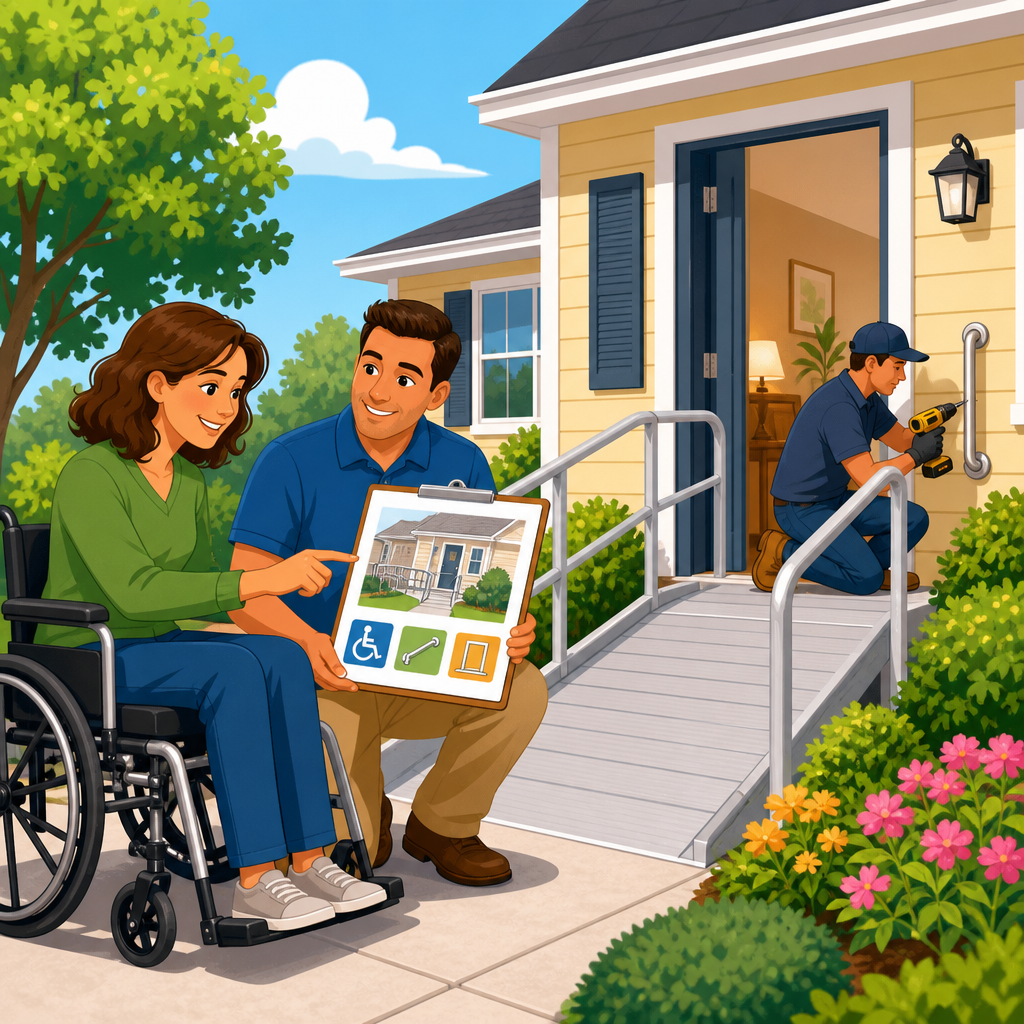
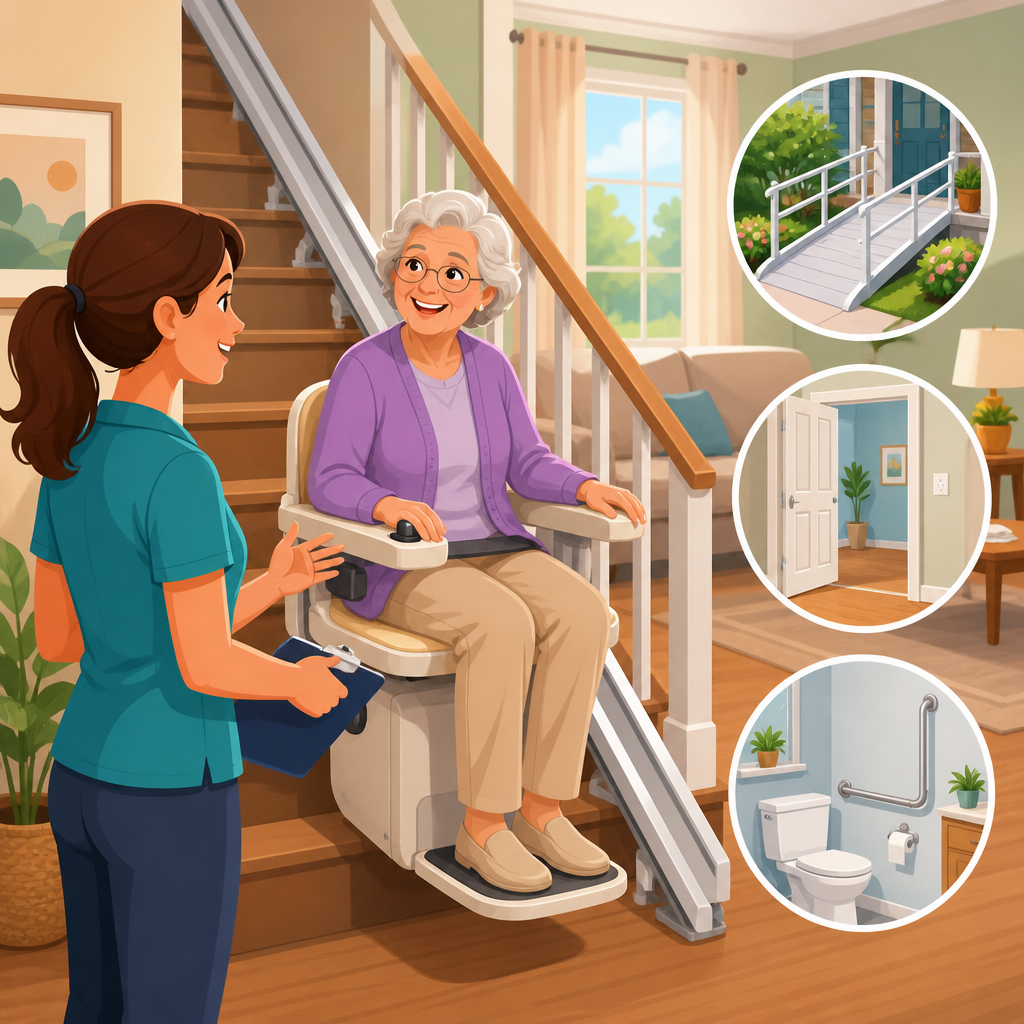
Coverage under Medicaid waiver programs can include a broad range of home accessibility improvements when they directly support safe mobility, transfers, toileting, bathing, or access to essential living spaces. Stair lifts are often requested when a resident sleeps or bathes on a level that cannot be reached safely by stairs. Straight stair lifts may be easier to approve because they are less expensive and simpler to install. Curved stair lifts can also qualify, but higher cost usually means closer scrutiny and more detailed justification. Platform lifts, porch lifts, wheelchair ramps, vertical lifts, handrails, threshold modifications, widened doorways, lowered counters, accessible sinks, and bathroom adaptations may all fall within the same benefit category depending on the state program.
Bathroom and entry modifications are especially common because they address some of the highest-risk areas in a home. Roll-in showers, shower chairs, non-slip flooring, raised toilets, transfer benches, and handheld showerheads can dramatically reduce falls and caregiver injuries. Door widening may be essential for wheelchair users, while ramp installation may be the only way to enter and exit safely for medical appointments. In some waiver programs, the line between durable medical equipment and environmental modification matters. A portable shower chair might be processed differently from a built-in shower conversion, even when both serve the same person. Families should ask how the state classifies each item because it affects authorization, budgeting, and vendor choice.
Cosmetic renovations, general home repairs, and upgrades that primarily increase property value are usually excluded. Replacing carpeting for style reasons will not qualify, but flooring changes that allow wheelchair access or reduce trip hazards may. Likewise, a full kitchen remodel is unlikely to be covered, while a targeted sink or counter modification may be. Approval depends on whether the change is necessary to meet a documented functional need and whether the waiver specifically allows that type of spending.
Who qualifies and what documentation is usually required
Eligibility for Medicaid waiver programs generally rests on three pillars: financial eligibility, functional eligibility, and program-specific targeting criteria. Financial eligibility often includes income and asset limits, although some states offer pathways with different thresholds, spend-down rules, or trust options. Functional eligibility usually means the person needs a nursing home level of care or meets a comparable standard for assistance with activities of daily living. Program targeting criteria may limit enrollment to older adults, adults with physical disabilities, children with complex medical needs, or people with other defined conditions.
For home accessibility modifications, documentation matters as much as basic eligibility. A strong request usually includes a physician order or clinical statement, a functional assessment, a home assessment, and a written explanation showing why the modification is necessary. Occupational therapists are particularly influential because they can connect the physical layout of the home to the resident’s mobility limits and daily routines. For example, if a client uses a walker, cannot safely climb twelve steps to reach the only full bathroom, and has already fallen twice, an OT report can make the case that a stair lift or bathroom modification is not optional but necessary for continued home living.
Contractor bids, product specifications, measurements, photos, and landlord consent can also be required. In my work, the most avoidable delays happen when families buy equipment before authorization or choose a contractor unfamiliar with Medicaid billing rules. Most states will not reimburse unauthorized work, even if the modification was clearly needed. The safest approach is to wait for written approval, use approved vendors when required, and keep every estimate, assessment, and communication in one file.
The application and approval process step by step
The process usually begins with a Medicaid application or enrollment in a waiver program, followed by assignment to a case manager or care coordinator. Once enrolled, the member receives an assessment of medical, functional, and environmental needs. If home accessibility issues are identified, the case manager may request a home evaluation by an occupational therapist, nurse, or other qualified assessor. That assessment becomes the foundation for the service plan and the funding request.
Next comes scope definition. The state or managed care organization needs to know exactly what is being requested, why it is needed, how much it costs, and whether it is the least restrictive and most cost-effective option. Families may need two or three bids, depending on state rules. The proposal then goes through prior authorization. Reviewers may ask follow-up questions, request revised bids, or suggest alternatives. Once approved, installation is scheduled through the designated vendor. After completion, there may be an inspection, signed acceptance form, or proof that the modification matches the approved plan before final payment is released.
| Stage | What happens | Common delay | Best practice |
|---|---|---|---|
| Eligibility | Financial and functional screening for Medicaid and waiver enrollment | Missing income or asset records | Prepare benefits letters, bank records, and identification early |
| Assessment | Case manager and clinician document mobility and home barriers | Need not described clearly | Use specific examples such as falls, unsafe transfers, and inaccessible bathroom access |
| Bids and scope | Contractors quote stair lift or modification cost | Vendor not approved or quote incomplete | Confirm contractor requirements before scheduling site visits |
| Authorization | State or plan reviews necessity and cost effectiveness | Requests for more documentation | Include physician note, OT report, photos, and measurements |
| Installation | Approved vendor completes work | Family starts work too early | Wait for written approval before purchase or construction |
Timelines vary widely. Some straightforward requests move in weeks; others take months, especially where there are waiver waiting lists, staffing shortages, or complex structural changes. If a request is denied, members generally have appeal rights. Denials often hinge on inadequate documentation rather than a blanket ban on stair lifts or home modifications, so a stronger clinical rationale can change the outcome.
State-by-state differences, waiting lists, and spending limits
No national Medicaid waiver for stair lifts exists. Each state decides which waiver programs to offer, which populations they serve, what service definitions apply, and how much funding is available. One state may clearly list environmental accessibility adaptations with a defined dollar cap, while another folds the service into broader habilitation or personal care supports. Managed care states may route requests through the health plan, while fee-for-service states may handle approvals through a waiver agency or Medicaid office. Because of this variation, families should search their state’s Medicaid waiver handbook, provider manual, or home and community-based services documentation rather than relying on generic internet summaries.
Waiting lists are a major issue. Many waivers have limited slots, and demand often exceeds capacity. A person may be financially eligible and clinically appropriate but still wait months or years for enrollment, depending on the state and target population. Some states prioritize applicants at immediate risk of institutionalization; others use interest lists with less flexibility. This is why discharge planners, Area Agencies on Aging, Centers for Independent Living, and disability rights organizations can be valuable partners: they know local pathways, priority categories, and whether alternative programs exist while a waiver slot is pending.
Spending limits also shape what is realistic. If a waiver caps environmental modifications at an amount below the cost of a custom curved stair lift, the family may need to combine sources, choose a lower-cost alternative, or phase the project. In some cases, relocating a sleeping area to the first floor or modifying a bathroom may be approved instead of funding a more expensive lift. That outcome can be frustrating, but it reflects the program’s requirement to use public dollars efficiently.
How Medicaid waivers fit with other grants and assistance programs
As the hub page for grants and assistance programs, this topic should be viewed broadly. Medicaid waiver programs are powerful, but they are not the only source of help for stair lifts and home accessibility modifications. Families should also evaluate Medicare Advantage supplemental benefits, though original Medicare usually does not cover stair lifts; Veterans Affairs programs such as HISA grants and SAH or SHA adaptations for qualifying veterans; state assistive technology programs; vocational rehabilitation in employment-related cases; Older Americans Act resources; nonprofit grants; disease-specific foundations; local community development funds; and manufacturer financing or refurbished equipment options when public aid is unavailable.
Layering programs requires care. Some funding sources are payer of last resort, some prohibit duplication, and some can cover only labor or only equipment. For example, a waiver might fund a ramp while a nonprofit covers temporary portable equipment, or a state housing repair program might handle structural work that Medicaid will not. I have seen successful cases where a waiver paid for the medically necessary core modification and another source covered elective add-ons not allowed under Medicaid rules. That kind of coordination often depends on a strong case manager and clear written estimates that separate covered from noncovered costs.
The central advantage of Medicaid waiver funding is that it is tied to ongoing care needs, not one-time charity. When a resident qualifies, the modification is part of a broader plan to keep that person safely at home. For households navigating cost and financing options, that long-term framework makes Medicaid waivers the first program to evaluate, even if additional grants are ultimately needed.
Practical strategies to improve approval odds
Successful applications are specific, clinically grounded, and framed around safety, independence, and avoidance of institutional care. Start by documenting the exact barrier: how many stairs, where the bathroom is located, what transfer problems occur, and what incidents have already happened. Use plain facts. “Member cannot safely reach second-floor bedroom and full bathroom without hands-on assistance and has fallen on stairs twice in three months” is stronger than “Member has trouble with stairs.” Ask the physician and occupational therapist to connect the recommendation directly to functional limitations, not just diagnosis. A diagnosis of arthritis, multiple sclerosis, stroke, or Parkinson’s disease does not automatically justify a stair lift; the daily impact does.
Choose vendors who have handled Medicaid-funded accessibility work before. They understand measurements, documentation, and the difference between a persuasive quote and a generic sales estimate. If the home is rented, obtain landlord permission early. If the request may exceed a cap, ask whether another program can fill the gap. If denied, request the denial reason in writing and appeal quickly with targeted evidence. Families who stay organized, respond fast, and align every document around medical necessity consistently do better.
Medicaid waiver programs are one of the most important grants and assistance pathways for stair lifts and home accessibility modifications because they connect funding to the real goal: helping people live safely at home instead of moving into institutional care. They can cover stair lifts, ramps, bathroom adaptations, doorway widening, and other environmental changes when those modifications are medically necessary, cost-effective, and approved through the state’s waiver process. The details vary by state, but the core principles do not. Eligibility depends on financial and functional rules, approvals depend on documentation, and successful requests clearly show how the modification solves a daily safety problem.
For anyone exploring cost and financing options, this hub topic starts with Medicaid waivers because they often provide the largest public benefit for accessibility work. They also interact with a wider ecosystem of grants and assistance programs, including veterans benefits, nonprofit funds, state technology programs, and local housing resources. The smartest approach is to treat Medicaid as the foundation, then build a complete funding strategy around any remaining gaps, caps, or delays.
If you are planning a stair lift or home modification, contact your state Medicaid office, waiver agency, Area Agency on Aging, or managed care plan and ask specifically about environmental modifications, assistive technology, and home accessibility benefits. Then gather assessments, bids, and clinical documentation before any purchase. That preparation can make the difference between a denial and a safer home.
Frequently Asked Questions
What is a Medicaid waiver program, and how can it help pay for a stair lift or home accessibility modification?
Medicaid waiver programs, often called Home and Community-Based Services (HCBS) waivers, are state-run benefits that allow Medicaid to cover certain services, supports, and home modifications that are not always paid for under a standard Medicaid plan. The main purpose of these waivers is to help eligible older adults and people with disabilities remain safely in their homes instead of moving into a nursing home or other institutional setting. If a stair lift, wheelchair ramp, widened doorway, bathroom modification, or similar accessibility improvement reduces the risk of injury and supports independent living, it may qualify for coverage through a waiver program.
In many cases, the key issue is medical and functional necessity. The state or managed care organization will usually want documentation showing that the home modification is directly related to the person’s disability, mobility limitations, or health condition, and that the change will help prevent institutional care. For example, if someone cannot safely use stairs to reach a bedroom or bathroom, a stair lift may be considered an appropriate and cost-effective solution. Coverage rules vary widely by state, however, so approval depends on the specific waiver, the applicant’s diagnosis and care needs, and whether the requested equipment fits within program guidelines and budget limits.
Who typically qualifies for Medicaid waiver assistance for stair lifts and accessibility improvements?
Eligibility usually depends on a combination of financial and functional requirements. From a financial standpoint, the applicant must generally qualify for Medicaid under their state’s income and asset rules, although some waiver programs have different limits than standard Medicaid categories. From a functional standpoint, the person often must demonstrate a level of need that would otherwise place them at risk of nursing home placement or require a similar level of long-term care. This commonly includes difficulty with mobility, transfers, bathing, toileting, or safely moving throughout the home.
Different states offer different waiver populations and program names. Some waivers are designed for older adults, some for people with physical disabilities, some for individuals with developmental disabilities, and others for people with traumatic brain injuries or other specialized needs. Because of that, two people with similar mobility challenges may have different options depending on their age, diagnosis, and state of residence. It is also common for a case manager, social worker, nurse assessor, or occupational therapist to evaluate whether the requested home modification is necessary and whether it will meaningfully improve safety and accessibility in the home environment.
Does Medicaid always cover the full cost of a stair lift or home modification?
No, Medicaid does not always cover the full cost, and coverage is rarely automatic. Even when a stair lift or home accessibility project is approved, there may be limits on how much the waiver program will pay, restrictions on the type of equipment allowed, or requirements that the least costly effective option be used. Some states place annual or lifetime caps on environmental accessibility adaptations, while others review each request individually based on medical necessity and cost-effectiveness. If the requested modification exceeds program limits, the family may need to cover the difference or explore additional funding sources.
It is also important to understand that waiver programs often require prior authorization. That means families should not assume reimbursement will be available after making a purchase on their own. In many cases, the state or plan must approve the stair lift model, installation scope, contractor, and projected cost before work begins. The program may request multiple bids, a home assessment, physician documentation, and a written justification showing why the modification is necessary. Because approval standards differ by state, families should confirm all rules in advance and work closely with the assigned Medicaid case manager before signing any contract.
What steps should families take when applying for Medicaid waiver help for a stair lift?
The first step is to determine whether the individual is already enrolled in Medicaid and, if so, whether they may qualify for a waiver or long-term services and supports program that includes environmental accessibility adaptations. Families can start by contacting the state Medicaid office, the local Area Agency on Aging, a disability resource center, or the managed care plan if the person receives Medicaid through a plan administrator. Ask specifically whether stair lifts, ramps, bathroom modifications, or other home accessibility changes are covered under any waiver or community-based program.
Once a likely program is identified, families should be prepared for an assessment process. This often includes financial review, medical records, a functional needs evaluation, and sometimes a home safety assessment. Supporting documentation is extremely important. A physician’s statement, therapist recommendation, or occupational therapy evaluation can help explain why a stair lift is needed and how it will allow the individual to safely access essential areas of the home. Families should also ask about waiting lists, since some waiver programs have limited slots and can take time to access. Staying organized, responding quickly to documentation requests, and asking the case manager exactly what evidence is needed can improve the chances of a smoother approval process.
What if a Medicaid waiver denies coverage or there is a waiting list for assistance?
If coverage is denied, families should not assume that the decision is final without review. First, request a written explanation of the denial and find out whether the issue was financial ineligibility, lack of functional eligibility, insufficient documentation, program exclusions, or missing information. In many cases, denials can be challenged through an appeal or fair hearing process. If the problem is that the request did not adequately show medical necessity, stronger documentation from a physician, physical therapist, or occupational therapist may help support a new request or appeal.
If there is a waiting list, it is wise to explore parallel options rather than relying on one source of help. Depending on the situation, families may look into state assistive technology programs, nonprofit grants, veterans’ benefits, Area Agency on Aging resources, local disability organizations, disease-specific foundations, or financing through the stair lift provider. Some homeowners may also qualify for additional local housing rehabilitation or accessibility grants. While Medicaid waiver programs can be a valuable source of funding, they are not the only possible path. The best approach is often to combine advocacy, documentation, and multiple funding searches so the person can make the home safer as quickly as possible.