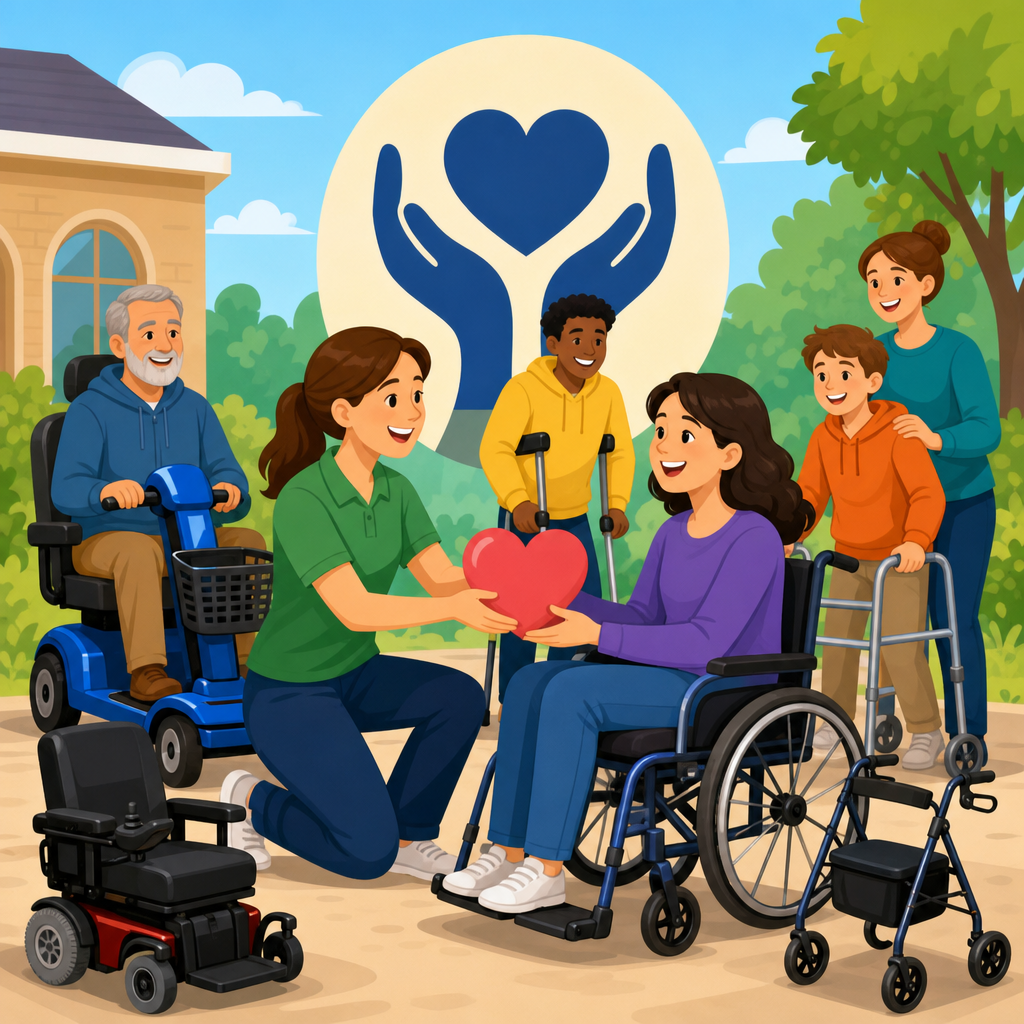
Mobility equipment can determine whether a person gets to work, attends school, avoids falls at home, or remains isolated, so the cost of a wheelchair, scooter, walker, stair lift, transfer aid, or adaptive vehicle equipment is never a minor household expense. In the financing work I have done with families, the same pattern appears again and again: insurance covers part of the need, but not the full solution that makes daily life practical. A manual chair may be approved, yet the user needs a power add-on. A walker may be covered, yet a ramp, lift, or pressure-relief cushion is not. That gap is where nonprofits that offer financial aid for mobility equipment become essential.
Financial aid in this context usually includes grants, direct equipment awards, refurbished device programs, low-interest loans, and emergency assistance funds. Some organizations pay vendors directly. Others reimburse after proof of purchase. Many provide case management, helping applicants gather medical documentation, insurance denials, therapist evaluations, and income records. The phrase grants and assistance programs covers all of these paths, not only cash awards. Understanding that distinction saves time because applicants often miss opportunities that are listed under durable medical equipment reuse, independent living assistance, or disease-specific family support rather than under the word grant.
This topic matters because mobility devices are expensive, replacement cycles are inconsistent, and eligibility rules vary by age, diagnosis, income, veteran status, and geography. A basic rollator may cost less than a monthly rent payment, but a custom wheelchair can reach several thousand dollars, and powered devices, lifts, or home access modifications can rise much higher. Medicare, Medicaid, and private insurance can help, yet they rely on medical necessity standards and approved suppliers. Nonprofit funding often addresses what coverage leaves behind: copays, deductibles, upgrades required for real-world use, travel expenses tied to fittings, and items considered noncovered but functionally critical.
As a hub for grants and assistance programs, this guide explains where nonprofit mobility equipment funding typically comes from, which organizations to research first, how eligibility works, what documents strengthen an application, and how to combine charitable aid with public benefits and community resources. It is designed for people shopping for a first device, replacing worn equipment, financing pediatric mobility gear, or coordinating complex needs after injury, illness, or progressive disability. If you need a clear map of nonprofit financial aid for mobility equipment, start here and use each section to narrow the right funding sources quickly.
What nonprofit mobility equipment assistance usually covers
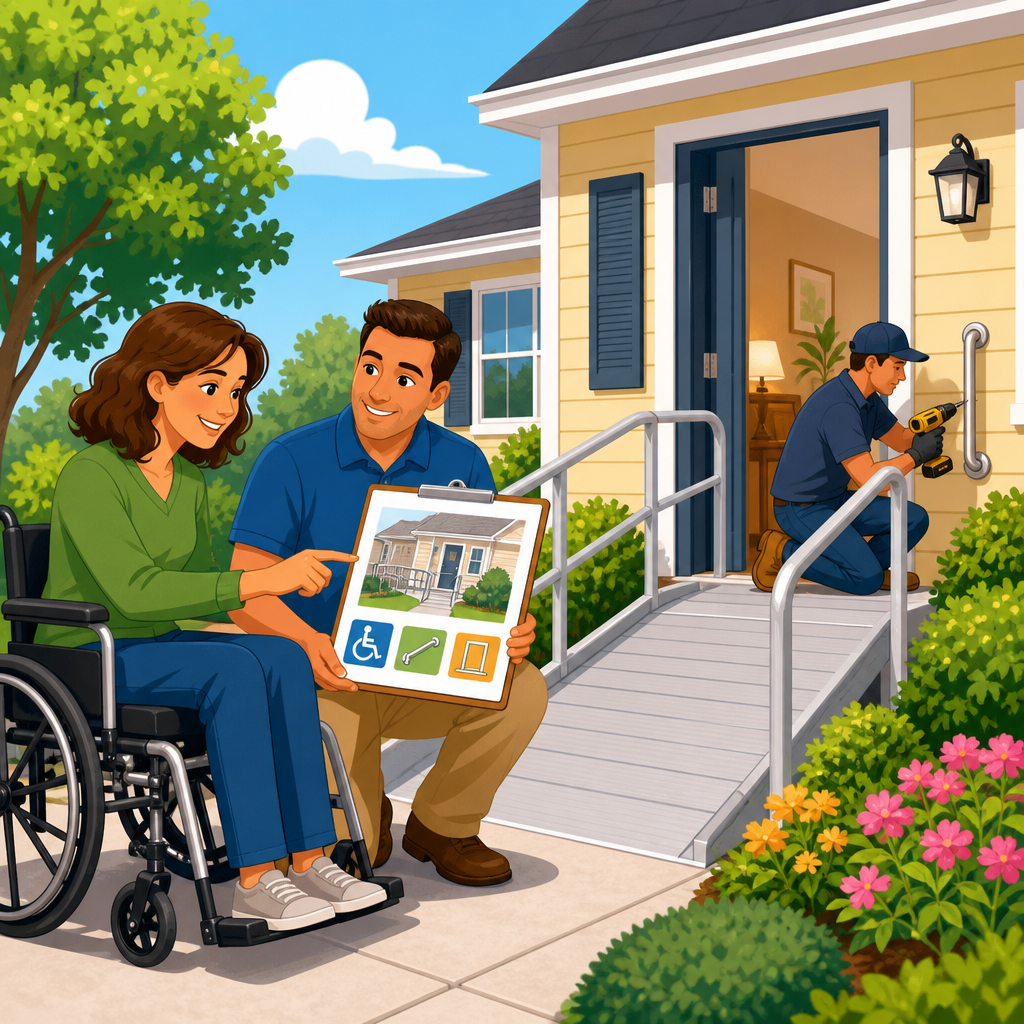
Nonprofits that offer financial aid for mobility equipment rarely fund every item in the same way, so the first practical step is matching your need to the right type of program. National charities may assist with wheelchairs, power chairs, scooters, walkers, standers, bath safety devices, ramps, vehicle lifts, seating systems, prosthetic support items, or home accessibility products. Local organizations are often narrower but faster, focusing on reuse closets, short-term loans, refurbished devices, or emergency grants for repairs. Disease-specific groups may pay for equipment directly connected to a diagnosis, such as pediatric gait trainers, communication and positioning systems, or neurological mobility supports.
In real cases, I have seen successful applications hinge on describing the function, not only the product name. For example, “portable ramp for safe home entry after amputation” is stronger than “need ramp.” “Power wheelchair cushion to prevent pressure injury and maintain seated tolerance for work” is stronger than “chair accessory.” Nonprofit review committees respond better when the application shows why the device changes safety, independence, medical stability, caregiver burden, or school and employment participation. They need to see an outcome. If a grant program funds only unmet need, spell out what insurance approved, what it denied, and what exact amount remains.
Another key point is that assistance may include used or refurbished equipment. Reuse programs run through Centers for Independent Living, community foundations, hospital auxiliaries, faith-based organizations, and statewide assistive technology programs can be as valuable as cash grants. A properly matched refurbished scooter, transport chair, or bedside transfer aid may solve the problem immediately while a larger funding application is pending. This matters because grant cycles can be slow. For urgent needs such as discharge from rehabilitation, prevention of falls, or return to school, quick-turn community inventory is often the most realistic first solution.
National nonprofits and charitable programs worth researching first
When families ask where to start, I usually recommend building a list that includes broad national charities, diagnosis-focused foundations, and state assistive technology programs at the same time. National resources provide reach and structure. Organizations such as the Wheelchair Foundation are known for wheelchair distribution initiatives, though availability may vary by location and partnership network. United Cerebral Palsy affiliates, Easterseals programs, and Muscular Dystrophy Association support services can connect applicants to local equipment assistance, loan closets, and referral pathways. The National Multiple Sclerosis Society and ALS-focused organizations often maintain practical assistance guidance for mobility needs tied to disease progression.
Crowdfunding platforms are not nonprofits and should not replace structured aid, but charitable funds administered by recognized foundations often work differently. The Travis Roy Foundation has supported adaptive equipment and home modifications for people with spinal cord injuries. Friends of Disabled Adults and Children, commonly called FODAC, has long been known for refurbished medical equipment and low-cost mobility devices. The Challenged Athletes Foundation is more sports oriented, yet for some users adaptive recreation equipment overlaps with everyday mobility and community participation goals. The Assistance Fund and HealthWell Foundation are more likely to help with medical costs related to treatment than with standard equipment purchases, but they can still reduce overall financial pressure.
For children, disease-specific foundations, hospital family resource offices, and charities tied to pediatric disability frequently produce the best results. Programs serving children with cerebral palsy, spina bifida, muscular dystrophy, rare genetic disorders, or traumatic injury may sponsor equipment campaigns, adaptive stroller grants, standers, orthotics support, or travel funding for evaluations. Families should also ask social workers at children’s hospitals about internal benevolent funds. These are often less public than national grant databases and may cover a gap quickly when a therapist and physician support the request.
| Program type | Best use case | Typical examples | Main limitation |
|---|---|---|---|
| National nonprofit grant | Large remaining balance after insurance | Wheelchairs, scooters, ramps, seating | Competitive and slower review |
| Diagnosis-specific charity | Condition-linked mobility needs | Neuromuscular or pediatric equipment | Narrow eligibility rules |
| Reuse or loan closet | Immediate short-term access | Walkers, transport chairs, scooters | Limited inventory and fit options |
| Hospital or community benevolent fund | Urgent discharge or safety need | Copays, repairs, basic devices | Often local residents only |
| State assistive technology program | Device loans, demonstrations, financing | Equipment trials and alternative funding | Not always direct grant money |
State, local, and condition-specific programs often outperform national grants
Many applicants focus only on well-known national nonprofits, but state and local resources often approve aid faster because they understand regional suppliers, Medicaid rules, and community needs. Every state and territory has an Assistive Technology Act program funded under federal law. These programs commonly provide device demonstrations, short-term loans, reutilization programs, and financing options, and they frequently know which nonprofits in the state are actively funding mobility equipment right now. That local knowledge is valuable because charitable programs open and close cycles, change criteria, and sometimes pause applications when annual funds are exhausted.
Centers for Independent Living are another underused resource. These community-based organizations, led by and for people with disabilities, often maintain equipment exchanges, peer counseling, and referral lists for grants and assistance programs. Area Agencies on Aging may help older adults locate fall-prevention equipment, walkers, bath safety devices, or home access support. Faith-based charities, local rotary clubs, Lions clubs, Elks lodges, and community foundations also make small discretionary awards. A five-hundred-dollar local grant may not buy a power wheelchair, but it can cover a deductible, battery replacement, cushion, ramp section, or repair that restores function quickly.
Condition-specific organizations can be especially effective because they understand the equipment pathway for a diagnosis. A spinal cord injury foundation may know which seating systems prevent skin breakdown. A Parkinson’s group may point applicants toward freezing-related gait support and home transfer aids. A multiple sclerosis chapter may understand when fatigue makes a scooter medically necessary even if a person can still walk short distances. This practical diagnosis knowledge produces stronger letters of support and more realistic budgeting. If you belong to an online patient community, ask not only which nonprofit helped, but exactly what paperwork, supplier quote format, and therapist wording led to approval.
How eligibility works and what makes an application competitive
Eligibility for nonprofit financial aid for mobility equipment usually combines three categories: personal qualification, clinical justification, and financial need. Personal qualification may include age, diagnosis, county or state residence, veteran status, or membership in a service population such as children, older adults, or people with spinal cord injury. Clinical justification is the evidence that the requested equipment is appropriate and necessary. Financial need may be based on household income, insurance status, out-of-pocket burden, or proof that other funding sources were tried first. Programs rarely state it this simply, but this is the framework reviewers use.
The strongest applications include a prescription or letter of medical necessity, a physical or occupational therapy evaluation, one or two vendor quotes, insurance approval or denial documents, tax or income records if required, and a concise personal statement. I advise applicants to treat the personal statement like a case summary. Explain current limitations, what device is requested, why lower-cost or already owned options are insufficient, and what practical result the equipment will produce. Include measurable details when possible: number of falls, inability to enter the home independently, hours of caregiver lifting, missed school days, or inability to tolerate community distances. Specificity makes the request concrete.
Competitive applications also show coordination. If Medicare covered eighty percent of a standard manual chair and the remaining issue is a specialized cushion and lightweight frame upgrade for shoulder preservation, say so clearly. If Medicaid denied a ramp because the home is rented, include that denial and note landlord permission if available. If a repair estimate is lower than full replacement, mention that reviewers often favor the cost-effective solution. Charitable committees want confidence that funds will solve a defined problem and that no simpler source can cover it first. Clean paperwork, matching numbers across quotes, and complete signatures matter more than applicants expect.
How to combine nonprofit aid with insurance, public benefits, and alternative financing
The most successful funding plans mix several sources instead of waiting for a single grant to pay the entire bill. Medicare Part B can cover certain durable medical equipment when prescribed and supplied through approved channels, while Medicaid programs may cover broader mobility supports depending on state rules and waiver options. Veterans may have access to prosthetics and sensory aids services through the Department of Veterans Affairs. Workers’ compensation or auto insurance may apply when mobility needs result from a covered injury. Nonprofit aid can then fill the uncovered balance, accessory costs, home modifications, shipping, or repairs.
Alternative financing programs deserve attention because they are often run with nonprofit or public-interest partners. State assistive technology programs may coordinate low-interest loan funds, device lending libraries, or equipment exchange marketplaces. ABLE accounts can help eligible individuals save for disability-related expenses without jeopardizing certain benefits, and a mobility purchase may qualify as a disability expense. Flexible spending accounts and health savings accounts can also offset some out-of-pocket costs when the item meets plan rules. These options are not grants, but they reduce the amount a household must request from charities and can make a partial award workable.
Timing matters. I often tell families to start with the prescribing clinician and supplier, then parallel-track insurance, state assistive technology resources, local nonprofits, and diagnosis-based charities. Do not wait for one denial before beginning the next search. Ask suppliers whether they know charitable funds that have recently paid for similar equipment. Many complex rehab technology providers maintain internal lists of foundations and can adjust quotes to separate covered base equipment from noncovered accessories. If the first target is unaffordable, ask whether a refurbished device, rental, or temporary loan can bridge the gap. A layered strategy consistently outperforms a single-application approach.
Common mistakes, realistic expectations, and next steps
The biggest mistake applicants make is searching for a generic mobility equipment grant instead of narrowing the request by diagnosis, age, geography, and item type. The second is submitting incomplete paperwork. Missing therapist notes, outdated prescriptions, vague cost estimates, or no explanation of insurance status can stall a good case. Another frequent error is requesting premium features without explaining the functional reason. Reviewers do fund upgrades, but only when the need is tied to posture, pressure management, transport safety, shoulder preservation, fatigue reduction, or another clear clinical outcome. Convenience language alone rarely wins support.
Set realistic expectations about timelines and outcomes. Some nonprofits award a few hundred dollars, not full replacement cost. Others fund only once per year or only after a documented denial from insurance. Reuse programs may have inventory mismatches, and refurbished equipment may require adjustment costs. Still, these limitations do not reduce their value. In practice, many successful funding stories come from assembling several modest sources: a local foundation covers the deductible, a reuse program supplies a temporary chair, a state program arranges a loan, and a diagnosis-based charity funds the final accessory package. Persistence and organization matter as much as eligibility.
The core takeaway is simple: nonprofits that offer financial aid for mobility equipment are most helpful when approached through a structured funding plan, not a last-minute search. Start with a clear clinical justification, collect complete quotes and insurance documents, and target national, local, and condition-specific programs at the same time. Use this grants and assistance programs hub as your launch point, then move into focused research on pediatric funding, wheelchair grants, scooter assistance, ramp programs, repair support, and state assistive technology resources. Build your list today, contact three programs, and begin the application process before the next equipment delay becomes a safety problem.
Frequently Asked Questions
What kinds of nonprofits offer financial aid for mobility equipment?
Several types of nonprofits help people pay for mobility equipment, and each tends to serve a different need. National disease-specific charities often provide grants or equipment assistance for people living with conditions such as multiple sclerosis, ALS, muscular dystrophy, cerebral palsy, spinal cord injuries, or arthritis. Independent living organizations and disability resource nonprofits may offer direct financial assistance, refurbished equipment, or referrals to local funding sources. Community foundations, faith-based charities, service clubs, and regional philanthropic groups sometimes help with one-time purchases when a wheelchair, scooter, walker, stair lift, transfer aid, or adaptive vehicle modification is necessary for safety and independence.
It is also common to find nonprofits that do not write a check directly but still reduce out-of-pocket cost in meaningful ways. Some operate durable medical equipment loan closets, reuse programs, or exchange networks where gently used mobility devices are donated and redistributed. Others help cover the gap between what insurance approves and what the person actually needs in daily life, such as a power-assist add-on, ramps for home access, vehicle lifts, pressure-relief cushions, seating systems, or custom positioning supports. In practice, families often piece together support from more than one source, so the most effective strategy is usually to look for both grant-making nonprofits and equipment reuse programs at the same time.
How do I qualify for nonprofit assistance for a wheelchair, scooter, stair lift, or other mobility device?
Eligibility varies by organization, but most nonprofits look at a combination of medical necessity, financial need, and residency or diagnosis requirements. A nonprofit may ask for a prescription or letter of medical necessity from a physician, physical therapist, or occupational therapist explaining why the equipment is needed and how it will improve safety, mobility, or access to work and school. Many also require proof that insurance, Medicaid, Medicare, or another payer was used first, especially if the request is for an item that is partially covered but not fully funded. If the person needs a more practical solution than the approved basic equipment, documentation should clearly explain why the standard option does not meet real-life daily needs.
Financial information is also commonly required. Applicants may need to provide tax returns, pay stubs, disability benefit statements, bank statements, or a short household budget. Some nonprofits have strict income limits, while others review hardship on a case-by-case basis. In addition, many programs serve only children, veterans, older adults, or residents of a particular state or county. Because requirements differ so much, it helps to gather a full application packet before applying anywhere: diagnosis details, prescription, therapist notes, insurance denial or partial approval letter, price quote from a vendor, and proof of household income. A complete file improves the odds of approval and speeds up review.
Will nonprofits pay for the full cost of mobility equipment if insurance does not cover enough?
Sometimes, but not always. Many nonprofits are designed to fill funding gaps rather than cover the entire purchase price. For example, insurance may approve a basic manual wheelchair, but the person may still need a lightweight frame, specialized cushion, transfer board, ramp, lift, or vehicle adaptation to make the equipment usable in everyday life. In those cases, a nonprofit may fund the difference between the approved amount and the practical solution recommended by a clinician. Other programs cap awards at a fixed amount, which means the family may still need to combine grants, fundraising, payment plans, state programs, or local civic support to meet the total cost.
That said, full funding does happen, especially through smaller local nonprofits, disease-focused foundations, community campaigns, or equipment reuse programs where the item itself is donated. Refurbished wheelchairs, walkers, hospital beds, lift chairs, and transfer devices can sometimes be obtained at little or no cost if a suitable model is available. For larger expenses such as stair lifts or adaptive vehicle equipment, full coverage is less common, but partial grants can still be significant enough to make the purchase possible. The key is to ask each organization exactly what it can fund: the base equipment, accessories, installation, shipping, assessments, repairs, batteries, or home and vehicle modifications related to mobility use.
How can I improve my chances of getting approved for nonprofit funding?
The strongest applications are specific, well documented, and centered on function rather than just diagnosis. Instead of simply stating that a person needs a scooter or wheelchair, explain what the equipment will allow them to do safely and consistently: get to work, attend school, move through the home without falling, reduce caregiver strain, access medical appointments, or remain in the community rather than becoming isolated. Nonprofits respond well to practical detail. A concise therapist letter describing failed alternatives, transfer difficulty, fall risk, fatigue, pain, or home access barriers can make the request much more compelling than a basic prescription alone.
It is also important to submit accurate cost estimates and show what other funding has already been pursued. Include vendor quotes, insurance determinations, denial letters, Medicaid waiver status, and any amount the family can contribute. If the request involves a stair lift, wheelchair-accessible van adaptation, or complex seating system, make sure the recommendation comes from the appropriate professional and includes the exact model or features needed. Applying broadly helps as well. Families often assume one application is enough, but successful funding usually comes from layering resources. A local nonprofit might cover installation, a national foundation may fund part of the device, and a community service club may help with the final balance. Persistence matters because grant cycles, waitlists, and available funds change frequently.
Where should I look first if I need help paying for mobility equipment right away?
Start locally and medically. A hospital social worker, rehabilitation clinic, physical therapist, occupational therapist, or case manager often knows which nonprofits in the area help with wheelchairs, walkers, scooters, stair lifts, transfer aids, and adaptive vehicle equipment. Centers for Independent Living, Area Agencies on Aging, Easterseals affiliates, disability organizations, and local United Way referral networks are also strong first contacts because they can point you toward grants, lending closets, and emergency assistance programs. If the equipment is tied to a specific diagnosis or injury, check national foundations for that condition as well, since they may offer direct grants or maintain lists of partner charities by state.
If the need is urgent, ask not only about purchase assistance but also about temporary solutions. A reuse or loan program may provide immediate access to a manual wheelchair, walker, bedside commode, transfer bench, or other device while permanent funding is being arranged. For larger needs such as stair lifts or vehicle adaptations, request a coordinated plan: insurance appeal, nonprofit grants, state vocational rehabilitation if employment is involved, school-based support if the user is a student, and local charitable funding for the uncovered balance. The fastest path is usually not a single source but a combination of referrals, interim equipment, and gap funding. Acting quickly, keeping organized records, and following up regularly can make a major difference when mobility and safety are on the line.