Understanding the role of durable medical equipment classification in coverage is essential for anyone asking, does insurance cover chair lifts, because insurers do not start with the product name. They start with category, medical necessity, benefit design, and policy language. In practical terms, a stair chair lift may look like a mobility solution, but coverage often depends on whether a plan classifies it as durable medical equipment, a home modification, or a convenience item. That distinction drives whether a claim is payable, partially reimbursable, or denied outright.
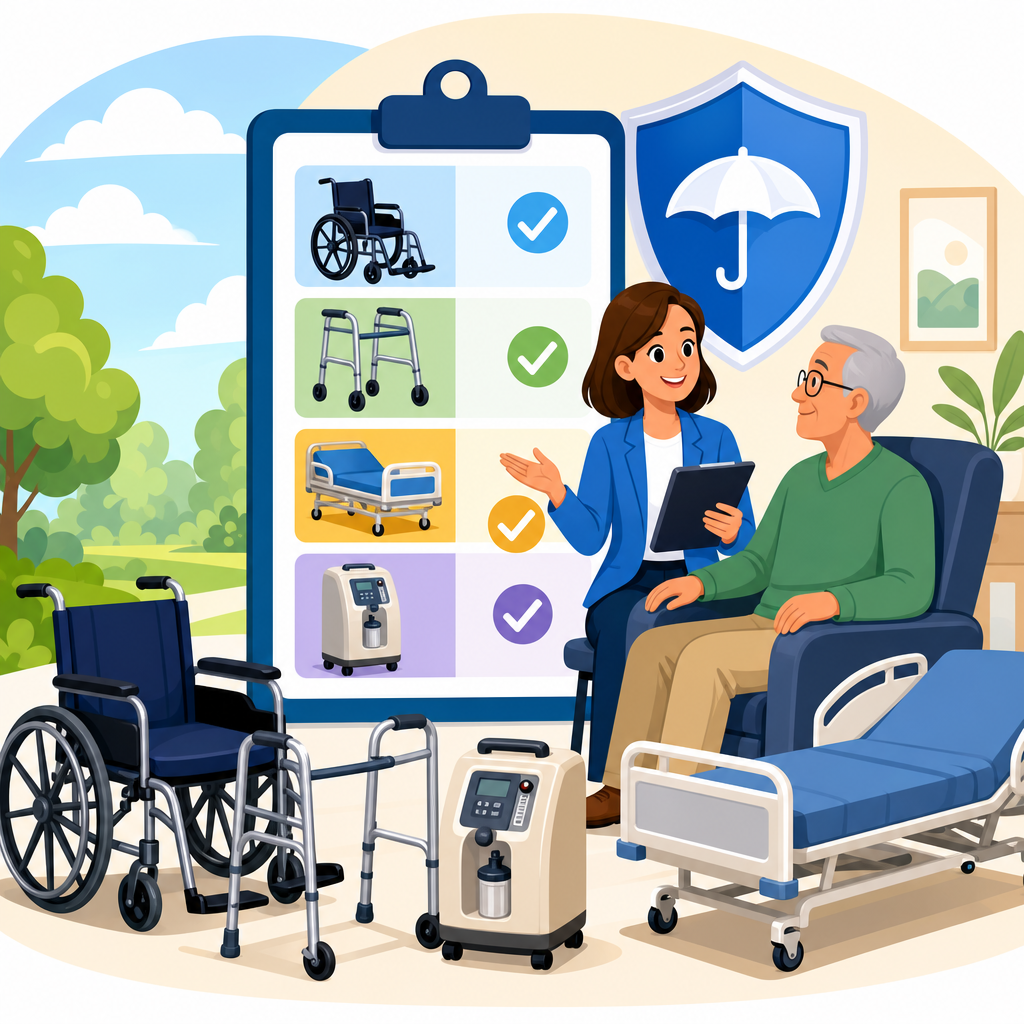
Durable medical equipment, often shortened to DME, generally means reusable medical equipment prescribed for a medical purpose, appropriate for home use, and expected to last several years. Common examples include wheelchairs, walkers, hospital beds, and oxygen equipment. Coverage rules for DME are well established in Medicare, Medicaid, and most commercial plans. Chair lifts sit in a more complicated position. Some people use the term chair lift to mean a stair lift attached to a staircase. Others mean a seat lift mechanism that helps a person rise from a chair. Insurers treat those products differently, and that difference matters financially.
I have worked through many home access and mobility funding cases, and the most common source of confusion is terminology. Families assume that because a device helps someone stand or move safely, insurance will cover it. Insurers, however, draw tight lines between medical equipment that treats functional impairment and structural home changes that improve access. A seat lift mechanism may fall within a covered DME benefit if strict criteria are met. A stair lift, by contrast, is frequently excluded because it is usually considered a home modification rather than covered durable medical equipment.
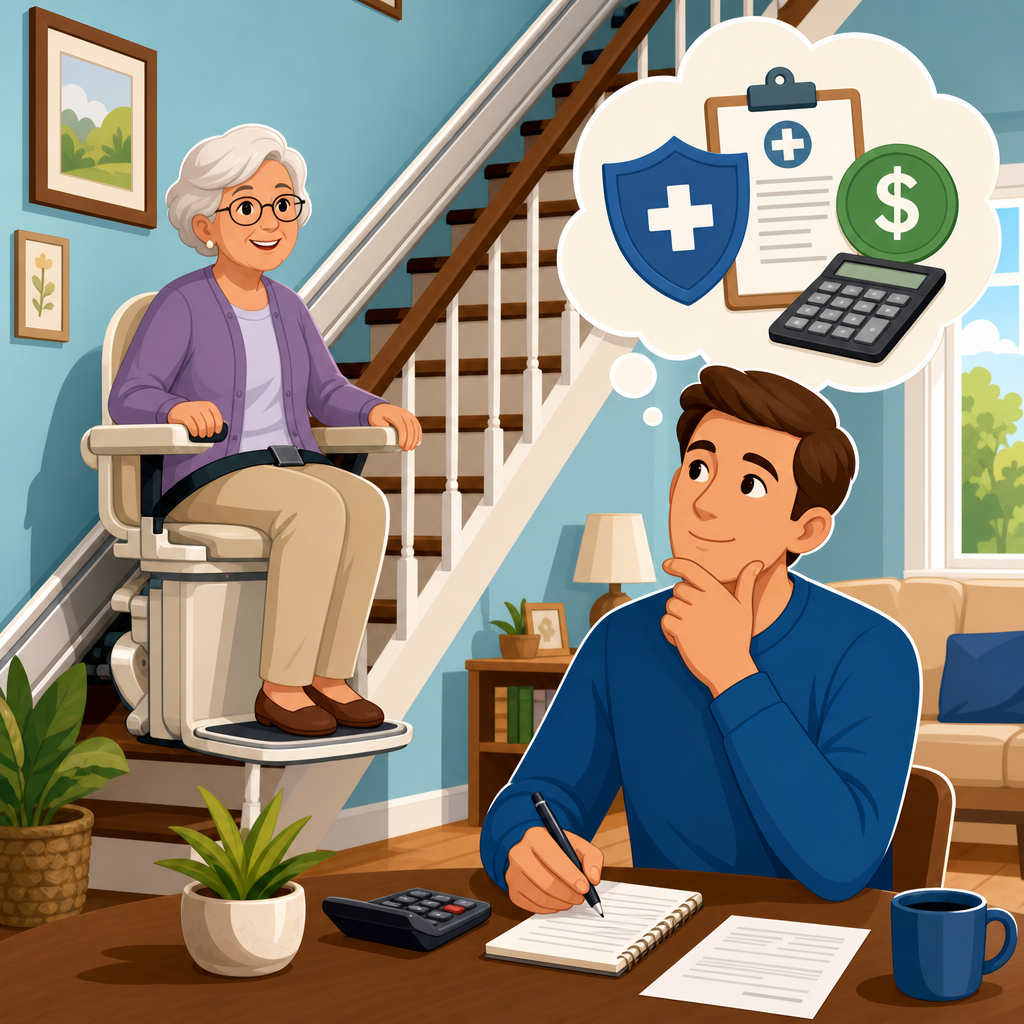
This matters because chair lifts are expensive. A straight stair lift commonly costs several thousand dollars, while curved stair lifts cost much more because they require custom rails. Installation, electrical work, service plans, and transfer adaptations can raise the bill further. For households balancing caregiving costs, medication expenses, and reduced work hours, a wrong assumption about insurance coverage can delay discharge planning, create unsafe transfers, or force a rushed cash purchase. Knowing how classification works lets you ask the right questions before ordering equipment, pursuing prior authorization, or filing an appeal.
What insurers mean by chair lifts and why classification changes coverage
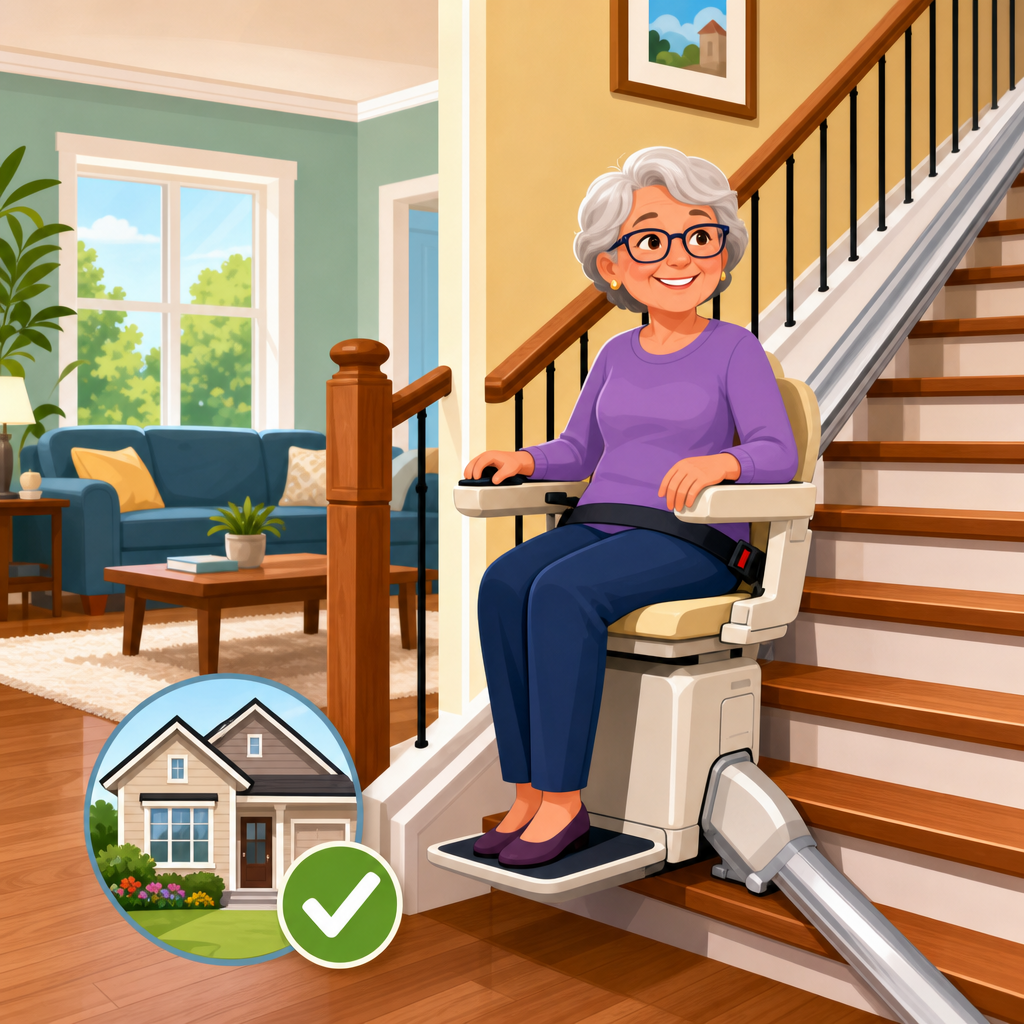
The first step is defining the product precisely. A stair lift is a motorized chair mounted on a rail that carries a person up and down stairs. A seat lift mechanism is a powered device inside a chair or seat system that tilts the user forward to assist standing. Medicare and many private insurers have long distinguished between these devices. That distinction is not semantic. It determines which benefit category applies, which billing rules govern the claim, and whether the item can even enter the coverage review process.
When insurers evaluate durable medical equipment, they usually ask four baseline questions. Is the item primarily and customarily used for a medical purpose? Can it withstand repeated use? Is it generally not useful to a person without illness or injury? Is it appropriate for home use? A seat lift mechanism can meet those tests in specific cases, especially when a patient has severe arthritis or a neuromuscular disorder and cannot stand from an ordinary chair. A stair lift often fails the category test because plans see it as altering the home environment rather than serving as stand-alone medical equipment.
This is why the broad question does insurance cover chair lifts has no single answer. If a physician orders a seat lift mechanism and documentation shows the patient can walk once standing, coverage may be available under certain plans. If the request is for a stair lift to access the second floor, Medicare Original generally does not cover it as DME. Many commercial plans mirror that logic, although some employer plans, Medicare Advantage benefits, Medicaid waivers, or veterans programs may provide limited home accessibility support outside standard DME rules.
How Medicare approaches stair lifts, seat lift mechanisms, and related equipment
Medicare is the benchmark many other payers follow, so it is the right starting point. Under Medicare Part B, covered DME includes items like manual wheelchairs, power mobility devices, walkers, and hospital beds when prescribed and medically necessary. Medicare also recognizes seat lift mechanisms under defined circumstances. However, Medicare generally does not cover stair lifts because they are considered home modifications, not durable medical equipment. That single classification decision explains most denials beneficiaries receive.
For a seat lift mechanism, Medicare requires more than difficulty standing. The beneficiary must have severe arthritis of the hip or knee, or a severe neuromuscular disease. The physician must certify that the seat lift is medically necessary and that the patient can ambulate once standing. Medicare historically covers the seat lift mechanism itself, not the entire chair. That means upholstery, recliner features, massage functions, heat, and upgraded fabrics are not part of the payable medical benefit. Suppliers also must meet Medicare enrollment and documentation requirements.
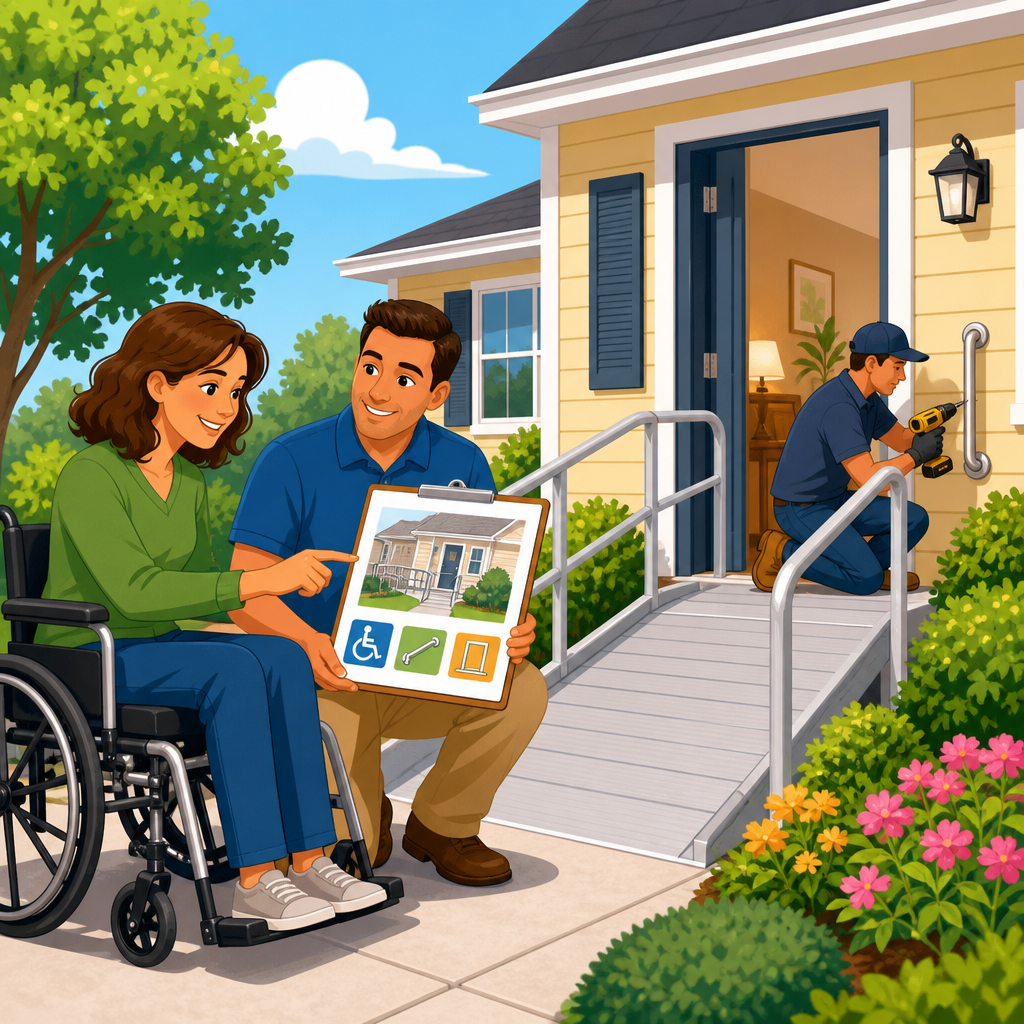
For stair lifts, beneficiaries often assume a doctor’s prescription is enough. It is not. Medicare distinguishes between equipment used to diagnose or treat a condition and changes made to the home to enable movement within that environment. Stair lifts, porch lifts, ramps, widened doorways, and bathroom remodeling are usually treated as environmental modifications. Some Medicare Advantage plans may offer supplemental benefits for home safety or in-home support, but those benefits vary by carrier, county, and plan year. They are not guaranteed, and they rarely follow standard Part B DME payment rules.
Related equipment may still be covered even when a stair lift is not. A patient might qualify for a walker, cane, transfer bench, bedside commode, or power wheelchair, depending on clinical need. In discharge planning, I often see the best short-term strategy involve combining covered mobility aids with temporary sleeping arrangements on one floor while families pursue grants or waiver funding for a stair lift. That approach is not ideal for every home, but it aligns with how Medicare draws the line between covered equipment and noncovered structural access solutions.
Private insurance, Medicaid, and veterans benefits: where stair lift coverage sometimes exists
Commercial insurance plans often follow Medicare’s framework, but employer-sponsored policies, state-regulated individual plans, and managed care contracts can differ significantly. The key documents are the summary plan description, certificate of coverage, and any medical policy on durable medical equipment or home health technology. Some plans explicitly exclude stair lifts under home modifications or convenience items. Others allow case-by-case exceptions when the equipment prevents institutional placement, reduces fall risk, or supports a covered rehabilitation plan. Those exceptions are uncommon, but they do happen.
Medicaid is where stair lift funding is most likely to appear, especially through Home and Community-Based Services waivers. These programs are designed to help eligible individuals remain safely at home rather than move into a nursing facility. States may fund environmental accessibility adaptations, including ramps, bathroom modifications, platform lifts, or stair lifts, if the change is medically justified and cost effective. Coverage is highly state specific. Functional assessments, financial eligibility, waiting lists, and spending caps all affect whether the request is approved.
Veterans may have additional pathways. The Department of Veterans Affairs can support home modifications and adaptive equipment for qualifying veterans, particularly when disability is service connected or when clinical need is well documented. Programs such as the Home Improvements and Structural Alterations benefit and housing adaptation grants may help fund accessibility changes. In practice, veterans often have more structured access to home modification resources than civilians covered only by Medicare or a standard employer health plan.
| Coverage source | Seat lift mechanism | Stair lift | Typical requirement |
|---|---|---|---|
| Medicare Original | Sometimes covered | Usually not covered | Strict medical necessity and DME criteria |
| Medicare Advantage | Sometimes covered | Occasionally through supplemental benefits | Plan-specific benefit design and authorization |
| Commercial insurance | Often mirrors Medicare rules | Usually excluded, sometimes exception-based | Policy language and medical review |
| Medicaid waivers | Possible | More likely than under Medicare | State waiver rules, assessments, and caps |
| VA programs | Possible | Possible | Veteran eligibility and clinical justification |
Medical necessity, documentation, and the evidence that strengthens a claim
When insurers do review a chair lift request, the outcome usually turns on documentation quality. A generic note stating that the patient has trouble with stairs is weak. Strong documentation explains the diagnosis, functional limitation, prior treatment, home layout, fall history, caregiver capacity, and why lower-cost alternatives are inadequate. Occupational therapy and physical therapy evaluations are especially valuable because they translate diagnoses into concrete transfer, mobility, and safety findings. They also show whether the patient can safely use the device as intended.
For seat lift mechanisms, documentation should establish inability to rise from a standard chair, the underlying severe condition causing that limitation, and the patient’s ability to ambulate after standing. For stair lifts, a successful exception request typically needs more: evidence that the patient must access medically necessary areas of the home, that first-floor living is not feasible, that repeated stair negotiation is unsafe, and that institutional care would likely cost more than the requested accommodation. Cost avoidance is not always a formal criterion, but it can influence payer discretion and waiver decisions.
Specificity matters. Instead of saying the patient is weak, document lower-extremity strength deficits, transfer assistance level, and failed conservative strategies. Instead of stating the home has stairs, note the number of steps, rail configuration, landings, and whether bathroom and bedroom access require stair travel. I have seen denials reversed when a therapist clarified that the only full bathroom was on the second floor and sponge bathing was creating skin integrity risk. Functional detail makes the request real to the reviewer.
What to do when insurance denies a chair lift and how to find alternative funding
A denial is common, but it is not always the end of the process. First, identify the exact reason. Was the item excluded by contract, deemed not medically necessary, categorized as a home modification, or rejected for missing records? Appeals work only when they address the actual basis for denial. If the issue is missing documentation, resubmission may solve it. If the exclusion is explicit, internal appeals may have limited value, and alternative funding should become the priority.
Effective appeals include the denial letter, the prescribing clinician’s detailed medical justification, therapy assessments, photographs or a home safety evaluation when allowed, and any evidence that a covered alternative will not meet the patient’s needs. For employer plans governed by ERISA, external review rights may apply depending on the denial type. For Medicaid, fair hearing rights can be powerful, especially when waiver criteria were applied inconsistently. Deadlines are strict, so families should calendar every appeal date immediately.
Alternative funding sources are broader than many people realize. State assistive technology programs sometimes offer device loans, reutilization programs, or financing support. Area Agencies on Aging, Centers for Independent Living, disease-specific foundations, and local charitable organizations may help. Some stair lift dealers sell reconditioned straight-rail units at significantly lower prices than new systems, though curved units are harder to source used because rail geometry is custom. Home equity lines, medical financing, and manufacturer payment plans are options, but they should be compared carefully because interest costs can become substantial.
The best results usually come from treating funding as a coordinated project rather than a single insurance question. Ask the supplier for a detailed quote separating equipment, installation, and service. Request a home assessment from a licensed or experienced installer. Verify whether a temporary first-floor setup could reduce urgency. Then pursue every relevant path at once: insurance review, waiver screening, veteran resources, community grants, and tax guidance. That approach improves the odds of securing some level of support even when the main health plan says no.
How to decide between pursuing coverage, paying privately, or choosing another mobility solution
Coverage is only one part of the decision. A stair lift may be the safest option for one household and the wrong investment for another. Consider progression of illness, transfer ability, body size, cognition, emergency egress, and caregiver support. If a user cannot safely transfer onto the seat, tolerate the ride, or operate the controls, a stair lift may not solve the real problem. In some homes, relocating a bedroom, adding a first-floor bathing plan, or moving to an accessible residence is more sustainable than investing in complex equipment.
Private pay can still be rational when the device prevents falls, reduces caregiver injury, and delays institutional care. Compare total costs, not just purchase price. A single hospitalization from a stair fall can exceed the cost of a straight stair lift. On the other hand, if the home will be vacated soon or a progressive condition will soon require wheelchair-level accessibility, it may be smarter to direct funds toward a ramp, vertical platform lift, or accessible housing search. Good planning means matching the equipment to the likely twelve- to twenty-four-month trajectory, not just today’s crisis.
The central takeaway is simple: insurance coverage for chair lifts depends on classification first, medical necessity second, and plan design third. Seat lift mechanisms may qualify under durable medical equipment rules when strict criteria are met. Stair lifts usually do not fit standard DME coverage and are often treated as home modifications, though Medicaid waivers, Medicare Advantage supplemental benefits, VA programs, and occasional commercial exceptions can change the picture. Families who understand these distinctions save time, avoid preventable denials, and make safer financial decisions.
If you are evaluating whether insurance covers chair lifts, start by naming the exact device, reading the policy language, and gathering strong clinical documentation before purchase. Then explore every secondary funding source available in your state or through veteran and community programs. A careful classification-driven approach gives you the best chance of securing coverage, partial assistance, or the right alternative solution for safe mobility at home.
Frequently Asked Questions
1. Why does durable medical equipment classification matter so much for insurance coverage?
Durable medical equipment classification matters because insurers typically do not make coverage decisions based only on what a product is called in everyday language. They look first at how the item is categorized under the health plan, whether it meets the policy definition of durable medical equipment, whether it is medically necessary, and whether the benefit design includes that category at all. This is especially important when people ask whether insurance covers chair lifts, because a stair chair lift may seem like a clear mobility aid to a patient or family member, but an insurer may evaluate it under a completely different framework.
In many cases, the classification determines the path of review before the insurer ever considers the person’s diagnosis or home situation. If the device is classified as durable medical equipment, it may be reviewed under the plan’s DME benefit. If it is classified as a home modification, structural improvement, or convenience item, it may be excluded from coverage even when the medical need is real. That means two items that both help with mobility can be treated very differently depending on policy language. A wheelchair, for example, is often easier to place within standard DME rules than a stair lift attached to a home staircase.
Classification also affects documentation requirements, prior authorization standards, reimbursement rules, and appeal options. A provider may need to show that the equipment can withstand repeated use, serves a primarily medical purpose, is appropriate for use in the home, and is not useful to someone without illness or injury. If the product does not fit that definition cleanly, the insurer may deny coverage based on category alone. That is why understanding classification is not a technical side issue; it is often the central issue in whether a claim can be approved.
2. Is a stair chair lift usually considered durable medical equipment?
A stair chair lift is not automatically considered durable medical equipment, and that is where many coverage misunderstandings begin. While it is durable and can clearly support mobility, insurers often look beyond durability and ask whether the item functions as standard medical equipment or whether it is better described as an alteration to the home environment. Because a stair chair lift is typically installed on a staircase and becomes part of the home setup, many plans view it as a home modification rather than a traditional DME item.
That distinction matters because home modifications are frequently excluded under standard health insurance contracts. An insurer may reason that the lift changes the structure or usability of the home rather than serving as portable medical equipment used across settings. In contrast, items more commonly accepted as DME, such as walkers, hospital beds, or oxygen equipment, are usually recognized categories with established billing practices and coverage criteria. Stair chair lifts often fall into a gray area where they are medically helpful but not consistently recognized as covered DME.
There can still be exceptions depending on the insurer, plan type, state rules, Medicaid waiver programs, Medicare Advantage plan terms, or specific employer-sponsored benefits. Some programs may provide assistance through alternative channels even when standard medical coverage does not apply. The key point is that no one should assume a stair chair lift is covered simply because it supports mobility. The correct approach is to review the plan’s durable medical equipment definition, ask how the item is classified, and request a written coverage determination whenever possible.
3. What factors do insurers review when deciding whether a chair lift is covered?
Insurers usually review several layers of information, starting with classification and then moving into medical necessity and policy terms. First, they ask what the item is under the plan: durable medical equipment, a home modification, assistive technology, or a convenience item. Second, they evaluate whether the requested item is medically necessary for the patient’s condition. Third, they examine whether the plan actually offers benefits for that category of item. Even if a physician strongly recommends the device, a recommendation alone does not guarantee coverage if the policy excludes the category.
Medical necessity review often includes the patient’s diagnosis, level of mobility limitation, history of falls, ability to transfer safely, and whether less costly covered alternatives exist. The insurer may ask whether the patient can access essential living areas without the device, whether a cane, walker, wheelchair, or bedroom relocation could address the need, and whether the requested equipment is the most appropriate option. They may also review whether the item is primarily for medical use or whether they believe it adds general household convenience.
Plan language is equally important. Some policies specifically exclude devices related to home access, stair navigation, bathroom remodeling, ramps, lifts, or structural modifications. Others may cover only equipment that is movable and used directly for treatment or daily functioning in the home. Documentation from the prescribing clinician, therapist, and supplier can influence the outcome, but it cannot override a clear exclusion. That is why policy wording, benefit design, and category definitions often carry as much weight as the medical facts themselves.
4. If a chair lift is denied, does that mean the patient has no options?
No, a denial does not necessarily mean the process is over. It means the next step is to understand the reason for the denial with precision. Some denials are based on missing documentation, lack of prior authorization, or insufficient proof of medical necessity. Others are based on a more fundamental issue, such as the insurer classifying the chair lift as a non-covered home modification. Those are very different situations, and the response should match the specific denial reason.
If the denial relates to documentation, the patient and provider may be able to strengthen the record with a detailed letter of medical necessity, therapy notes, fall-risk assessments, functional limitations, and an explanation of why other covered equipment would not safely meet the patient’s needs. If the issue is classification, an appeal may focus on how the item is being used medically and whether the insurer has applied the policy language too narrowly. It can also be helpful to request the exact policy section, coverage criteria, and internal rationale used in the decision.
Beyond internal appeals, some patients may have external review rights depending on the plan and jurisdiction. Others may find support through Medicaid waiver programs, veterans’ benefits, state assistive technology programs, nonprofit grants, community organizations, or aging and disability resource centers. In practical terms, a denial should be treated as the beginning of a more targeted review, not the final word. The strongest approach is to gather the policy language, understand the classification issue, and pursue both insurance and non-insurance funding avenues at the same time.
5. How can patients and families improve their chances of understanding coverage before buying a chair lift?
The best way to improve clarity is to ask detailed questions before purchase, installation, or signing a supplier contract. Patients and families should contact the insurer and ask not just whether a “chair lift” is covered, but how the plan classifies a stair chair lift specifically. They should ask whether it falls under durable medical equipment, home modifications, mobility aids, or excluded convenience items. That wording matters because a broad yes-or-no question may produce an incomplete or misleading answer from customer service.
It is also wise to request written confirmation of the benefit rules, prior authorization requirements, medical necessity criteria, and any exclusions related to lifts, ramps, or structural changes. A prescribing physician or therapist can help by documenting the patient’s diagnosis, functional limitations, safety risks, inability to manage stairs, and why alternative solutions are not sufficient. This kind of detailed record is useful even before a formal coverage request is submitted because it frames the issue in the language insurers use during review.
Families should also verify whether the supplier is experienced with insurance submissions and whether installation costs are treated separately from the equipment itself. In many cases, even if part of a device could theoretically fit within a medical equipment discussion, the installation or home alteration component may trigger an exclusion. Getting answers in writing, reviewing the actual policy language, and comparing possible alternate funding sources can prevent expensive surprises. In short, the more specifically the coverage question is framed around classification, benefit design, and medical necessity, the more accurate and useful the answer will be.