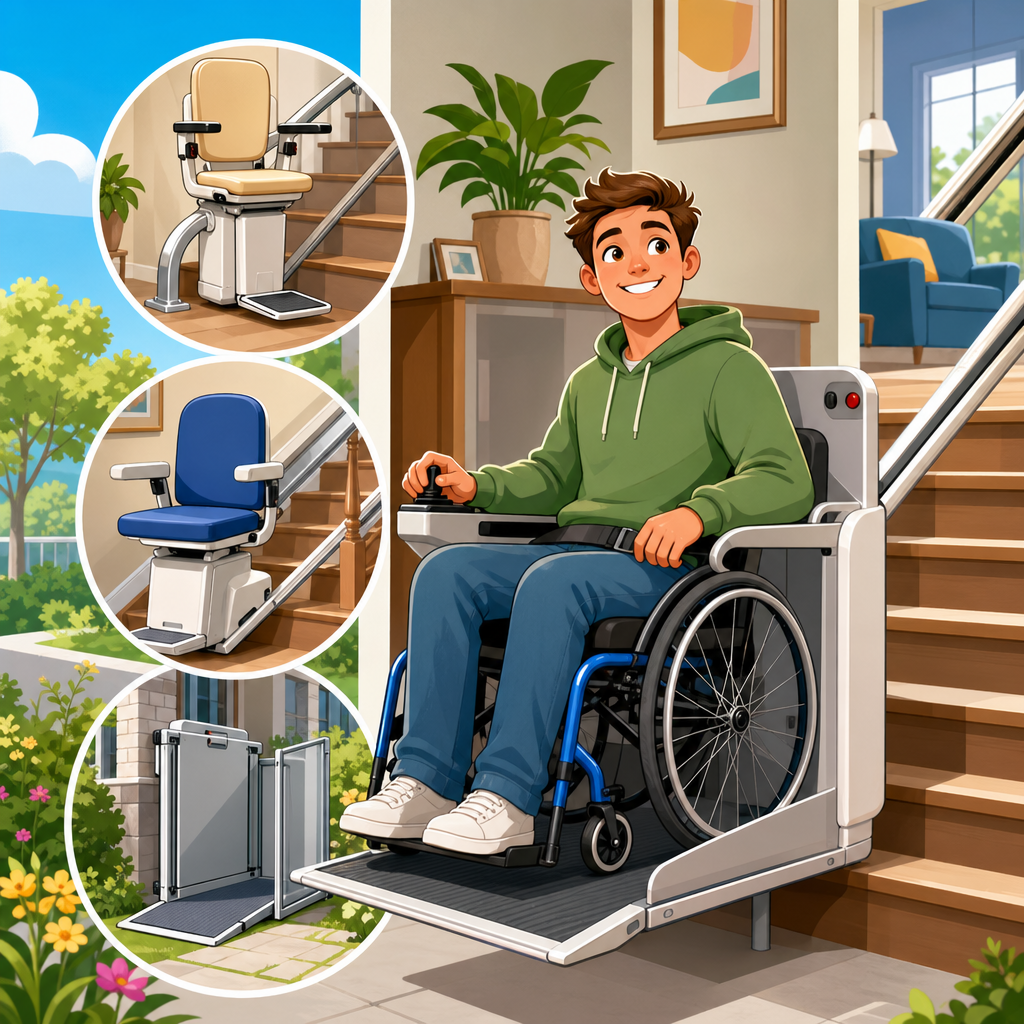
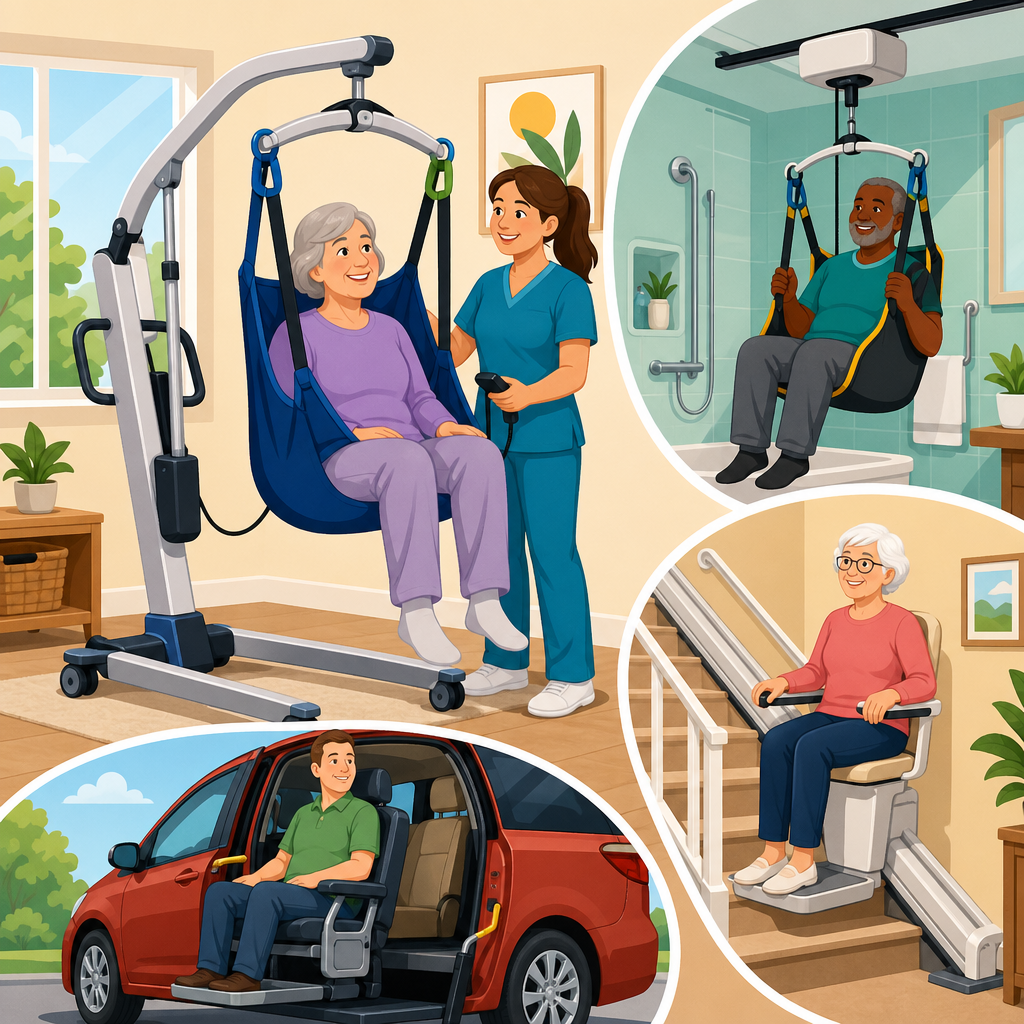
Factory-certified refurbished chair lifts give buyers a practical middle ground between the price of used mobility equipment and the reassurance of manufacturer-backed quality. In the stair lift market, “factory-certified refurb” usually means a previously installed unit has been returned, inspected, rebuilt with approved parts, tested to current safety standards, and resold with a warranty through the original brand or an authorized dealer. That is very different from a lift pulled from a home and listed privately with no service history. I have worked with families comparing new, used, and refurbished stair lifts, and the distinction matters because reliability, rail fit, battery health, and ongoing service support determine whether a lower upfront price is actually a smart purchase.
This topic matters because stair lifts are expensive, urgent purchases. Many buyers are trying to solve a mobility problem after a fall, surgery, or sudden change in health. New straight stair lifts often start in the low thousands installed, while curved systems can cost several times more because rails are built for a specific staircase. A factory-certified refurbished option can reduce cost without forcing a buyer into the risks of an unknown used unit. For shoppers researching used and refurbished chair lifts, this page serves as a hub: it explains which brands typically offer certified refurbs, how those programs work, what to verify before buying, and when refurbishing is realistic versus when a new unit is the better choice.
Before comparing brands, it helps to define the core categories. A used chair lift is sold as-is, often by a homeowner, reseller, or equipment liquidator. A dealer-refurbished lift is reconditioned by a local company, which can be excellent if that dealer has strong technicians and access to OEM parts, but quality varies. A factory-certified refurbished lift is rebuilt under the manufacturer’s standards or within an authorized program, usually with documented inspection, replacement of wear items, and a formal warranty. Buyers should also separate straight stair lifts from curved stair lifts. Straight rails are modular and easier to reuse. Curved rails are custom-made, so “refurbished” often means the carriage is reused, while the rail is newly manufactured for the next home.
Which brands commonly offer factory-certified refurbished chair lifts
Among major stair lift brands, Bruno, Stannah, Acorn, Harmar, and Handicare are the names buyers encounter most often in North America and the UK. Availability of certified refurbished inventory depends heavily on local dealer networks, because installation, removal, and service are regional businesses. In practice, Bruno is one of the strongest names for factory-authorized refurbished straight stair lifts in the US market. The company has long emphasized domestic manufacturing, dealer support, and parts availability. Stannah, another established brand with a strong reputation for build quality and ride comfort, is frequently available through authorized dealers that sell reconditioned units under strict service protocols. Harmar and Handicare also appear regularly in refurbished conversations, though programs can vary by market and dealer participation. Acorn is widely known and often has recycled and reinstalled inventory through its direct-sales structure, but buyers should ask detailed questions about certification, parts replacement, and warranty terms rather than assuming all “reconditioned” units are equivalent.
The best brand is not simply the one with the lowest refurb price. It is the one with dependable service coverage in your ZIP code, available parts for the exact model, and a technician network that can respond quickly if the lift stops working. I have seen buyers choose a cheaper used lift online, then struggle to find anyone willing to install or repair it because dealers prioritize the brands they represent. In contrast, a well-supported brand with a slightly higher purchase price often delivers lower total cost of ownership because batteries, call/send stations, seat assemblies, diagnostic boards, and track components are still supported. When comparing brands, ask not only who made the lift, but who will service it in two years.
How leading brands handle refurbishment standards and warranties
The strongest factory-certified refurbishment programs follow a repeatable process. First, the unit’s serial number and service record are reviewed. Then technicians remove the lift from the original home, inspect the carriage, transmission, seat, footrest, charging system, overspeed governor or braking components where applicable, wiring harnesses, and rail joints. Wear items such as batteries, seat swivels, rollers, arm switches, and charge contacts are commonly replaced. The rail is cleaned, measured, and either reused for a straight staircase or replaced entirely if the next installation requires a different configuration. The completed system is then bench-tested and field-tested before handoff.
Warranty structure is where brands differentiate themselves. Some certified refurbished straight stair lifts include a limited parts warranty and a separate labor period, often shorter than the warranty on a new unit. Others mirror much of the new-lift warranty except for cosmetic items. Ask for four specifics in writing: warranty length, who provides labor, whether batteries are included, and whether the rail and carriage are both covered. A refurbished chair lift with a one-year comprehensive warranty from an authorized dealer is generally safer than a private-party lift with no warranty at all, even if the price gap looks significant. Also ask whether the brand provides technical support directly to the dealer, because quick troubleshooting can reduce downtime for users who depend on the lift every day.
| Brand | Typical refurb strength | Best fit | Key question to ask |
|---|---|---|---|
| Bruno | Strong authorized refurb presence, especially straight lifts | Buyers who want broad US dealer support | Is this unit factory-certified or dealer-reconditioned? |
| Stannah | High-quality rebuilds through established dealers | Users prioritizing ride quality and long-term service | What wear parts were replaced during refurbishment? |
| Harmar | Common in dealer refurb channels | Homes needing practical straight-lift options | Are OEM batteries and electronics included? |
| Handicare | Good availability depending on region | Shoppers comparing value and model variety | Who performs future service in this area? |
| Acorn | Frequent reinstallation inventory in many markets | Buyers wanting direct brand-led sales channels | What exactly does “reconditioned” include on this model? |
Straight versus curved: where refurbished chair lifts make sense
Straight stair lifts are the sweet spot for factory-certified refurbs because the rail is standardized, modular, and comparatively easy to reinstall on another staircase of similar length. If a buyer has a typical straight run with enough landing clearance, several brands can adapt a refurbished carriage and rail quickly. This is why used and refurbished straight stair lifts often offer meaningful savings. The product is mechanically simpler, installation time is shorter, and service technicians are more familiar with the platform.
Curved stair lifts are more complicated. Even when the seat and drive unit are refurbished, the rail itself usually must be newly fabricated to match every bend, intermediate landing, and parking position in the staircase. That means buyers should not expect the same discounts they see with straight lifts. A curved “refurbished” offer often combines a reconditioned carriage with a new custom rail, plus fresh site measurements and engineering drawings. This can still save money compared with a fully new system, but the economics are different. If a seller offers a fully used curved lift at an unusually low price, be cautious. In most cases, the old curved rail will not fit your staircase, and modifying it is usually impractical or prohibited by the manufacturer.
What to verify before buying a certified refurbished stair lift
Buyers should verify certification, model age, and service support before they compare cosmetic details. Start with the model number and serial number. Ask the dealer whether the lift is still in active production, recently discontinued, or legacy equipment. A discontinued model is not necessarily a bad buy, but it should have documented parts support. Next, ask for the refurbishment checklist. A reputable seller should be able to explain which components were replaced, what testing was done, and whether the seat, rail, batteries, and charging stations are original or new. If the answer is vague, that is a warning sign.
Installation standards matter as much as the lift itself. The installer should evaluate stair width, load capacity, seat-to-wall clearance, swivel requirements at the top landing, folding footrest clearance, and power supply for the charger. Buyers with narrow stairs should ask for actual minimum clearance numbers when the lift is folded and when occupied. Weight capacity also varies by model; heavy-duty lifts often support higher user weights but may require more space. In homes with multiple users, features such as powered swivel seats, folding rails, and call/send controls can strongly affect usability. I always advise families to have the intended user test seat height, armrest width, and control ergonomics in person if possible, because comfort directly affects whether the lift gets used safely.
Price expectations, tradeoffs, and common mistakes
For straight stair lifts, a factory-certified refurbished system can save hundreds or sometimes more than a thousand dollars compared with a new installed unit, depending on model, rail length, and local labor rates. Savings are usually smaller once you add premium options such as power folding rails, upgraded upholstery, powered swivel functions, or higher-capacity seats. For curved lifts, savings tend to be more modest because the custom rail remains the cost driver. Removal of an old unit, permit requirements where applicable, and electrical adjustments can also affect final pricing. Buyers should request an all-in written quote that separates equipment, rail, labor, delivery, and warranty.
The biggest mistake is buying on headline price alone. The second biggest is assuming “used,” “refurbished,” and “factory-certified refurbished” mean the same thing. They do not. Another common problem is buying a model with weak local support. A bargain lift becomes expensive when downtime leaves the user stranded upstairs and emergency service is unavailable. Finally, do not ignore transferability. If the user’s condition changes, ask whether the lift can be removed, repurchased, or traded in. Some dealers offer buyback or rental-credit programs that improve value even if the initial quote is slightly higher. Those details matter in a category where needs can change quickly after rehab, joint replacement, stroke recovery, or progression of a chronic condition.
How this hub helps you research used and refurbished chair lifts
As a hub page for used and refurbished chair lifts, this article should point you toward the next questions to answer before you buy. First, identify whether you need a straight or curved stair lift; that single factor shapes price, availability, and savings potential. Second, compare brands based on local service coverage, not just national reputation. Third, review model-specific details such as weight capacity, folded width, battery type, charger placement, and seat options. Fourth, evaluate the seller: authorized dealer, factory program participant, or private reseller. Each path carries a different level of risk.
From here, your research should branch into model reviews, pricing guides, and installation checklists. Look for deeper comparisons of Bruno versus Stannah for straight stairs, guides to refurbished versus rental stair lifts, and articles explaining when a heavy-duty model is necessary. You should also review maintenance topics such as battery replacement cycles, error codes, annual service recommendations, and safe cleaning practices for rails and charge contacts. Taken together, those subtopics help buyers move from broad interest to a confident purchase decision based on safety, fit, and long-term support rather than marketing claims alone.
Factory-certified refurbished chair lifts are valuable because they combine lower cost with a documented standard of inspection, repair, and warranty support. For most buyers, the best opportunities are in straight stair lifts from brands with strong dealer networks, especially Bruno, Stannah, Harmar, Handicare, and Acorn where local support is established. The most important buying rule is simple: verify the certification level, the exact components replaced, the warranty terms, and the service company that will maintain the lift after installation. A reputable refurbished unit should feel like a professionally rebuilt mobility device, not a gamble.
The central benefit of this approach is better risk control. You can reduce purchase cost without sacrificing the essentials that matter most in mobility equipment: safe operation, available parts, trained technicians, and a clear warranty. At the same time, it is important to stay realistic. Curved lifts rarely deliver dramatic refurb discounts because custom rails still drive cost, and not every dealer uses the same rebuild standards. Careful comparison is what protects your budget and the user’s safety.
If you are shopping this category now, start by getting in-home quotes from authorized dealers for at least two major brands and ask each one to specify whether the proposal is new, dealer-refurbished, or factory-certified refurbished. Then use this hub to explore the supporting guides on pricing, model comparisons, warranties, and installation questions so you can choose a stair lift that fits your staircase, your mobility needs, and your long-term service expectations.
Frequently Asked Questions
Which stair lift brands are best known for offering factory-certified refurbished models?
Several established stair lift manufacturers and dealer networks are known for offering factory-certified refurbished units, although availability varies by region, model type, and current inventory. Brands commonly associated with this category include Bruno, Harmar, Stannah, Acorn, and AmeriGlide through select authorized channels. In many cases, the key factor is not just the brand name itself, but whether the unit is being sold directly by the manufacturer or by an authorized dealer that follows the brand’s refurbishment standards. That distinction matters because a true factory-certified refurb should have documented inspection, approved replacement parts, performance testing, and warranty support tied to the original brand or a recognized partner. Shoppers should always verify whether the specific lift is officially certified by the brand and not simply described as “reconditioned” or “used” by a third-party reseller. A reputable seller should be able to explain the certification process, identify the exact model, disclose whether the rail is new or reused, and confirm what warranty and service backing are included.
What does “factory-certified refurbished” actually mean for a stair lift?
In the stair lift industry, “factory-certified refurbished” typically refers to a previously installed unit that has been returned, thoroughly inspected, rebuilt or restored using approved components, tested for proper operation, and resold with some level of manufacturer-backed or authorized-dealer-backed warranty coverage. This is very different from a basic secondhand lift that has simply been removed from one home and installed in another with little or no formal reconditioning. A factory-certified refurb should go through a structured process that may include replacing worn mechanical parts, updating key electrical components, inspecting the carriage, seat, footrest, controls, batteries, and safety sensors, and confirming that the unit meets current functional and safety expectations for that model. In many situations, the rail installed in the new home may be newly manufactured even if the carriage itself is refurbished, especially for straight stair lifts where custom fit and safe mounting are critical. The strongest versions of factory certification also include documentation, installation by trained technicians, and post-installation service support. For buyers, the value is that they get a lower price than new while still receiving more protection, predictability, and quality assurance than they would from a standard used lift.
Are factory-certified refurbished stair lifts as safe and reliable as new ones?
Factory-certified refurbished stair lifts can be very safe and dependable when they come from a legitimate manufacturer program or a well-qualified authorized dealer. These lifts are generally intended to meet the brand’s operational standards before being put back into service, which means major systems should be inspected and tested rather than left to chance. That said, “as safe and reliable as new” depends on the quality of the refurbishment process, the age and condition of the original unit, and whether the installation is handled correctly in the new home. A properly certified refurb should include working seat belts, obstruction sensors, charging systems, call/send controls, smooth start-and-stop performance, and secure mounting to the staircase. It should also be matched to the user’s weight capacity needs and stair configuration. The biggest reliability concerns usually arise when a buyer unknowingly purchases a lift that is merely used, not truly certified, or when service support is limited after installation. To reduce risk, ask who performed the refurbishment, what parts were replaced, whether the unit was tested under load, how old the base unit is, and what happens if the lift needs service after purchase. When sold and installed through the right channel, factory-certified refurbished lifts can provide excellent real-world performance for many households.
How much money can you save with a factory-certified refurbished stair lift?
Cost savings can be meaningful, though the exact amount depends on the brand, model, stair type, local dealer pricing, installation requirements, and warranty coverage. In general, buyers often choose factory-certified refurbished stair lifts because they provide a middle-ground option: more affordable than new, but more trustworthy than buying used from a private seller or non-specialist reseller. Savings are often most noticeable on straight stair lifts, since those systems are more standardized and easier to recondition and reinstall. Curved stair lifts are usually more custom and may have fewer refurb opportunities, especially if a new rail must be manufactured for the new staircase. Buyers should also remember that the quoted price is not just for the chair itself. It may include the rail, installation labor, service setup, warranty, and removal or disposal of old equipment. A lower sticker price from a non-certified seller can become more expensive if the lift lacks warranty support, needs repairs soon after installation, or cannot be serviced easily. The smartest way to compare value is to request detailed quotes for new, factory-certified refurbished, and standard used options, then evaluate what each includes in terms of parts, installation, warranty length, and ongoing service availability.
What should you ask before buying a factory-certified refurbished stair lift from any brand?
Before buying, ask detailed questions that confirm the lift is truly factory-certified and appropriate for your home and mobility needs. Start by asking whether the unit is certified by the original manufacturer or by an authorized dealer operating under brand-approved standards. Request the exact model name, the age of the original unit, and a clear explanation of what was inspected, repaired, replaced, and tested during refurbishment. Ask whether the carriage is refurbished, whether the rail will be new or reused, and whether the batteries and key wear components are being replaced before installation. It is also important to ask about warranty length, what the warranty covers, who provides service, and how quickly repairs are handled if the lift stops working. Confirm that installation will be completed by trained technicians and that the lift will be matched to your staircase dimensions, weight requirements, and user preferences. If the home has unusual stairs, landings, or narrow clearance, ask whether the proposed model is truly suitable. Finally, ask for everything in writing: pricing, certification status, warranty terms, service details, and any limitations. The more transparent the seller is, the more confidence you can have that you are buying a dependable mobility solution rather than simply inheriting someone else’s old equipment.