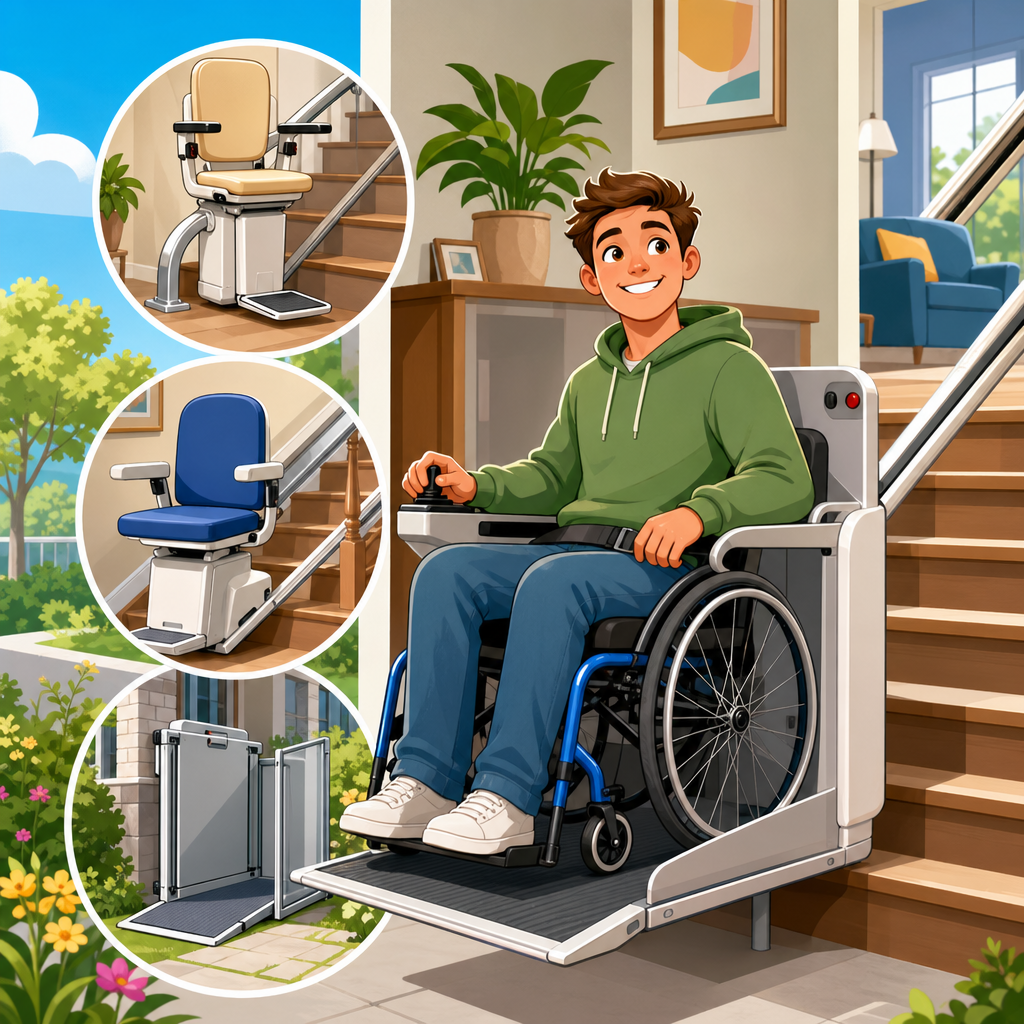
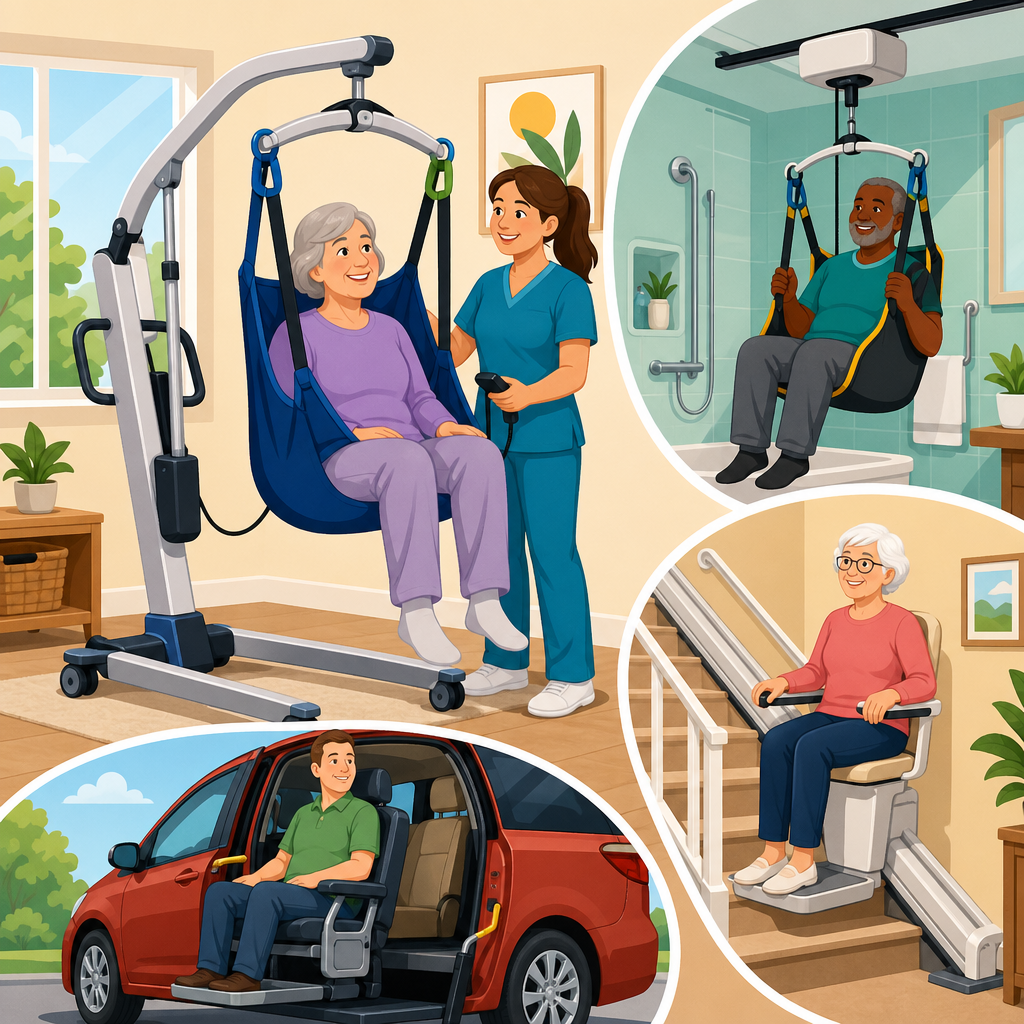
Choosing the best chair lift retailer in 2026 means looking beyond price and asking a more practical question: which company will assess your home correctly, install the right lift safely, support it for years, and still answer the phone when service is needed. In this market, “chair lift retailer” can mean a national brand, a regional mobility dealer, or a local accessibility specialist that sells, installs, and maintains stair lifts for straight, curved, and outdoor staircases. The topic matters because a stair lift is not a decorative purchase. It is a medical-adjacent mobility device that affects fall risk, independence, caregiver strain, and whether someone can remain safely at home instead of relocating.
I have worked with homeowners comparing stair lift bids, and the pattern is consistent: the cheapest quote rarely tells the whole story. Rail fit, seat ergonomics, battery backup, warranty terms, transfer safety at the top landing, and response time for repairs matter more than most buyers expect. In 2026, the strongest retailers are the ones that combine respected equipment brands with rigorous home assessments, licensed or factory-trained installation, transparent service plans, and enough local presence to handle maintenance quickly. Retail quality matters because stair lifts are customized. Even “standard” straight stair lifts need accurate measurements, electrical planning, and user-fit adjustments for seat height, swivel operation, footrest clearance, and call-send controls.
For most buyers, the best chair lift retailer in 2026 is not one universal company for every situation. The better answer is that the best retailer is the one with proven local service capability, strong manufacturer backing, clear pricing, and a lift line matched to your staircase and mobility needs. Nationally, Bruno dealers, Harmar dealers, and Stannah distributors are frequently among the strongest options because those brands have established reputations, broad product ranges, and mature support networks. However, the best specific retailer in your area may be an independent accessibility dealer with excellent reviews, fast repair coverage, and deeper installation experience than a national call center. That distinction is where smart buying starts.
What makes a chair lift retailer the best in 2026
The best chair lift retailer in 2026 does five things exceptionally well. First, it performs a detailed in-home assessment instead of quoting from a phone photo alone. A proper survey checks stair width, landing clearance, obstruction points, user height and weight, transfer direction, and whether the rider has enough trunk control for a perch-style or standard seated model. Second, it offers equipment from reputable manufacturers with documented parts availability. Third, it installs according to manufacturer specifications and local code expectations, with secure rail mounting to stair treads rather than casual improvisation. Fourth, it provides responsive after-sales service, including battery replacement and diagnostics. Fifth, it explains financing, rental, and warranty terms in plain language.
In my experience, buyers often focus on one visible feature, such as upholstery or folded width, while underestimating service infrastructure. Yet the service side is where retailer quality becomes obvious. Stair lifts commonly use batteries that charge at rail contact points, and those systems need periodic attention. If a lift stops after a storm-related outage or due to worn batteries, a retailer with local technicians can resolve the problem quickly. A retailer that outsources everything may leave a user stranded. In AEO terms, the direct answer is simple: the best stair lift retailer is the company with strong local installation and service capability, not merely the lowest advertised price.
Top retailer categories and how they compare
In 2026, chair lift retailers generally fall into three categories: manufacturer-affiliated local dealers, independent accessibility retailers, and large national lead-generation sellers. Manufacturer-affiliated dealers often provide the best balance. They receive product training, have access to factory support, and usually carry genuine parts. Independent retailers can also be excellent, especially when they have served one region for years and maintain relationships with occupational therapists, senior living professionals, and home modification contractors. National sellers can appear convenient, but quality varies because the customer experience often depends on whichever subcontractor handles the actual install and service.
| Retailer type | Strengths | Risks | Best for |
|---|---|---|---|
| Manufacturer-affiliated local dealer | Factory training, genuine parts, clearer warranty support | Usually limited to one or two brands | Most homeowners wanting dependable long-term support |
| Independent accessibility retailer | Personal service, flexible recommendations, local reputation | Quality depends heavily on experience and technician depth | Buyers who want hands-on guidance and customized solutions |
| National call-center seller | Broad reach, aggressive promotions, fast initial contact | Variable installation quality, less transparent service chain | Shoppers in sparse markets with few local providers |
Named brands still matter because retailer quality is partly tied to product support. Bruno remains a strong reference point in the U.S. market for build quality and dealer support. Harmar has broad distribution and a familiar product portfolio. Stannah is widely recognized internationally and often praised for engineering and custom curved solutions. Savaria and Handicare also appear frequently in serious comparisons. The best retailer is usually one representing one of these established manufacturers while maintaining excellent regional service reviews. When comparing options, ask who actually installs the lift, who services it on weekends, and whether replacement parts are stocked locally.
How to evaluate installation quality, safety, and service
A good stair lift retailer sells safety first. That means the assessment covers user ability, not just staircase dimensions. Retailers should ask whether the rider can transfer independently, whether dizziness is an issue, whether a powered swivel seat is needed, and whether the home has enough top-landing space to dismount safely. They should explain obstruction sensors, seat belts, footrest safety edges, battery backup, and manual lowering procedures. They should also review weight capacity honestly. Standard models often support around 300 to 400 pounds, while heavy-duty versions may support more, but the right answer depends on rail type and staircase configuration.
Installation quality is measurable. A strong retailer uses trained technicians, documents the installation, tests the charging points, confirms seat locking positions, and teaches the household how to use call-send controls. The rail should feel stable, the ride should be smooth, and the folded chair should not create unsafe pinch points on the stairs. For curved staircases, digital measurement systems are now common in 2026, and the best retailers use precise surveying tools rather than rough manual approximations. Poor measurement on a curved lift leads to delays, uncomfortable riding geometry, or costly remakes. That is why experienced retailers often outperform low-cost resellers.
Service standards also separate leaders from mediocre sellers. Ask the retailer for average response time, preventive maintenance recommendations, battery replacement schedule, and whether loaner solutions are available in urgent cases. Some dealers offer annual service plans; others provide only break-fix support. Neither is automatically better, but the terms must be clear. Reputable companies will explain what labor is covered, what parts are excluded, and whether weekend calls incur surcharges. If a salesperson becomes vague on service logistics, assume the retailer is stronger at selling than supporting. For a device tied directly to home accessibility, that is a serious weakness.
Pricing, warranties, and the real cost of ownership
In 2026, straight stair lifts commonly start in the lower thousands, while curved stair lifts often cost several times more because the rail is custom-fabricated to the staircase. Outdoor models, heavy-duty seats, power folding rails, and advanced swivel options raise costs further. A trustworthy retailer will break the quote into components: rail, carriage, seat package, installation, electrical needs if any, permit-related costs where relevant, and service plan pricing. They should also discuss rentals and refurbished units. Refurbished straight lifts can be a sensible option when the equipment is reconditioned properly and supported with a real warranty.
The direct answer to “Who offers the best value?” is this: the retailer with the lowest total cost of ownership, not the lowest purchase price. Total cost includes maintenance, battery replacement, downtime risk, and how long the lift remains serviceable. I have seen homeowners save a few hundred dollars upfront only to wait weeks for a minor repair because the seller had no local technician network. By contrast, a slightly higher-priced local dealer with stocked parts and clear service terms often delivers better value. The same principle appears across durable medical and accessibility equipment markets: support capacity is part of the product.
Warranty language deserves close reading. Look for coverage on major components, batteries, labor, and the rail itself. Many buyers assume batteries are fully covered for years when they are actually considered wear items. Also ask whether warranty service is performed by the retailer’s own staff or by a third party. If the home may be sold later, check whether the warranty is transferable and whether the lift can be removed or repurchased. Good retailers explain these tradeoffs plainly. Great retailers also help buyers think through future needs, such as whether progressing mobility loss may eventually require a vertical platform lift or elevator instead.
Best retailer fit by home, user, and staircase type
The best chair lift retailer depends partly on your use case. For a straightforward interior staircase in a suburban home, a reputable local Bruno or Harmar dealer is often an excellent choice because parts and technician familiarity are usually strong. For a tight curved staircase with multiple landings, a retailer experienced with Stannah, Savaria, or Handicare custom rails may be better. For outdoor steps exposed to rain, heat, and debris, choose a retailer that can show a real track record with weather-resistant models, protective covers, and service calls in your climate. Not every dealer is equally strong in every category.
User needs are equally important. A petite rider with limited knee flexion may prioritize seat height, footrest spacing, and easy swivel operation. A larger rider may need a heavy-duty model with a wider seat and reinforced drive system. Someone with reduced hand strength may benefit from larger paddle controls or powered seat functions. The best retailers notice these issues during consultation rather than after installation. They may even coordinate with an occupational therapist or aging-in-place specialist to confirm transfer safety. That collaborative approach signals quality because mobility equipment should be fitted to the person, not forced onto the staircase alone.
Before choosing any retailer, ask for references, check recent reviews, confirm insurance and licensing where applicable, and request a written proposal. Compare response times and service territory, not just chair features. If two retailers sell similar equipment, choose the one with stronger local accountability. That is the clearest conclusion from the 2026 market. The best chair lift retailer is the provider that combines respected brands, accurate assessment, expert installation, and dependable long-term service. Start by shortlisting well-reviewed local dealers for Bruno, Harmar, Stannah, Savaria, or Handicare, then schedule in-home evaluations and compare the details that determine safety, comfort, and support.
Frequently Asked Questions
What should I look for when deciding who the best chair lift retailer is in 2026?
The best chair lift retailer in 2026 is usually the company that can handle the full job well from start to finish, not just the one advertising the lowest price. A strong retailer should begin with a proper in-home evaluation, measure the staircase accurately, ask about the user’s mobility needs, and explain which type of stair lift makes sense for the home. That includes understanding whether the staircase is straight, curved, narrow, multi-landing, or exposed to weather, and whether the user needs features such as a powered swivel seat, folding rail, seatbelt, perch seat, or higher weight capacity.
It is also important to look at installation quality and long-term service support. A reputable chair lift retailer should use trained installers, follow manufacturer guidelines, explain how the lift operates, and offer ongoing maintenance and repair assistance after the sale. In practical terms, the “best” retailer is one that will still be available when the battery needs replacing, the lift starts beeping, or the homeowner needs a service visit months or years later. Reviews, response times, warranty terms, service area coverage, and local reputation all matter. In many cases, the best choice is a retailer with deep local or regional support backed by solid product lines, rather than a company that only excels at lead generation or sales.
Is it better to buy from a national brand or a local chair lift retailer?
There is no one-size-fits-all answer, because both national brands and local chair lift retailers can be excellent depending on how they operate. National companies often benefit from broader brand recognition, established product lines, and more standardized processes. They may have access to multiple models, financing programs, and wider manufacturer support. For some homeowners, that scale creates confidence, especially if the company has a long track record and a recognizable name in the mobility industry.
That said, local and regional accessibility dealers frequently deliver a more personalized experience. They may be more familiar with the housing styles in the area, offer faster home visits, provide more direct communication, and respond more quickly when service is needed. A local retailer that sells, installs, and maintains its own stair lifts can sometimes outperform a larger brand simply because the service team is nearby and accountable to the community. The smart approach in 2026 is to judge each retailer on measurable factors: how well they assess the home, which brands and models they carry, whether they install with in-house technicians or subcontractors, what their service response times are, and how clearly they explain warranties and repair policies. The best retailer is the one that combines product quality with dependable local support.
How important is installation and service when choosing a chair lift retailer?
Installation and service are absolutely central to choosing the right chair lift retailer. A stair lift is not just a product sitting in a box; it is a mobility system that must match the staircase and the user’s needs precisely. Even a high-quality lift can become frustrating or unsafe if it is measured incorrectly, installed poorly, or left without proper follow-up support. That is why the retailer’s installation process matters as much as the brand of the lift itself. A qualified retailer should confirm rail fit, charging locations, seat clearances, obstruction points, and landing safety before installation ever begins.
Service matters just as much over the life of the equipment. Stair lifts rely on batteries, sensors, switches, and moving components that may eventually need adjustment, troubleshooting, or replacement. When comparing retailers, ask who handles service calls, whether technicians are manufacturer-trained, how quickly appointments are scheduled, and whether maintenance plans are available. Also ask what happens if the lift stops working after hours or during a holiday period. In 2026, one of the clearest signs of a top chair lift retailer is that it treats support as part of the purchase, not as an afterthought. Reliable post-installation service often determines whether the homeowner has peace of mind or ongoing stress.
What questions should I ask a chair lift retailer before buying?
Before buying, homeowners should ask questions that go beyond basic cost. Start by asking which stair lift models the retailer recommends for the specific staircase and why. Have them explain whether the home needs a straight, curved, or outdoor lift, and whether any custom rail fabrication will be required. Ask if the company performs a free in-home assessment, how long installation takes, and whether the installers are employees or subcontracted technicians. It is also wise to ask about weight capacity, folded width, seat height, battery backup, power supply, safety sensors, and options for parking the chair away from the main living area.
After that, ask detailed support questions. What does the warranty cover, and for how long? Does labor coverage differ from parts coverage? How are repairs handled, and what is the average service response time in your area? Can the retailer provide references or recent reviews from nearby customers? Do they offer rentals, reconditioned units, or buyback options? These questions help reveal whether the retailer is simply trying to close a sale or is prepared to support the lift for years. The best chair lift retailer will answer clearly, avoid vague promises, and make the homeowner feel informed rather than pressured.
Does the cheapest chair lift retailer usually offer the best value?
Not necessarily. The lowest upfront price can be appealing, but it does not always translate into the best long-term value. A cheaper quote may leave out important details such as service coverage, warranty terms, customization, removal of old equipment, or follow-up support. In some cases, a very low price reflects limited model options, weaker installation standards, or poor availability when repairs are needed. For a product tied directly to safety, mobility, and daily independence, those tradeoffs can become expensive and stressful later.
Better value usually comes from balancing price with quality of assessment, product fit, installation expertise, and long-term support. A slightly higher-priced retailer that measures carefully, installs correctly, offers responsive maintenance, and stands behind the equipment may save the homeowner far more over time than a discount seller with weak service. In 2026, consumers should think in terms of total ownership experience rather than sticker price alone. The best chair lift retailer is typically the one that delivers reliable performance, trustworthy support, and a solution that truly fits the home and user, even if it is not the lowest bid on paper.