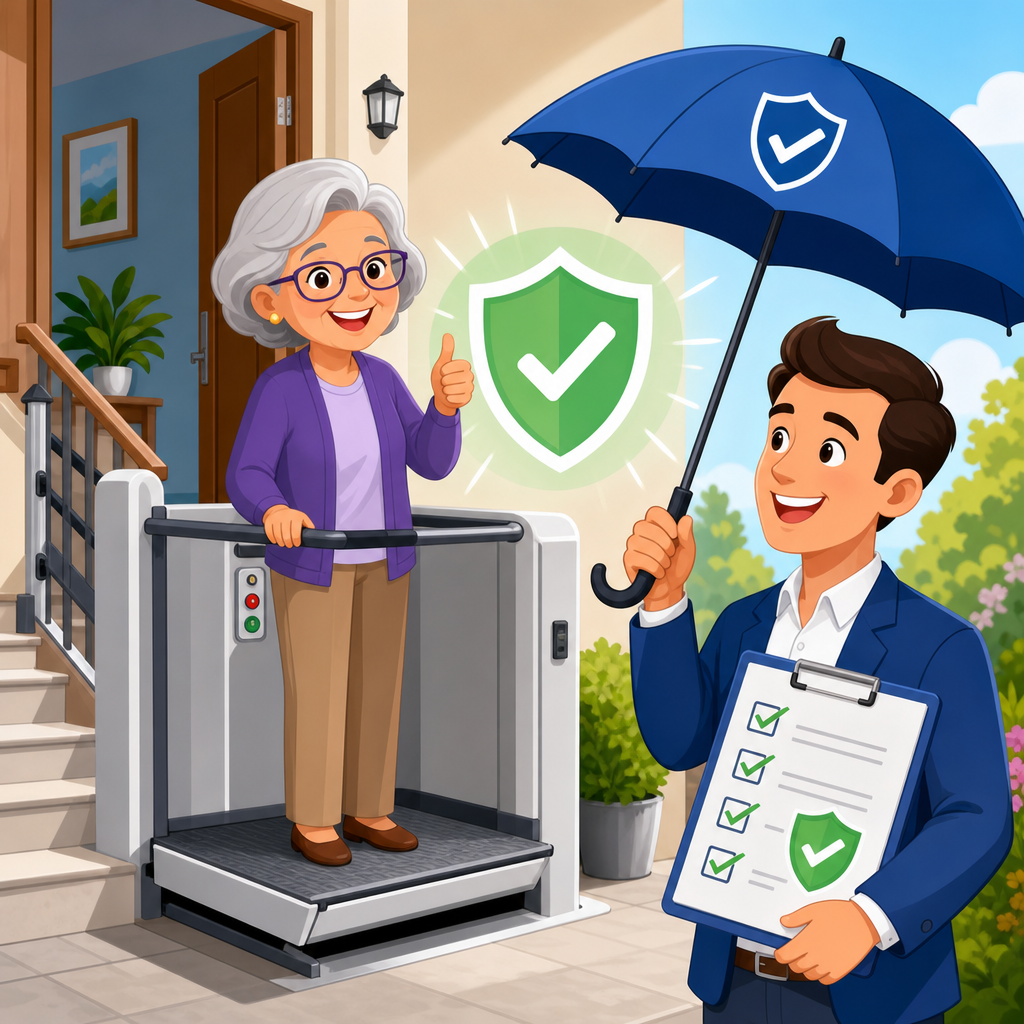
Insurance coverage for mobility equipment is rarely straightforward, and platform lifts sit in one of the grayest areas. Homeowners, caregivers, and facility managers often ask a simple question: are platform lifts more likely to be covered by insurance than stair chair lifts? The short answer is sometimes, but only when the lift is tied to medical necessity, the policy language supports durable medical equipment or accessibility modifications, and the installation fits the insurer’s rules. In my work helping families compare funding paths for accessibility upgrades, I have seen approvals happen, but I have also seen denials issued for reasons that felt technical rather than practical.
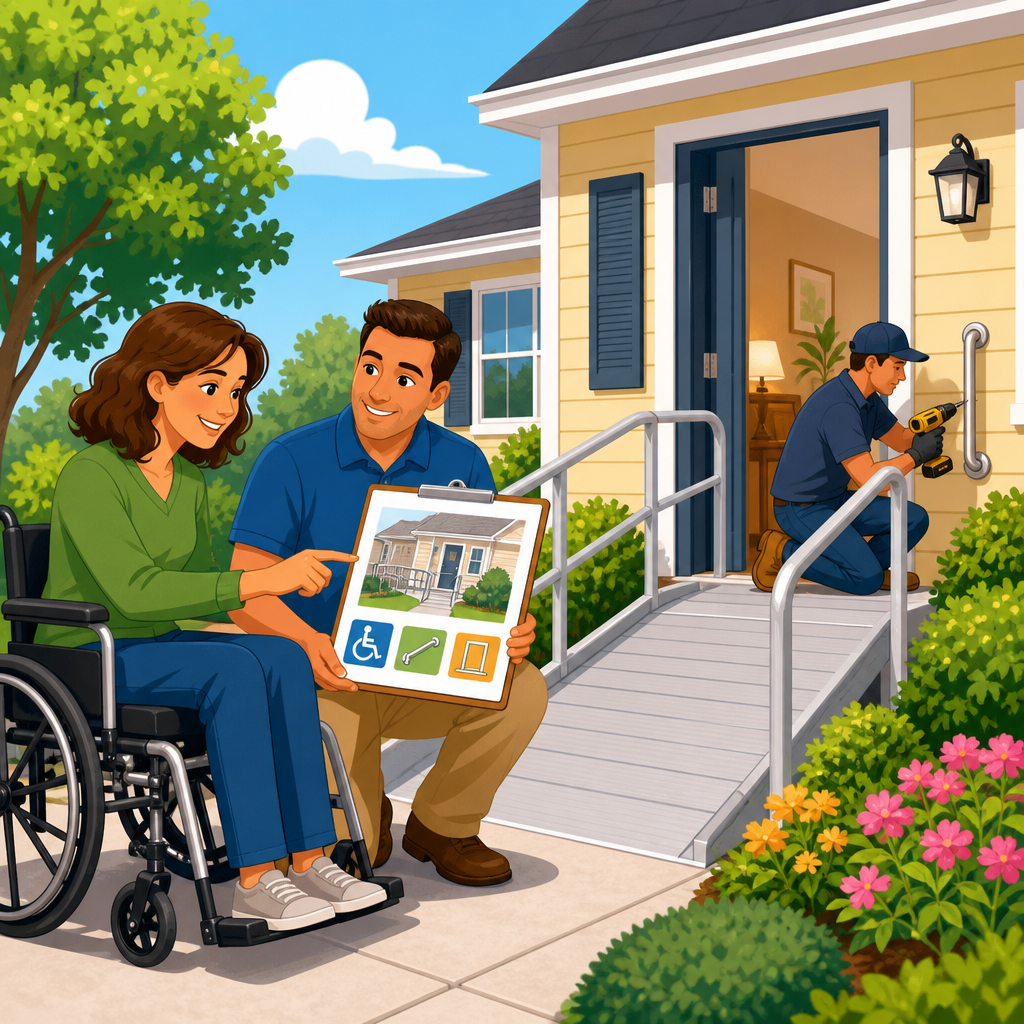
To evaluate the answer correctly, it helps to define the equipment. A platform lift, often called a vertical platform lift or wheelchair lift, carries a person in a wheelchair or scooter on a flat platform between levels. A chair lift carries a seated rider on a rail attached to stairs. Both improve access, but insurers do not always classify them the same way. Some treat both as home modifications, which are usually excluded. Others may consider a platform lift more favorably when it is the only realistic way for a wheelchair user to enter, exit, or move through a property safely.
This matters because platform lifts are expensive. A basic vertical platform lift may cost several thousand dollars before site work, electrical upgrades, permits, and ongoing maintenance. Outdoor models, enclosed units, and longer travel distances can increase the total substantially. Chair lifts can also be costly, but platform lifts often involve more structural work, which makes reimbursement questions more urgent. For families already paying for home health, therapy, medications, and lost work time, insurance coverage can be the difference between a workable plan and a delayed installation that leaves someone effectively trapped.
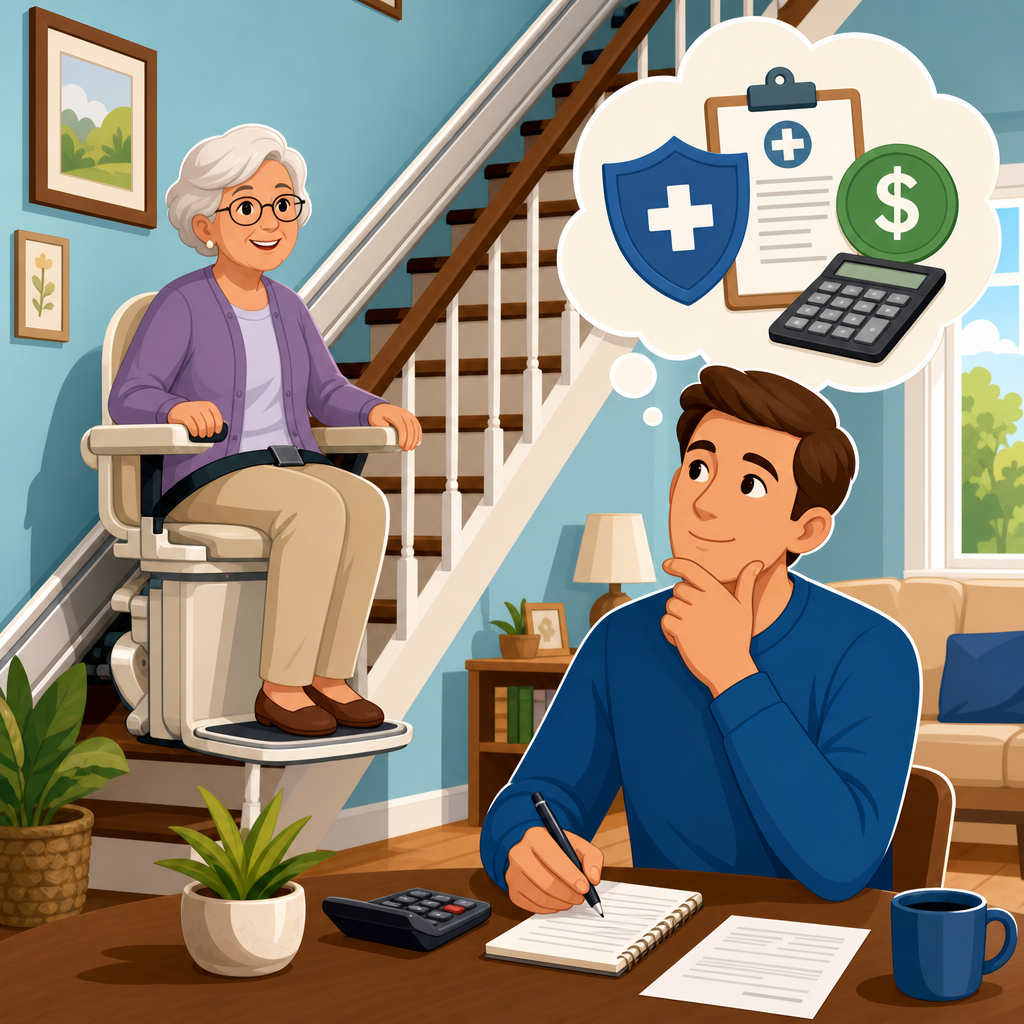
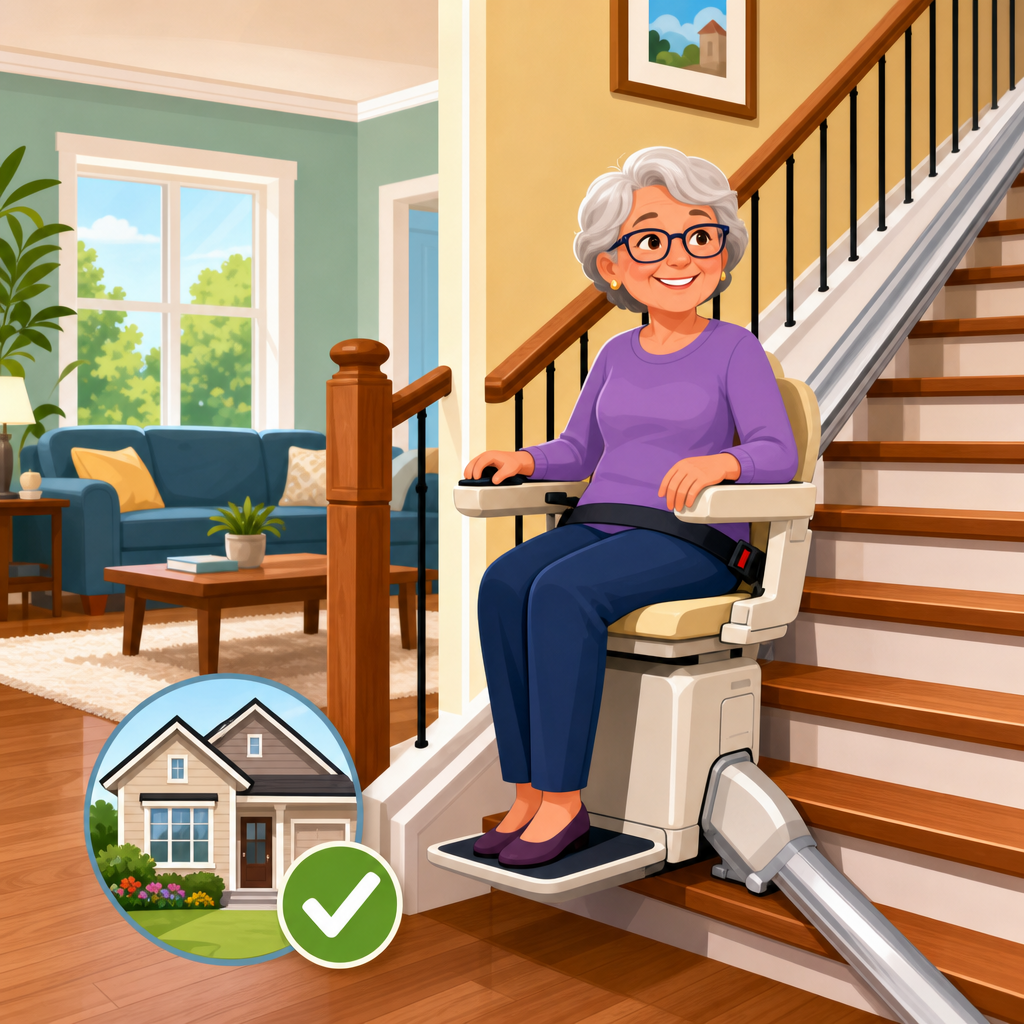
The related question, does insurance cover chair lifts, deserves equal attention because many people compare the two options while planning around cost. In most private insurance and Medicare situations, chair lifts are not broadly covered simply because they improve convenience or safety. Coverage improves only when a physician documents a specific medical need, alternative solutions are inadequate, and the policy allows the item category. Platform lifts can be more likely to receive favorable review than chair lifts in narrow cases, especially when the user cannot transfer safely to a seat and must remain in a wheelchair. That distinction is often central.
How insurers decide whether a lift is covered
Insurance companies do not start with the product brochure. They start with the policy contract, the medical record, and the classification of the item being requested. Most claims are judged through categories such as durable medical equipment, prosthetic and orthotic benefits, home health benefits, or explicit home modification exclusions. A platform lift may be denied if the insurer says it is a structural improvement to real property rather than medical equipment. A chair lift may be denied for the same reason, even when it clearly reduces fall risk.
Medical necessity is the phrase that drives nearly every approval conversation. In practical terms, that means the lift must be required to diagnose, treat, or manage a medical condition, not merely improve comfort. Documentation usually needs to show functional limitations, transfer ability, fall history, wheelchair dependence, and why less costly alternatives will not work. I have seen strong submissions include a physician letter, physical therapy evaluation, occupational therapy home assessment, and a contractor quote that ties the equipment directly to the patient’s access needs.
Insurers also look at whether the requested device is primarily medical or primarily environmental. That distinction explains why hospital beds, walkers, and manual wheelchairs are more commonly covered than ramps, widened doorways, or stair railings. Platform lifts and chair lifts sit between those worlds. They serve a medical purpose, but they are installed into the home or building. Because of that hybrid nature, decisions vary widely across commercial plans, managed care organizations, workers’ compensation carriers, and public programs.
Are platform lifts more likely to be covered than chair lifts?
Yes, in some circumstances platform lifts can be more likely to be covered than chair lifts, but not because insurers prefer them generally. The advantage comes from function. A person who uses a power wheelchair full time, cannot perform a safe seated transfer, or has severe balance impairment may not be able to use a chair lift at all. For that user, a platform lift is not a convenience upgrade; it may be the only equipment that provides accessible entry or level change. When the clinical record shows that clearly, the argument for coverage is stronger.
Chair lifts, by contrast, are often viewed as optional if the patient can still walk short distances, use a cane, or transfer with assistance. Even when that assumption is unrealistic at home, it appears frequently in denial letters. I have reviewed cases where a claimant with advanced arthritis and recurrent falls was refused a stair lift because the insurer considered it a household adaptation. In a different case, a wheelchair user with a spinal cord injury obtained partial funding for a platform lift through a state Medicaid waiver after a therapist documented that ramp grading was impossible on the property and a chair lift was unusable.
That does not mean platform lifts are easy to cover. They can trigger scrutiny because they cost more and require installation. If the building can accommodate a ramp within code limits, an insurer or public program may insist that a ramp is the lower cost alternative. If the user can transfer independently, a reviewer may argue that a chair lift is sufficient. Coverage odds improve when the request demonstrates that the platform lift is the least restrictive, safest, and most medically appropriate option rather than the most comfortable one.
| Factor | Platform Lift | Chair Lift | Impact on Coverage |
|---|---|---|---|
| Wheelchair user must remain seated | Strong fit | Poor fit | Favors platform lift |
| Independent transfer ability | May be unnecessary | Often acceptable | Favors chair lift or denial |
| Home modification classification | Common issue | Common issue | Can block both |
| Lower cost alternative exists | Ramp may compete | Usually lower cost than platform | Can reduce platform approval odds |
| Medical documentation strength | Critical | Critical | Determines both outcomes |
Does insurance cover chair lifts in private plans, Medicare, and Medicaid?
For most people, the answer to does insurance cover chair lifts is no under standard Medicare and many private health plans, at least not as a routine benefit. Medicare Part B generally covers durable medical equipment when prescribed for use in the home, but stair lifts and most home-installed lifting systems are commonly excluded because they are considered home modifications. Medicare Advantage plans may offer supplemental benefits, but benefits vary by carrier and county, so members must verify specifics in the Evidence of Coverage rather than relying on assumptions.
Private insurance coverage is highly plan specific. Large employer plans, marketplace plans, and individual policies often exclude environmental accessibility improvements. However, some plans will consider case-by-case exceptions, especially after prior authorization, external review, or appeal with supporting clinical evidence. Flexible spending accounts and health savings accounts may allow payment with tax-advantaged funds if a physician provides a letter of medical necessity, though tax treatment depends on the expense and the account administrator’s rules.
Medicaid is where many families have the best chance of finding help, particularly through Home and Community-Based Services waivers, managed long-term services and supports programs, or state assistive technology initiatives. States differ sharply. One state may fund a platform lift as an environmental accessibility adaptation, while another may cap spending or prefer ramps only. Veterans may also have options through the Department of Veterans Affairs, including housing adaptation grants for eligible service-connected disabilities. Workers’ compensation may pay when the mobility need results from a compensable workplace injury.
What documentation makes a successful claim stronger
The strongest requests read like a clinical access plan rather than a purchase request. Start with a diagnosis list, but do not stop there. Insurers need objective functional detail: inability to negotiate stairs, wheelchair dependence, maximum standing tolerance, transfer limitations, upper extremity weakness, cardiopulmonary limits, or unsafe caregiver lifting demands. A physician should explain why the condition is expected to last and why access between levels is medically necessary for daily living, treatment adherence, or safe discharge home.
An occupational therapist or physical therapist home evaluation often makes the difference. Good evaluations describe the layout, stair geometry, doorway widths, landing space, exterior slope, and caregiver burden. They also compare alternatives. For example, if a ramp would require a run exceeding practical property limits under accessibility standards, say so. If a chair lift would require a transfer that the patient cannot perform safely because of hemiparesis or orthostatic hypotension, document that precisely. Insurers respond better to measurable findings than broad statements about convenience.
Quotes and specifications matter too. Submit a detailed estimate from a licensed installer showing model, travel height, weight capacity, safety features, permit responsibility, and electrical requirements. Include photographs of the site. If the request is for a platform lift, attach the manufacturer sheet showing wheelchair compatibility and safety interlocks. When appealing a denial, address the insurer’s stated reason directly. If they say the lift is a home modification, argue the clinical necessity and note any plan language or state program rule that allows accessibility adaptations as part of community-based care.
Alternatives, tradeoffs, and how to choose the right funding path
Even when insurance will not cover the full installation, families still have multiple financing paths. Manufacturer financing, home equity products, nonprofit grants, state vocational rehabilitation programs, Area Agencies on Aging, and disability-specific charities can reduce out-of-pocket cost. Some contractors partner with lenders that understand accessibility projects, though borrowers should compare interest rates carefully. In my experience, the most efficient approach is to pursue all realistic channels at once: insurance prior authorization, Medicaid waiver screening, veterans benefits if applicable, and local grant programs.
Choosing between a platform lift and a chair lift should begin with function, not hoped-for reimbursement. A lower-priced chair lift is not economical if the user cannot transfer safely, becomes stranded during fatigue episodes, or requires two-person assistance. Likewise, a platform lift is not automatically the best answer if a short ramp or zero-step entry can solve the problem with less maintenance. Platform lifts require periodic service, battery backup checks, and compliance with local code and permitting. Outdoor units also face weather exposure that affects reliability over time.
When you compare bids, ask detailed questions. Is the quoted price inclusive of permitting, slab work, weather protection, and annual maintenance? Does the lift meet the relevant safety standard, such as ASME A18.1 for platform lifts and stairway chairlifts? What is the lead time for parts and service? If the equipment fails, is there a manual lowering system? These questions protect the buyer and strengthen any reimbursement request because they show the chosen option was evaluated responsibly, not selected on impulse.
What to do next if you want coverage or reimbursement
Platform lifts can be more likely to be covered by insurance than chair lifts when the user must remain in a wheelchair, cannot transfer safely, and the policy or public program allows medically necessary accessibility adaptations. Still, neither device enjoys broad automatic coverage. The answer to does insurance cover chair lifts is usually no under standard health insurance rules, but exceptions, supplemental benefits, Medicaid waivers, veterans programs, and appeals can change the outcome. Success depends less on the product name than on classification, medical necessity, and proof that alternatives are unsafe or impractical.
The practical takeaway is simple. Start with the policy documents and ask for written criteria. Get a physician order, a therapist home assessment, and a detailed installer quote. Build the case around function, safety, and why the requested lift is the medically appropriate option. If coverage is denied, appeal quickly and explore parallel funding sources instead of waiting for a single yes or no. Families who prepare complete documentation from the beginning usually move faster and waste less money.
If you are comparing mobility solutions under the Cost and Financing Options topic, use this page as your starting point. Review your insurance language, gather clinical support, and speak with a qualified lift dealer and therapist before choosing equipment. That combination gives you the best chance of securing coverage, reducing out-of-pocket cost, and installing the right lift the first time.
Frequently Asked Questions
Are platform lifts more likely to be covered by insurance than stair chair lifts?
Sometimes, but not automatically. Insurance carriers do not usually approve a platform lift simply because it is more substantial or more expensive than a stair chair lift. Coverage typically depends on whether the lift is considered medically necessary, whether the policy allows benefits for durable medical equipment or accessibility-related modifications, and whether the recommended equipment is the most appropriate solution for the user’s condition. In many cases, insurers are more comfortable covering equipment that directly addresses a documented mobility limitation rather than equipment viewed primarily as a home convenience upgrade.
Platform lifts may have a stronger case than stair chair lifts when a person uses a wheelchair or scooter and cannot safely transfer onto a stair lift seat. That distinction matters because insurers often look at function and safety. If the individual must remain in a mobility device to access another level, a platform lift can be easier to justify as the only practical option. Even so, approval is far from guaranteed. Many policies specifically exclude home modifications, structural changes, or permanently installed accessibility equipment, even when the medical need is clear. That is why the answer is often “possibly” rather than “yes.”
What makes a platform lift medically necessary in the eyes of an insurance company?
Medical necessity usually has to be proven with more than a diagnosis alone. Insurers want documentation showing how the mobility limitation affects daily living, why stairs create a safety risk, and why less costly or less complex alternatives are not suitable. A physician’s letter of medical necessity is often central to the claim. That letter should explain the patient’s condition, whether it is temporary or permanent, the person’s current level of mobility, whether they use a wheelchair or walker, and why a platform lift is required instead of another device.
Insurance reviewers may also consider therapy evaluations, home safety assessments, and records showing falls, failed transfers, or inability to access essential rooms. For example, if a person cannot reach a bedroom, bathroom, or exit without remaining in a wheelchair, that can strengthen the case. What insurers generally want to avoid is paying for equipment that appears optional, duplicative, or primarily intended to improve convenience. The stronger the documentation connecting the lift to health, safety, and basic access, the better the chance of meaningful review.
Does homeowners insurance, health insurance, Medicare, or Medicaid usually pay for platform lifts?
Each type of coverage works differently, and that is where many people get tripped up. Standard health insurance may sometimes contribute if the policy includes benefits related to durable medical equipment or medically necessary accessibility support, but many plans draw a hard line between medical devices and home improvements. A permanently installed platform lift often falls into a category that insurers scrutinize closely. Homeowners insurance usually does not pay for a new lift installation simply because a resident needs one. It is generally designed for sudden damage or loss, not elective accessibility upgrades.
Medicare also tends to be limited in this area. Traditional Medicare may cover certain durable medical equipment, but platform lifts are often excluded because they are tied to the home structure and may be classified as home modifications rather than covered medical equipment. Medicaid can sometimes be more flexible, especially through waiver programs or state-specific home and community-based services, but eligibility and benefits vary widely by state. In practical terms, the best approach is to review the exact plan language, ask whether the lift can be considered medically necessary equipment, and request the policy’s written criteria before making assumptions about approval.
What documentation should be submitted when trying to get insurance coverage for a platform lift?
A strong submission usually includes several layers of support. At minimum, most applicants should expect to provide a prescription or recommendation from a treating physician, a detailed letter of medical necessity, and a description of the patient’s diagnosis and functional limitations. It is also helpful to include records from physical or occupational therapists, especially if they document why transfers to a stair chair lift are unsafe or impossible. If the individual uses a wheelchair full time or has a high fall risk, that should be stated clearly and consistently throughout the paperwork.
Beyond the medical documentation, insurers may want product specifications, itemized quotes, installer information, and evidence that the lift meets safety and local code requirements. A home assessment can also be valuable because it shows why the chosen lift is appropriate for the actual environment. The goal is to eliminate ambiguity. Instead of simply stating, “the patient needs a lift,” the file should explain why this exact type of lift is necessary, why other options are inadequate, and how the installation supports safe access to essential areas of the home or facility. Thorough documentation does not guarantee approval, but weak documentation almost always makes denial more likely.
If insurance denies coverage for a platform lift, are there other payment or appeal options?
Yes. A denial is common, but it is not always the end of the process. First, review the denial letter carefully to determine whether the claim was rejected for lack of medical necessity, missing documentation, policy exclusion, coding issues, or failure to obtain preauthorization. If the policy allows appeals, the applicant can often submit additional clinical records, updated physician statements, therapy evaluations, and a more detailed explanation of why the platform lift is the safest and most appropriate option. Appeals are strongest when they address the insurer’s exact reason for denial rather than simply restating the original request.
If insurance still will not pay, there may be other funding paths worth exploring. Depending on location and eligibility, people may look into Medicaid waiver programs, veterans’ benefits, state assistive technology programs, nonprofit grants, community accessibility funds, or financing through the lift provider. Some employers, schools, religious institutions, and commercial property owners may also find that accessibility-related improvements qualify for tax incentives or local support programs. Because platform lifts sit in a coverage gray area, success often comes from combining multiple strategies: documenting medical need thoroughly, checking every possible payer source, and being prepared to challenge a denial with better evidence.