Finding the best stair lifts for seniors with limited mobility starts with understanding how these systems work, who benefits most, and which features make daily life safer rather than merely more convenient. A stair lift, often called a chair lift for seniors, is a motorized seat that travels along a rail mounted to a staircase, allowing a person to move between floors without climbing steps. In practice, the right unit reduces fall risk, preserves independence, and can delay or even prevent a forced move to a single-level home or assisted living facility. I have evaluated these systems with families balancing safety, budget, and home layout, and the biggest lesson is simple: the best chair lifts for seniors are not the most expensive models, but the ones that fit the staircase, the user’s body, and the household routine.
Limited mobility can mean arthritis, Parkinson’s disease, stroke recovery, neuropathy, heart or lung conditions, or general age-related weakness. Each of those affects stair use differently. Someone with severe knee pain may need only a stable seated ride, while someone with poor trunk control may require a higher backrest, retractable seat belt, and powered swivel seat for safer transfers. That is why stair lift buying decisions should never begin with brand marketing alone. They should begin with the staircase type, rider needs, transfer safety, power backup, and service support. This guide explains the major categories, compares leading options, and gives clear buying criteria so you can choose a chair lift that works reliably in real homes, not just in brochures.
How Stair Lifts Help Seniors Stay Safe at Home
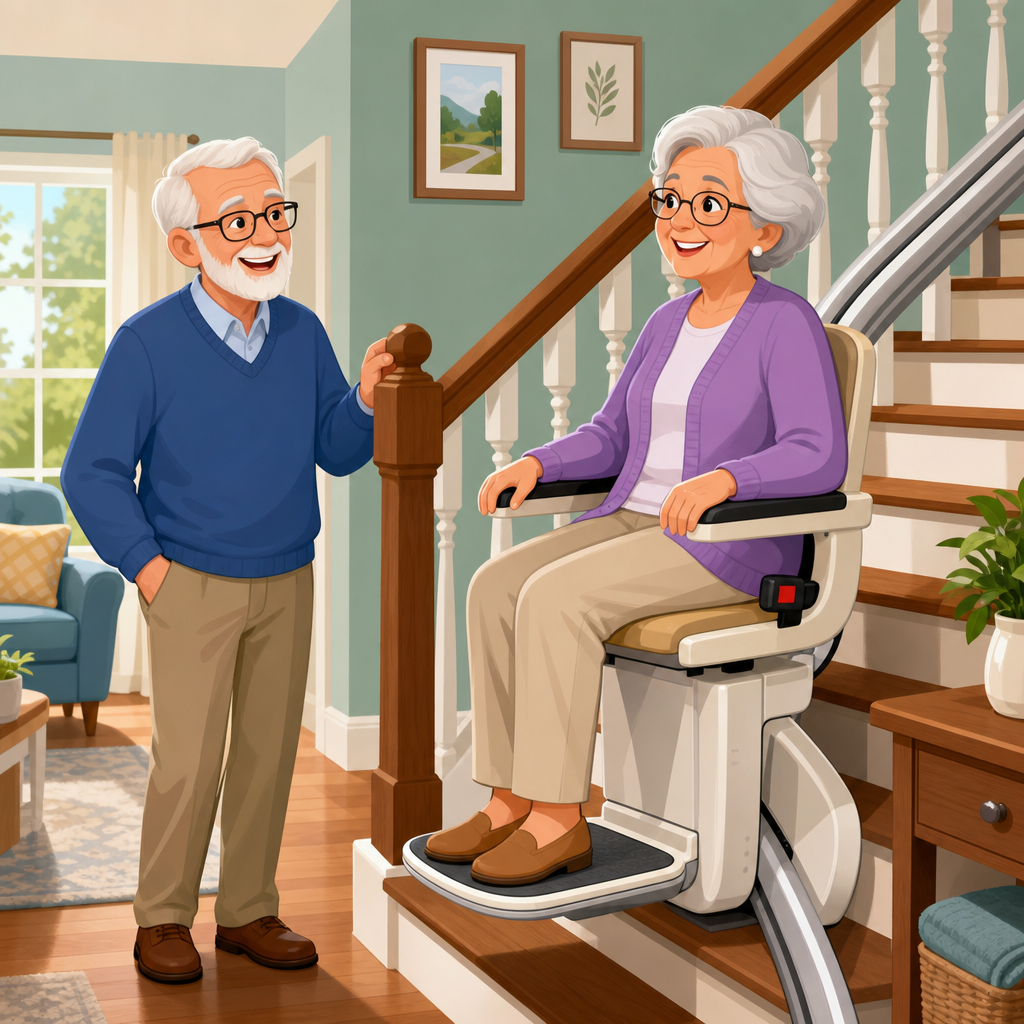
Staircases are one of the most common hazard points in multilevel homes because they combine elevation change, narrow footing, and the need for balance, leg strength, and confidence. For older adults with limited mobility, a stair lift replaces the riskiest part of moving around the house with a controlled seated transfer. The key safety benefit is not just the ride itself; it is the reduction in repeated stair climbing, especially when a senior is tired, carrying items, or navigating the stairs at night. Most quality stair lifts include a seat belt, obstruction sensors, lockable controls, and battery backup so the lift still runs during a power outage. Those are not luxury add-ons. They are baseline safety requirements.
In my experience, families often underestimate the transfer at the top landing. The ride can feel secure, but getting on and off the seat is where many near-falls happen. That is why the best stair lifts for seniors usually include a swivel seat, ideally powered for users with weak hands or painful shoulders, and rail overruns that move the chair away from the edge of the staircase. If a user leans heavily on armrests while standing, look for reinforced arm structures and a seat height that matches the person’s standing pattern. A well-matched unit turns the staircase from a daily obstacle into a manageable part of the home.
Types of Chair Lifts for Seniors: Straight, Curved, and Outdoor
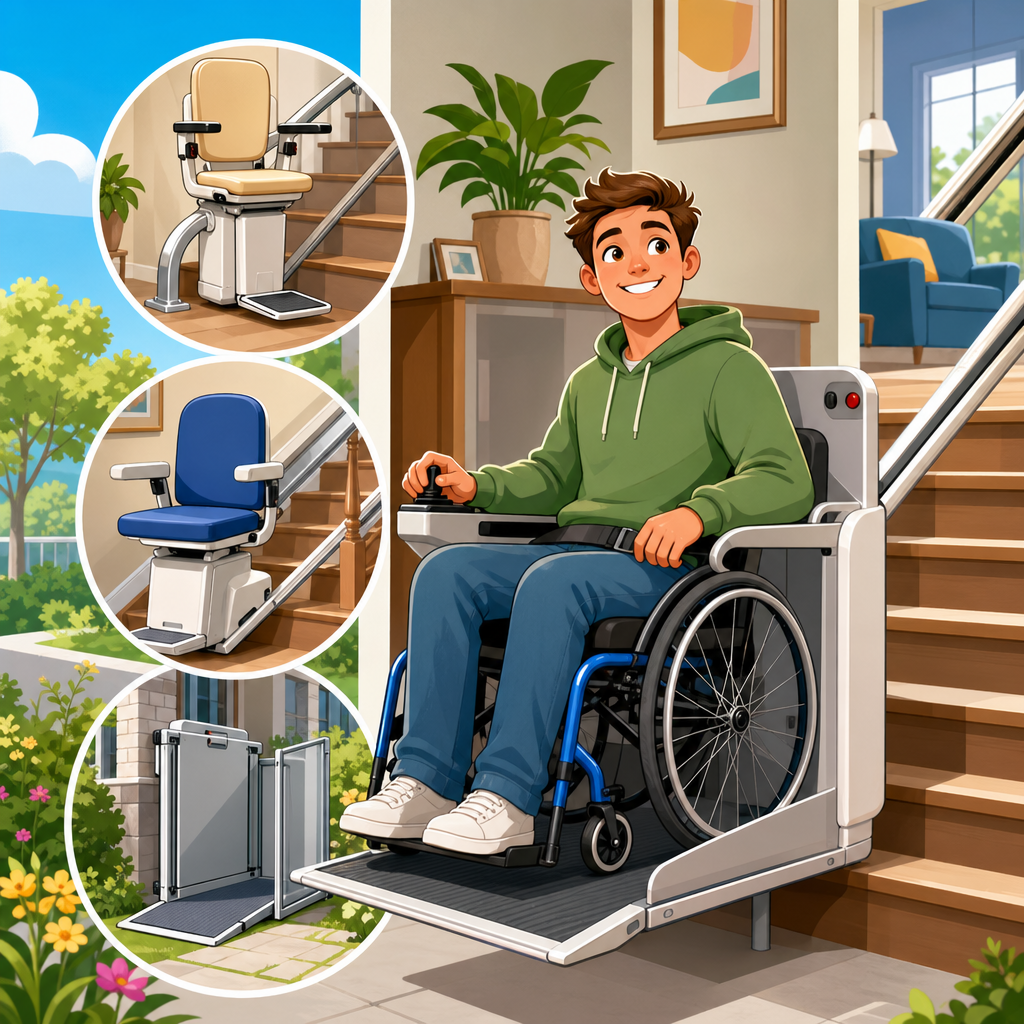
There are three primary categories of chair lifts for seniors: straight stair lifts, curved stair lifts, and outdoor stair lifts. Straight stair lifts fit staircases that run in a single line without turns, intermediate landings, or direction changes. They are the most common and usually the most affordable because the rail is standardized and easier to install. Many straight models can be installed in a few hours. If the staircase is narrow, some manufacturers offer folding rails or hinged rails at the bottom to prevent blocking a doorway or walkway.
Curved stair lifts are custom-built for staircases with turns, spirals, split landings, or multiple levels. These units cost more because the rail is manufactured to the exact dimensions of the staircase after a detailed survey, often using digital measurement tools. When families ask which stair lift is best overall, the answer changes quickly if the home has a curved staircase. In that case, engineering precision matters more than broad brand reputation. A strong dealer network and accurate installation process are essential, because even small measurement errors can affect ride smoothness and seat position at landings.
Outdoor stair lifts are designed for exterior steps, porch entries, garage stairs, or garden access. They use weather-resistant materials, sealed components, and protective covers. Not every indoor model can be adapted for outside use, so it is important to choose a true outdoor-rated unit. Seniors who can manage inside stairs but struggle with front entry steps often benefit more from an outdoor lift than from a full interior remodel. This is especially true in homes where the garage or front porch is the main daily entrance.
Best Stair Lift Brands and What Each Does Well
Several brands consistently appear in stair lift buying guides because they have strong dealer coverage, established service systems, and proven model ranges. Bruno is widely respected for durable straight and curved lifts, including heavy-duty options with higher weight capacities and wider seats. Stannah is known for refined ride quality, compact folded profiles, and custom curved systems. Harmar offers popular straight stair lifts and has broad dealer availability in the United States, making service easier in many regions. Access BDD, often sold through dealers under different lines, is recognized for reliable engineering and outdoor capability in select models. Handicare is also a major name, especially for curved systems and modular features.
The best brand depends on use case. For a senior needing a basic straight stair lift on a standard indoor staircase, a reliable midrange model from Bruno, Harmar, or Stannah often covers the essentials: battery operation, folding seat and footrest, call-send controls, and obstruction sensors. For users with obesity or a larger frame, heavy-duty models become important because seat width, arm spacing, and rail strength directly affect comfort and transfer safety. For tight staircases, a compact carriage and folded seat depth can matter more than cosmetic features. I have seen families choose a polished premium model only to discover it left too little walking space for other household members. Clearance should always be measured with the lift folded.
| Brand | Best Fit | Strengths | Watch For |
|---|---|---|---|
| Bruno | Durable straight and heavy-duty needs | Strong build quality, high capacity options, dependable dealers | Pricing can run higher than entry-level competitors |
| Stannah | Custom curved and compact indoor use | Smooth ride, refined design, good folding footprint | Availability depends on local dealer coverage |
| Harmar | Value-focused straight lifts | Broad U.S. distribution, practical feature sets | Model features vary by dealer package |
| Handicare | Curved staircases and tailored configurations | Flexible options, established global presence | Lead time on custom rails may be longer |
| Access BDD | Engineered reliability and some outdoor applications | Solid rail systems, dealer-supported installs | Consumer-facing model information can be less direct |
Features That Matter Most for Seniors with Limited Mobility
When comparing the best chair lifts for seniors, focus on transfer safety, seating support, control simplicity, and long-term reliability. Weight capacity is a starting point, but it is not enough. Seat width, back height, footrest size, and armrest stability determine whether a rider feels secure. A powered swivel seat is one of the most valuable upgrades for seniors with arthritis or reduced core strength because it reduces twisting at the top landing. A powered footrest is similarly useful for users who cannot bend easily. Battery-powered systems are now standard in quality models because they charge when parked and continue to operate through most power failures.
Safety sensors should stop the unit if an object is on the stairs or rail path. Call-send remotes let multiple users move the chair between floors, which matters in shared households. Diagnostic displays can help technicians identify faults quickly, reducing downtime. Noise level also matters more than many buyers expect. A smoother, quieter ride increases user confidence, particularly for seniors who are anxious about machinery. For very narrow stairs, check folded depth, footrest fold angle, and perch-seat options. Perch lifts are designed for users who have difficulty bending into a seated position, though they require enough balance to ride semi-standing and are not ideal for everyone.
How to Choose the Right Stair Lift for a Home and a User
The best stair lift buying process starts with an in-home assessment, not an online checkout. A qualified dealer should measure staircase width, tread depth, landing space, power access, and any obstructions such as radiators, doors, trim, or handrails. They should also evaluate the user’s height, weight, joint range, transfer style, and whether one or both arms are weaker. If that conversation does not happen, the recommendation is incomplete. A model that looks excellent on paper can fail in daily use if the senior cannot pivot safely onto the seat or if the footrest sits too high for easy boarding.
Budget should be handled realistically. Straight stair lifts often cost far less than curved lifts because custom rail fabrication drives up price. Installation, warranty coverage, service plans, and removal fees all affect total cost. Used or refurbished stair lifts can be a sensible option for straight staircases if the equipment is dealer-certified and includes a meaningful warranty. Curved lifts are rarely practical to buy used unless the rail can be fully remanufactured for the home, which limits savings. Ask about lead times, emergency repair availability, battery replacement costs, and whether the dealer stocks parts locally.
Also consider the future. If mobility is declining, choose a system that accommodates progression rather than only current ability. A manual swivel seat may be manageable today but painful in a year. A standard seat may fit now but become restrictive if winter clothing, bracing, or caregiver assistance is later required. Good stair lift planning accounts for how aging conditions change, not just how the user feels this month.
Installation, Maintenance, and Common Mistakes to Avoid
Most stair lifts are attached to the stair treads, not the wall, which surprises many homeowners. That means installation is usually less invasive than expected and does not require major structural changes when the staircase is sound. Straight lifts can often be installed the same day, while curved lifts require custom manufacturing first. After installation, the technician should demonstrate seat operation, charging points, folding components, safety sensors, and emergency lowering procedures. A proper handoff includes supervised practice rides in both directions and transfer coaching at each landing.
Maintenance is typically straightforward but should not be ignored. Keep the rail clean, avoid storing items on the stairs, and schedule periodic service according to the manufacturer’s guidance. Batteries usually last several years but weaken over time, causing slow travel or service alerts. The biggest avoidable mistake is buying based on price alone. The second is failing to involve the actual user in the selection. I have seen adult children choose features they like while the senior dislikes the seat shape, the control toggle, or the ride speed. Acceptance matters. If the rider finds the lift awkward or intimidating, it may go unused.
When a Stair Lift Is the Best Option, and When It Is Not
A stair lift is often the best solution when a senior can transfer safely with support from armrests, can sit upright during travel, and wants to remain in a multilevel home. It is usually faster and less expensive than installing a residential elevator, and it avoids the disruption of major renovation. For many households, it is the most direct way to improve safety within days rather than months. It can also work well as part of a larger aging-in-place plan that includes grab bars, better lighting, lever handles, and bathroom modifications.
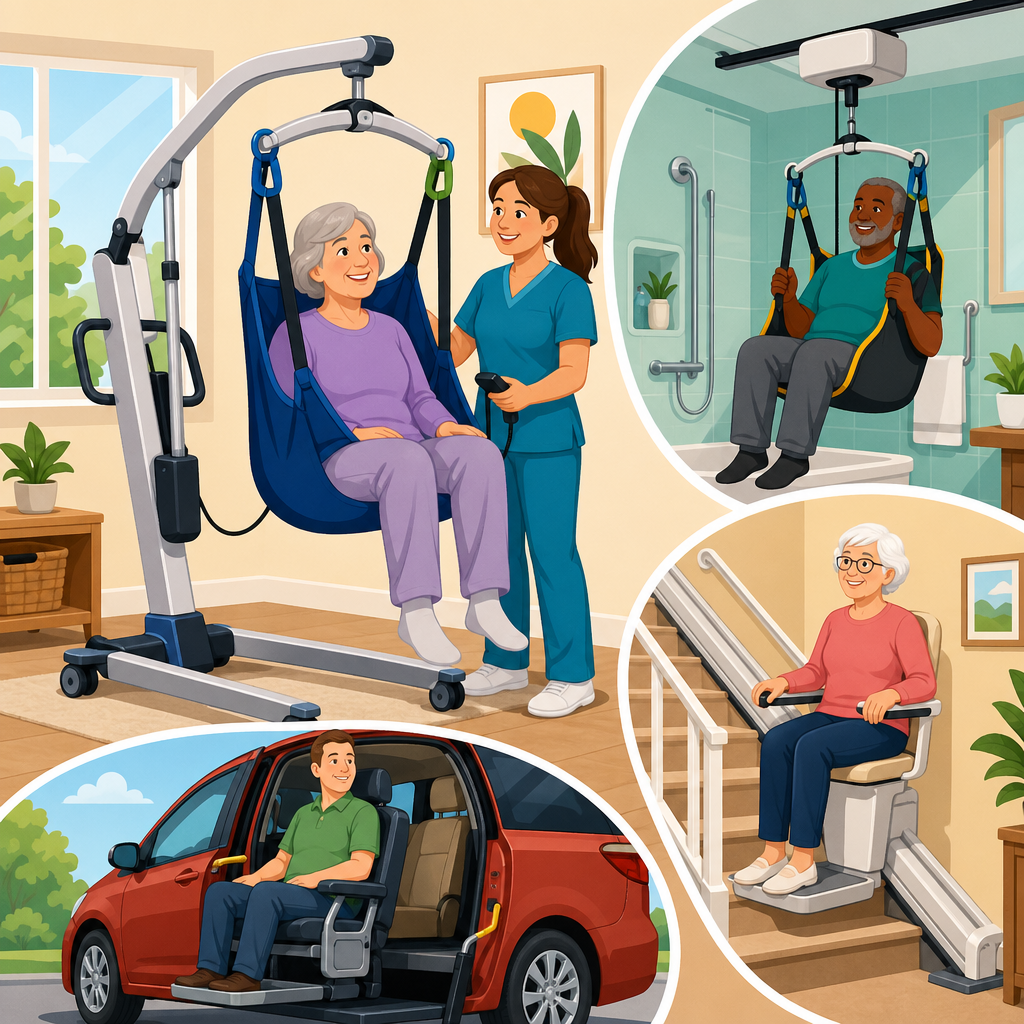
However, a stair lift is not right for every situation. If the user cannot safely transfer onto the seat, has severe cognitive impairment that makes operation unreliable, or needs full wheelchair access between floors, a vertical platform lift, home elevator, or first-floor living reconfiguration may be more appropriate. Very narrow or complex staircases can also limit options. The best outcome comes from matching the equipment to actual functional needs. If you are comparing the best stair lifts for seniors with limited mobility, focus on fit, transfer safety, and service quality first, then brand and price. Start with a professional home assessment, ask detailed questions, and choose the chair lift that will still feel safe, comfortable, and dependable a year from now.
Frequently Asked Questions
What is a stair lift, and how does it help seniors with limited mobility?
A stair lift is a motorized chair that travels along a rail attached to a staircase, giving seniors a safe way to move between floors without having to climb steps. For older adults with arthritis, muscle weakness, balance problems, joint pain, or recovery-related mobility limitations, this can make a major difference in daily safety and comfort. Instead of struggling up and down stairs or avoiding parts of the home altogether, a stair lift allows the user to remain in the house they know while reducing one of the most common household fall risks.
Beyond convenience, the real value of a stair lift is safety and independence. Falls on stairs can lead to serious injuries, lengthy recovery periods, and loss of confidence. A properly selected stair lift helps lower that risk by providing a stable seated ride, usually with a seat belt, footrest, armrests, and easy-to-use controls. Many models also include swivel seats for safer entry and exit at the top landing, obstruction sensors that stop the lift if something is in the way, and battery backup so the unit can still work during a power outage. For many seniors, this means being able to continue using bedrooms, bathrooms, and living spaces on different floors without relying on constant assistance from a caregiver or family member.
Who is a good candidate for a stair lift?
A good candidate for a stair lift is typically someone who can still safely transfer from standing to sitting with little or moderate assistance but has difficulty climbing stairs due to limited mobility, fatigue, poor balance, chronic pain, or reduced strength. Stair lifts are often a strong option for seniors with osteoarthritis, Parkinson’s disease, neuropathy, heart or lung conditions that make stair climbing exhausting, or those recovering from surgery or injury. They can also be helpful for individuals who are generally mobile on one level of the home but find stairs physically demanding or unsafe.
That said, the best candidate is not determined by age alone. The person should be able to sit upright safely during the ride, use the controls or tolerate a caregiver operating them, and get on and off the chair at the top and bottom landings without excessive risk. In some cases, a stair lift may not be the best solution if the user has very significant postural instability, severe cognitive impairment, or transfer limitations that make seated loading unsafe. In those situations, a home elevator, wheelchair lift, or first-floor living modification may be more appropriate. A professional in-home assessment is important because it evaluates the staircase, the user’s physical abilities, and the overall home layout before recommending a system.
What features should seniors and families look for when choosing the best stair lift?
The most important features are the ones that directly improve safety, comfort, and ease of use. Start with core safety elements: a secure seat belt, obstruction sensors, a swivel seat that locks into position for safer exits, and a reliable battery backup. A foldable seat, arms, and footrest can also be very helpful, especially in narrower stairways where preserving walking space matters for others in the household. Easy-touch controls, remote call/send controls, and smooth start-and-stop motion are also valuable, particularly for seniors with limited hand strength, dexterity issues, or sensitivity to sudden movement.
Comfort and fit matter just as much as technical specifications. The seat should provide enough support for the user’s height and weight, and the lift should match the type of staircase in the home. Straight stair lifts are used for simple staircases, while curved stair lifts are custom-built for stairs with turns, landings, or unusual shapes. Families should also consider track overruns, which allow the chair to move away from the staircase edge for safer mounting and dismounting. In addition, look closely at weight capacity, upholstery quality, maintenance needs, warranty coverage, and service availability in your area. The best stair lift is not simply the most advanced model; it is the one that fits the user’s body, the home’s staircase, and the senior’s daily routines with the least amount of effort and risk.
How much does a stair lift cost, and are there any ways to reduce the expense?
Stair lift pricing can vary widely based on the staircase design, customization needs, and installation complexity. In general, straight stair lifts are more affordable because they use standardized rails, while curved stair lifts cost more because the rail must be custom-made to fit the exact dimensions and turns of the staircase. Additional features such as higher weight capacities, powered swivel seats, folding rails, upgraded seating, and extended warranties can also increase the total cost. Installation is usually included or priced separately depending on the company, so it is important to ask for a fully itemized quote.
To reduce costs, families can explore several options. Some dealers offer reconditioned or used stair lifts for straight staircases, which can lower the upfront investment. Rental programs may also be available for short-term needs, such as post-surgery recovery. Financial help may come from state assistive technology programs, local aging agencies, veterans’ benefits for eligible individuals, long-term care insurance, or nonprofit resources in some regions. Traditional Medicare typically does not cover stair lifts because they are often classified as home modifications rather than durable medical equipment, but Medicaid waiver programs in certain states may help. It is wise to compare multiple quotes, ask about service plans, and confirm what happens if repairs are needed. The cheapest option is not always the best value if it lacks dependable service or does not meet the user’s safety needs.
Can a stair lift help a senior stay at home longer, and is it a better option than moving?
In many cases, yes. A stair lift can play a major role in aging in place by making a multi-level home more usable and less hazardous. For seniors who are otherwise able to live independently, stairs are often one of the biggest barriers to remaining at home. If the bathroom is upstairs, the bedroom is on another floor, or laundry and daily living spaces are split between levels, limited mobility can quickly turn a familiar home into a source of stress and danger. Installing a stair lift can restore access to those spaces, reduce dependence on others, and help preserve routines that support confidence and emotional well-being.
Whether it is a better option than moving depends on the bigger picture. A stair lift is often a practical and cost-effective alternative to relocating, especially when the home is otherwise suitable and the senior has strong community or family support nearby. However, it should be viewed as part of a broader home safety plan. Other factors such as bathroom accessibility, fall hazards, doorway widths, lighting, and the person’s long-term health outlook also matter. For some households, a stair lift buys valuable time and allows a senior to remain comfortably at home for years. For others, especially where multiple mobility barriers exist, a move to a single-level home or assisted setting may eventually make more sense. The best decision comes from balancing safety, cost, medical needs, and the senior’s personal preference rather than focusing on the staircase alone.