Entry-level stair lifts can be affordable without feeling flimsy, unsafe, or short lived, and that matters because most buyers are balancing mobility needs against a tight household budget. In this budget-friendly options hub, I will explain what “entry level” really means, which quality markers you should refuse to compromise on, and how to compare low-cost models with the discipline of a careful buyer rather than the urgency of a stressed family. A stair lift is a motorized seat that travels on a rail mounted to the staircase, helping users move between floors while seated. Entry-level usually refers to straight-rail models with standard seats, basic controls, and fewer cosmetic upgrades, not to unsafe engineering or inferior installation. That distinction is crucial. After helping families evaluate stair lift quotes, I have seen the same mistake repeatedly: shoppers focus on sticker price and overlook warranty coverage, service response, battery design, rail fit, and weight capacity. A cheap stair lift becomes expensive fast when repairs are frequent, parts are proprietary, or the unit cannot adapt to the user’s condition over time.
Quality in this category means dependable drive systems, certified safety sensors, smooth starts and stops, sturdy seat construction, clear controls, and installer support that does not disappear after the invoice is paid. It also means buying from brands with established dealer networks and parts availability. For many households, a well-chosen entry-level stair lift is the best value purchase in the home because it restores safe access to bedrooms and bathrooms, postpones disruptive remodeling, and reduces fall risk on stairs, which the CDC identifies as a leading source of injury among older adults. The goal is not finding the absolute lowest number on a quote sheet. The goal is finding the most reliable mobility solution at the lowest total cost of ownership. If you understand the core tradeoffs, budget-friendly stair lifts can deliver excellent performance.
What Makes an Entry-Level Stair Lift Worth Buying
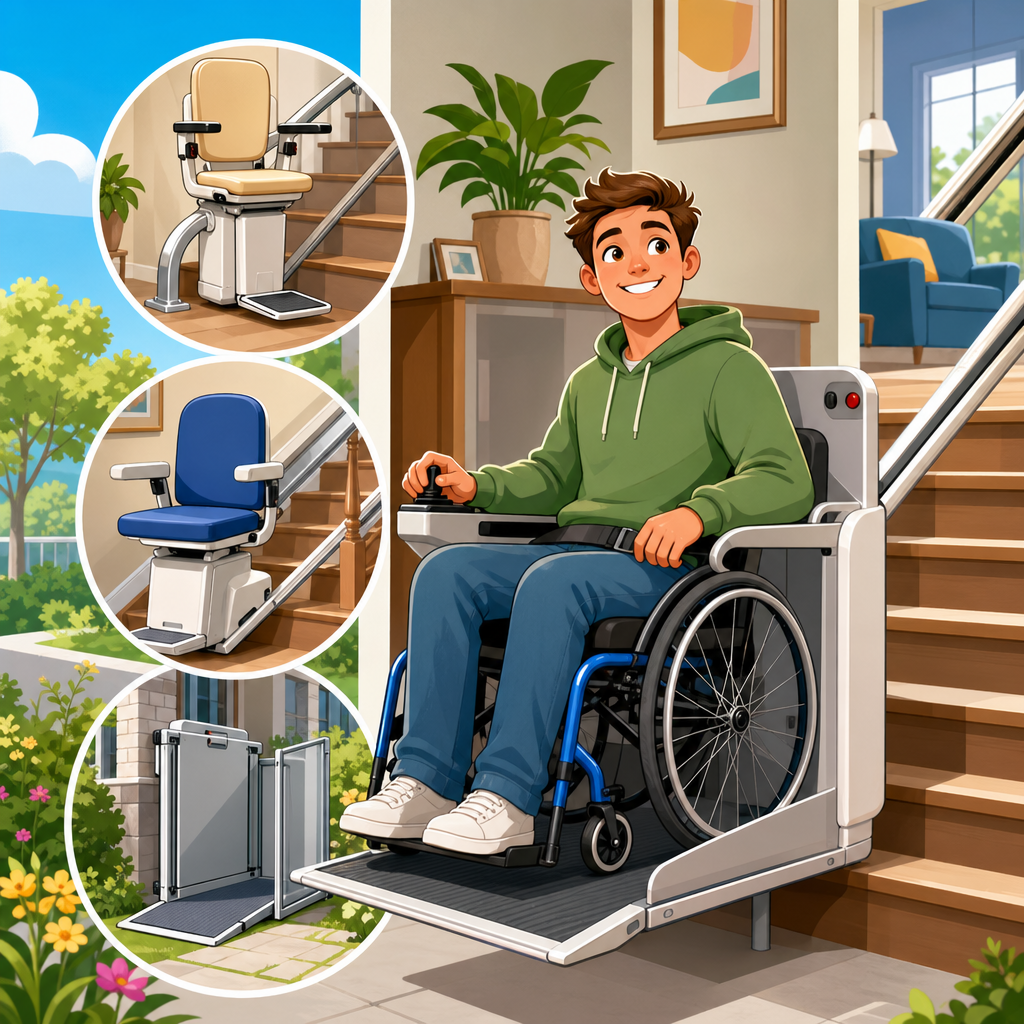
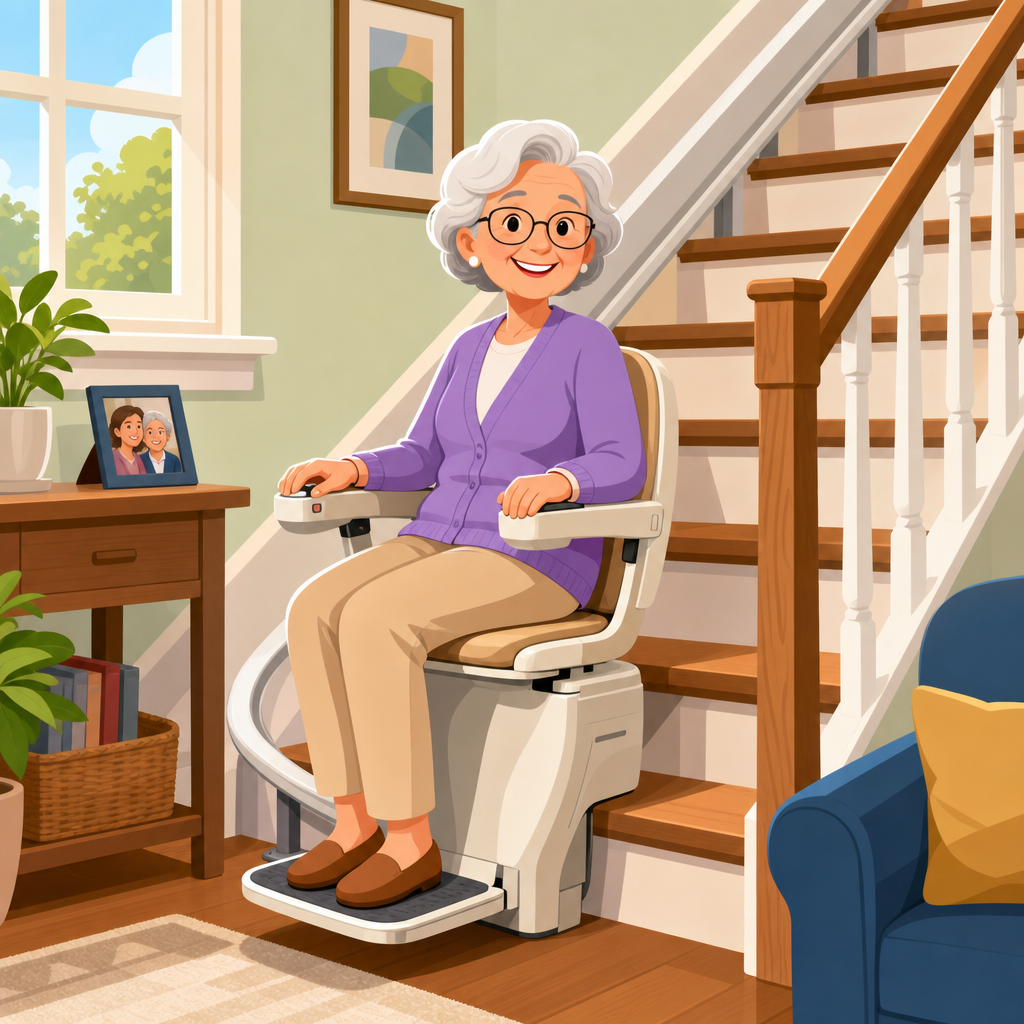
The best budget stair lifts start with a straight staircase because straight rails are simpler to manufacture, quicker to install, and far less expensive than custom curved systems. In practical terms, most entry-level buyers are shopping for a straight stair lift from brands such as Bruno, Harmar, Handicare, Stannah, Acorn, or AmeriGlide. These manufacturers differ in styling and dealer structure, but the quality checklist is remarkably consistent. You want battery-powered operation so the lift keeps working during a power outage. You want obstruction sensors on the carriage and footrest so the unit stops if it meets an object. You want a swivel seat with a locking position at the top landing, a seat belt, call-send controls, and a transmission that does not lurch at startup. Those are baseline requirements, not premium extras.
Weight capacity is another quality filter. Many entry-level stair lifts support 300 to 350 pounds, while heavy-duty variants may go to 400 pounds or more. If the user is close to the limit, do not “save money” by buying too small. Operating continuously near maximum capacity stresses the motor, gearbox, and seat frame, and it narrows future usability. Track design matters too. A slim folded profile helps preserve walking space for other household members. In homes with narrow stairs, a compact rail and folding footrest can be the difference between a code-compliant passage and an awkward bottleneck. I also advise buyers to pay attention to seat height and armrest spacing. A lower price means nothing if the user struggles to transfer safely on and off the seat every day.
Installation quality often separates good budget stair lifts from bad experiences. The rail mounts to stair treads, not usually to the wall, so a competent installer must account for tread condition, landing space, charging points, and final overrun position. A reputable dealer will measure carefully, explain electrical needs, and verify whether the user can sit, swivel, and stand at both landings. If a salesperson gives a price without discussing transfer ability, body size, hand function, or the staircase’s pinch points, that is not efficient service. It is a warning sign.
Features You Can Skip and Features You Should Demand
Budget-conscious buyers should trim nonessential upgrades first. Premium upholstery, custom seat colors, powered folding rails, and designer trim packages may be nice to have, but they do not determine whether a stair lift is safe and durable. Some households also overpay for cosmetic rail finishes when the staircase is in a low-traffic area. If cutting one upgrade saves several hundred dollars, that money may be better allocated to a longer service plan or a model with better battery backup. Likewise, a manual swivel seat is perfectly acceptable for many users with good upper-body control. Manual folding footrests can also be a sensible compromise if bending is not an issue.
On the other hand, there are features I would insist on every time. Soft start and soft stop reduce the jolt that can unsettle users with back pain, Parkinsonian symptoms, or poor trunk stability. Diagnostic readouts or service codes help technicians resolve faults faster. Reliable batteries are essential because many stair lifts charge continuously at one or both ends of the rail and rely on the battery for operation, even when household power is available. Safety edges on the footrest and carriage should be standard. The seat should lock securely for travel and at the upper landing. If the top landing is tight, a rail overrun can create safer dismounting space, and that can be worth more than decorative upgrades.
| Feature | Why it matters | Budget guidance |
|---|---|---|
| Battery operation | Keeps lift usable during outages and smooths power delivery | Must have |
| Obstruction sensors | Stops travel if objects are on the stairs or rail path | Must have |
| Swivel seat lock | Supports safer exit at the landing | Must have |
| Soft start and stop | Improves comfort and stability for frail users | Strongly preferred |
| Powered footrest or seat | Reduces bending and effort | Optional based on user needs |
| Custom upholstery or trim | Changes appearance only | Skip to save money |
Best Budget-Friendly Options and How They Differ
Most entry-level stair lift comparisons come down to new versus refurbished, dealer-installed versus direct-to-consumer, and standard versus upgraded comfort features. New straight stair lifts commonly land in the lower price band of the market compared with curved systems, but prices still vary by region, dealer margins, and included service. Refurbished lifts can offer meaningful savings when sourced from an established dealer that replaces worn components, installs a new rail when needed, and provides a written warranty. I have seen refurbished units work very well for temporary recovery situations, such as after hip surgery, but I am cautious when sellers cannot document service history or battery age.
Direct-to-consumer options look attractive because the headline price is often lower. However, installation quality, post-sale support, and troubleshooting can be inconsistent. Stair lifts are not plug-and-play appliances. Even straight models require precise measurement, secure mounting, correct charging contact placement, and user training. In my experience, buyers who need dependable daily mobility usually do better with a local authorized dealer, especially if the user lives alone or has progressive mobility limitations. A dealer-backed model may cost more upfront yet be cheaper over three years because service is faster and parts access is clearer.
Among recognized brands, Bruno is often praised for robust build quality and domestic manufacturing in the United States. Harmar offers broad availability and common straight-stair configurations, which can help on pricing and parts support. Handicare and Stannah have strong reputations in many markets for ride quality and dealer networks. Acorn is widely known and often marketed heavily, though local dealer experience can shape satisfaction more than the brochure. AmeriGlide frequently appears in value-focused searches, especially among shoppers open to simpler packages. No single brand wins for every buyer. The right budget-friendly option is the one your local dealer can install correctly, service quickly, and match to the user’s physical needs.
How to Compare Quotes Without Getting Misled
When buyers collect stair lift quotes, they often receive numbers that are not directly comparable. One dealer includes installation, a warranty, and two service visits. Another quotes only base equipment. A third offers a low opening price but adds a folding rail, service call minimums, and permit-related charges later. To compare fairly, ask every seller the same questions in writing. What is the full installed price? Is the rail new? What is the warranty on parts, batteries, motor, gearbox, and labor? How long is the expected service response window? Are annual maintenance visits included? Are there charges for uninstalling or relocating the unit? If the lift is refurbished, which components were replaced?
Also ask about user fit. What is the seat width? What is the folded width from wall to edge? What is the maximum incline the model handles? Does the top landing require an overrun for safe dismount? Can the call-send controls be mounted where the user can reach them easily? These details matter more than a sales promotion. I have reviewed quote packets where the cheapest option was unusable because the user’s knees projected too far on a narrow staircase. A better dealer flagged the issue, recommended a more compact seat geometry, and prevented an expensive mistake.
Financing, rental, and buyback programs can change the value calculation. Short-term users may save money with a rental if available in their area, particularly for a straight stair lift needed during rehabilitation. Some dealers also offer repurchase programs when the lift is no longer required. That can lower total cost more effectively than haggling over accessories. If you are building out your research, this hub should connect naturally with guides on stair lift installation costs, refurbished stair lifts, straight versus curved stair lifts, and stair lift maintenance schedules.
Common Mistakes First-Time Buyers Make
The biggest mistake is assuming all straight stair lifts are basically the same. They are not. Differences in ride quality, seat ergonomics, fold-up profile, service infrastructure, and warranty execution become obvious only after daily use. Another common error is treating a stair lift as a short-term appliance instead of a mobility system. If the user’s arthritis worsens or balance declines, manual features that seemed acceptable may become frustrating or unsafe. Buyers should think at least eighteen to thirty-six months ahead, not just at the moment of purchase.
Ignoring the staircase environment is another problem. Carpet thickness, narrow turns near the landing, nearby door swings, and lighting all affect usability. I have seen good products blamed for poor outcomes when the real issue was a top landing that forced an awkward exit. Reputable installers test the full transfer sequence, not just the ride itself. Families also underestimate maintenance. Batteries are consumable items. Seat belts and swivel mechanisms need periodic inspection. Dust and pet hair can interfere with moving parts over time. A lower-cost unit with neglected upkeep will not outperform a midpriced unit that receives proper service.
Finally, some shoppers wait too long. They try to manage the stairs after several near falls, then rush a purchase under pressure. That often leads to poor fit decisions and weak quote comparisons. Buying earlier allows for better planning, more installer options, and safer adaptation. A stair lift should be selected before the stairs become a daily hazard.
How to Choose the Right Entry-Level Model for Your Home
Start with the user, not the staircase. Assess height, weight, hip and knee range of motion, hand strength, trunk control, and whether the person transfers independently or with assistance. Then evaluate the stairs: straight or curved, width, number of landings, obstructions, nearby doors, and outlet locations. If the user has limited bending ability, powered features may be worth the extra cost. If the home loses power frequently, battery reliability and charger design deserve extra scrutiny. If several people use the stairs, prioritize a slim folded profile and easy call-send operation.
Next, vet the dealer as carefully as the product. Read recent reviews that mention installation and service, not just sales experience. Ask how many stair lifts the company installs each month and whether technicians are factory trained. Confirm that replacement batteries, remotes, and seat components are readily available. The strongest budget purchase is usually a standard straight model from a major brand, installed by a local dealer with a solid service reputation, backed by a clear written warranty, and configured for the user’s actual mobility needs. That formula consistently beats chasing the lowest advertised price.
Entry-level stair lifts that do not skimp on quality share a simple pattern: they cut optional frills, not essential engineering. The smart buyer focuses on safe transfers, dependable battery operation, obstruction sensing, solid installation, and responsive service. Straight stair lifts from established brands often provide the best budget-friendly options because they combine lower manufacturing complexity with proven reliability and easier maintenance. Refurbished units can be excellent values for the right situation, but only when they come from reputable dealers who document reconditioning and stand behind the warranty. Direct-to-consumer offers may look cheaper, yet weak installation or poor support can erase those savings quickly.
If you remember one principle, make it this: compare total ownership value, not headline price. A stair lift is there to protect daily access to the home, reduce fall risk, and preserve independence. That job is too important for guesswork. Use this hub as your starting point, then continue with detailed guides on installation cost, maintenance, straight versus curved models, and refurbished stair lift reviews so you can narrow the field with confidence. Ask sharper questions, demand written answers, and choose the budget stair lift that fits the user and the staircase properly. Saving money is good; buying once and buying well is better.
Frequently Asked Questions
What does “entry-level” really mean when shopping for a stair lift?
“Entry-level” usually refers to a stair lift that focuses on the core features most households need without adding premium upgrades that raise the price. In practical terms, that often means a dependable lift designed for a straight staircase, standard seat styling, simple controls, and a proven drive system rather than luxury finishes, advanced customization, or specialty options for unusual stair layouts. It does not have to mean weak construction, poor safety performance, or a short service life. A well-made entry-level stair lift should still provide stable travel, consistent start-and-stop performance, secure seat positioning, battery backup, and basic safety sensors that stop the unit if something is in the way.
The key is to separate “fewer extras” from “lower quality.” A budget-friendly model may skip cosmetic upgrades, powered swivel features, or heavy customization, but it should still use reliable components, offer a comfortable and supportive seat, and come from a manufacturer or dealer with a credible service record. For most buyers, especially those trying to balance mobility needs against a tight household budget, entry-level means buying the essentials with discipline. You are paying for safe access between floors, not unnecessary bells and whistles. That is why understanding the difference matters so much: a lower price can be smart, but only if the lift still meets basic standards for durability, safety, comfort, and support after installation.
Can an affordable stair lift still be high quality?
Yes, absolutely. Many affordable stair lifts are high quality because the biggest cost savings often come from simpler design, not from cutting critical safety or reliability features. Straight stair lifts, for example, are usually less expensive than curved models because they are easier to manufacture and install, not because they are inherently lower grade. A good entry-level lift can still have a sturdy rail, dependable motor, smooth ride quality, seat belt, obstruction sensors, lockable controls, and rechargeable batteries that allow operation during a power outage. Those are the features that affect day-to-day confidence and long-term value.
Quality in a stair lift should be judged by performance and support, not just by sticker price. Look at weight capacity, ride smoothness, seat stability, battery system, warranty terms, and service availability in your area. Also pay attention to how the dealer evaluates your staircase and mobility needs. A careful assessment is often a sign that the company is serious about matching the right product to the user instead of simply pushing the cheapest unit available. An affordable stair lift becomes a strong value when it is properly installed, easy to use, and backed by responsive maintenance. In other words, low cost and good quality are not opposites; the real question is whether the manufacturer and installer protected the essentials while trimming only the nonessential extras.
Which quality markers should I refuse to compromise on in a lower-cost stair lift?
There are several quality markers you should treat as non-negotiable, even when shopping at the lower end of the price range. First is safety. A reliable stair lift should include a seat belt, obstruction sensors on the footrest or carriage, secure stop-and-start control, and a seat that locks firmly into position for getting on and off. Second is battery backup. Most modern stair lifts run on batteries that recharge continuously, which allows the lift to keep working even if the home loses power. That is especially important for users who depend on the lift every day and cannot risk being stranded on one floor.
Third is build quality. The lift should feel stable, not shaky, and the rail and seat assembly should be made to handle regular use without excessive flexing, rattling, or sudden jerky movement. Fourth is service support. Even a well-built stair lift may eventually need maintenance, battery replacement, or adjustment, so local dealer support and clear warranty coverage matter just as much as the machine itself. Finally, look for ease of use. Large, intuitive controls, a comfortable seat height, swivel access at the landing, and foldable components that leave room on the stairs all make a major difference in everyday safety and convenience. If a low-cost model falls short in any of these core areas, the savings may not be worth it. Entry-level should mean practical and efficient, not compromised where it counts most.
How can I compare low-cost stair lifts like a careful buyer instead of a stressed family making a rushed decision?
The best approach is to slow the process down and compare models using a simple checklist. Start with the staircase itself: is it straight or curved, narrow or wide, and are there any landings or obstructions that affect fit? Once you know what type of lift your home can accommodate, compare only models that are truly appropriate for that layout. Then review the essentials side by side: weight capacity, seat comfort, folded width, battery operation, safety sensors, warranty length, and whether installation is included. Ask each dealer the same questions so you can make a fair comparison instead of reacting to whichever sales pitch sounds most reassuring in the moment.
You should also compare the full ownership picture, not just the advertised base price. Ask whether there are charges for installation, service calls, annual maintenance, rail customization, or future battery replacement. Find out who performs the repairs, how quickly service is typically scheduled, and whether parts are readily available. If possible, request a home assessment and a written quote so you can review the proposal calmly. This method helps you move from urgency to clarity. Families under pressure often focus on speed, but careful buyers focus on fit, reliability, and total value over time. That mindset is what protects you from overpaying for upgrades you do not need or underbuying a product that may disappoint when daily use begins.
Is buying the cheapest stair lift available a smart way to save money?
Not always. The cheapest stair lift on paper is not necessarily the least expensive choice over the life of the product. A very low upfront price can hide trade-offs such as weaker warranty coverage, limited dealer support, less comfortable seating, shorter component life, or higher service costs later. If the lift is unreliable, awkward to use, or poorly matched to the user’s needs, it may create more stress rather than less. That defeats the purpose of the purchase. For someone relying on a stair lift for safe daily movement through the home, consistency and confidence are worth paying for.
A smarter strategy is to look for the best value at the entry level rather than the absolute lowest number on the quote. Value means you are getting a lift that is safe, comfortable, durable, and supported by a company that can actually help if something goes wrong. In many cases, spending a little more for a reputable model with strong core features and dependable installation saves money in the long run because it reduces repair headaches, downtime, and the risk of needing premature replacement. Budget matters, and for many households it matters a great deal, but savings should come from skipping extras you do not need, not from giving up the basics that make a stair lift trustworthy in everyday life.