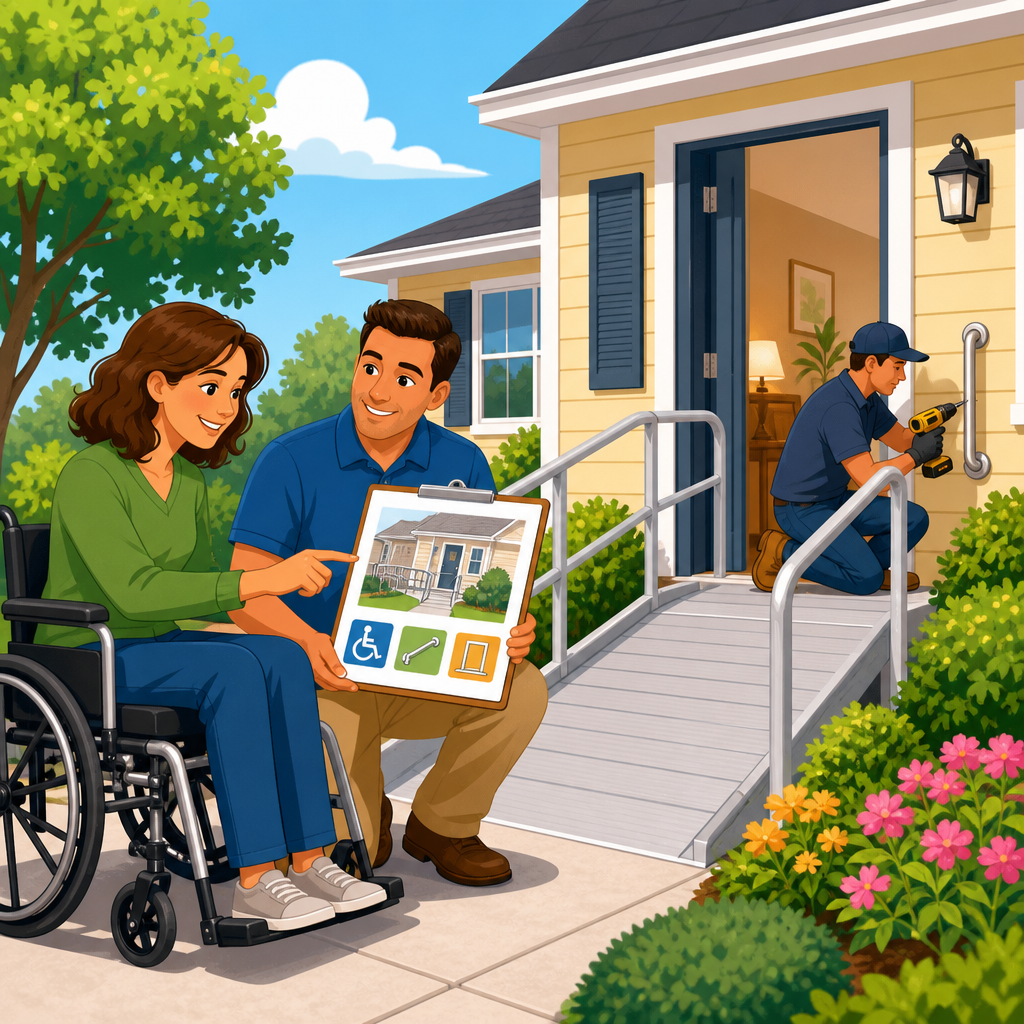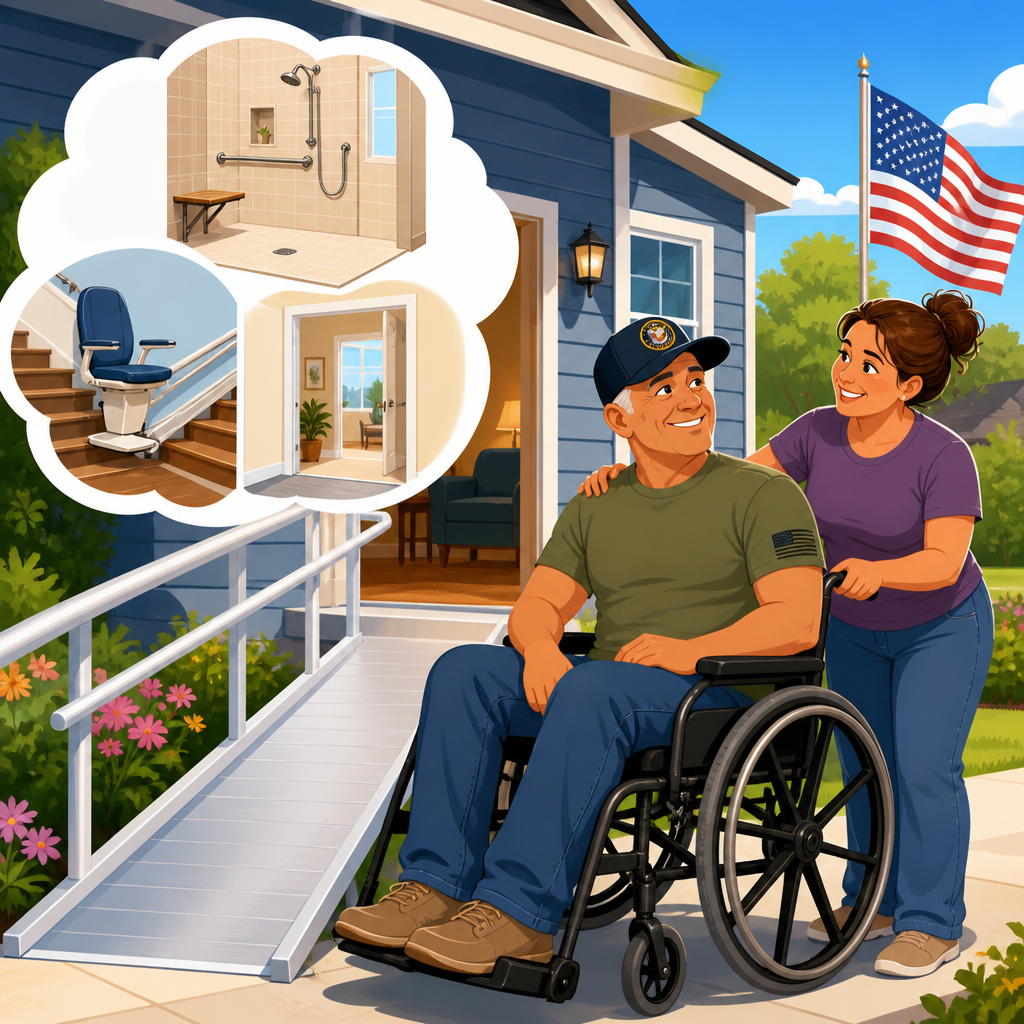
Home modification grants for veterans with mobility disabilities can bridge the gap between an inaccessible house and a safe, livable home, but the programs, eligibility rules, and application steps are often confusing without a clear roadmap. In this context, home modification means structural or equipment changes that improve access, safety, and independence, such as wheelchair ramps, widened doorways, roll-in showers, stair lifts, ceiling track lifts, accessible kitchens, and exterior pathway improvements. Grants and assistance programs are different from standard loans because they may not require repayment, may be tied to a service-connected disability, and often have rules about primary residence, medical necessity, and approved uses. I have worked with families comparing Veterans Affairs housing grants, Medicaid waiver supports, nonprofit funding, and state assistive technology programs, and the biggest mistake I see is assuming there is only one source of help. In reality, veterans frequently combine federal benefits, local disability resources, charitable grants, and tax incentives to cover a single project. This matters because falls, transfer injuries, and inaccessible bathing or toileting areas can quickly turn into medical crises, caregiver burnout, and avoidable nursing facility placement. A well-planned grant strategy reduces out-of-pocket cost while helping veterans stay at home longer, with more dignity and less daily risk.
For veterans with mobility disabilities, the most important starting point is understanding that grant programs are designed around function, not just diagnosis. A spinal cord injury, amputation, stroke, multiple sclerosis, Parkinson’s disease, traumatic brain injury, or severe arthritis may qualify if the condition substantially limits walking, transferring, bathing, or navigating the home. Program administrators usually want documentation showing why a specific modification is medically necessary and how it supports independent living. That means the strongest applications connect the veteran’s limitations to the exact barrier in the home: narrow bathroom doors prevent wheelchair entry, a tub wall creates unsafe transfers, front steps block access to medical appointments, or a split-level layout confines the veteran to one floor. As a hub page for grants and assistance programs, this guide explains the major funding sources, how they fit together, where veterans get stuck, and how to build an application that has a realistic chance of approval.
VA housing grants are usually the first place to look
The Department of Veterans Affairs offers the most significant home modification funding available to many disabled veterans, especially through Specially Adapted Housing, Special Housing Adaptation, and Temporary Residence Adaptation grants. These programs are intended for veterans and certain service members with qualifying service-connected disabilities, and they can fund major accessibility changes to an existing home, a home being built, or in some cases a family member’s home where the veteran will live. The exact dollar limits change over time with annual adjustments, so applicants should always confirm current benefit amounts on VA.gov before planning a project budget. In practice, these grants are commonly used for ramps, accessible entrances and exits, widened halls and doors, accessible bathrooms, lowered counters, improved flooring for wheelchair mobility, and other barrier-removal work.
Specially Adapted Housing, often called SAH, generally serves veterans with the most severe mobility-related service-connected disabilities, including loss or loss of use of both lower extremities, certain combinations involving upper extremities, blindness combined with mobility impairment, severe burn injuries, and some respiratory or balance-related conditions. Special Housing Adaptation, or SHA, is narrower and often applies to specific serious disabilities affecting hands, vision, or severe burns. Temporary Residence Adaptation can help when a qualifying veteran temporarily lives in a family member’s home that needs accessibility work. The practical difference is not just eligibility; it is project scope. SAH often supports broad structural redesign, while smaller grants may be better suited for a bathroom conversion or access route improvement. Veterans should not self-disqualify based on assumptions because the legal criteria are technical and the VA evaluates medical evidence carefully.
The Home Improvements and Structural Alterations program, known as HISA, is another critical VA option and is often overlooked because it is smaller and more medically targeted than SAH or SHA. HISA can help pay for medically necessary home improvements prescribed by a VA physician to support treatment or access to essential facilities. Typical examples include roll-in showers, doorway widening, access ramps, improved plumbing or electrical work needed for medical equipment, and exterior access improvements. HISA is available to veterans with both service-connected and non-service-connected conditions, but the lifetime benefit cap differs depending on the basis of eligibility. In actual case planning, HISA is frequently paired with other resources because its cap may cover part of a bathroom remodel but not all labor, permitting, and finish work. That makes coordination essential.
How to match the right grant to the right modification
Not every funding source pays for every improvement, and mismatching the project to the program is one of the most common reasons applications stall. A ramp may be covered under a VA grant, a state assistive technology program, a nonprofit accessibility initiative, or a community development fund, but a kitchen remodel for convenience alone is far less likely to qualify. Funders want to see a direct relationship between the modification and the veteran’s mobility, safety, or health needs. The more specific that link is, the stronger the file becomes. For example, replacing a bathtub with a curbless shower is easier to justify when an occupational therapist documents failed transfers, increased fall risk, and caregiver strain. Replacing decorative flooring is weak; replacing thick carpet that prevents wheelchair propulsion is strong.
In my experience, the best applications are built like small construction cases. They include a clinical justification, measurements, contractor scope, itemized estimate, photographs, and a short narrative explaining how the current layout creates barriers. That package helps a reviewer understand why the work is necessary and whether the price is reasonable. It also prevents a common problem: vague bids. If a contractor submits “bathroom renovation” with one total number, the funder has no way to separate eligible accessibility work from general upgrades. A bid that breaks out demolition, plumbing relocation, grab bar blocking, roll-in shower base, non-slip flooring, handheld shower fixture, wider door unit, and final inspections is far more useful.
| Program or Source | Best For | Common Covered Modifications | Key Limitation |
|---|---|---|---|
| VA SAH or SHA | Major service-connected disability adaptations | Entrances, bathroom redesign, widened doors, accessible routes | Strict disability eligibility rules |
| VA HISA | Medically necessary structural changes | Ramps, roll-in showers, doorway widening, utility upgrades | Lower lifetime cap than SAH |
| Medicaid HCBS waivers | Long-term community living supports | Safety modifications, bathroom access, limited environmental changes | State-by-state variation and waitlists |
| Nonprofit grants | Gap funding and urgent small projects | Ramps, grab bars, minor repairs, equipment | Limited budgets and local restrictions |
| State and local housing programs | Low-income accessibility work | Code-related repairs, access improvements, rehabilitation | Income limits and property rules |
Beyond the VA: Medicaid, state programs, and local housing assistance
Veterans should look beyond federal veterans benefits because many households need layered funding. Medicaid Home and Community-Based Services waivers can sometimes pay for environmental modifications that help a person remain safely at home instead of entering institutional care. These programs vary by state, but commonly covered items include access ramps, bathroom safety changes, widened doorways, and other modifications tied to a care plan. The challenge is that waiver benefits are not uniform. Some states cap environmental modification spending, some require prior authorization from a case manager, and some maintain long waiting lists. For veterans who are dually eligible for VA care and Medicaid, this can still be a powerful supplement, especially when a VA grant does not cover all costs.
State vocational rehabilitation agencies may also fund modifications when the change is necessary for employment, job training, or maintaining the ability to work from home. If a veteran with a spinal cord injury needs an accessible entrance or bathroom to continue remote employment, vocational rehabilitation support may fit. State assistive technology programs, authorized under federal law but administered locally, can provide device loans, demonstration services, and financing guidance. While these programs are more commonly associated with equipment than construction, they often know local grant sources that are not easy to find through general search. Centers for Independent Living are equally valuable because they specialize in practical disability access problem-solving and usually maintain referral lists for contractors, funding options, and peer supports.
Local housing rehabilitation programs deserve careful attention. Cities and counties often receive Community Development Block Grant funds or operate accessibility repair programs for low- and moderate-income homeowners. These may come as forgivable loans, deferred-payment loans, or true grants depending on the jurisdiction. Some programs prioritize code violations first, but accessibility modifications can qualify when they support health and safety. Area Agencies on Aging, even when the veteran is not elderly, may know county repair funds, caregiver support initiatives, and fall-prevention programs that overlap with disability access. The most successful applicants call multiple local offices rather than waiting for a single agency to provide a complete list.
Nonprofit and community-based grants can fill the funding gap
National and regional nonprofits are often the difference between a partially funded project and a completed one. Organizations that serve disabled veterans, people with spinal cord injuries, amputees, or individuals living with progressive neurological conditions sometimes offer direct grants, equipment assistance, or contractor partnerships. Rebuilding Together has local affiliates that may perform accessibility and safety repairs for qualifying homeowners. Habitat for Humanity affiliates occasionally support critical home repair and accessibility work, though eligibility and project scope vary widely by location. The Gary Sinise Foundation, Semper Fi and America’s Fund, and similar organizations have supported home adaptation for some injured service members and veterans, particularly in high-need cases, though programs can change over time and may focus on specific populations.
Faith-based groups, fraternal organizations, and local service clubs such as Rotary or Lions can also contribute smaller amounts that pay for permits, materials, or a portion of labor. These are rarely enough to fund a full accessible bathroom conversion alone, but they can close the exact gap preventing a project from moving forward. I have seen a veteran combine a HISA award, a county accessibility grant, donated labor from a volunteer repair group, and a small community fundraiser to complete a ramp and bathroom project that no single source would fully cover. That layered approach is common, not exceptional.
When evaluating nonprofit help, veterans should ask three direct questions: Is funding restricted to certain diagnoses or eras of service, is contractor selection controlled by the organization, and are there deadlines or matching requirements? Some nonprofits reimburse after work is completed, which creates cash flow problems if the homeowner cannot front the cost. Others will only pay approved contractors or only fund basic accessibility rather than finish materials. Understanding these details early prevents delays and disappointment.
How to build a grant application that gets approved
Strong applications are specific, documented, and medically grounded. Start with a home accessibility assessment from an occupational therapist, VA clinician, rehabilitation specialist, or qualified aging-in-place professional who understands mobility barriers. The assessment should identify the exact tasks that are unsafe or impossible, such as entering the home, transferring to the toilet, bathing independently, or reaching the bedroom. Next, obtain at least one detailed contractor estimate, and preferably two or three if the program allows comparisons. Each bid should separate accessibility features from general remodeling. Include photos of barriers, room dimensions, and notes on code issues such as insufficient turning radius, improper slope, or lack of reinforcement for grab bars.
Medical necessity letters should be plain, not generic. A letter stating that the veteran “would benefit from a shower remodel” is weak. A stronger version states that the veteran uses a wheelchair, cannot safely step over a tub wall, has experienced near falls during transfers, requires caregiver assistance for bathing, and needs a roll-in or low-threshold shower with grab bars and handheld spray to perform hygiene safely at home. Reviewers respond to functional evidence. They also respond to realistic budgets. If a bid appears inflated compared with local rates, approval may be delayed while staff request revisions.
Documentation discipline matters. Keep copies of military discharge paperwork if required, VA rating decisions, proof of homeownership or permission from the property owner, income records for means-tested programs, contractor licenses, and permit requirements. Do not begin construction before written approval unless the program expressly allows retroactive payment, because many do not. If the project is urgent, such as a veteran sleeping in a recliner because they cannot access a bathroom safely, state that clearly and ask whether expedited review is available.
Common mistakes, timelines, and realistic expectations
The biggest mistake is waiting until a crisis forces a rushed decision. A veteran who falls during a tub transfer may need immediate changes, but grants, inspections, and contractor schedules take time. Planning ahead allows better design choices and more funding combinations. Another common error is focusing only on one room. If a wheelchair user can reach an accessible bathroom but cannot get through the hallway or front door, the project still fails functionally. Good planning follows the route of daily living: parking or sidewalk, entrance, hallway width, bedroom access, bathroom access, and kitchen usability.
Timelines vary significantly. A small nonprofit ramp grant may move in weeks, while a major structural adaptation through a federal program can take months, especially if plans, inspections, and multiple approvals are required. Material lead times also matter. Custom shower systems, lift systems, and exterior platform lifts are not always available quickly. Veterans should expect permitting, environmental reviews in some programs, and occasional bid revisions. That is normal. It does not mean the project is failing.
Finally, grants rarely eliminate every cost. Homeowners may still face temporary lodging during construction, upgraded finishes not deemed medically necessary, maintenance obligations, or costs above a program cap. The benefit is not perfection; it is affordability and access. Start by identifying the highest-risk barriers, gather clinical and contractor documentation, and contact the VA, state disability agencies, and local housing programs in parallel. That coordinated first step gives veterans with mobility disabilities the best chance to secure home modification grants and stay safely independent at home.
Frequently Asked Questions
What home modification grants are available to veterans with mobility disabilities?
Veterans with mobility disabilities may have access to several forms of financial help for home accessibility improvements, with the most well-known support often coming through U.S. Department of Veterans Affairs housing adaptation programs. Depending on the veteran’s service-connected disability status, medical needs, and housing situation, assistance may be available for changes such as wheelchair ramps, widened doorways, roll-in showers, grab bars, accessible sinks, lowered countertops, stair lifts, exterior pathway improvements, and other modifications that make daily living safer and more independent. Some veterans may qualify for larger grants intended for substantial structural changes, while others may be eligible for smaller grants for medically necessary improvements.
In addition to federal VA programs, veterans should also look at state veterans agencies, county veterans service offices, nonprofit organizations, and disability-focused charities. Some communities offer grants, forgivable loans, or home repair programs that can be combined with veteran-specific benefits. If a veteran does not fully qualify for one program, partial support from another source may still help cover the remaining project cost. Because funding rules, maximum award amounts, and covered modifications can change over time, it is important to confirm current details directly with the VA, a local Veterans Service Officer, or the specific program administrator before starting the project.
Who is eligible for a veteran home modification grant?
Eligibility usually depends on a combination of factors, including military service history, discharge status, whether the disability is service-connected, the nature of the mobility limitation, and whether the requested home changes are medically necessary. In many cases, the strongest candidates are veterans whose mobility disabilities significantly affect activities such as entering and leaving the home, bathing, using the kitchen, moving between rooms, or safely navigating stairs and outdoor walkways. A clinical recommendation may be needed to show that the modification is necessary for health, safety, and independent functioning.
Housing status also matters. Some grant programs are designed for veterans who own their homes, while others may also help veterans living in a family member’s home or, in limited situations, a home they plan to purchase. Renters may face extra steps because landlord approval is often required before modifications can be made. Certain programs may require that the home be the veteran’s primary residence. Because each grant has its own standards, veterans should not assume they are ineligible based only on one factor. A local VA representative or Veterans Service Officer can help review discharge papers, disability ratings, medical documentation, and housing details to determine which programs are the best fit.
What types of home modifications are usually covered by these grants?
Home modification grants for veterans with mobility disabilities generally focus on accessibility, safety, and independence rather than cosmetic upgrades. Commonly covered improvements include wheelchair ramps, zero-step entries, widened hallways and doorways, roll-in showers, shower seating, grab bars, non-slip flooring, raised toilets, accessible bathroom sinks, lowered kitchen counters, improved cabinet access, stair lifts, vertical platform lifts, ceiling track lift systems, and safer exterior paths from parking areas to the home entrance. In some cases, electrical, plumbing, or layout changes that are necessary to support the accessibility work may also be part of the approved project.
The key question is usually whether the modification addresses a documented mobility need. For example, replacing a bathtub with a roll-in shower may be approved if the veteran cannot safely step over a tub wall, while a general bathroom remodel for appearance alone likely would not be covered. The same is true for kitchen changes, entrance modifications, and bedroom access improvements. Some projects may require contractor estimates, medical justification, and approval before work begins. Veterans should also be aware that not every requested item will automatically qualify, especially if there are lower-cost alternatives that still meet the medical need. Getting a detailed assessment early can help ensure the proposed modifications match program requirements.
How do veterans apply for a home modification grant, and what documents are usually needed?
The application process typically starts with contacting the VA, a VA medical team, or a Veterans Service Officer to discuss the veteran’s disability-related housing needs. In many cases, the veteran will need an evaluation that explains how the current home creates barriers and what specific modifications are medically appropriate. This may involve input from a physician, occupational therapist, rehabilitation specialist, or prosthetics department, depending on the program and the nature of the mobility disability. After that, the veteran may need to complete formal application forms and submit supporting records.
Commonly requested documents include proof of military service, discharge paperwork, identification, proof of home ownership or occupancy, disability-related medical records, a written prescription or recommendation for the modifications, contractor bids or estimates, photos of the problem areas, and sometimes plans or drawings for the proposed work. If the veteran lives in a home owned by someone else, written permission from the property owner may be required. One of the most important practical tips is to avoid starting construction too early. Many programs require approval before work begins, and veterans who move ahead without authorization may risk losing reimbursement or grant eligibility. Keeping organized records and working closely with a knowledgeable case manager or Veterans Service Officer can make the process much smoother.
Can veterans combine home modification grants with other funding sources if the project costs more than the grant amount?
Yes, in many situations veterans can combine funding sources, and doing so is often necessary for larger accessibility projects. Major mobility-related renovations such as full bathroom conversions, kitchen reconfiguration, entry reconstruction, or lift installation can be expensive, and a single grant may not cover the full cost. Veterans may be able to layer assistance from VA-related programs with state or local accessibility grants, nonprofit support, community development programs, disability equipment funding, or low-interest and forgivable loan programs. The ability to combine resources depends on the rules of each funding source, so it is important to verify whether one program reduces benefits because of another.
Coordination matters just as much as funding. Veterans should ask each program administrator whether matching funds are allowed, whether contractor selection rules apply, and whether all work must meet certain accessibility standards or inspection requirements. It is also smart to build a detailed project budget that separates essential accessibility features from optional upgrades. That makes it easier to direct grant money toward the modifications most likely to be approved, such as ramps, roll-in showers, widened doorways, and safe exterior pathways. When multiple funding streams are managed carefully, veterans can often turn a partially funded project into a complete accessibility plan that supports long-term safety, independence, and quality of life.