Finding local nonprofit funding for stair lifts and wheelchair lifts starts with understanding how disability assistance actually works at the community level. Most families begin by searching for one large grant, but in practice, successful funding usually comes from combining several sources: nonprofit grants, disease-specific charities, civic organizations, local foundations, state assistive technology programs, and contractor discounts. Stair lifts and wheelchair lifts are often classified as accessibility modifications, durable equipment, or home safety improvements, and each label can change which funders will consider your application. That distinction matters because a straight stair lift may cost a few thousand dollars, while a vertical platform lift or incline wheelchair lift can cost substantially more once permits, electrical work, and installation are included.
When I have helped households navigate this process, the biggest obstacle has rarely been the application form itself. It has been knowing where to look, what language to use, and how to present the need in terms funders recognize. Nonprofits tend to fund necessity, safety, independence, and community participation. They respond better to a clear statement such as, “The applicant cannot safely access the bedroom and bathroom without a lift,” than to a general request for home upgrades. Local nonprofit funding for stair lifts and wheelchair lifts is available in many areas, but it is fragmented, competitive, and often hidden behind referral networks.
This hub article explains the full landscape of grants and assistance programs for lift funding, with a specific focus on local nonprofit sources. It also connects the dots between related options under the broader Cost & Financing Options topic, because grant seekers often need backup paths such as Medicaid waivers, veterans benefits, state rehabilitation services, or financing paired with charitable aid. If you need help paying for a stair lift or wheelchair lift, this guide will show you where to search, how to qualify, what documents to gather, and how to build a realistic funding plan without wasting time on dead ends.
What Counts as Local Nonprofit Funding for Accessibility Lifts
Local nonprofit funding refers to charitable assistance offered by organizations serving a city, county, region, or state rather than the entire country. These groups may provide direct grants, equipment subsidies, emergency assistance, home modification funds, or referrals to partner programs. In accessibility projects, the relevant organizations often include Centers for Independent Living, community foundations, local chapters of national disease associations, faith-based charities, United Way partner agencies, Rotary or Lions clubs, Area Agencies on Aging, and nonprofit hospital foundations. Some do not advertise stair lift grants specifically, yet they regularly support mobility and safety projects when a strong case is made.
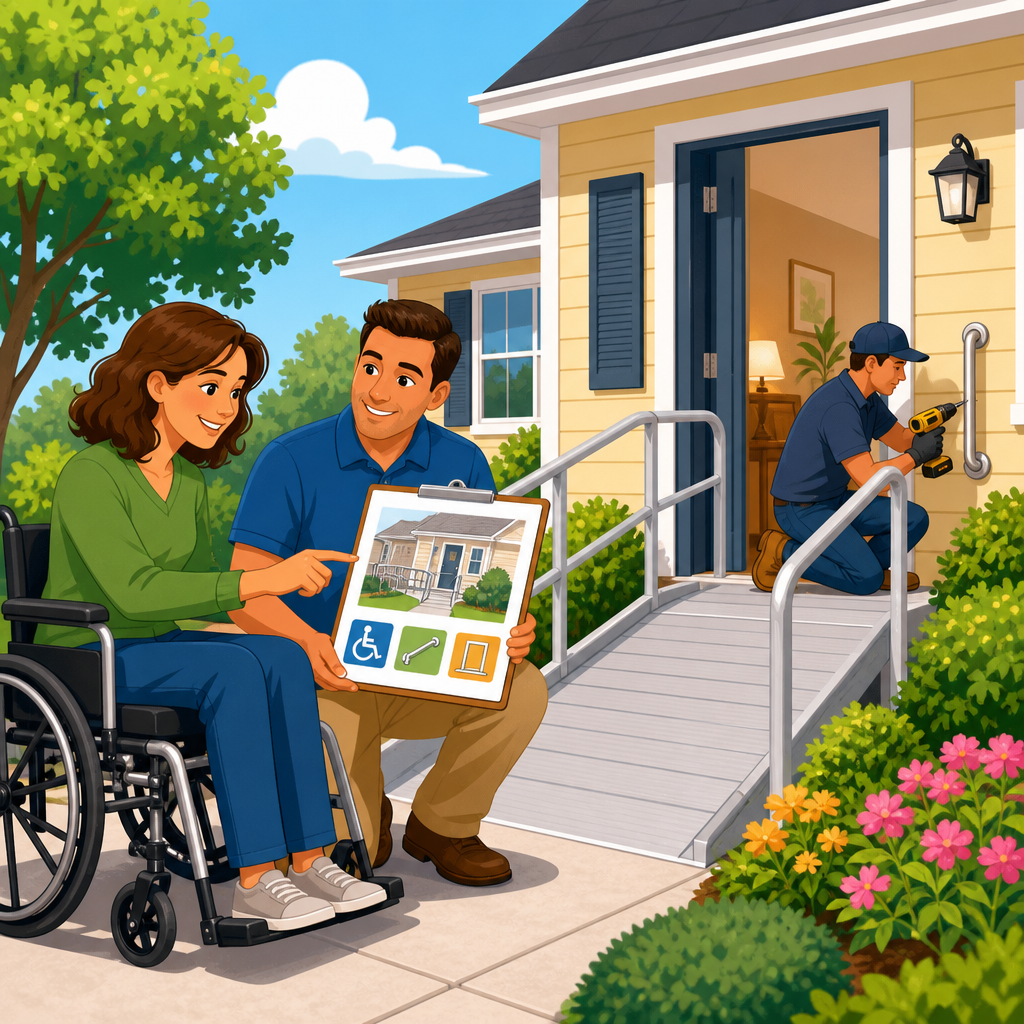
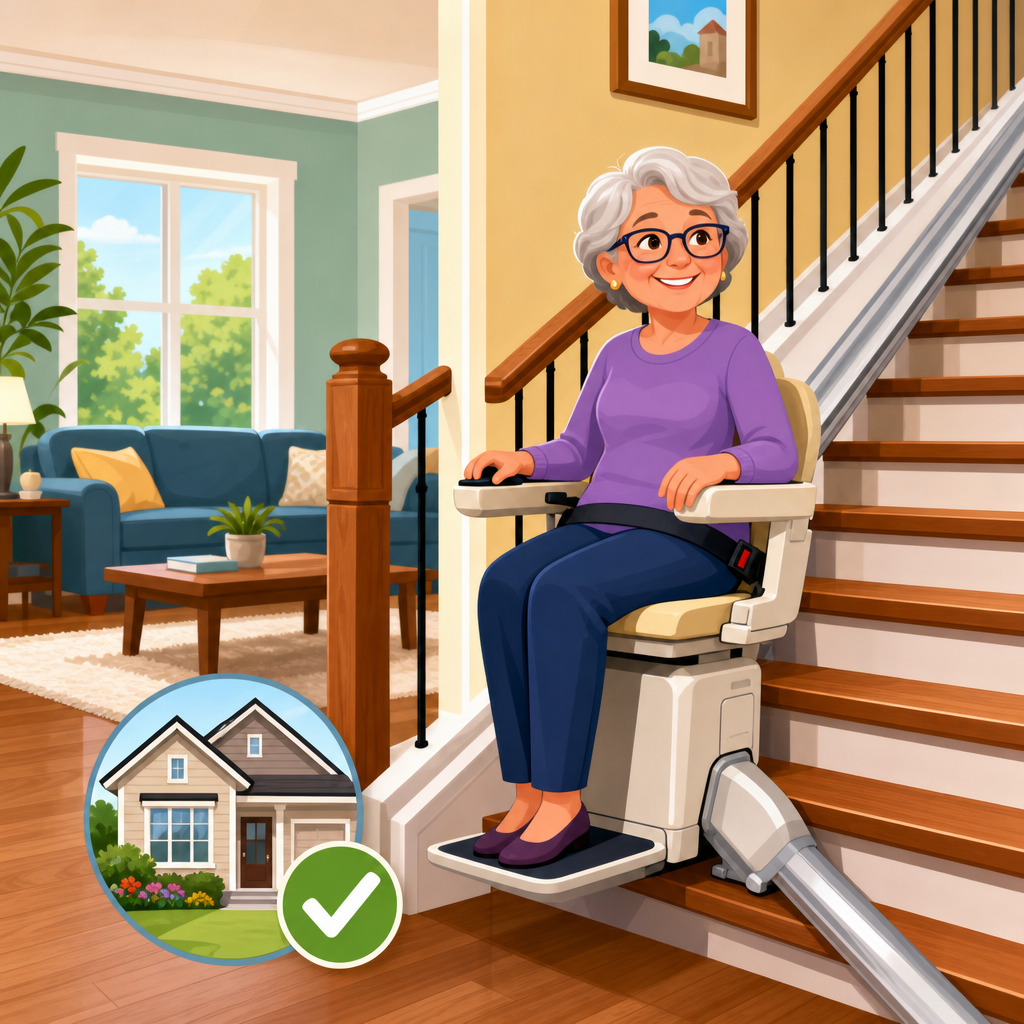
It helps to separate the equipment categories. A stair lift usually carries one seated rider up a staircase and is often appropriate for people who can transfer safely. A wheelchair lift, often called a vertical platform lift, raises a person while they remain in the wheelchair. An incline platform lift travels along the stairs but typically costs more and needs more space. Nonprofit funders may support one option but not another depending on budget, home layout, and the applicant’s medical documentation. They may also ask whether a ramp, bedroom relocation, or bathroom modification would be more cost-effective.
Eligibility usually depends on a mix of factors: diagnosis or mobility limitation, income, age, veteran status, county residency, and proof that the modification is necessary for safe access. Some charities are limited to children, older adults, or people with a specific condition such as multiple sclerosis, spinal cord injury, ALS, cerebral palsy, or muscular dystrophy. Others prioritize applicants at risk of institutionalization because a relatively modest grant can prevent a move to assisted living or a nursing facility.
Where to Search First for Stair Lift and Wheelchair Lift Grants
The fastest way to find local nonprofit funding is to start with organizations that already coordinate disability and aging services. In most regions, the best first calls are the local Center for Independent Living, Area Agency on Aging, county social services office, and the state Assistive Technology Act program. These groups often know which nonprofits are actively paying for home accessibility projects right now, not just which ones exist on paper. They can also warn you about waitlists, application cycles, and whether used or refurbished equipment is available.
Community foundations are another strong lead. Many counties and midsize cities have a foundation managing donor-advised funds or field-of-interest funds that support disability access, aging in place, or emergency family needs. I have seen community foundation staff direct families to small grant pools that never appeared in search results because they were awarded through partner agencies. Hospital foundations and rehabilitation hospitals can also be valuable, especially when the need follows a stroke, amputation, spinal cord injury, or progressive disease. Social workers in these systems often know which charitable dollars can bridge the gap after insurance denial.
Disease-specific nonprofits should not be overlooked. Local chapters of the National MS Society, ALS organizations, Muscular Dystrophy Association support networks, United Cerebral Palsy affiliates, and spinal cord injury foundations may help fund lifts directly or connect applicants to regional donors. Civic and faith-based groups matter too. Rotary, Lions, Knights of Columbus councils, Jewish Family Services, Catholic Charities, Lutheran social ministries, and local interfaith coalitions often support one-time accessibility requests when a physician and installer provide written confirmation of need and cost.
| Source | What It May Fund | Best Use Case | What to Prepare |
|---|---|---|---|
| Center for Independent Living | Referrals, small grants, advocacy | Starting point for any applicant | Mobility summary, address, income details |
| Area Agency on Aging | Home modification assistance | Older adults aging in place | Age proof, functional assessment |
| Community foundation | Local charitable grants | County or city residents | Quotes, hardship letter, tax documents |
| Disease-specific charity | Condition-related accessibility aid | Applicants with documented diagnosis | Physician letter, diagnosis records |
| Faith or civic group | Gap funding or sponsorship | Small shortfall after other aid | Project total, amount still needed |
How Nonprofits Decide Whether to Fund a Lift
Most local nonprofits are not evaluating the brand of lift first. They are evaluating risk, necessity, and impact. The strongest applications show that the lift will prevent falls, allow bathroom or bedroom access, support discharge home from rehab, reduce caregiver burden, or preserve employment or school attendance. Measurable outcomes matter. If the applicant currently sleeps in a recliner on the first floor because they cannot reach the bedroom, that is a concrete safety and health issue. If a wheelchair user cannot exit the home for medical appointments because there are porch steps, that is a community access issue.
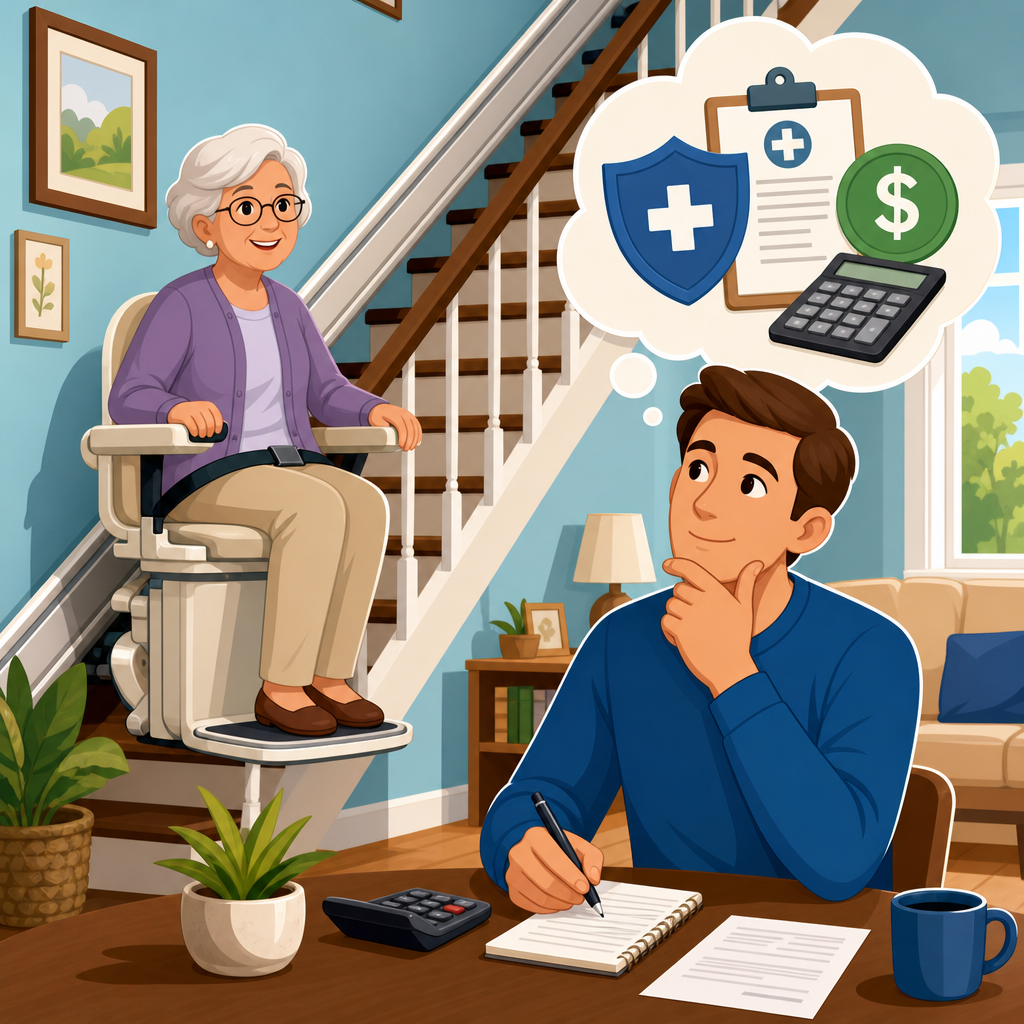
Nonprofits also look for financial realism. They want to know that the requested amount matches a legitimate quote and that the family has explored every other relevant source. Many grant committees respond well when applicants show a layered plan, such as a $2,500 commitment from a local charity, an application pending with a state assistive technology program, and a contractor discount covering part of installation. This demonstrates stewardship and increases confidence that the project can be completed. By contrast, vague requests without itemized estimates are often delayed or denied.
Another decision factor is home suitability. An installer’s assessment may reveal that a stair lift will not work because the user cannot transfer safely, the stairs are too narrow for the chosen platform, or the entrance needs a vertical platform lift instead. Responsible nonprofits ask these questions because they do not want to fund equipment that will go unused. A reputable dealer’s written recommendation carries weight, especially when it explains why a specific solution is medically and structurally appropriate.
Documents That Make an Application Stronger
A complete application package saves weeks of back-and-forth. At minimum, gather a prescription or medical necessity letter, one or two itemized quotes from licensed installers, proof of income, proof of residence, photos of the staircase or entrance, and a short personal statement explaining daily barriers. The best medical letters are specific. They should describe diagnosis, functional limitations, transfer ability, fall risk, and why the lift is required for safe access within the home. Generic notes saying only that mobility is limited do not carry the same weight.
Installer documentation should include the exact equipment model, whether it is straight or curved, whether electrical upgrades are needed, warranty details, and all installation costs. If a refurbished unit is appropriate, ask for a quote on that option too. Some nonprofits prefer funding used or reconditioned equipment because it stretches limited dollars, while others will only support new equipment with a manufacturer warranty. Knowing both options helps the funder make a faster decision.
Your personal statement should stay practical. Explain what rooms are inaccessible, how you currently manage, what safety incidents have occurred, and what will change if the lift is installed. Include caregiver impact where relevant. For example, if a spouse is physically lifting the applicant on the stairs, state that clearly. If the inability to leave the home has interrupted dialysis, physical therapy, or school attendance, include that too. These details turn an abstract mobility problem into an immediate human need.
Programs Often Paired With Nonprofit Grants
Local nonprofit funding rarely covers every dollar, so it is important to pair it with public and quasi-public assistance. Medicaid Home and Community-Based Services waivers may cover home modifications in some states for eligible beneficiaries. These programs vary widely, and some exclude lifts while others allow them when medically necessary and cost-effective. State vocational rehabilitation agencies may help if the lift supports employment or the ability to prepare for work. Veterans may have access to Home Improvements and Structural Alterations benefits or other adaptive housing support through the Department of Veterans Affairs.
State Assistive Technology Act programs can be especially useful. While these programs do not always write grants for lifts, they may offer device loan closets, financing partnerships, reuse networks, or guidance on alternative funding. Some states also have housing rehabilitation programs funded through community development channels, especially for low-income homeowners needing accessibility modifications. For children, Medicaid waiver pathways, Title V children with special health care needs programs, and school-linked social work resources can sometimes open doors that a family would not find independently.
Because this page serves as the hub for grants and assistance programs, it is the place to map these related paths before moving into more specific articles on Medicaid, veterans benefits, state disability programs, charitable foundations, and financing alternatives. In practice, the winning strategy is not choosing one category too early. It is pursuing several at once, then coordinating timelines so the installer can hold pricing and the project can move forward when the funds assemble.
Common Mistakes That Delay or Kill Funding Requests
The most common mistake is applying too narrowly. Families often search only for “stair lift grants” and miss programs that fund home accessibility, fall prevention, aging in place, or medical hardship more broadly. Another mistake is waiting for a denial from one source before contacting the next. Grant timelines are unpredictable, and applications should usually be submitted in parallel. I also see applicants underestimate project cost by ignoring permits, power supply work, service plans, or landing modifications, then lose funding because the approved amount no longer covers the real installation.
A second major issue is weak documentation. If the medical note is generic, the quote is incomplete, or residency and income records are missing, nonprofit reviewers may set the file aside. Some households also choose the wrong equipment before getting an assessment. For instance, a seated stair lift may be cheaper, but if the user cannot transfer independently, a platform lift may be the safer recommendation. Funders notice when an application is built around price alone rather than functional fit.
Finally, many people do not ask installers about charitable partnerships. Established accessibility dealers often know which local foundations, church groups, and service clubs have funded past clients. Some maintain lists of grant contacts or offer temporary pricing holds while applications are pending. It is worth asking directly: Have you worked with any nonprofits in this county that help pay for stair lifts or wheelchair lifts? That single question can shorten the search dramatically.
How to Build a Realistic Local Funding Plan
A realistic plan begins with an in-home assessment and a detailed quote, then moves quickly into a structured outreach list. Start with five to ten targets: disability resource centers, aging agencies, community foundations, disease charities, faith-based agencies, and civic groups. Prepare a single funding packet that can be adapted for each application. Track deadlines, contacts, pledged amounts, and follow-up dates in a spreadsheet. This sounds simple, but organized applicants consistently do better because small local funders often need reminders and clarification before releasing money.
Prioritize the strongest fit first. If the applicant is an older adult with fall risk, aging and home safety funds are logical leads. If the need follows a spinal cord injury, rehabilitation foundations and disability organizations may respond faster. If the lift is required so the applicant can leave home for work, education, or treatment, include that functional outcome prominently. Tailor the ask, but keep the core facts consistent across every submission.
Ask for partial funding without hesitation. Many local nonprofits cannot cover a full curved stair lift or platform lift, but they can contribute meaningful amounts. Three grants of $1,000 to $3,000 can close a project that initially seemed impossible. Before accepting any pledge, confirm whether the funder pays the installer directly, reimburses the household, or requires proof of completion. Payment mechanics matter, especially for families without the cash flow to front installation costs.
Local nonprofit funding for stair lifts and wheelchair lifts is rarely simple, but it is often achievable when the search is broad, the documentation is specific, and the project is framed around safety and independence. The key lessons are straightforward: start with community-based disability and aging organizations, gather medical and installer evidence early, apply to multiple sources at the same time, and pair charitable aid with public programs whenever possible. Families who treat this like a coordinated funding project, not a single application, have the best chance of success.
As the hub page for Grants & Assistance Programs within Cost & Financing Options, this guide gives you the framework to evaluate every funding path before diving into narrower resources. Use it to identify likely grant categories, build your application packet, and avoid common mistakes that slow approvals. If you need a lift now, make your first three calls today: a local Center for Independent Living, your Area Agency on Aging, and a reputable lift installer who knows the nonprofit landscape in your county.
Frequently Asked Questions
1. What are the best local nonprofit sources to contact first for stair lift or wheelchair lift funding?
The strongest starting point is usually your local network of disability and community-based organizations rather than a single national grant search. Begin with Centers for Independent Living, local chapters of disease-specific nonprofits, United Way referral networks, county disability resource offices, and area agencies that support older adults or people with mobility limitations. These groups often know which small foundations, church outreach funds, service clubs, and charitable programs in your city or county actually help with accessibility equipment. In many communities, nonprofits do not advertise stair lift or wheelchair lift funding clearly, but they may still assist through home accessibility grants, emergency family assistance, quality-of-life funds, or durable medical equipment support. It is also worth contacting local Rotary Clubs, Lions Clubs, Elks Lodges, Jewish Family Services, Catholic Charities, Lutheran social service agencies, and community foundations, because they sometimes provide one-time assistance for safety-related home modifications. The key is to ask specifically whether they fund accessibility improvements, mobility equipment installation, or partial home modification costs, since stair lifts and wheelchair lifts are often reviewed under broader categories rather than under a dedicated “lift funding” label.
2. Why do so many families end up combining several funding sources instead of relying on one grant?
Because stair lifts and wheelchair lifts can be expensive, nonprofit programs often cover only part of the total project rather than the entire amount. A family may receive a modest grant from a local foundation, a small donation from a civic organization, a discount from the installer, and additional help from a state assistive technology program or faith-based fund. That layered approach is common and often necessary. These lifts are frequently treated as home accessibility modifications, safety improvements, or adaptive equipment, so different organizations may each be willing to support one piece of the cost. For example, one funder may pay for the equipment itself, another may help with installation, and another may offer a low-interest loan or reused equipment referral. This is why successful applicants usually build a funding plan instead of waiting for a single large award. Families who prepare a written estimate, explain the medical and safety need, and show what other sources they have already contacted are often more successful, because nonprofits want to see that the request is realistic and that their contribution will help close a specific gap.
3. How should I prepare before applying to local nonprofits for stair lift or wheelchair lift assistance?
Preparation matters a great deal, because many small nonprofits make decisions quickly and want clear documentation. Before applying, gather a written estimate from a reputable stair lift or wheelchair lift contractor, a brief letter from a doctor, therapist, or case manager explaining the mobility need, and a simple statement describing why the home is unsafe or inaccessible without the lift. Include practical details such as whether the person is at risk of falls, unable to reach a bedroom or bathroom, or facing hospital discharge delays without improved access. You should also be ready to provide proof of income, proof of residence, photos of the staircase or entry area, and any denial letters or funding gaps from insurance or public programs. A concise cover letter can make a big difference: explain the total project cost, how much funding you are requesting, what other agencies you have contacted, and why the lift is essential for safety and independence. Nonprofits respond better when the request is organized, medically supported, and clearly tied to daily functioning rather than framed as a general home upgrade.
4. Are stair lifts and wheelchair lifts considered medical equipment or home modifications when seeking nonprofit funding?
They can fall into both categories, but in local nonprofit funding they are more commonly reviewed as accessibility-related home modifications. That distinction is important because it affects where you apply and how you describe the request. Many charitable organizations do not have a grant line specifically labeled for stair lifts or wheelchair lifts, yet they may fund “aging in place,” “barrier removal,” “accessibility improvements,” “safe discharge,” or “independent living” needs. In other words, the terminology you use can expand your opportunities. When speaking with nonprofits, it is often helpful to describe the lift as a medically necessary accessibility solution that prevents falls, improves safe access within the home, and allows the person to remain in the community rather than move or require higher-cost care. At the same time, some disease-specific charities or assistive technology programs may view the lift more like adaptive equipment, especially if it directly supports mobility limitations tied to a diagnosis. Understanding both classifications helps you cast a wider net and avoid missing programs that would consider your request under a broader home safety or disability assistance category.
5. What can I do if local nonprofit funding is limited or I am denied assistance for a stair lift or wheelchair lift?
If funding is limited, do not assume the search is over. First, ask whether the organization can offer a partial grant, a referral, or an emergency review if your situation involves a recent injury, hospital discharge, or immediate fall risk. Many nonprofits cannot fully fund a project but can still contribute something or connect you to another partner. Next, widen the search to include state assistive technology programs, county human services offices, local community foundations, veterans’ resources if applicable, and disease-specific charities tied to the person’s diagnosis. You should also talk to contractors directly about payment plans, refurbished equipment, floor-model discounts, donated units, or reduced installation charges for hardship cases. Some installers know of local charitable partnerships that are not widely advertised. In addition, consider whether accessibility fundraising through faith communities, workplace giving, neighborhood groups, or online community campaigns could help cover the remaining balance. Denials are often based on budget limits, service area rules, or incomplete documentation rather than a judgment that the need is unimportant. Reapplying with better paperwork, a lower amount request, or evidence of matching funds can improve your chances significantly.